

What if medical treatments could be customized just for you? Imagine having prosthetics, implants, or even surgical plans made specifically to fit your body and needs. Thanks to 3D printing, this is now possible. Instead of relying on standard solutions, 3D printing in medical applications allows doctors to create personalized medical devices that offer a perfect fit and better outcomes.
In this blog, we’ll explore the various applications of 3D printing technology in the medical field, its benefits.
What Is 3D Printing in Medical Applications?
3D printing involves printing physical objects in three dimensions based on an electronic file. This technology in the medical sector is utilized in producing an extensive range of medical instruments and apparatus with unbelievable accuracy. Unlike the traditional manufacturing method, 3D printing enables complex geometries that can be specifically designed to suit the needs of a patient.
Applications of 3d Printing in Medical Field
The medical sphere is changing with the help of 3D printing in medical applications that allows providing personal treatment, writing implants, and developing new surgical methods that lead to better patient outcomes.
Prosthetics and Orthotics
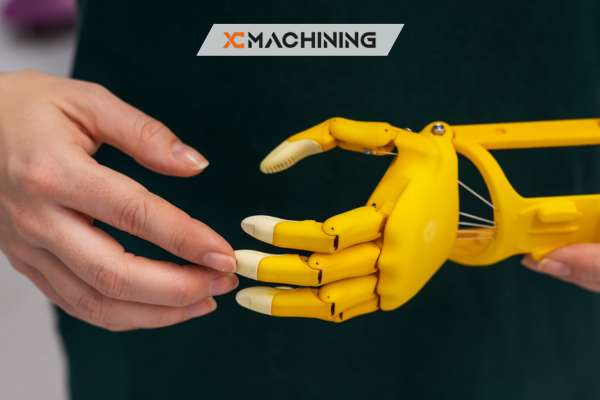
Impresión 3D has revolutionised the design of prosthetics and orthotics as it is possible to create a customised solution to achieve the precise dimensions of a patient. Conventional prosthetics may be bulky and uncomfortable, as it applies a one-size-fits-all strategy, whereas 3D-printed prosthetics are made to fit the anatomy of the patient, which enhances comfort and functionality.
Surgical Planning
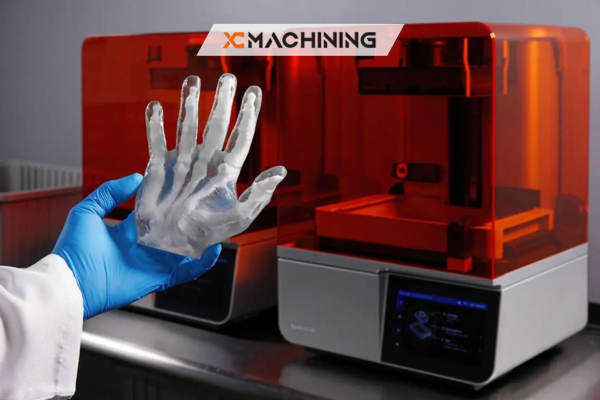
The 3D printing creates anatomical models of a patient that are accurate and precise and can be used to help the surgeons plan and practice pre-surgical planning and practice. Such 3D models may be created using medical imaging data, including CT scans or MRIs, to provide an excellent representation of the anatomy of the patient. 3d printing near me
Implantes
The capability of designing and producing custom implants (dental, spinal and hip implants) with precision has greatly improved the medical sector. These customized implants do not only save time during surgery, but also reduce cases of complications caused by the use of implants of standard size. Customized implants will help to shorten recovery time and increase the success rate, by doing so by eliminating the necessity of manual adjustments in the course of surgery and reducing the necessity of invasive bone graft procedures.
Medical Tools and Devices
3D printing is not limited to prosthetics and implants, it is also used to create a variety of the various types of medical tools and devices that can be 3D printed and are essential in a healthcare environment. 3D printing has helped medical professionals to print bespoke surgical tools and devices which are specific to a particular surgery or patient specifications. This can be very useful especially during emergency surgeries where time is of essence.
3D Printing Materials Used in Healthcare
3D printing has revolutionized healthcare by providing custom solutions for medical devices, prosthetics, and implants. However, materials used in medical 3D printing must meet stringent standards for strength, durability, sterility, and biocompatibility. Below are the most commonly used 3D printing materials in healthcare.
3D printing has transformed the medical field since it has offered custom solutions in medical machines, prostheses and implants. The most popular 3D printing in medical applications materials in the healthcare sector are discussed below.
Nylon PA-12
Nylon PA-12 is tough, pliable, and biocompatible, so it would be the best choice in development of custom prosthetics, orthotics, and operating tools. It is also chemical resistant thus guaranteeing a long-term application in a medical setting.
PC-ISO (Polycarbonate-ISO)
PC-ISO is a biocompatible and transparent substance that is employed in equipment required to endure high stresses and high temperatures. It is commonly applied to medical equipment, surgical instruments and containers of fluids because it is robust and can be sterilized.
ABS M30i
ABS M30i is a high-performance thermoplastic that has strength, heat resistance and sterilizability. It is used in medical equipment as well as surgical guidance systems that demand durability and biocompatibility.
Titanio
Titanium is preferred because of its strength and light weight attributes and corrosion resistance making it suitable for implants and prosthetics. It is biocompatible and durable as it can integrate well with human tissue.
Cobalt Chrome
Cobalt chrome is strong, and wear resistant, which is suitable to orthopedic implants and dental crowns. It is a great strength and corrosion resistant material, which renders long performance in the human body.
Acero inoxidable
Surgical instruments and medical tools are usually made out of stainless steel. Its great strengths, resistance to corrosion, and sterilization resistance make it a popular material in terms of healthcare use.
Thermoplastic Polyurethane (TPU)
TPU is a soft material resembling rubber that can be used to draw soft prosthetics and orthotics. It is elastic and durable, hence suitable where flexibility and shock absorption are necessary.
Polylactic Acid (PLA)
PLA is simple to print and biodegradable and commonly utilized in prototyping and short term medical use. Whereas it is not as strong as other materials, it can be used in the first designs and models of education.
Polyetheretherketone (PEEK)
PEEK is a high performance polymer that is very strong, chemically resistant and biocompatible. It finds regular application in the spinal implants as well as joint replacement where durability and strength are important.
Polyetherketoneketone (PEKK)
PEKK is more thermal and chemically resistant than PEEK and makes it suitable for high performance medical applications, such as orthopedic implants and dentures.
Polimetilmetacrilato (PMMA)
PMMA (also known as acrylic) is light, transparent and resistant to shattering. It is mostly applied in the production of transparent medical aids like contact lenses, prosthetics and dental product appliances.
Bioceramics
Bioceramics are the best in terms of bone implants, dental use because of its excellent biocompatibility. Such materials have good adhesion to human tissue that facilitates integration and healing.
Polyethylene Glycol (PEG)
PEG is used in tissue engineering and drug delivery 3D printing. It is biocompatible and water-soluble, therefore, it is applicable in the formation of hydrogels that minimise biological tissues.
Why 3D Printing Is a Game Changer for the Medical Industry?
The medical industry is revolutioning due to 3D printing in medical applications that allows the creation of unique solutions that will maximize patient care and enhance care outcomes during surgery.
Faster Production
The time to make a prototype and part in the traditional process often takes weeks. 3D printing in medical applications can dramatically decrease the lead times and thus keep the production process fast in order to manufacture medical solutions.
Eficiencia de costes
Production of customised implants and prosthetics has been costly in terms of molds and machinery. Advanced medical devices have become accessible and affordable, with 3D printing.
Precision and Customization
3D printing in medical applications has the ability to produce medical equipment that is extremely precise, intricate and according to medical standards. Such customization may enhance the overall efficacy of the treatments, complicating less and increasing the satisfaction of the patients.
Fabricación a la carta
3D printing in medical applications can be used to make on-demand products, eliminating a vast stock of medical equipment. This saves storage costs and risks of overproduction is minimal ensuring that only what is required is produced.
Pros and Cons of 3D Printing in Medical Applications
Pros
- Personalización: Patient-specific devices and implants.
- Rapid Manufacturing: Rapid response to emergency medical services.
- Rentable: Reducing the cost of manufacturing medical devices.
- Menos residuos: Accurate production processes result in a smaller amount of waste.
Contras
- Limitaciones materiales: Materials used in 3D printing in medicine are limited in their properties.
- Regulatory Problems: The medical equipment needs strict testing and approval which may slow the introduction of new technologies.
- High Upfront Cost: Not all healthcare providers will have access to high-quality 3D printers and equipment due to its high cost.
Conclusión
The medical industry is evolving in the way that it is using 3D printing in medical applications to offer better solutions. It gives the opportunity to produce individual implants, prosthetics, and surgical instruments which enhances patient care and accelerates recovery. This technology is posing new benchmarks, and provides high quality care and produces high quality results in medicine.
Preguntas frecuentes
What are the main applications of 3D printing in the medical field?
Prosthetics, implants, surgical planning, and even bio printing tissues are some of the uses of 3D printing as part of offering a tailor-made solution to healthcare demands.
How does 3D printing improve prosthetics?
The custom 3D printing prosthetics can fit in the anatomy of a patient perfectly and this offers comfort and functionality over the traditional prosthetic solutions.
Can 3D printing help with organ transplants?
While still in development, 3D printing future allows the development of working organs that could be transplanted to patients, eliminating the use of organ donors.
How does CNC machining work with 3D printing in medical applications?
The CNC services are applied to optimize the surfaces and size of the 3D printed medical devices and make them fit exactly to medical standards.
What materials are used in 3D printing for medical devices?
In medical 3D printing applications, materials such as biocompatible plastics, titanium, and even bio-inks to print tissues are used.



 Spanish
  English
  French
  German