Let’s walk through a typical process for creating CNC machined stainless steel parts at XC Machining, from design to delivery.
Material Selection & Specification
We begin by identifying the right stainless steel grade for your part: maybe 304, 316, 17-4PH, duplex, etc. Selecting the correct grade is key because machinability, strength and corrosion resistance vary. For example, 316 has molybdenum for higher corrosion resistance; 303 is a free-machining stainless steel grade.
Design & CAD/CAM Setup
You provide either a CAD model or drawing. Our team reviews the geometry, tolerance requirements, surface‐finish expectations and assembly fit. If you need custom cnc machining stainless steel, we assess tool access, fixturing, machining strategy and cost-effectiveness. CAM software generates the tool paths and prepares the code for our CNC machines.
Stainless Steel CNC Cutting & Pre-Machining
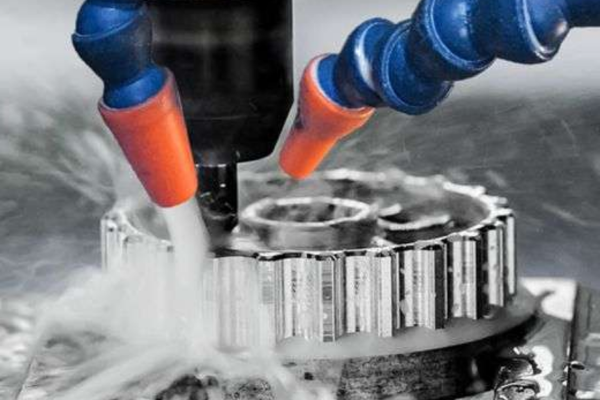
Before machining, raw stainless steel stock is cut to size. This might involve saw cutting, laser cutting, waterjet or plasma cutting, depending on the thickness and geometry. This is the stage where stainless steel Corte CNC plays a role: it ensures efficient material usage and minimal waste, setting up for precision machining.
Inspection & Quality Control
After machining, each product is inspected for dimensions, tolerance adherence, surface finish, hardness if required, and any special features (threads, holes). For cnc stainless steel parts delivered to demanding sectors, this step is vital. We may use CMM (coordinate measuring machine), optical comparators, surface finish meters, and functional tests.
Surface Treatment / Finishing
Depending on your requirements, we may perform additional operations: passivation (to enhance corrosion resistance), polishing or brushing (for appearance), bead blasting, or plating/coating if required. This ensures your components not only function well but also present well.
What Are the Major Challenges in Machining Stainless Steel and How Does XC Machining Overcome Them?
Stainless steel is an excellent material, but it does present challenges, especially when producing cnc stainless steel parts. Here’s a breakdown of major issues and how we address them.
Work-Hardening and Tool Wear
Because stainless steel often work-hardens (the material hardens in the machining zone as the tool engages), incorrect feeds/speeds can cause rapid tool wear, poor finish and increased scrap. One source notes that stainless steel “presents significant challenges, increased tool wear, poor surface finish, and inconsistent results.”
XC Machining combat this by using premium carbide tools, coated inserts, proper coolant and optimised cutting strategies.
Heat Buildup & Low Thermal Conductivity
Stainless steel has lower thermal conductivity compared to typical steels, meaning heat tends to concentrate near the cutting zone, increasing risk of tool wear, part distortion or surface marks.
We mitigate this through advanced machines with high rigidity, optimal spindle power, effective chip evacuation, and properly balanced cutting parameters.
Surface Finish and Tolerance
Given the high functional and aesthetic demands of many projects using stainless steel, producing CNC machined stainless steel parts that meet tight tolerances and surface finish expectations can be difficult. Small errors or burrs can lead to poor fits or visible defects.
Our strategy includes in-process quality monitoring, precise fixture and tool setup, and finishing processes (deburring, polishing) as standard.
Material Cost and Machining Time
Stainless steel stock is significantly more expensive than softer materials, and machining time is often longer due to slower cuts and increased tool wear. This means cost management is critical.
XC Machining leverages efficient tool paths, batch programming, and careful planning of setups to reduce time and cost while maintaining quality.
Stainless Steel CNC Cutting & Pre-Machine Stock Handling
Prior to machining, the “cutting” of stainless steel (whether by laser, waterjet, saw or plasma) must ensure minimal distortion, good surface quality and accurate size. Defects or inaccuracies at this stage propagate into the final machining.
We partner with high-precision cutting equipment or perform cutting onsite, ensuring the raw material is ready and optimal for Mecanizado CNC operaciones.





 Spanish
  English
  French
  German