
Introduction
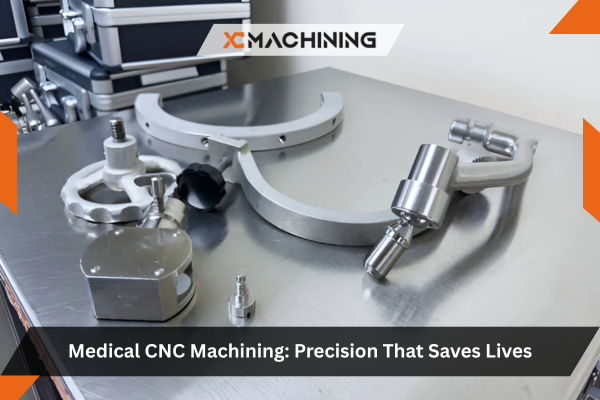
A surgeon holds a bone screw barely 1 millimeter wide. That tiny medical part will help someone walk again. If the precision is off by even a fraction, serious complications follow. This is where usinage CNC médical becomes critical.
CNC médicale means using computer-controlled machines to create healthcare components with microscopic accuracy. Hospitals use these parts daily—from surgical instruments making the first cut to implants becoming part of someone’s body. The cnc meaning medical applications covers everything requiring tolerances tighter than a human hair’s width.
What separates this from regular manufacturing? The stakes. Medical device production follows FDA rules, ISO standards, and zero-defect expectations. Companies offering Services d'usinage CNC for medical work invest heavily in quality systems most shops never consider.
What Is Medical CNC and Why Does It Matter?
Usinage CNC médical uses CNC machines programmed to cut, drill, and shape materials with extreme precision. Think of the difference between drawing by hand versus using computer guidance. The machine never tires, never loses focus, and repeats identical motions thousands of times.
Understanding CNC Meaning in Medical Manufacturing
Standard shops aim for tolerances within a few thousandths of an inch. Medical cnc machining works at 0.0001 inches—thinner than human hair. Why such extremes? A hip implant off by that much fails years earlier than expected.
The FDA demands documentation for every medical part. Where did the material come from? Which machine made it? Who inspected it? Every precision medical component needs complete traceability. Medical manufacturing sets the bar higher than almost any other field.
Why Healthcare Relies on CNC Machine Technology
Medical devices used to follow one-size-fits-all approaches. Surgeons picked the closest match and adapted. CNC machining for medical industry changed everything. Now patients get CT scans, engineers create digital models, and machines cut implants fitting that specific person.
Major orthopedic companies produce thousands of custom knee implants using cnc machining for the medical field. Each medical component differs, but quality stays rock solid. Traditional machining cannot deliver this combination of customization and consistency.
Key Applications of CNC Machining for Medical Industry
CNC médicale technology produces everything from tiny screws to complex joint replacements. The machining for the medical industry covers instruments, implants, diagnostic equipment, and prosthetic components. Each application demands different precision levels and material properties.
Surgical Instruments That Surgeons Trust
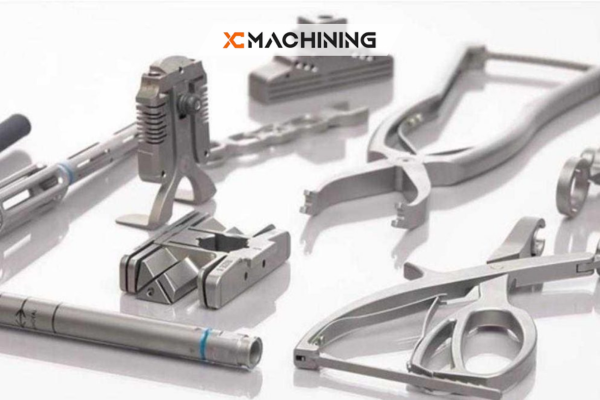
Walk into any operating room and surgical instruments fill the trays. Scalpels, forceps, retractors—they look simple but manufacturing them requires incredible precision. A scalpel blade needs an edge sharp enough to cut cleanly yet durable enough to last through long procedures.
Usinage CNC pour les dispositifs médicaux creates these edges at microscopic levels. The machines hold tolerances that would make manual machinists’ heads spin. When a company makes 50,000 forceps, they all perform identically. Hospitals replace surgical instruments on schedules because they cannot afford mid-surgery failures. The consistency from usinage CNC de précision makes those schedules reliable.
Medical Implant Manufacturing
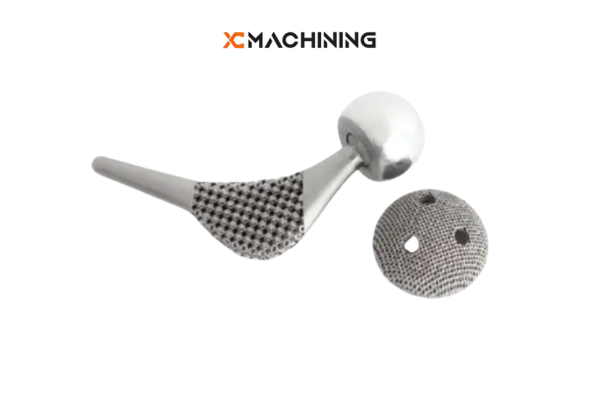
Putting something inside the human body permanently changes the game completely. Hip replacements handle forces exceeding body weight with every step. Dental implants survive decades of chewing forces while fusing with bone. The shapes get complex too—spinal cages have lattice structures encouraging bone growth, knee joints have curves matching natural anatomy.
Usinage CNC médical produces these geometries from solid titanium or cobalt-chrome blocks. The cnc machine works in five axes simultaneously, approaching the medical part from angles seeming impossible. What used to take multiple setups now happens in one, reducing errors and saving time. These machined medical parts must meet biocompatibility standards and stress requirements no other industry demands.
Diagnostic Equipment Components
MRI machines contain precision components machined to tolerances tighter than most implants. Tiny variations throw off magnetic fields, creating fuzzy images. CT scanners need precisely aligned parts or radiation dose calculations go wrong.
Blood analyzers measure volumes down to microliters. The chambers handling those samples cannot vary by even a fraction. Fabrication de dispositifs médicaux for diagnostics often shares suppliers with aerospace—the precision cnc requirements are that similar. Companies making this equipment need cnc machining capabilities spanning multiple materials and tolerance levels.
Prosthetics and Custom Medical Components
Modern prosthetic limbs have advanced incredibly far. Carbon fiber frames lighter than bone but stronger than steel. Microprocessor-controlled joints adjusting to walking speed. Socket interfaces custom-fit to residual limbs using 3D scans.
Manufacturing these composants médicaux requires cnc machining service capabilities across multiple materials. One company might need titanium parts, carbon fiber layups, and aluminum housings—all held to medical specifications. The importance of precision in medical prosthetics cannot be overstated. Poor fits cause pain, skin breakdown, and abandoned devices.
Materials Used in Medical CNC Machining
Medical device manufacturing relies on specific materials meeting biocompatibility requirements. Each material brings unique properties and machining challenges. The precision medical field uses metals, plastics, ceramics, and composites depending on application needs.
Metals for Long-Term Medical Implants
Not every metal belongs inside the human body. Stainless steel 316L works great for temporary implants and most surgical instruments. It machines easily and costs less than exotic alloys. The material resists corrosion and handles repeated sterilization cycles.
Titanium though? That is the gold standard for anything permanent. Grade 5 titanium makes up about 85% of orthopedic implants. The metal is lighter than steel but equally strong. More importantly, bone cells grow on it readily. The medical manufacturing industry has standardized on titanium for good reasons.
| Matériau | Meilleures applications | Machining Notes |
| Stainless Steel 316L | Surgical instruments, temporary medical devices | Easy to machine, affordable, great surface finish |
| Titanium Grade 5 | Joint replacements, dental implants, bone plates | Requires sharp tools, work-hardens, expensive |
| Cobalt-Chrome | Load-bearing joints, dental crowns | Very hard, wears tools fast, excellent longevity |
| Nitinol | Stents, guidewires, orthodontics | Super-elastic, shape memory, challenging to cut |
Cobalt-chrome costs more and wears out tools faster, but hip joints made from it last 30+ years. The medical machining material selection often balances performance against manufacturability.
Medical-Grade Plastics and Advanced Materials
PEEK plastic has become huge in spine surgery. It is nearly invisible on X-rays, letting doctors see actual bones during follow-ups. Machining for medical applications with PEEK takes sharp tools and careful speeds—it melts if you push too hard.
Dental crowns increasingly use zirconia ceramic. It looks like real tooth enamel and lasts decades. The challenge? Ceramics are brittle. Medical cnc machines use diamond-coated tools and gentle cutting strategies to avoid cracking. These medical products demand different approaches than metal machining.
The Medical CNC Machining Process Explained
Medical manufacturing follows strict processes ensuring every medical part meets specifications. The processus d'usinage starts with design and ends with documented inspection. Each step requires attention to detail that other industries rarely match.
Design and Planning
Everything starts digital. A patient’s scan turns into a CAD model. Engineers add features like porous surfaces for bone growth or stress-relief channels. Smart designers talk to machinists early—that saves headaches when discovering some beautiful feature cannot be reached by any tool.
Le manufacturing process planning considers tool access, material properties, and tolerance requirements. What looks simple in CAD might require multiple setups or specialized tooling. Getting this right upfront prevents expensive mistakes during production.
Programming and Precision Setup
CAM programmers plan tool paths minimizing vibration, avoiding collisions, and finishing surfaces properly. Simulation software tests everything virtually before a single chip flies. This fabrication de précision approach catches problems early.
Material prep matters hugely. Medical-grade titanium comes with certificates proving composition. Those certificates get filed with every medical part made from that batch. Traceability is not optional—it is federal law. The cnc machining service provider must document everything.
Precision Machining Operations
Swiss-style machines dominate for small parts. They support the workpiece right at the cutting zone, preventing deflection. A bone screw 1mm in diameter gets machined without flexing or vibrating. These precision components require special equipment.
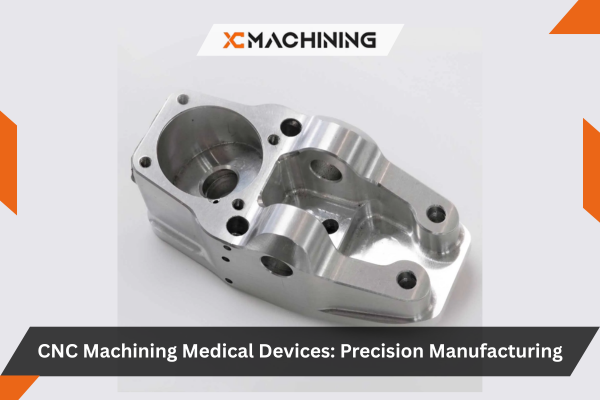
Larger implants go into 5-axis mills. The cnc machine tilts and rotates the part, letting tools approach from optimal angles. What used to require three separate setups now happens in one cycle. Fewer setups mean fewer chances for errors. This multi-axis machining capability is essential for complex composants de dispositifs médicaux.
Here is something most people do not know—many medical parts cannot touch cutting fluids. Contamination risks are too high. Dry machining generates more heat and wears tools faster, but it is the only option for implantable components. The usinage CNC de précision must adapt to these constraints.
Quality Inspection and Verification
Inspection takes longer than actual machining sometimes. CMMs probe hundreds of points on complex parts. Surface roughness testers verify finishes smooth enough for body tissue contact. Every dimension gets checked, not just samples.
That 100% inspection rate sets cnc machining for medical industry apart from other manufacturing. The paperwork backing each medical component can run dozens of pages. This documentation proves regulatory compliance and enables traceability if problems emerge years later.
Regulatory Standards and Compliance
Medical device manufacturing operates under strict oversight. The FDA, ISO organizations, and industry groups set standards protecting patients. Medical cnc machining companies must follow these rules or face serious consequences.
FDA Requirements for Medical Devices
The FDA splits medical devices into three classes based on risk. Bandages are Class I—pretty straightforward. Surgical instruments hit Class II, needing 510(k) clearance proving they match existing approved devices. Pacemakers and artificial hearts? Class III requires extensive testing and approval.
Manufacturing must follow Quality System Regulations. That means documented procedures for everything—how machines get maintained, how operators get trained, what happens when something goes wrong. The medical manufacturing industry generates mountains of paperwork keeping patients safe.
ISO 13485 Certification
This international standard covers quality management specifically for dispositif médical production. Getting certified means outside auditors verify your processes meet requirements. They check documentation, interview employees, and watch production.
Companies serious about usinage cnc médical maintain this certification. It opens doors to global markets and assures customers you are legitimate. Choosing suppliers without ISO 13485? That is asking for regulatory headaches down the road. The machining services provider needs proper credentials.
Advantages of CNC Machining Medical Devices
CNC médicale technology delivers benefits traditional methods cannot match. The combination of précision, consistency, and flexibility makes it essential for modern healthcare manufacturing.
Précision et exactitude inégalées
Manual machining depends entirely on operator skill. Good machinists are artists, but even artists have off days. Medical cnc machines do not have off days. Program them correctly once, and they repeat that exact motion forever.
Hip replacement components need matching tapers within 0.0002 inches. Surface finishes must stay below 4 microinches. Achieving this manually? Nearly impossible. With cnc machining for medical devices? It is Tuesday. The precision and accuracy delivered by computerized control eliminates human variability.
Faster Production with Better Quality
Five-axis machines complete complex implants in single setups. Traditional methods might require mounting the medical part three or four times, increasing both time and error chances. Automated tool changers swap between drills, mills, and finishing tools in seconds.
Some shops run lights-out manufacturing—machines à commande numérique work through the night unattended. Morning brings completed composants médicaux ready for inspection. The processus d'usinage efficiency improves dramatically with automation. CNC machining can produce parts faster and more efficiently than manual methods while maintaining superior quality.
Cost-Effective for Custom Production
Here is where cnc machining medical devices really shines. Custom parts do not need expensive tooling. Change the program, load different material, and you are making something completely new. This flexibility suits medical device applications perfectly.
Injection molding requires $75,000+ in mold costs before the first part. Fine for millions of pieces, but medical often needs hundreds or thousands. Medical cnc machining makes small runs economical. Companies working with Service CNC providers can prototype Monday and produce Tuesday without major investments.
Common Challenges in Medical CNC Machining
Medical manufacturing faces unique obstacles. The combination of hard materials, tight tolerances, and strict cleanliness requirements pushes cnc machining capabilities to their limits.
Machining Hard Materials
Titanium earned its reputation as difficult to cut. It work-hardens, meaning it gets tougher as you machine it. Heat builds up fast, and titanium chips can actually catch fire if you are not careful. The machining of medical implants from titanium requires expertise.
Carbide tools with special coatings help, but they are expensive. A tool that costs $20 for aluminum might run $80-100 for titanium versions. They also wear out faster, so part costs include replacing tooling more frequently. Medical machining budgets must account for these realities.
Dry Machining Requirements
Cutting fluid keeps tools cool and washes away chips. Cannot use it on implants though—contamination risks are too high. Dry machining means living with higher temperatures and faster tool wear.
Minimum quantity lubrication helps somewhat. Tiny amounts of oil mist provide cooling without bulk contamination. Air blast systems clear chips. Even so, cutting speeds drop 30-50% compared to wet machining. The precision cnc machining for medical applications often requires these compromises.
Maintaining Ultra-Tight Tolerances
Temperature swings mess with précision. Metal expands when warm, contracts when cool. Top CNC médicale shops control temperature within 2°F year-round. That is expensive but necessary when targeting 0.0001-inch tolerances.
Machines CNC need regular calibration. A mill might make perfect parts Monday, but by Friday thermal growth and tool wear have shifted dimensions. Automatic measurement systems catch drift before bad parts get made. The importance of precision in medical manufacturing cannot be overstated.
How to Choose the Right Medical CNC Service Provider
Finding a reliable partner for usinage cnc médical makes the difference between project success and regulatory nightmares. Not every machine shop handles dispositif médical work properly.
Essential Qualifications to Verify
ISO 13485 certification should be non-negotiable. It proves the company runs proper quality systems. FDA registration matters for anything sold in the US market. Some shops claim they “can do medical” but lack these credentials—walk away.
Ask specific questions: How long have you manufactured medical parts? Can you show examples similar to our needs? What is your typical defect rate? Companies experienced in machining for medical applications will have solid answers ready. The cnc machining service provider needs proven track records.
Equipment and Machining Capabilities
Moderne fabrication de dispositifs médicaux needs 5-axis capability minimum. Three-axis mills cannot reach complex implant geometries efficiently. Swiss cnc machines are essential for tiny components like bone screws and dental posts.
Inspection equipment matters just as much. CMMs, surface roughness testers, and proper measurement protocols separate serious shops from pretenders. If they cannot verify what they made, they cannot guarantee quality. The cnc machining capabilities must match your project requirements.
Quality Systems and Documentation
Medical manufacturing generates extensive documentation. First Article Inspection Reports document every dimension on initial parts. Certificates of Conformance accompany each shipment. Material certs trace back to the mill that produced the raw stock.
Missing documentation means failed audits and rejected shipments. Companies like XC Machining understand these requirements from years of experience across demanding industries. The machining services provider must handle paperwork as seriously as machining.
Common Mistakes to Avoid
Medical device projects fail for predictable reasons. Learning from others’ mistakes saves time, money, and regulatory headaches.
Choosing Price Over Quality
Cheapest quote is not the best quote in medical manufacturing. A shop underbidding probably has not accounted for quality requirements. They will either lose money or cut corners—neither scenario ends well.
Quality problems in medical trigger expensive recalls. Regulatory trouble can shut down production lines. Patient harm leads to lawsuits. That budget shop charging 20% less? They will cost triple when problems hit. Precision medical work demands investment in quality.
Inadequate Design for Manufacturing
Engineers sometimes design medical parts without considering how they will actually get made. Internal pockets with no tool access. Tolerances tighter than necessary. Features requiring six setups when redesigning enables one.
Loop in machining services partners during design phases. They will catch issues before committing to production. Simple changes often slash costs without compromising performance. This collaboration improves both manufacturability and final product quality.
Skipping Prototype Testing
Jumping straight to production gambles with expensive consequences. Prototypes prove designs work, reveal manufacturing challenges, and validate sterilization procedures. The few thousand spent prototyping can save hundreds of thousands in production fixes.
Medical cnc work benefits enormously from iteration. Test, refine, test again—this cycle produces better dispositifs médicaux than trying to get everything perfect on the first try.
Future Trends in Medical CNC Machining
Medical manufacturing continues evolving rapidly. New technologies push boundaries of what machines à commande numérique can produce. These trends will shape the next decade of healthcare manufacturing.
Artificial Intelligence Integration
AI systems now predict when tools will wear out, preventing unexpected breakage mid-cycle. Vision systems inspect medical parts automatically, catching defects human eyes might miss. Process optimization adjusts cutting parameters on the fly based on sensor feedback.
By 2026, industry analysts expect nearly half of dispositif médical manufacturers will run AI-enhanced systems. Early adopters report 20-30% efficiency gains while maintaining quality. The skilled cnc operators work alongside AI rather than being replaced by it.
Additive-Subtractive Hybrid Manufacturing
Combining 3D printing with usinage cnc médical opens new possibilities. Print complex internal lattices, then machine critical surfaces to tight tolerances. The result: composants médicaux impossible with either method alone.
Porous implants for bone ingrowth are perfect applications. Print the foam-like structure encouraging bone growth, then machine the surfaces that mate with surgical instruments or other components. This advanced cnc machining approach will become standard for next-generation implants.
Sustainability Initiatives
Recycling titanium chips saves massive energy compared to mining new metal. Forward-thinking manufacturers collect swarf, send it for reprocessing, and buy back recycled stock. It cuts costs while reducing environmental impact.
Optimized toolpaths waste less material. Energy-efficient machines à commande numérique draw less power. These improvements add up across thousands of medical parts. The production of medical devices will become greener without sacrificing quality.
Conclusion
Usinage CNC médical sits at the intersection of advanced technology and life-saving healthcare. Computer-controlled précision creates components surgeons trust and patients depend on daily. From microscopic bone screws to complex joint replacements, this manufacturing process makes modern medicine possible.
Success requires partnering with experienced providers who understand both cnc machine technology and healthcare regulations. The machining for the medical industry demands more than technical capability—it requires commitment to quality, documentation, and continuous improvement. As dispositifs médicaux become more personalized and sophisticated, usinage CNC de précision continues advancing to meet evolving healthcare challenges.
Questions fréquemment posées
Q1: What does CNC mean in medical device manufacturing?
CNC means Computer Numerical Control—automated processus d'usinage following computer programs to create precision medical parts with consistent quality impossible through manual methods.
Q2: Why is CNC machining preferred for medical devices?
It achieves 0.0001-inch tolerances, eliminates human error through automation, and handles custom small batches cost-effectively. These advantages make cnc machining for medical applications essential for modern healthcare.
Q3: What certifications should medical CNC shops have?
ISO 13485 quality management and FDA registration are essential. AS9100 aerospace certification demonstrates advanced cnc machining capabilities meeting extreme precision requirements.
Q4: Can CNC machines make patient-specific implants?
Yes, CT or MRI scans convert to CAD models, then machines à commande numérique create implants matching exact patient measurements. This customization improves surgical outcomes significantly.
Q5: What materials are commonly used in medical CNC machining?
Titanium alloys for implants, stainless steel 316L for surgical instruments, cobalt-chrome for joint surfaces, and medical plastics like PEEK. Material selection depends on biocompatibility and medical device applications.
References and Citations
- U.S. Food and Drug Administration. “Medical Device Classification.” FDA.gov, https://www.fda.gov/medical-devices/classify-your-medical-device/how-determine-if-your-product-medical-device. Accessed November 2025.
- International Organization for Standardization. “ISO 13485:2016 – Medical devices — Quality management systems.” ISO.org, https://www.iso.org/standard/59752.html.
- ASTM International. “F136 Standard Specification for Wrought Titanium Alloy for Surgical Implant Applications.” ASTM.org, https://www.astm.org/f0136-13r21.html.
- Grand View Research. “Medical Devices Market Size & Trends Analysis Report, 2024-2030.” November 2024.
- MarketsandMarkets. “Medical Device Contract Manufacturing Market – Global Forecast to 2028.” October 2024.


 French
  English
  Spanish
  German