
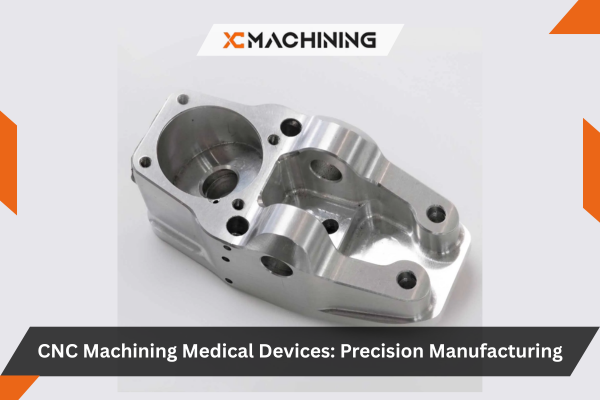
Medical devices need perfect accuracy. Even tiny errors can cause serious problems for patients. That’s where cnc machining medical technology makes the difference.
The medical CNC market hit $113 million in 2024. It will reach $182 million by 2032. That’s 6.1% growth each year. Healthcare facilities need precise manufacturing more than ever.
Medical device CNC machining creates surgical tools and implants using computers. Machines follow digital blueprints to shape materials. Every piece meets strict safety rules. This process has changed how we make medical equipment.
Modern hospitals depend on CNC-made devices. Surgeons trust these tools during operations. Patients receive implants that last decades. The technology keeps improving patient outcomes worldwide.
Understanding CNC Machining in Medical Manufacturing
Computer Numerical Control means machines cut materials automatically. Software tells the cutting tools exactly where to move. The result? Parts that match designs perfectly every time.
These machines work incredibly precisely. They can cut within ±0.0001 inches. That’s thinner than a human hair. Medical parts need this level of accuracy.
CNC machining service providers use advanced equipment. The machines run 24 hours daily. They produce thousands of identical parts. Each one matches the original specifications exactly.
Why Medical Devices Demand CNC Precision
Manual methods can’t meet medical standards anymore. Human hands shake slightly. Eyes miss tiny flaws. CNC eliminates these problems completely.
The European Commission studied CNC users in December 2023. Manufacturers cut production time by 22%. They reduced waste by 15%. These numbers explain why medical companies switched to CNC.
Implants must fit perfectly inside the body. Surgical tools need exact dimensions. CNC medical equipment manufacturing delivers this consistency. Patients get safer devices because of it.
How CNC Differs from Conventional Methods
Traditional machining uses manual control. Operators turn wheels and pull levers. CNC machines follow computer programs instead.
Speed improves dramatically with automation. Complex parts finish 3-5 times faster. Material waste drops to 20-30% from 60-70%. The machines work while employees sleep.
Quality stays consistent across production runs. The thousandth part matches the first part. This repeatability is impossible with manual methods. Medical manufacturers save money and time.
Materials in Medical Device CNC Machining
Material choice determines device success or failure. Each metal and plastic serves specific purposes. CNC machining materials must meet biocompatibility standards.
Manufacturers select materials based on application. Implants need different properties than surgical tools. Cost matters, but safety comes first always.
Metals for Medical Applications
Stainless Steel 316L
This steel dominates surgical instrument production. It resists rust from repeated sterilization. Operating rooms use stainless steel scalpels daily.
The material costs less than titanium. It machines easily and quickly. Hospitals prefer it for disposable instruments. Medical device manufacturers keep large inventories.
Titane et alliages de titane
Titanium changed implant surgery in the 1950s. Swedish surgeon Per-Ingvar Brånemark discovered bone bonds to titanium naturally. This process is called osseointegration.
The orthopedic market reached $61.9 billion in 2024. Titanium remains the top choice for replacements. It weighs 45% less than steel. Implants last 20+ years inside patients.
A protective oxide layer forms on titanium automatically. This prevents corrosion from body fluids. The material never triggers immune rejection. Bone grows directly onto titanium surfaces.
Medical-Grade Aluminum
Portable equipment uses aluminum components frequently. Wheelchairs need lightweight frames. Diagnostic devices benefit from easy machining.
The material cuts faster than steel. Production costs stay lower. Aluminum resists corrosion in normal conditions. It works well for external medical devices.
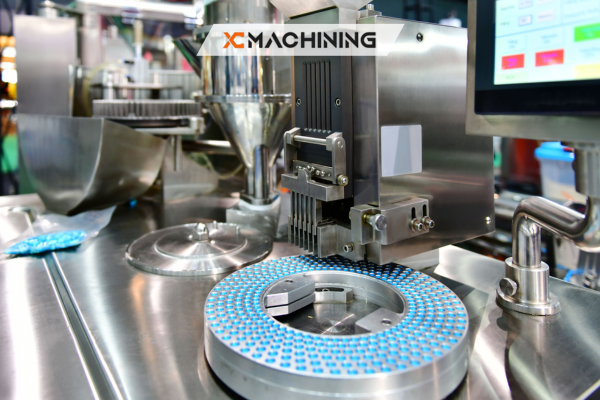
Plastiques et polymères
PEEK (Polyetheretherketone)
This polymer rivals metal strength. It weighs much less than titanium. PEEK appears transparent on X-rays.
Spinal implants use PEEK commonly. Doctors can see bone fusion without removal. The material withstands body temperature easily. It costs $150-200 per pound.
PTFE (Téflon)
Medical tubing requires low friction. PTFE slides smoothly against tissue. Catheters work better with PTFE coating.
The material resists all body chemicals. It stays flexible at body temperature. Valve components last longer with PTFE. Manufacturing costs remain reasonable.
| Application | Recommended Material | Avantage clé |
| Permanent implants | Titane | Bone integration |
| Instruments chirurgicaux | Acier inoxydable 316L | Cost and sterilization |
| Portable equipment | Aluminium | Weight reduction |
| Spinal devices | PEEK | X-ray transparency |
| Catheters | PTFE | Low friction |
Common Medical Equipment Produced Through CNC
CNC medical equipment ranges from simple to complex. Operating rooms depend on precision tools. Patients receive life-saving implants daily.
Manufacturing produces millions of devices yearly. Each category requires specific tolerances. Quality control catches defects before shipping.
Instruments chirurgicaux
Scalpel blades need razor-sharp edges. The cut must be clean and precise. Dull blades tear tissue instead of cutting.
Forceps grip without slipping. Retractors hold tissue safely. Needle holders must close perfectly. CNC machines produce 900 million medical screws annually.
Every instrument undergoes inspection. Surface finish matters for cleanliness. Rough surfaces harbor bacteria. Smooth finishes clean easily between procedures.
Dispositifs implantables
Hip replacements contain 15-20 separate parts. Each piece must fit within 0.002 inches. Patients walk on these implants daily.
Knee replacements showed double-digit growth internationally in 2024. Hip procedures increased steadily in America. Demand continues rising with aging populations.
Dental implants fuse with jaw bone. Spinal rods stabilize injured backs. Heart valve parts save cardiac patients. All come from cnc machining medical processus.
Diagnostic Equipment Components
MRI machines need precise housings. Metal parts can’t interfere with magnets. Tolerances must be extremely tight.
X-ray frames hold heavy equipment safely. Ultrasound cases protect delicate electronics. Blood analyzers contain numerous machined parts. Each component affects diagnostic accuracy.
Modern hospitals spend millions on equipment. Replacement parts must match originals exactly. CNC manufacturing ensures perfect compatibility. Downtime costs hospitals money and delays treatment.
Key Benefits of Medical CNC Machining
Medical manufacturers choose CNC for good reasons. The technology delivers consistent results. Patient safety improves with better devices.
Cost savings add up over time. Production speed meets market demands. Quality control becomes simpler and more reliable.
Précision et répétabilité
Programming ensures identical parts every time. The tenth thousand piece matches the first. Patients receive the same quality regardless.
One orthopedic company made 10,000 knee implants in 2023. Every single part stayed within 0.0005 inches. Zero defects were reported. This consistency is impossible manually.
Replacement parts fit perfectly years later. Surgeons don’t worry about compatibility. Inventory management becomes much easier. Hospitals stock fewer variations.
Géométries complexes
Spinal implants have lattice structures inside. These patterns encourage bone growth. Manual machining can’t create these shapes.
Multi-axis machines cut at multiple angles. Internal channels allow fluid flow. Curved surfaces improve ergonomic grip. Threads can angle in any direction.
Modern implant designs keep improving. Engineers create shapes previously impossible. CNC makes these innovations real. Patients benefit from better devices.
Vitesse de production
Simple parts finish in 15-30 minutes. Complex implants take 2-4 hours each. Machines operate continuously without breaks.
Prototype development happens in days, not weeks. Design changes update quickly. Testing begins faster. Products reach market sooner.
Meeting healthcare demand requires speed. Aging populations need more devices. CNC keeps production flowing. Shortages become less common.
Efficacité des matériaux
Traditional methods waste 60-70% of material. CNC drops waste to 20-30%. Advanced systems reach just 10-15% waste.
Titanium costs thousands per project. Reducing waste saves significant money. Manufacturers reinvest savings into better equipment. Environmental impact decreases too.
Computer planning optimizes every cut. Less material goes to scrap. Recycling becomes easier. Production costs drop over time.
Quality and Safety
Coordinate measuring machines verify every dimension. Documentation tracks each part completely. Regulators can trace materials to source.
Inspections happen automatically during production. Defects get caught immediately. Bad parts never reach hospitals. Patient safety improves dramatically.
FDA and ISO standards require documentation. CNC systems generate records automatically. Audits proceed smoothly. Compliance becomes less stressful.
Regulatory Compliance and Standards
Medical device rules protect patients worldwide. Manufacturers must follow strict guidelines. Breaking rules means serious penalties.
Certifications prove quality systems work. Inspectors visit factories regularly. Documentation must be perfect and complete.
FDA Requirements
The FDA issued new rules January 31, 2024. The Quality Management System Regulation updates old standards. It takes effect February 2, 2026.
New rules incorporate ISO 13485:2016 standards. This harmonizes American and international requirements. Global manufacturers follow one system now.
Risk management documentation becomes mandatory. Companies must track risks throughout development. This ensures safer medical device cnc machining processes. Patient protection improves significantly.
ISO 13485 Certification
ISO 13485 is the global medical standard. Certified companies prove their quality systems work. Many countries require this certification legally.
Auditors check processes regularly. Documentation must be thorough and accurate. Training records prove employee competence. Equipment maintenance logs stay current.
CNC machining service providers need this certification. Without it, medical work isn’t possible. Manufacturers verify supplier certifications annually. Trust requires proof.
Material Documentation
Every material batch needs certificates. Mill test reports verify chemical composition. Biocompatibility tests confirm body safety.
Traceability tracks material from mine to patient. Bar codes and serial numbers help tracking. If problems occur, recalls target specific batches.
Medical-grade materials cost more than industrial grades. The extra documentation justifies higher prices. Patient safety depends on proper materials.
Selecting the Right CNC Machining Service
Not every machine shop handles medical work. Specialized knowledge matters significantly. Experience saves time and money.
Certifications prove capability and commitment. Equipment quality affects part quality. Location impacts shipping and communication.
Essential Certifications
ISO 13485 is absolutely required. ISO 9001 covers general quality management. FDA registration allows American sales.
AS9100 certification helps with aerospace medical devices. Multiple certifications show broader expertise. Check expiration dates on certificates.
High-precision engineering grew fastest among CNC sectors. Medical, aerospace, and defense drive this growth. Top manufacturers invest in multiple certifications.
Manufacturing Capabilities
Multi-axis machines (4-axis or 5-axis) handle complex shapes. Coordinate measuring machines verify tight tolerances. Clean rooms prevent contamination.
Newer equipment produces better results. Old machines struggle with modern tolerances. Software updates matter for programming efficiency.
Capacity affects delivery schedules. Busy shops cause delays. Backup equipment prevents production stops. Visit facilities before committing to partnerships.
Considérations sur les coûts
Medical work costs more than standard machining. Extra inspections add time and money. Documentation creates overhead expenses.
Prototype development runs $2,000-10,000 typically. Small production batches (100 units) cost $5,000-30,000. Large runs exceed $30,000 easily.
Material choice dramatically affects pricing. Titanium costs 5-10 times more than stainless steel. Complex shapes need more machine time. Tighter tolerances increase costs exponentially.
| Service Level | Fourchette de coûts | Timeline |
| Prototypes (1-10 parts) | $2,000-10,000 | 3-5 days |
| Small batch (100 units) | $5,000-30,000 | 2-4 weeks |
| Production (1,000+ units) | $30,000-200,000+ | 8-12 weeks |
Common Manufacturing Mistakes to Avoid
Learning from others prevents expensive errors. Many companies make similar mistakes. Smart planning avoids these problems.
Design choices affect manufacturing costs significantly. Communication prevents misunderstandings. Quality planning protects patients and companies.
Over-Specifying Tolerances
Extremely tight tolerances cost much more. Not every dimension needs ±0.0001 inches. Critical surfaces need precision. Other areas accept standard tolerances.
One medical company relaxed non-critical tolerances. They saved 40% on machining costs. Part function stayed identical. This lesson applies widely.
Review drawings with machinists before production. They identify cost-saving opportunities. Engineering collaboration improves designs. Manufacturing becomes more efficient.
Ignoring Material Machinability
Some materials machine poorly despite good properties. Difficult materials increase costs and time. Alternative materials often work equally well.
Discuss material choices with your cnc machining service early. They suggest easier alternatives. Performance stays the same. Production costs drop significantly.
Titanium machines slower than aluminum. Tool wear increases with hard materials. These factors affect project budgets. Plan accordingly from the start.
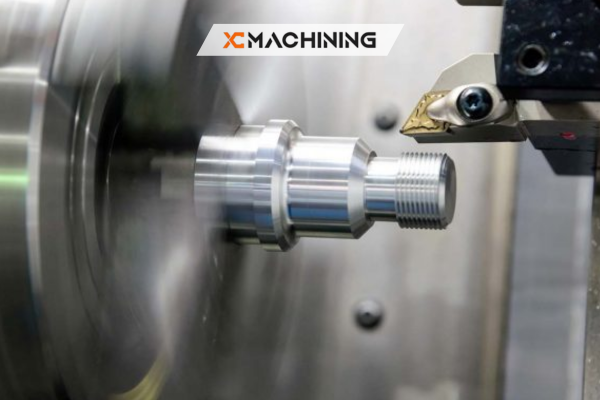
Inadequate Quality Planning
Manufacturers remain responsible for device safety. Assuming the machine shop handles everything is dangerous. Quality requires constant attention.
First Article Inspection reports need thorough review. Statistical process control catches trends early. Supplier audits verify ongoing compliance.
Documentation prevents problems during FDA inspections. Missing records cause production stops. Quality planning pays for itself quickly. Patient safety depends on it.
Future Developments in Medical CNC Machining
Medical manufacturing continues advancing rapidly. New technologies emerge constantly. Staying current maintains competitive advantages.
Investment in innovation drives progress. Patient outcomes improve with better devices. The industry shows no signs of slowing.
Hybrid Manufacturing Systems
Machines now combine 3D printing with Usinage CNC. Complex internal structures get printed first. Critical surfaces get machined afterward.
This hybrid approach creates impossible shapes. Neither method alone achieves these results. Growth projections show 25% annual increases through 2027.
Manufacturers produce custom implants more easily. Patient-specific devices improve surgical outcomes. Costs decrease with better efficiency.
AI and Machine Learning
Artificial intelligence predicts tool wear accurately. Machines adjust cutting parameters automatically. Efficiency improves by 15-30% typically.
Real-time monitoring catches problems immediately. Quality consistency increases. Downtime decreases significantly. Smart factories become reality.
Machine learning optimizes every production step. Historical data improves future runs. The technology keeps getting smarter. Manufacturing enters a new era.
Matériaux avancés
Bio-resorbable polymers dissolve inside bodies gradually. Temporary implants disappear after healing. This eliminates removal surgery completely.
Carbon fiber composites offer strength with minimal weight. Advanced ceramics provide extreme hardness. These cnc machining materials expand design possibilities.
Research continues on new alloys. Better biocompatibility reduces rejection risks. Longer-lasting implants help aging populations. Material science advances continuously.
Conclusion
CNC machining medical devices transformed healthcare permanently. Precision manufacturing saves lives daily. The technology keeps improving patient outcomes.
The medical device precision machining market was $2.5 billion in 2024. It will reach $4.8 billion by 2033. That’s 7.5% growth yearly. Investment continues flowing into better equipment.
Choosing qualified cnc machining service partners requires careful evaluation. Certifications matter more than price alone. Quality systems protect patients and companies.
Modern medicine depends on precision manufacturing. Surgeons trust CNC-made instruments. Patients receive reliable implants. This technology makes modern healthcare possible.
Questions fréquemment posées
What tolerances can CNC machining achieve for medical devices?
Standard CNC hits ±0.001 inches consistently. Precision machining reaches ±0.0001 inches for critical features. Tighter tolerances cost more but ensure perfect fit. Most medical parts need standard tolerances only.
How does CNC machining differ from 3D printing for medical devices?
CNC cuts from solid material blocks creating stronger parts. 3D printing builds layers for complex shapes. CNC offers better surface finish and more material options. Most production devices use CNC over printing.
Why is titanium preferred for medical implants?
Titanium never causes body rejection. It resists corrosion from body fluids completely. The material weighs 45% less than steel. Implants last 20+ years reliably. Bone grows directly onto titanium surfaces naturally.
Do manufacturers need ISO 13485 certification?
Yes, for international medical device sales. ISO 13485 proves quality systems meet medical standards. The FDA’s 2024 QMSR rule incorporates this standard. It’s effectively required worldwide now.
What is the typical lead time for CNC medical parts?
Simple prototypes arrive in 3-5 days. Complex designs take 1-2 weeks. Production batches of 100 units need 2-4 weeks. Large orders of 1,000+ require 8-12 weeks including all inspections.
Citations
- Intel Market Research. (2024). Medical CNC Machining Service Market Outlook 2025-2032. Retrieved from https://www.intelmarketresearch.com/medical-cnc-machining-service-market-3386
- Verified Market Reports. (2025). Medical Device Precision Machining Service Market Size, Market Assessment & Forecast. Retrieved from https://www.verifiedmarketreports.com/product/medical-device-precision-machining-service-market/
- U.S. Food and Drug Administration. (2024). Quality Management System Regulation (QMSR) Final Rule. Federal Register, 89 FR 7496. Retrieved from https://www.fda.gov/medical-devices/
- Kymera International. (2025). The Medical Market and the Role of Advanced Materials in Orthopedics. Retrieved from https://kymerainternational.com/titanium-tantalum-orthopedic-implants/
- Verified Market Research. (2024). CNC Machine Tools Market Size, Share – Analysis Report. Retrieved from https://www.verifiedmarketresearch.com/product/cnc-machine-tools-market/



 French
  English
  Spanish
  German