

When it comes to producing high-quality, precision parts, Injection Molding Applications stands out as one of the most efficient and reliable manufacturing processes. Whether you’re creating complex components for the automotive industry or designing everyday consumer products, getting it right from the start is crucial. But even experienced manufacturers can fall into common traps that lead to costly mistakes, delays, and compromised quality.
The key to success in injection molding lies in understanding the common pitfalls and how to avoid them. In this article, we’ll discuss the various industries that injection molding is useful with, and as such how injection molding can be used in the production of small medical devices to manufacturing of large parts of automobile parts.
Qu'est-ce que le moulage par injection ?
Injection Molding Applications refers to a production technique in which a liquid form of plastic is forced into a mold pattern inside a high-pressure cavity producing a solid component after the molten plastic solidifies and hardens. Various types of parts and components are manufactured through this process, including small household products to advanced industrial-level products.
Injection molding has the advantages of high precision, repeatability and the possibility to produce parts with complex geometries. It is a mandatory service in sectors such as automotive, medical and consumer goods.
Comment fonctionne le moulage par injection ?
Injection molding Applications is a technique of producing plastic components by plain molten plastic being injected in a mold where it is permitted to cool and solidify. Here’s the process:
- Plastic Preparation: Plastic pellets are pushed in a heated barrel where they are melted through heat and mechanical pressure.
- Injection: The molten plastic is forced under high pressure into a mold cavity to fill the mold to its shape.
- Refroidissement: It cools down with the desired shape in the mold.
- Ejection: The mold is opened and the completed part is ejected by means of an ejector system.
- Post-traitement: The part may require additional trimming, finishing, or assembly.

Applications of Injection Molding in Various Industries
Injection Molding Applications is a flexible manufacturing procedure that has the capacity to produce precise, strong, and diversified components within the broad range of trades. The process makes tiny and intricate parts of industries by injecting a liquid form of plastic into a mold at high pressure.
The following are some industry specific applications of injection molding, which demonstrate its incredible ability to meet numerous functional and aesthetic needs.
Industrie de la construction
Injection molding is crucial in the construction industry as it manufactures strong and durable components that withstand stress. The construction industry requires components that are resistant to all the environmental factors whether it’s extreme weather conditions or heavy loads. Precision and consistency are also guaranteed by injection molding, which is imperative in construction element structural integrity.
Key Applications:
- Window and door frames
- Plumbing joints and valves
- Electrical conduit fittings
- Modular construction panels
- Shower and bath trays
- Insulated wall panels
Food Industry
The food and beverage sector has been able to incorporate injection molding in the manufacture of packaging and food safe items. Injection Molding Applications is a perfect solution to most packaging requirements due to the possibility of designing for the safety of food. This incorporates the products that are required to comply with health and regulatory standards, guarantee integrity and freshness of food products…
Key Applications:
- Plastic food containers
- Bottle caps and closures
- Food trays and platters
- Disposable cutlery
- Ice cream containers
- Lid seals
- Custom-designed packaging
- Disposable cutlery and dinnerware
- Airtight sealing solutions
- Beverage bottles and caps
Industrie médicale
The healthcare industry is very precise, adherence to the strict health policies, and the materials used should provide safety to the patients. Injection molding is the best in producing sterile, durable and complex medical components including small diagnostic equipment and large housing of medical devices. This process helps in achieving the stringent standards required by regulatory authorities like FDA.
Key Applications:
- Syringe barrels
- Sterile surgical trays
- Blood glucose meter casings
- Dialysis machine components
- Disposable medical gloves
- Endoscopic parts
Industrie de la défense
The injection molding process plays an important role in the manufacturing of high strength, impact resistant parts which are applied in the defense industry. Due to the versatility of this process, it is possible to design internal and external components, which work effectively under extreme temperatures. The flexibility of injection molding to use a variety of materials and intricate forms is required for the defence needs.
Key Applications:
- Ammunition cartridge cases
- Military helmets
- Communication device enclosures
- Vehicle armor components
- Weapon storage cases
- Radar and surveillance housings
Agriculture Implements and Tools
Injection Molding Applications has helped in the production of durable and weather resistant components needed in the agriculture industry. It is possible for mass production of the items that can endure stress in the environment and retain functionality.
Key Applications:
- Tractor dashboard housings
- Sprinkler heads
- Pesticide storage containers
- Wheelbarrow handles
- Seed planters
- Fertilizer spreaders
Industrie électronique
Precision and versatility are important in the electronics industry. With injection molding, it is possible to have parts with complex designs and superior materials. This is essential in the manufacture of components that are responsive to the constantly changing requirements of the industry, including those that have high conductivities, durability and physical appearance.
Key Applications:
- Smartphone housings
- Headphone and speaker casings
- Laptop battery compartments
- Cable connectors
- USB port enclosures
- Remote control housings
Furniture Industry
The furniture sector also makes use of Injection Molding Applications to manufacture useful, durable and visually appealing parts. It can be added to the modern, stylish furniture that we see in our homes and offices and can be done for the mass production as well as for custom designs.
Key Applications:
- Chair frames and legs
- Modular shelving units
- Plastic storage bins
- Outdoor furniture components
- Cabinet handles
- Furniture feet and glides
Musical Industry
Musical instrument components are also common applications of Injection Molding Applications, where a high level of accuracy and consistency is essential. The process enables the manufactures to produce high-quality and durable parts to ensure maximum performance in music usage.
Key Applications:
- Guitar picks
- Drumsticks
- Mouthpieces for wind instruments
- Piano keys
- Violin chin rests
- Microphone casings
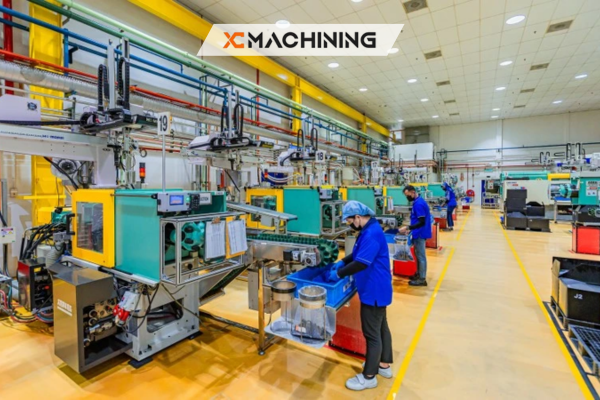
Common Mistakes to Avoid in Injection Molding
Avert expensive molding failures and manufacturing setbacks, exploring the most frequent errors in the processus de moulage par injection– and prevent them before they can affect the quality and performance.
Choosing the Wrong Material
Poor performance, part failure and delays may be caused by the use of the wrong material. Ensure that the material fits the use and environment of the part.
Neglecting Mold Design
A poor mold design leads to high scrap rates and inefficiencies. Work with your provider to optimize mold design for better results.
Ignoring Tolerances
Wrong tolerances may lead to the misalignment or malfunction of parts. Be precise with your specifications for proper fit and function.
Inadequate Cooling Time
Reduction of cooling time may induce warping and malfunctioning. Give proper time to the parts to cool down for quality and strength.
Overlooking Quality Control
Defects may arise because of skipping inspections. Focus on quality inspections to provide high quality and consistent parts.
Dernières paroles
The injection molding process is a highly powerful process of manufacturing which is instrumental in various sectors of the economy including automotives et médical, among others. However, injection molding should be performed with great attention to detail, starting with the choice of material, continuing with precise mold design, and tolerances. Injection molding is a favorite option of mass production whether designing small consumer products or big industrial parts. With the information given in this article, you can make the right decision in order to streamline your production lines and achieve the outcome of high quality and low costs every time.
FAQ
What types of plastics are used in injection molding?
Thermoplastics such as ABS, polycarbonate, and nylon and thermosetting plastics such as epoxy are all used in injection molding. The selection will be based on the performance needs, cost and application of the part.
Can injection molding be used for small-scale production runs?
Yes, injection molding can work for small batches but it makes the most sense when production volumes are high, since the initial mold cost is spread across more parts to make the process economical.
What are the key factors that affect the cost of injection molding?
Overall cost depends on the various factors like material you choose, mold designed and parts you’re producing. When these details are planned carefully, they can significantly reduce the overall cost of your project.
How does injection molding compare to 3D printing for prototyping?
Mass production is more precisely and durable using injection molding, whereas 3D printing is more suitable in the rapid and low-cost prototyping process with a greater ability to design.
What are the environmental impacts of injection molding?
Injection molding may require a lot of energy and generation of plastic waste but through the use of recycled plastics and energy-efficient machines it would be possible to reduce the effect on the environment.



 French
  English
  Spanish
  German