1. Accueil
  2. "
  3. Service
  4. "
  5. Prototypage rapide

Prototypage rapide

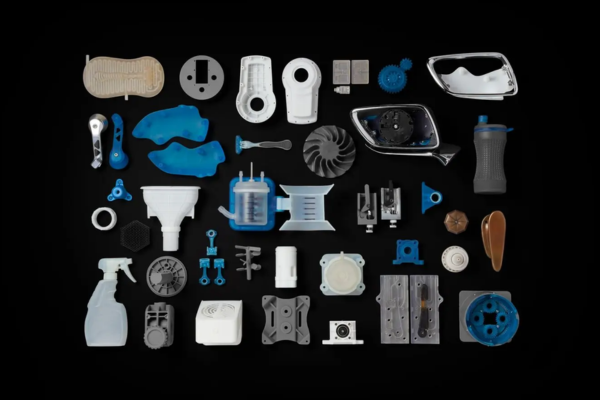
"Transformer les idées en réalité à la vitesse de l'éclair".Le prototypage rapide accélère l'innovation en créant des prototypes détaillés et fonctionnels pour tester les conceptions, les matériaux et la facilité d'utilisation. Transformez vos concepts en résultats tangibles et rationalisez le développement de vos produits.

Prototypage rapide
What is Rapid Prototyping

Qu'est-ce que le prototypage rapide ?

Rapid prototyping is a streamlined process that transforms innovative concepts into functional models with speed and precision. Utilizing advanced technologies like Impression 3D, Usinage CNC, and additive manufacturing, it allows for quick iterations and refinements of product designs. This efficient development approach helps identify and resolve design flaws early, reducing time-to-market, lowering production costs, and enhancing overall product quality.

Nous sommes spécialisés dans les services de prototypage rapide qui permettent aux industries telles que l'automobile, l'aérospatiale, l'électronique et les biens de consommation d'innover et de donner vie à leurs idées. Nos services garantissent que les produits répondent exactement aux spécifications et aux exigences de performance.

Faites-nous confiance pour accélérer le développement de vos produits avec précision et fiabilité.

Reduce Costs with XC Machining's Prototyping Expertise

XC Machining understands that time and cost are very important in product development set up. Our services in rapid prototyping are meant to assist you in the speedy design cycles without increasing the cost of production. Our innovative technology and experience simplify the prototyping process allowing quicker turn around and effective testing of your ideas.


En choisissant XC Machining for your prototyping needs, you can reduce delays, eliminate costly mistakes, and bring your ideas to market quicker than ever.  We offer highly accurate prototypes with a minimum amount of waste so that all of your projects are completed to the exact specifications, on time and on budget. We’ll assist you to make your vision come true, in a cheaper and quicker way.

Customization Through Rapid Prototyping

Prototypage rapide is a feature that helps businesses to develop products that are very customized within a short period. Through high manufacturing methods, prototypes can be upgraded to certain design requests, materials, and even features. This flexibility enables companies to experiment, improve and ensure their designs are perfect before mass production and to be confident that the end product will address the needs and expectations of the customers.

Urgent prototypage is also a great benefit in a business that requires products to be customized to meet the needs of the market. Whether the prototyping is designing special parts to fit a machine, a specialty medical device or consumer goods with a tailor made feature then rapid prototyping makes every design phase adaptable to exact requirements. This leads to a quicker innovation cycle, less time to market, and customer satisfaction.

Customization Through Rapid Prototyping

Explore Different Rapid Prototyping Methods

Additive Manufacturing (3D Printing)

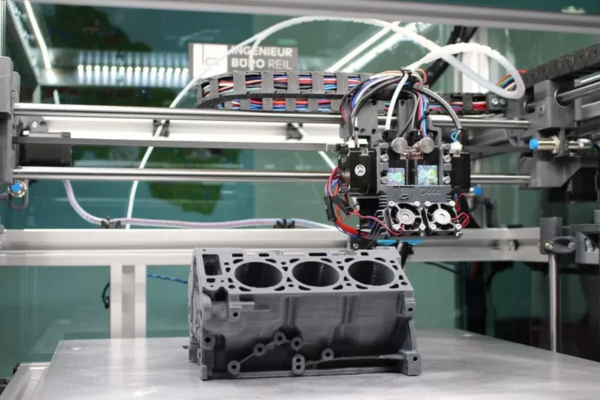
Produces digital models in layers, which are built in multi-layers to provide flexibility and accuracy in design. It is ideal with complicated geometries and different materials such as plastic and metal.

Usinage CNC
Usinage CNC

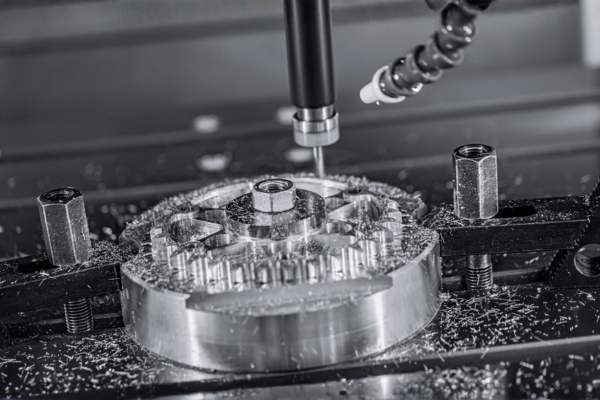
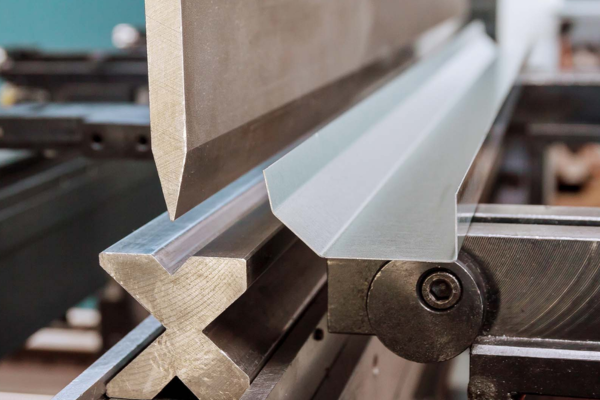
A subtractive technique which involves cutting away material on a solid block to form accurate prototypes, idealized in metals, plastics and tight-tolerance composites.

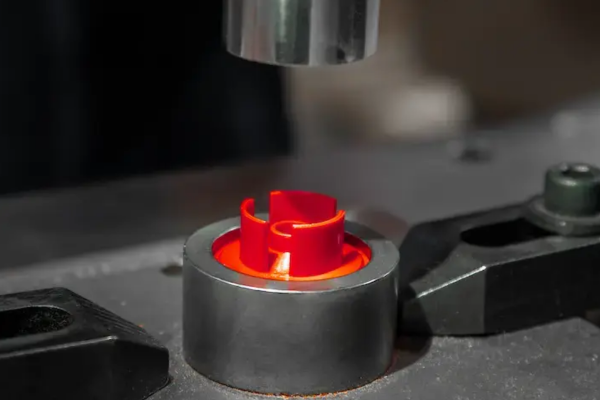
Moulage par injection

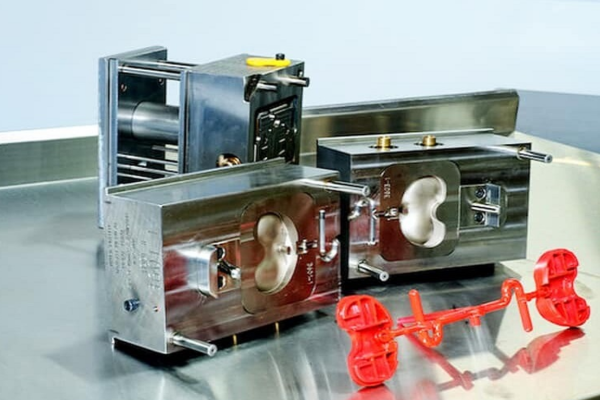
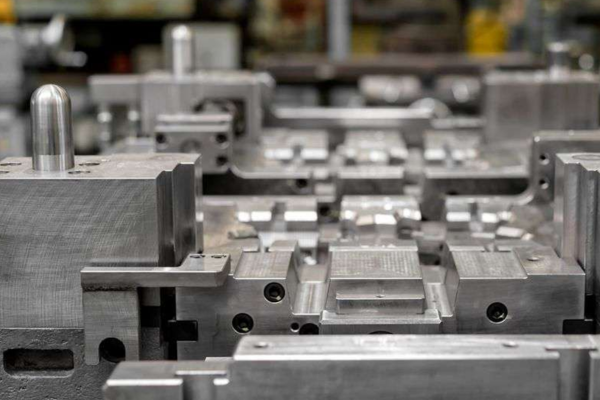
Fills a mold with molten material to form parts, which can be used with the small batch prototyping by initially making the mold, and can then produce parts in large quantities at a low cost.

Laminated Object Manufacturing (LOM)

With adhesive-bonded layers of material, a less expensive option to larger models, but with less detail than others.

Stéréolithographie (SLA)

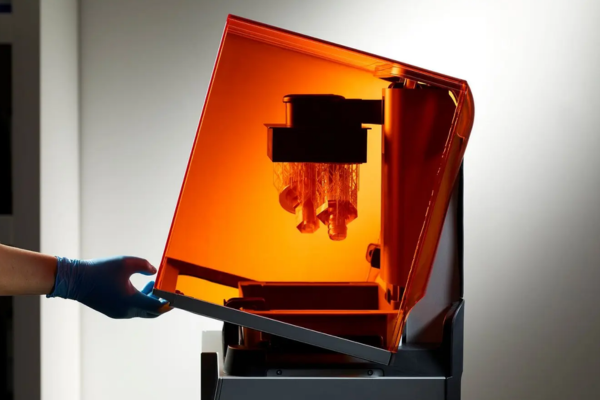
Cures liquid resin with a laser to form fine and smooth prototypes. Best when the geometries and features are fine and detailed.

Pourquoi choisir Prototypage rapide avec XC Machining ?

Fournit des prototypes rapides et des pièces de précision en utilisant une technologie CNC avancée, garantissant une qualité et une précision exceptionnelles. Confiance Prototypage rapide pour répondre à vos exigences.

De solides capacités de production

Dans nos locaux, vous disposez d'une grande variété de machines pour la production de pièces, notamment des tours CNC, des fraiseuses, des équipements de moulage par injection, une technologie d'impression 3D de pointe, et bien plus encore.

Sélection flexible des matériaux

Chez XC Machining, nous veillons à ce que votre choix ne soit pas limité, c'est pourquoi nous vous proposons plus de 60 matériaux pour vos prototypes et vos produits.

Assistance technique 24 heures sur 24, 7 jours sur 7

XC Machining met à votre disposition des ingénieurs de service compétents qui ont les connaissances nécessaires pour répondre à vos demandes en matière de fabrication. Nos ingénieurs sont toujours sur le terrain pour vous offrir de précieux conseils.

Choix de finitions personnalisées

Nous proposons une gamme de traitements de surface et de finitions personnalisées sur des pièces solides en métal et en plastique, notamment l'anodisation, la peinture par pulvérisation, le polissage à la vapeur, le sablage, la sérigraphie, etc.

Tolerances for Rapid Prototyping

At XC Machining, we offer high-precision rapid prototyping services, ensuring quick turnarounds and accurate prototypes to validate designs and functionalities.

Description Spécifications
Tolérances générales ISO 2768-m
Tolérances de précision Tolerances as tight as ±0.1 mm, per drawing specs and GD&T annotations
Material Thickness Up to 50mm for selected materials
Épaisseur minimale de la paroi 0.5mm
Minimum Part Size 10mm x 10mm x 1mm
Taille maximale des pièces 500mm x 500mm x 300mm
Volume de production Prototyping: 1-100 pcs
Low Volume: 101-5,000 pcs
High Volume: Above 5,000 pcs
Délai d'exécution 1-5 business days for most projects. Simple parts can be delivered as fast as 1 day

Matériaux pour Prototypage rapide Pièces détachées

Des entreprises et des ingénieurs de premier plan font confiance à XC Machining pour des itérations rapides et des pièces durables et de haute qualité. Qu'il s'agisse de prototypage ou de production à grande échelle, notre large gamme de matériaux nous permet de répondre aux exigences uniques de n'importe quelle entreprise. Prototypage rapide avec précision et rapidité.

Matériaux plastiques pour l'impression 3D

Une large gamme de matériaux plastiques pour l'impression 3D, des thermoplastiques pour les pièces fonctionnelles aux résines très détaillées (thermodurcissables) pour les prototypes visuels.

Matériaux de tôlerie

Explorez nos archives sur la fabrication de tôles pour découvrir les techniques de précision utilisées pour transformer les tôles en composants complexes.

Alliage

Carbone

Materials for Rapid Prototyping Parts

Surface Finishes for Rapid Prototyping

XC Machining offers a variety of surface finishes for rapid prototyping, ensuring that parts meet both functional and aesthetic requirements for testing and evaluation.

Smooth Finish
Smooth Finish

Rapid prototyping typically produces smooth surfaces, ideal for parts that need minimal finishing and are ready for functional testing.

Ébavurage

Deburring removes sharp edges and rough spots, ensuring that the prototype is safe to handle and that parts fit together as intended.

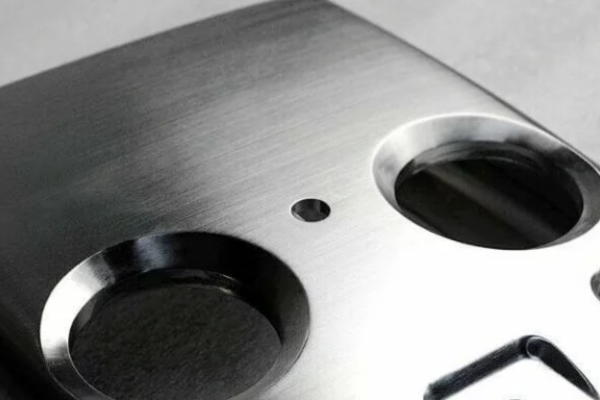
Finition brossée

A brushed finish adds texture to prototypes, improving the appearance and giving them a sleek, modern, matte finish.

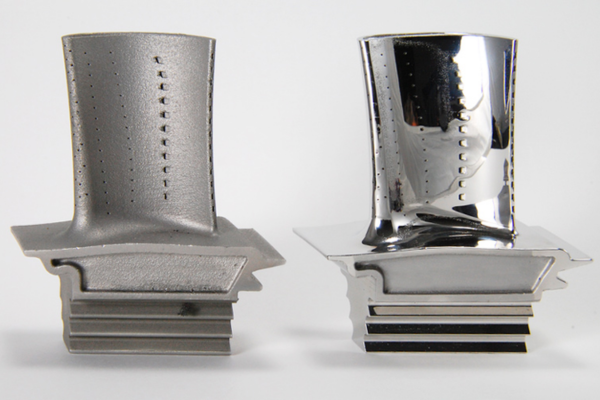
Polissage
Polishing Finish

Polishing provides a high-gloss, mirror-like finish to prototypes, perfect for parts that require both functionality and visual appeal.

Anodisation
Anodizing Process

Anodizing provides a protective layer on metal prototypes, improving corrosion resistance and offering both matte and glossy finishes, commonly used for aluminum.

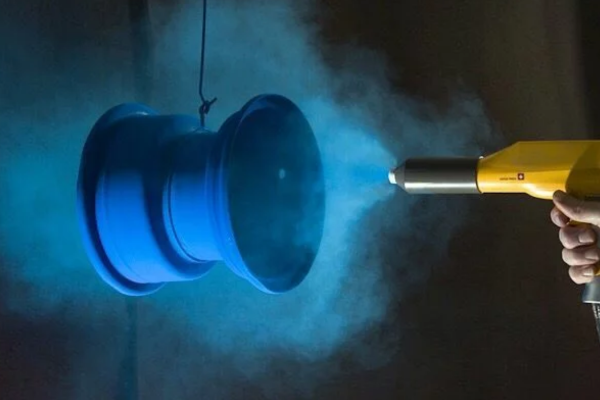
Revêtement en poudre

Powder coating offers a durable, weather-resistant finish for prototypes, enhancing their strength and resistance to abrasion and corrosion in various colors.

Industries spécialisées

XC Machining est un partenaire de confiance pour les industries exigeant complexité, fiabilité et précision. Notre longue expérience dans la production de millions de composants de haute qualité apporte une expertise inégalée à chaque projet.

Nos services couvrent une gamme variée d'applications afin de garantir que nous répondons aux besoins uniques de chaque secteur avec le plus grand soin.

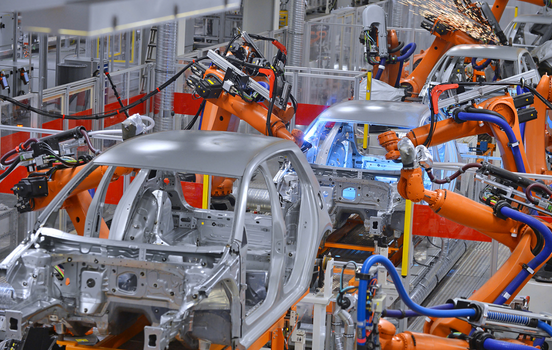
XC Machining soutient l'industrie automobile avec des solutions d'usinage CNC de pointe, permettant la production de pièces complexes qui favorisent l'efficacité.

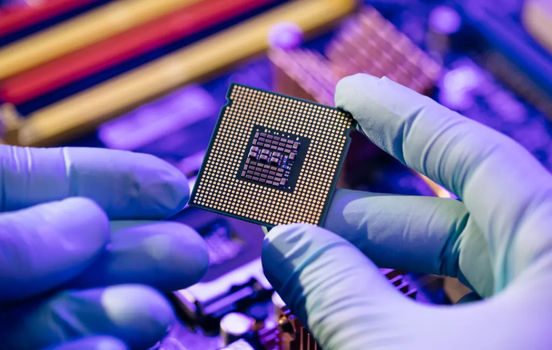
Pour l'industrie des semi-conducteurs, XC Machining propose des services d'usinage CNC qui répondent aux exigences de haute précision nécessaires à la fabrication des composants.

Nos services d'usinage CNC sont essentiels dans le secteur de l'énergie, où la précision et la durabilité sont primordiales. XC Machining soutient les

XC Machining est un partenaire de confiance dans le secteur des machines industrielles, offrant des solutions d'usinage CNC qui garantissent la robustesse et l'efficacité des machines.

XC Machining fournit des solutions d'usinage de précision pour l'industrie électronique, en produisant des composants complexes qui répondent aux normes rigoureuses exigées pour

XC Machining propose des services d'usinage CNC spécialisés pour l'industrie des communications, en fabriquant des pièces de précision qui sont vitales pour l'infrastructure.

Notre Prototypage rapide capacités de service

En tant que leader dans la fabrication de précision, nous offrons un large éventail de capacités qui répondent à la fois au prototypage unique et à la production en petite quantité. Nous sommes spécialisés dans la production de pièces géométriquement complexes et hautement esthétiques, garantissant les normes de qualité les plus élevées. Chez XC Machining, nous sommes fiers d'être le fabricant de référence pour tous vos besoins en matière d'usinage. Prototypage rapide en proposant des solutions fiables et efficaces sous un même toit.

Which Technologies Are Used in Rapid Prototyping?

Rapid prototyping depends on a combination of new manufacturing techniques, each appropriate to specialized design requirements, materials and proposed production. Here’s the most widespread technologies consist of:

Additive Manufacturing (3D Printing)

This method builds parts in layers straight through CAD files which make complicated shapes and fast iteration possible.

  • Modélisation par dépôt en fusion (FDM) : Parts are printed using melted thermoplastic filament and applied in layer-to-layer manner.
  • Stéréolithographie (SLA) : Virtually identical process to SLS except it uses a UV laser to cure a liquid resin into very detailed and smooth surface parts.
  • Frittage sélectif par laser (SLS) : Uses a laser to bond blended nylon or different polymers into strong and functional end-use parts.
  • Direct Metal Laser Sintering (DMLS): High powered laser is used to sinter fine metallic powder to create dense and complex metal components.
  • Fusion de plusieurs jets (MJF) : Uses less time to produce and high mechanical strength due to the application of fusing agents and heat to powder polymer.

Subtractive Manufacturing

CNC machines work to remove rather than add material to a solid block to produce the required shapes. This process is optimal when high tensile and critical tolerances with parts that can not be achieved with additive methods.

  • CNC Milling: Cutting tools, rotating, are applied to rid a solid block of material, and this method is used to make complex shapes requiring the use of tight clearances.
  • CNC Turning (Lathe): Rotates the workpiece on its axis as the tools that cut it take on the part of it. It is usually applied to cylindrical or symmetrical objects.
  • Drilling Operations: Cuts fine holes / paths, and in many cases is combined with cutting on multi- axis machines.
  • 5 axis CNC Machining: Allows cutting from multiple angles in a single setup, reducing production time and increasing precision.

Moulage

Due to the cycle of small batch production processes or parts which need particular materials, the techniques such as urethane casting and short-run injection molding would give quickness and reliability. The latter are usually applied after the design of a prototype is completed but prior to large-scale production.


  • Injection Molding (Short-Run): Injection technique used to inject melted material into a mold to make small quantities of useful parts with superior finish.
  • Compression Molding: Presses material into a mold that is heated, a common compression mold is a rubber or composite prototype.
  • Coulée sous vide : Plems liquid resin into molds by use of vacuum pressure and is used on complex shapes and finer details.
  • Silicone Molding: Is making molds out of silicone rubber, which are flexible, so that complex geometries can be copied, in a detailed way. Usually employed to cast resins, wax, or low-melting-point metals in the development of prototypes.

What Are the Benefits and Drawbacks of Rapid Prototyping?

With cutting-edge manufacturing processes, rapid prototyping has strong benefits as well as its own disadvantages. The realization of both sides assists businesses in determining the appropriate moment to efficiently exploit it.

Here’re some Perks of Rapid Prototyping:

Flexibilité

The rapid prototyping enables rapid exploration of a number of design iterations within a relatively short period of time that can aid the designers and engineers. As an example, a product team is able to develop three versions of a component, test them in terms of performance and optimize the most suitable one without making a clean sheet. Such repeated process brings innovation and the chances of failure of launching a product that does not meet the needs of the market is minimised.

Vitesse

Rapid prototyping is able to reduce development cycles by half or greater, by avoiding costly conventional tooling and long cycle setup costs. In rapid moving industries such as consumer electronics, such velocity may spell the difference between setting or following the pace. 3D printing of a functional prototype only takes 24 hours and not weeks, as it is the case with traditional machining.

Économies de coûts

The traditional prototyping techniques usually require unique molds or tooling that may lead to thousands of dollars. These costs are reduced or altogether avoided due to the use of rapid prototyping at early stages of design which saves major investment to tune 30-60 percent of the initial cost. It proves to be particularly useful to start up and small enterprises with limited budgets.

Réduction des déchets

Additive manufacturing of a part happens layer after layer, utilizing only the amount of material required per design. This makes it far less wasteful than subtractive manufacturing by producing less scrap thus saving material cost and increasing sustainability. Switching to rapid prototyping back when doing early builds has reported up to 80 percent waste reduction in some companies.

Here’re some Drawbacks of Rapid Prototyping:

Material Limitations

Rapid prototyping can work with an ever-increasing range of plastics, resins, and even metals, but the set is still more limited compared with conventional manufacturing. It can restrict the accuracy of the functional testing because some materials do not reflect the strength, flexibility, or heat resistance of final production-grade materials.

Surface Finish Issues

Layer-by-layer production may produce visible striations or a scratched surface on prototypes, especially on FDM printing. To obtain a polished, market ready surface, extra finishing steps like sanding, coating, or CNC machining may be necessary after which other time and cost may be involved.

Scalability Constraints

Rapid prototyping is ideal with the one off parts or small quantities but not necessarily economical in higher volumes mass production. This would be the case whereby a single prototype could be printed in hours yet thousands of them would confer the advantage of traditional injection molding or casting to produce them speedily and in terms of unit cost effectiveness.

Prendre contact

Donnez vie à vos conceptions avec XC Machining

Faites l'expérience de l'ingénierie de précision avec XC Machining. Des prototypes détaillés à la production en grande série, nous sommes là pour transformer vos concepts en réalité. Contactez-nous dès aujourd'hui pour discuter des besoins de votre projet !

Prendre contact

Articles et réflexions connexes

Plongez dans des articles et des messages liés à vos centres d'intérêt

Questions fréquemment posées

Prototypage rapide

  • What Is Rapid Prototyping and How Does It Work?

    Rapid prototyping is a fast and cost-effective method of creating physical models of a design directly from CAD data. The process involves creating a 3D model of a part or product using various additive manufacturing methods like 3D printing, CNC machining, or injection molding. These models are then used to test form, fit, and function before mass production begins. Rapid prototyping allows designers and engineers to quickly iterate on their designs, making adjustments as needed before final production. This method is widely used in industries such as automotive, aerospace, consumer electronics, and medical devices. 

  • What Are the Key Benefits of Rapid Prototyping?

    Rapid prototyping offers several significant benefits, including speed, flexibility, and cost-effectiveness. One of the main advantages is the ability to quickly create a physical prototype from a digital design, which allows for faster testing and evaluation. This enables engineers and designers to identify potential issues early in the design process, reducing the risk of costly mistakes in mass production. Rapid prototyping also provides the flexibility to iterate and make changes to the design, helping to refine and improve the final product. Additionally, it helps shorten time-to-market for new products by accelerating the development process. 

  • How Long Does It Take to Create a Rapid Prototype?

    The time required to create a rapid prototype depends on the complexity of the design, the material used, and the manufacturing method selected. In general, rapid prototyping can take anywhere from a few hours to several days. 3D printing, one of the most commonly used methods, can produce prototypes in as little as 24 hours for simple designs, while more complex parts or larger prototypes may take a few days to complete. CNC machining or injection molding may take longer for more detailed or high-volume production prototypes. At XC Machining, we strive to offer fast turnaround times, even for complex parts, to meet your project deadlines. 

  • How Does Rapid Prototyping Save Costs in Product Development?

    Rapid prototyping can significantly reduce costs in product development by allowing designers and engineers to test and validate their designs before committing to large-scale production. By identifying and addressing design flaws early in the process, rapid prototyping helps minimize the need for costly revisions during manufacturing. It also reduces the need for expensive tooling and molds typically required for traditional manufacturing methods. Additionally, rapid prototyping allows for low-volume production, which reduces the cost of producing prototypes and small batches. Overall, it helps streamline the development process, saving both time and money in the long run. 

fr_FRFrench
Envoyez-nous le détail de vos besoins