1. Inicio
  2. "
  3. Servicio
  4. "
  5. Modelado por deposición fundida (FDM)

Fused Deposition
 Modeling (FDM)

We offer FDM 3D Printing Services that provide cost-effective and durable prototypes and production parts. Using Modelado por deposición fundida (FDM) technology, we deliver high-quality, functional components that meet the needs of industries across the USA. From concept to production, our FDM solutions offer precision, flexibility, and fast turnaround times.

Modelado por deposición fundida
FDM

Leading FDM 3D Printing Company

As a trusted FDM 3D printing company, XC Machining provides FDM 3D printing solutions tailored to your specific needs. Whether you’re looking for functional prototypes, low-volume production, or custom parts, we use the latest FDM technology to create strong, precise components, delivering results on time and within budget.

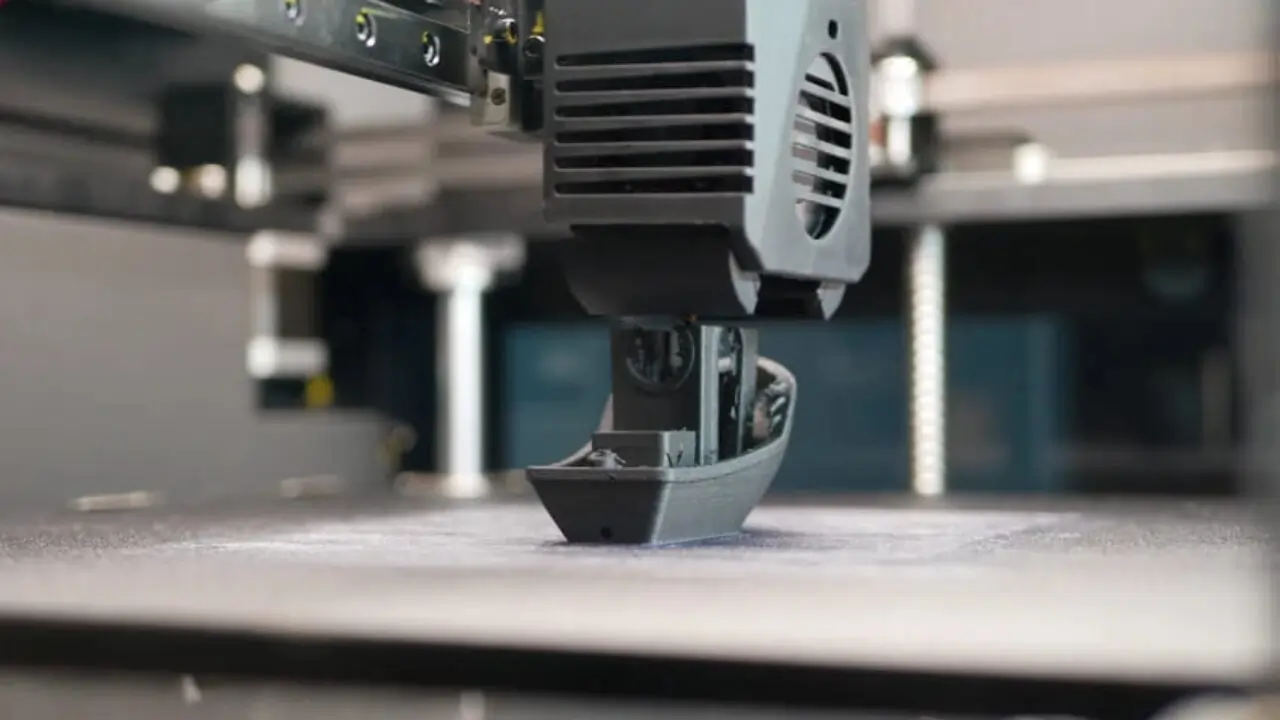
FDM 3D printer creating a plastic boat model layer by layer using filament extrusion technology.

FDM 3D Printing Solutions for High-Performance Parts

When you need reliable and durable parts, XC Machining offers the best FDM 3D printing services in the USA. Our Fused Deposition Modeling 3D printing services allow for quick production of high-performance, custom parts using a wide range of materials.

Por qué elegir Modelado por deposición fundida (FDM) con XC Machining?

Proporciona prototipos rápidos y piezas de precisión utilizando tecnología CNC avanzada, lo que garantiza una calidad y precisión excepcionales. Confíe en Modelado por deposición fundida (FDM) para cumplir sus exigentes normas.

Sólidas capacidades de fabricación

En nuestras instalaciones, dispone de una gran variedad de máquinas para la producción de piezas, incluidos tornos CNC, fresadoras, equipos de moldeo por inyección, tecnología de impresión 3D de última generación y mucho más.

Selección flexible de materiales

En XC Machining, intentamos que su elección no esté limitada, por lo que le ofrecemos más de 60 materiales entre los que elegir para sus prototipos y productos.

Asistencia técnica 24/7

XC Machining pone a su disposición ingenieros de servicio con los conocimientos necesarios para responder a sus consultas sobre fabricación. Nuestros ingenieros están siempre sobre el terreno para ofrecer un valioso asesoramiento.

Elección de acabados personalizados

Ofrecemos una amplia gama de tratamientos superficiales y acabados personalizados en piezas sólidas de metal y plástico, como anodizado, pintura en spray, pulido por vapor, chorro de arena, serigrafía, etc.

Tolerances for Fused Deposition Modeling (FDM)

At XC Machining, we offer Fused Deposition Modeling (FDM) 3D printing services that are perfect for rapid prototyping and functional parts production. 

Descripción Especificación
Tolerancias generales Metals: ISO 2768-m
Plastics: ISO 2768-c
Tolerancias de precisión Tolerances as tight as ±0.2 mm, per drawing specs and GD&T annotations
Espesor mínimo de pared 0.8mm
Minimum Layer Thickness 0.1mm
Minimum Part Size 20mm x 20mm x 1mm
Tamaño máximo de la pieza 300mm x 300mm x 400mm
Volumen de producción Prototyping: 1-100 pcs
Low Volume: 101-5,000 pcs
High Volume: Above 5,000 pcs
Plazos de entrega 3-5 business days for most projects. Simple parts can be delivered as fast as 1-2 days

Materiales para Modelado por deposición fundida (FDM) Piezas

Empresas líderes e ingenieros confían en XC Machining para obtener iteraciones rápidas y piezas duraderas y de alta calidad. Tanto si se trata de prototipos como de producción a gran escala, nuestra amplia gama de materiales garantiza que cumplimos los requisitos exclusivos de cualquier proyecto. Modelado por deposición fundida (FDM) proyecto con precisión y rapidez.

ABS-M30

Black, Blue, Dark Grey, Ivory, Red, White.

Black (electrostatic dissipative properties)

Translucent Natural, Translucent Amber, Translucent Red

Black, Dark Blue, Dark Gray, Light Gray, Green, Ivory, Orange, Red, White, Yellow


Negro

Negro

White

Translucent Natural, White

Black, Blue, Red, White

Black, Tan

Amber (Natural)

Materiales de impresión 3D

Surface Finishes for Fused Deposition Modeling (FDM)

XC Machining offers a range of surface finishes for FDM parts to enhance their functionality, durability, and aesthetic appeal.

Pulido
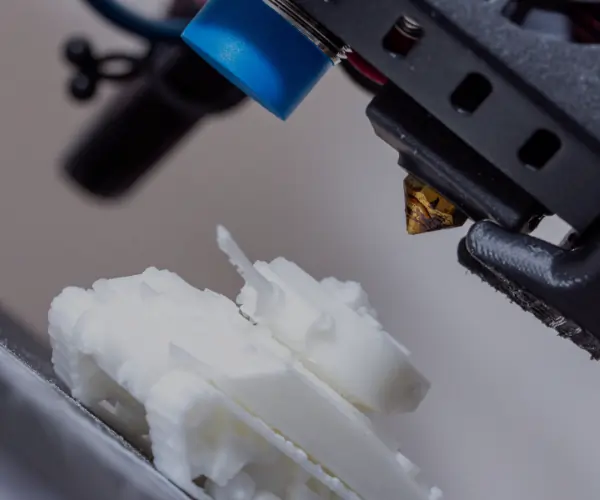
FDM 3D printed part with standard as-printed surface showing visible layer lines

Polishing removes rough surface layers and enhances the smoothness of FDM parts, making them visually appealing.

Granallado
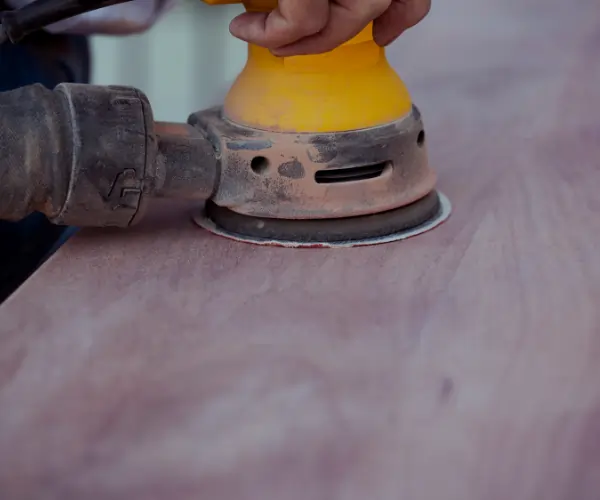
FDM 3D printed part surface being sanded for smooth finish and post-processing preparation

Bead blasting applies a fine, matte finish to the surface of FDM parts, improving texture and appearance, while also reducing visible print lines.

Alisado de vapor
Smooth FDM 3D printed ABS part using acetone vapor for glossy, seamless surface finish

Vapor smoothing uses a chemical vapor to smooth the surface of FDM prints, giving the parts a glossy, shiny finish.

Pintura
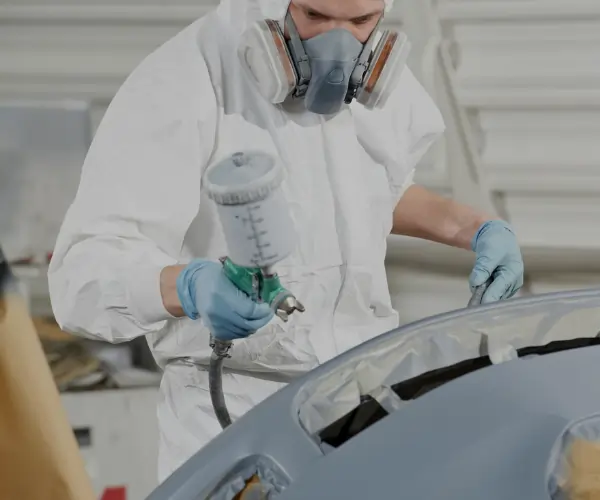
Worker in safety gear spray painting a car part with precision using a professional paint sprayer.

FDM parts can be painted with a variety of colors, improving their aesthetic appeal and adding a custom look to parts.

Textured
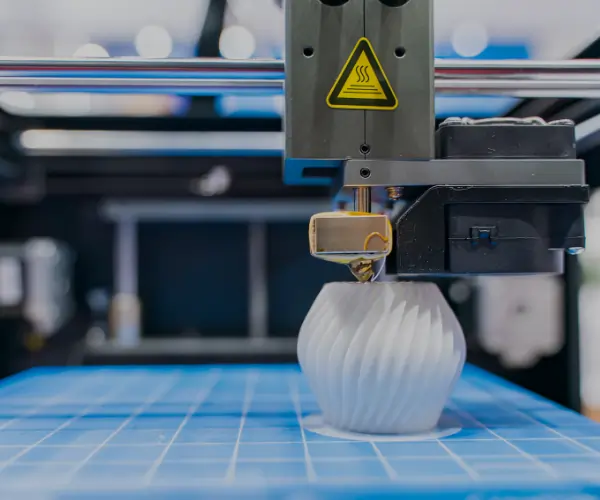
3D printer using FDM technology to create a white plastic vase layer by layer on a blue build platform.

Textured finishes add a unique, patterned texture to FDM parts, improving grip and enhancing the visual appeal of the printed product.

Tratamiento térmico
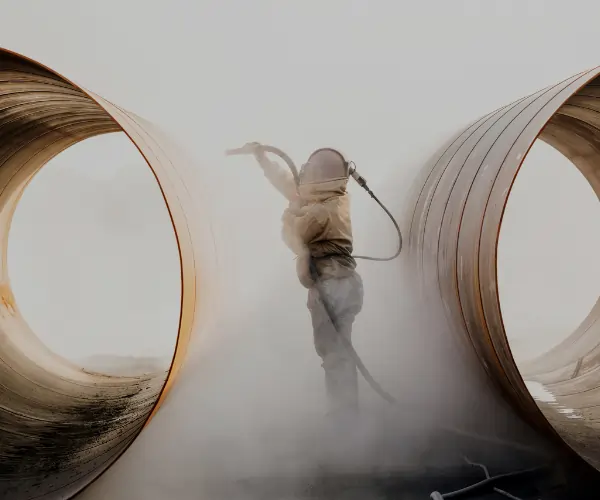
Industrial FDM 3D printed part undergoing bead blasting for matte, uniform finish

Heat treatment can be used to improve the mechanical properties of FDM parts, especially for parts requiring strength and resistance to heat.

Industrias especializadas

XC Machining es un socio de confianza para las industrias que exigen complejidad, fiabilidad y precisión. Nuestra cara experiencia en la producción de millones de componentes de alta calidad aporta una pericia inigualable a cada proyecto.

Nuestros servicios abarcan una amplia gama de aplicaciones para garantizar que satisfacemos las necesidades exclusivas de cada sector con sumo cuidado.

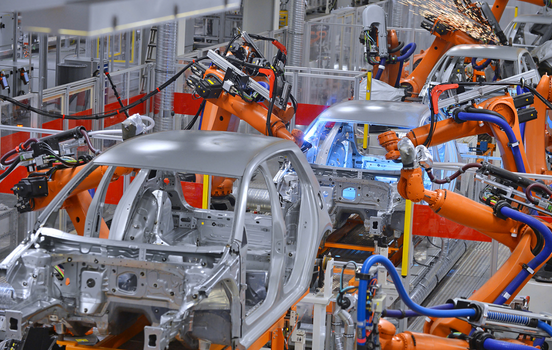
XC Machining apoya a la industria del automóvil con soluciones de mecanizado CNC de vanguardia, permitiendo la producción de piezas complejas que impulsan la eficiencia

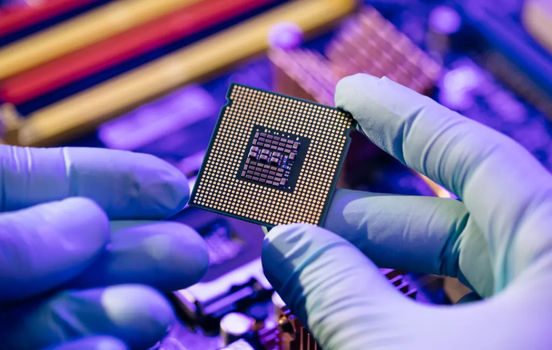
Para la industria de semiconductores, XC Machining ofrece servicios de mecanizado CNC que satisfacen las exigencias de alta precisión necesarias para la fabricación de componentes

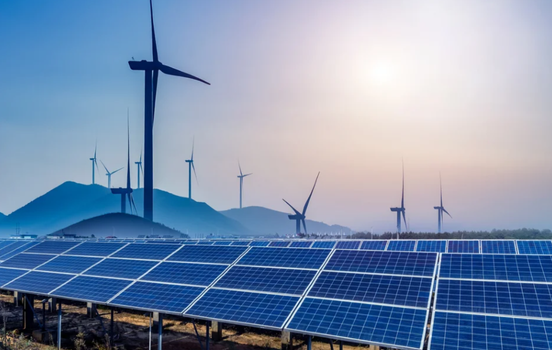
Nuestros servicios de mecanizado CNC son fundamentales en el sector energético, donde la precisión y la durabilidad son esenciales. XC Machining presta apoyo a

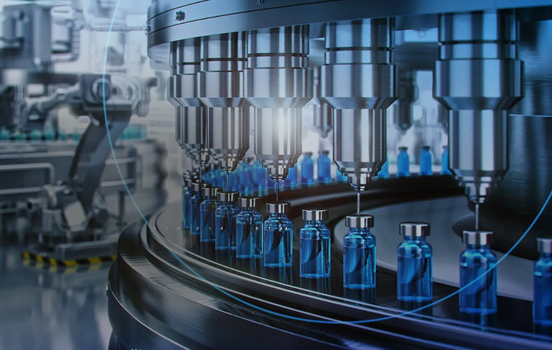
XC Machining es un socio de confianza en el sector de la maquinaria industrial, que ofrece soluciones de mecanizado CNC que garantizan la robustez y la

XC Machining ofrece soluciones de mecanizado de precisión para la industria electrónica, produciendo componentes intrincados que cumplen las exigentes normas requeridas para

XC Machining ofrece servicios especializados de mecanizado CNC para la industria de las comunicaciones, elaborando piezas de precisión que son vitales para la infraestructura

Nuestra Modelado por deposición fundida (FDM) capacidades de servicio

Como líderes en fabricación de precisión, ofrecemos una amplia gama de capacidades que se adaptan tanto a la creación de prototipos únicos como a la producción de bajo volumen. Nos especializamos en la entrega de piezas geométricamente complejas y altamente cosméticas, garantizando los más altos estándares de calidad. En XC Machining, nos enorgullecemos de ser el fabricante de referencia para todas sus necesidades de mecanizado. Modelado por deposición fundida (FDM) necesidades, proporcionando soluciones fiables y eficientes bajo un mismo techo.

Unlock Innovation and Precision with FDM 3D Printing Services

In the world of additive manufacturing, Fused Deposition Modeling (FDM) is one of the most widely used and versatile 3D printing technologies.

At XC Machining, we specialize in offering FDM 3D printing services that help businesses turn their ideas into tangible, functional parts. Whether it’s for rapid prototyping, custom parts production, or low-volume manufacturing, FDM 3D printing provides an efficient and cost-effective solution for industries across the board.

What is FDM 3D Printing?

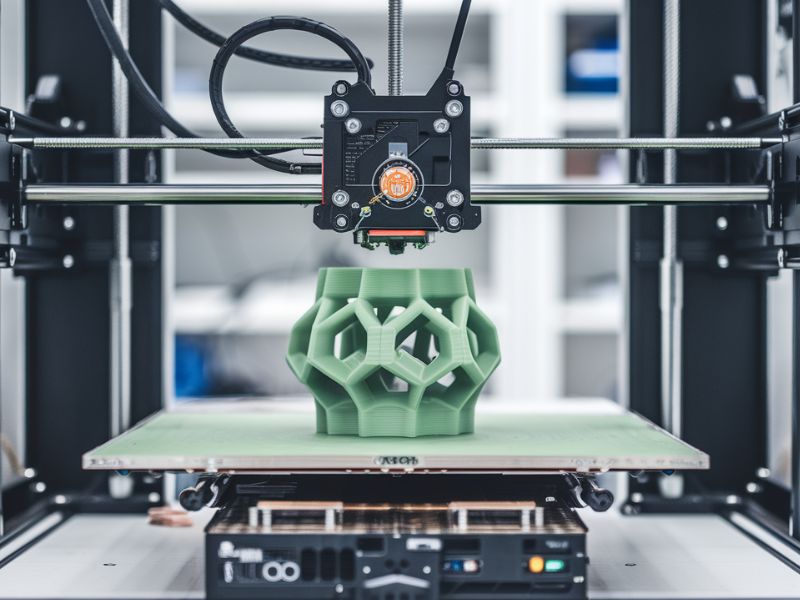
Fused Deposition Modeling (FDM) is a 3D printing process that uses a thermoplastic material, such as ABS, PLA, or PETG, which is heated and extruded through a nozzle to build a part layer by layer. 

The material is deposited in thin layers, one on top of the other, and fused together to form a solid object. This process allows for the creation of parts with high accuracy, mechanical properties, and flexibility in design.

FDM is often referred to as “additive manufacturing” because it builds up the part from nothing, layer by layer, as opposed to subtractive manufacturing methods like milling or turning. 

Benefits of FDM 3D Printing at XC Machining

Rentable

FDM is one of the most affordable 3D printing technologies available, especially for low to medium-volume production. The material costs are relatively low, and there is no need for expensive molds or tooling, making FDM an ideal choice for cost-effective prototyping, small batch production, and custom part manufacturing.

Quick Turnaround Times

The ability to produce parts rapidly is one of the most significant advantages of FDM 3D printing. At XC Machining, we can quickly take your designs from concept to reality, enabling faster product development cycles and reducing time-to-market. Whether you need a single prototype or a series of functional parts, our FDM 3D printing service delivers timely results.

Flexibilidad de diseño

FDM 3D printing offers exceptional design freedom, allowing the creation of complex geometries that would be difficult or impossible to manufacture using traditional methods. You can create parts with internal structures, intricate details, or customized features without the constraints of molds, dies, or tooling.

Wide Material Selection

With FDM, you have access to a wide variety of thermoplastic materials that offer various mechanical properties. Whether you need strong and durable parts, flexible components, or parts that are resistant to high temperatures or chemicals, FDM provides a material for nearly every application. 

Creación rápida de prototipos

FDM 3D printing is ideal for rapid prototyping, allowing designers and engineers to quickly produce functional prototypes for testing and validation. With FDM, you can test and iterate on designs in real-time, making adjustments based on testing results and customer feedback. 

Low Waste Production

Unlike subtractive manufacturing methods, where material is cut away from a larger block, FDM 3D printing only uses the material necessary to create the part, resulting in minimal waste. This is a more sustainable approach to manufacturing, especially for industries focused on reducing their environmental footprint.

Applications of FDM 3D Printing Services

FDM 3D printing is widely used across many industries for a variety of applications, including:

Creación de prototipos

FDM is most commonly used for rapid prototyping, allowing designers to quickly test and refine their ideas. With the ability to iterate designs rapidly and cost-effectively, FDM plays a key role in product development.

Custom Parts Production

FDM technology is perfect for producing custom parts that need to meet specific design criteria or functionality. Whether it’s a custom bracket, housing, or other component, FDM allows for the creation of bespoke parts without the need for tooling or molds.

Small Batch Production

For low-volume or small-batch production, FDM 3D printing is an ideal solution. Since it eliminates the need for expensive tooling, it is an affordable and efficient option for producing small quantities of functional parts, especially when custom features or geometries are required.

End-Use Parts

FDM can also be used to produce durable end-use parts, especially when low-to-medium strength materials are sufficient. Applications in industries such as automotive, consumer goods, and aerospace often leverage FDM for producing functional end-use components.

Get in Touch with XC Machining for Your FDM 3D Printing Needs!

We work closely with our clients to understand their specific needs, offering personalized service and ensuring that each project is completed on time and within budget. Whether you need rapid prototyping, custom parts, or small-batch production, our FDM 3D printing services are designed to meet your unique requirements and exceed your expectations.

Contact us today to discuss your project and discover how we can bring your ideas to life with FDM 3D printing.
Ponte en contacto

Dé vida a sus diseños con XC Machining

Experimente la ingeniería de precisión con XC Machining. Desde prototipos detallados hasta producción de gran volumen, estamos aquí para convertir sus conceptos en realidad. Póngase en contacto con nosotros hoy mismo para hablar de las necesidades de su proyecto.

Póngase en contacto

Artículos relacionados

Profundiza con artículos y entradas relacionados con tus intereses

Preguntas frecuentes

Modelado por deposición fundida (FDM)

  • What types of applications can FDM be used for?

    Fused Deposition Modeling (FDM) is widely used for rapid prototyping, functional testing, and low-volume production. The technology is ideal for creating both prototypes and end-use parts, especially for industries such as automotive, aerospace, medical, and consumer goods. FDM is commonly used to create prototypes to test form, fit, and function, allowing engineers to validate designs before moving to mass production. In addition to prototyping, FDM is also suitable for producing functional parts such as jigs, fixtures, tooling, and custom components that need to be produced in small batches or on-demand. 

  • How does FDM compare to other 3D printing technologies like SLA or SLM?

    FDM is one of the most popular and cost-effective 3D printing technologies, especially for prototyping and low-volume production. Unlike Selective Laser Sintering (SLS) or Stereolithography (SLA), which use lasers or light to solidify material, FDM uses a heated extrusion nozzle to melt thermoplastic filament and build parts layer by layer. While SLA and SLS typically offer higher resolution and smoother surface finishes, FDM is more versatile in terms of material selection and is usually more affordable, making it suitable for a wide range of applications. FDM also tends to have more limitations in terms of surface smoothness and dimensional accuracy when compared to SLM (Selective Laser Melting), which is better suited for high-performance metal parts. 

  • What are the advantages of FDM over traditional manufacturing methods?

    FDM offers several distinct advantages over traditional manufacturing methods, particularly in terms of design flexibility, cost-effectiveness, and speed. One of the key benefits of FDM is its ability to create complex geometries without the need for expensive tooling or molds, which is a significant advantage over methods like injection molding and CNC machining. This ability to produce intricate designs quickly and affordably is especially beneficial for prototyping and small-batch production. FDM also allows for the use of multiple thermoplastic materials that can be chosen based on specific application requirements, such as strength, flexibility, and heat resistance. 

  • How does FDM ensure strength and durability in 3D printed parts?

    FDM parts are made from thermoplastic materials that offer a high degree of strength and durability when printed properly. The strength of FDM parts can be influenced by factors such as material choice, layer adhesion, and part orientation during printing. Materials like ABS, Nylon, and PETG are often used for their excellent mechanical properties, including high impact resistance, flexibility, and tensile strength. The layer-by-layer construction process in FDM can lead to anisotropic properties, meaning that parts may be stronger in one direction than another. To optimize strength, parts should be printed with their layers aligned in a direction that maximizes load-bearing properties. 

  • What are the limitations of FDM?

    While FDM is a versatile and widely used 3D printing technology, it does have some limitations. One of the main drawbacks is its resolution and surface finish. FDM parts typically have visible layer lines, especially if they are printed with a thicker layer height or using low-quality materials. This can affect the appearance and smoothness of the final part, requiring post-processing to improve the finish. Additionally, FDM parts tend to have lower dimensional accuracy compared to methods like Stereolithography (SLA) or Selective Laser Melting (SLM), making it less suitable for applications where tight tolerances are crucial. The strength of FDM parts can also be affected by the anisotropic nature of the printing process. Parts may be weaker along the layer lines compared to the print direction, which could impact their performance in certain load-bearing applications. 

es_ESSpanish
Envíenos sus requisitos detallados