
PTFE (Teflon) CNC Machining Service
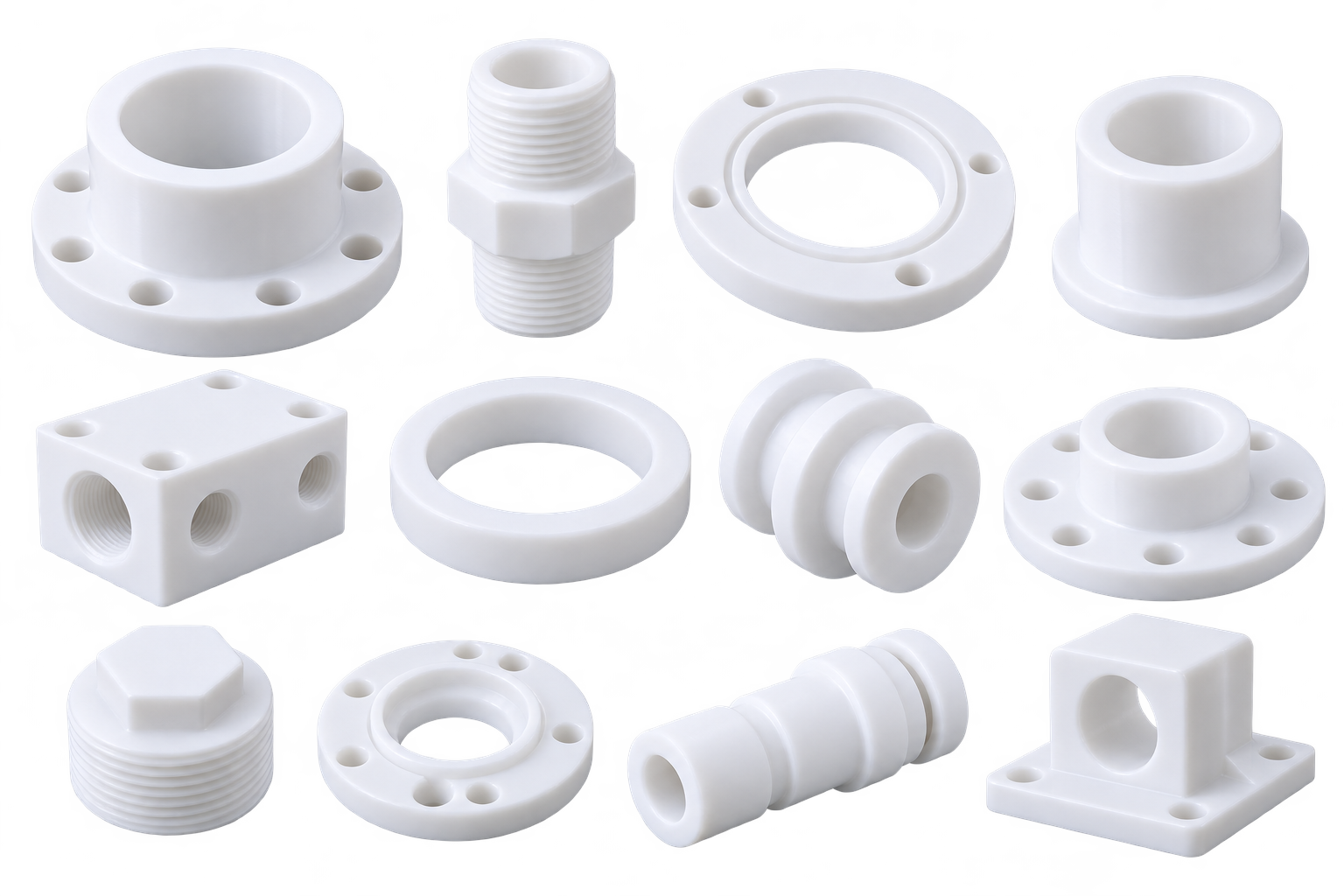
XC Machining provides precision PTFE CNC machining services for custom prototypes and functional production components. Known for its exceptionally low friction, excellent chemical resistance, and electrical insulating properties, PTFE is widely used for seals, gaskets, bushings, valve components, and industrial parts operating in demanding environments.
PTFE in CNC Machining
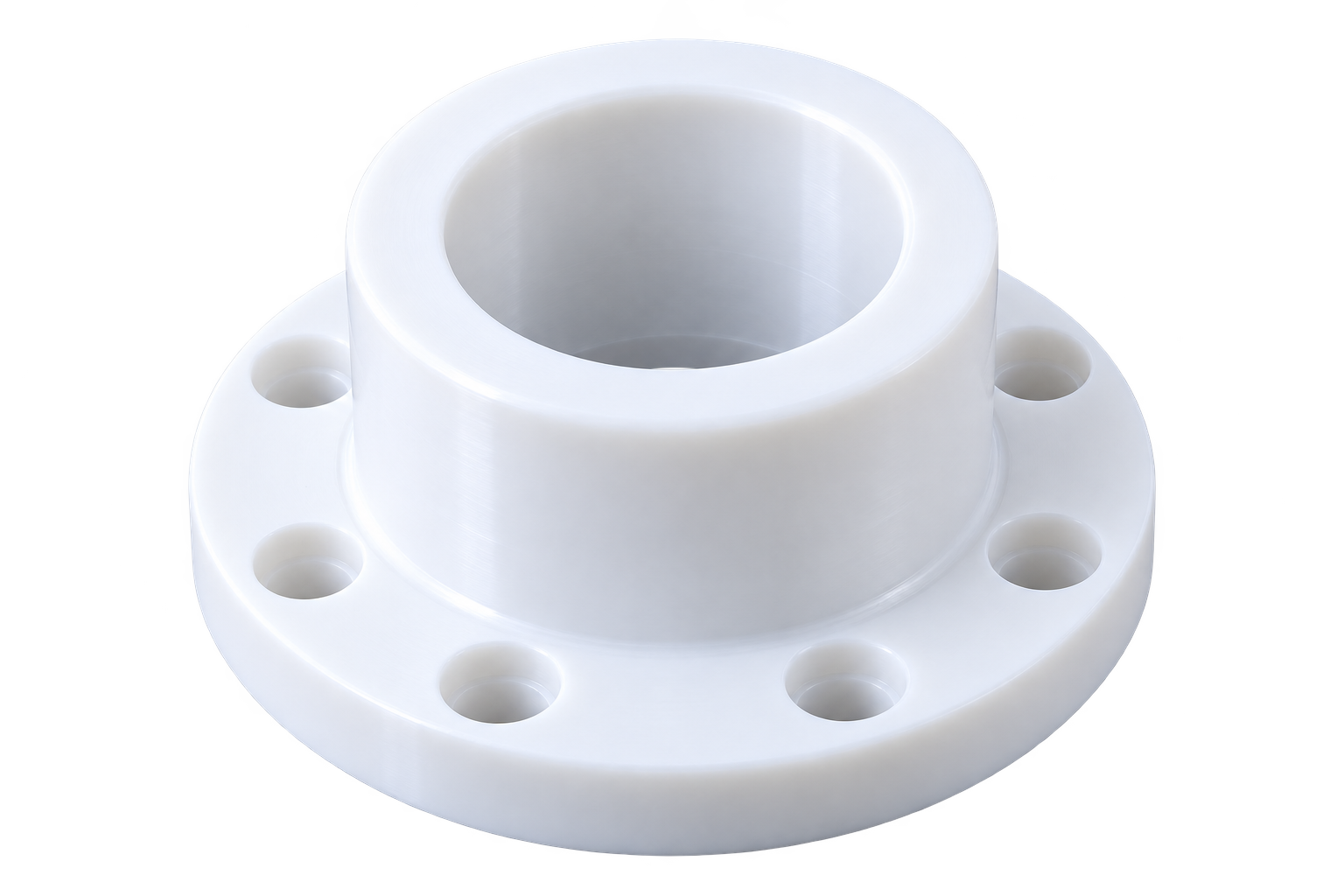
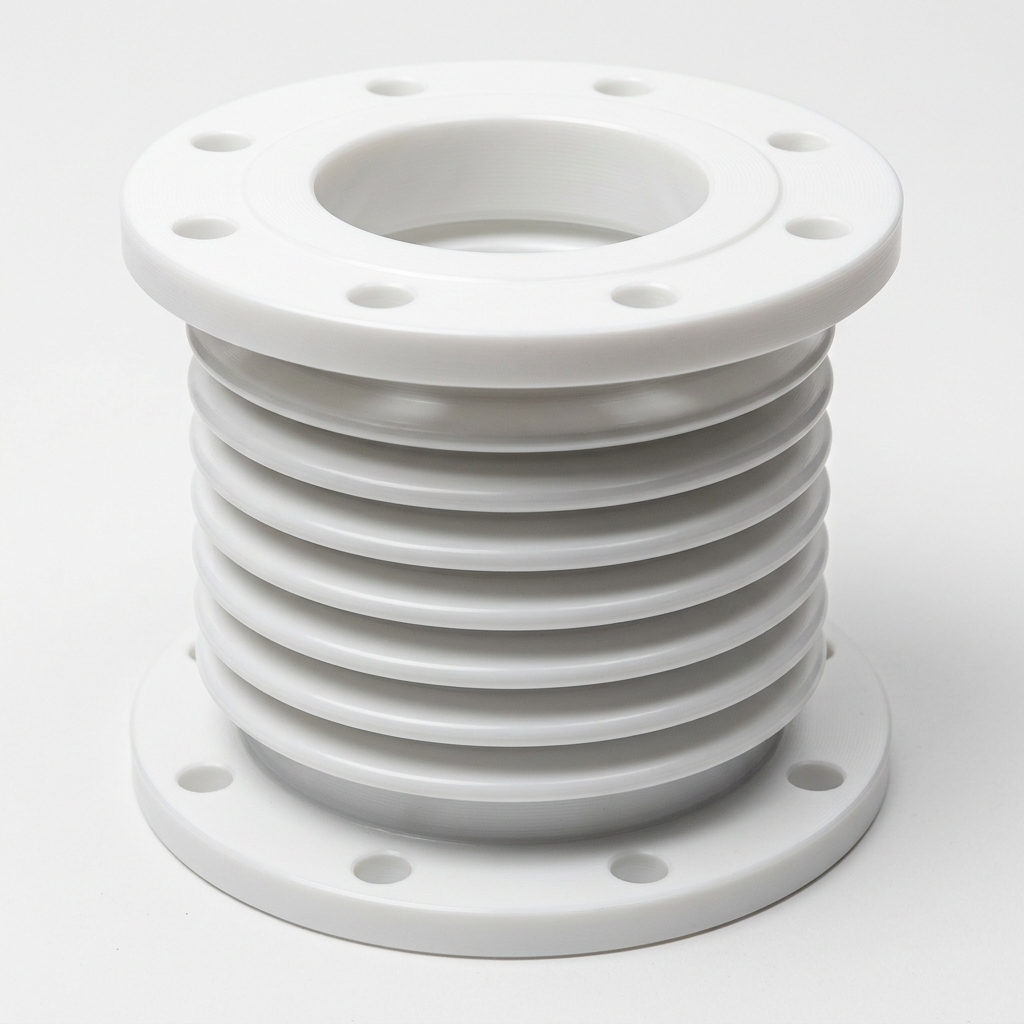
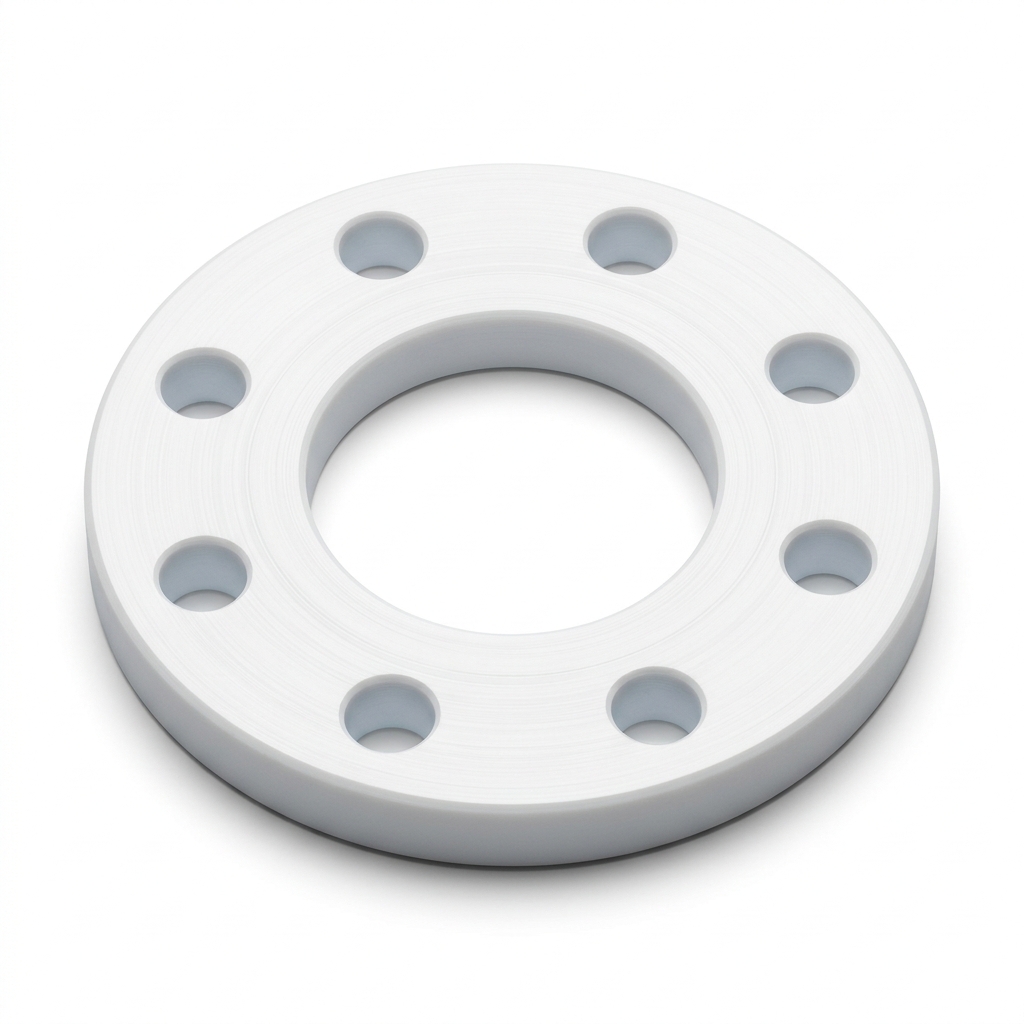
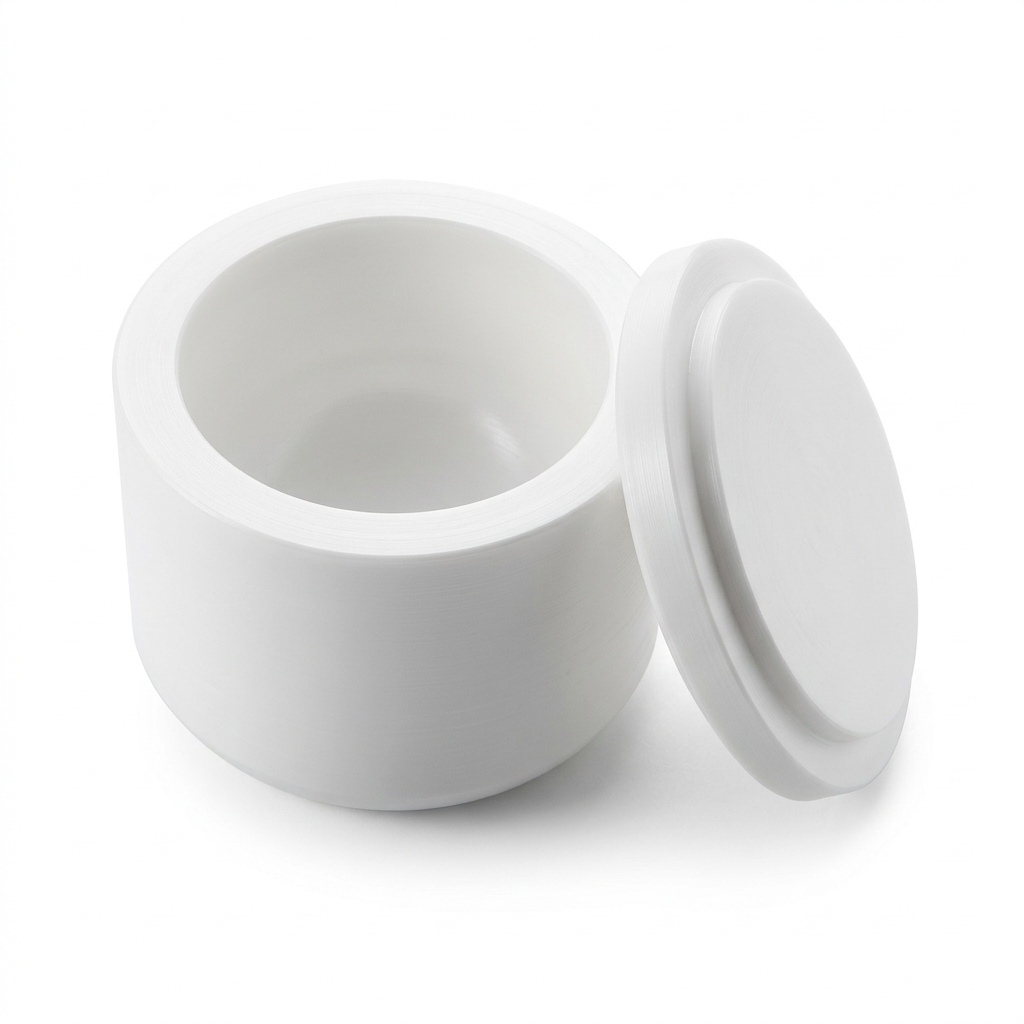
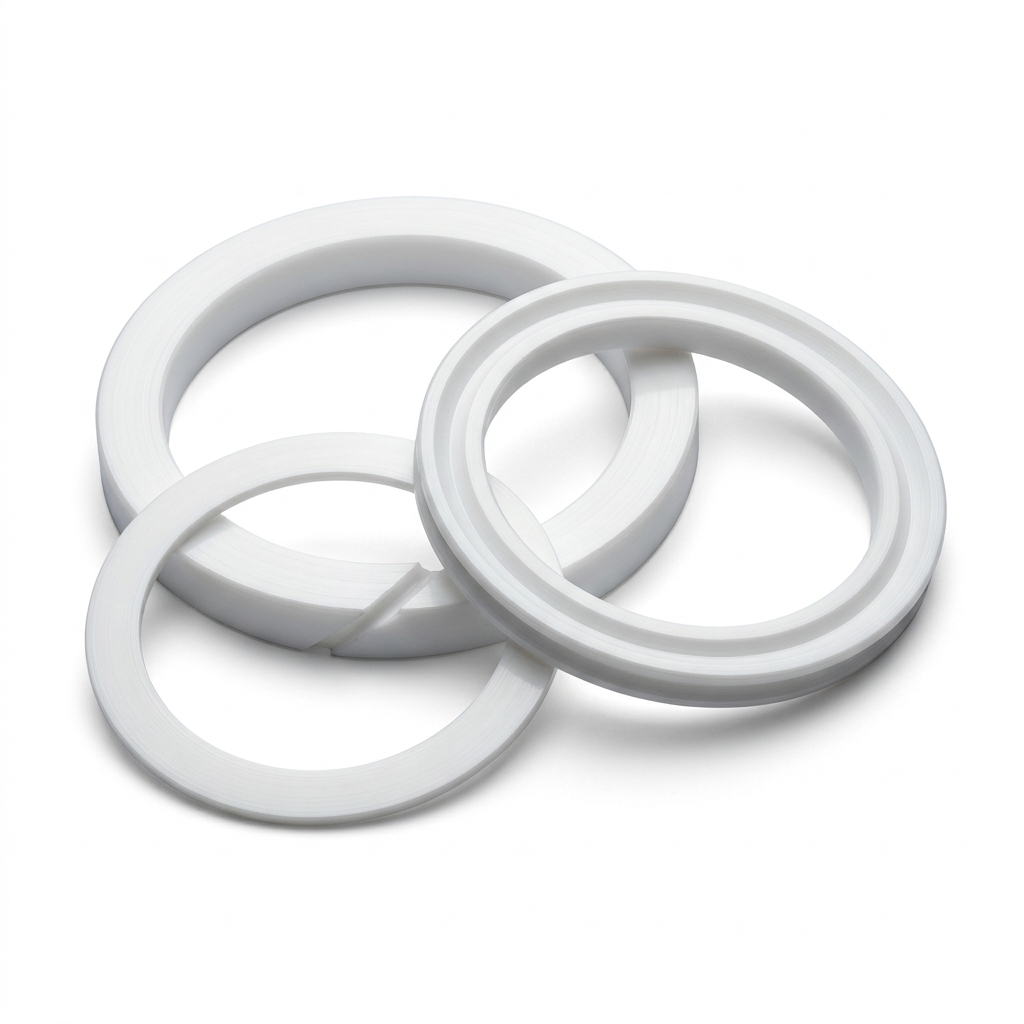
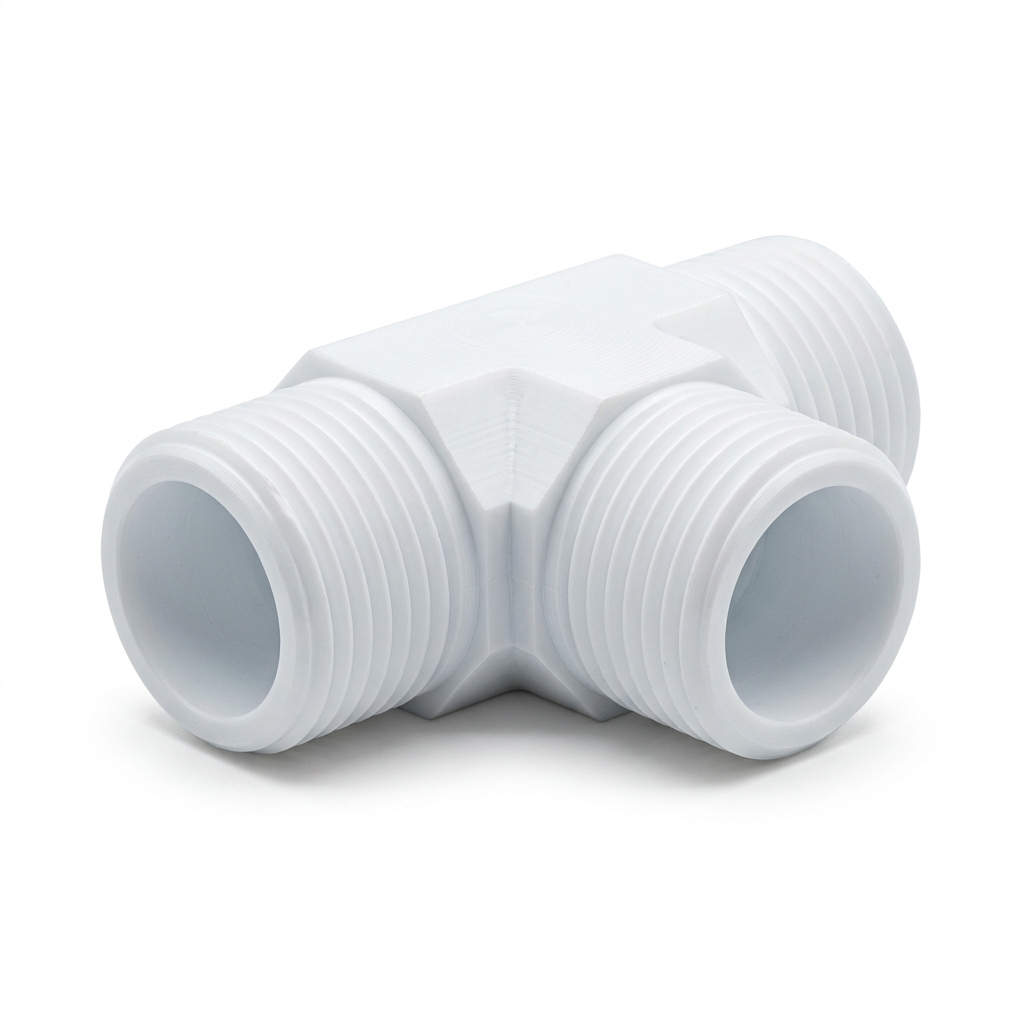
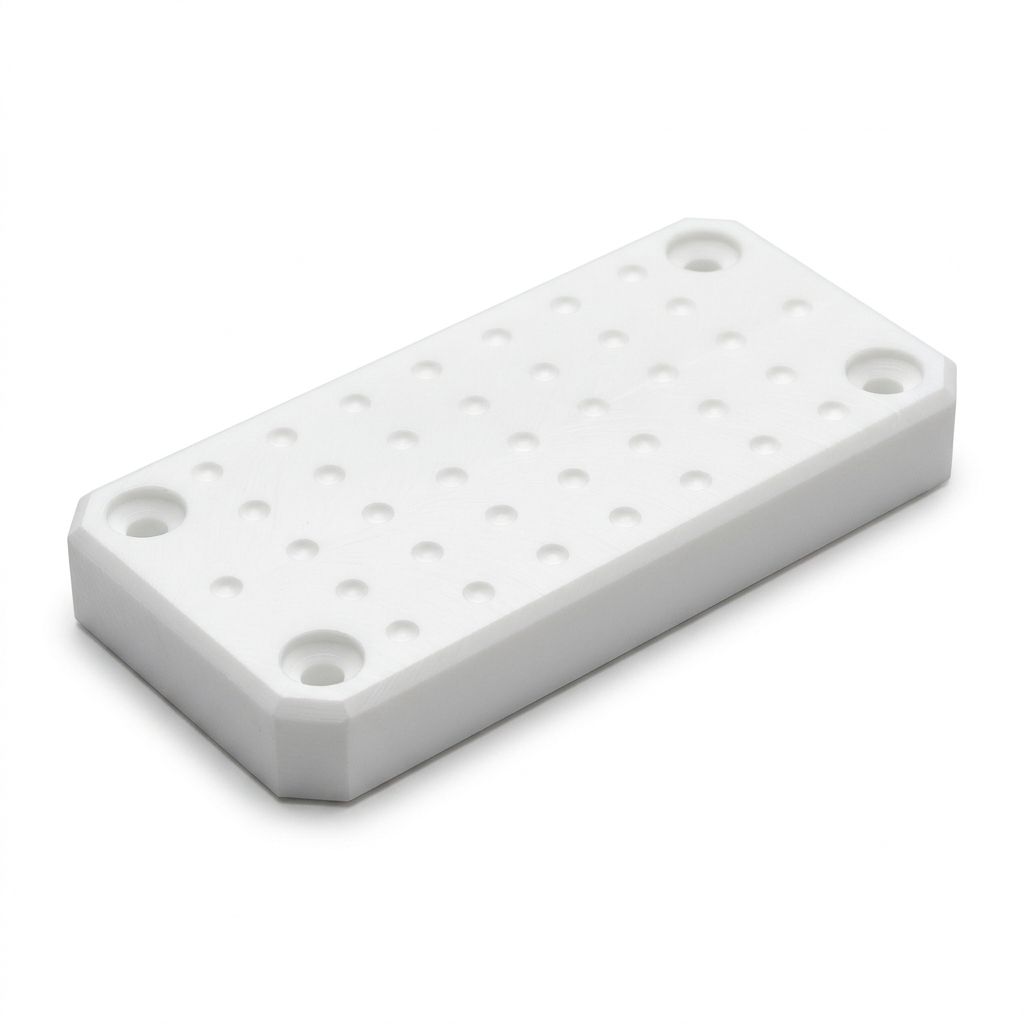
Polytetrafluoroethylene (PTFE), commonly known by the Teflon brand name, is a high-performance fluoropolymer widely used in CNC machining for its exceptional chemical resistance, low coefficient of friction, and excellent electrical insulation. Its non-stick surface and broad operating temperature range make it suitable for specialized industrial applications. PTFE can be CNC turned, milled, drilled, and machined into precision components such as seals, bushings, ga kets, valve seats, spacers, and electrical insulators. Different PTFE grades offer varying levels of wear resistance, stiffness, and dimensional stability, allowing manufacturers to select materials based on specific operating requirements.
| Alloys available | Virgin PTFE, Glass-Filled PTFE, Carbon-Filled PTFE, Bronze-Filled PTFE, Modified PTFE |
| Price | $ |
| Lead time | Under 10 days |
| Wall thickness | 0.75 mm |
| Tolerances | ±0.125 mm (±0.005 in) |
| Max part size | 200 x 80 x 100 cm |
Machined PTFE (Teflon) Properties
Glass-Filled PTFE
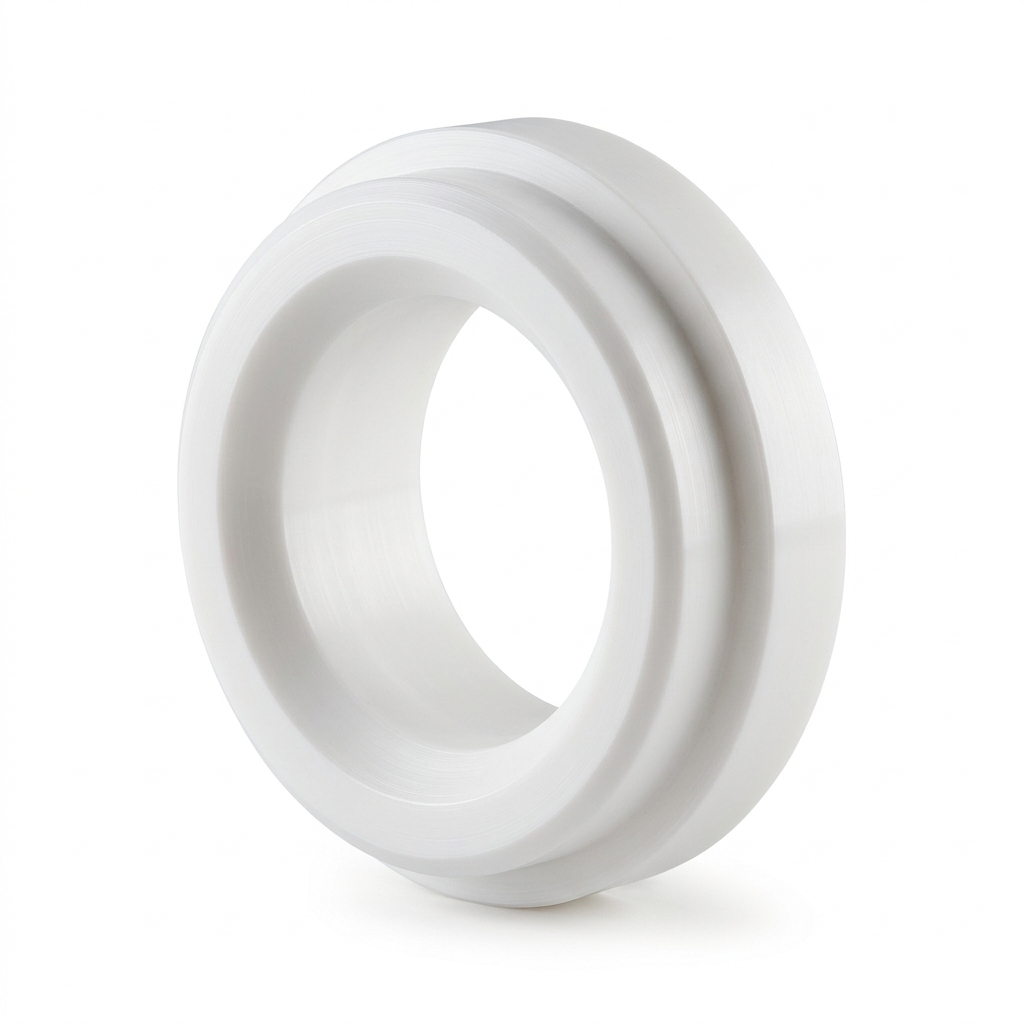
Glass-filled PTFE contains glass fiber reinforcement to improve wear resistance, compressive performance, and dimensional stability compared with unfilled PTFE. It is suitable for bushings, bearings, valve components, and mechanical parts requiring improved durability under load.
Carbon-Filled PTFE
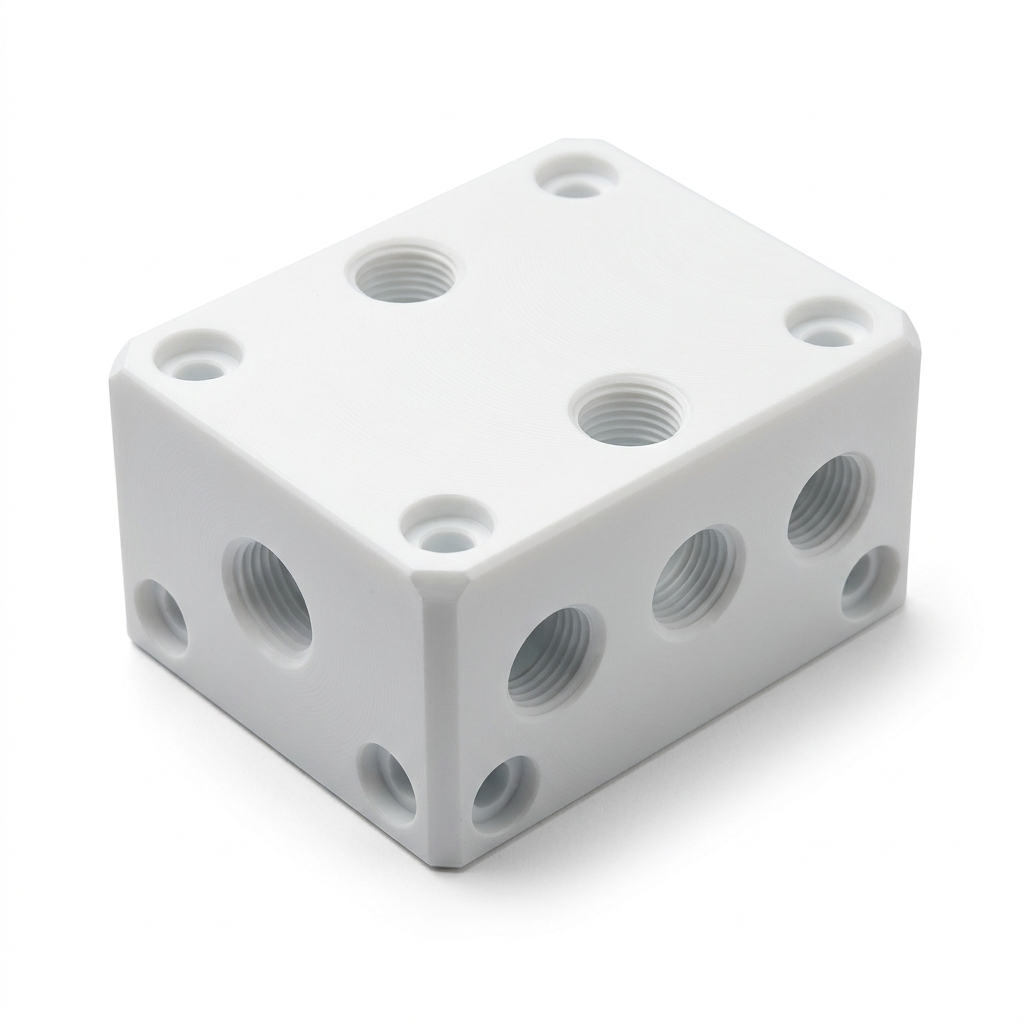
Carbon-filled PTFE offers improved wear resistance, compressive strength, and thermal conductivity compared with virgin PTFE. It is widely used for industrial seals, bearing components, piston rings, and sliding parts requiring reliable performance under demanding operating conditions.
Advantages and Limitations of PTFE CNC Machining
PTFE is widely used in precision CNC machining because of its exceptionally low friction, outstanding chemical resistance, and electrical insulating properties. Understanding its advantages and limitations helps manufacturers select the right PTFE grade for seals, bearings, valve components, and demanding industrial applications.
- Exceptionally Low Friction
PTFE provides excellent sliding performance, making it suitable for seals, bushings, bearings, and moving mechanical components. - Outstanding Chemical Resistance
PTFE resists a wide range of aggressive chemicals and solvents, supporting reliable performance in chemical processing environments. - Excellent Electrical Insulation
PTFE offers high dielectric strength and electrical resistance for insulating components and specialized electrical applications. - Wide Temperature Resistance
PTFE maintains useful properties across a broad temperature range, making it suitable for selected high- and low-temperature applications. - Non-Stick Surface Properties
PTFE has a low surface energy that helps reduce material adhesion and supports applications requiring easy release or cleaning.
- Low Mechanical Stiffness PTFE is softer and less rigid than many engineering plastics, limiting its suitability for heavily loaded structural components.
- Creep Under Sustained Load PTFE can gradually deform under continuous mechanical stress, requiring careful design of load-bearing parts.
- High Thermal Expansion Temperature changes can cause significant dimensional variations, affecting precision fits and tight tolerances.
- Machining Deformation PTFE’s softness and flexibility can make it challenging to maintain accurate dimensions during CNC machining.
Bring Your Designs to Life with XC Machining
Experience precision engineering with XC Machining. From detailed prototypes to high-volume production, we’re here to turn your concepts into reality. Contact us today to discuss your project needs!
- Expertise Shared Widely
- Market Reach Expanded
- Advanced Technology Integrated
- Collaborative Innovation Opportunities
- All uploads are secure and confidential
PTFE CNC Machining FAQs
1. Why Is PTFE Used for CNC Machining?
PTFE is widely used in CNC machining because of its exceptionally low friction, excellent chemical resistance, and electrical insulating properties. It is ideal for manufacturing precision seals, bushings, gaskets, valve seats, and industrial components exposed to demanding operating conditions.
2. Which PTFE Grade Is Best for CNC Machining?
The best PTFE grade depends on the application. Virgin PTFE offers excellent chemical resistance and electrical insulation, glass-filled PTFE provides improved wear resistance, carbon-filled PTFE supports demanding sliding applications, and bronze-filled PTFE offers enhanced thermal conductivity and load-bearing performance.
3. Is PTFE Difficult to CNC Machine?
PTFE can be CNC machined effectively, but its softness, flexibility, and high thermal expansion require careful machining techniques. Sharp cutting tools, stable workholding, and controlled cutting parameters help minimize deformation and improve dimensional accuracy.
4. Can PTFE Be CNC Machined to Tight Tolerances?
Yes. PTFE can be machined to precise dimensions using suitable equipment and controlled machining processes. However, its tendency to deform under pressure and expand with temperature must be considered when specifying tight tolerances.
5. What Are the Common Applications of PTFE CNC Machined Parts?
PTFE CNC machined parts are widely used in chemical processing equipment, electrical systems, industrial machinery, fluid-handling systems, and sealing applications. Typical components include gaskets, bushings, bearings, valve seats, seals, and custom precision parts.