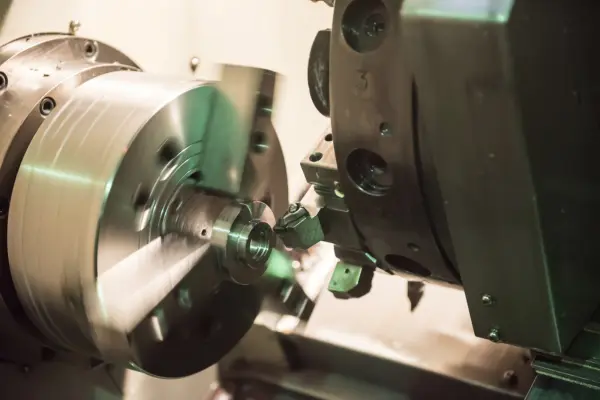
CNC Milling Services
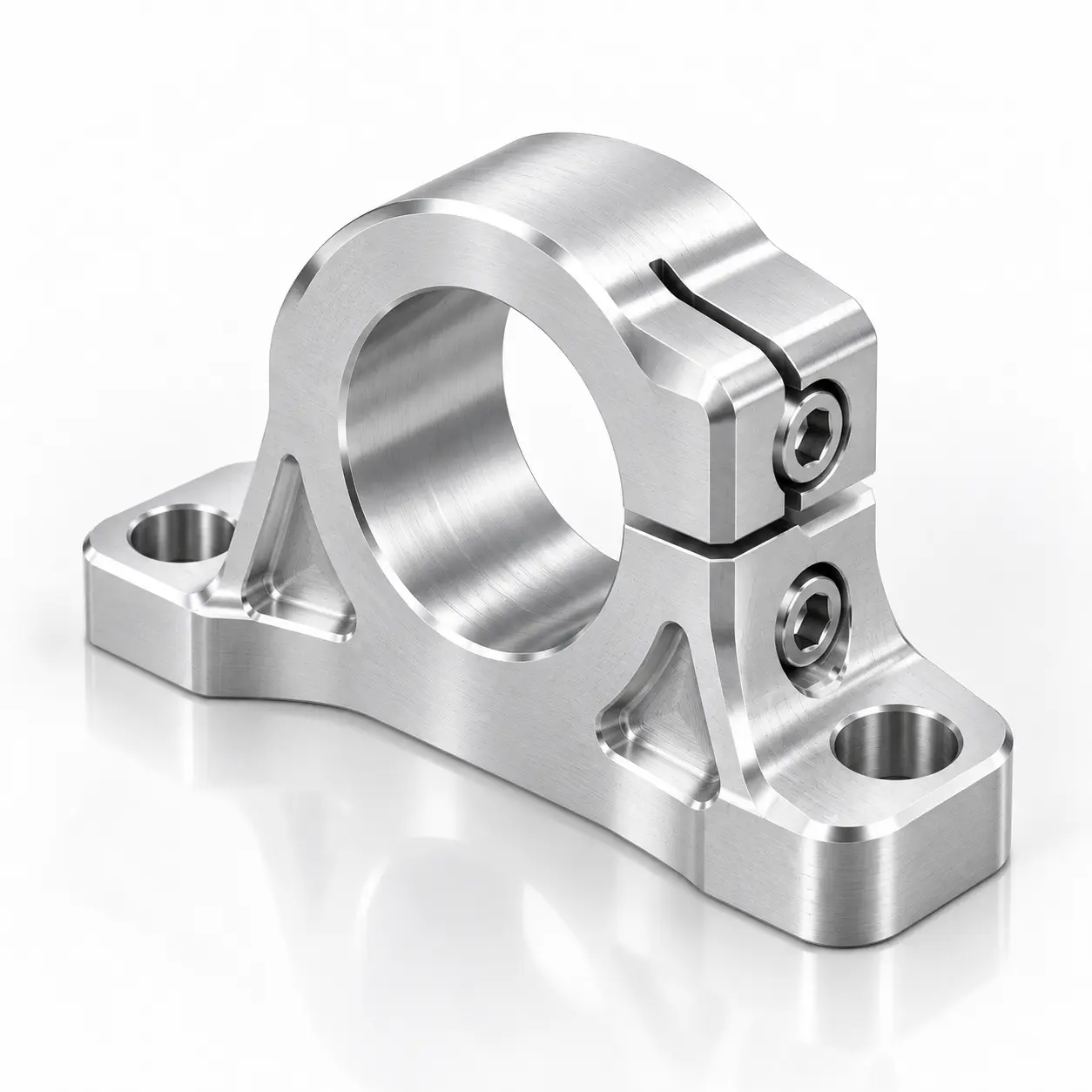
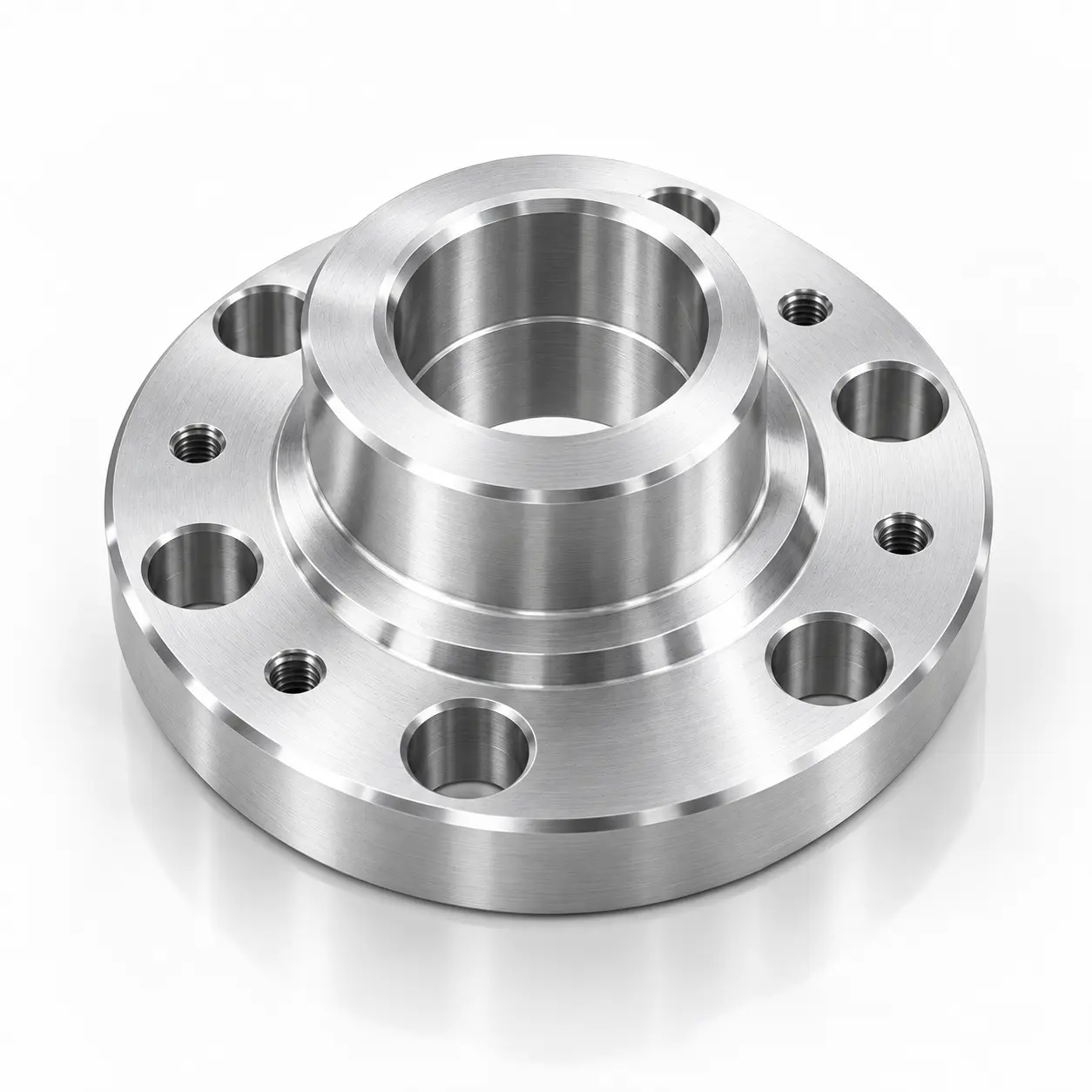
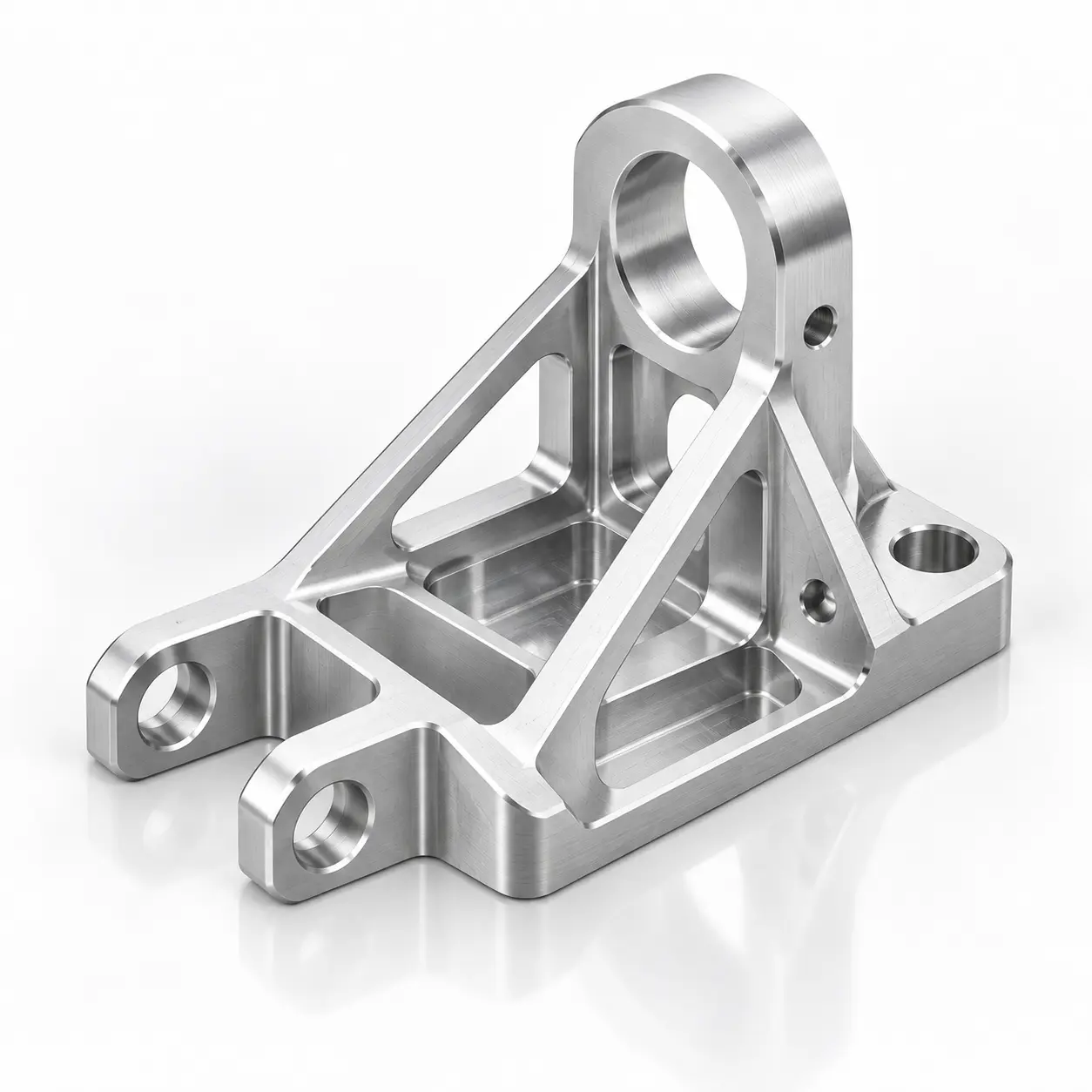
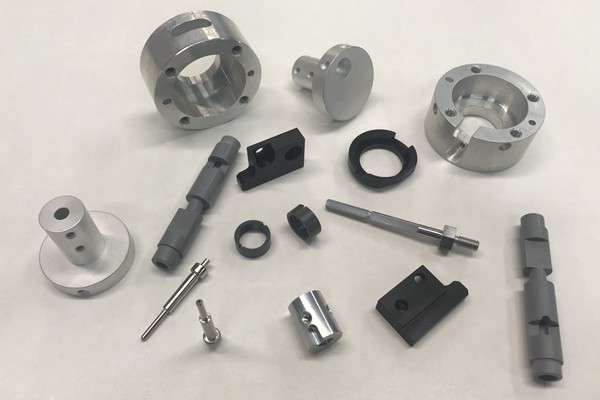
XC Machining provides 3-axis, 4-axis, and 5-axis CNC milling for precision parts in aluminum, steel, titanium, brass, and engineering plastics. We mill prototypes in 3–7 days and production runs up to 10,000+ parts with ±0.005 mm tolerances.
- All uploads are secure and confidential
What is CNC Milling?
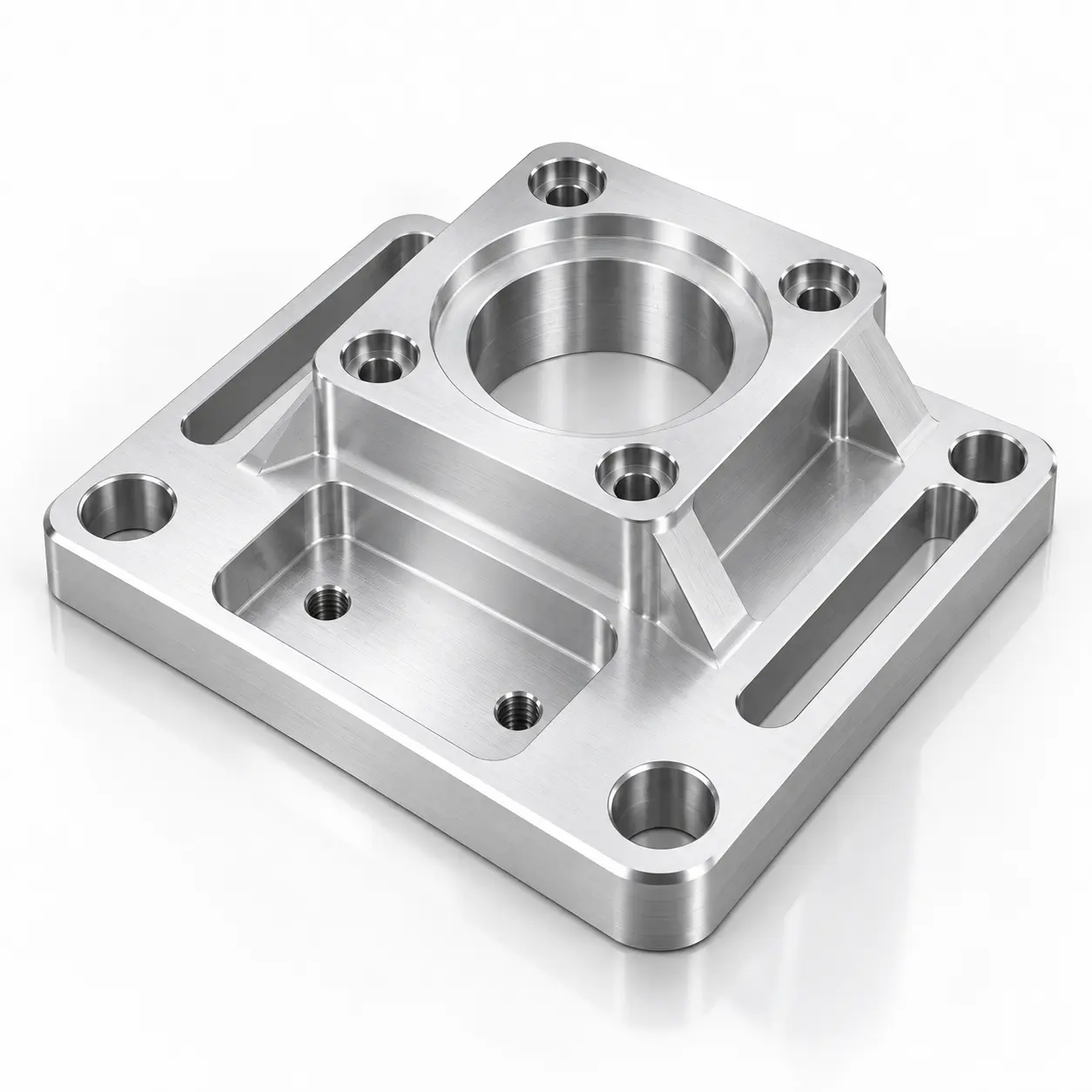
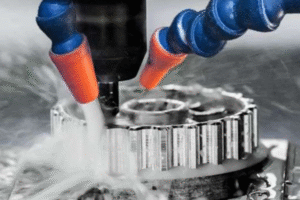
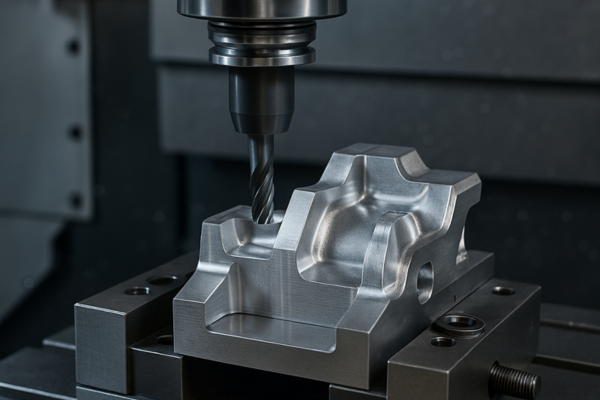
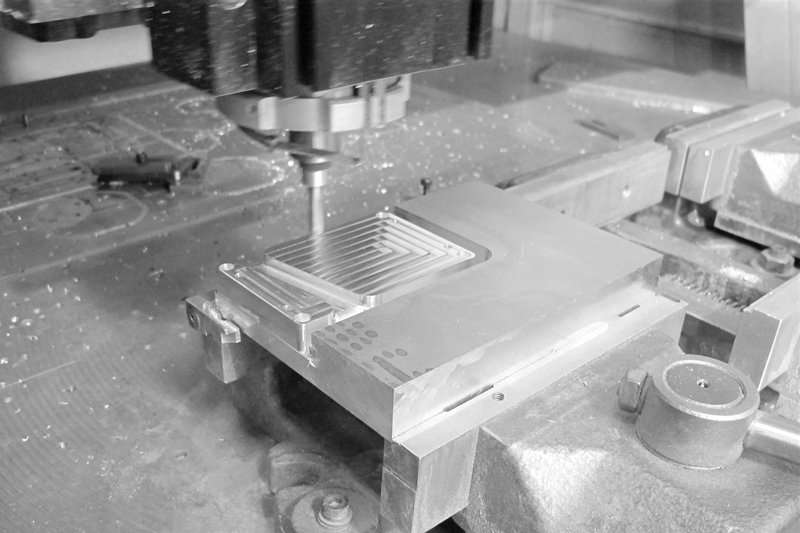
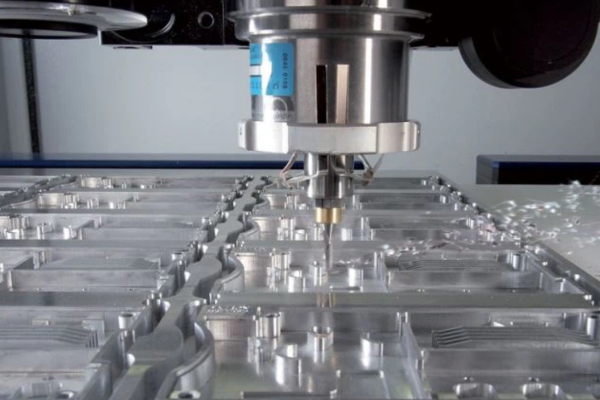
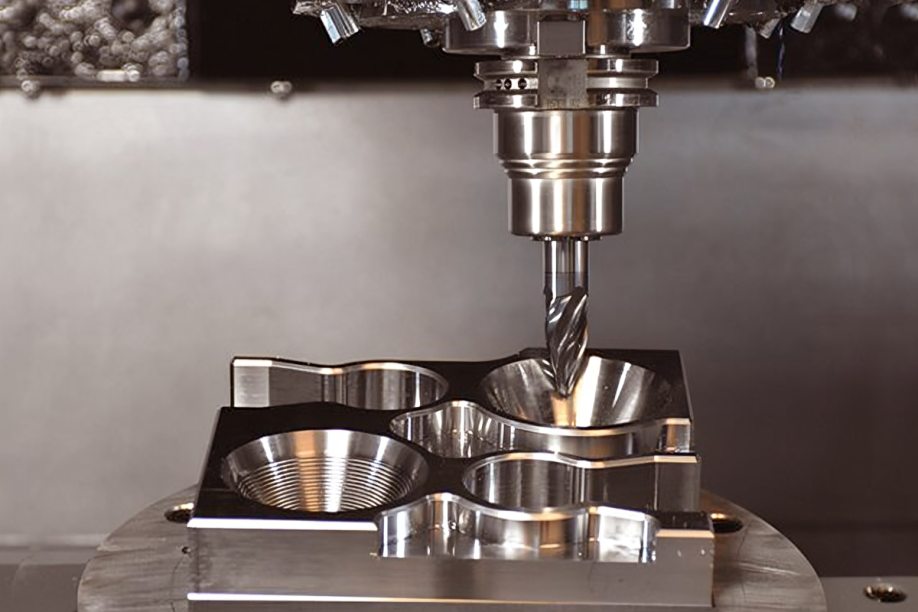
CNC milling is a subtractive manufacturing process where rotating multi-point cutting tools remove material from a solid metal or plastic workpiece to produce a finished part. The cutting tool moves along three primary axes — X (left-right), Y (front-back), and Z (up-down) — controlled by computer numerical control (CNC) programming generated from your CAD file. Each pass of the cutter removes a precise layer of material until the workpiece matches the programmed 3D geometry with dimensional accuracy within ±0.005 mm.
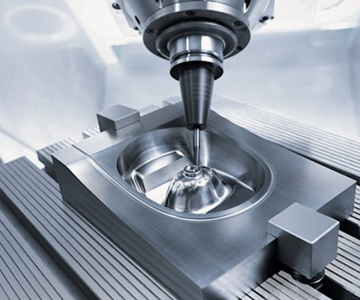
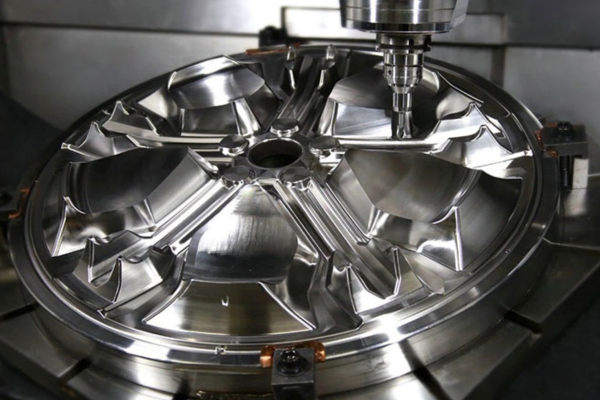
CNC milling produces complex 3D parts in metals (aluminum, steel, titanium, brass), engineering plastics (PEEK, Delrin, Nylon, ABS), and composites. Five-axis CNC milling adds two rotational axes (A and B) to the standard three linear axes, enabling single-setup machining of contoured surfaces, undercuts, and compound angles that would require multiple setups on a 3-axis machine.
XC Machining operates 3-axis VMCs, 4-axis horizontal machining centers, and 5-axis simultaneous milling systems to produce custom parts from single prototypes to 10,000+ production volumes.
How Fast Can XC Machining Deliver CNC Milled Parts?
XC Machining delivers rapid CNC milled parts in 3–7 business days for prototypes and 7–14 days for production batches up to 10,000 parts. Our milling department runs two shifts daily on 3-axis, 4-axis, and 5-axis CNC machines to meet time-critical deadlines for aerospace, medical, and electronics projects.
Every rapid CNC milling order receives in-process CMM inspection and first-article dimensional verification before batch production begins. We mill aluminum 6061/7075, stainless steel 304/316, titanium Grade 5, brass C360, PEEK, Delrin, and Nylon to ±0.005 mm tolerance.
All rapid CNC milling projects are completed under ISO 9001:2015 and AS9100D certified quality management systems with full traceability.
What Are the Key Applications of CNC Milling?
CNC milling serves three primary manufacturing applications at XC Machining: rapid tooling, rapid prototyping, and end-use part production for all industries.
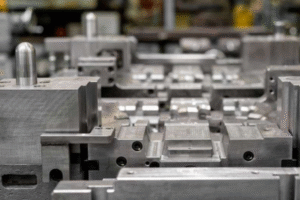
CNC milling produces aluminum and steel tooling inserts, jigs, fixtures, and mold bases in 5–10 business days. Milled tooling achieves ±0.01 mm accuracy for injection mold inserts, thermoforming tools, and production fixture plates — reducing your time-to-market for downstream manufacturing processes.
CNC milled prototypes in aluminum, steel, or engineering plastics ship within 3–7 business days from CAD file upload. Functional prototypes milled on 3-axis or 5-axis machines match production material properties for fit, form, and function testing — unlike 3D printed prototypes that use non-production resins.
XC Machining CNC mills end-use production parts in quantities from 100 to 10,000+ per order. Production milling runs on dedicated machine setups with statistical process control (SPC) to maintain ±0.005 mm tolerances across every part in the batch with full lot traceability.
What Tolerances Does CNC Milling Achieve at XC Machining?
XC Machining holds CNC milling tolerances per the specifications below for standard and high-precision work. Tolerances vary by part size, material hardness, and geometric complexity. All tolerances are inspectable and documented.
| CNC Milling Service | Tolerance |
| Standard CNC Milling | ±0.005″ (±0.127 mm) |
| High-Precision CNC Milling | ±0.001″ (±0.025 mm) |
| CNC Milling for Small Parts | ±0.002″ (±0.051 mm) |
| CNC Milling for Large Parts | ±0.010″ (±0.254 mm) |
| CNC Milling with Threading | ±0.005″ (±0.127 mm) for external threads |
What Is Custom Aluminum CNC Milling at XC Machining?
XC Machining mills aluminum 6061-T6, 7075-T6, 2024-T3, 5052, and 6063-T5 for aerospace, automotive, medical, and electronics applications. Aluminum CNC milling achieves tolerances of ±0.005 mm with surface finishes from Ra 0.8 μm (polished) to Ra 3.2 μm (as-machined). Our 3-axis and 5-axis CNC mills handle aluminum parts from 5 × 5 × 5 mm up to 4000 × 1500 × 600 mm with anodizing-ready surface quality.
What Is High-Precision Stainless Steel CNC Milling?
XC Machining mills stainless steel 304, 316, 410, 420, and 17-4 PH for applications requiring corrosion resistance, high strength, and operating temperatures up to 870°C. Stainless steel CNC milling requires reduced cutting speeds and rigid fixturing compared to aluminum — our machines compensate with high-torque spindles and carbide-coated tooling to maintain ±0.01 mm tolerances. We produce stainless steel milled parts for medical instruments, food processing equipment, and marine hardware.
What Quality Standards Does XC Machining Apply to CNC Milling?
Every CNC milling project at XC Machining follows ISO 9001:2015 quality procedures with in-process CMM verification, surface roughness testing, and first-article inspection. Our milling department maintains ±0.005 mm repeatability across production runs of 1 to 10,000+ milled parts.

Our CNC milling department operates 3-axis vertical machining centers (VMCs), 4-axis horizontal machining centers (HMCs), and 5-axis simultaneous milling systems with automatic tool changers holding 20–60 tools per machine for uninterrupted production.

CNC millable materials include aluminum (6061, 7075, 2024), stainless steel (304, 316, 17-4 PH), titanium (Grade 2, Grade 5), brass, copper, PEEK, Delrin, Nylon, ABS, and polycarbonate.

Our milling engineers review CAD files for tool access, minimum corner radii (standard 1 mm), wall thickness (minimum 0.5 mm), and undercut feasibility before quoting. DFM feedback provided within 12 hours.

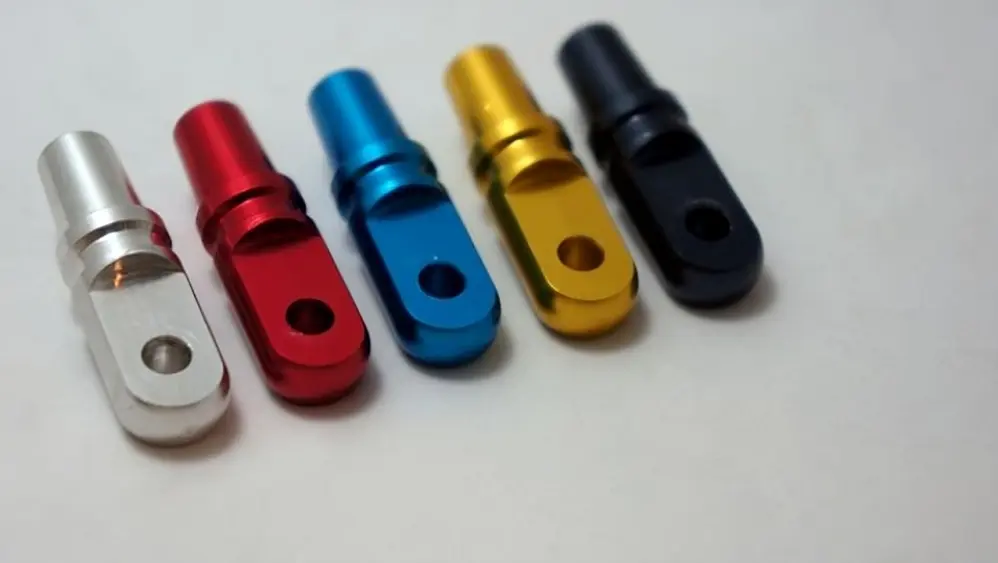
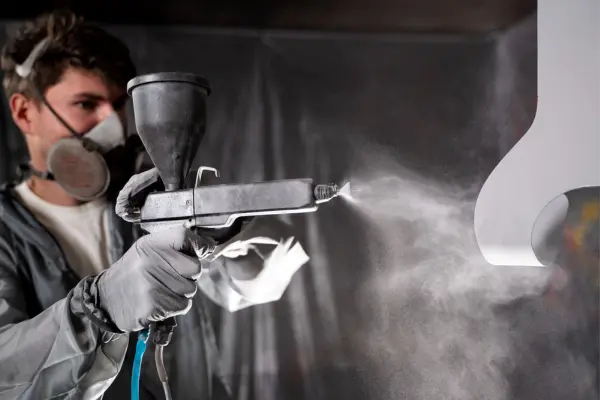
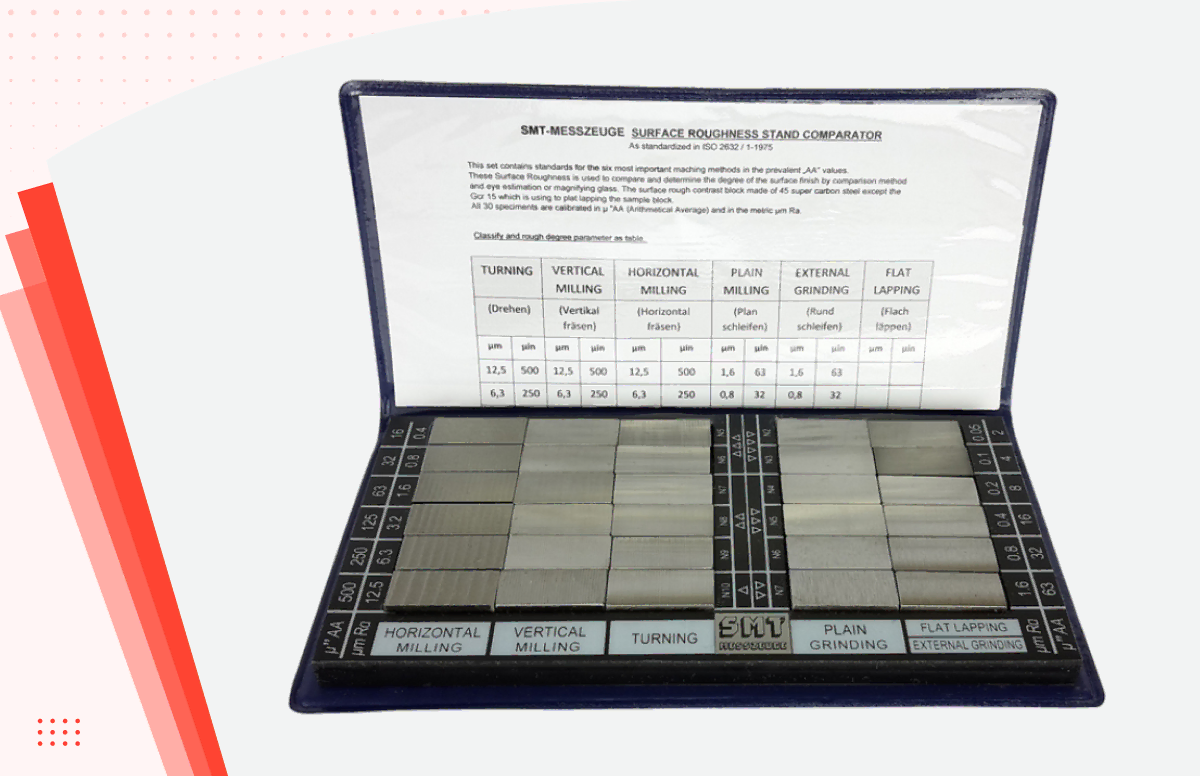
CNC milled parts receive as-machined (Ra 3.2 μm), bead blasted, brushed, anodized (Type II/III), powder coated, electroplated, or mirror polished (Ra 0.4 μm) finishes based on your specification.
What Surface Finishes Are Available for CNC Milled Parts?
XC Machining applies the following surface finishes to CNC milled metal and plastic parts. Each finish is specified by surface roughness (Ra value), material compatibility, and functional purpose including corrosion resistance and wear protection.
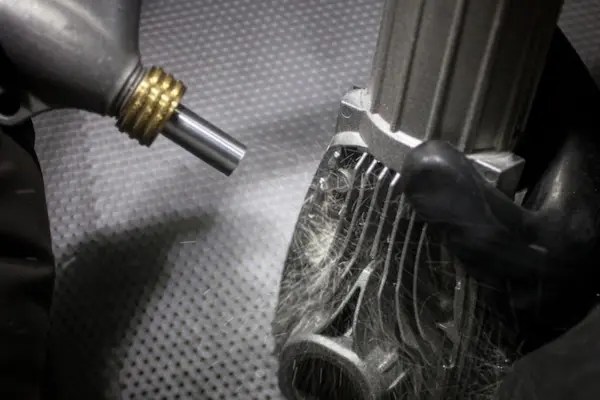
Sanding removes tool marks and burrs from CNC milled surfaces to Ra 1.6–3.2 μm, preparing parts for painting, coating, or anodizing.
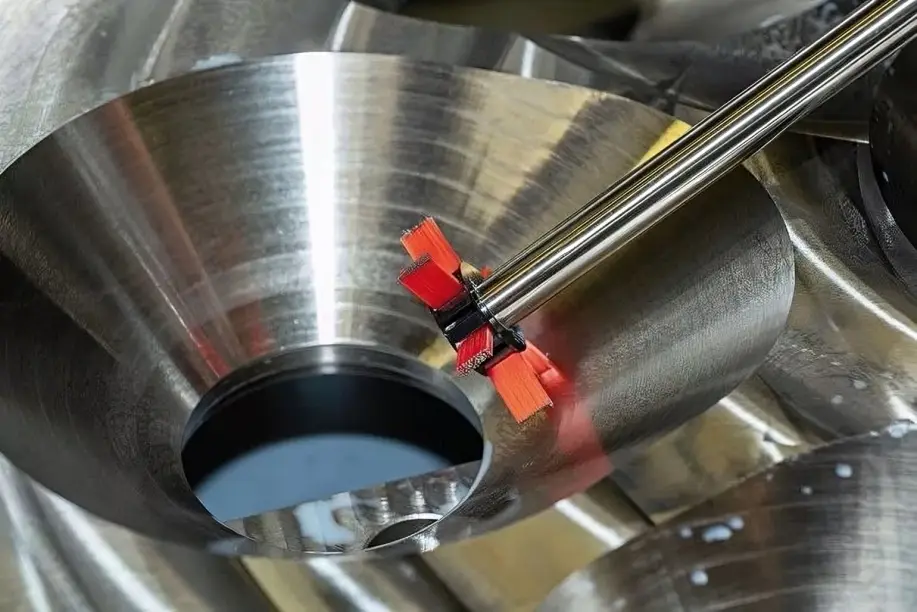
Brushing creates a directional satin grain on aluminum and stainless steel milled parts to Ra 0.8–1.6 μm, masking minor tool marks.
Electropolishing dissolves a controlled surface layer from stainless steel milled parts using electrolytic current, achieving Ra 0.1–0.4 μm with improved corrosion resistance.
Chemical polishing smooths internal channels and complex cavity features on CNC milled parts unreachable by mechanical polishing, achieving Ra 0.4–0.8 μm on aluminum and copper.
Vibratory finishing tumbles CNC milled parts with ceramic or plastic media to deburr edges and achieve Ra 0.8–1.6 μm uniform surface texture across batches.
Thermal spraying deposits ceramic or metallic coatings (50–500 μm thickness) onto CNC milled parts for hardness up to 70 HRC and high-temperature wear resistance.
What Materials Can Be CNC Milled at XC Machining?
XC Machining CNC mills metals, engineering plastics, and composites for prototype and production applications. Each material listed below is stocked in-house for standard lead times of 3–7 days. Non-standard alloys and specialty plastics are available on request with 5–10 day material procurement.
Aluminum 5052, Aluminum 7075 & 7075-T6, Aluminum 6063-T5, Aluminum 7050-T7451, Aluminum MIC-6, Aluminum 6061-T6, Aluminum 2024-T3
ABS, Acetal [Delrin], Acrylic, G-10 Garolite, Nylon 6/6, PEEK, Polycarbonate, PTFE [Teflon]
Brass C360, Brass 260, C932 M07 Bearing Bronze
EPT Copper C110, Copper 101
Our CNC MillingServices Prototype Manufacturing Capabilities
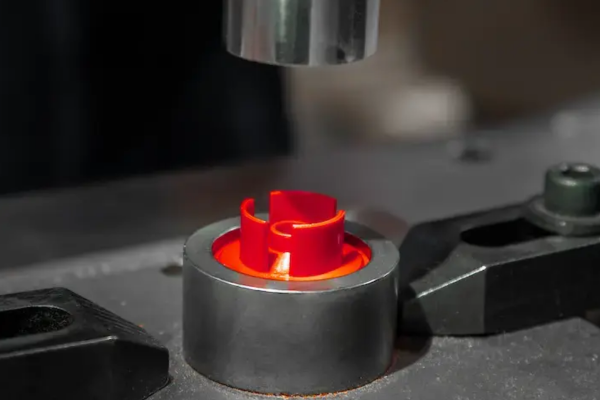
Provides injection molding for prototypes and custom parts, emphasizing expert support, competitive pricing, and faster production cycles.
Get reliable vacuum casting services for high-quality prototypes and production parts at competitive prices. XinCheng offers highly detailed casting parts with consistent quality.
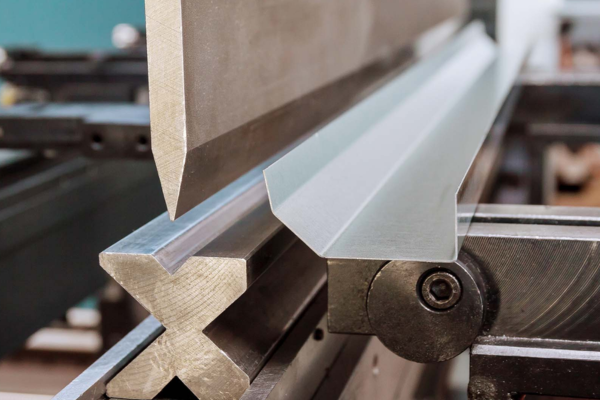
Uses cutting, bending, and forming techniques to produce precision metal components suited for industrial, commercial, and manufacturing applications.
Specialist Industries
Bring Your Designs to Life with XC Machining
- Expertise Shared Widely
- Market Reach Expanded
- Advanced Technology Integrated
- Collaborative Innovation Opportunities
- All uploads are secure and confidential
CNC Milling Frequently Asked Questions
What Is Tool Offset in CNC Milling?
Tool offset in CNC milling is the programmed adjustment that compensates for each cutting tool’s physical length and diameter relative to the machine’s reference point. Length offset (H value) ensures the tool tip reaches the correct Z-depth, while diameter offset (D value) adjusts the cutter path to account for the tool’s radius. Accurate tool offsets prevent over-cutting and dimensional errors — XC Machining verifies every tool offset with a tool presetter before each milling run.
What Is the Difference Between CNC Milling and CNC Routing?
CNC milling uses high-RPM spindles (8,000–20,000 RPM) with multi-point cutting tools to machine metals and hard plastics with tolerances from ±0.005 mm. CNC routing operates at higher feed rates on larger work envelopes (up to 4000 × 1500 mm) to cut sheet materials like aluminum, acrylic, wood composites, and foam. Milling produces precision 3D parts; routing processes flat-stock materials at speed. XC Machining offers both CNC milling and CNC routing services under one roof.
What Is the Difference Between CNC Milling and CNC Turning?
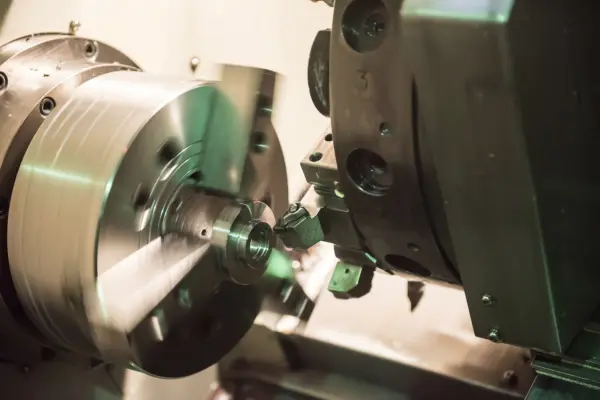
In CNC milling, the cutting tool rotates while the workpiece is clamped stationary on the table — ideal for prismatic parts with pockets, slots, contours, and multi-axis features. In CNC turning, the workpiece rotates on a spindle while a single-point cutting tool removes material — ideal for cylindrical parts like shafts, pins, bushings, and threaded fasteners. XC Machining offers both CNC milling and CNC turning services to handle complete part geometries requiring both rotational and prismatic features.
What Are XC Machining's CNC Milling Capabilities?
XC Machining CNC milling capabilities include: maximum part size 4000 × 1500 × 600 mm, minimum part size 5 × 5 × 5 mm, tolerances to ±0.01 mm on 5-axis work and ±0.005 mm standard, 60+ machinable materials (metals, plastics, composites), lead times from 3 days (simple) to 14 days (complex geometries). Post-milling services include anodizing, powder coating, electroplating, heat treatment, and CMM inspection with full dimensional reports.
What CNC Milling Machines Does XC Machining Operate?
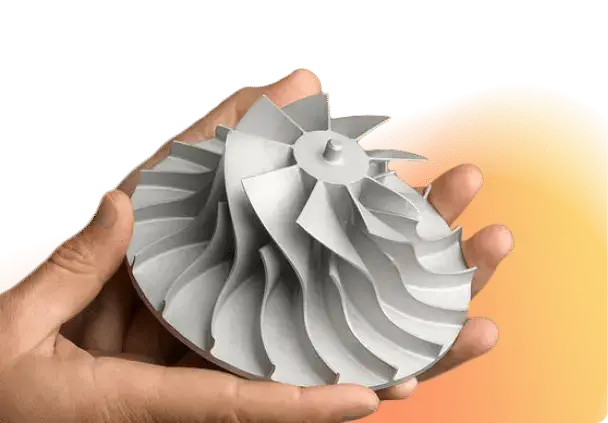
XC Machining operates three classes of CNC milling machines. Three-axis VMCs (vertical machining centers) perform milling along X, Y, and Z axes for prismatic parts with pockets, slots, and flat surfaces. Four-axis machines add an A-axis rotation for indexing parts and machining multiple sides without re-fixturing. Five-axis simultaneous milling machines add A and B rotational axes, enabling contoured surface machining for turbine blades, impellers, and medical implants in a single setup with ±0.01 mm accuracy.