Plasma Cutting Services
XC Machining CNC plasma cutting processes mild steel up to 50 mm, stainless steel up to 40 mm, and aluminum up to 30 mm with ±0.5 mm tolerance, 1.5–2 mm kerf width, and cutting speeds up to 5,000 mm/min on thin sheet.
- All uploads are secure and confidential
What Custom Plasma Cutting Does XC Machining Offer?
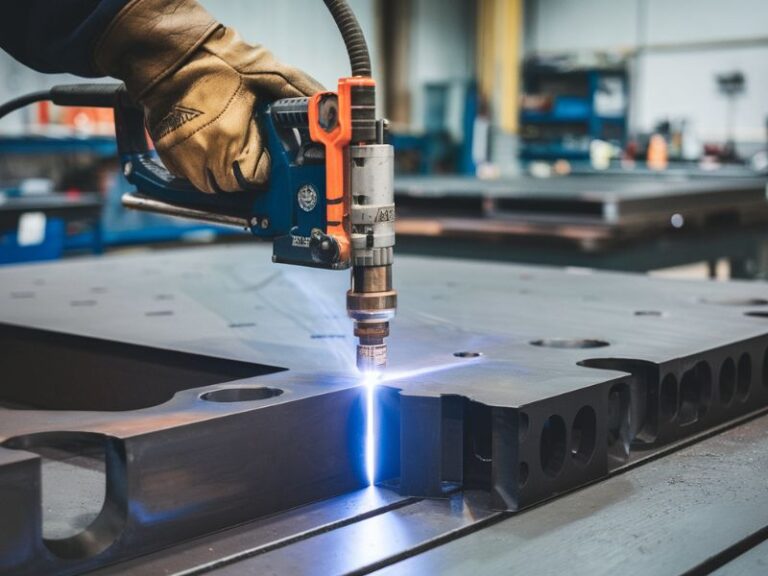
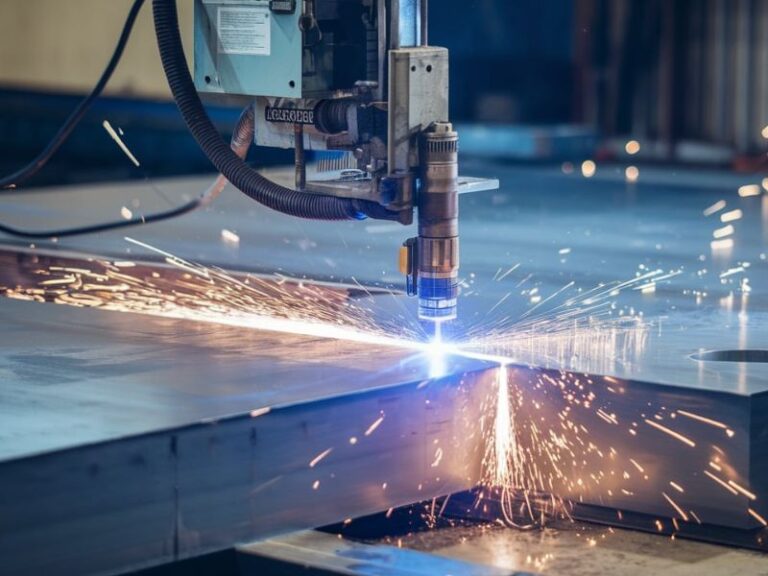
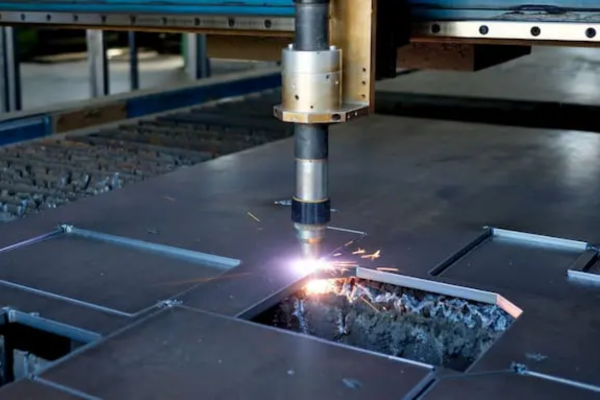
XC Machining CNC plasma cutting uses a high-temperature ionized gas arc (20,000–30,000°C) to melt and blow through metal sheet along a CNC-programmed path. Plasma cutting is the fastest method for thick steel (10–50 mm), offering 3–5× faster cutting speed than laser on material above 12 mm at 40–60% lower operating cost.
What Steel and Stainless Steel Thicknesses Can XC Machining Plasma Cut?
XC Machining CNC plasma cuts: carbon steel A36/1018/1045 up to 50 mm, stainless steel 304/316 up to 40 mm, and aluminum 5052/6061 up to 30 mm. Cutting bed capacity: 3000 × 1500 mm. High-definition plasma achieves ±0.25 mm tolerance on material up to 12 mm.
Prototype plasma-cut parts deliver in 2–3 business days. Production batches in 3–5 days. Plasma cutting integrates with in-house bending, welding, and finishing for complete fabricated assemblies.
Why Choose XC Machining for Plasma Cutting?
XC Machining CNC plasma cutting delivers the fastest processing speed for thick metal sheet — up to 5,000 mm/min on thin steel, with ±0.5 mm standard tolerance and high-definition plasma capability for ±0.25 mm on sheet up to 12 mm.

CNC plasma cutting tables with 3000 × 1500 mm bed, air plasma and high-definition plasma torches (100–400 amp), automatic torch height control (ATHC), and CNC nesting software for maximum sheet utilization.

Mild steel A36/1018 (up to 50 mm), stainless 304/316 (up to 40 mm), aluminum 5052/6061 (up to 30 mm), and galvanized steel (up to 6 mm). Plasma cuts only electrically conductive metals — not plastics, wood, or composites.

Engineers review files for minimum feature size (≥ 1.5× material thickness), minimum web width between cuts, kerf compensation (1.5–2 mm), and edge quality expectations. DFM within 12 hours.

Plasma-cut edges require deburring and slag removal (included). Additional: grinding for smooth edge (Ra 3.2–6.3 μm), powder coating, zinc plating, painting, and bead blasting.

Tolerances for Plasma Cutting
| Description | Specification |
| General Tolerances | ISO 2768-m |
| Precision Tolerances | Tolerances as tight as ±0.5 mm, per drawing specs and GD&T annotations |
| Material Thickness | Up to 50mm for mild steel, 40mm for stainless steel and aluminum |
| Minimum Wall Thickness | 0.5mm |
| Minimum Part Size | 20mm x 20mm x 1mm |
| Maximum Part Size | 3000mm x 1500mm x 50mm |
| Production Volume | Prototyping: 1-100 pcs |
| Low Volume: 101-5,000 pcs | |
| High Volume: Above 5,000 pcs | |
| Lead Time | 3-5 business days for most projects. Simple parts can be delivered as fast as 1-2 days |
Surface Finishes for Plasma Cutting
Plasma Cutting at XC Machining produces precise cuts with clean edges, but additional surface finishes may be required to enhance the part’s appearance, functionality, and durability.
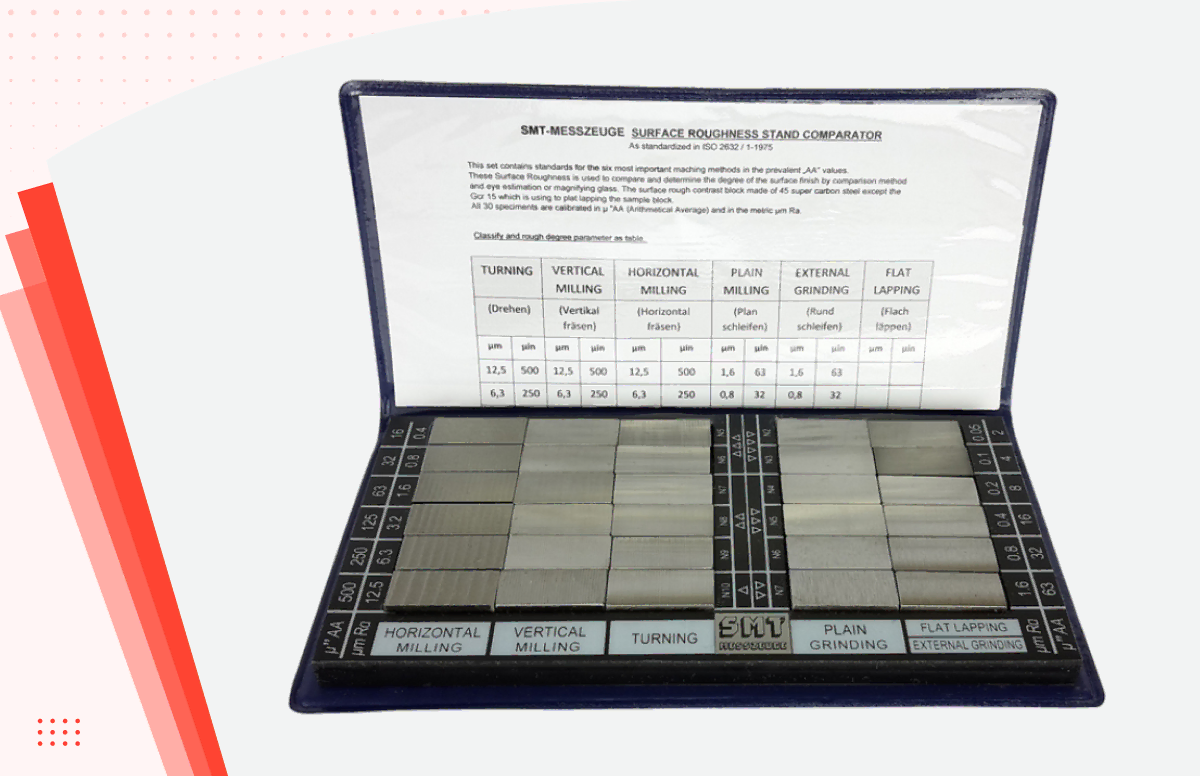
Plasma-cut edge with Ra 6–12 μm and 0.5–2 mm heat-affected zone (HAZ). Dross removal and grinding required for smooth edge on thick cuts.
Slag removal and edge grinding bring plasma-cut edges to Ra 3.2–6.3 μm for safe handling and weld preparation. Standard on all production orders.
Mirror polishing to Ra 0.1–0.4 μm on plasma-cut stainless parts after grinding. Used for decorative applications.
Type II/III on aluminum plasma-cut parts. 5–80 μm oxide layer. Note: plasma HAZ area must be removed by grinding before anodizing for uniform coating adhesion.
60–120 μm polymer layer over plasma-cut and deburred steel and aluminum parts. RAL/Pantone color matching. 500–1,000 hr salt spray resistance.
Our Plasma Cutting Prototype Manufacturing Capabilities
Provides injection molding for prototypes and custom parts, emphasizing expert support, competitive pricing, and faster production cycles.
Get reliable vacuum casting services for high-quality prototypes and production parts at competitive prices. XinCheng offers highly detailed casting parts with consistent quality.
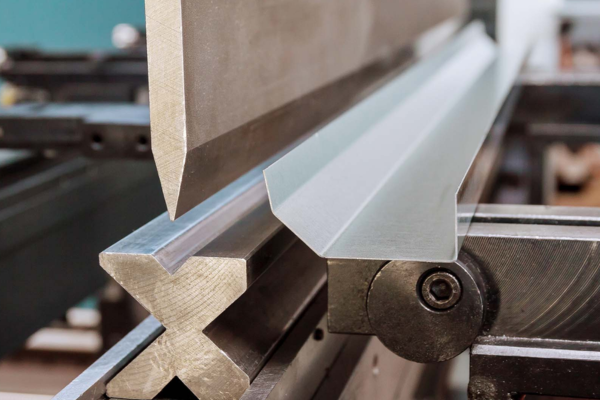
Uses cutting, bending, and forming techniques to produce precision metal components suited for industrial, commercial, and manufacturing applications.
Specialist Industries
Bring Your Designs to Life with XC Machining
- Expertise Shared Widely
- Market Reach Expanded
- Advanced Technology Integrated
- Collaborative Innovation Opportunities
- All uploads are secure and confidential
Frequently Asked Questions
How Does Plasma Cutting Compare to Laser and Waterjet Cutting?
Plasma: fastest on thick steel (10–50 mm), ±0.5 mm tolerance, 1.5–2 mm kerf, rougher edge (Ra 6–12 μm), HAZ 0.5–2 mm. Laser: most precise on thin sheet (≤25 mm), ±0.1 mm, 0.1–0.3 mm kerf, clean edge. Waterjet: any material, zero HAZ, ±0.1 mm, ~1 mm kerf, slowest speed. Choose plasma for thick steel on a budget, laser for precision thin sheet, waterjet for composites and heat-sensitive materials.
What Are the Advantages of Plasma Cutting?
Speed: 3–5× faster than laser on steel above 12 mm. Cost: 40–60% lower operating cost than laser on thick materials. Thickness: cuts steel up to 50 mm (laser maxes at 25 mm). Versatility: cuts any electrically conductive metal. Disadvantages: rougher edge quality and wider HAZ than laser — secondary grinding usually required.
What Tolerances Does Plasma Cutting Achieve?
Standard CNC plasma: ±0.5 mm general tolerance. High-definition plasma: ±0.25 mm on material up to 12 mm. Kerf width: 1.5–2 mm. Part-to-part repeatability: ±0.2 mm. Edge roughness: Ra 6–12 μm on standard plasma, Ra 3.2–6.3 μm with high-definition. Heat-affected zone: 0.5–2 mm — may affect hardness and microstructure near the cut edge.
What Safety Measures Apply to Plasma Cutting?
XC Machining plasma cutting follows ISO safety standards: CNC enclosure with fume extraction (2,000+ CFM), operator PPE (auto-darkening helmets, gloves, fire-resistant clothing), spark-proof cutting tables with water beds for slag capture, and fireproof material storage within 5 meters of cutting area. All operators are trained and certified.
What Is the Lead Time for Plasma-Cut Parts?
Simple flat profiles: 2–3 business days. Standard parts with deburring: 3–5 days. Parts requiring grinding, bending, welding, or finishing: 5–10 days. Production batches of 500+ parts: 7–15 days.