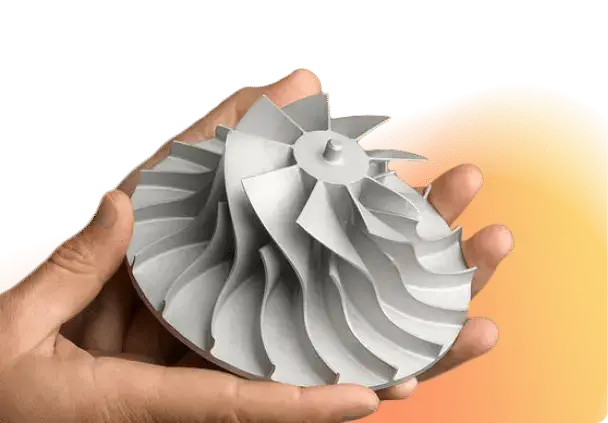
3D Printing Services
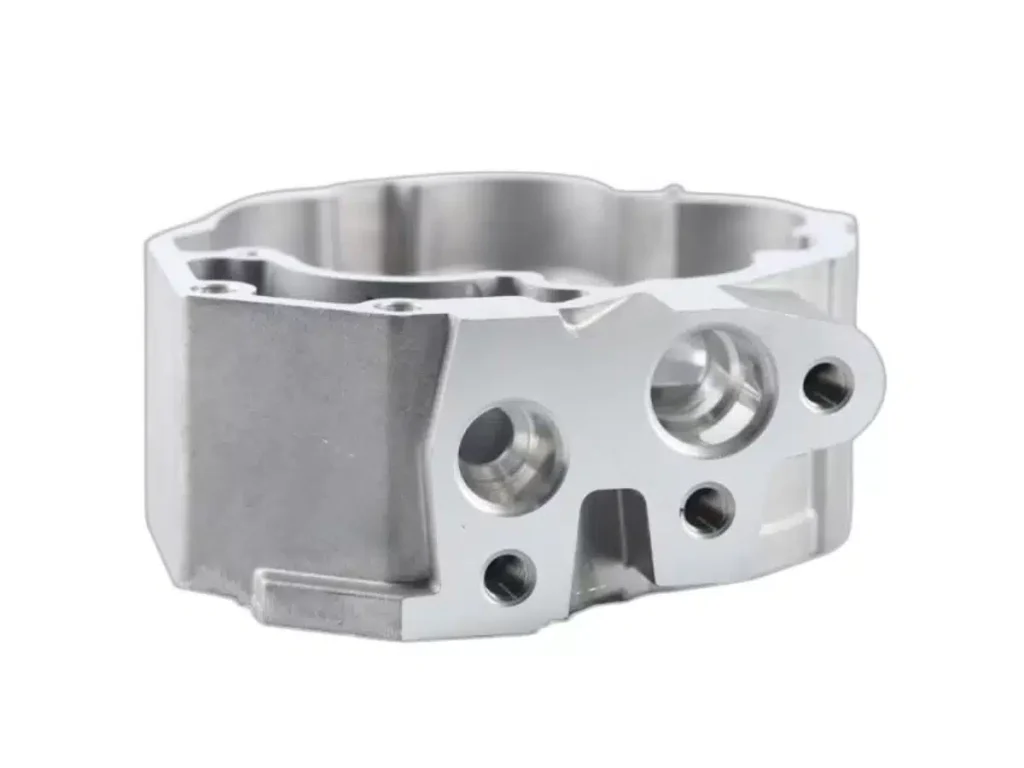
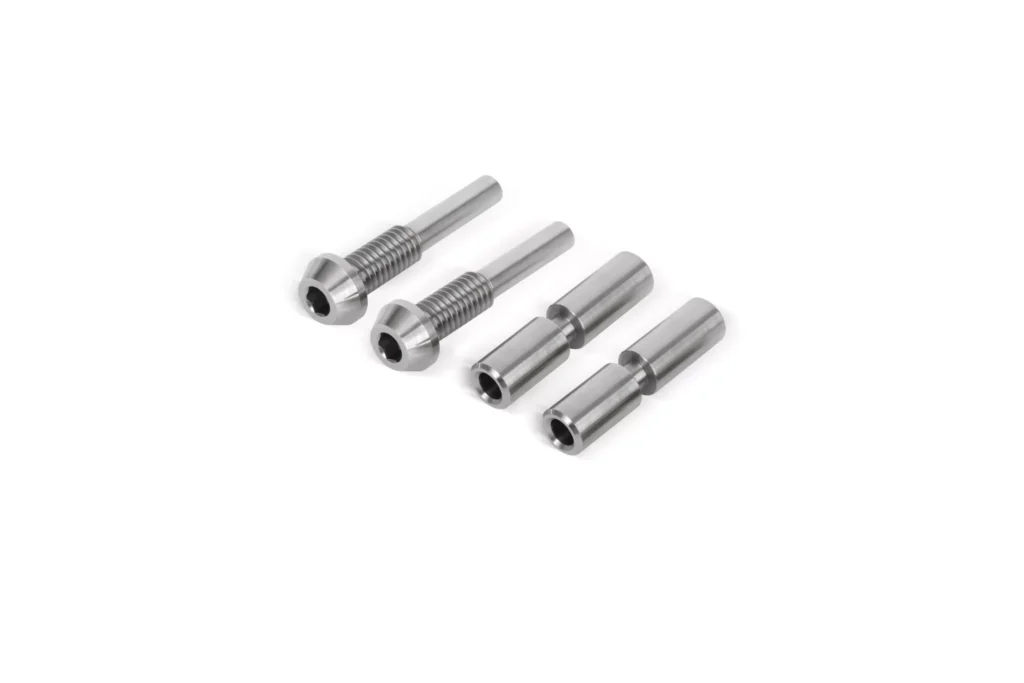
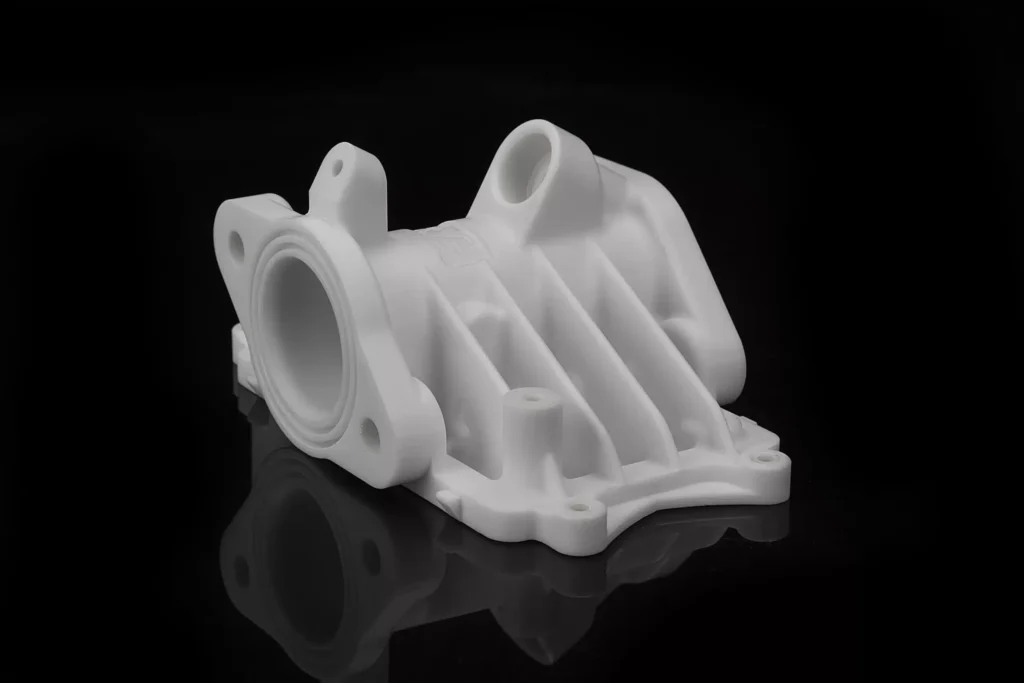
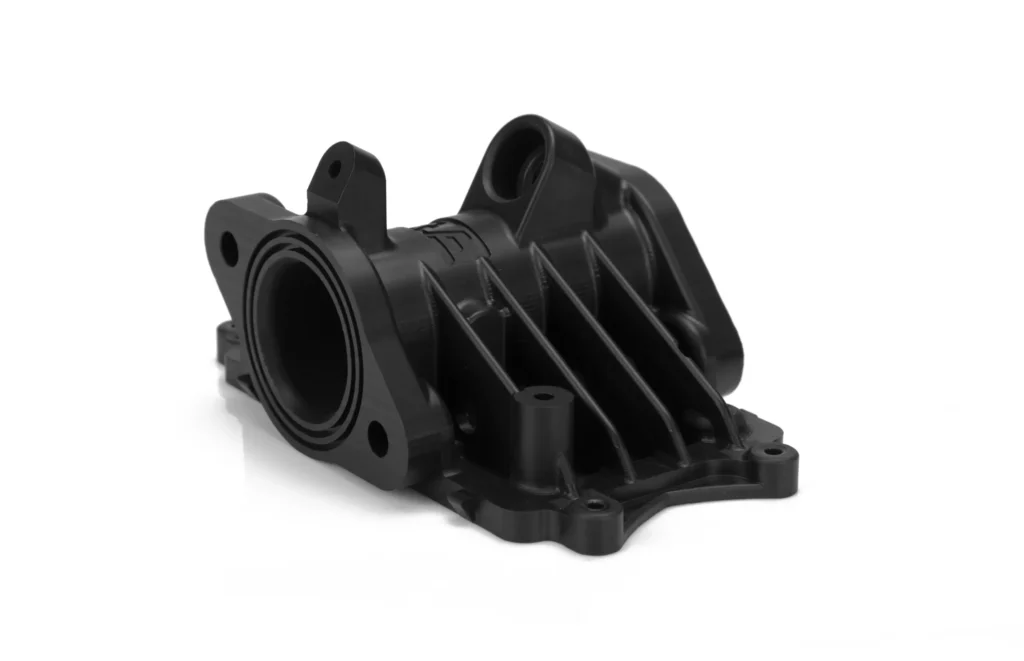
XC Machining provides industrial 3D printing in five technologies — SLS, SLA, FDM, MJF, and metal SLM — for functional prototypes, end-use parts, and bridge production in 30+ polymers and metal alloys with lead times from 1 business day.
- All uploads are secure and confidential
How Does XC Machining's Online 3D Printing Service Work?
Upload your STL, STEP, OBJ, or 3MF file to receive a 3D printing quote within 12 hours. XC Machining’s engineers review your geometry, recommend the optimal technology (SLS, SLA, FDM, MJF, or SLM), and provide material-specific pricing with lead time. Parts ship worldwide from our Dongguan, China facility via DHL, FedEx, or UPS.
What Large-Format and Batch 3D Printing Does XC Machining Offer?
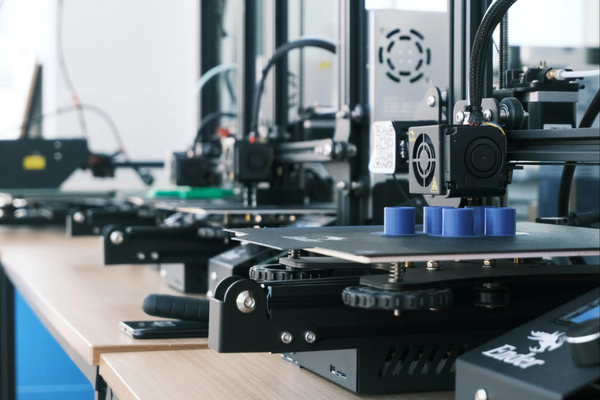
XC Machining 3D prints large-format parts up to 914 × 610 × 914 mm (FDM) and batch-produces hundreds of parts per build on SLS and MJF powder bed machines (380 × 284 × 380 mm build volume). Engineers use large-format FDM for tooling, jigs, and automotive prototypes, and batch MJF/SLS for 50–500+ end-use production parts per order.
What Tolerances Does 3D Printing Achieve at XC Machining?
XC Machining holds 3D printing tolerances per the specifications below. Achievable accuracy varies by technology — SLA achieves the tightest tolerances (±0.1%) while FDM provides the largest build volume for oversized parts.
Specification | SLS | SLA | FDM | MJF | SLM (Metal) |
Precision Tolerance | ±0.3% (min ±0.3 mm) | ±0.1% (min ±0.15 mm) | ±0.2–0.5 mm | ±0.3% (min ±0.3 mm) | ±0.1 mm |
Layer Resolution | 100–150 μm | 25–100 μm | 100–300 μm | 80 μm | 30–60 μm |
Min Wall Thickness | 0.7 mm | 0.5 mm | 1.0 mm | 0.5 mm | 0.4 mm |
Min Feature Size | 0.5 mm | 0.2 mm | 0.8 mm | 0.5 mm | 0.2 mm |
Max Build Volume | 380×284×380 mm | 335×200×300 mm | 914×610×914 mm | 380×284×380 mm | 280×280×365 mm |
Min Part Size | 5×5×5 mm | 5×5×5 mm | 10×10×10 mm | 5×5×5 mm | 5×5×5 mm |
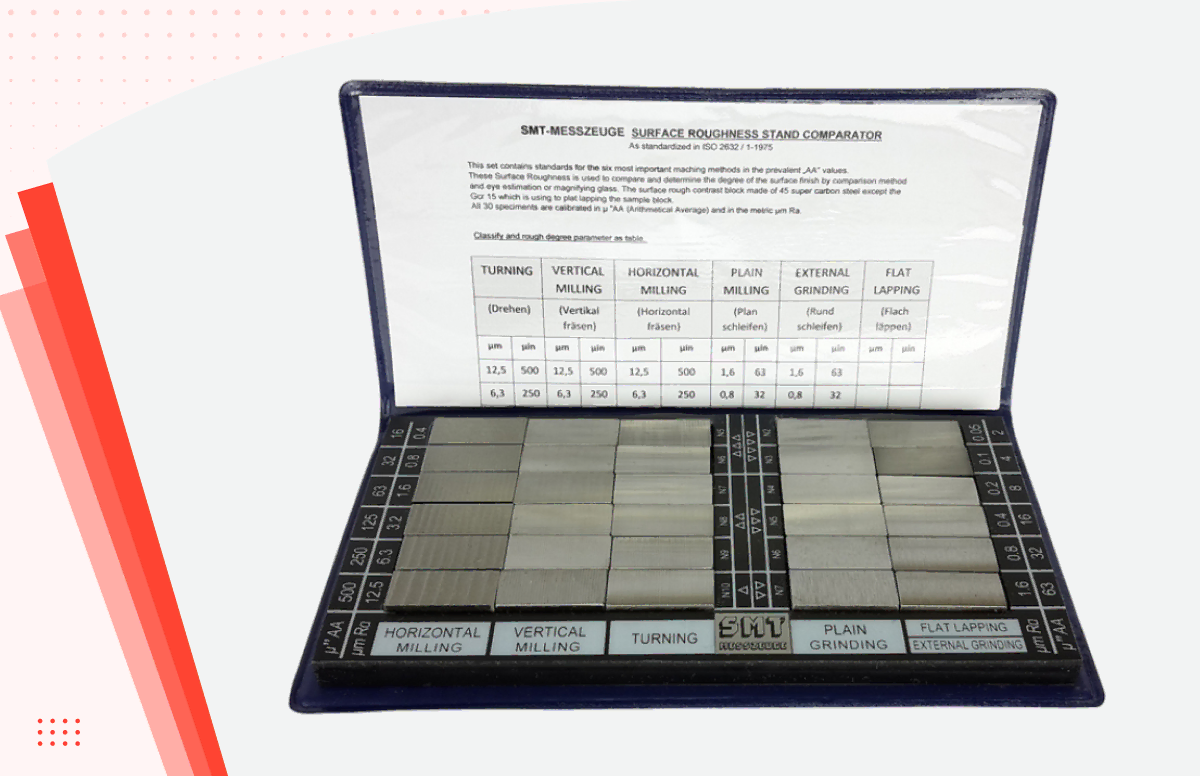
Surface Finish (as-printed) | Ra 6–10 μm | Ra 1.5–3 μm | Ra 10–25 μm | Ra 6–10 μm | Ra 6–15 μm |
Lead Time | 3–5 days | 2–5 days | 2–5 days | 3–5 days | 5–10 days |
Why Should You Choose XC Machining for 3D Printing?
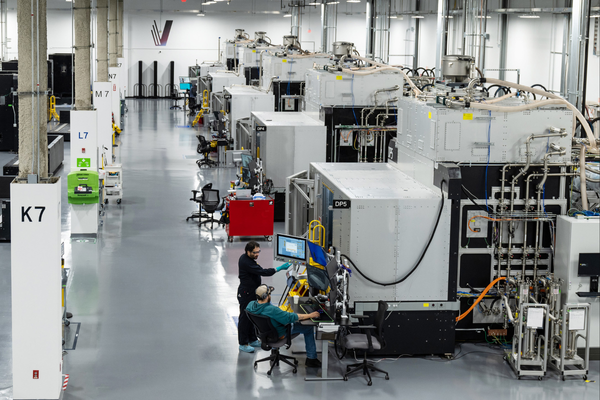
XC Machining operates five industrial 3D printing technologies under one roof with ISO 9001:2015 quality. Our engineers recommend the optimal technology, material, and orientation for each part — you upload one file and receive one optimized quote covering all viable technologies.

SLS (Nylon powder sintering), SLA (UV resin curing), FDM (thermoplastic extrusion), MJF (HP infrared fusing), and SLM (metal powder laser melting) — all operated in-house on industrial-grade machines. No outsourcing, no technology gaps.

Polymers: Nylon PA12/PA11, ABS, PLA, PETG, ASA, PC, ULTEM 9085/1010, TPU, Standard/Tough/Flexible resins. Metals: Stainless 316L, AlSi10Mg, Ti64, Inconel 718, Maraging Steel. Medical-grade and flame-retardant compounds available.

Our engineers review uploaded STL/STEP files for minimum wall thickness, support structure requirements, orientation optimization for surface quality, and technology recommendation based on part geometry, tolerance, and volume. DFM feedback within 12 hours.

Post-processing includes sanding (Ra 1.6–3.2 μm), vapor smoothing for ABS/Nylon (Ra 1–2 μm), dyeing (Pantone colors for SLS/MJF), plating (nickel/chrome), painting, and CNC machining of critical surfaces to ±0.05 mm.
What Materials Does XC Machining 3D Print?
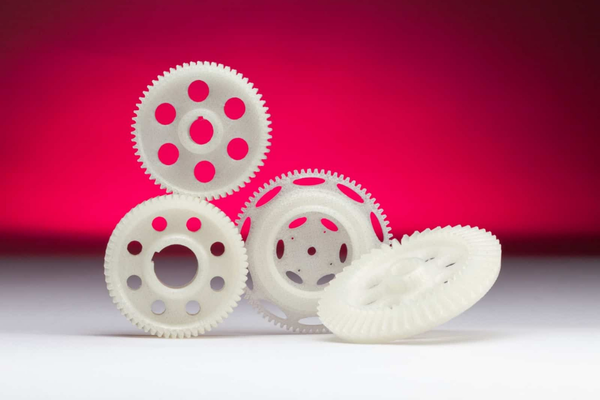
XC Machining 3D prints polymers, engineering thermoplastics, elastomers, photopolymer resins, and metals. Each material below includes the compatible 3D printing technology, key mechanical properties, and typical applications to help you select the right material for your part.
Smooth, slightly grainy, dyeable, post-processable
Metallic finish, polishable, machineable
Matte to semi-gloss, paintable, sandable
Full-color, glossy or matte, multi-texture capability
Matte, high-temperature resistance, durable
Flexible, rubber-like texture, varying durometers
What Post-Processing Surface Finishes Are Available for 3D Printed Parts?
XC Machining provides various post-processing options to enhance the surface quality, durability, and aesthetics of 3D printed parts.
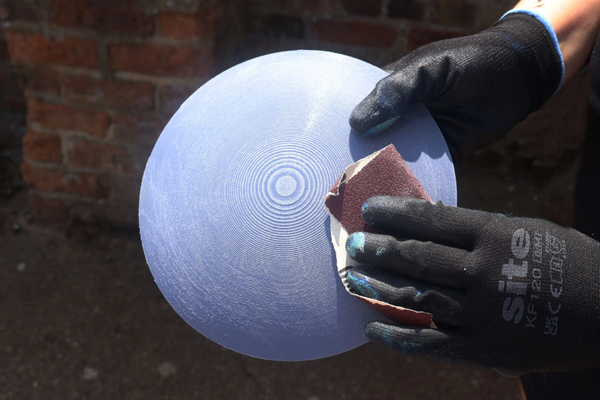
Sanding removes layer lines from FDM and SLS parts using 120–400 grit abrasives, achieving Ra 1.6–3.2 μm. Prepares surfaces for painting, plating, or assembly. Most cost-effective post-processing method.
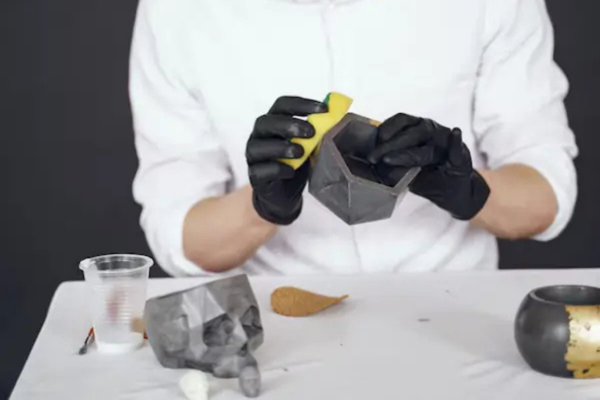
Polishing achieves Ra 0.2–0.8 μm gloss finish on SLA resin parts and sanded FDM/SLS parts. Used for visual prototypes, master patterns, and marketing samples requiring presentation-grade surface quality.
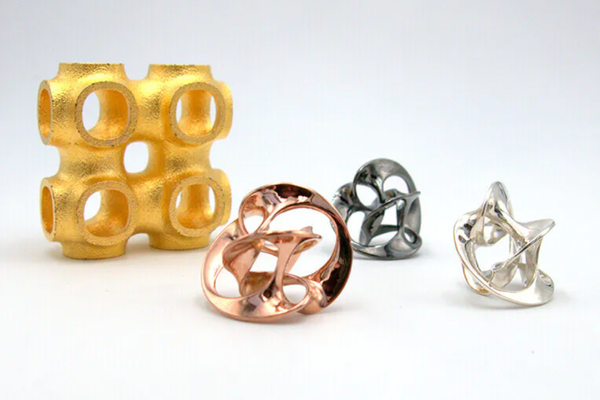
Nickel or chrome electroplating deposits 5–25 μm metal layer on 3D printed ABS or SLA parts after conductive primer application. Provides real-metal surface appearance, EMI shielding, and corrosion protection on plastic printed components.
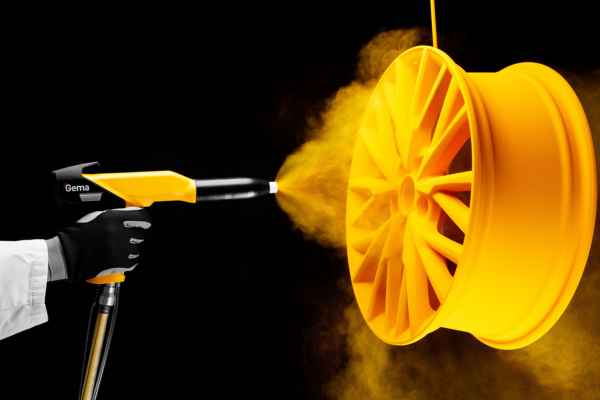
Spray painting with primer + topcoat on 3D printed parts provides RAL/Pantone color matching, UV protection, and cosmetic finish for consumer product prototypes, trade show models, and functional housings.
Vapor smoothing exposes ABS or Nylon SLS parts to chemical solvent vapor that melts surface layer lines, achieving Ra 1–2 μm semi-gloss finish with sealed, watertight surface. Ideal for fluid-handling ducts and cosmetic enclosures.
Stress relief and HIP (Hot Isostatic Pressing) heat treatment for SLM metal parts eliminates residual stress from laser melting, increases density to 99.9%, and improves fatigue life by 30–50%. Required for aerospace and medical metal 3D printed components.
CNC Machining Materials
Our CNC machining services support engineering-grade metals and plastics used for precision milled and turned parts.All materials listed below are supplied in machinable stock suitable for CNC processing.
Lightweight, corrosion-resistant, and highly machinable for precision and structural parts.
Grades
6061
6061-T6
6082
7075
7075-T6
2024
High electrical and thermal conductivity for conductive components.
Grades
C110
C101
Easy to machine with excellent surface finish for precision parts.
Grades
C360
C260
C280
Hard, wear-resistant material for tooling and high-stress components.
Grades
D2
A2
H13
High strength material for load-bearing and mechanical components.
Grades
1018
1020
1045
4140
EN8
EN19
Corrosion-resistant material for industrial, food, and medical components.
Grades
304
304L
316
316L
303
17-4 PH
Ultra-lightweight metal for weight-critical machined components.
Grades
AZ31
AZ91
High strength-to-weight ratio with excellent corrosion resistance.
Grades
Grade 2
Grade 5
Plastics
Impact-resistant plastic for enclosures and functional components.
Grades
ABS Natural
ABS Black
ABS Antistatic
High impact strength for protective and structural components.
Grades
Clear PC
Black PC
Rigid plastic with excellent optical clarity.
Grades
Clear PMMA
Black PMMA
Low friction and high dimensional stability for precision components.
Grades
POM-C
POM-H
Strong and wear-resistant plastic for mechanical parts.
Grades
PA6
PA66
Glass-Filled PA
Very low friction and high wear resistance for sliding components.
Grades
UHMW Natural
High-performance plastic for extreme temperature and chemical conditions.
Grades
Virgin PEEK
Glass-Filled PEEK
Carbon-Filled PEEK
Lightweight and chemical-resistant plastic for non-structural parts.
Grades
PP Homopolymer
Our 3D Printing Prototype Manufacturing Capabilities
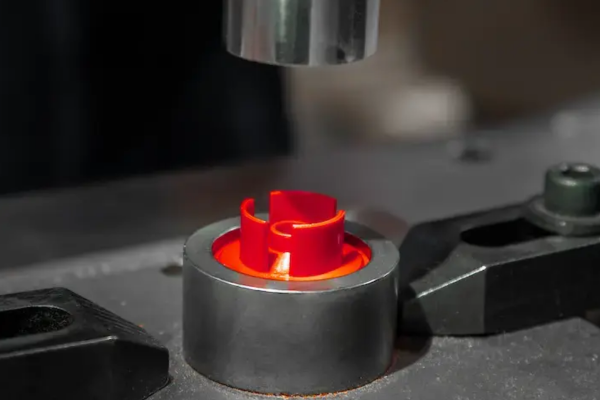
Provides injection molding for prototypes and custom parts, emphasizing expert support, competitive pricing, and faster production cycles.
Get reliable vacuum casting services for high-quality prototypes and production parts at competitive prices. XinCheng offers highly detailed casting parts with consistent quality.
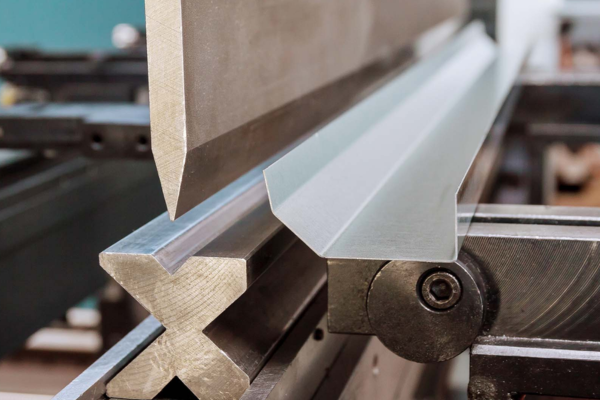
Uses cutting, bending, and forming techniques to produce precision metal components suited for industrial, commercial, and manufacturing applications.
Which Industries Use 3D Printed Parts from XC Machining?
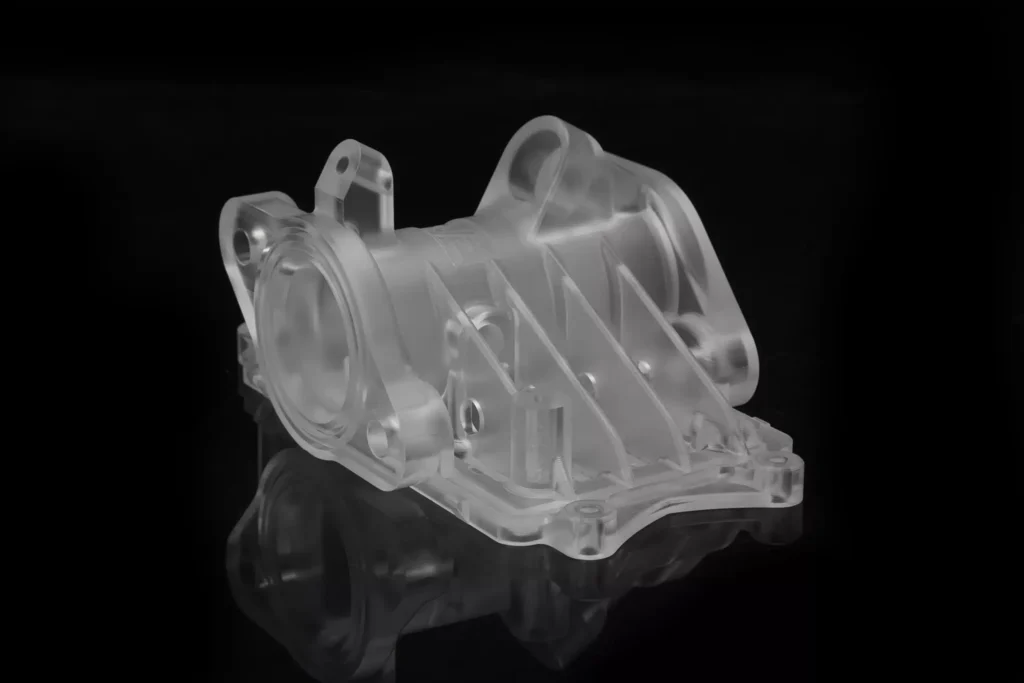
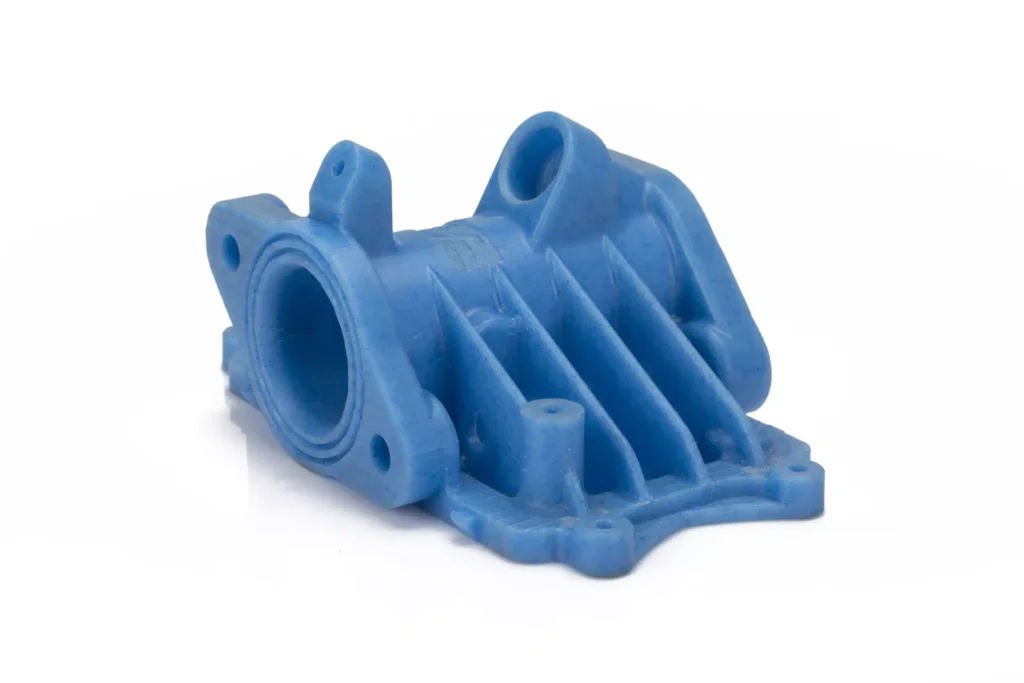
XC Machining 3D prints functional parts for automotive engineers (SLS Nylon intake manifold prototypes), aerospace teams (SLM titanium brackets), medical device companies (SLA surgical planning models), consumer electronics brands (MJF production enclosures), and industrial equipment makers (FDM ULTEM tooling and fixtures).

Automotive Industry
Semi Conductor

Energy Industry
Industrial Machinery
Electronics

Communications

Robotics

Medical Devices
Bring Your Designs to Life with XC Machining
- Expertise Shared Widely
- Market Reach Expanded
- Advanced Technology Integrated
- Collaborative Innovation Opportunities
- All uploads are secure and confidential
3D Printing Frequently Asked Questions
What 3D Printing Technologies Does XC Machining Offer?
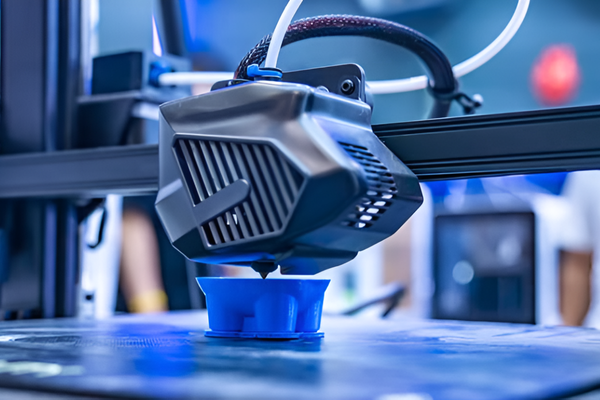
XC Machining offers five 3D printing technologies: SLS (Selective Laser Sintering) — Nylon powder fusion for functional parts and batch production, SLA (Stereolithography) — UV resin curing for fine-detail visual prototypes and dental models, FDM (Fused Deposition Modeling) — thermoplastic extrusion for large parts, tooling, and ULTEM high-temp applications, MJF (Multi Jet Fusion) — HP infrared powder fusing for end-use Nylon production parts, and SLM (Selective Laser Melting) — metal powder laser fusion for functional stainless, aluminum, titanium, and Inconel parts.
How Do You Select the Right 3D Printing Material for Your Application?
Material selection depends on: (1) mechanical requirements — tensile strength (PA12: 48 MPa, ULTEM: 81 MPa, Ti64: 1,100 MPa), (2) operating temperature — PA12 up to 175°C, ULTEM 1010 up to 216°C, (3) chemical exposure — PA11 and 316L resist most chemicals, (4) flexibility — TPU Shore A 88 for elastic parts, and (5) surface quality — SLA resins achieve Ra 1.5 μm directly off the printer. XC Machining engineers recommend the optimal material during DFM review.
What Layer Resolution Does Each 3D Printing Technology Achieve?
Layer resolution by technology: SLA — 25–100 μm (finest detail, smoothest surface at Ra 1.5–3 μm), MJF — 80 μm (consistent fine detail with Ra 6–10 μm), SLS — 100–150 μm (functional detail at Ra 6–10 μm), SLM — 30–60 μm (metal parts with Ra 6–15 μm), FDM — 100–300 μm (largest layer range, visible layer lines at Ra 10–25 μm). Finer resolution increases print time and cost but produces smoother surfaces and sharper features.
How Durable Are 3D Printed Parts Compared to Injection Molded or CNC Parts?
SLS Nylon PA12 (48 MPa tensile) approaches injection molded Nylon in strength. SLM Titanium Ti-6Al-4V (1,100 MPa) matches wrought titanium. FDM ULTEM 9085 (72 MPa) is FST-certified for aerospace interiors. Durability optimization: (1) orient parts so layer lines are perpendicular to primary load direction, (2) increase wall thickness to 1.5× minimum, (3) apply heat treatment to SLM metal parts for stress relief, and (4) use vapor smoothing on SLS Nylon to seal surface porosity and improve fatigue life.
When Should You Choose 3D Printing Over CNC Machining?
Choose 3D printing when: (1) the part has complex geometry impossible to CNC machine (internal channels, lattice structures, organic shapes), (2) no tooling investment is acceptable (prototype or 1–100 parts), (3) lead time under 5 days is required, or (4) material waste must be minimized (3D printing uses only the material needed). Choose CNC machining when: tolerances tighter than ±0.1 mm are needed, production-grade metals are required, or quantities exceed 100 parts. XC Machining offers both — engineers can prototype in 3D printing and transition to CNC for production.