Sheet Cutting Services
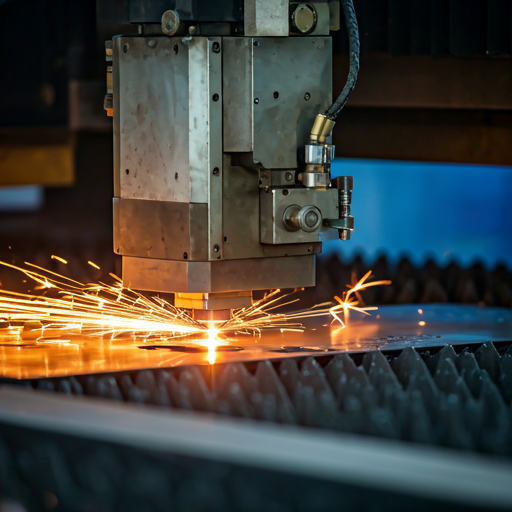
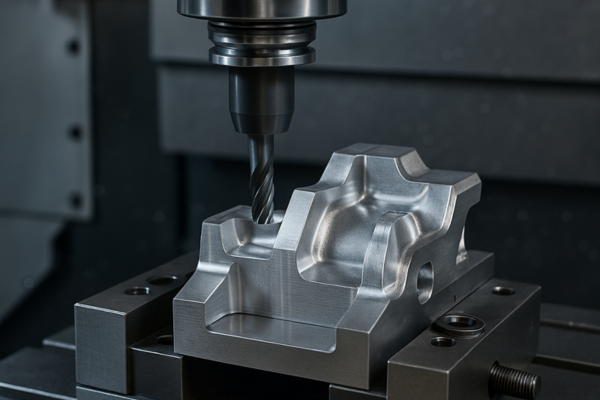
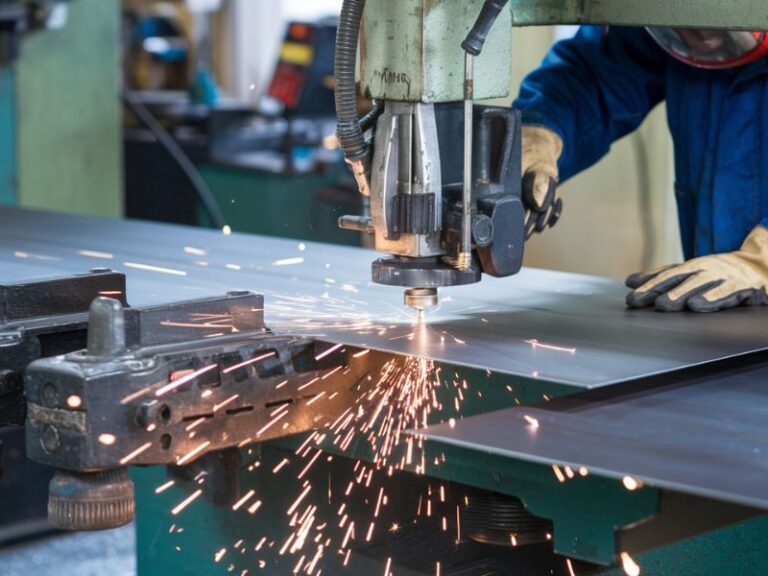
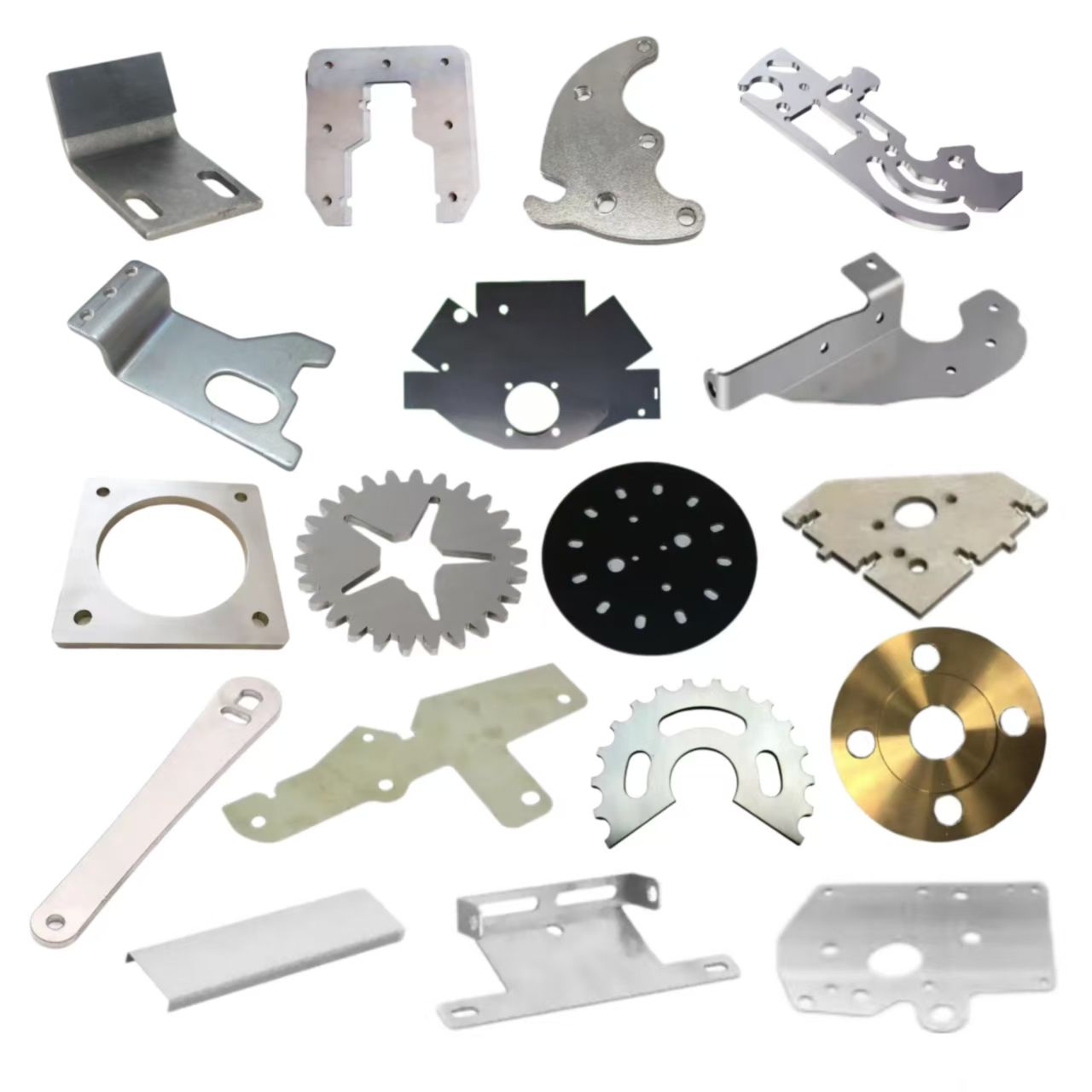
XC Machining provides precision sheet cutting using fiber laser, CNC plasma, and waterjet cutting technologies for steel, stainless steel, aluminum, copper, brass, titanium, plastics, and composites from 0.5 mm to 300 mm thickness with tolerances from ±0.1 mm.
- All uploads are secure and confidential
What Custom Sheet Cutting Methods Does XC Machining Offer?
XC Machining offers three sheet cutting methods under one roof: fiber laser cutting (±0.1 mm, up to 25 mm steel), CNC plasma cutting (±0.5 mm, up to 50 mm steel), and abrasive waterjet cutting (±0.1 mm, up to 300 mm, any material including composites and ceramics). Each method is selected based on material type, thickness, tolerance, and edge quality requirements.
Upload your DXF, DWG, or STEP file and our engineers recommend the optimal cutting method based on your material, thickness, tolerance, and budget — with DFM feedback within 12 hours.
Parts ship from our Dongguan, China facility via DHL, FedEx, or UPS in 3–5 business days for standard orders.
How Fast Can XC Machining Deliver Sheet-Cut Prototypes and Production Parts?
Sheet-cut prototypes of 1–50 parts deliver in 2–3 business days for simple flat profiles. Production batches of 100–10,000+ parts deliver in 5–10 business days depending on complexity and post-processing requirements.
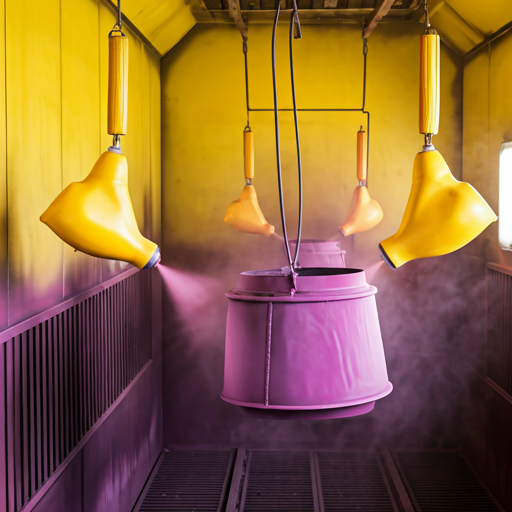
All sheet cutting orders include deburring as standard. Optional post-processing includes bending, welding, powder coating, anodizing, zinc plating, and assembly — all performed in-house.
Why Should You Choose XC Machining for Sheet Cutting?
XC Machining operates fiber laser cutters (1–6 kW), CNC plasma tables (up to 50 mm), and waterjet machines (up to 300 mm) under one ISO 9001:2015 certified facility with integrated bending, welding, and finishing.

Fiber laser (steel 25 mm, stainless 20 mm, aluminum 15 mm at ±0.1 mm), CNC plasma (steel 50 mm, stainless 40 mm at ±0.5 mm), and abrasive waterjet (any material up to 300 mm, zero HAZ at ±0.1 mm). Best method selected per project.

Mild steel A36/1018/1045, stainless 304/316/430, aluminum 5052/6061/7075, copper C110, brass C260/C360, titanium Grade 2/5, galvanized steel G90/G60, acrylic, polycarbonate, ABS, carbon fiber (CFRP), and glass fiber (GFRP) composites.

Engineers review files for minimum hole size (≥ material thickness for laser/plasma), minimum bridge width (≥ 50% thickness), kerf compensation, nesting optimization, and sharp corner feasibility. DFM within 12 hours.

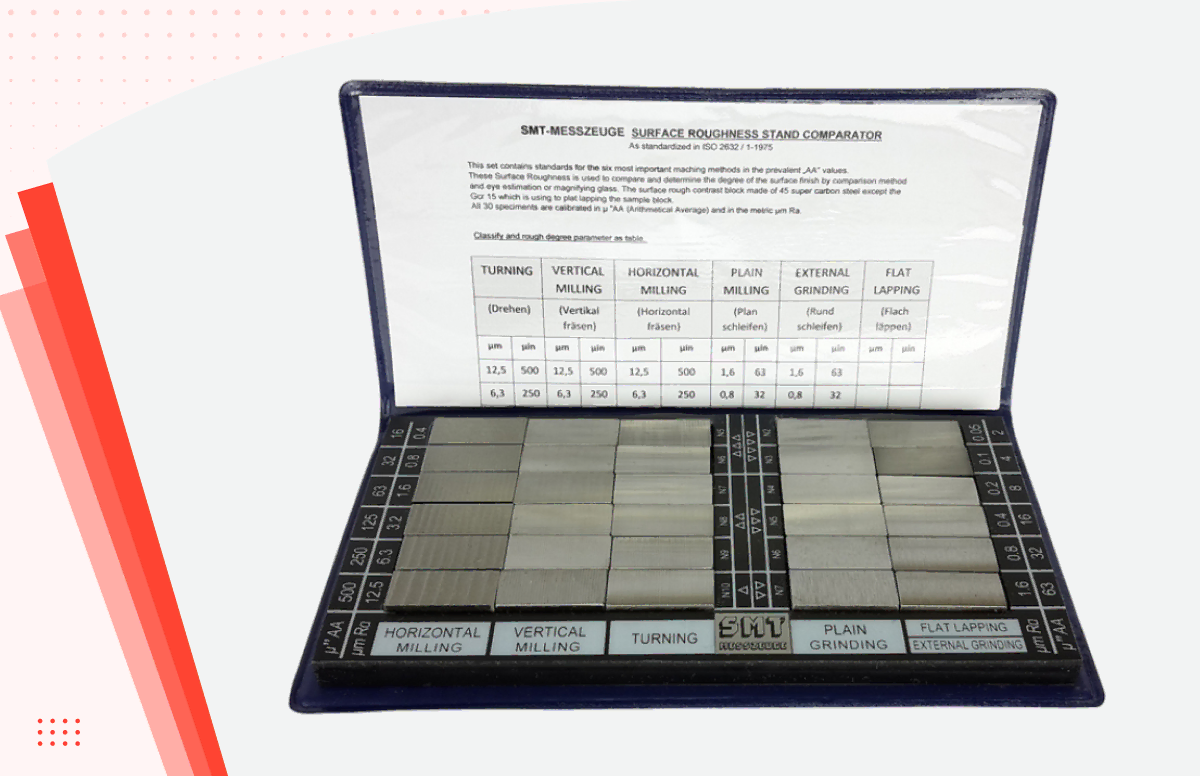
Deburring (standard), brushing (Ra 0.4–0.8 μm), powder coating (60–120 μm), anodizing (Type II/III), zinc plating (5–25 μm), bead blasting (Ra 1.6–3.2 μm), and painting (RAL/Pantone matching).
Sheet Metal Cutting Tolerances
| Feature Type | Typical Tolerance Range | Notes |
|---|---|---|
| General Dimensional Tolerance | ±0.1 mm to ±0.3 mm (±0.004″ to ±0.012″) | Depends on cutting method: laser offers tighter tolerances than plasma. |
| Hole Diameter | ±0.1 mm to ±0.2 mm | Smaller holes require high precision equipment (laser/waterjet preferred). |
| Hole-to-Hole Accuracy | ±0.1 mm | Consistency between features is generally tight with CNC-controlled cutting. |
| Hole-to-Edge Distance | ±0.1 mm to ±0.3 mm | Affected by material thickness and kerf. |
| Minimum Hole Size | ≥ material thickness (for laser & plasma) | Smaller holes risk distortion or incomplete cuts. |
| Minimum Feature Size | 0.5 – 1 mm | Very fine details may not cut cleanly or may warp depending on the process. |
| Kerf Width | Laser: ~0.1–0.3 mm Waterjet: ~1 mm Plasma: ~1.5–2 mm | Varies by cutting method, nozzle size, and material. |
| Edge Quality | Laser: Smooth (some oxidation) Waterjet: Clean Plasma: Rougher | May need post-processing for critical edges. |
| Material Thickness Range | Laser: up to ~25 mm Waterjet: up to ~300 mm Plasma: up to ~50 mm | Depends on machine power and material type. |
| Part-to-Part Repeatability | ±0.05 mm to ±0.2 mm | Laser/waterjet machines offer tighter control than plasma cutters. |
| Flatness Preservation | Waterjet > Laser > Plasma | Plasma and laser may cause heat-induced distortion. |
What Materials Can XC Machining Sheet Cut?
Leading companies and engineers rely on XC Machining for rapid iterations and durable, high-quality parts. Whether it’s for prototyping or full-scale production, our wide range of materials ensures we meet the unique requirements of any Sheet Cutting project with precision and speed.
A36, 1018, 1045, 1020
Grade 2 (CP Titanium), Grade 5 (Ti-6Al-4V)
304, 316, 301, 430
1008, 1010
5052, 6061, 3003, 7075
A36, 1011
C110 (ETP), C101 (OFHC)
Acrylic (PMMA), Polycarbonate (PC), ABS, PVC, Delrin (POM)
C260 (Cartridge Brass), C360
CFRP (Carbon Fiber), GFRP (Glass Fiber), Phenolic Sheet
G90, G60
Surface Finishes For Sheet Cutting
Our Sheet Cutting Prototype Manufacturing Capabilities
Provides injection molding for prototypes and custom parts, emphasizing expert support, competitive pricing, and faster production cycles.
Get reliable vacuum casting services for high-quality prototypes and production parts at competitive prices. XinCheng offers highly detailed casting parts with consistent quality.
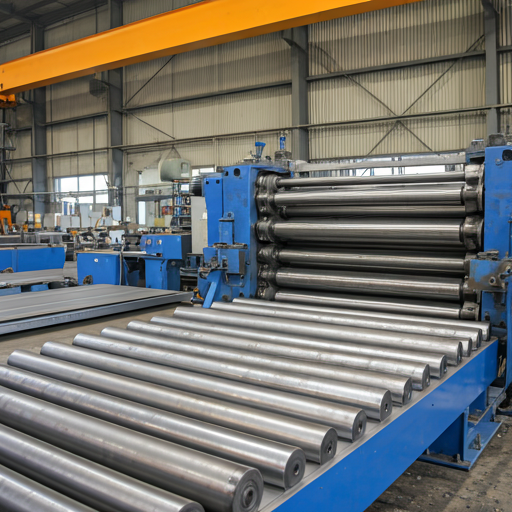
Uses cutting, bending, and forming techniques to produce precision metal components suited for industrial, commercial, and manufacturing applications.
Specialist Industries
Bring Your Designs to Life with XC Machining
- Expertise Shared Widely
- Market Reach Expanded
- Advanced Technology Integrated
- Collaborative Innovation Opportunities
- All uploads are secure and confidential
Frequently Asked Questions
What Materials Can Be Sheet Cut at XC Machining?
XC Machining sheet cuts: mild steel A36/1018 (laser up to 25 mm, plasma up to 50 mm), stainless 304/316 (laser 20 mm, plasma 40 mm), aluminum 5052/6061 (laser 15 mm), copper C110 (laser 6 mm), brass C360 (laser 8 mm), titanium Grade 2/5 (laser 8 mm), plus acrylic, polycarbonate, CFRP, and GFRP composites via waterjet (up to 300 mm, zero HAZ).
Which Industries Use Sheet Cutting Services?
Automotive (brackets, heat shields, structural panels), aerospace (aluminum skin panels, titanium components), electronics (enclosure profiles, EMI shielding), construction (structural steel plates, cladding), signage (acrylic and aluminum lettering), medical (stainless steel instrument trays), and energy (solar frame components, battery enclosures).
What Is the Difference Between Laser, Plasma, and Waterjet Sheet Cutting?
Laser: ±0.1 mm tolerance, 0.1–0.3 mm kerf, up to 25 mm steel, clean oxide-free edge with N₂ assist. Plasma: ±0.5 mm, 1.5–2 mm kerf, up to 50 mm steel, fast but rougher edge with HAZ. Waterjet: ±0.1 mm, ~1 mm kerf, up to 300 mm any material, zero heat — the only method for composites, ceramics, and heat-sensitive materials.
How Accurate Is Sheet Cutting at XC Machining?
Laser cutting: ±0.1 mm edge tolerance, ±0.05 mm positional repeatability. Plasma cutting: ±0.5 mm general, ±0.25 mm with high-definition plasma. Waterjet: ±0.1 mm standard, ±0.05 mm at reduced speed. Part-to-part repeatability: ±0.05 mm (laser/waterjet), ±0.2 mm (plasma).
What Is the Lead Time for Sheet-Cut Parts?
Simple flat profiles: 2–3 business days. Standard parts with deburring: 3–5 days. Parts requiring bending, welding, or finishing: 5–10 days. Production batches of 1,000+: 10–15 days. Rush delivery available for time-critical projects.