CNC Turning Services
XC Machining delivers custom CNC turning for cylindrical, conical, and threaded components in 60+ metals and plastics. We hold ±0.025 mm tolerances on diameters from 2 mm to 200 mm with lead times starting at 3 business days.
- All uploads are secure and confidential
Why Is XC Machining a Reliable CNC Turning Partner?
XC Machining operates CNC lathes and multi-axis turning centers with live tooling, driven tooling, and bar feeding capability for lights-out production. Every CNC turning project receives DFM review within 12 hours of CAD file upload — our engineers check wall thickness, thread feasibility, bore depth-to-diameter ratios, and concentricity requirements before quoting. We hold ISO 9001:2015 certification across all turning operations.
XC Machining produces CNC turned prototypes in 3–7 business days and production runs of 100 to 10,000+ parts in 10–15 days. Upload your STEP, IGES, or SolidWorks file to receive a detailed quote with material cost, machining cost, and shipping cost broken down line by line — no hidden fees.
How Does CNC Turning Work at XC Machining?
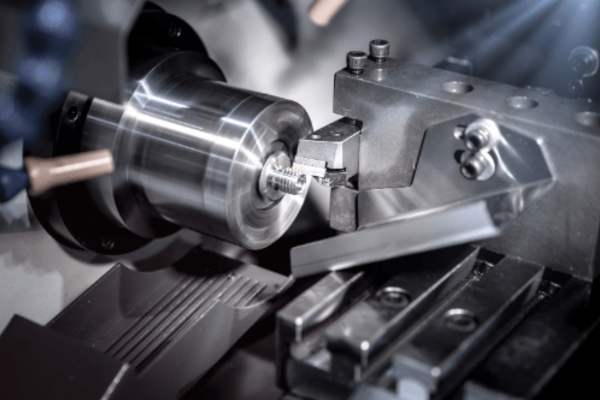
CNC turning is a subtractive manufacturing process where a workpiece rotates in a lathe chuck at speeds from 500 to 4,000 RPM while a stationary single-point cutting tool removes material to produce the finished geometry. The cutting tool follows G-code programmed paths generated from your CAD file to achieve dimensional accuracy within ±0.025 mm.
XC Machining performs facing, OD turning, threading (internal and external), knurling, drilling, boring, reaming, grooving, and taper turning on a single CNC setup. Automatic tool changers (ATCs) switch between 8–12 tools in under 3 seconds to minimize cycle time and maintain ±0.025 mm accuracy.
What Are Common Applications for CNC Turned Parts?
CNC turning produces threaded fittings, bushings, couplings, and custom connectors with UNC, UNF, metric, and NPT threading to Class 2A/3A fit. Applications include hydraulic systems, automotive fuel lines, aerospace fluid connectors, and robotic joint assemblies.
XC Machining CNC turns precision shafts, spindles, and axles from 2 mm to 200 mm diameter with concentricity within 0.005 mm TIR and surface finish to Ra 0.4 μm for bearing-fit applications.
CNC turned cylindrical housings for motors, sensors, and electronics feature precision bores, O-ring grooves, and threaded end caps. Wall thickness from 0.5 mm with concentricity maintained to 0.01 mm TIR across production volumes.
What Tolerances Can CNC Turning Achieve at XC Machining?
XC Machining holds CNC turning tolerances per ISO 2768 standards for metals and plastics. Precision tolerances down to ±0.025 mm are available per drawing specifications. See full specifications below.
| Feature | Description |
|---|---|
| Metals | ISO 2768-m |
| Precision Tolerances | Achieves tolerances as tight as ±0.001 in. |
| Minimum Wall Thickness | 0.5 MM allowing lightweight designs. |
| Minimum End Mill Size | 0.5 MM for fine detail machining. |
| Maximum Part Size | CNC Milling: 4000×750×660MM, CNC Turning: 200×500MM |
| Minimum Part Size | CNC Milling: 5×5×5MM, CNC Turning: 2×2MM |
| Production Volume | Prototyping: 1–100PCS, Low volume: 101–10,000PCS, High volume: 10,001+ PCS |
On-Demand Parts Delivered Fast with 4 Simple Steps
Upload the Design File
DFM Analysis
Quote Confirmation and Manufacturing
As soon as you agree to our quote, our team will start working with you to bring your ideas to life. Additionally, we would provide you with a variety of surface finishing options.
Part Shipment
What Quality and Capabilities Does XC Machining Offer for CNC Turning?
XC Machining CNC turning combines ISO 9001:2015 certified processes, in-process CMM inspection, and dedicated DFM engineering on every project from prototype to production volumes.

Our turning department operates CNC lathes with live tooling, Y-axis capability, sub-spindles, and bar feeders for continuous production. Maximum turning diameter 200 mm, maximum length 500 mm, with 8–12 station tool turrets.

CNC turnable materials include aluminum 6061/7075, stainless steel 304/316/17-4 PH, titanium Grade 2/5, brass C360, copper, PEEK, Delrin, Nylon, ABS, polycarbonate, and PTFE.

Our turning engineers review CAD files for minimum bore depth, thread feasibility, wall thickness (minimum 0.5 mm), concentricity requirements, and parting-off locations. DFM feedback provided within 12 hours via email or WhatsApp.

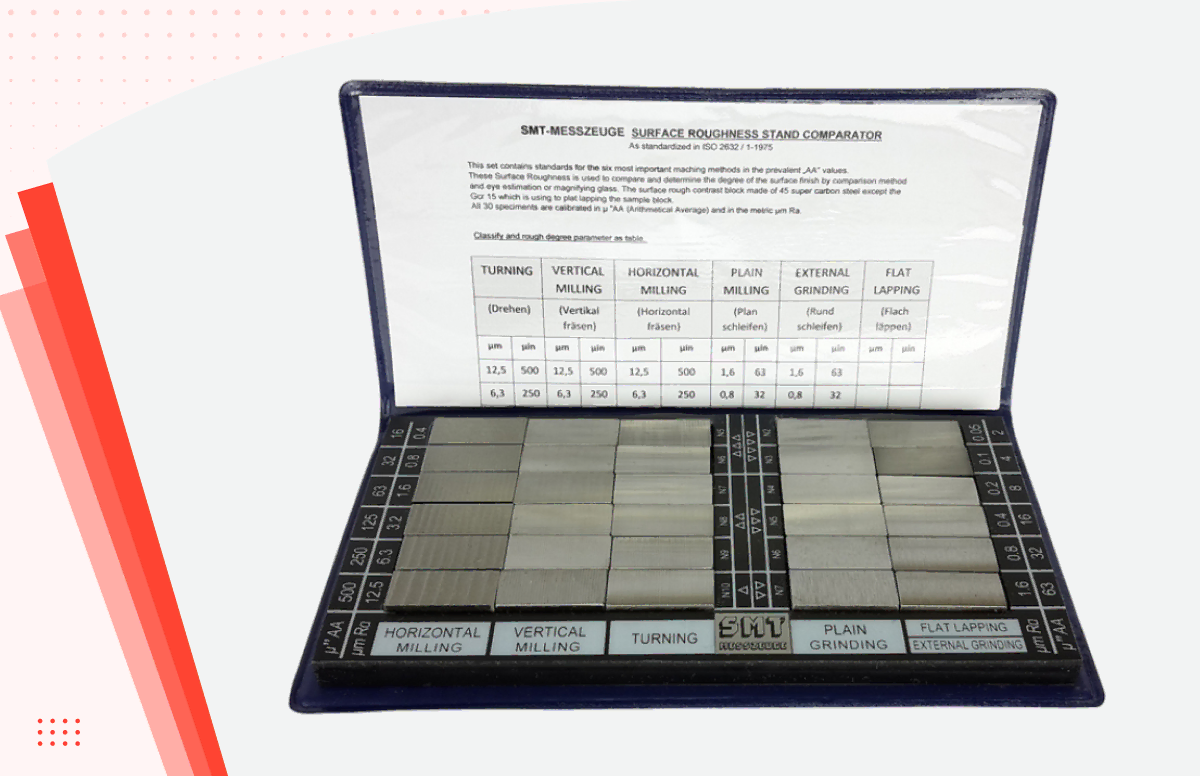
CNC turned parts receive as-turned (Ra 0.8 μm), polished (Ra 0.2 μm), anodized, electroplated, knurled, or bead blasted finishes. Passivation available for stainless steel turned components.
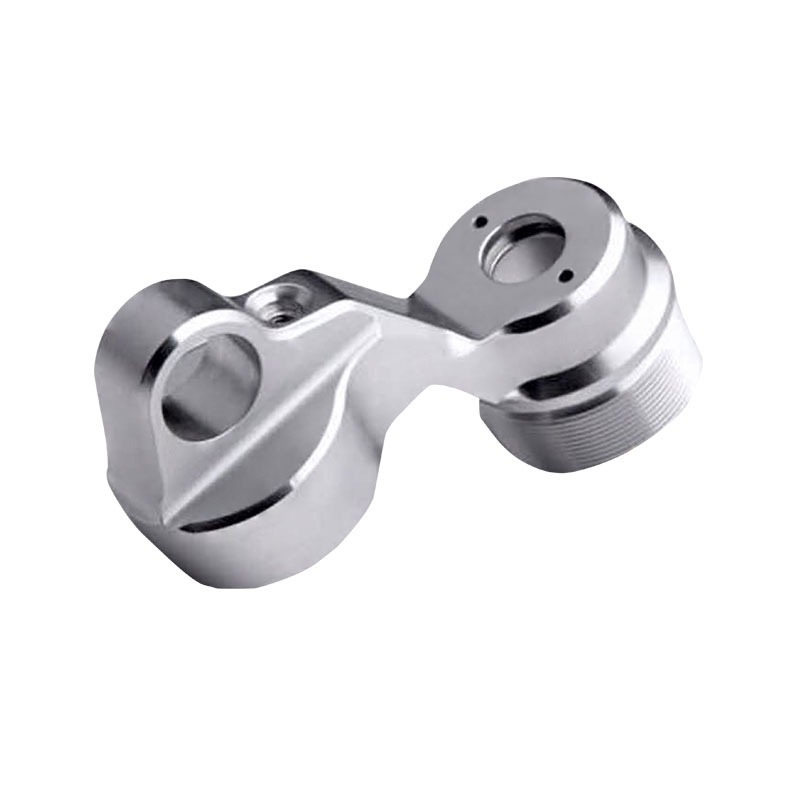
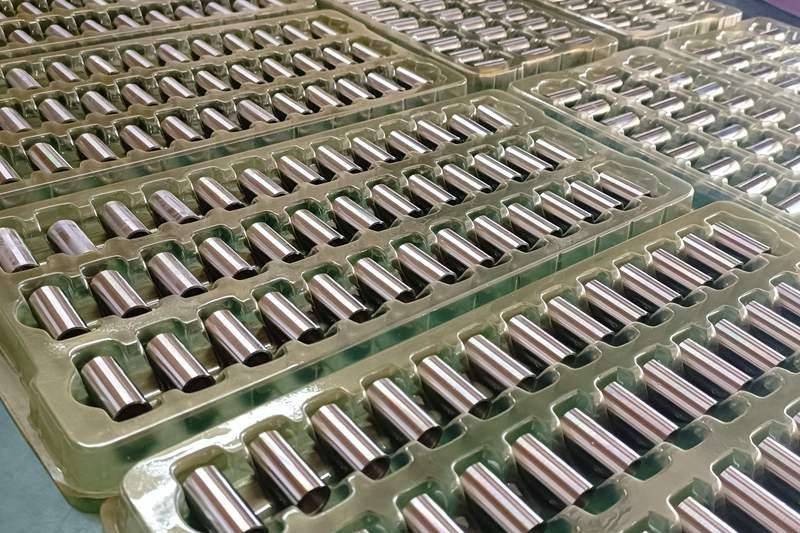
Gallery of CNC Turning Services parts
What Surface Finishes Are Available for CNC Turned Parts?
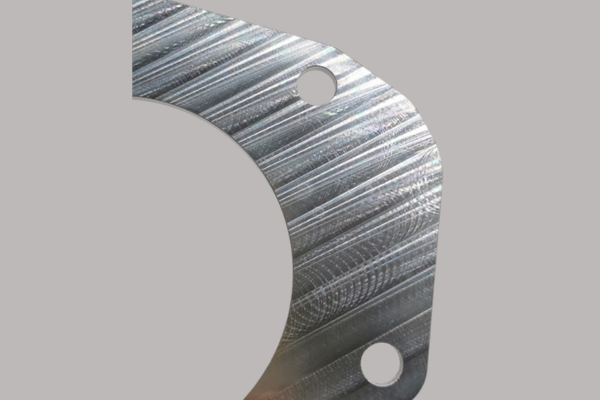
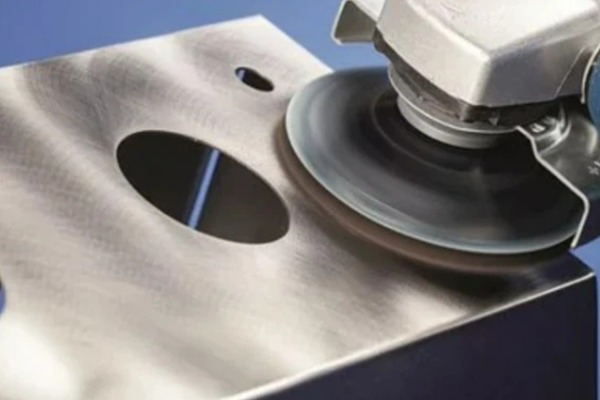
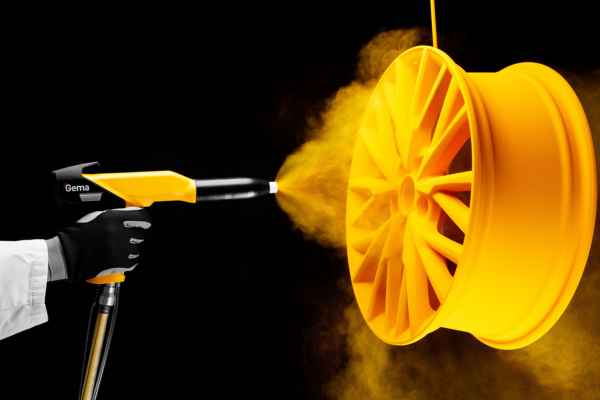
Sanding removes tool marks and burrs from CNC turned parts, producing a uniform finish at Ra 1.6–3.2 μm suitable for painted or coated surfaces.
Polishing achieves Ra 0.05–0.4 μm mirror finish on CNC turned stainless steel, brass, and aluminum parts for medical instruments, optical fittings, and decorative hardware.
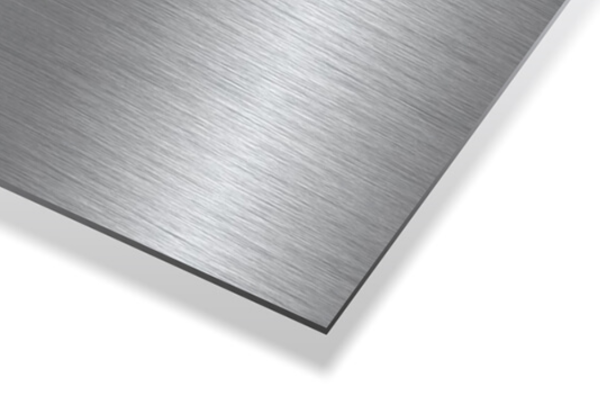
Brushing creates a directional satin texture at Ra 0.8–1.6 μm on aluminum and stainless steel turned parts, reducing glare for industrial equipment.
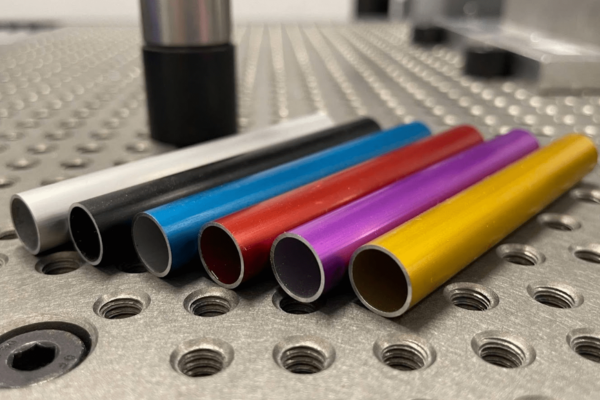
Anodizing (Type II standard, Type III hard-coat) forms a 5–80 μm oxide layer on aluminum turned parts with Rockwell hardness up to 70 and custom color options.
Electropolishing smooths out surface irregularities on turned metal parts, improving both the appearance and corrosion resistance, often used for stainless steel components.
Vibratory finishing tumbles CNC turned parts with ceramic or plastic media to deburr edges uniformly, achieving Ra 0.8–1.6 μm across full-batch production quantities.
What Materials Can XC Machining CNC Turn?
XC Machining CNC turns 60+ metals and engineering plastics for prototype and production applications. Each material below is available with standard 3–7 day lead time. The material list includes specific alloy grades with mechanical properties suited to turning operations.
Aluminum 5052, Aluminum 7075, Aluminum 7075-T6, Aluminum 6063-T5, Aluminum 7050-T7451, Aluminum MIC-6, Aluminum 6061-T6, Aluminum 2024-T3
Alloy Steel 4130, Alloy Steel 4140, ASTM A36, Stainless Steel 15-5, Stainless Steel 17-4, Stainless Steel 18-8, Stainless Steel 303, Stainless Steel 304, Stainless Steel 316/316L, Stainless Steel 416, Stainless Steel 420, Steel 1018, Steel A36
ABS, Acetal [Delrin], Acrylic, G-10 Garolite, Nylon 6/6, PEEK, Polycarbonate, PTFE [Teflon], Polypropylene, Ultra-High Molecular Weight Polyethylene
Brass C360, Brass 260, C932 M07 Bearing Bronze
H59, H60
Titanium Grade 2, Titanium 6Al-4V
Zinc Sheet Alloy 500
Our CNC turning Services Prototype Manufacturing Capabilities
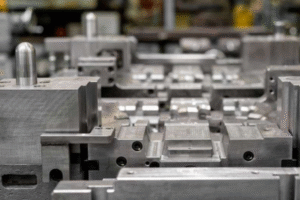
Provides injection molding for prototypes and custom parts, emphasizing expert support, competitive pricing, and faster production cycles.
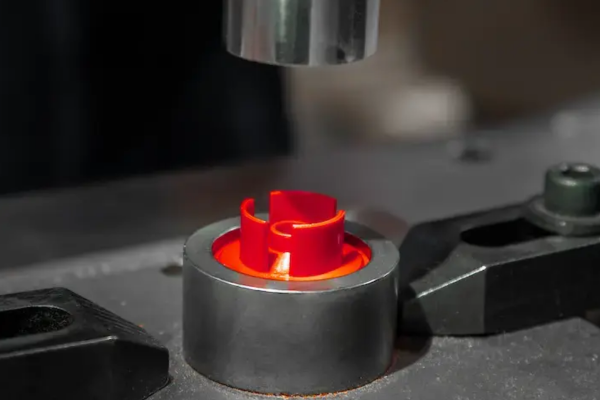
Get reliable vacuum casting services for high-quality prototypes and production parts at competitive prices. XinCheng offers highly detailed casting parts with consistent quality.
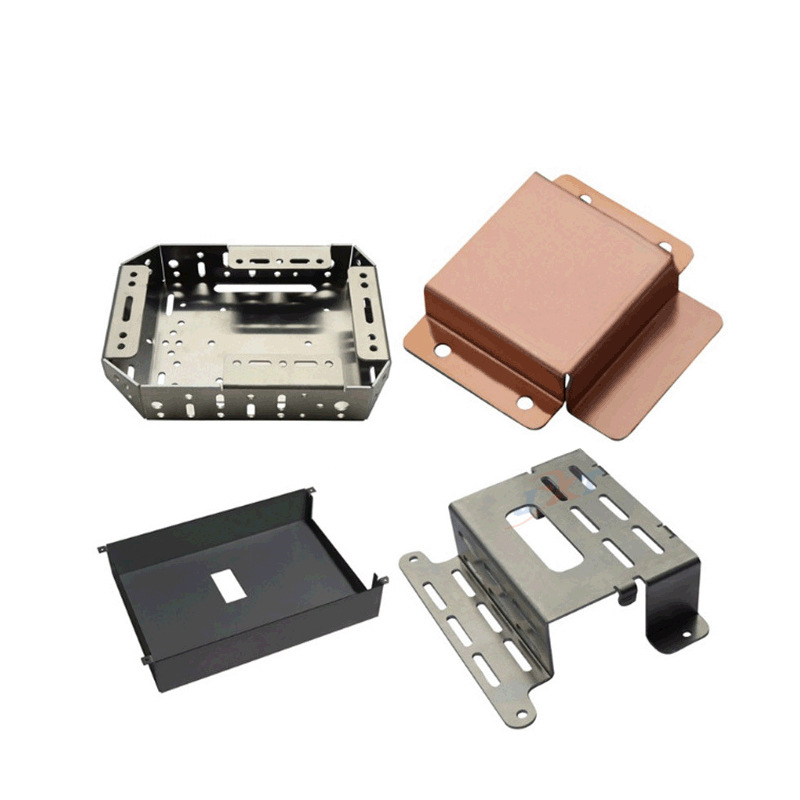
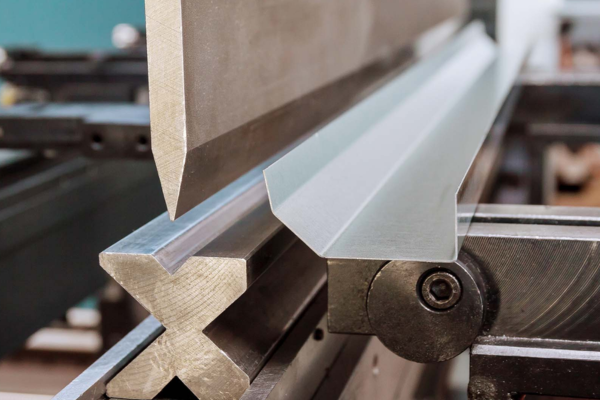
Uses cutting, bending, and forming techniques to produce precision metal components suited for industrial, commercial, and manufacturing applications.
Specialist Industries
Bring Your Designs to Life with XC Machining
- Expertise Shared Widely
- Market Reach Expanded
- Advanced Technology Integrated
- Collaborative Innovation Opportunities
- All uploads are secure and confidential
CNC Turning Frequently Asked Questions
What parts can CNC turning produce?
CNC turning produces cylindrical and rotationally symmetric parts including shafts, rods, pins, bushings, pulleys, spacers, and threaded fasteners. The process creates external/internal threads, precision bores, grooves, tapers, and knurled surfaces on parts from 2 mm to 200 mm diameter in metals and plastics.
Can CNC turning be used for plastic parts?
Yes. XC Machining CNC turns ABS, polycarbonate, PTFE (Teflon), Nylon 6/6, Acetal (Delrin), PEEK, polypropylene, and UHMWPE. Plastic turning requires reduced cutting speeds and sharp, positive-rake tooling to prevent heat deformation. We optimize feeds and speeds per material to maintain ±0.05 mm tolerance on plastic turned parts.
Milling vs Turning
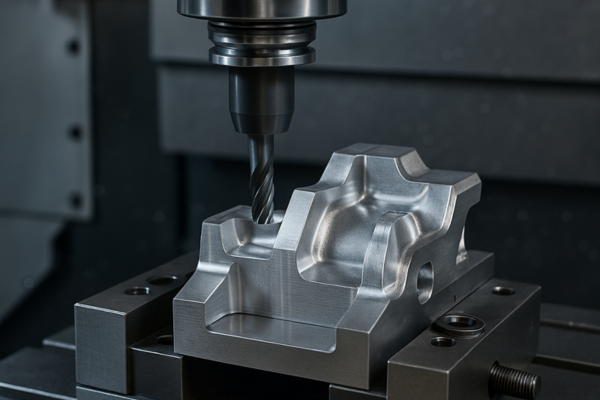
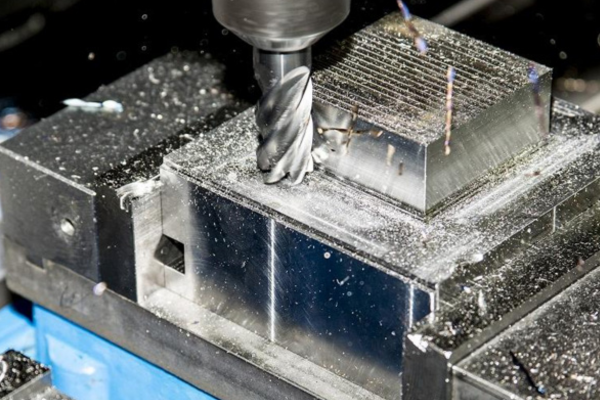
In CNC milling, the cutting tool rotates while the workpiece is clamped stationary — suited for prismatic parts with pockets, slots, and contours. In CNC turning, the workpiece rotates while the tool is stationary — suited for cylindrical parts like shafts, pins, and bushings. XC Machining offers both services.
What is a CNC turning center?
A CNC turning center is a computer-controlled lathe with automatic tool changers (8–12 station turrets), live tooling for milling and drilling, and optional sub-spindles for back-end operations. XC Machining turning centers produce shafts, pins, bushings, threaded parts, and multi-feature components in a single setup with ±0.025 mm accuracy.