Injection Mold Tooling Services

 XC Machining designs and fabricates injection mold tooling in aluminum, P20, H13, S136, and NAK80 steel — from rapid prototype molds (15-day delivery) to SPI Class 101 production molds rated for 1,000,000+ shots.

What Injection Mold Tooling Does XC Machining Design and Build?

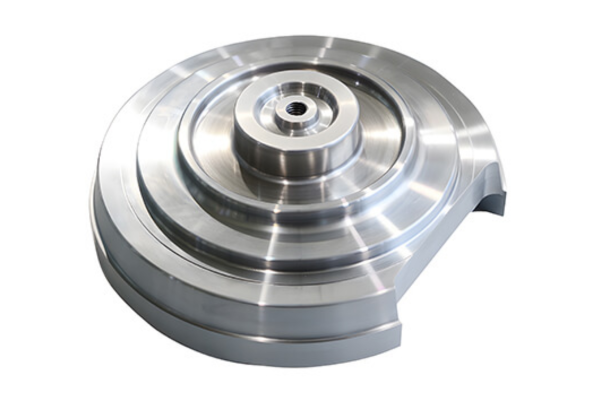
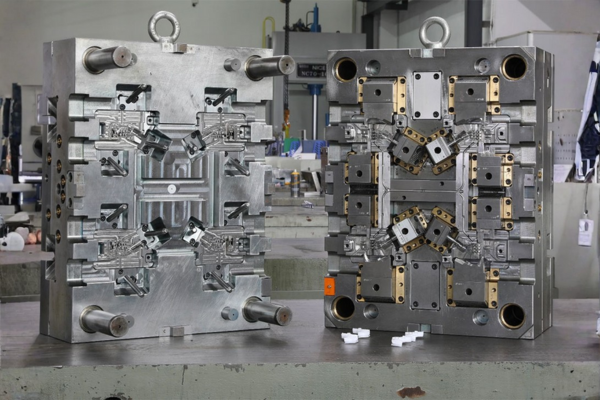
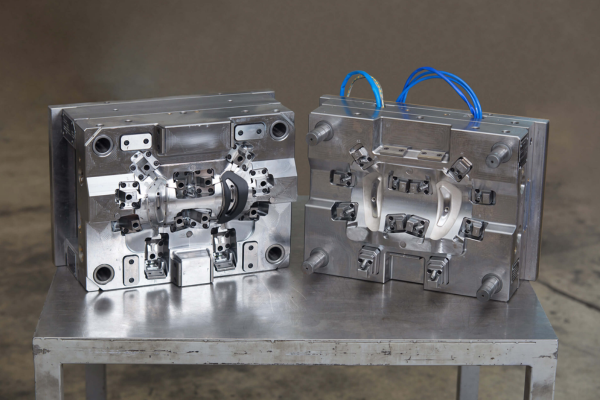
Injection mold tooling is the process of designing and CNC machining precision mold cavities that shape molten plastic into finished parts. XC Machining builds molds from aluminum 7075 (rapid prototyping), P20 pre-hardened steel (100,000+ shots), H13 hardened steel (500,000+ shots), and S136 stainless steel (1,000,000+ shots for corrosive resins).

XC Machining provides three tooling tiers: rapid prototype tooling in aluminum (15-day delivery, 5,000–10,000 shots), bridge tooling in P20 steel (20-day delivery, 100,000+ shots), and production tooling in H13/S136 steel (25–35 day delivery, 500,000–1,000,000+ shots).

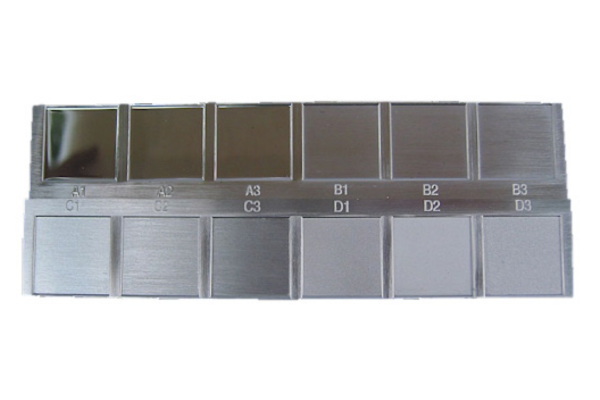
All XC Machining molds include DME or HASCO standard mold bases, Moldflow simulation for gate and cooling optimization, and SPI surface finishes from A-1 (mirror) to D-3 (textured) on mold cavities.

What Makes XC Machining Different for Injection Mold Tooling Projects?

XC Machining designs, simulates (Moldflow), CNC machines, EDM finishes, assembles, and trials injection molds in-house — from aluminum prototype tools to Class 101 hardened steel production molds with hot runner systems and conformal cooling.

Full In-House Mold Shop

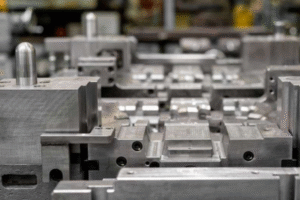
XC Machining's mold shop houses 5-axis CNC mills, wire EDM, sinker EDM, CNC surface grinders, and CNC gun drills under one roof. All mold design, steel cutting, heat treatment, EDM texturing, polishing, assembly, and T1 trials happen in-house — no outsourced steps.

5 Mold Steel Options

Mold steels: aluminum 7075 (prototype, 10K shots), P20 (pre-hardened, 100K shots), NAK80 (pre-hardened mirror polish, 300K shots), H13 (hardened 48–52 HRC, 1M shots), and S136 stainless (corrosion-resistant, 1M+ shots for PVC, PA+GF, and LSR resins).

Moldflow DFM Analysis

Every mold project receives Moldflow simulation analyzing fill pattern, weld line location, air trap positions, cooling uniformity, warpage prediction, and gate location optimization — all before cutting steel. DFM report and Moldflow results delivered within 48 hours of file upload.

Mold Surface Finish (SPI)

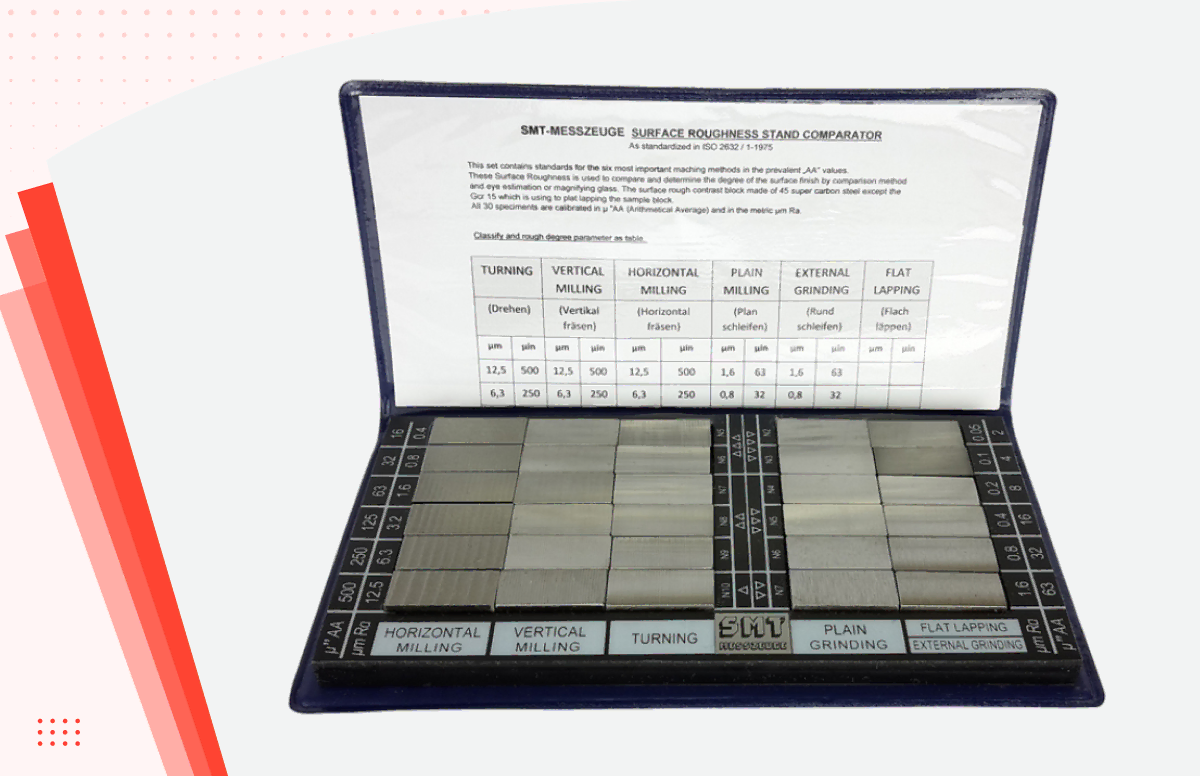
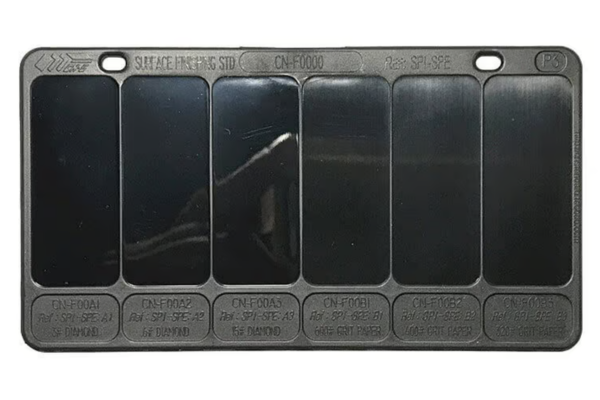
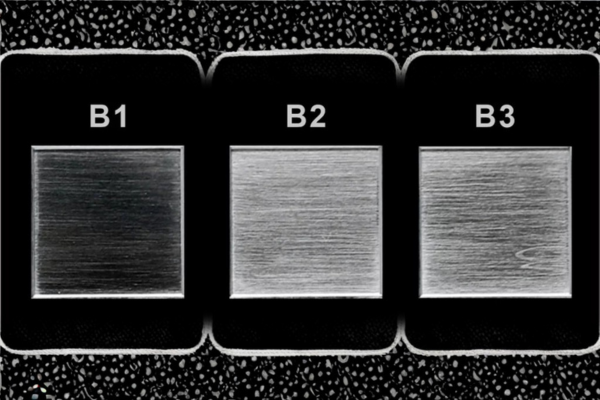
Mold cavity finishes per SPI standard: A-1 diamond polish (Ra 0.012 μm, optical), B-1 stone polish (Ra 0.05 μm, semi-gloss), C-1 stone finish (Ra 0.35 μm, matte), D-1 sandblast (Ra 0.8 μm, textured). Mold-Tech and VDI custom textures available.
What Tolerances Does XC Machining Hold on Injection Mold Tooling?

 XC Machining holds mold tooling tolerances per the specifications below. Mold cavity accuracy directly determines molded part dimensional accuracy, surface quality, and production repeatability.

DescriptionSpecification
Mold Cavity Precision±0.005 mm on critical dimensions
Mold Surface FinishRa 0.012 μm (SPI A-1) to Ra 3.2 μm (SPI D-3)
Core-to-Cavity Alignment±0.01 mm (ensured by guided ejection and interlocking parting line)
Ejection System Tolerance±0.01 mm ejector pin positional accuracy
Parting Line Mismatch≤0.02 mm step across parting line
Cooling Channel Position±0.5 mm from nominal (CNC gun drilled)
Mold Base Parallelism±0.002 mm across full mold plate
Shut-Off Surface Flatness±0.005 mm
Tool Life (Aluminum)5,000–10,000 shots
Tool Life (P20 Steel)100,000–500,000 shots
Tool Life (H13/S136 Steel)500,000–1,000,000+ shots
Lead Time (Prototype Al)10–15 business days
Lead Time (Bridge P20)15–20 business days
Lead Time (Production H13/S136)25–35 business days


What Surface Finishes Can XC Machining Apply to Mold Cavities?

Mold cavity surface finish determines the final molded part appearance and functionality. XC Machining finishes mold cavities per SPI standards using diamond polishing, stone polishing, EDM texturing, and hard coating.

Polishing

Diamond polishing achieves SPI A-1 (Ra 0.012 μm) mirror finish on mold cavities for optical-grade transparency in molded lenses, light guides, and clear medical device housings. SPI A-2/A-3 grades (Ra 0.025–0.05 μm) for high-gloss cosmetic parts.

Texturing

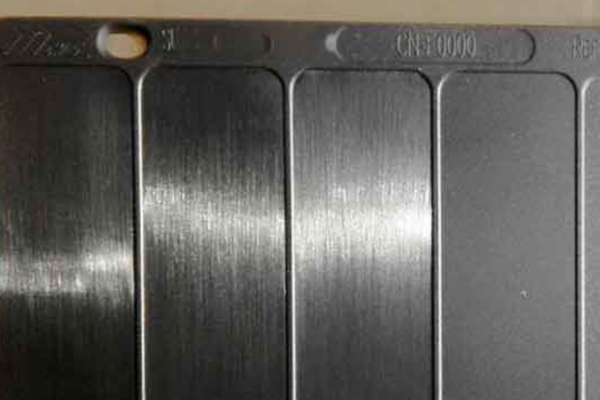
Mold-Tech, VDI, or EDM texturing etched into mold cavity steel produces leather grain (VDI 33–36), geometric stipple, or custom patterns at Ra 1.6–12.5 μm on molded parts. Minimum draft angle of 1.5°/side per 0.025 mm texture depth.

Hard coating

 TiN (titanium nitride), TiCN, or DLC (diamond-like carbon) hard coatings add 1–5 μm wear-resistant layer to mold cavity surfaces, extending tool life 30–50% on abrasive glass-filled resins. Cavity surface hardness increases from 52 HRC (H13 base) to 80+ HRC equivalent with coating.

Electropolishing

Electropolishing removes 5–15 μm from S136 stainless steel mold cavities, achieving Ra 0.05–0.1 μm with enhanced corrosion resistance — required for PVC, LSR, and halogenated resin processing that attacks conventional tool steels.

Sanding

Stone polishing (SPI B-1 to B-3) achieves Ra 0.05–0.1 μm semi-gloss mold cavity finish using progressively finer diamond stones — the standard finish for industrial functional parts where optical clarity is not required.

Vibratory finishing

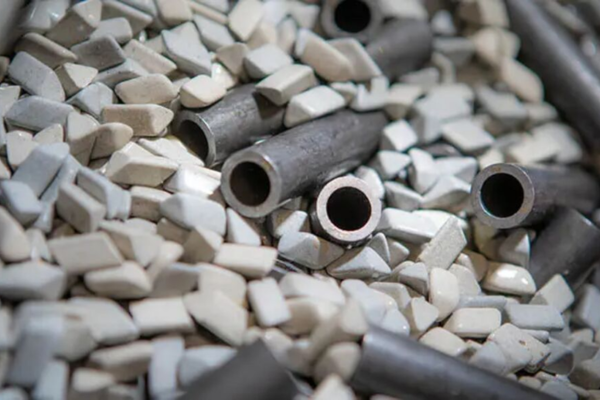
 Vibratory finishing deburrs and polishes small mold components — ejector pins, core pins, lifters, and slides — to Ra 0.2–0.4 μm for smooth operation and reduced friction during mold cycling.

Specialist Industries

XC Machining is a trusted partner for industries demanding complexity, reliability and precision. Our expensive experience in producing millions of high quality components brings unmatched expertise to every project. Our services cover a diverse range of applications to ensure that we meet the unique needs of each sector with great care.

Our Injection Mold Tooling Prototype Manufacturing Capabilities

As a leader in precision manufacturing, we offer a wide range of capabilities that cater to both one-off prototyping and low-volume production. We specialize in delivering geometrically complex and highly cosmetic parts, ensuring the highest quality standards. At XC Machining, we pride ourselves on being the go-to manufacturer for all your Injection Mold Tooling needs, providing reliable and efficient solutions under one roof.
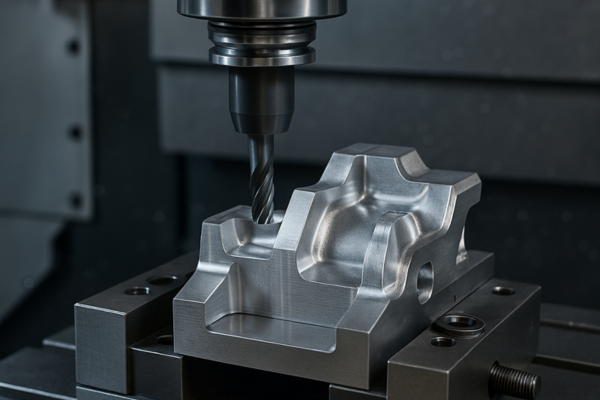
With 3, 4, and 5-axis CNC machining services, we can produce complex prototypes and parts with precise tolerances. More than 60+ materials are available for you to choose from.

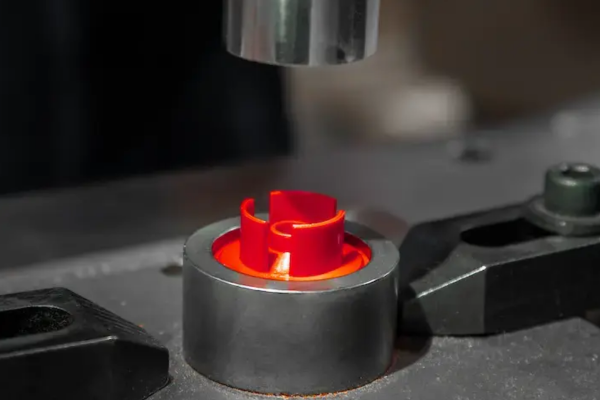
Provides injection molding for prototypes and custom parts, emphasizing expert support, competitive pricing, and faster production cycles.

Get reliable vacuum casting services for high-quality prototypes and production parts at competitive prices. XinCheng offers highly detailed casting parts with consistent quality.

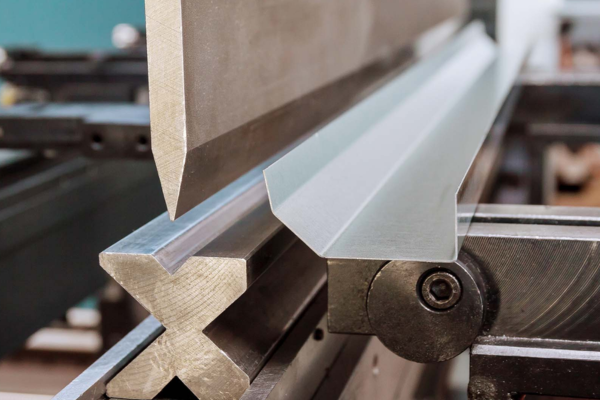
Uses cutting, bending, and forming techniques to produce precision metal components suited for industrial, commercial, and manufacturing applications.

Get In Touch

Bring Your Designs to Life with XC Machining

Experience precision engineering with XC Machining. From detailed prototypes to high-volume production, we’re here to turn your concepts into reality. Contact us today to discuss your project needs!
Get In Touch With Us!
Prompt response guaranteed within 12 hours

Injection Mold Tooling Frequently Asked Questions

Mold tooling quality directly determines:

(1) part dimensional accuracy — a ±0.005 mm mold cavity produces ±0.05 mm parts, while a ±0.02 mm cavity produces ±0.1 mm parts,

(2) surface quality — SPI A-1 polished cavities produce optical-grade parts; poorly finished cavities produce cloudy or marked surfaces,

(3) tool longevity — H13 steel at 50 HRC lasts 1,000,000+ shots while P20 at 30 HRC lasts 100,000 shots, and

(4) cycle time — optimized cooling channels reduce cycle time by 20–40%.

XC Machining’s mold tooling process:

(1) part DFM review and Moldflow simulation — 48 hours,

(2) mold design in 3D CAD with gate, runner, cooling, and ejection layout — 3–5 days,

(3) CNC machining of core and cavity from selected steel — 5–15 days,

(4) wire EDM and sinker EDM for details and textures — 2–5 days,

(5) SPI surface finishing and polishing — 1–3 days,

(6) mold assembly, fitting, and T1 trial — 1–2 days. Total: 15–35 days depending on mold class.

Seven key mold design factors:

(1) part geometry — draft angles, undercuts, and wall uniformity,

(2) gate type and location — submarine, edge, pin, or valve gate,

(3) runner system — cold runner or hot runner with manifold,

(4) cooling channel layout — conventional, baffle, or conformal cooling for uniform temperature,

(5) ejection method — pin, sleeve, stripper plate, or air ejection,

(6) parting line location — affects flash and cosmetic surface,

(7) steel selection — based on resin type, shot volume, and required cavity finish.

Mold tooling lead times at XC Machining by class: Class 105 aluminum prototype molds — 10–15 business days, Class 104/103 P20 bridge molds — 15–20 business days, Class 102 H13 production molds — 25–30 business days, Class 101 S136 ultra-high-volume molds — 30–35 business days. All lead times include design, machining, finishing, assembly, and T1 trial with sample parts shipped for customer approval.

Mold tooling cost depends on:

(1) mold class — Class 105 aluminum ($2,000–$8,000) vs Class 101 hardened steel ($15,000–$80,000+),

(2) number of cavities — single-cavity vs multi-cavity multiplies machining time,

(3) runner type — hot runner adds $3,000–$15,000,

(4) part complexity — undercuts requiring lifters/slides add cost,

(5) surface finish — SPI A-1 diamond polish costs more than C-3 stone finish, and

(6) mold size — larger presses require larger mold bases.

Yes. XC Machining provides preventive mold maintenance (cleaning, lubrication, wear inspection) on documented schedules, engineering change orders (ECOs) for design revisions, texture re-cuts when cavity texture wears, worn cavity or core insert replacement, and complete mold refurbishment for tools approaching end-of-life. We also accept mold transfers from other suppliers — incoming molds receive full dimensional inspection, trial, and any required repair before production resumes.

CNC Manufacturing Resources