
Brass CNC Machining Service
XC Machining provides precision brass CNC machining services for custom prototypes and production components. Known for its excellent machinability, corrosion resistance, and attractive golden finish, brass is widely used for electrical connectors, threaded fittings, valves, bushings, and industrial components. Explore custom brass machining solutions tailored to your design and performance requirements.
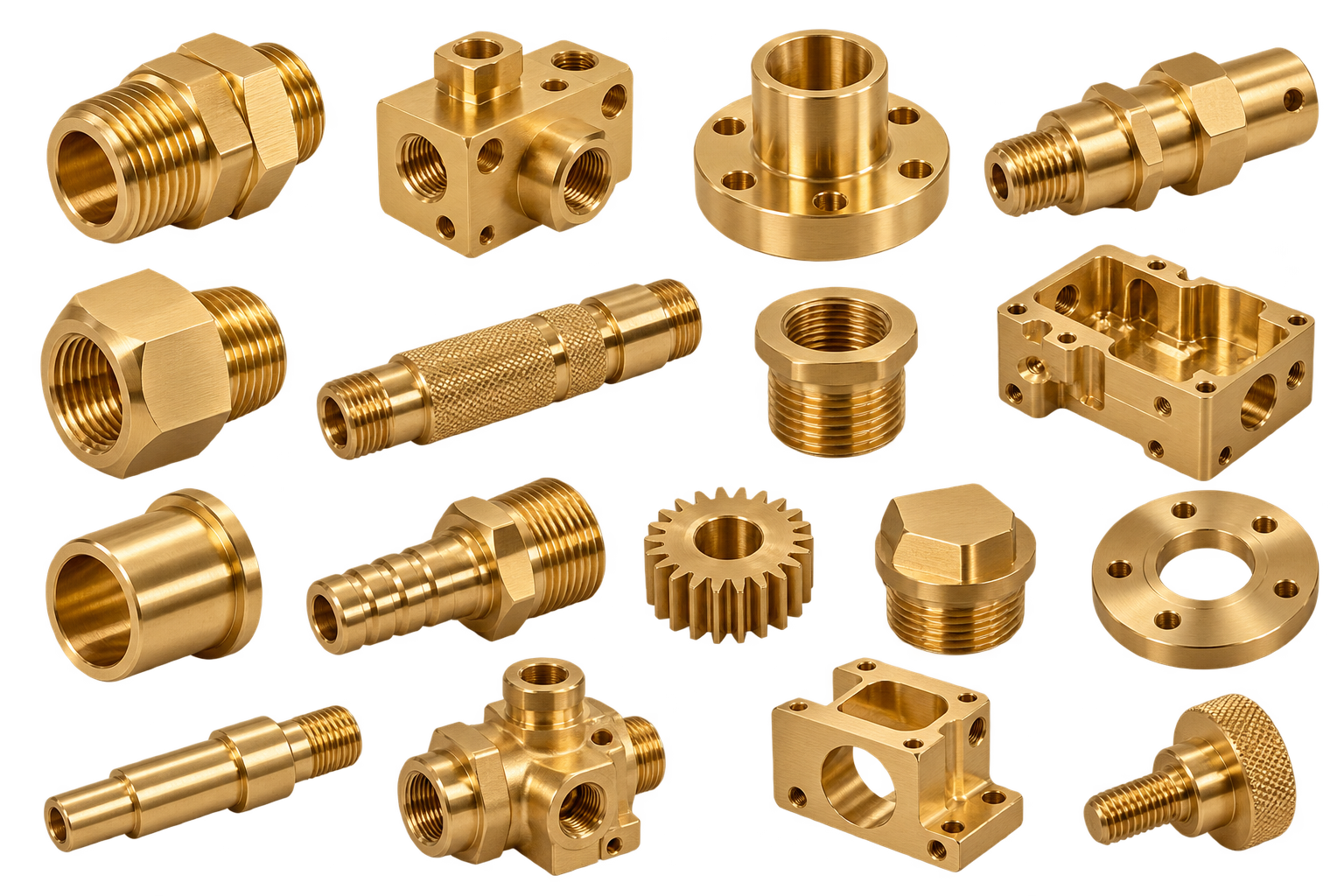
Brass in CNC Machining
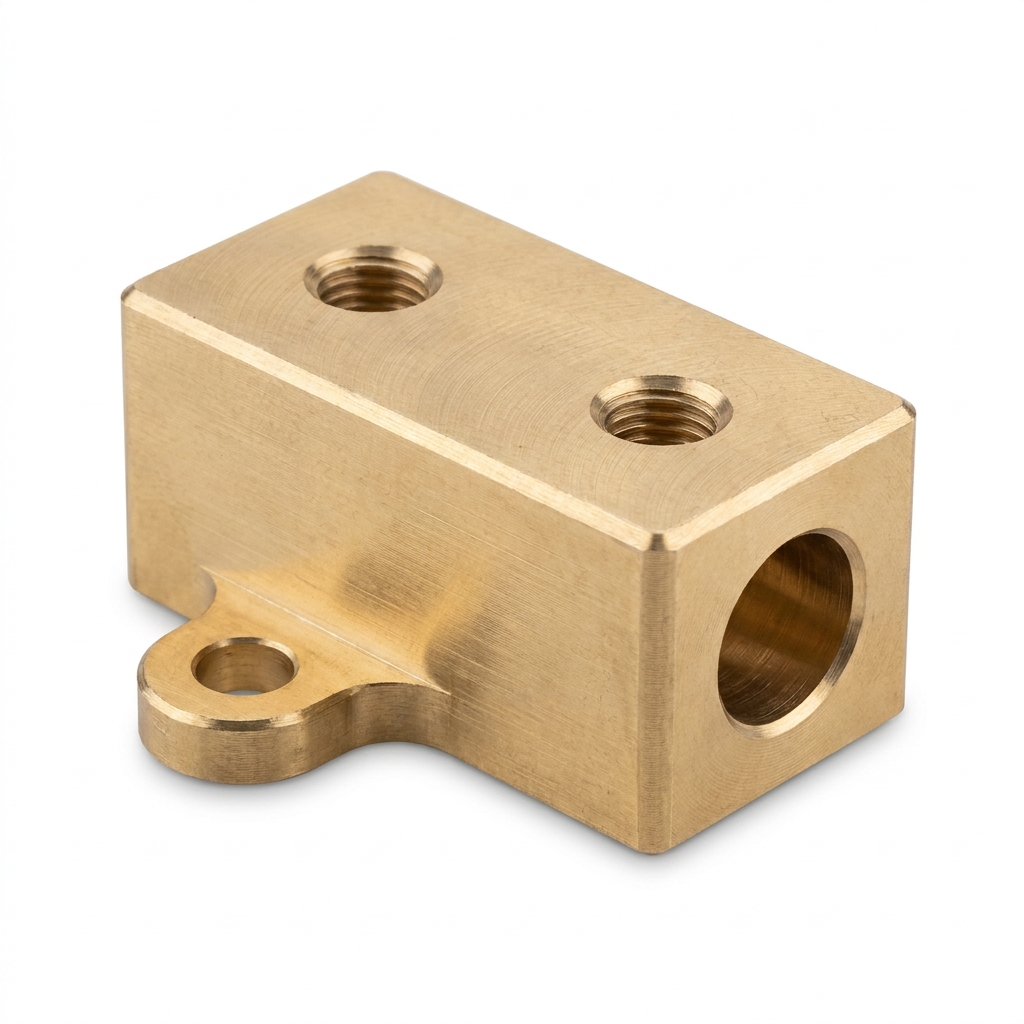
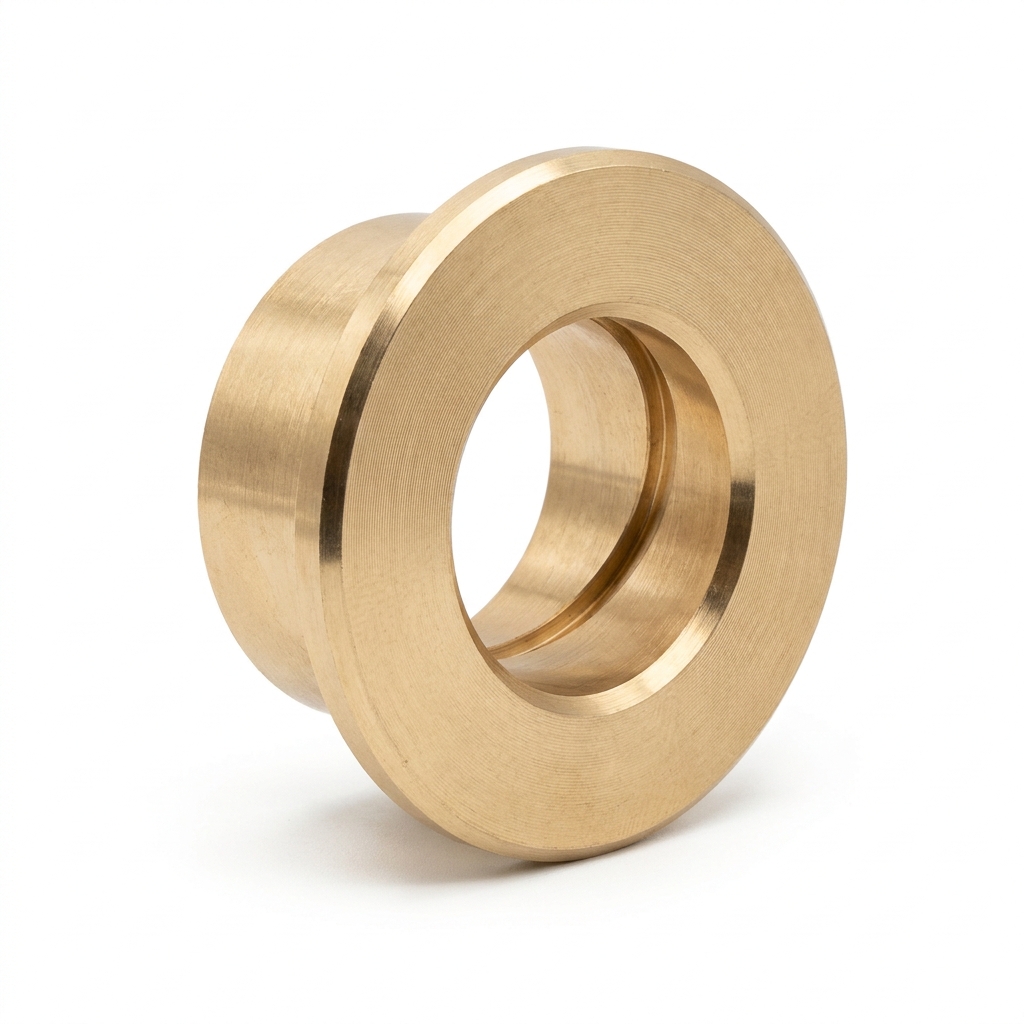
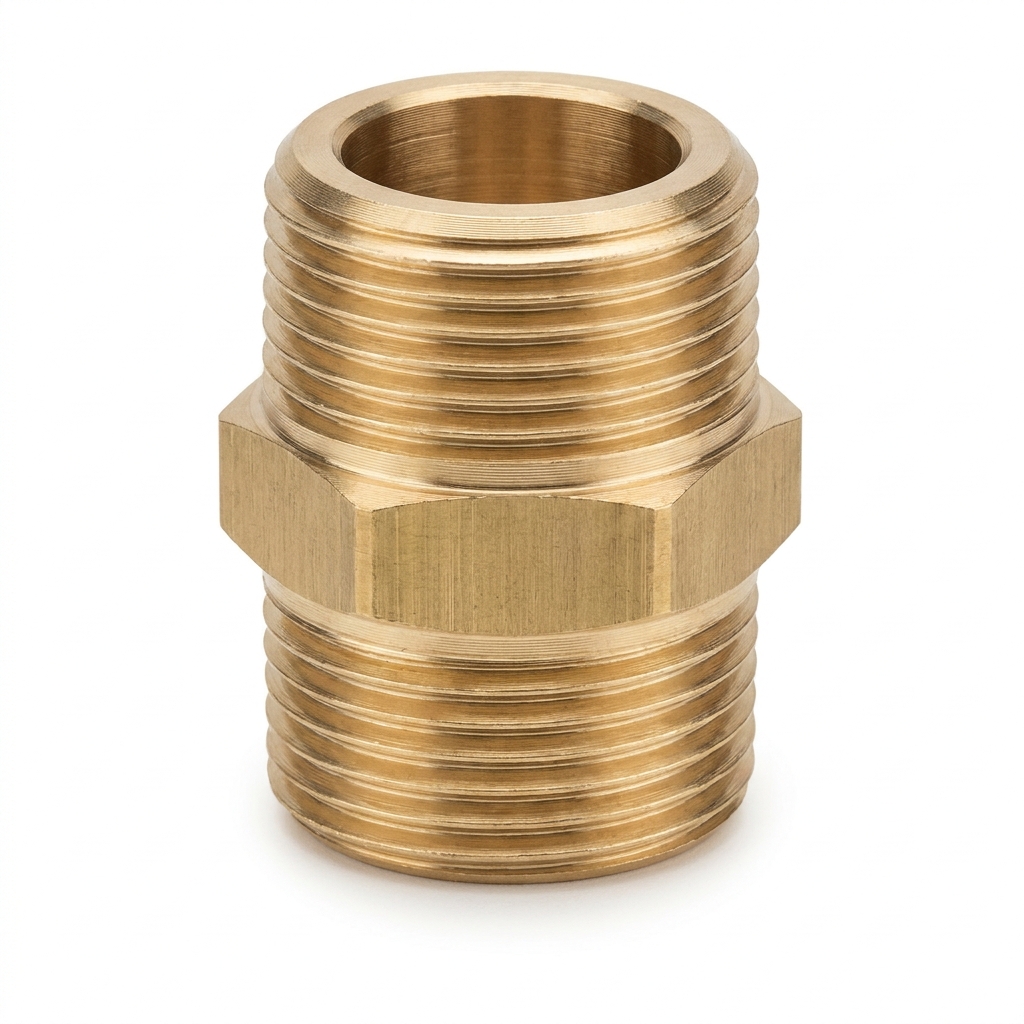
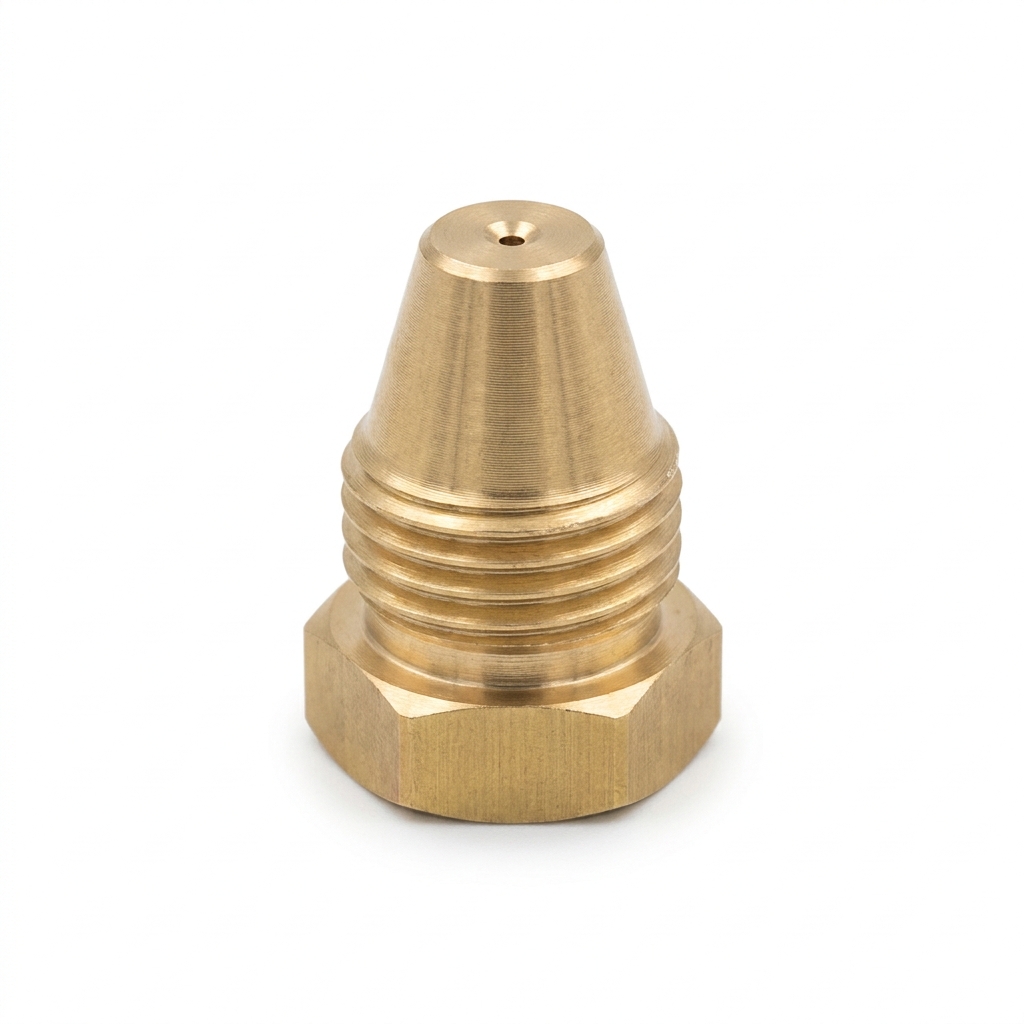
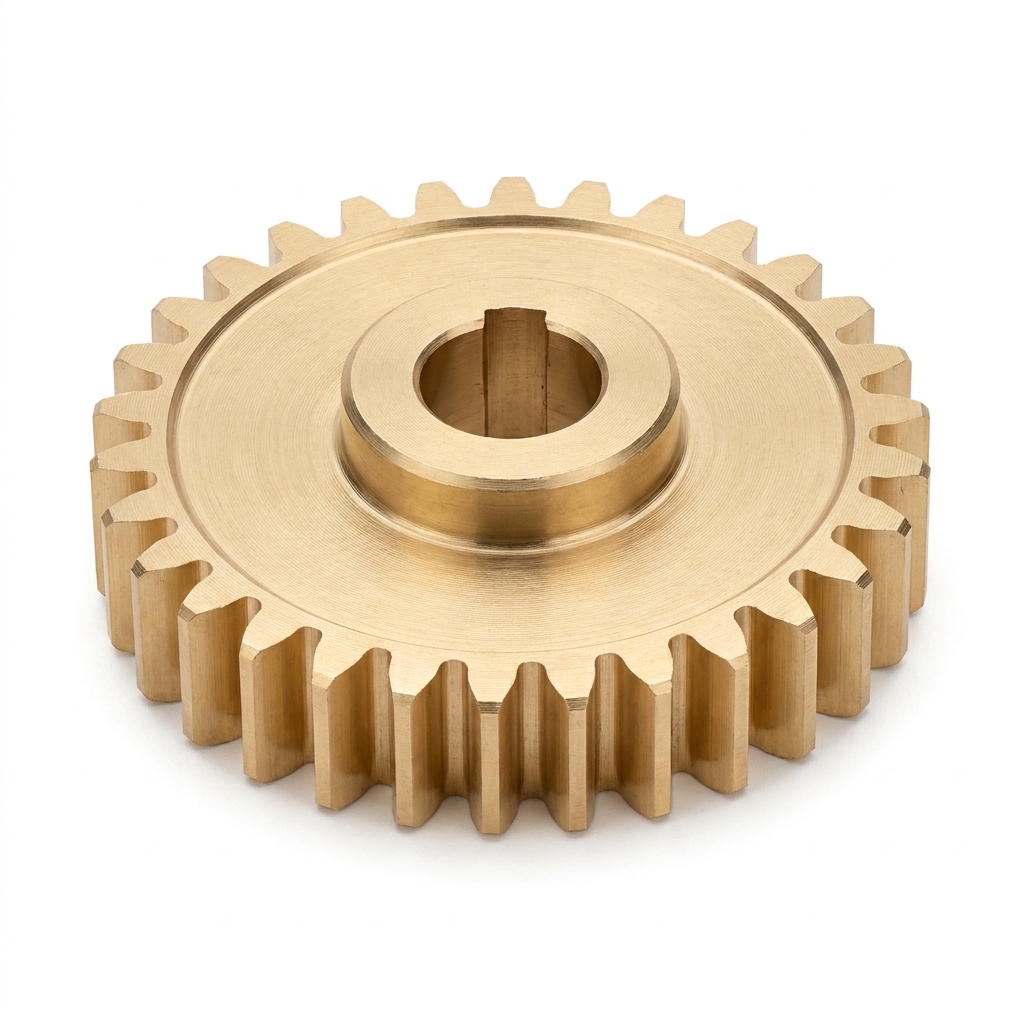
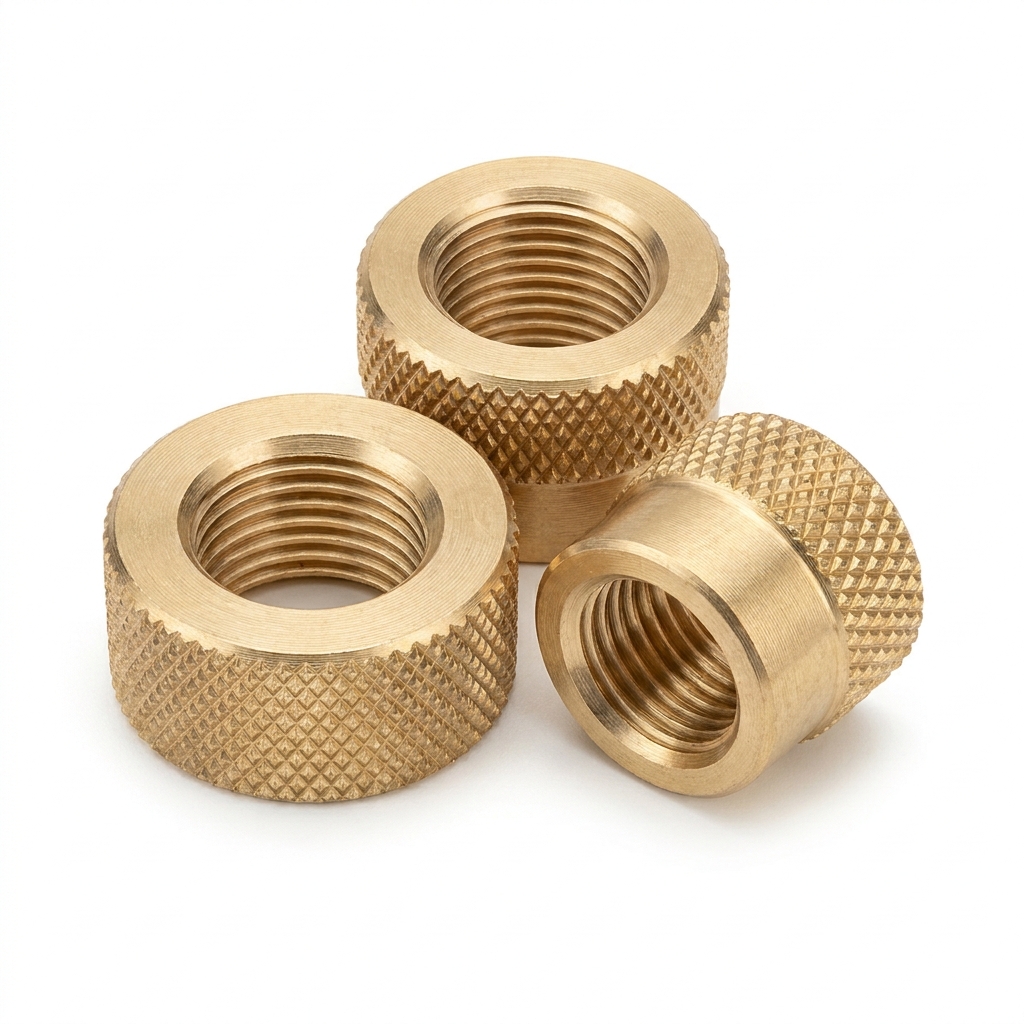
Brass is a copper-zinc alloy widely used in CNC machining for its excellent machinability, good corrosion resistance, and reliable dimensional performance. It is especially suitable for producing intricate components with precise threads, detailed features, and smooth surface finishes. Common applications include electrical terminals, plumbing fittings, valves, connectors, bushings, and precision mechanical parts. Different brass grades offer varying combinations of strength, conductivity, formability, and machining performance, allowing manufacturers to select materials based on specific project requirements.
| Alloys available | Brass C27400, C28000, C36000 |
| Price | $ |
| Lead time | Under 10 days |
| Wall thickness | 0.75 mm |
| Tolerances | ±0.125 mm (±0.005 in) |
| Max part size | 200 x 80 x 100 cm |
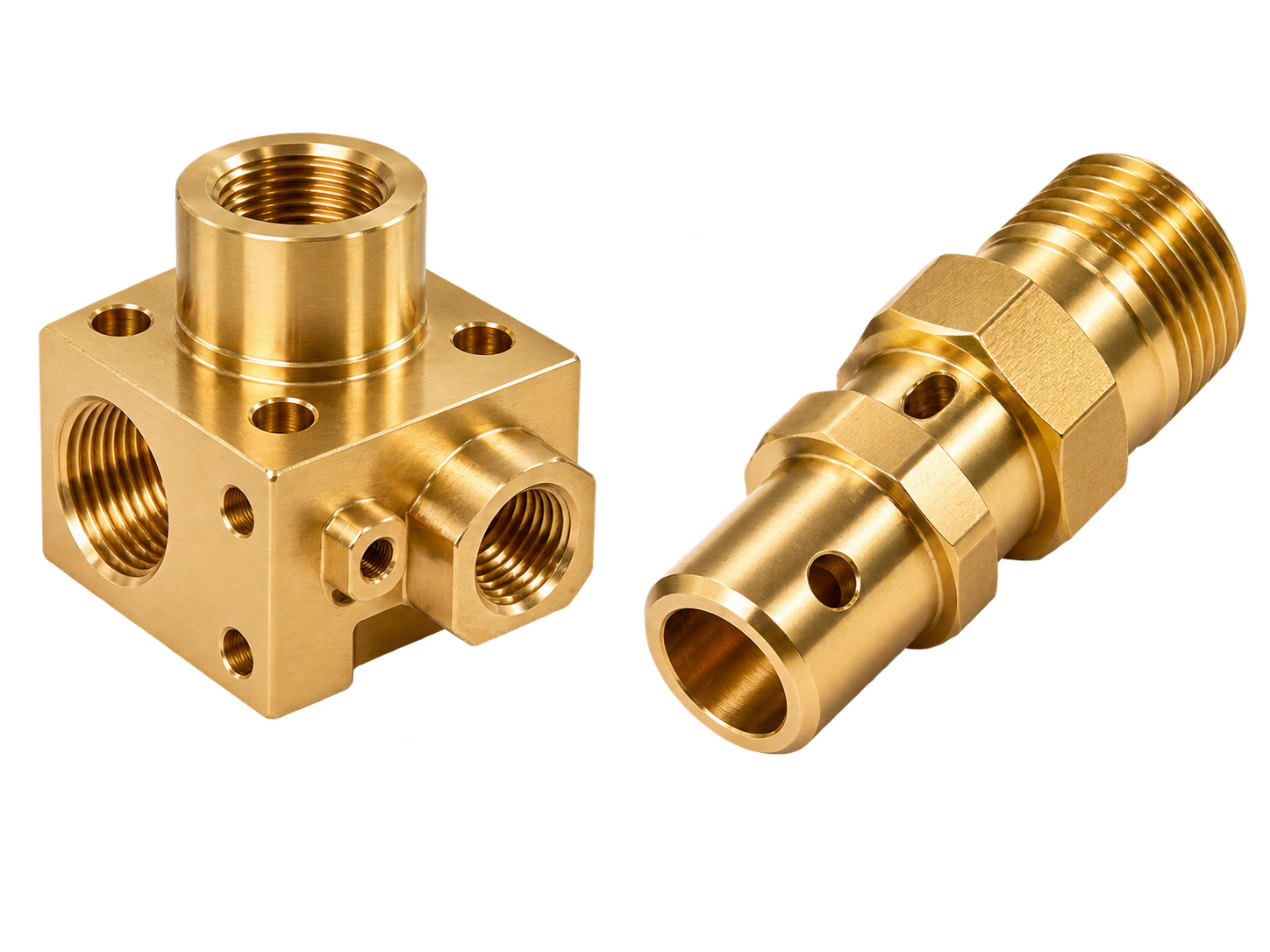
Brass C27400 (Yellow Brass)
Brass C27400 is a versatile copper-zinc alloy recognized for its good strength, ductility, and corrosion resistance. Its excellent cold-working characteristics make it suitable for components that require shaping and forming. Common applications include decorative hardware, electrical fittings, fasteners, and precision components where durability and an attractive golden appearance are important.
Brass C28000 (Muntz Metal)
Brass C28000, also known as Muntz metal, is a high-zinc brass alloy offering a useful combination of mechanical strength, toughness, and corrosion resistance in suitable environments. Its good hot-working properties make it valuable for industrial hardware, architectural fittings, and selected marine components. C28000 is often chosen for applications requiring durable brass parts with reliable structural performance.
Brass C36000 (Free-Cutting Brass)
Brass C36000 is one of the most widely used alloys for precision CNC machining due to its exceptional machinability and excellent chip-breaking characteristics. It enables efficient turning, drilling, threading, and milling while producing accurate dimensions and smooth surface finishes. Typical applications include threaded connectors, valve fittings, bushings, fasteners, and custom precision-machined components.
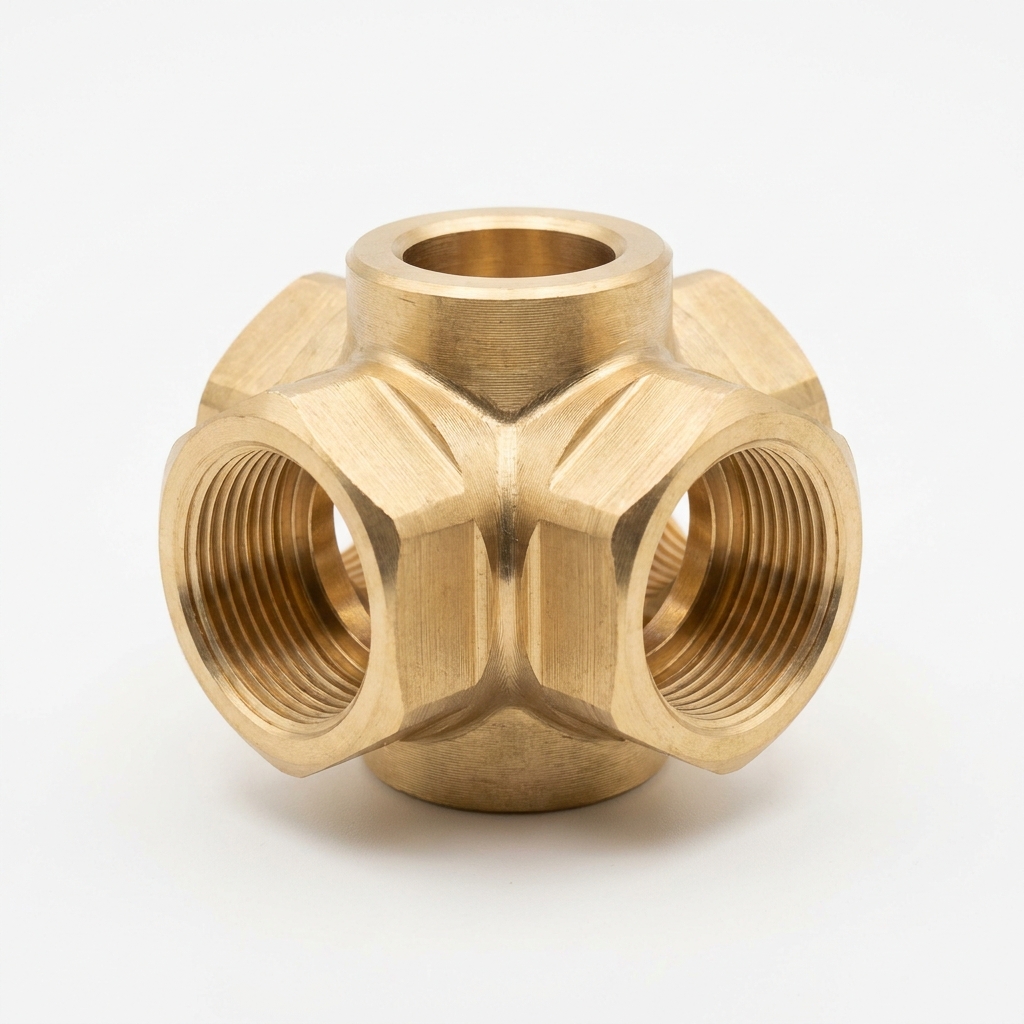
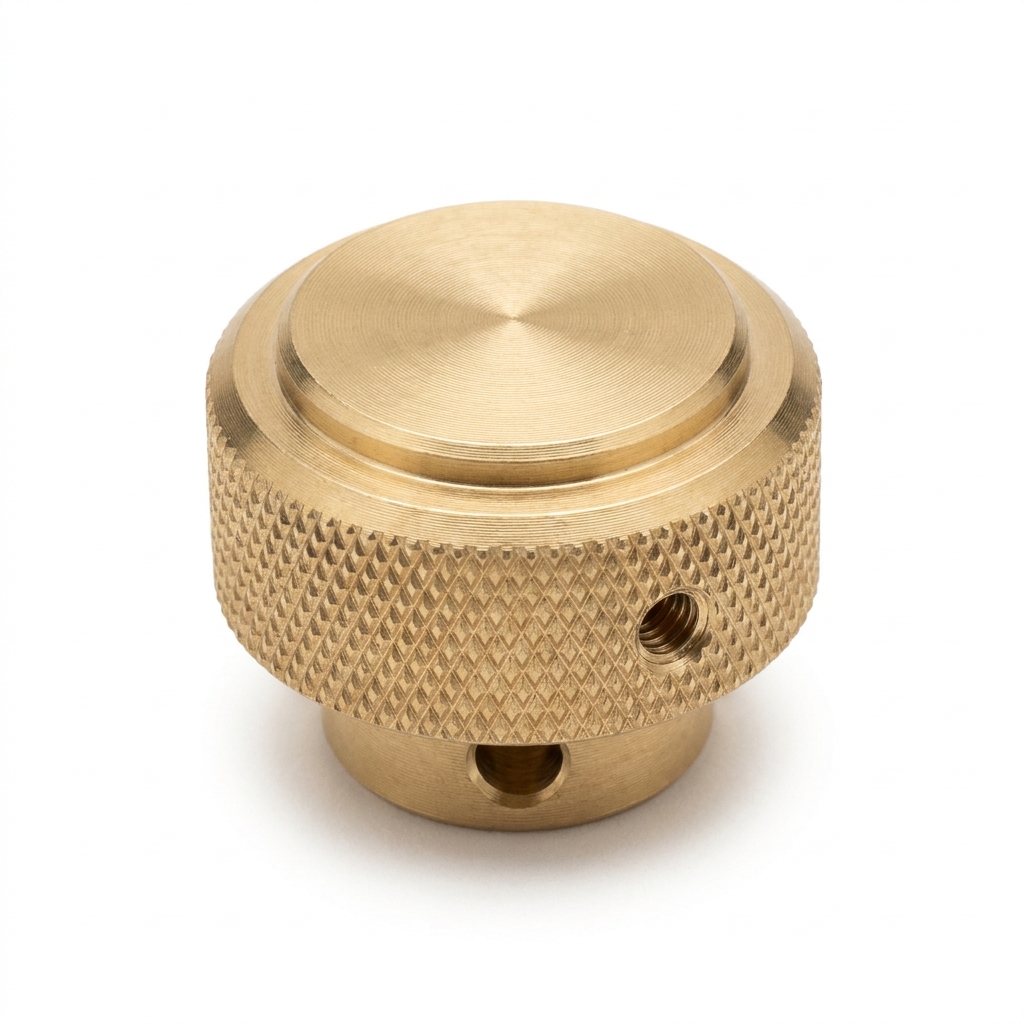
Advantages and Limitations of Brass CNC Machining
Brass is a popular choice for precision CNC machining because of its excellent machinability, corrosion resistance, and attractive appearance. Understanding its key benefits and limitations helps manufacturers select the right brass alloy for custom components and industrial applications.
- Excellent Machinability
Free-cutting brass grades enable efficient CNC milling, turning, and drilling, producing precise components with smooth surface finishes. - Good Corrosion Resistance
Brass offers reliable resistance to corrosion in many environments, making it suitable for plumbing fittings, valves, and industrial components. - Attractive Surface Finish
Its natural golden color and ability to achieve a polished finish make brass ideal for decorative hardware and visible mechanical parts. - Electrical and Thermal Conductivity
Brass provides useful electrical and thermal conductivity for connectors, terminals, and components requiring moderate heat transfer. - Versatile Industrial Applications
CNC machined brass parts are commonly used in automotive systems, electronics, plumbing equipment, and precision mechanical assemblies.
-
Higher Material Cost
Brass can be more expensive than common aluminum and carbon steel grades, increasing material expenses for certain projects. -
Susceptibility to Dezincification
Some brass alloys may experience zinc loss in aggressive environments, potentially reducing mechanical strength and long-term durability.
Bring Your Designs to Life with XC Machining
Experience precision engineering with XC Machining. From detailed prototypes to high-volume production, we’re here to turn your concepts into reality. Contact us today to discuss your project needs!
- Expertise Shared Widely
- Market Reach Expanded
- Advanced Technology Integrated
- Collaborative Innovation Opportunities
- All uploads are secure and confidential
Brass CNC Machining FAQs
1. Why Is Brass a Popular Material for CNC Machining?
Brass is widely used in CNC machining because of its excellent machinability, corrosion resistance, and attractive surface finish. It is particularly suitable for manufacturing precision fittings, electrical connectors, threaded components, valves, and custom industrial parts.
2. Which Brass Grade Is Best for Precision CNC Machining?
Brass C36000 is one of the most popular choices for precision CNC machining due to its excellent cutting performance and chip-breaking properties. Other grades, such as C27400 and C28000, are suitable for applications requiring different combinations of strength, formability, and corrosion resistance.
3. What Cutting Speeds Are Recommended for CNC Machining Brass?
Cutting speeds depend on the brass alloy, cutting tool material, machining operation, and part geometry. Free-machining grades such as C36000 generally support higher cutting speeds than less machinable brass alloys. Proper tool selection and optimized cutting parameters help improve productivity and surface quality.
4. Is Brass Easier to CNC Machine Than Aluminum?
Free-cutting brass grades such as C36000 can be easier to machine than certain aluminum alloys because they produce shorter chips and provide excellent dimensional control. However, machining performance depends on the specific alloy, cutting tools, and manufacturing conditions.
5. How Can You Achieve Better Surface Finishes When CNC Machining Brass?
High-quality surface finishes can be achieved by using sharp cutting tools, appropriate cutting speeds, controlled feed rates, and stable workholding. Selecting a suitable brass grade and optimizing machining parameters also help minimize burrs, improve dimensional accuracy, and produce smooth, consistent surfaces.