
Copper CNC Machining Service
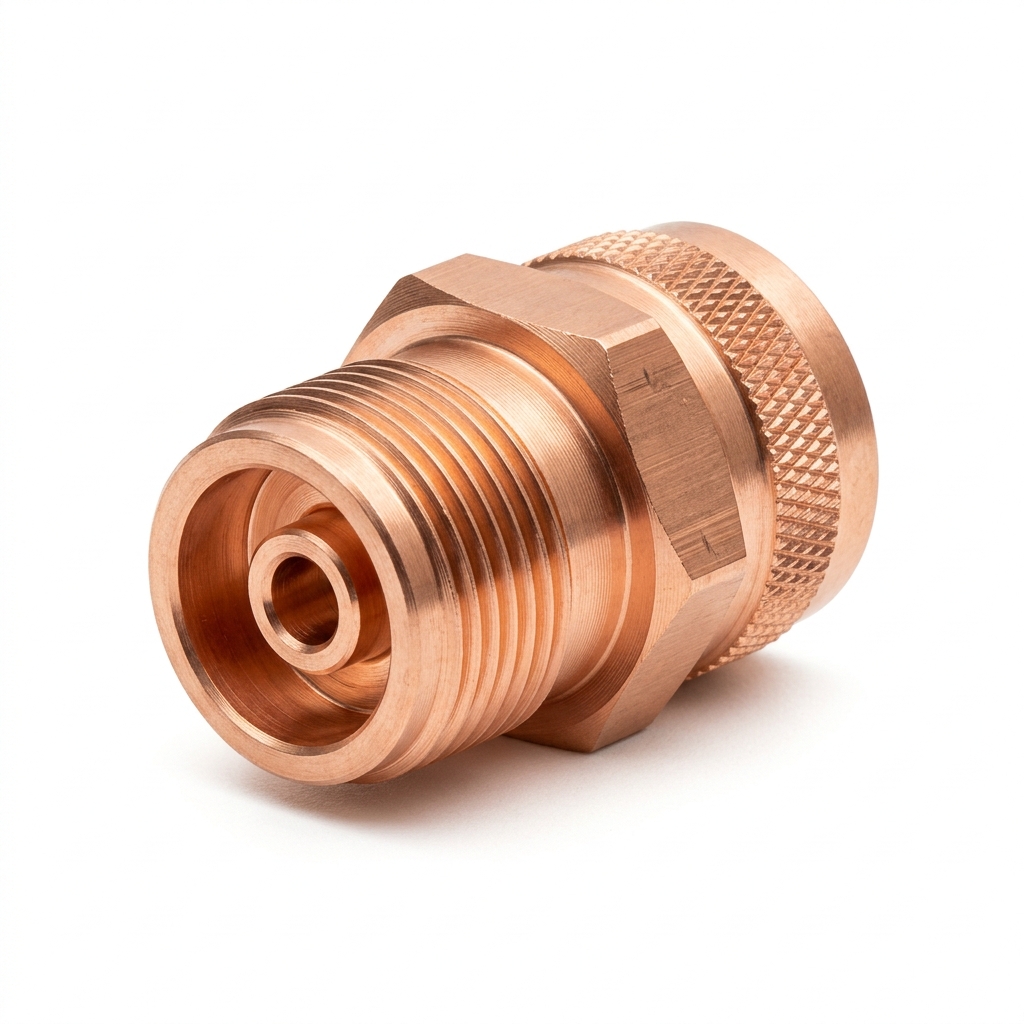
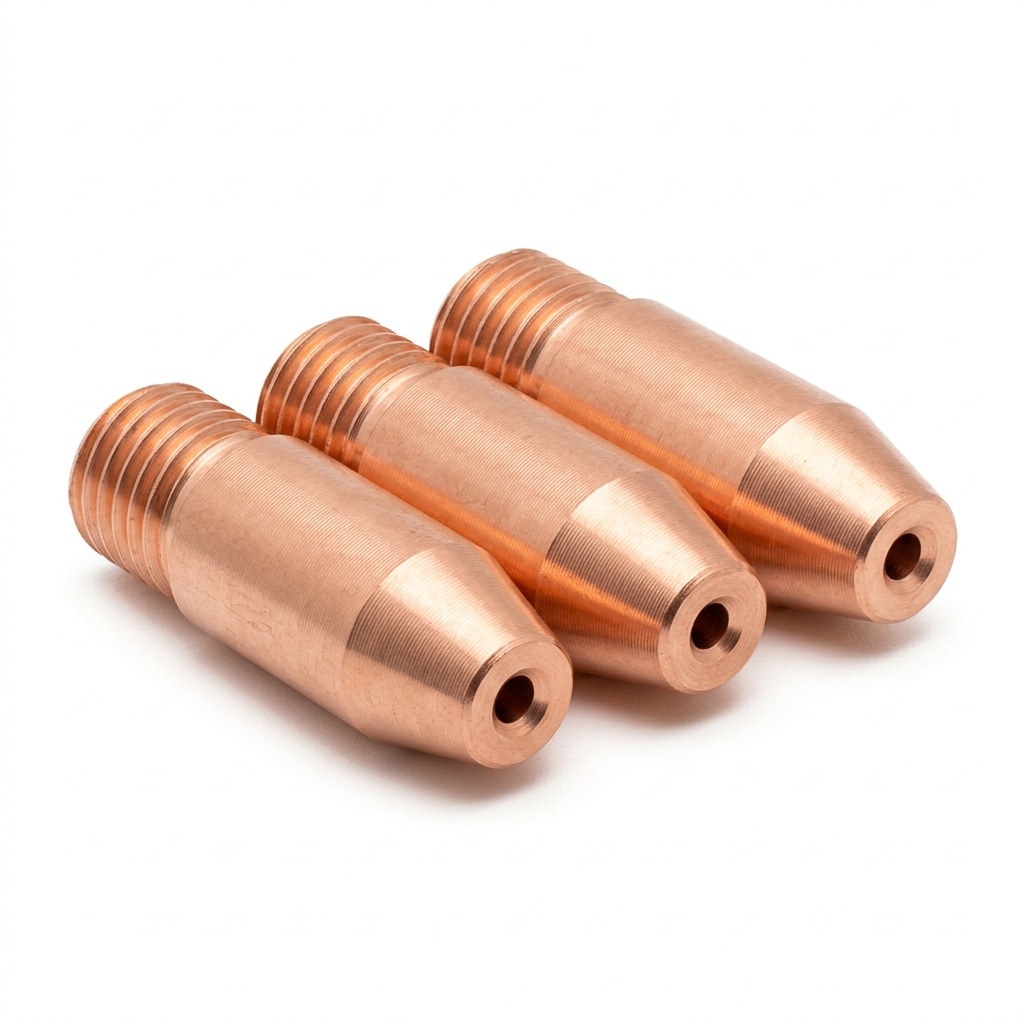
XC Machining provides copper CNC machining for US product teams, from custom prototypes to production parts. Copper carries current, moves heat and resists corrosion. That is why electrical, electronics and industrial teams use it for contacts, heat sinks, connectors and busbars.
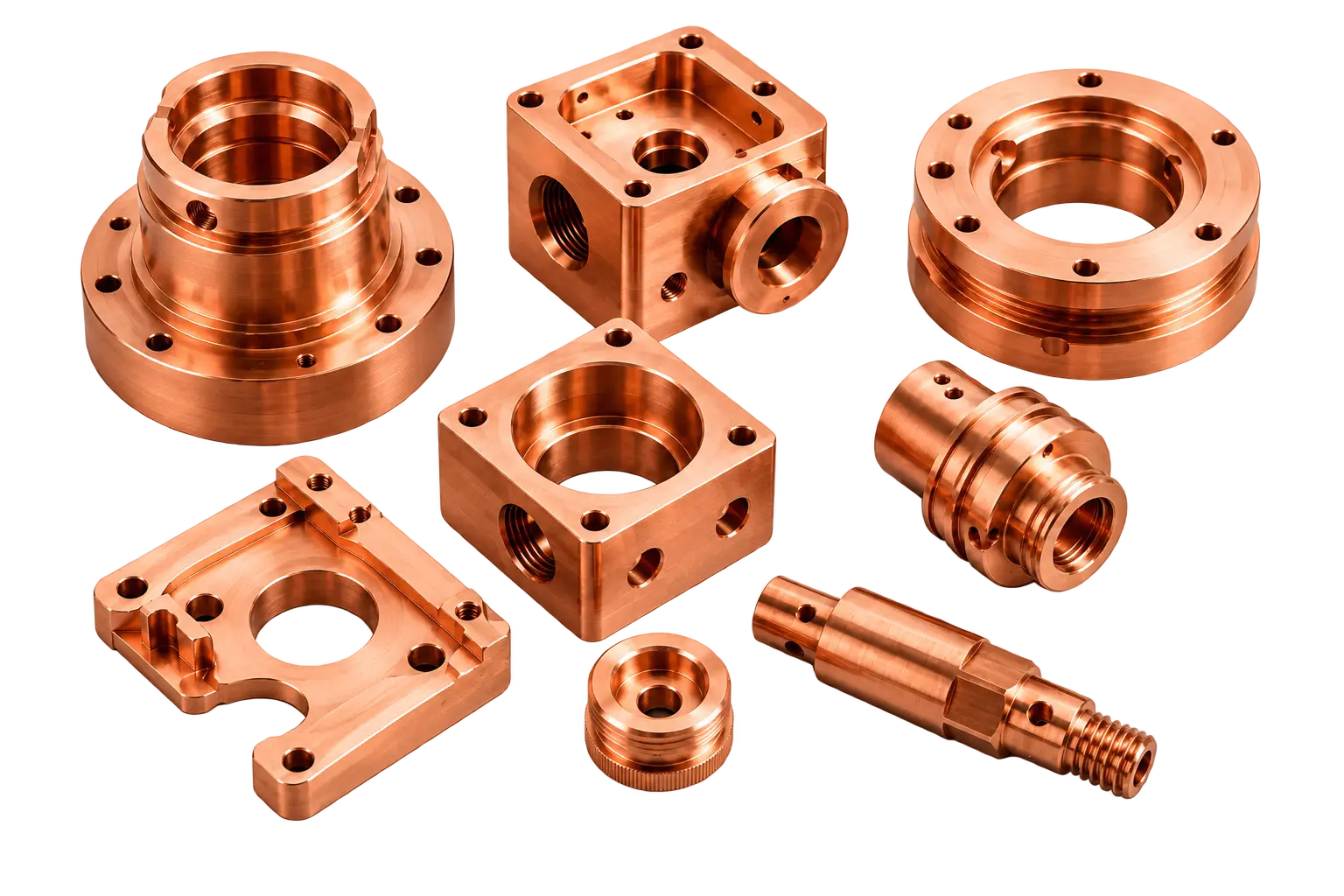
Copper in CNC Machining
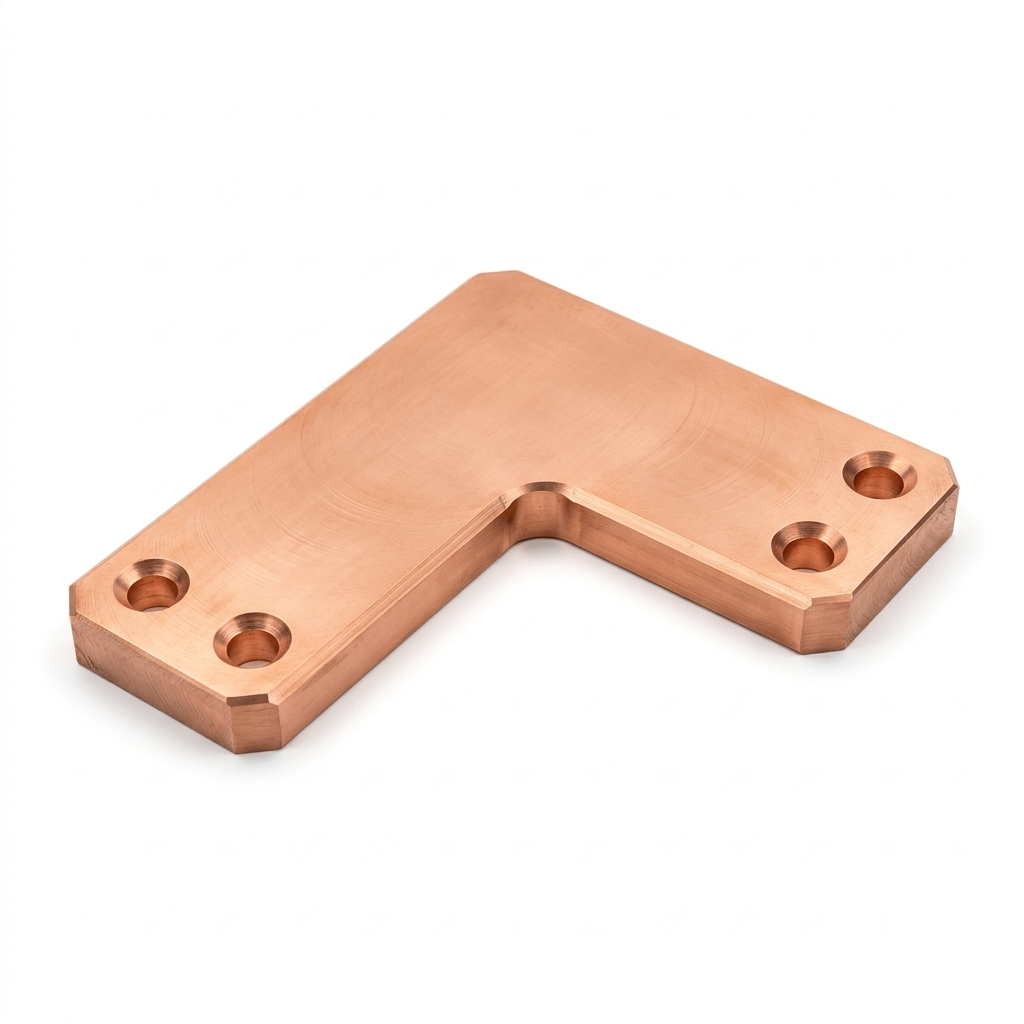
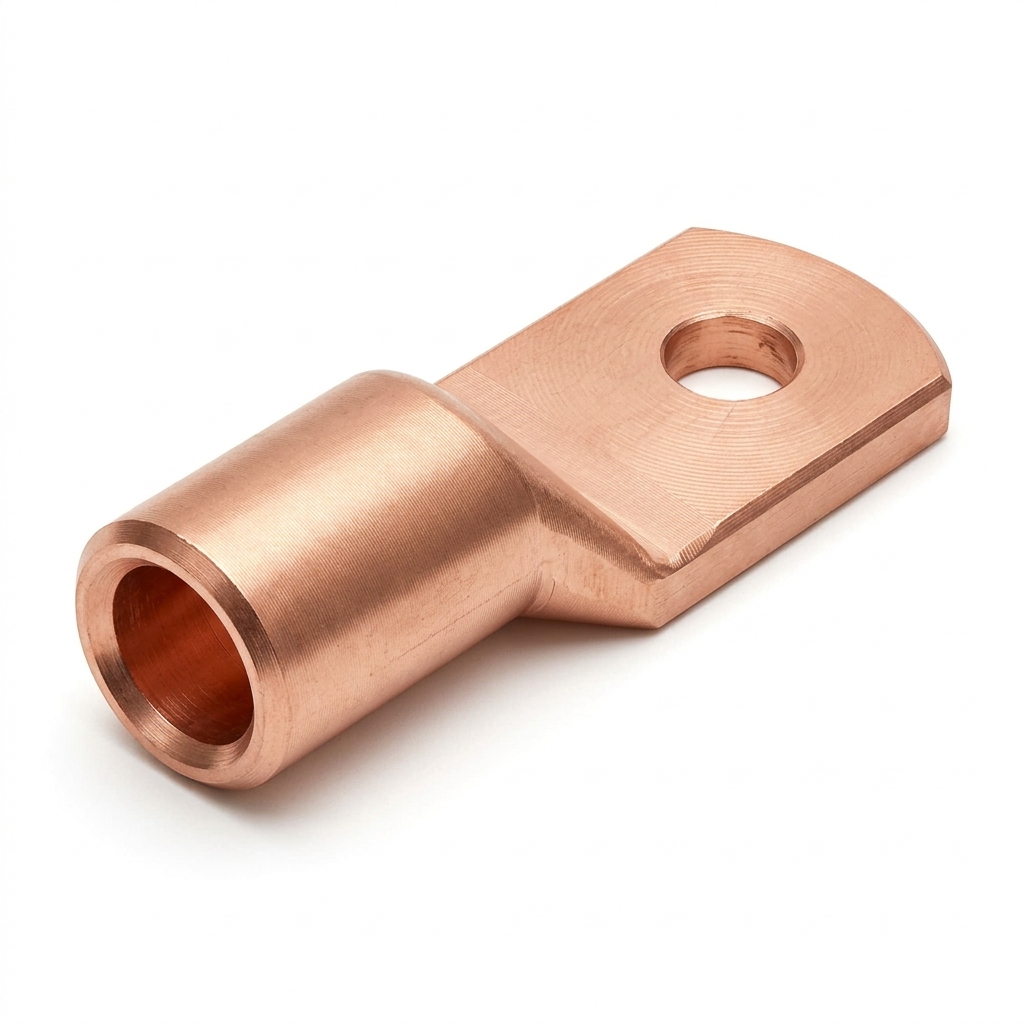
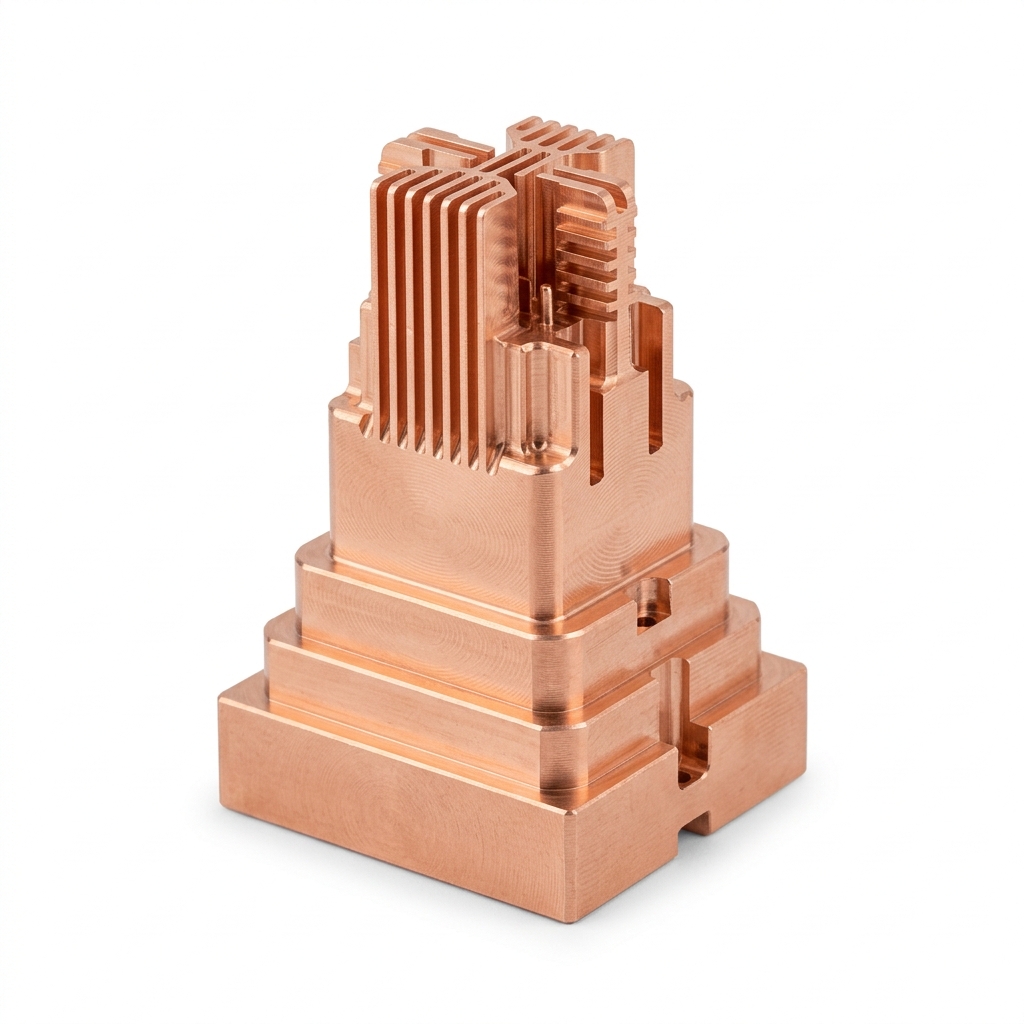
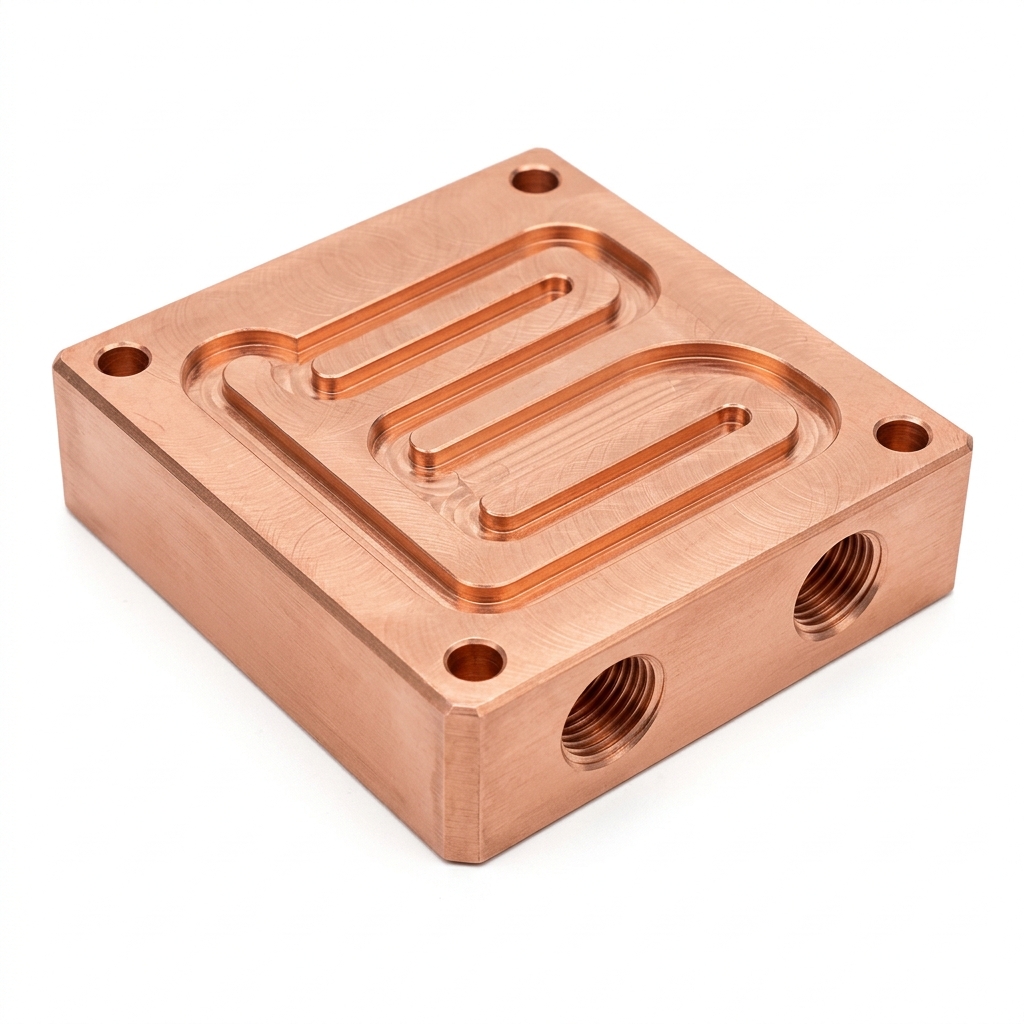
Copper suits precision parts that need strong electrical conductivity, heat transfer and corrosion resistance. Electronics, power and industrial equipment use it for connectors, heat sinks, terminals and custom parts.
Our CNC machining page covers the process, and the materials page lists every other metal and plastic we cut. For an easier cut with lower conductivity, look at brass. For lighter heat sinks, look at aluminum.
| Grades | C101, C102, C110, C145, C172 |
| Price | High |
| Lead time | Under 10 days |
| Minimum wall thickness | 0.75 mm |
| Tolerance | ±0.125 mm standard, down to ±0.005 mm on tight features |
| Maximum part size | 200 × 80 × 100 cm |
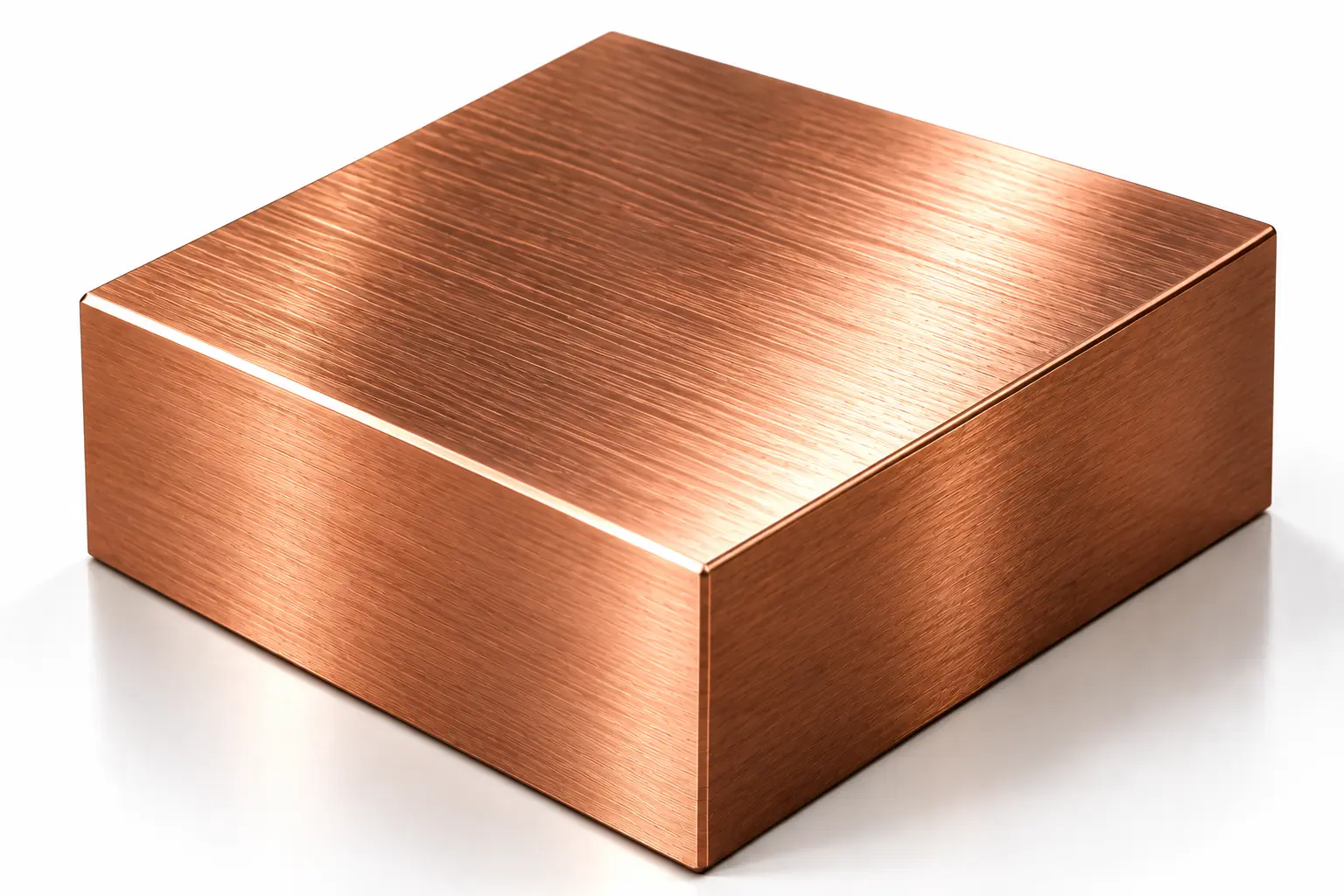
Copper Grades
Each card gives the use first and the figures after it. The figures keep the labels on XC’s own table. Units are MPa, Brinell hardness and g/cm³. Ask for the mill certificate of your grade and temper before you lock a design to them.
C101 Copper (OFE)
C101 is a high-purity, oxygen-free copper. It has exceptional electrical and thermal conductivity, excellent ductility and good corrosion resistance. Precision electrical contacts, conductive terminals, heat transfer parts and specialized electronic equipment use it.
Copper C103 (T1)
C103 is a high-conductivity, oxygen-free copper. It has excellent formability, thermal performance and corrosion resistance. Its low oxygen content suits electrical and industrial parts where purity and steady conductivity matter. Electrical connectors, precision terminals and heat management systems use it.
Copper C103 (TU2)
Copper C103 TU2 combines strong thermal conductivity with good weldability and ductility. That makes it a practical choice for heat exchangers, electrical connectors, busbars and custom machined parts.
Copper C110 (TU0)
Copper C110, also called electrolytic tough pitch copper, has excellent electrical conductivity and good machinability. Electrical parts, wiring components, terminals, conductive fittings and industrial parts use it.
Advantages and Limitations of Copper
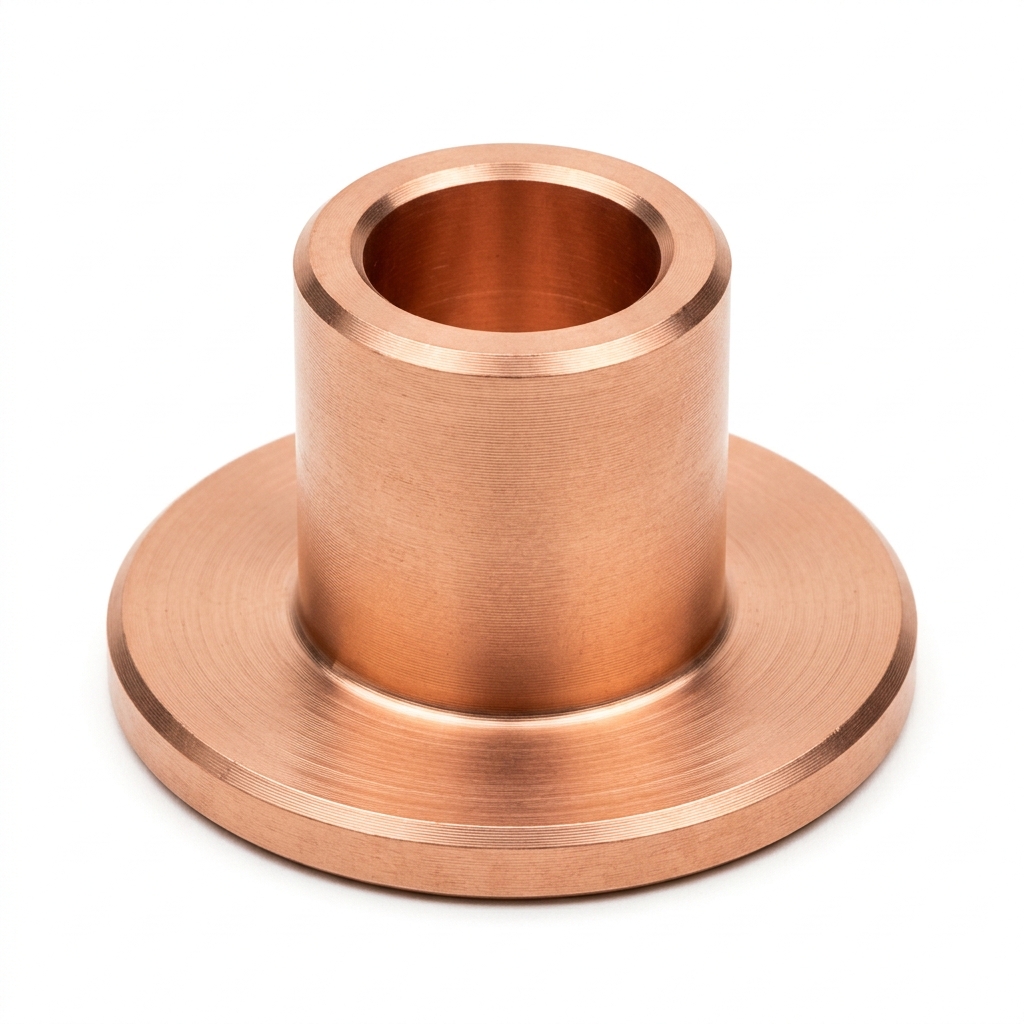
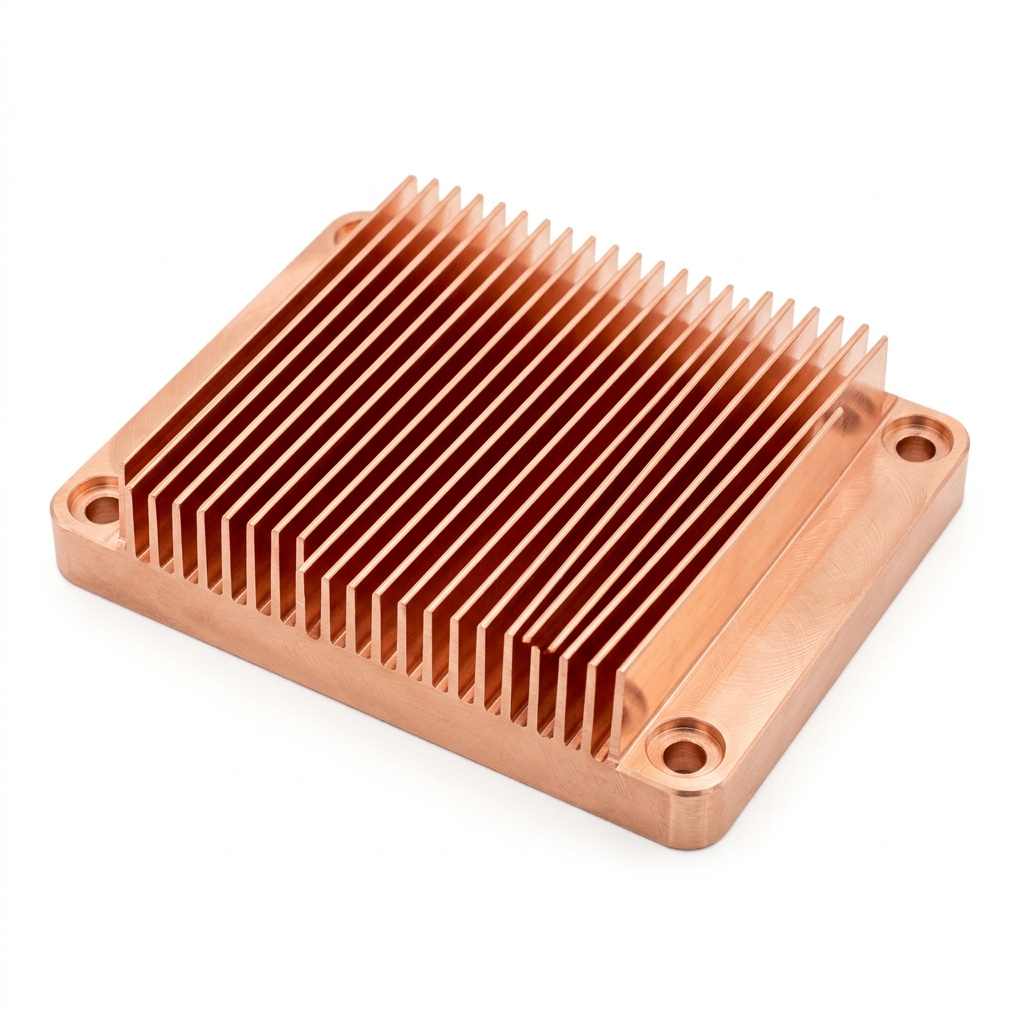
Copper is widely used in CNC machining for its conductivity, heat transfer and corrosion resistance. Its softness and cost make machining harder, so the right grade and setup matter.
- Excellent electrical conductivity.
Copper carries current well, which suits terminals, connectors, busbars and electronic parts. - High thermal conductivity.
It moves heat quickly, which suits heat sinks, cooling parts and thermal management components. - Good corrosion resistance.
Copper performs reliably in suitable environments and can give a long service life. - High ductility.
The metal forms and machines into detailed shapes without cracking easily. - Suitable for precision parts.
Copper machines into accurate parts for electrical, automotive, industrial machinery and electronic use. - Long-term performance.
Conductivity and corrosion resistance together suit parts that must work dependably over time.
- Soft material.
Copper can deform if machining parameters are not controlled. - Sticks to cutting tools.
Some copper grades adhere to tools, which can hurt surface finish and machining efficiency. - Higher machining cost.
Copper material and machining cost more than some common metals. - Thermal expansion.
Copper expands when heated, so temperature control matters when tolerances are tight.
Bring Your Designs to Life with XC Machining
Experience precision engineering with XC Machining. From detailed prototypes to high-volume production, we’re here to turn your concepts into reality. Contact us today to discuss your project needs!
- 50+ CNC machines in-house
- 60+ materials in stock
- 120+ countries shipped
- 15+ DFM engineers on staff
- All uploads are secure and confidential
Copper CNC Machining FAQs
Can you machine both small and large copper parts?
Yes. XC Machining makes custom copper parts, from small precision components to larger industrial parts. Examples include electrical connectors, terminals, heat sinks and conductive components. The machining approach depends on part size, design complexity, tolerances and order quantity. Send a drawing and we will plan the setup.
What tolerances can you achieve with copper CNC machining?
Our standard tolerance is ±0.125 mm (±0.005 in). Tighter limits are possible with the right tooling and process control. What we can hold depends on the copper grade, part shape and machining needs. Mark the critical features on the drawing so we can plan around them.
Is copper CNC machining more expensive than aluminum machining?
Yes. Copper costs more than aluminum, for raw material and for machining, because copper is soft and sticks to tools. Copper still earns its price in electrical and heat transfer parts, where its conductivity beats aluminum. For simple structural parts, aluminum costs less. Send a drawing and we will quote both metals.
Which copper grades are best for CNC machining?
The best grade depends on the part. C110 suits electrical parts, wiring components and terminals. C101 oxygen-free copper suits high purity contacts and heat transfer parts. Both give excellent conductivity, so the choice comes down to purity, cost and the job. If you are unsure, send the drawing and we will suggest a grade.