
Nylon (PA) CNC Machining Service
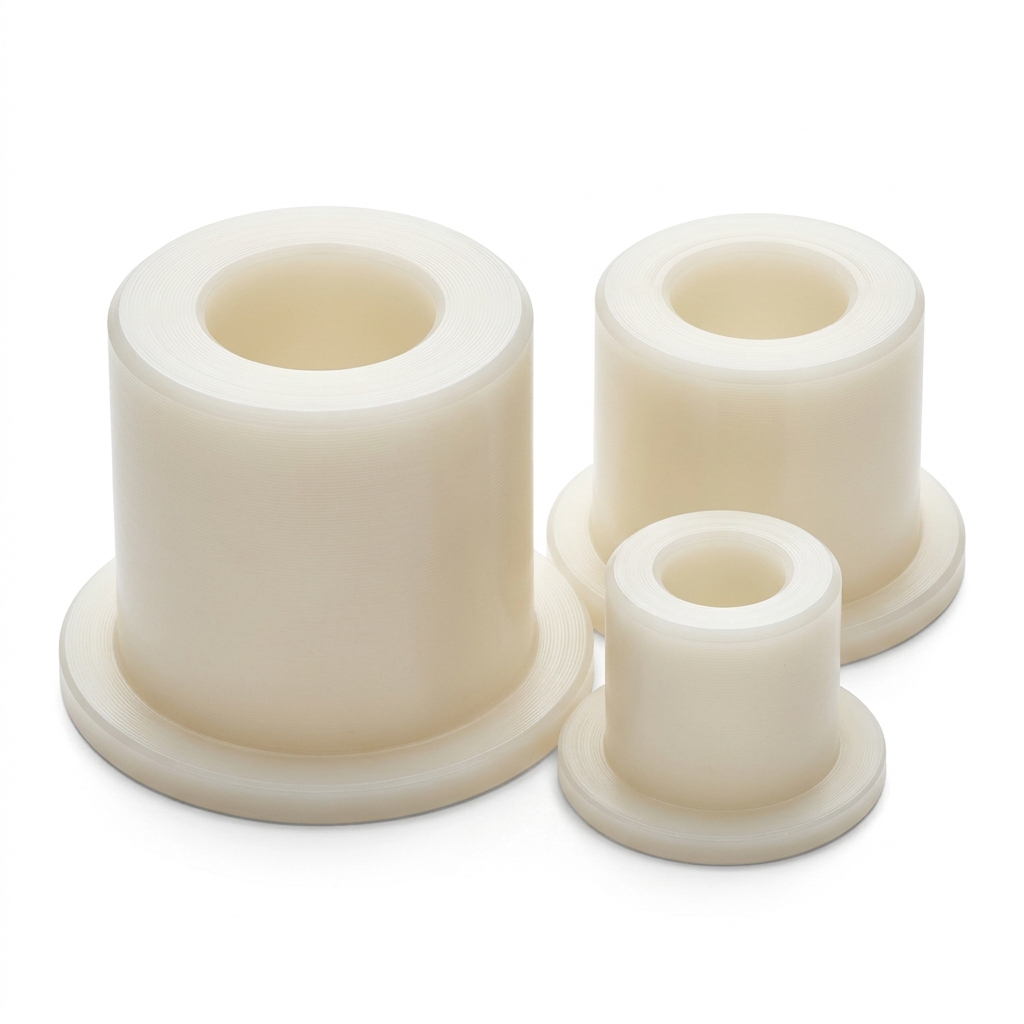
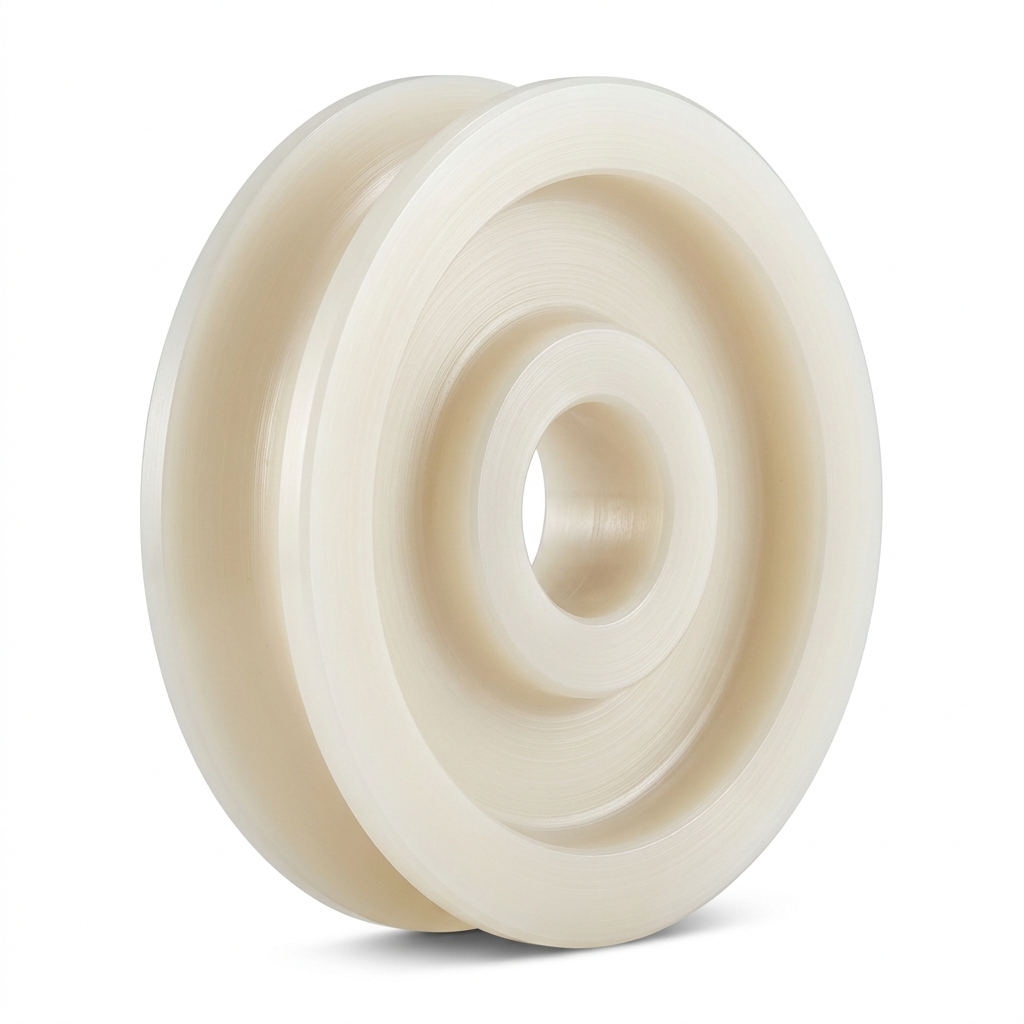
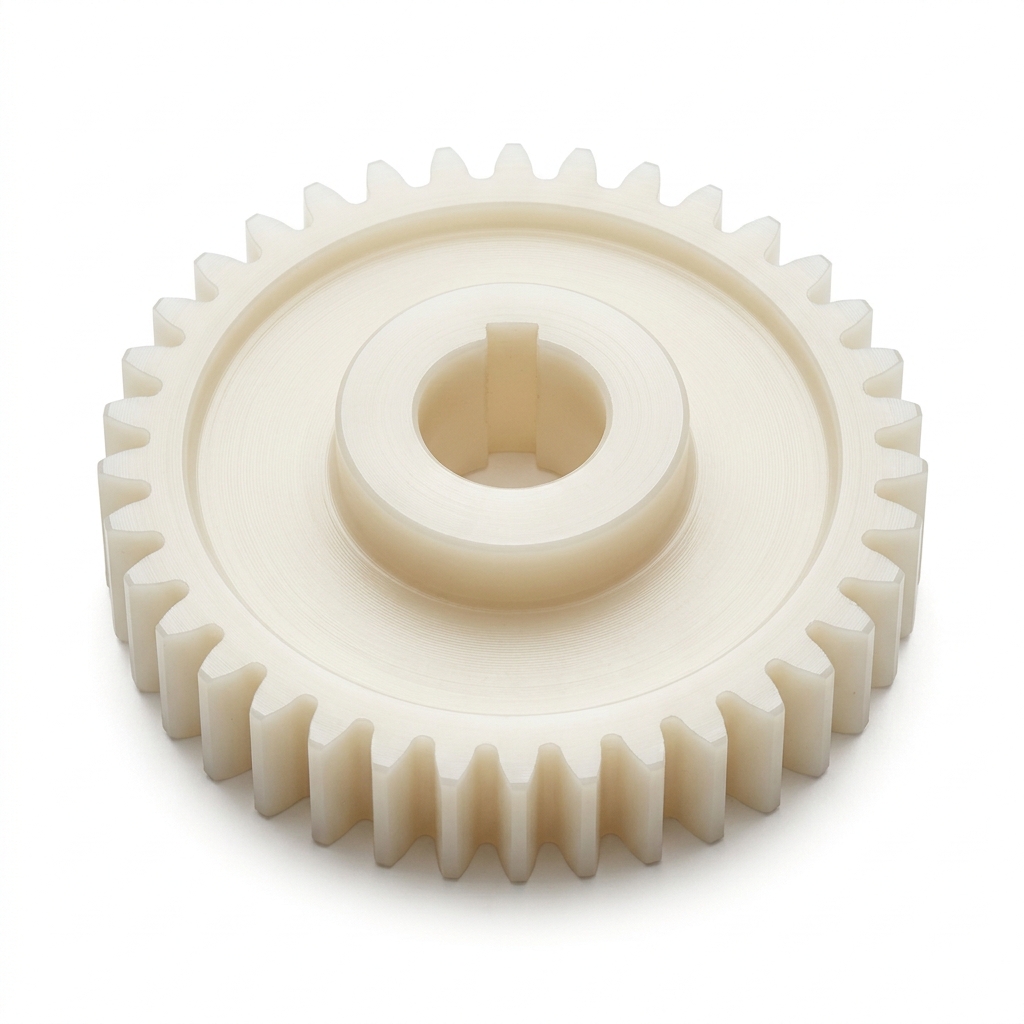
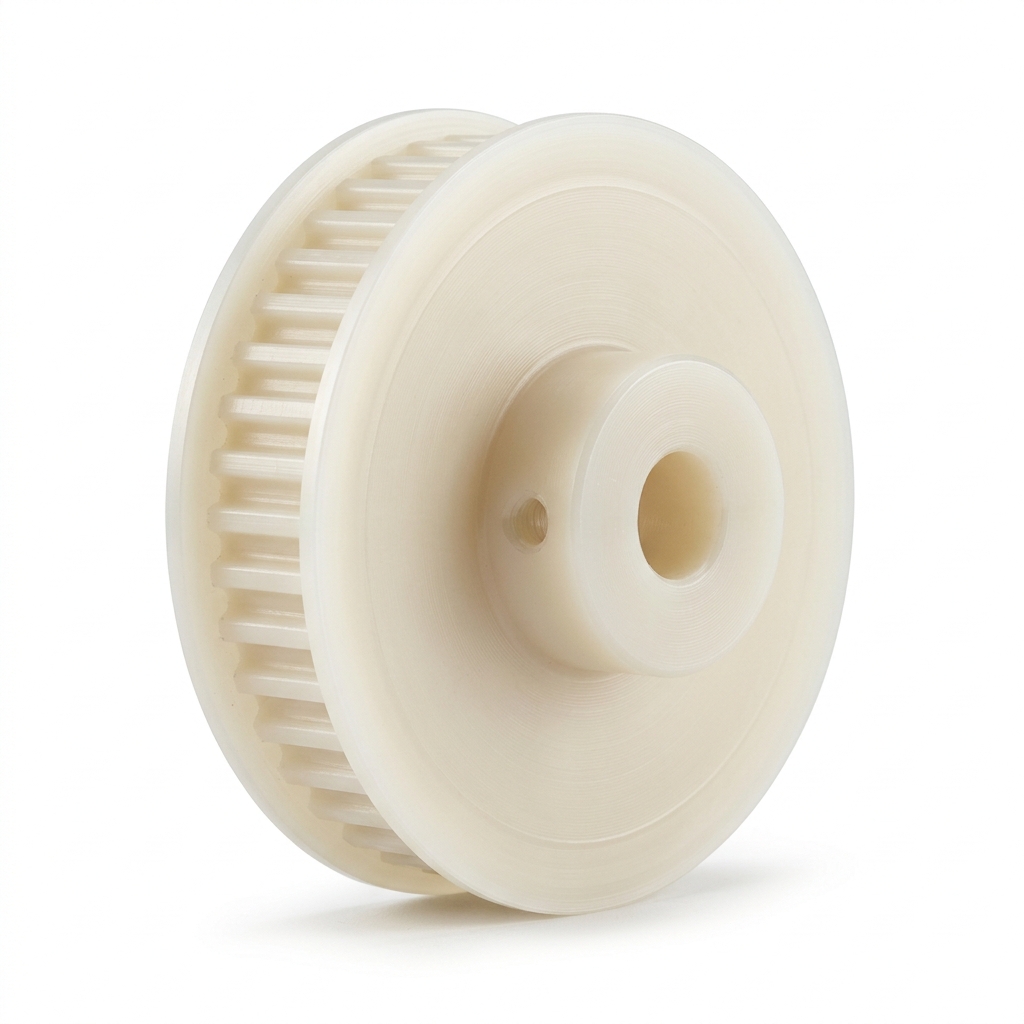
XC Machining offers precision Nylon (PA) CNC machining for custom prototypes and functional plastic components. Known for its excellent wear resistance, low friction, toughness, and lightweight properties, nylon is widely used for gears, bushings, bearings, rollers, and industrial machinery parts.
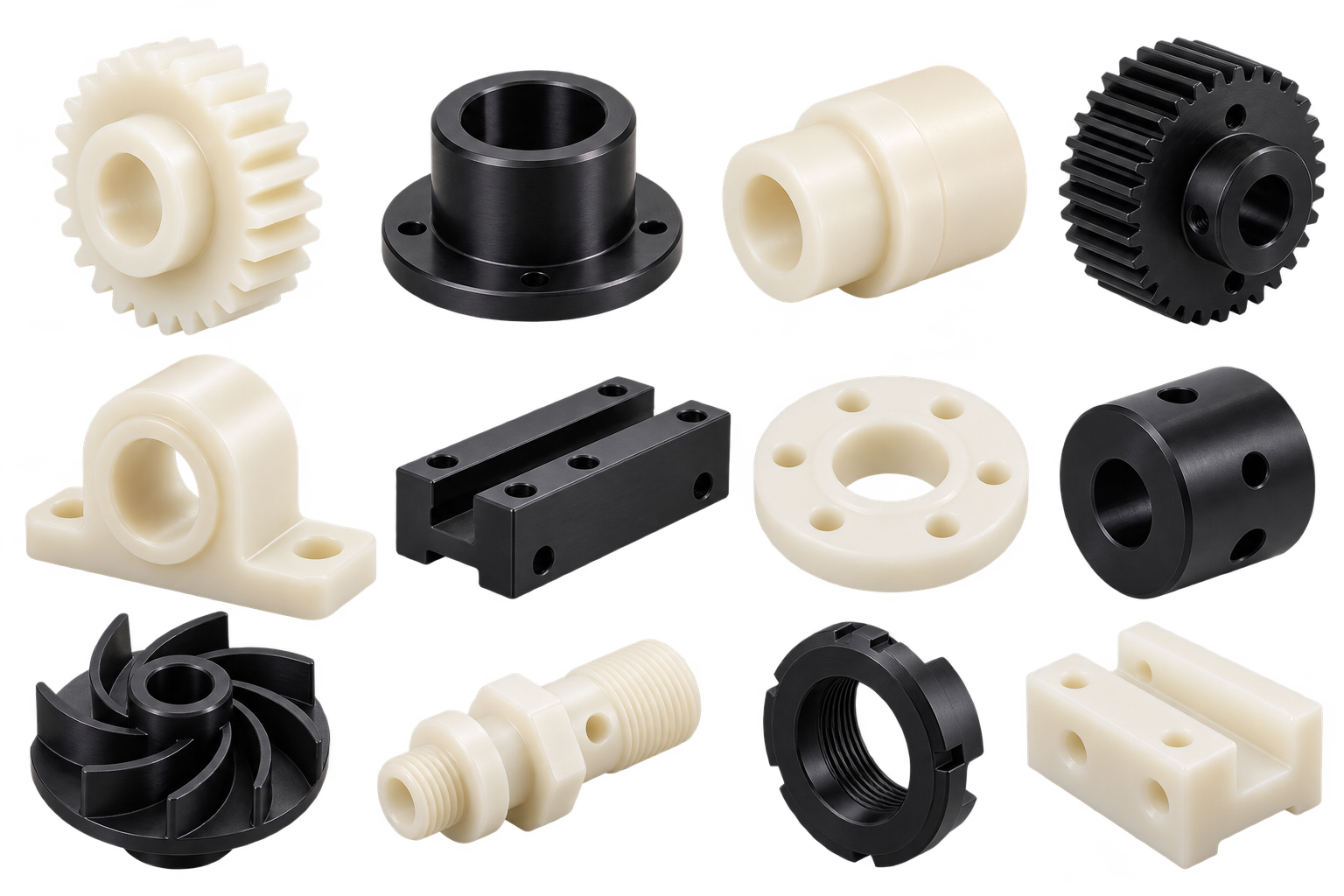
Nylon (PA) in CNC Machining
Nylon, also known as polyamide (PA), is a versatile engineering thermoplastic widely used in CNC machining for its excellent mechanical strength, wear resistance, and low-friction performance. It provides a lightweight alternative to metal for components requiring durability, impact resistance, and smooth movement. Nylon can be CNC milled, turned, drilled, and threaded to produce precision parts such as gears, bushings, rollers, spacers, and mechanical housings. Different nylon grades offer varying levels of stiffness, toughness, dimensional stability, and moisture resistance, making material selection important for reliable performance.
| Grades Available | PA6, PA66, PA12, PA6-G, PA66-GF30 |
| Price | $ |
| Lead time | Under 10 days |
| Wall thickness | 0.75 mm |
| Tolerances | ±0.125 mm (±0.005 in) |
| Max part size | 200 x 80 x 100 cm |
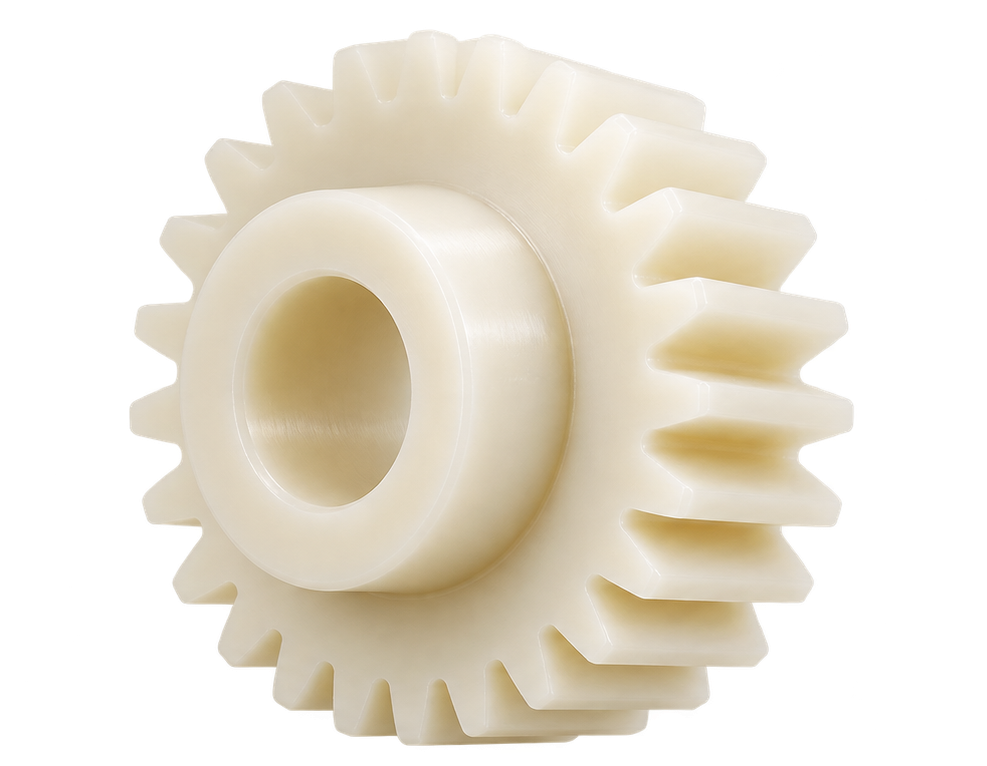
Nylon PA6
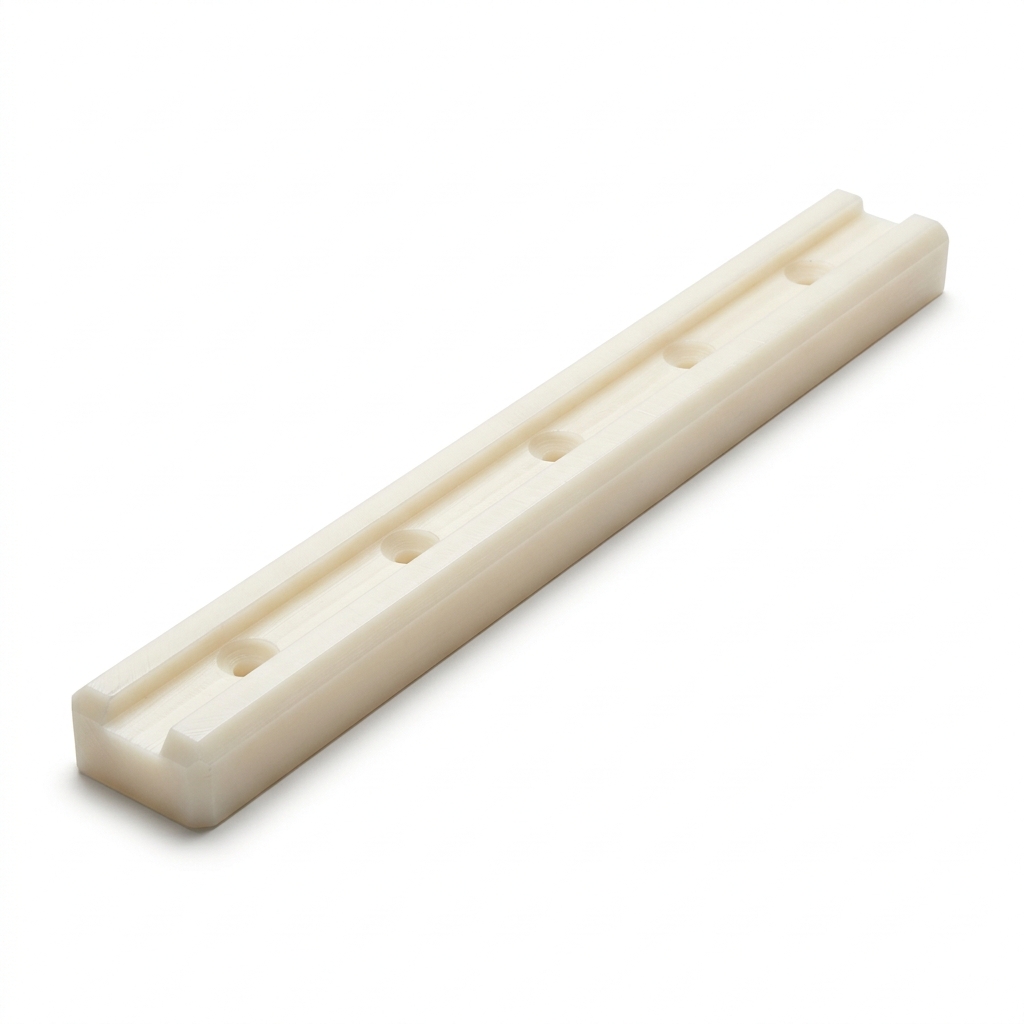
PA6 is a tough, wear-resistant engineering plastic that offers good impact strength, machinability, and mechanical performance. It is commonly used for gears, rollers, bushings, guide rails, and industrial components requiring durability and low friction.
Nylon PA66
PA66 provides higher stiffness and heat resistance than many standard PA6 grades. Its good wear resistance and mechanical strength make it suitable for precision gears, bearing components, spacers, and structural plastic parts.
Nylon PA12
PA12 is known for its low moisture absorption compared with PA6 and PA66, good chemical resistance, and excellent toughness. It is suitable for precision components, fittings, and mechanical parts requiring improved dimensional stability in humid conditions.
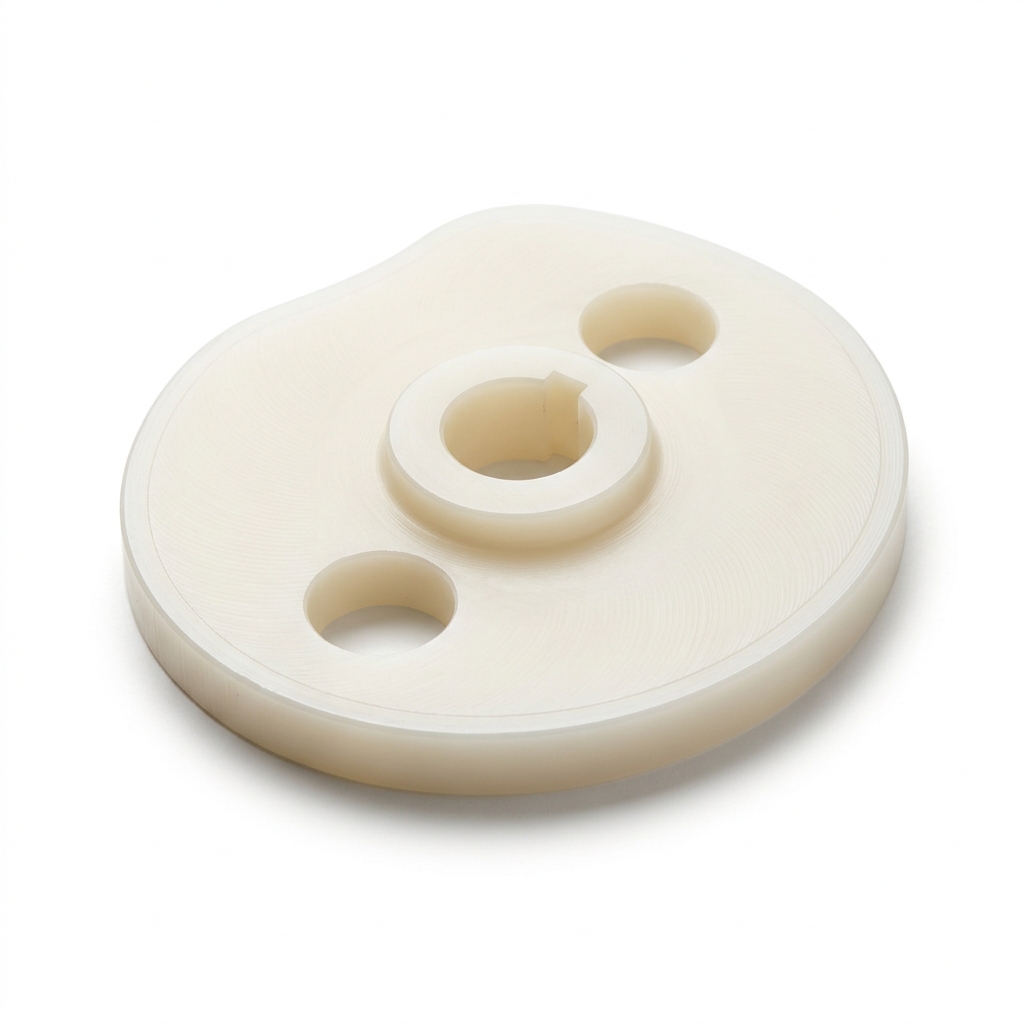
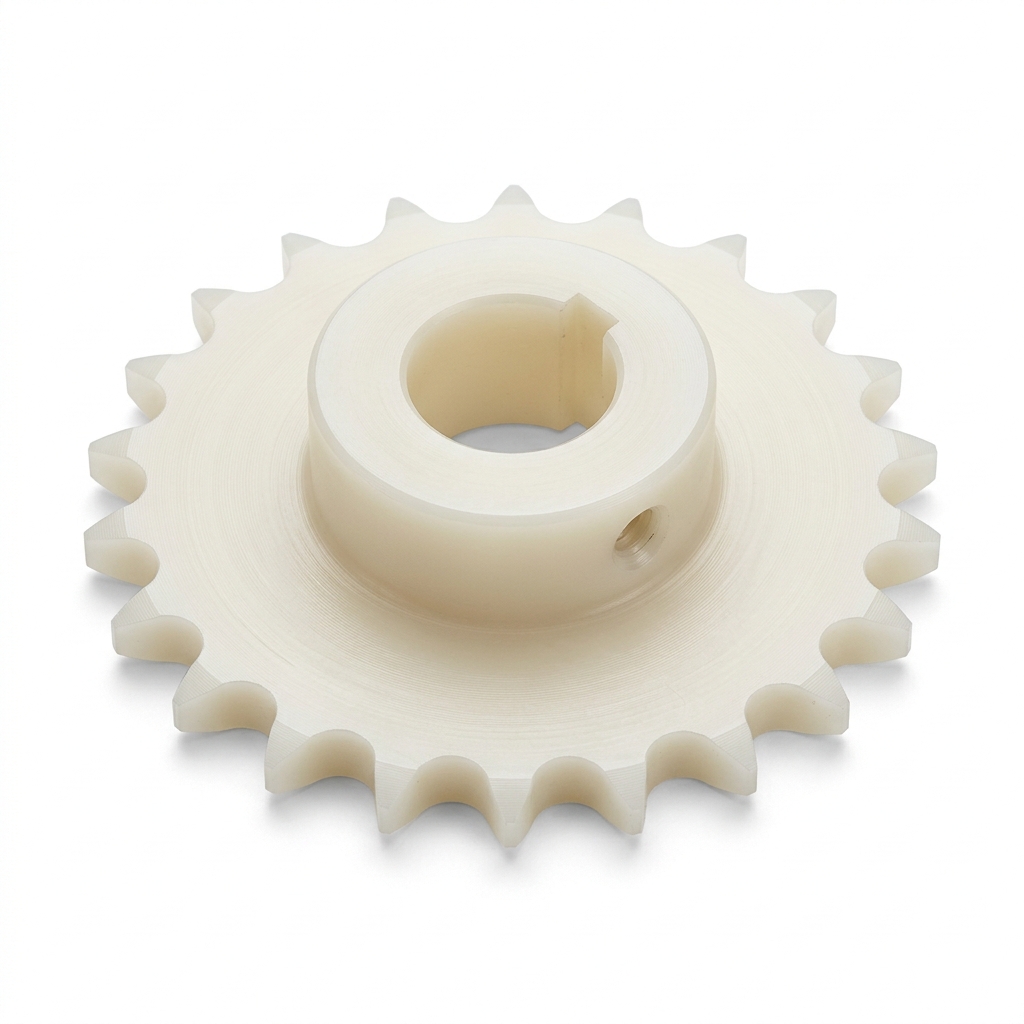
Advantages and Limitations of Nylon CNC Machining
Nylon CNC machining offers excellent mechanical performance, durability, and versatility for many applications. However, understanding its benefits and limitations helps in selecting the right material for your project.
- Excellent Wear Resistance
Nylon performs well in sliding and moving components, making it suitable for gears, bushings, and bearing applications. - Low Friction
Its relatively low coefficient of friction helps reduce resistance between moving mechanical parts. - Lightweight Material
Nylon offers a lower-density alternative to metals, helping reduce overall component weight. - Good Mechanical Toughness
Many nylon grades provide excellent impact resistance and durability under repeated mechanical loads. - Electrical Insulation
Nylon provides useful electrical insulating properties for suitable industrial and electronic components.
- Moisture Absorption
Nylon absorbs moisture, which can affect its dimensions and mechanical properties over time. - Thermal Expansion
Nylon expands more than many metals when exposed to temperature changes, requiring careful tolerance planning. - Lower Rigidity Than Metals
Nylon may deform under high loads or sustained stress, particularly at elevated temperatures. - Heat Sensitivity During Machining
Excessive cutting heat can cause material deformation or surface quality issues.
Bring Your Designs to Life with XC Machining
Experience precision engineering with XC Machining. From detailed prototypes to high-volume production, we’re here to turn your concepts into reality. Contact us today to discuss your project needs!
- Expertise Shared Widely
- Market Reach Expanded
- Advanced Technology Integrated
- Collaborative Innovation Opportunities
- All uploads are secure and confidential
Nylon CNC Machining FAQs
1. Is Nylon a Good Material for CNC Machining?
Yes. Nylon is widely used in CNC machining because of its toughness, wear resistance, low friction, and lightweight properties. It is suitable for manufacturing gears, bushings, rollers, spacers, and other functional plastic components.
2. Which Nylon Grade Is Best for CNC Machining?
The best nylon grade depends on the application. PA6 provides good toughness and wear resistance, PA66 offers improved stiffness and heat resistance, while PA12 provides lower moisture absorption and better dimensional stability in humid environments.
3. Can Nylon Be CNC Machined to Tight Tolerances?
Yes. Nylon can be machined to precise dimensions using suitable cutting tools and controlled machining parameters. However, moisture absorption, thermal expansion, part geometry, and material grade must be considered when specifying tight tolerances.
4. Is Nylon Better Than Metal for CNC Machined Parts?
Nylon can be a better choice for applications requiring lightweight components, low friction, electrical insulation, or reduced noise. Metals are generally more suitable when higher stiffness, strength, or elevated-temperature performance is required.