
Polycarbonate (PC) CNC Machining Service
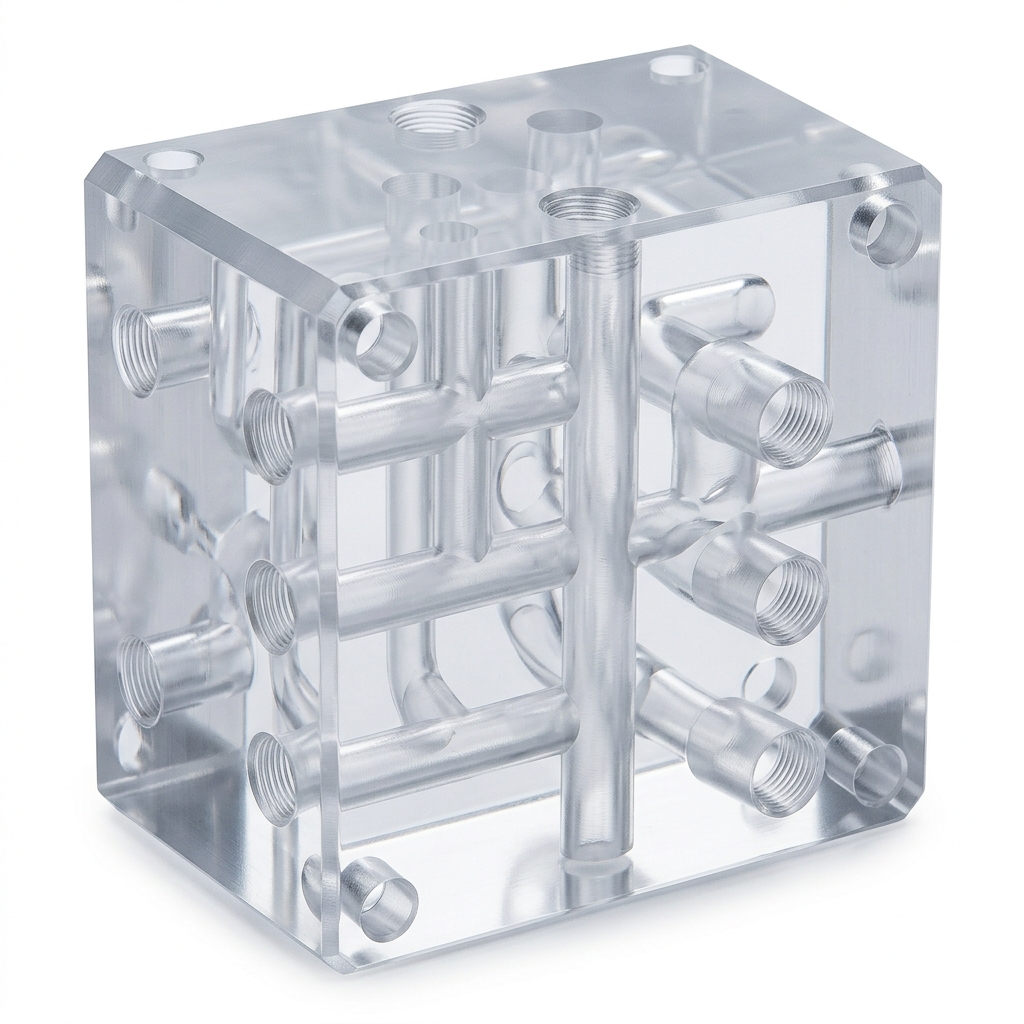
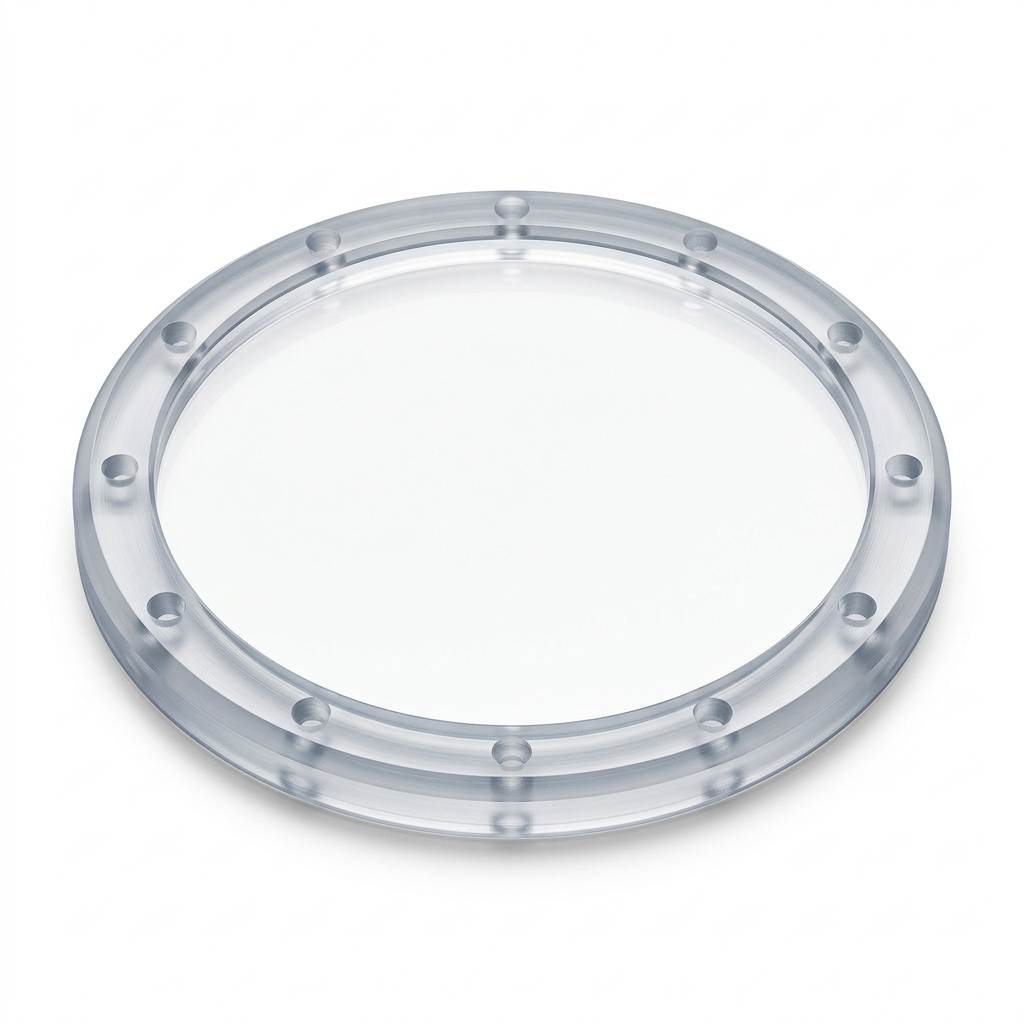
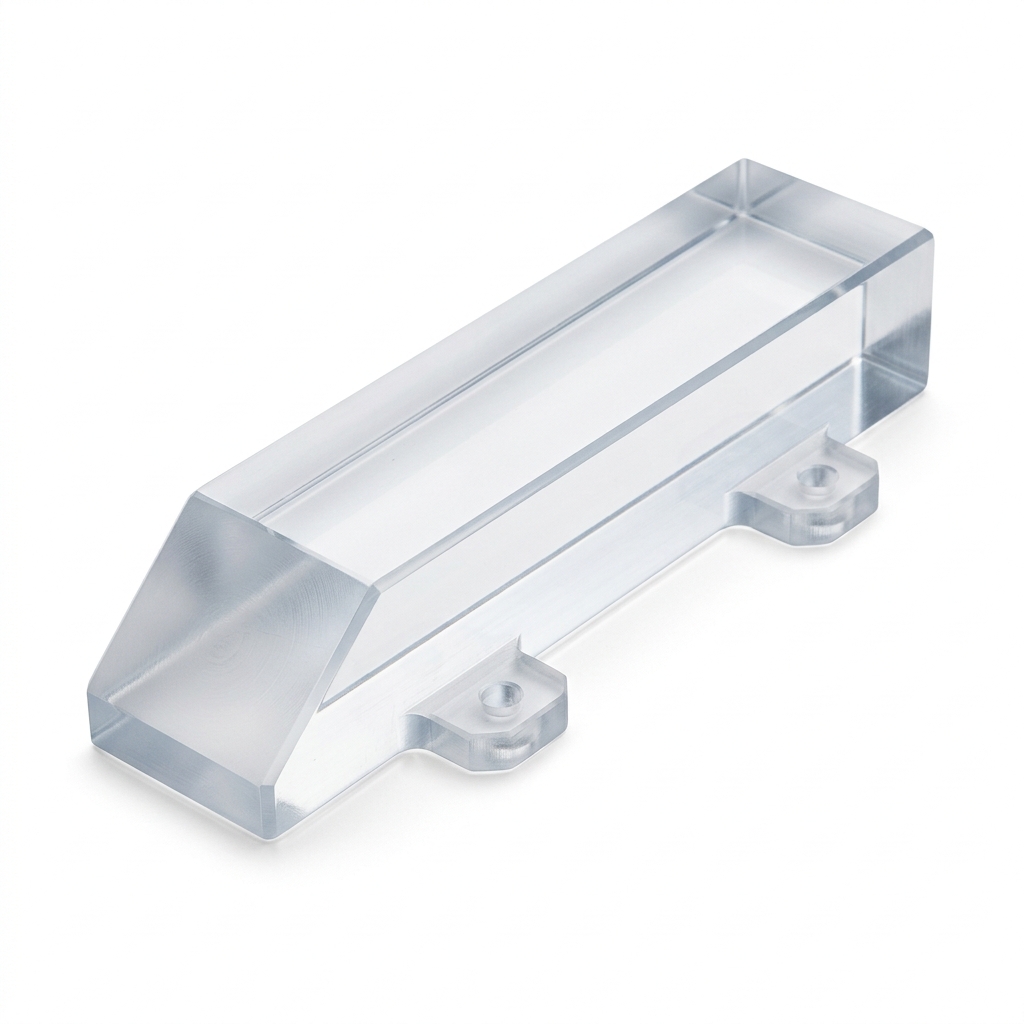
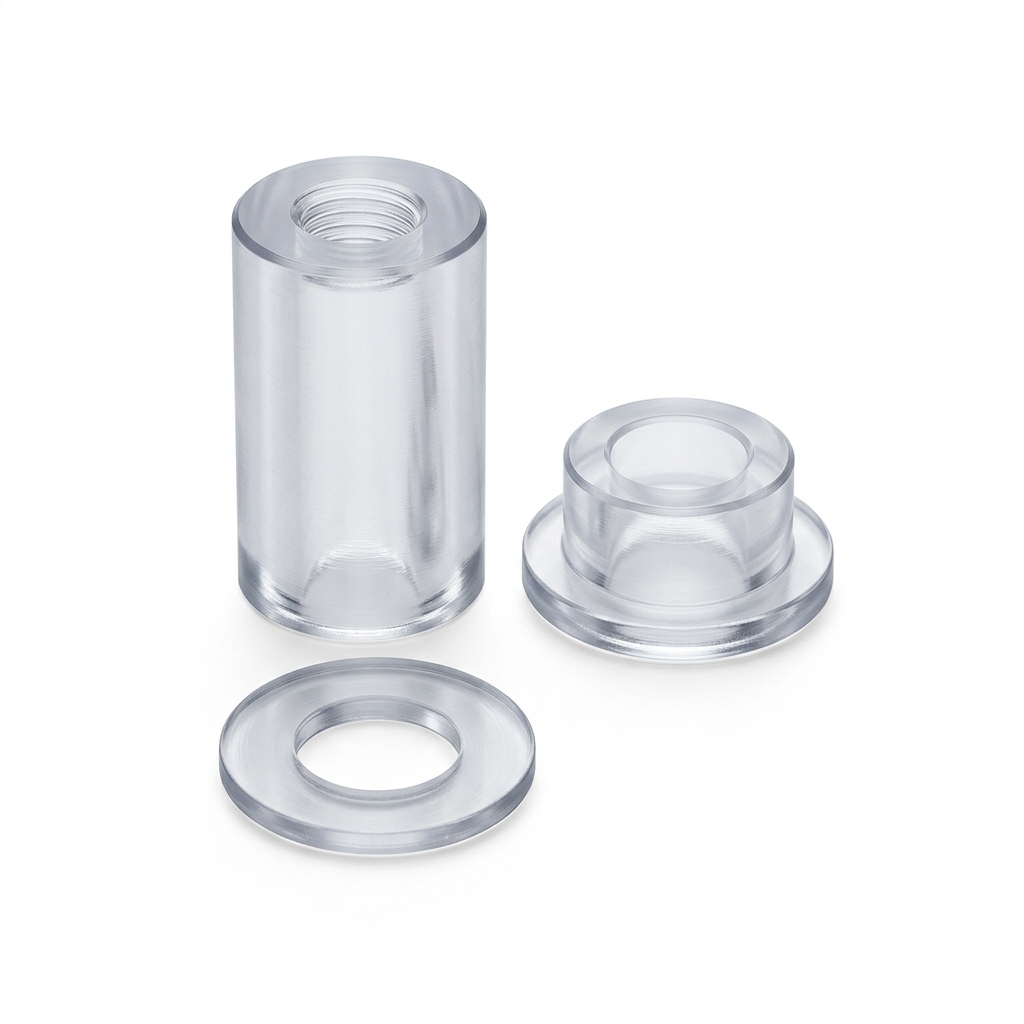
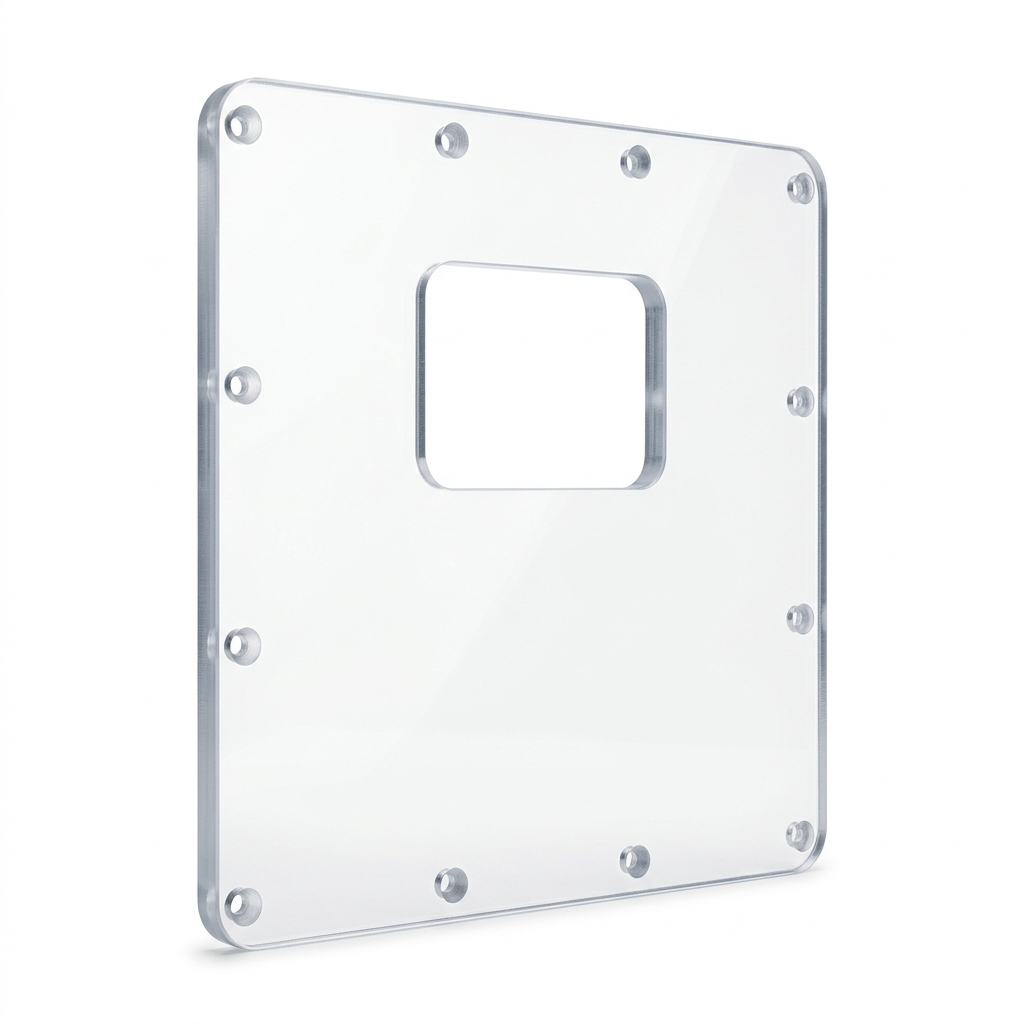
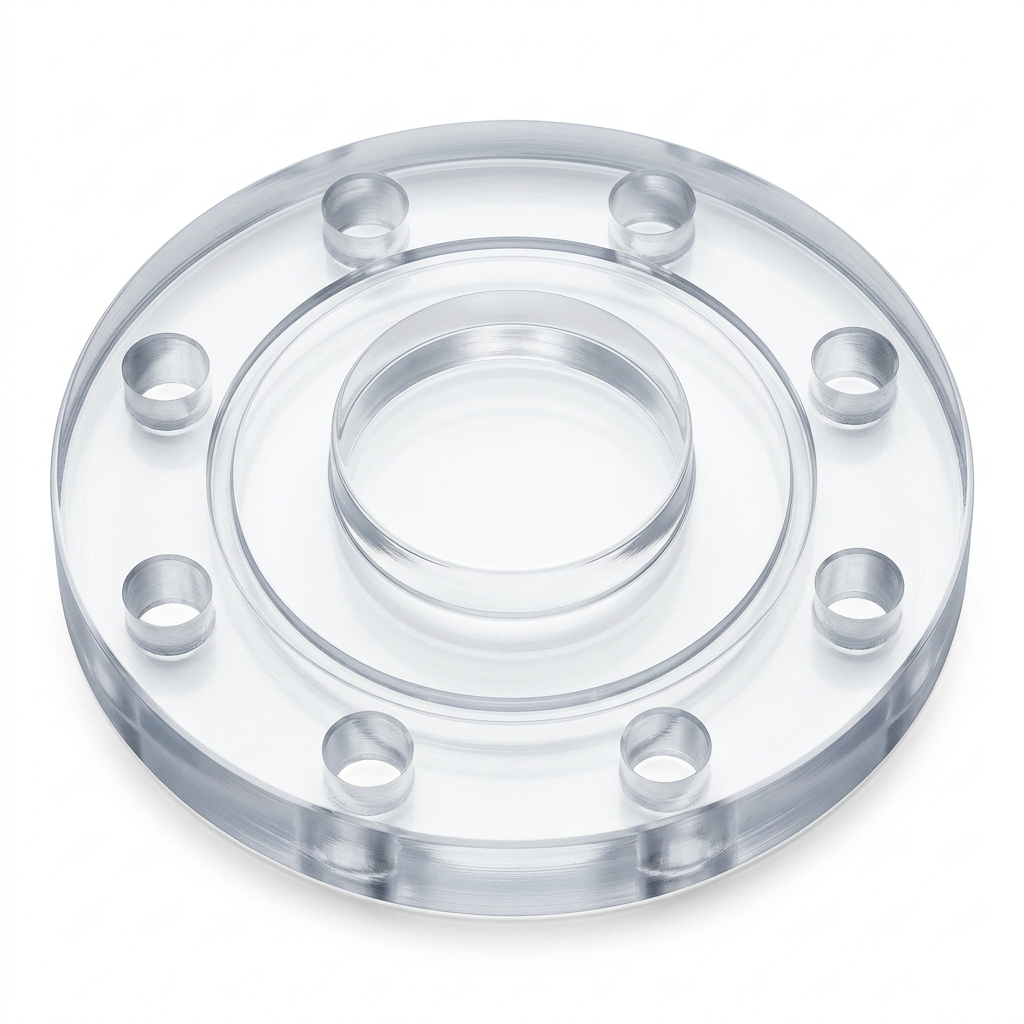
XC Machining provides precision polycarbonate CNC machining services for custom prototypes and production components. Known for its excellent impact resistance, optical clarity in transparent grades, and good dimensional stability, polycarbonate is widely used for protective covers, electronic enclosures, machine guards, optical components, and industrial parts.
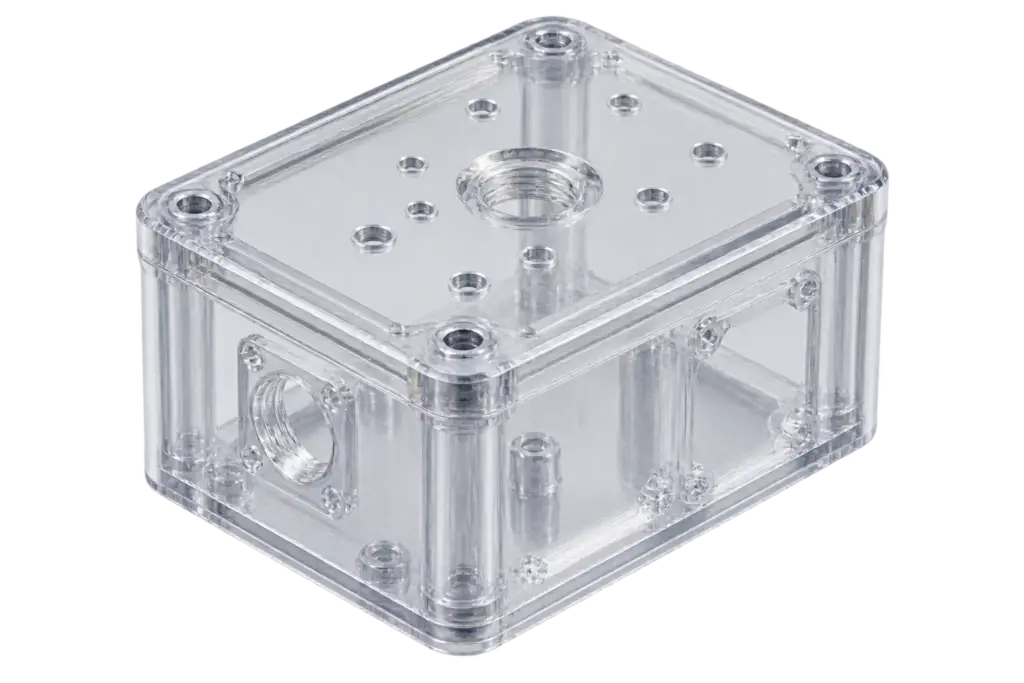
Polycarbonate (PC) in CNC Machining
Polycarbonate (PC) is a high-performance engineering thermoplastic widely used in CNC machining for its exceptional impact resistance, toughness, and optical transparency in suitable grades. It offers a combination of mechanical strength, lightweight construction, and electrical insulation, making it suitable for demanding industrial applications.
| Alloys available | PC Black, PC Transparent, PC White, PC Yellowish White, PC+GF30 Black |
| Price | $ |
| Lead time | Under 10 days |
| Wall thickness | 0.75 mm |
| Tolerances | ±0.125 mm (±0.005 in) |
| Max part size | 200 x 80 x 100 cm |
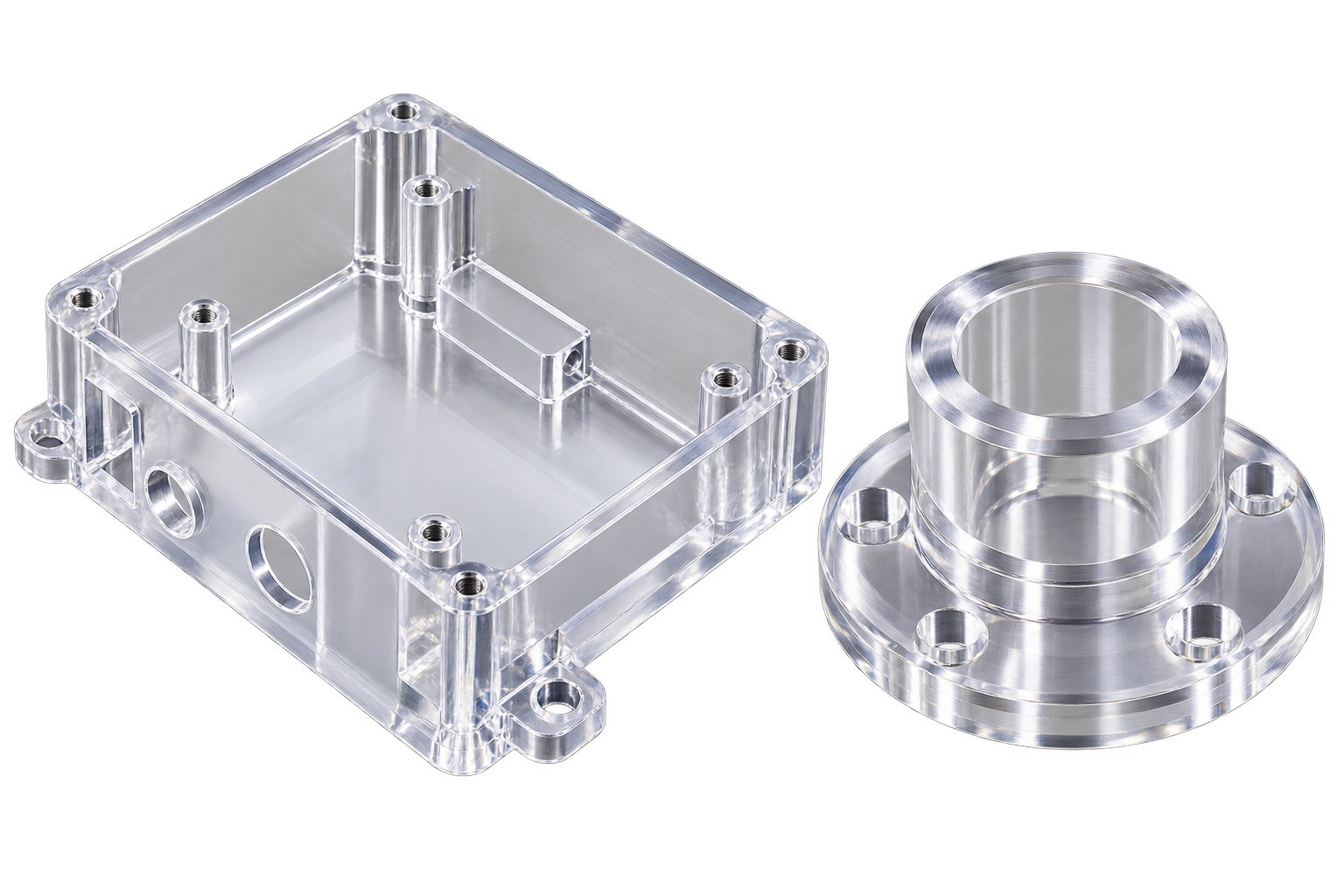
Machined Polycarbonate (PC) Properties
Polycarbonate (PC) is a strong and transparent engineering thermoplastic widely used in CNC machining. Its excellent impact resistance, toughness, and dimensional stability make it suitable for producing reliable parts for demanding applications.
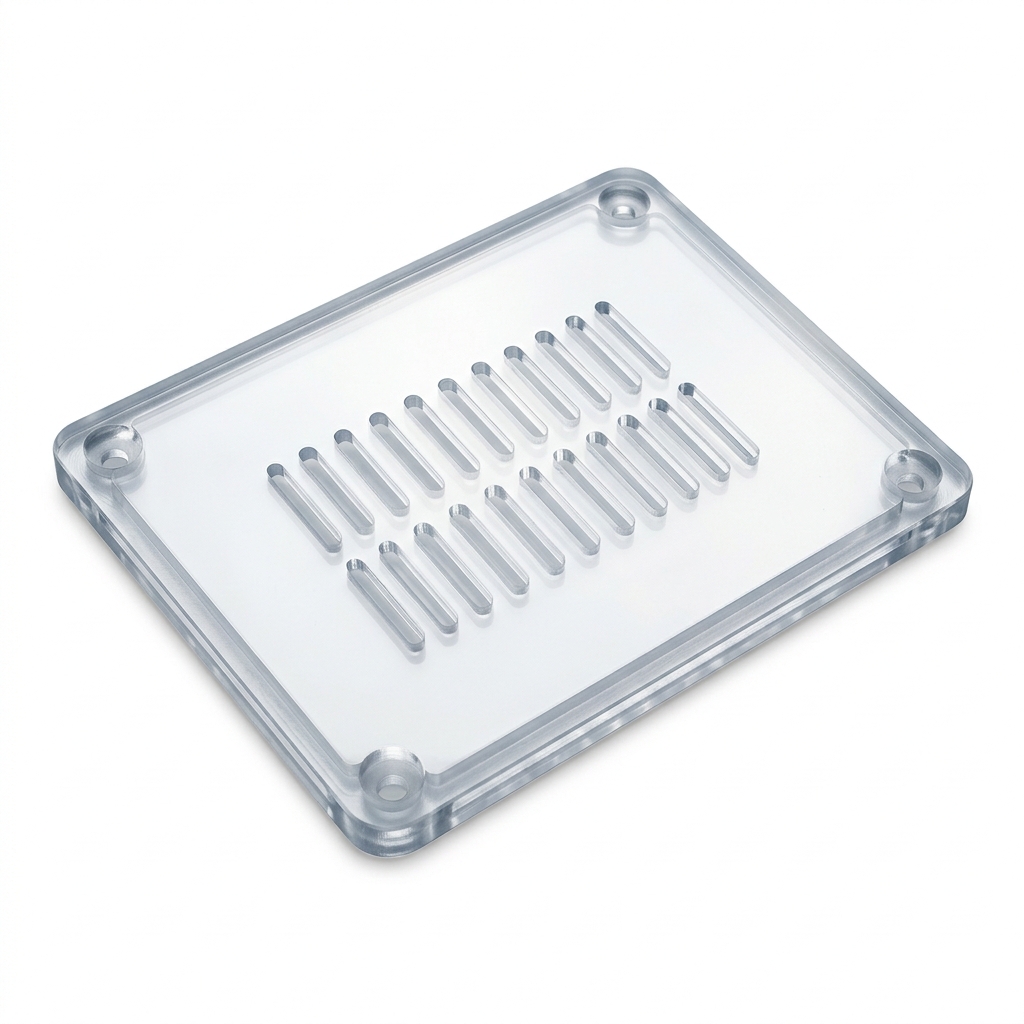
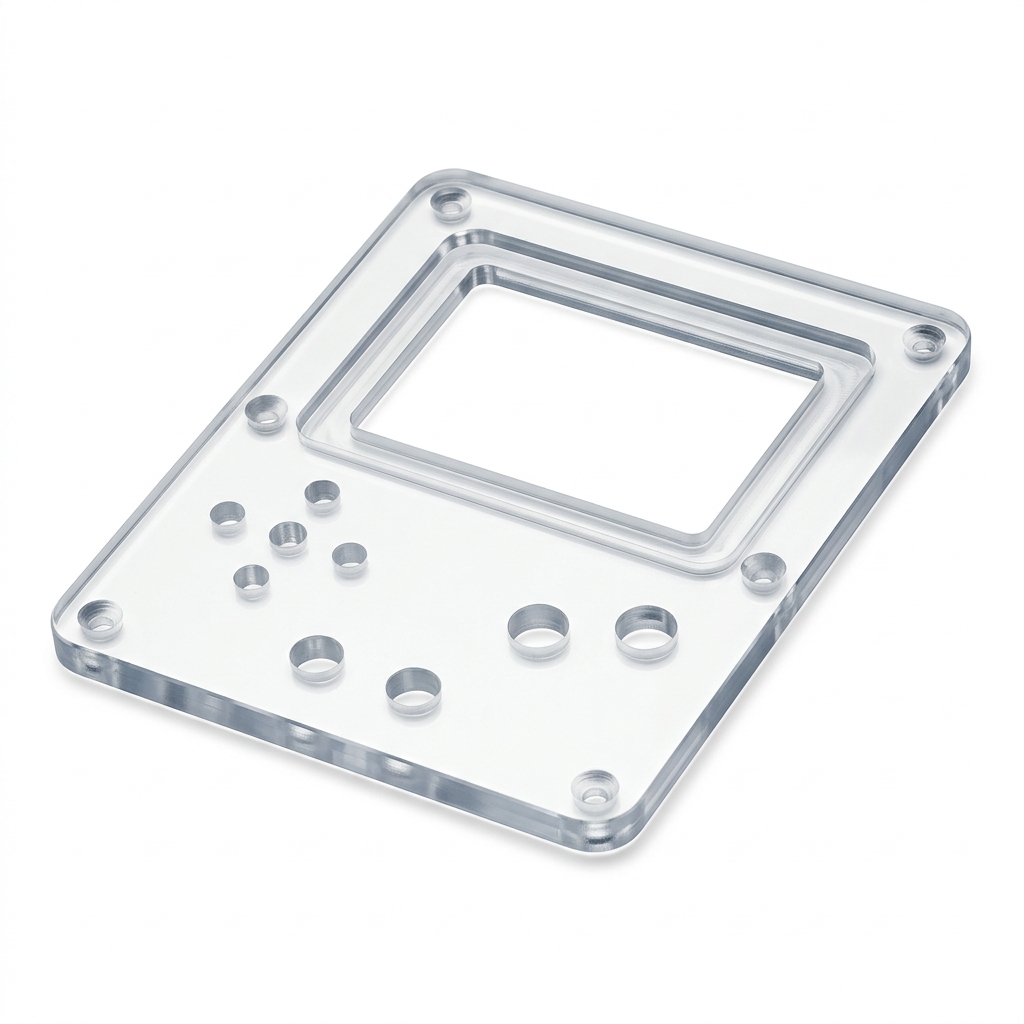
Advantages and Limitations of Polycarbonate CNC Machining
Polycarbonate is widely used in precision CNC machining because of its excellent impact resistance, optical transparency, and mechanical toughness. Understanding its advantages and limitations helps manufacturers select the right PC grade for protective components, electronic housings, and industrial applications.
- Excellent Impact Resistance
Polycarbonate offers exceptional toughness and impact resistance, making it suitable for protective covers, guards, and durable industrial components. - Optical Transparency
Transparent PC grades provide excellent light transmission for protective windows, instrument covers, and optical applications. - Good Dimensional Stability
Polycarbonate maintains reliable dimensional performance under suitable operating conditions, supporting precision machined components. - Lightweight Construction
Its relatively low density makes polycarbonate a practical alternative to heavier materials in selected applications. - Electrical Insulation
Polycarbonate provides useful electrical insulating properties for electronic housings and industrial equipment components.
- Scratch Sensitivity
Polycarbonate surfaces can scratch relatively easily, particularly in applications requiring optical clarity. - Chemical Sensitivity
Certain solvents and chemicals can cause cracking, stress damage, or surface deterioration. - Heat Buildup During Machining
Excessive cutting temperatures may cause melting, deformation, or poor surface finishes. - Higher Material Cost
Polycarbonate can be more expensive than common plastics such as ABS, depending on the selected grade.
Bring Your Designs to Life with XC Machining
Experience precision engineering with XC Machining. From detailed prototypes to high-volume production, we’re here to turn your concepts into reality. Contact us today to discuss your project needs!
- Expertise Shared Widely
- Market Reach Expanded
- Advanced Technology Integrated
- Collaborative Innovation Opportunities
- All uploads are secure and confidential
Polycarbonate CNC Machining FAQs
1. Is Polycarbonate a Good Material for CNC Machining?
Yes. Polycarbonate is well suited for CNC machining because of its excellent impact resistance, toughness, and dimensional stability. It is commonly used to manufacture protective covers, electronic housings, machine guards, and precision industrial components.
2. Can Polycarbonate Be CNC Machined Without Cracking?
Yes. Polycarbonate can be machined successfully using sharp cutting tools, appropriate feed rates, controlled cutting temperatures, and secure workholding. Proper machining techniques help minimize internal stress, cracking, and surface damage.
3. Can CNC Machined Polycarbonate Parts Be Transparent?
Yes. Transparent polycarbonate grades can be CNC machined into clear protective windows, covers, and optical components. However, machining may leave visible tool marks, so polishing or additional finishing may be required to achieve high optical clarity.
4. What Is the Difference Between Polycarbonate and ABS for CNC Machining?
Polycarbonate generally offers higher impact resistance, better heat resistance, and transparency in suitable grades. ABS is often more economical and easier to process for general-purpose housings and prototypes. The best choice depends on mechanical, optical, and budget requirements.
5. What Are the Common Applications of Polycarbonate CNC Machined Parts?
Polycarbonate CNC machined parts are widely used in electronic enclosures, protective windows, industrial machine guards, automotive components, medical equipment housings, and precision mechanical assemblies.