
POM (Delrin) CNC Machining Service
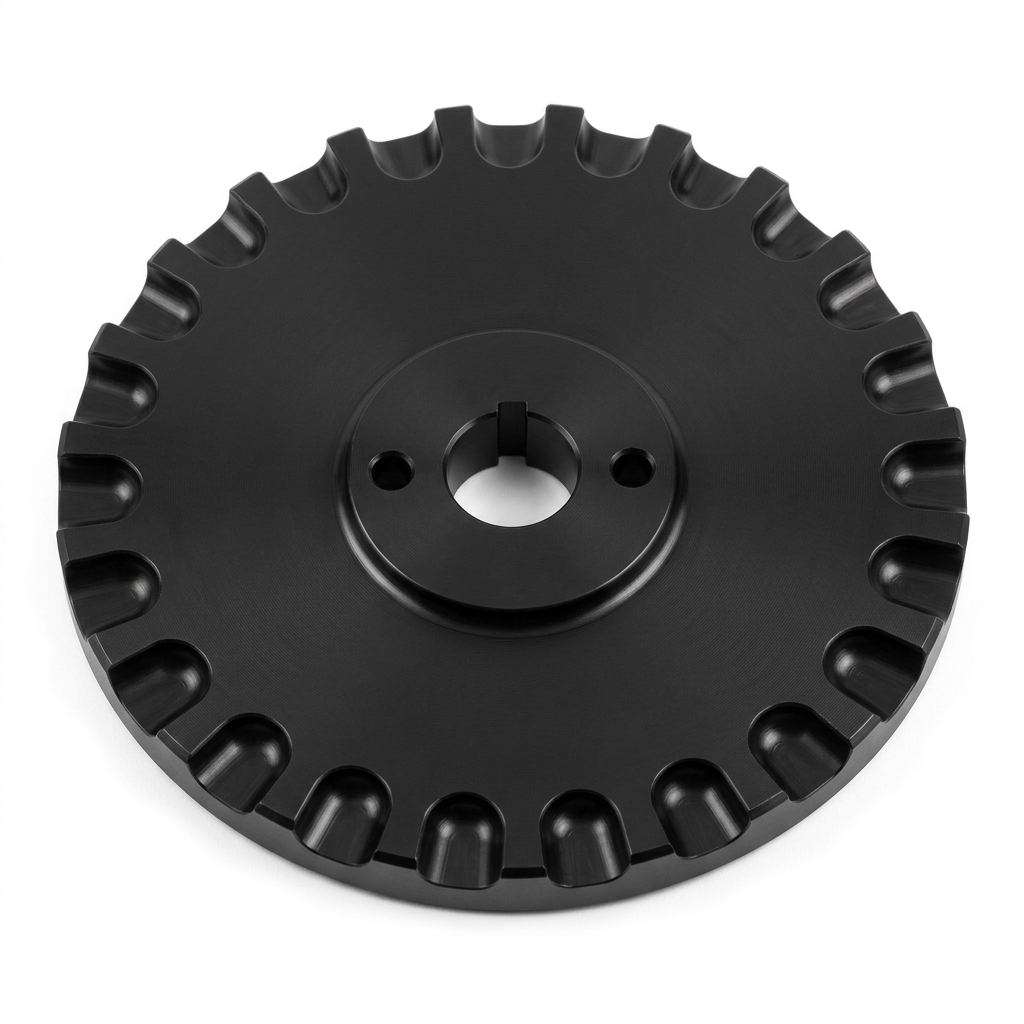
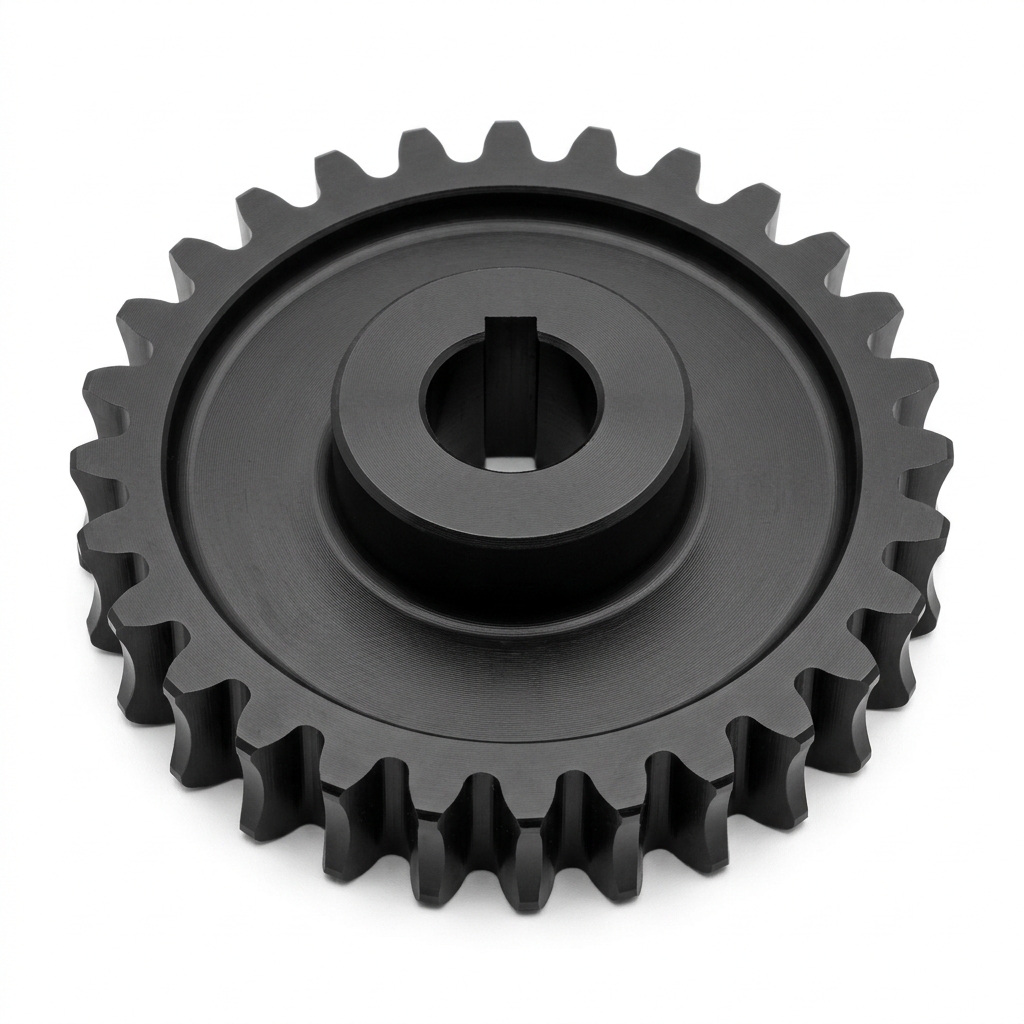
XC Machining provides POM (Delrin) CNC machining for US product teams, from custom prototypes to production parts. POM holds its size, slides with low friction and resists wear. It is also stiff. That is why teams use it for gears, bushings, bearings, rollers and precision fittings.
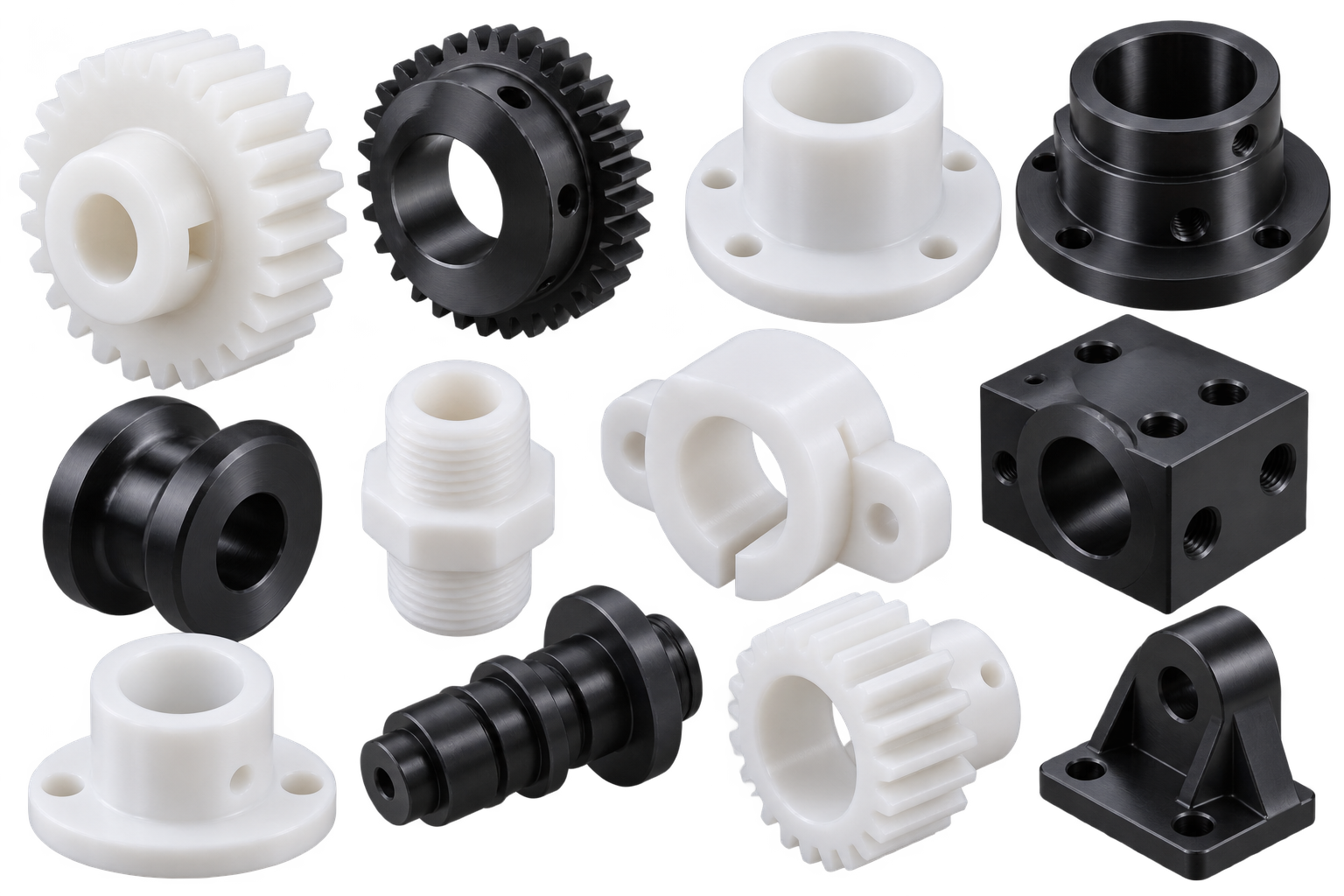
POM (Delrin) in CNC Machining
Polyoxymethylene (POM), also called acetal, is a high-performance engineering thermoplastic. It has excellent dimensional stability, mechanical strength and low friction. Delrin is a well-known brand of POM homopolymer. POM absorbs little moisture and wears well, which suits precision parts that need reliable mechanical performance.
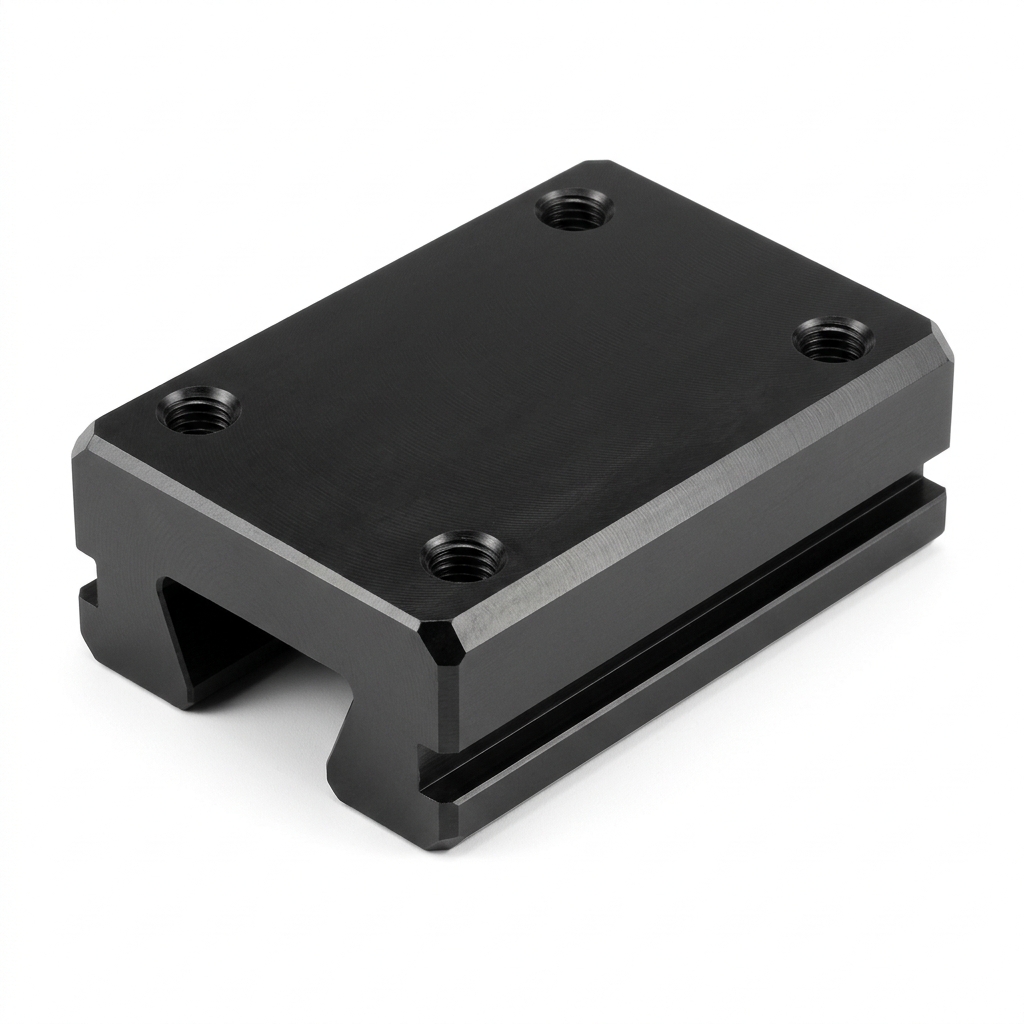
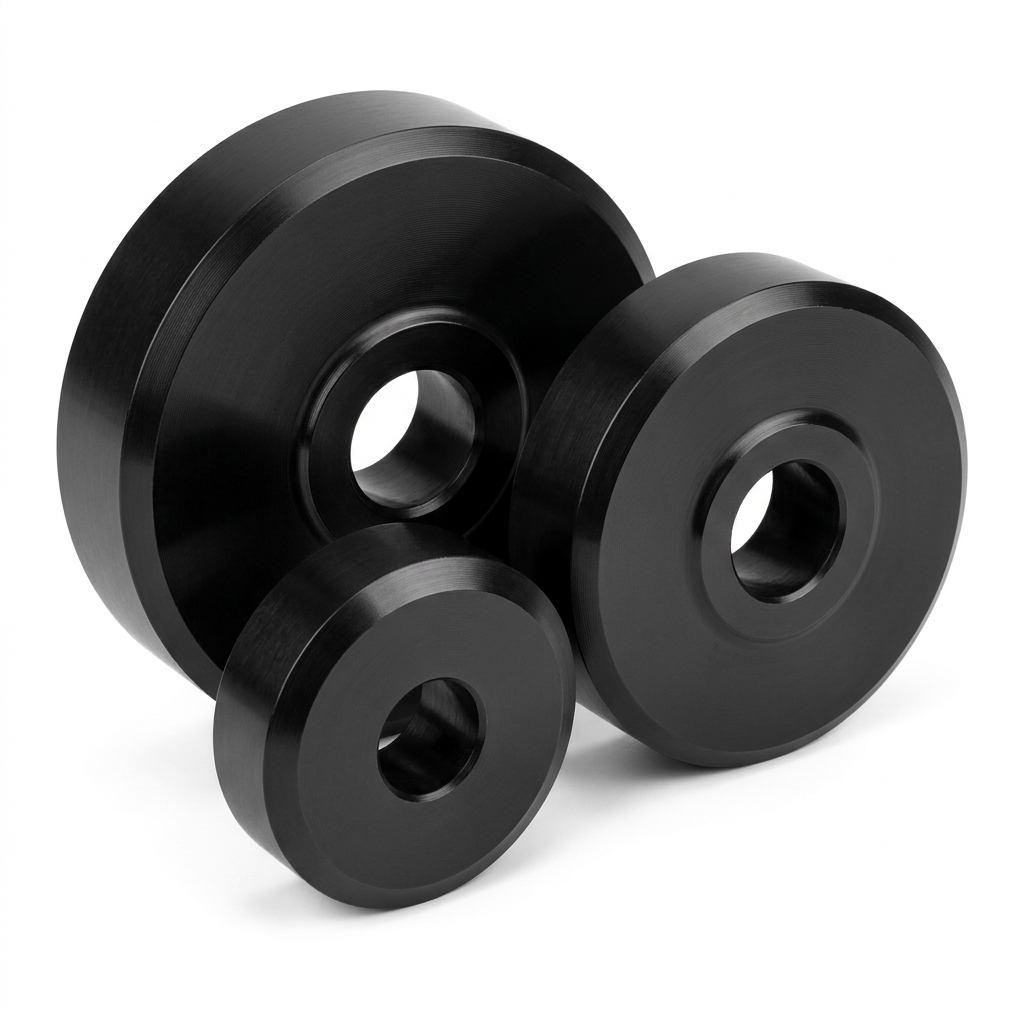
POM mills, turns, drills and threads into accurate gears, bushings, bearings, rollers, spacers and custom mechanical parts. Grades differ in stiffness, toughness, wear resistance and chemical compatibility, so you can match the grade to the job.
Our CNC machining page covers the process, and the materials page lists every other metal and plastic we cut. For a tougher part that absorbs more moisture, look at nylon. For a rigid housing at lower cost, look at ABS.
| Grades | POM-H, POM-C, Delrin 150, Delrin 500, PTFE-Filled POM |
| Price | Low |
| Lead time | Under 10 days |
| Minimum wall thickness | 0.75 mm |
| Tolerance | ±0.125 mm standard, down to ±0.005 mm on tight features |
| Maximum part size | 200 × 80 × 100 cm |
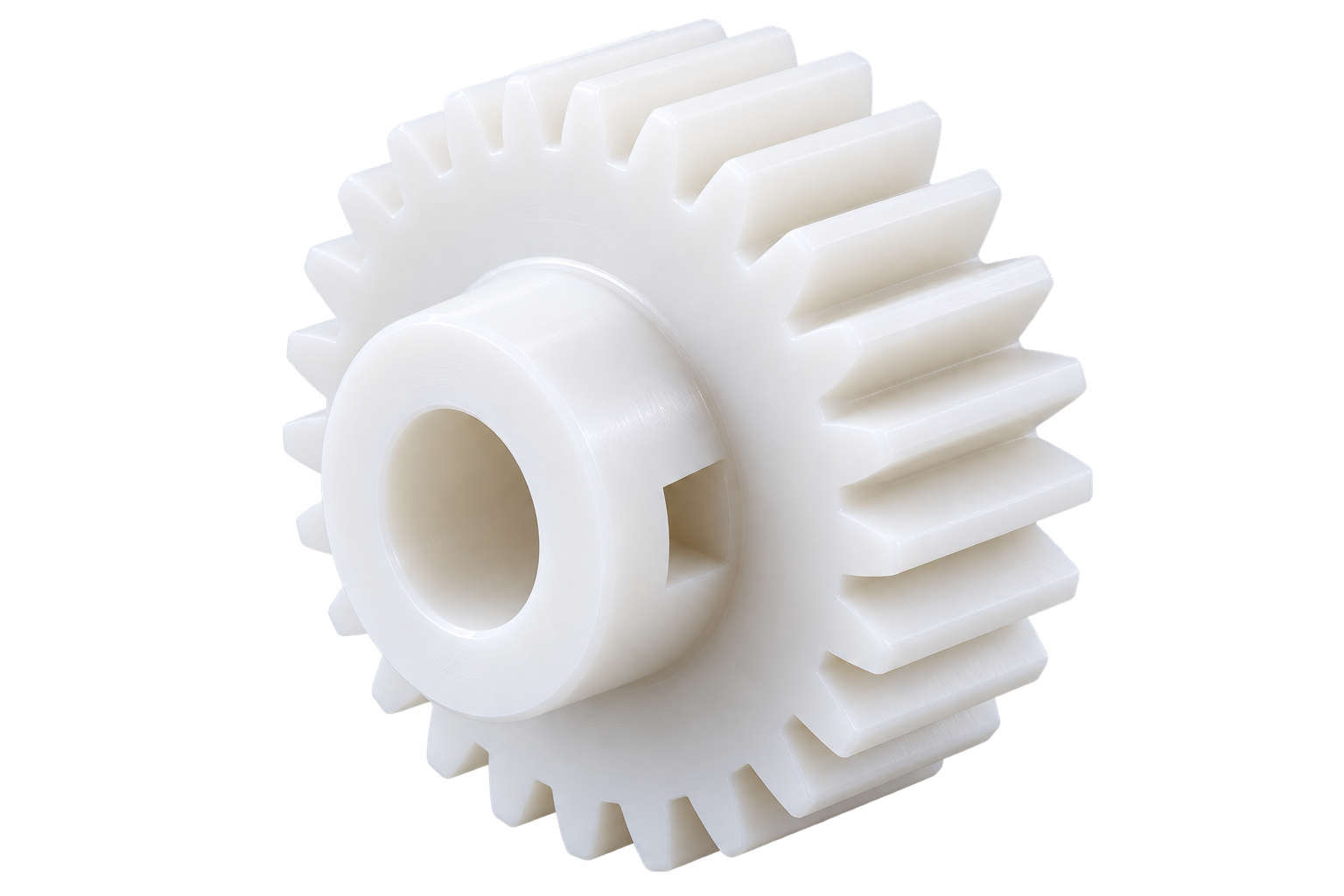
Machined POM Properties
Machined POM Properties
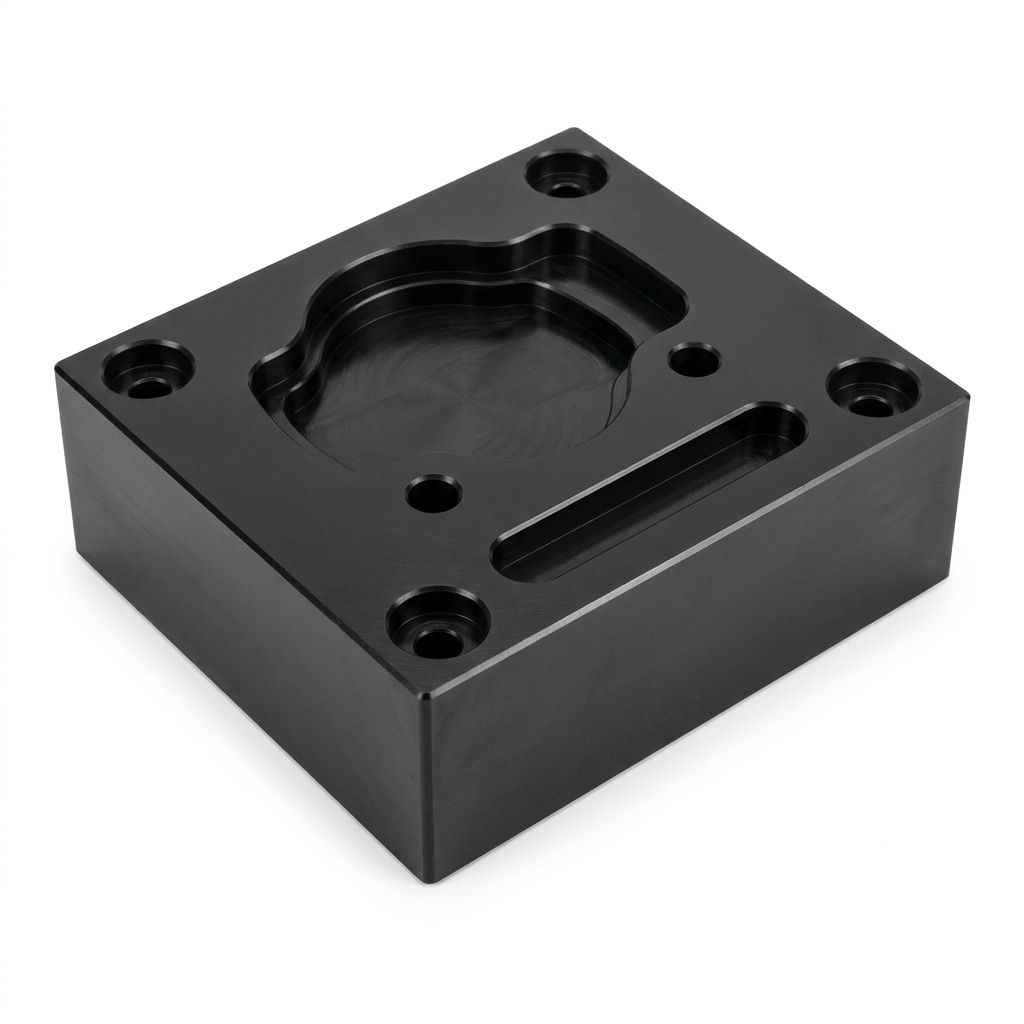
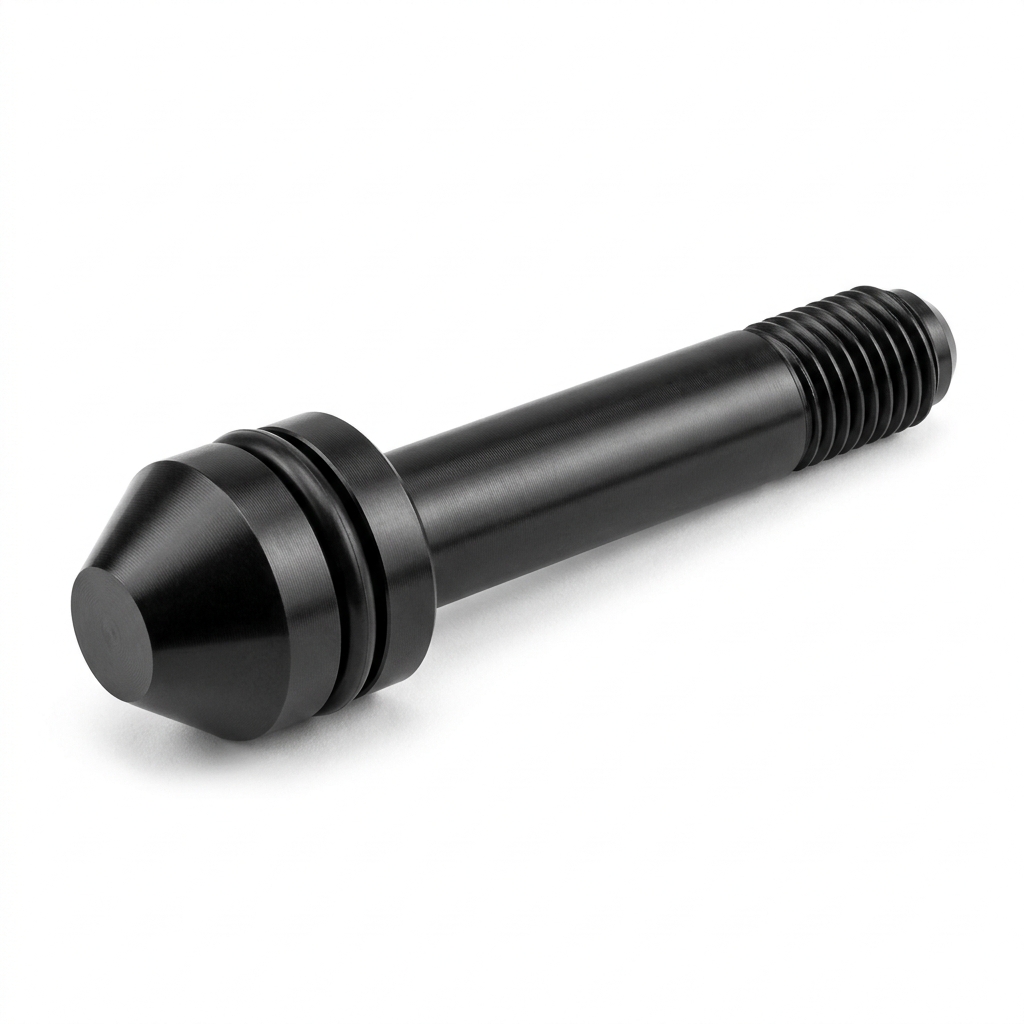
This engineering thermoplastic suits precision POM components. The figures below show the properties that make POM a standout choice for CNC machining.
They keep the labels on XC’s own table. Units are MPa. Ask for the datasheet of your grade before you lock a design to them.
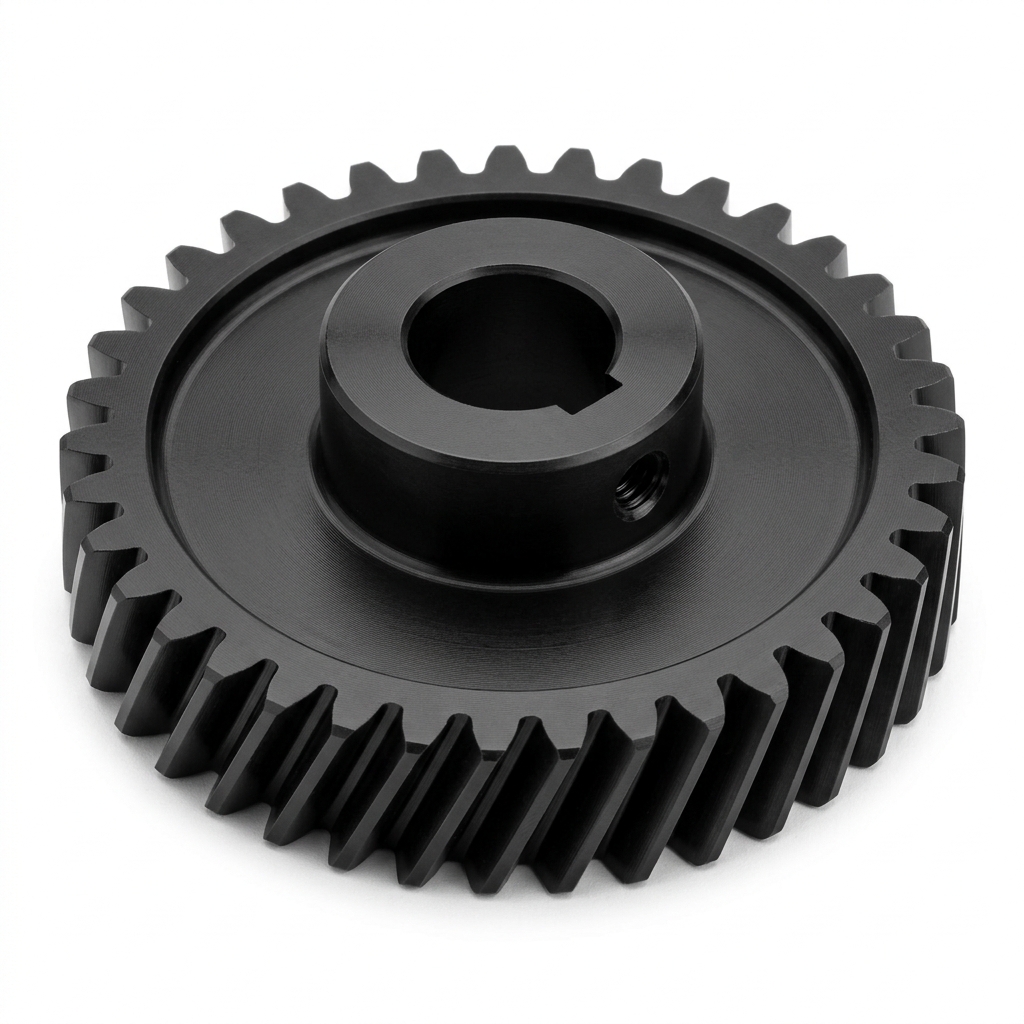
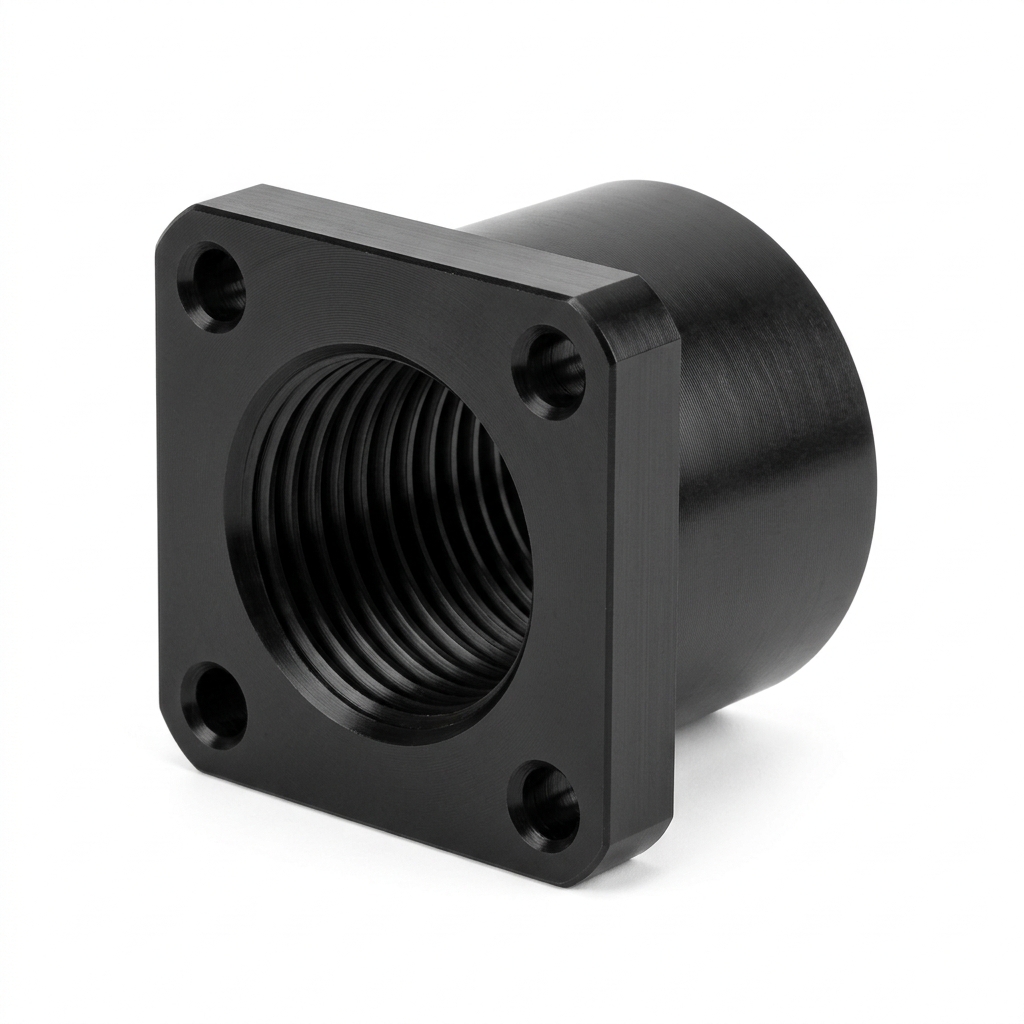
Advantages and Limitations of POM
POM is widely used in precision CNC machining for its dimensional stability, low friction, strength and wear resistance. Its pros and cons help you pick the right acetal grade for gears, bushings, bearings and industrial parts.
- Excellent dimensional stability.
POM has low moisture absorption and holds its size, which suits precision parts that need consistent tolerances. - Low friction and wear resistance.
POM slides well and wears slowly, which suits gears, bushings, bearings and moving parts. - High mechanical strength.
POM combines stiffness, strength and toughness for durable mechanical and industrial parts. - Good CNC machinability.
POM mills, turns, drills and threads to accurate sizes with smooth surfaces. See CNC turning and CNC milling for the processes. - Low moisture absorption.
POM absorbs little moisture compared with nylon, which keeps sizes steady in humid air.
- Limited heat resistance.
POM is not for very hot uses, because long heat exposure can change its mechanical properties. - UV sensitivity.
Standard POM grades can degrade under long ultraviolet exposure unless the grade is stabilized. - Bonding difficulties.
POM has low surface energy, so gluing and coating are harder without a special treatment. - Chemical compatibility limits.
Strong acids and some oxidizing chemicals can damage POM, so match the grade to the environment.
Bring Your Designs to Life with XC Machining
Experience precision engineering with XC Machining. From detailed prototypes to high-volume production, we’re here to turn your concepts into reality. Contact us today to discuss your project needs!
- 50+ CNC machines in-house
- 60+ materials in stock
- 120+ countries shipped
- 15+ DFM engineers on staff
- All uploads are secure and confidential
POM CNC Machining FAQs
Why is POM used for CNC machining?
POM holds its size, slides with low friction, resists wear and carries load. These traits make it a strong base for precision gears, bushings, bearings, rollers and industrial parts that need reliable performance. It also machines cleanly, so parts come off the machine with smooth surfaces and accurate dimensions.
What is the difference between POM and Delrin?
POM is the general name for polyoxymethylene, also called acetal. Delrin is a brand of acetal homopolymer. Both offer excellent mechanical properties, but performance varies with the formulation, the grade and the use. Tell us your load and environment, and we will suggest a grade.
Which POM grade is best for CNC machining?
The best POM grade depends on the job. POM-H offers high stiffness and strength. POM-C gives good chemical resistance and dimensional stability. PTFE-filled POM suits parts that need better sliding and lower friction. If you are unsure, send the drawing and we will suggest a grade.
Can POM be CNC machined to tight tolerances?
Yes. POM machines to tight tolerances with precision equipment, sharp tools and controlled parameters. Our standard tolerance is ±0.125 mm (±0.005 in). Low moisture absorption and good dimensional stability help POM hold accurate sizes. Mark the critical features on the drawing so we can plan the setup. We hold ±0.005 mm on tight features where the geometry allows.
What are the common applications of POM CNC machined parts?
POM parts go into automotive systems, industrial machinery, electronic equipment, automation systems and mechanical assemblies. Typical parts include gears, bushings, bearings, rollers, spacers, fittings and custom precision plastic parts. Send a drawing for any of these and we will quote the grade, the finish and the lead time.