Home - CNC Machining Services - Stainless Steel

Stainless Steel CNC Machining Service

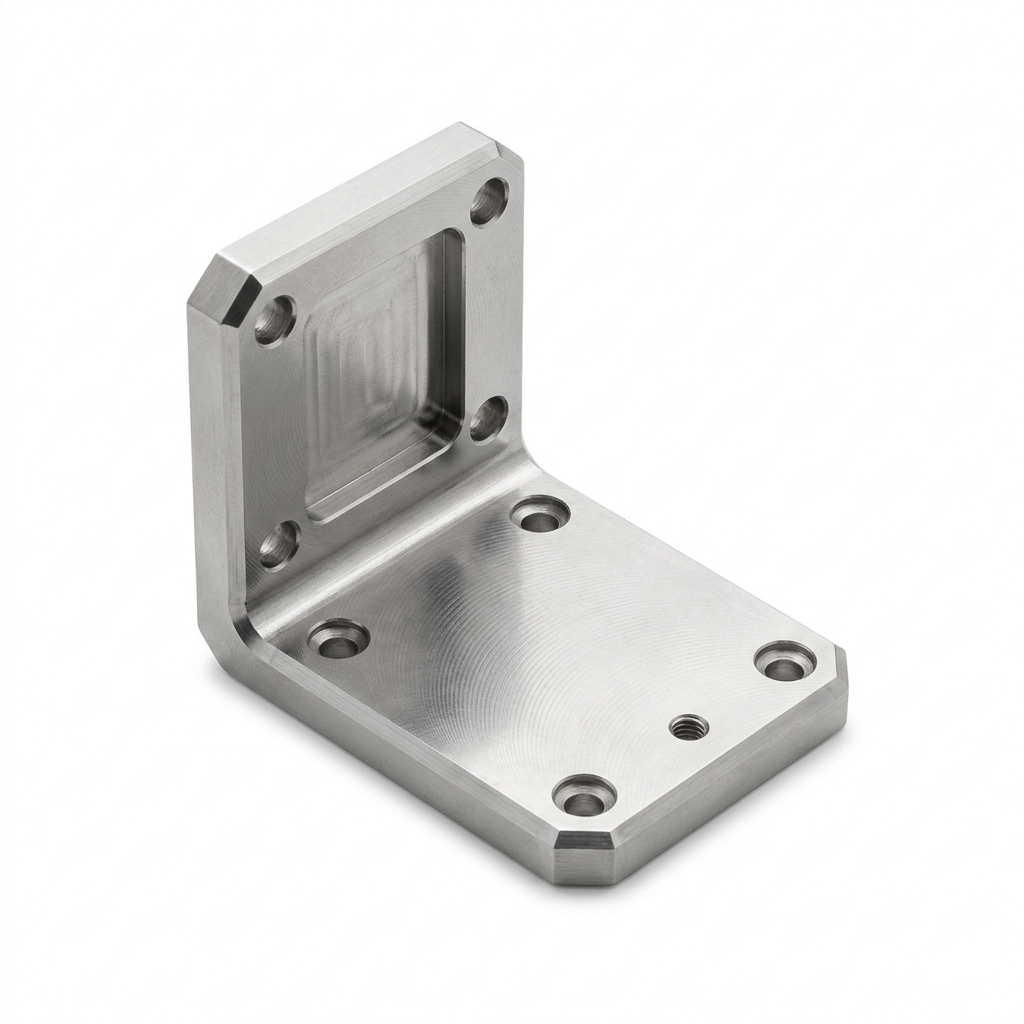
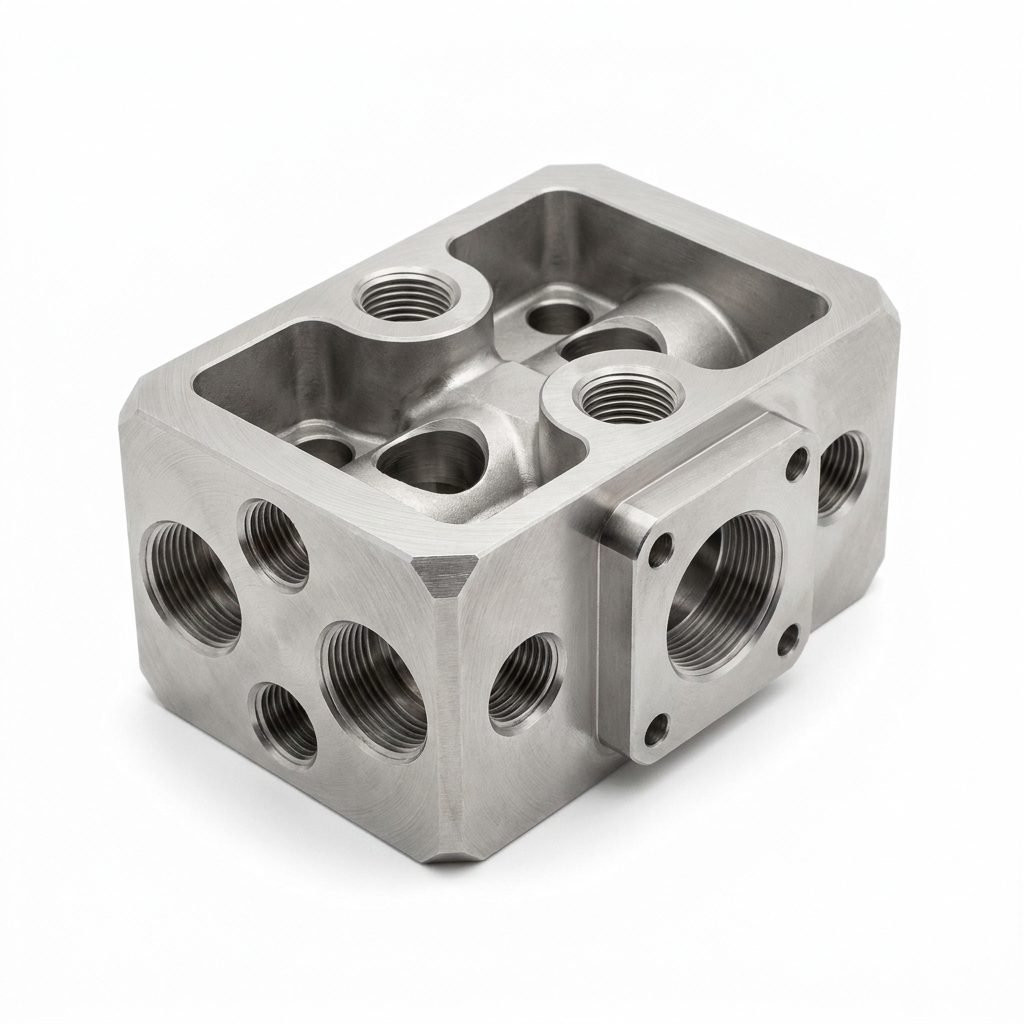
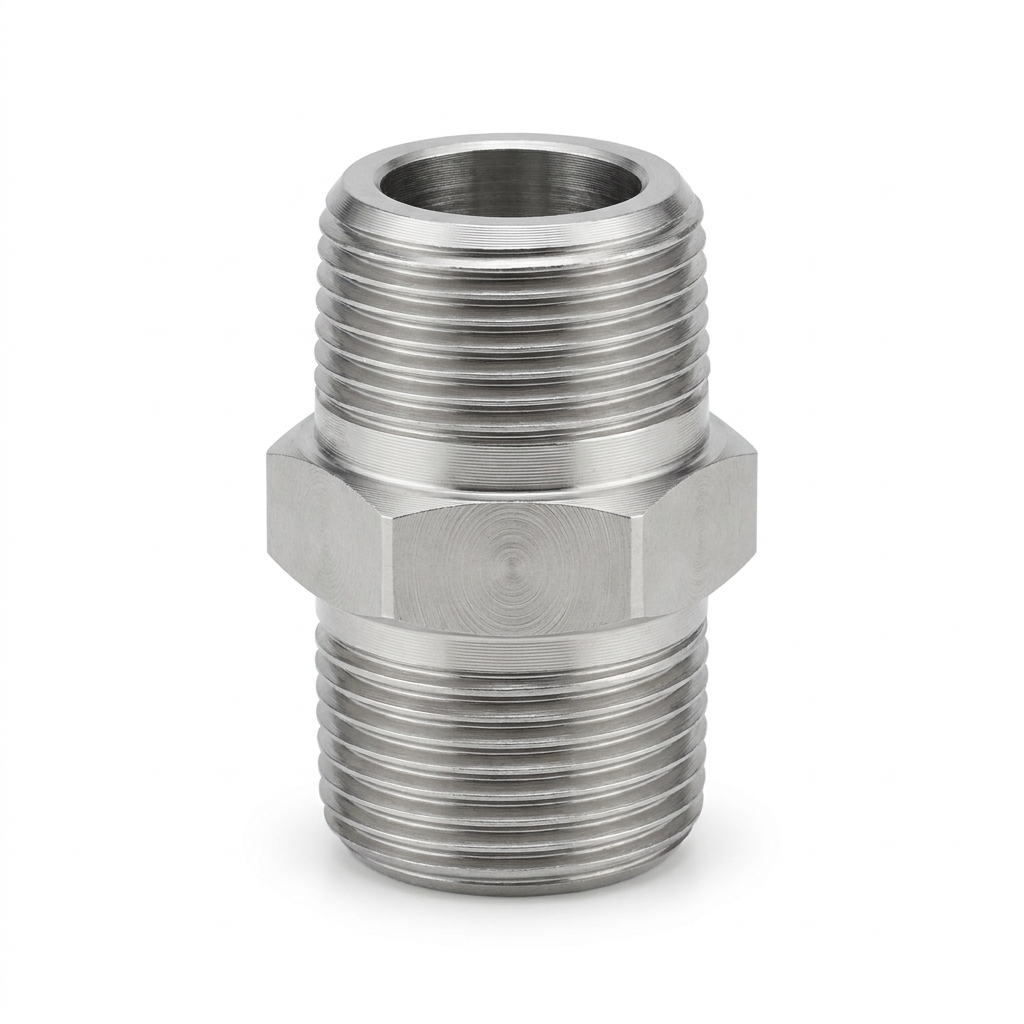
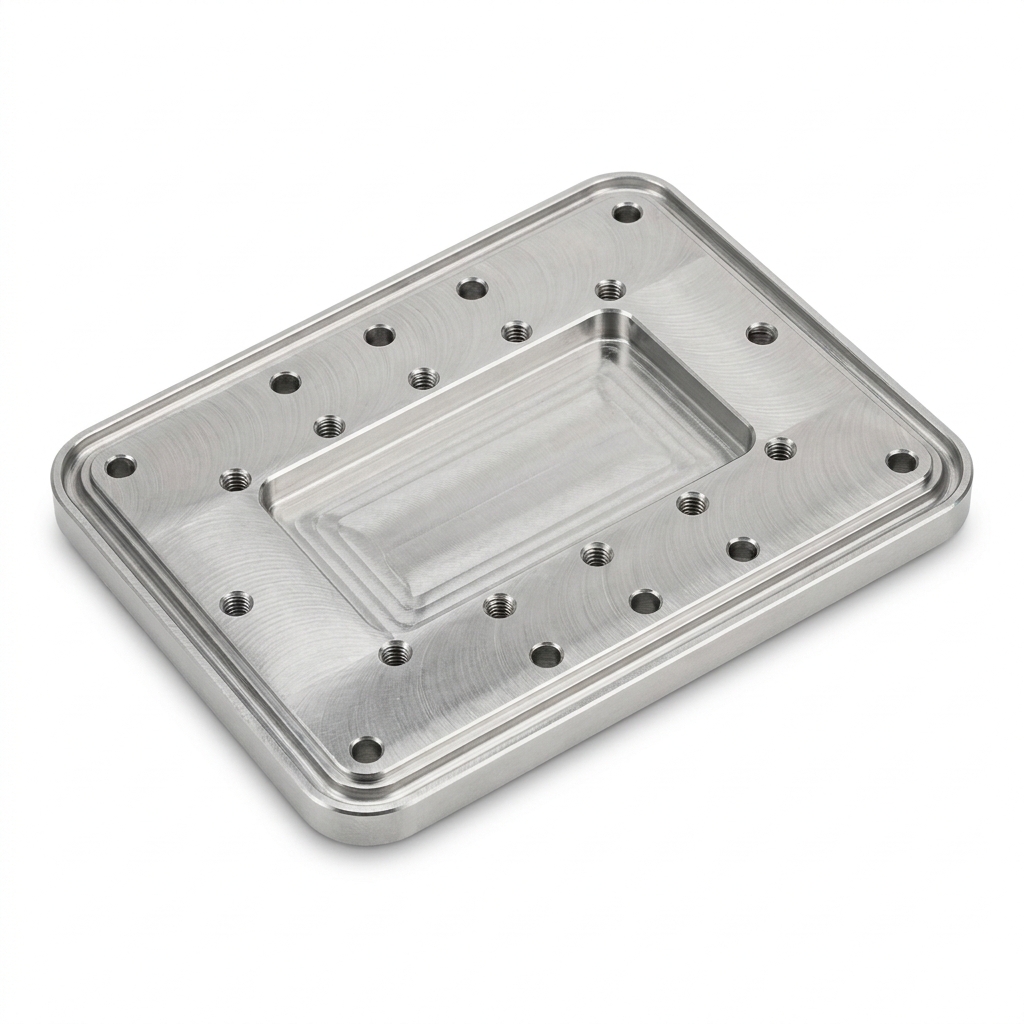
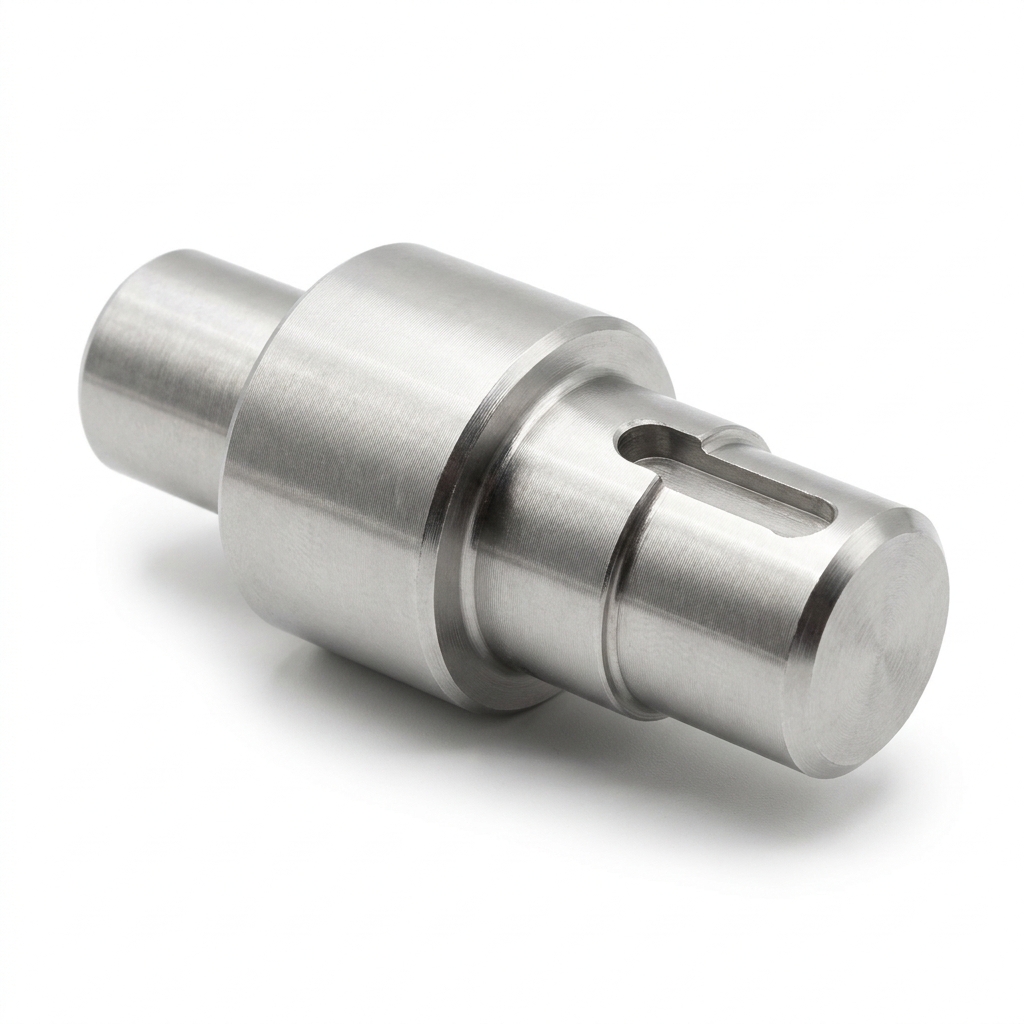
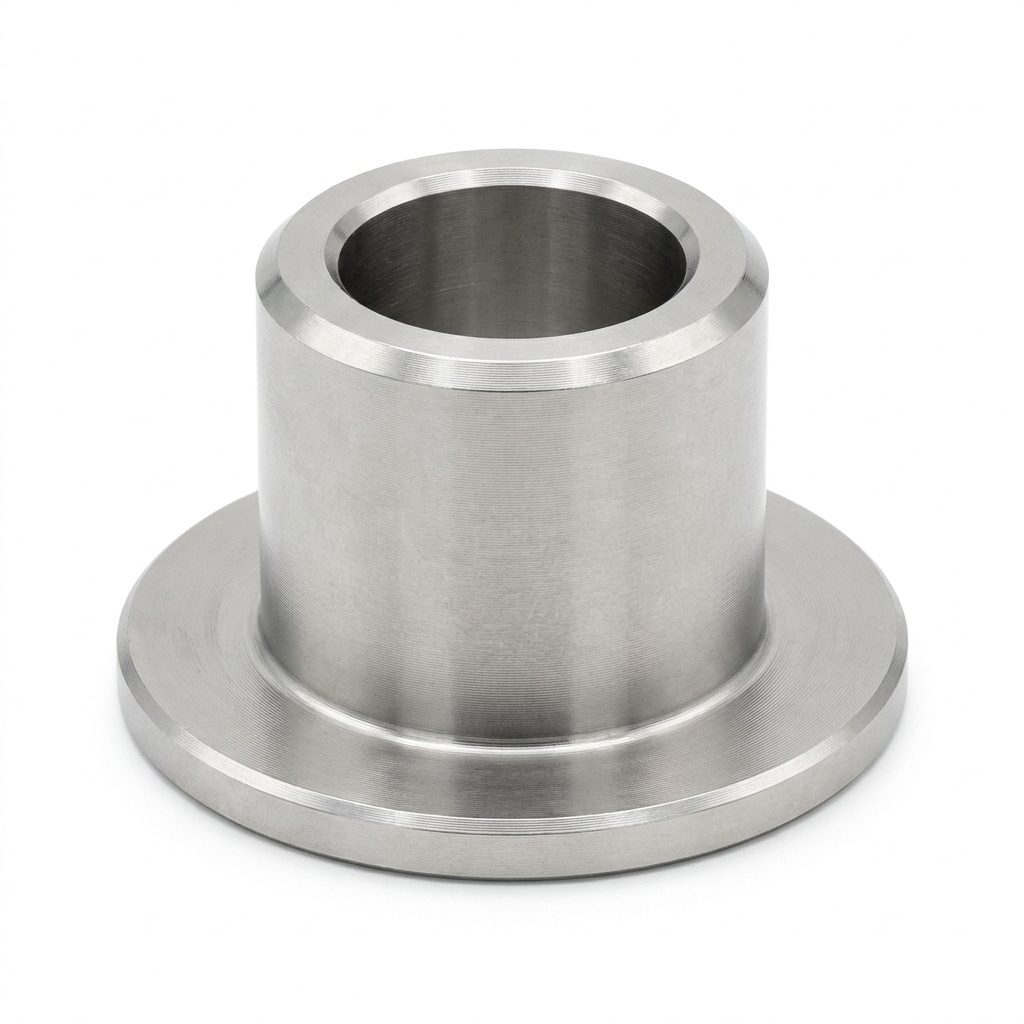
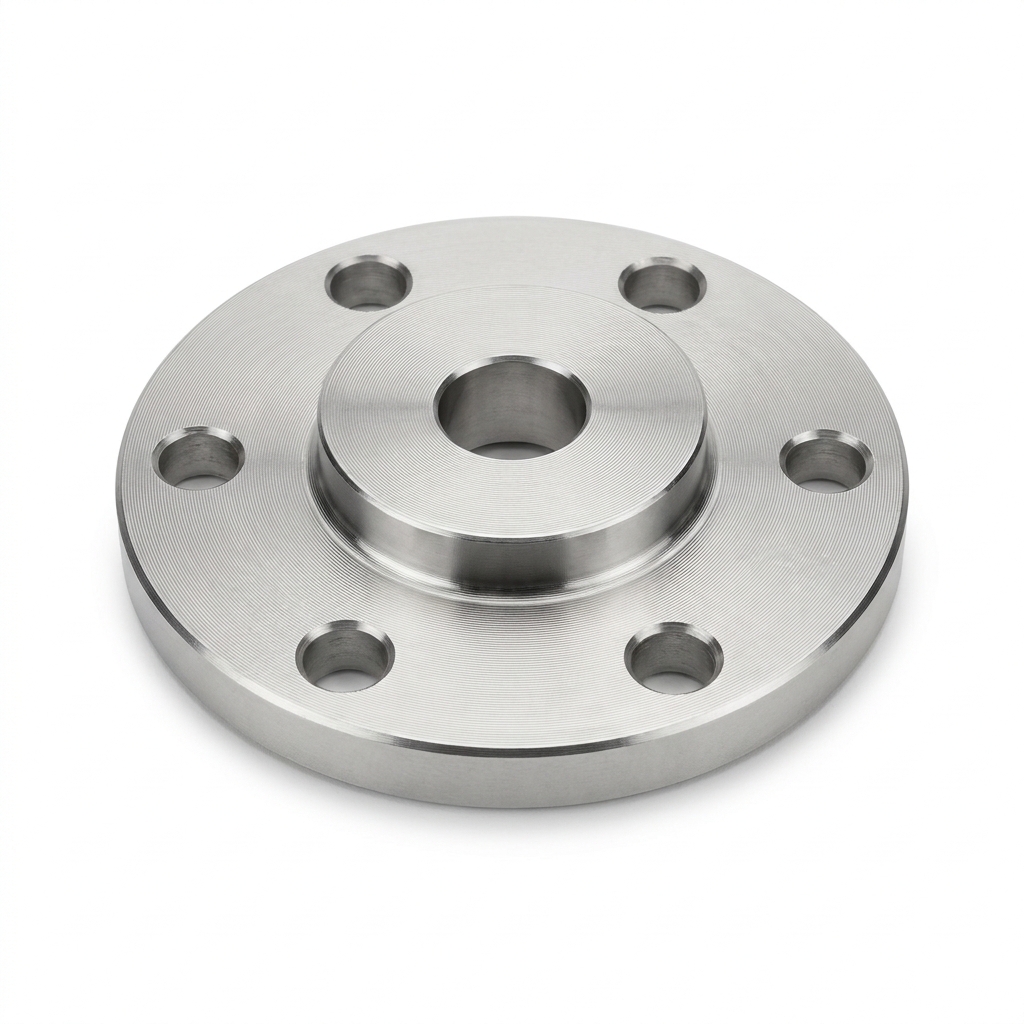
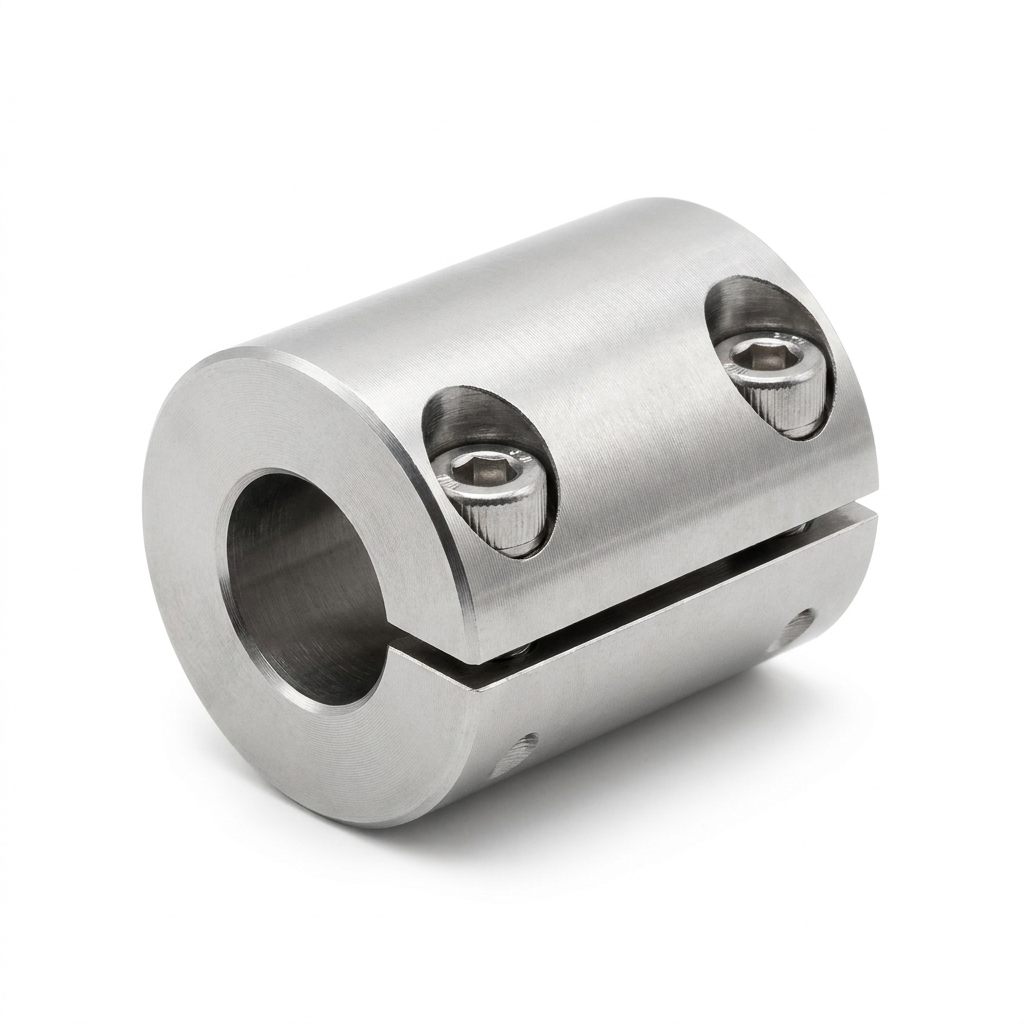
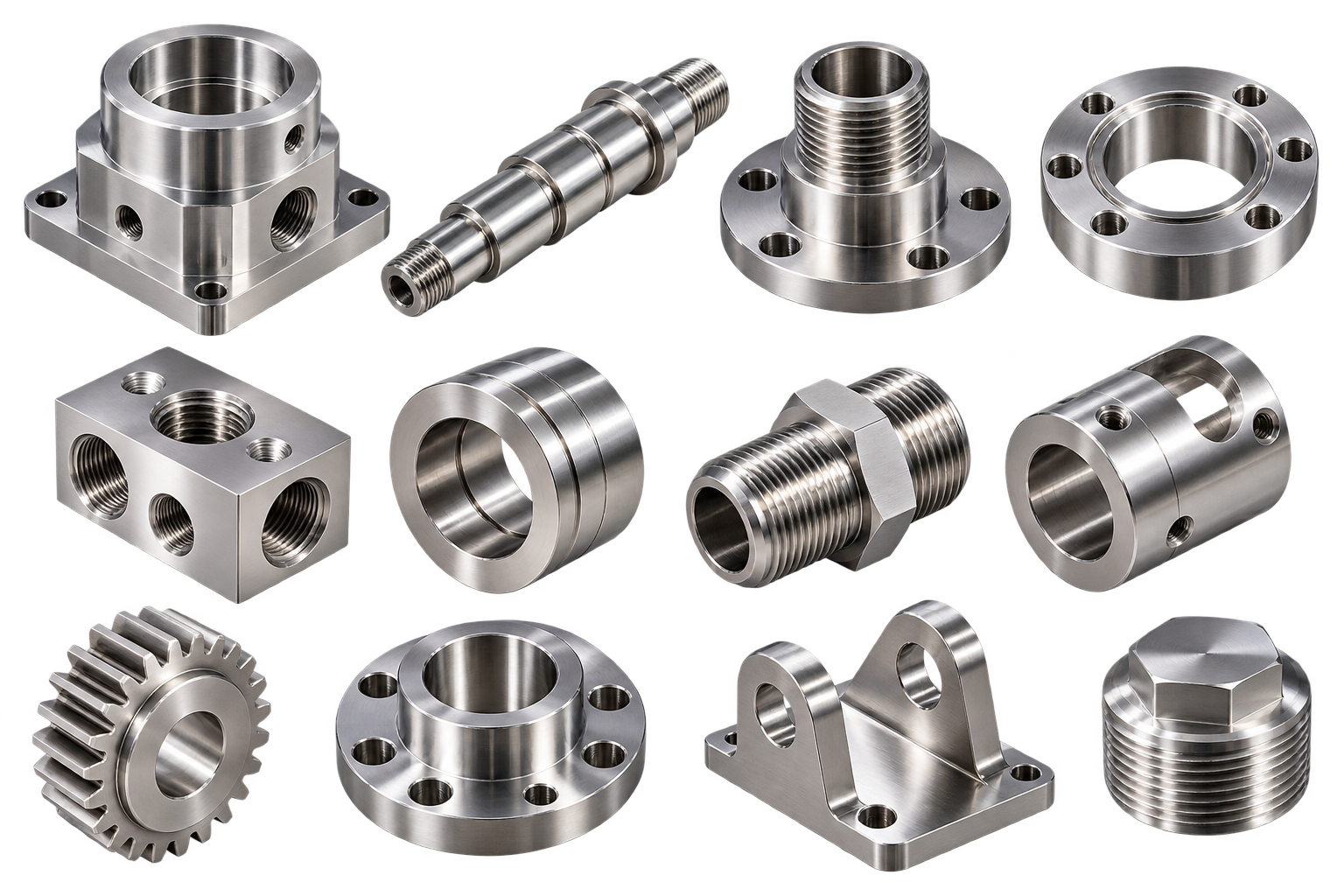
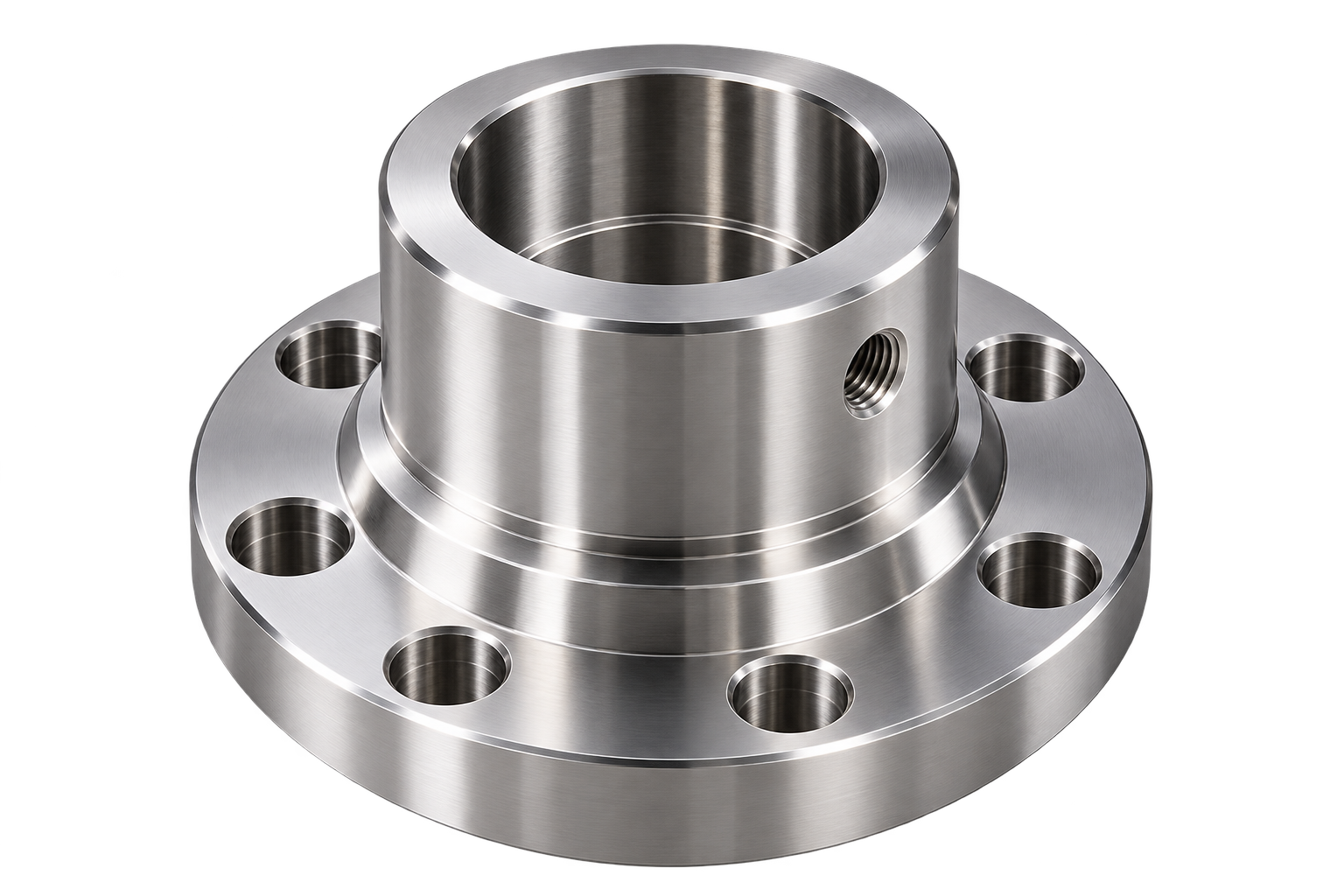
XC Machining provides precision stainless steel CNC machining services for custom prototypes and production components. Known for its excellent corrosion resistance, mechanical strength, and durability, stainless steel is widely used for medical instruments, automotive parts, food processing equipment, marine components, and industrial machinery.

Stainless Steel - XC Machining

Stainless Steel in CNC Machining

Stainless steel is a versatile metal alloy widely used in CNC machining for its excellent corrosion resistance, strength, and long-term durability. Its chromium content forms a protective oxide layer that helps resist rust and corrosion, making it suitable for components exposed to moisture, chemicals, and demanding operating environments.

Alloys available6061, 6061-T6, 6063, 6082, 5052, 5083, 2024, 7075, 7075-T6, ADC12
Price$
Lead timeUnder 10 days
Wall thickness0.75 mm
Tolerances±0.125 mm (±0.005 in)
Max part size200 x 80 x 100 cm
Stainless Steel - XC Machining

Stainless Steel Grades

Stainless Steel SUS201

SUS201 is a low-cost alternative to traditional stainless steel options. It offers good corrosion resistance and is often used in applications such as kitchen utensils, sinks, and appliances.
Tensile Yield (MPa)
275 - 380
Fatigue Strength (MPa)
240 - 290
Elongation at Break (%)
40 - 60
Hardness (Brinell)
40 - 60
Density (g/cm³)
7.90

Stainless Steel SUS303

This austenitic alloy incorporates sulfur to enhance its machinability compared to SUS304. This grade is optimal for precision machining of heavy components like gears and shafts, due to its superior machinability characteristics. It is also commonly used in screws, nuts, and bolts.
Tensile Yield (MPa)
415 - 450
Fatigue Strength (MPa)
240 - 300
Elongation at Break (%)
40 - 60
Hardness (Brinell)
35 - 50
Density (g/cm³)
7.90

Stainless Steel SUS304

SUS304 is the most versatile and widely used stainless steel. It is another austenitic alloy known for its excellent corrosion resistance and formability. This alloy is a cost-effective choice that also provides excellent strength, attributed to its higher carbon content. It is commonly used in the chemical and food industries.
Tensile Yield (MPa)
215 - 505
Fatigue Strength (MPa)
240 - 300
Elongation at Break (%)
40 - 70
Hardness (Brinell)
170 - 220
Density (g/cm³)
7.90

Advantages and Limitations of Stainless Steel CNC Machining

Stainless steel is widely used in precision CNC machining because of its excellent corrosion resistance, mechanical strength, and long-term durability. Understanding its advantages and limitations helps manufacturers select the right stainless steel grade for medical, automotive, marine, and industrial applications.

Advantages
  • Excellent Corrosion Resistance
    Stainless steel forms a protective chromium oxide layer that helps resist rust and corrosion in many industrial environments.
  • High Mechanical Strength
    Stainless steel provides reliable strength and durability for precision mechanical and structural components.
  • Long-Term Durability
    Stainless steel offers good resistance to wear and environmental exposure, supporting long service life in suitable applications.
  • Hygienic Surface Properties
    Stainless steel can achieve smooth, easy-to-clean surfaces, making suitable grades popular for food processing and medical equipment.
  • Versatile Industrial Applications
    Stainless steel CNC machined parts are widely used in automotive, aerospace, marine, medical, and industrial machinery applications.
Limitations
  • Higher Material Cost
    Stainless steel is generally more expensive than common carbon steel grades, increasing material costs for certain projects.
  • Challenging Machinability
    Some stainless steel grades can work-harden during machining, requiring suitable cutting tools and optimized machining parameters.
  • Increased Tool Wear
    Stainless steel’s strength and cutting behavior can accelerate tool wear, particularly during high-volume precision machining.
  • Higher Component Weight
    Stainless steel is denser than aluminum and titanium, making it less suitable for applications where minimum weight is essential.
Get In Touch

Bring Your Designs to Life with XC Machining

Experience precision engineering with XC Machining. From detailed prototypes to high-volume production, we’re here to turn your concepts into reality. Contact us today to discuss your project needs!

Get In Touch With Us!
Prompt response guaranteed within 12 hours

Stainless Steel CNC Machining FAQs

Stainless steel is widely used in CNC machining because of its excellent corrosion resistance, mechanical strength, and durability. It is suitable for manufacturing precision shafts, valves, fasteners, medical instruments, and industrial machinery components.

The best stainless steel grade depends on the application. Stainless Steel 303 offers excellent machinability, 304 provides a balance of corrosion resistance and versatility, 316 offers improved corrosion resistance in chloride-containing environments, and 17-4 PH is commonly used for high-strength precision components.

Some stainless steel grades are more challenging to machine than aluminum or free-machining steels because of work hardening, heat generation, and tool wear. However, suitable cutting tools, optimized machining parameters, and effective cooling help achieve accurate dimensions and quality surface finishes.

Yes. Stainless steel can be CNC machined to tight tolerances using precision equipment and controlled machining processes. Achievable tolerances depend on the material grade, part geometry, cutting conditions, and specific manufacturing requirements.

Stainless steel CNC machined parts are commonly used in medical equipment, automotive systems, marine hardware, food processing machinery, chemical processing equipment, and industrial assemblies. Typical components include shafts, brackets, fittings, valves, fasteners, and custom precision parts.