
Titanium CNC Machining Service
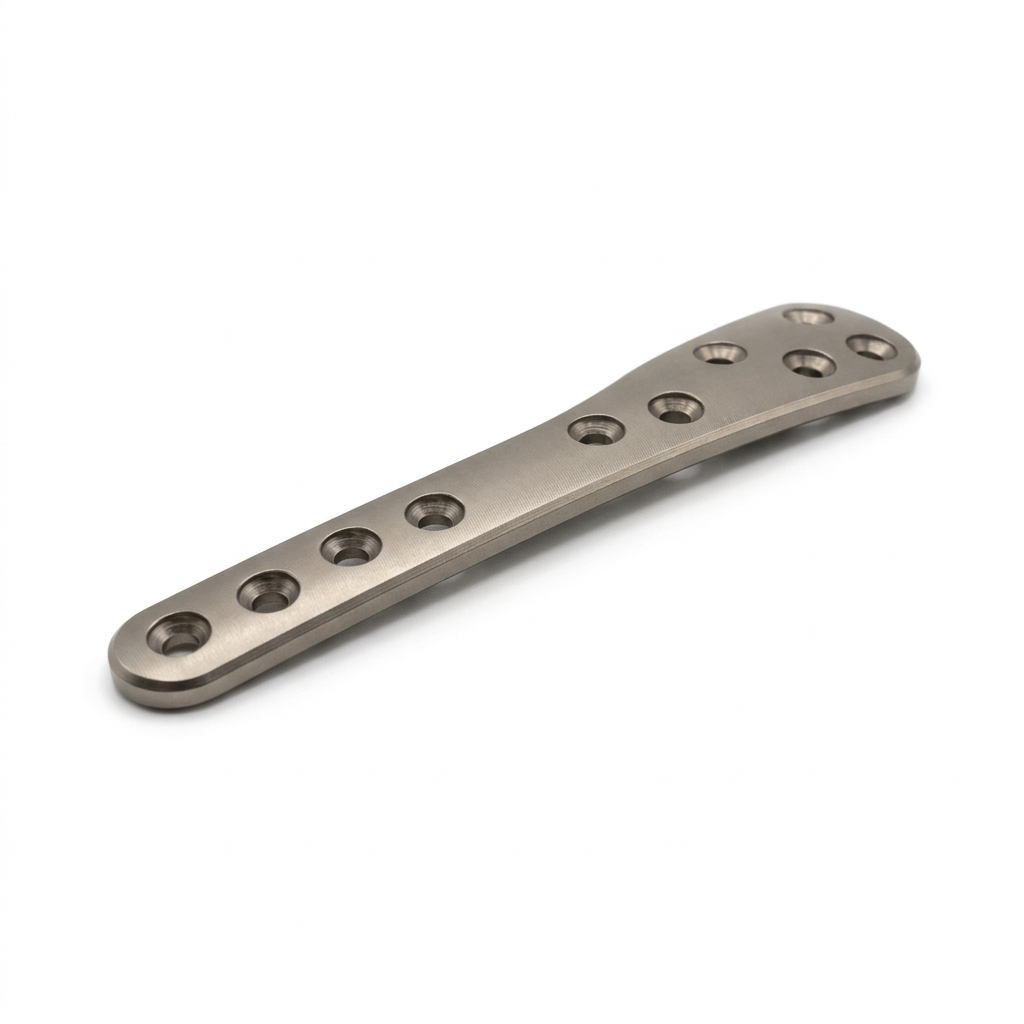
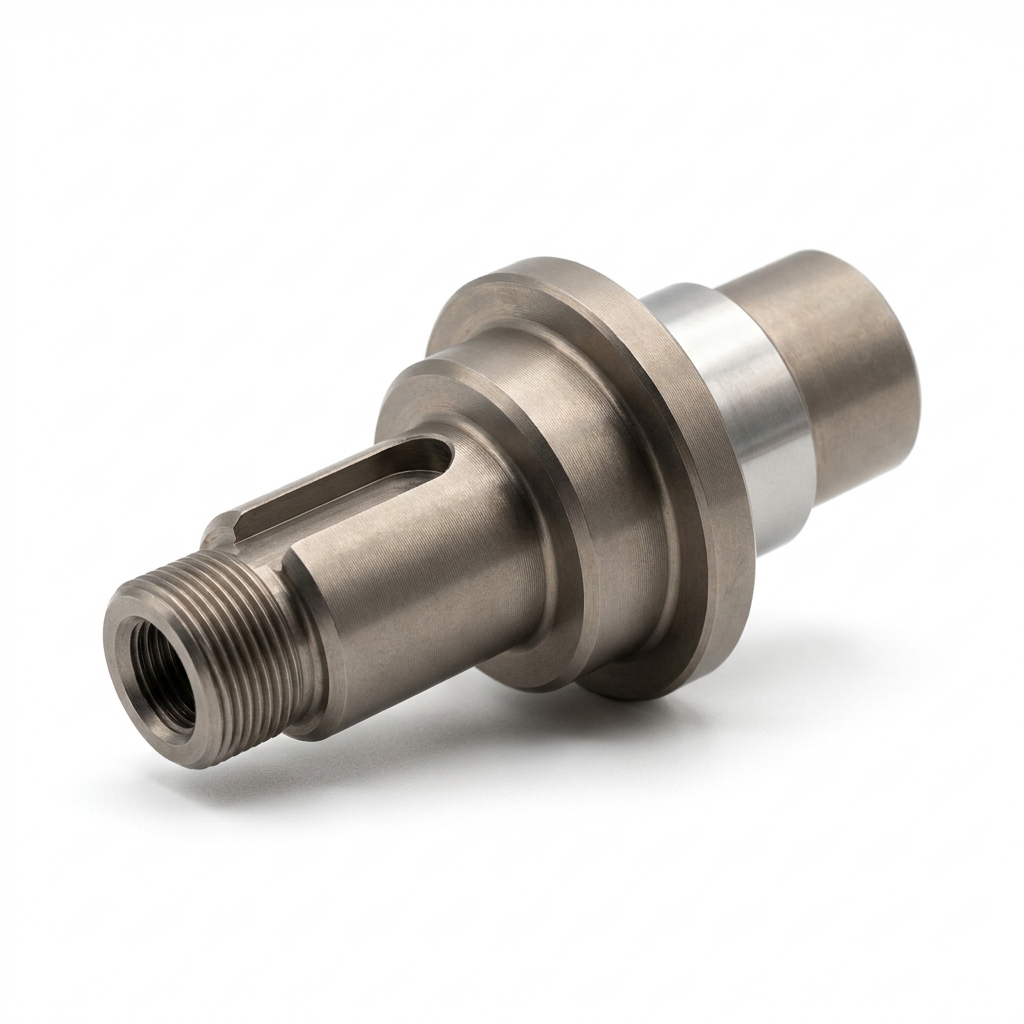
XC Machining provides precision titanium CNC machining services for custom prototypes and production components. Known for its exceptional strength-to-weight ratio, corrosion resistance, and biocompatibility in suitable grades, titanium is widely used in aerospace, medical, automotive, and high-performance industrial applications.
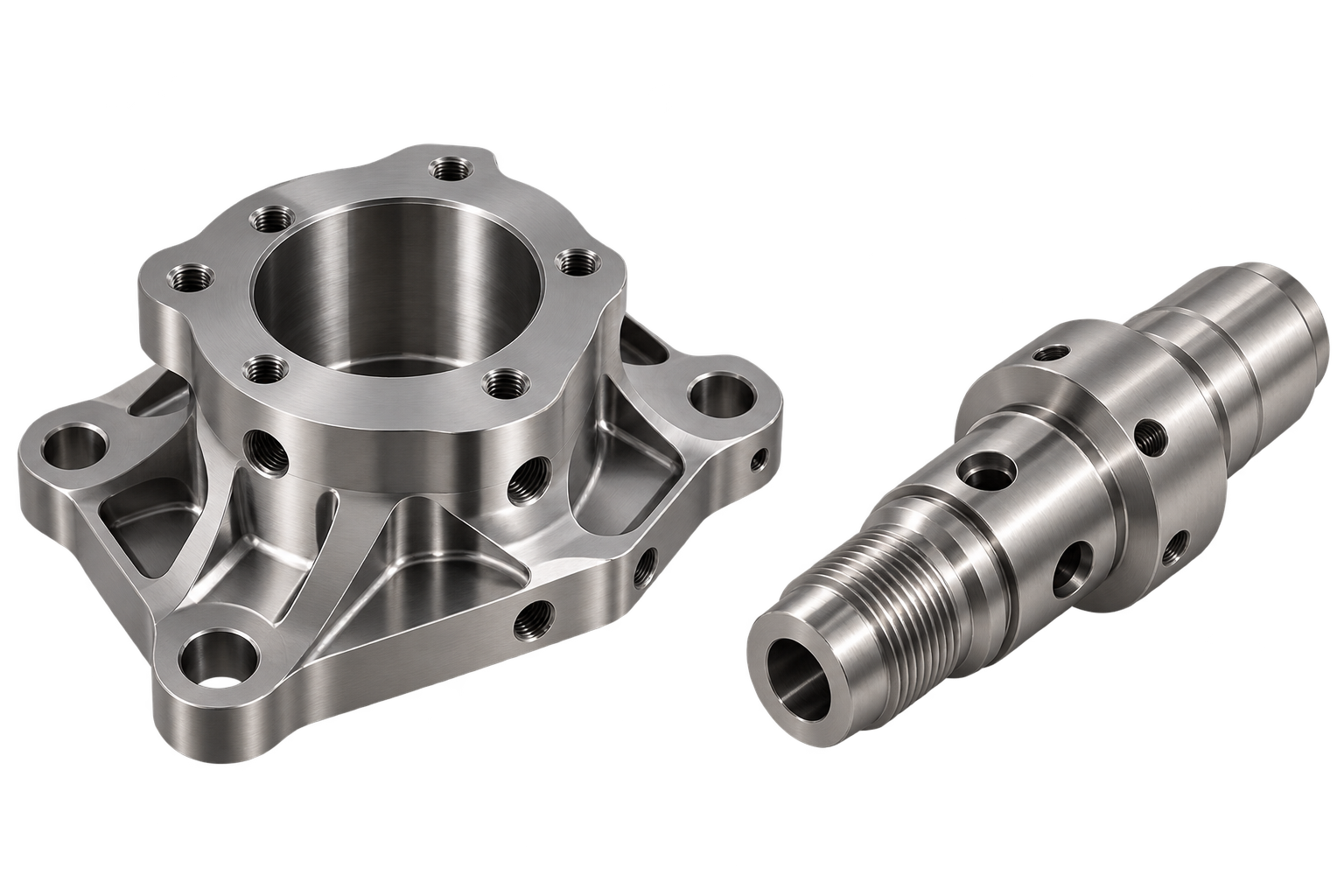
Titanium in CNC Machining
Titanium is a high-performance metal widely used in CNC machining for its excellent strength-to-weight ratio, corrosion resistance, and durability. It is particularly suitable for applications requiring lightweight components that can withstand demanding mechanical and environmental conditions.
| Alloys available | Grade 2, Grade 5 (Ti-6Al-4V), Grade 9, Grade 23 |
| Price | $ |
| Lead time | Under 10 days |
| Wall thickness | 0.75 mm |
| Tolerances | ±0.125 mm (±0.005 in) |
| Max part size | 200 x 80 x 100 cm |

Titanium TA1
Titanium TA1 is a commercially pure titanium grade known for its excellent corrosion resistance, high ductility, and good weldability. Its relatively low strength and excellent formability make it suitable for components requiring complex shaping. Common applications include chemical processing equipment, heat exchangers, marine components, and selected medical applications where material specifications permit.
Titanium TA2
Titanium TA2 offers an excellent combination of moderate strength, corrosion resistance, and good ductility. Stronger than TA1, this commercially pure titanium grade provides reliable machinability and weldability for precision components. It is widely used in chemical processing equipment, heat exchangers, marine hardware, pressure vessels, and industrial applications requiring long-term durability.
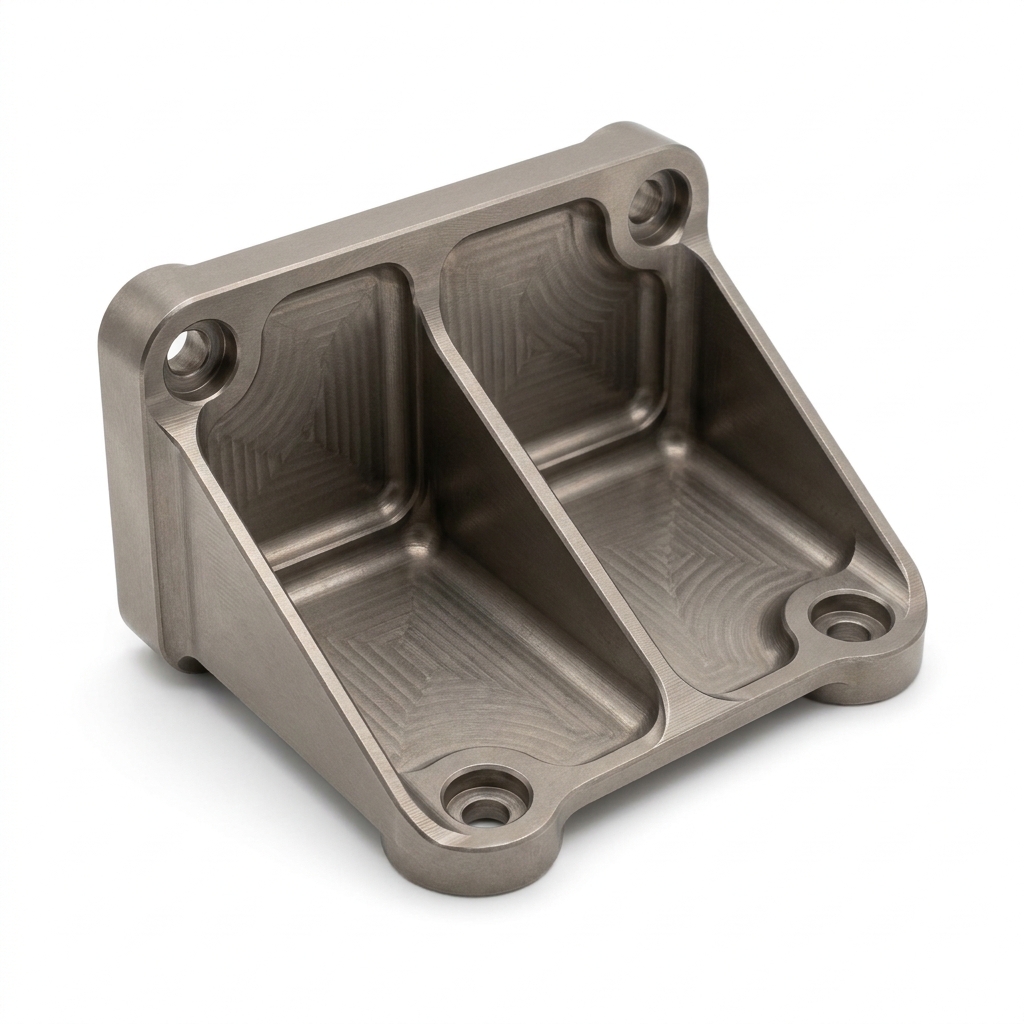
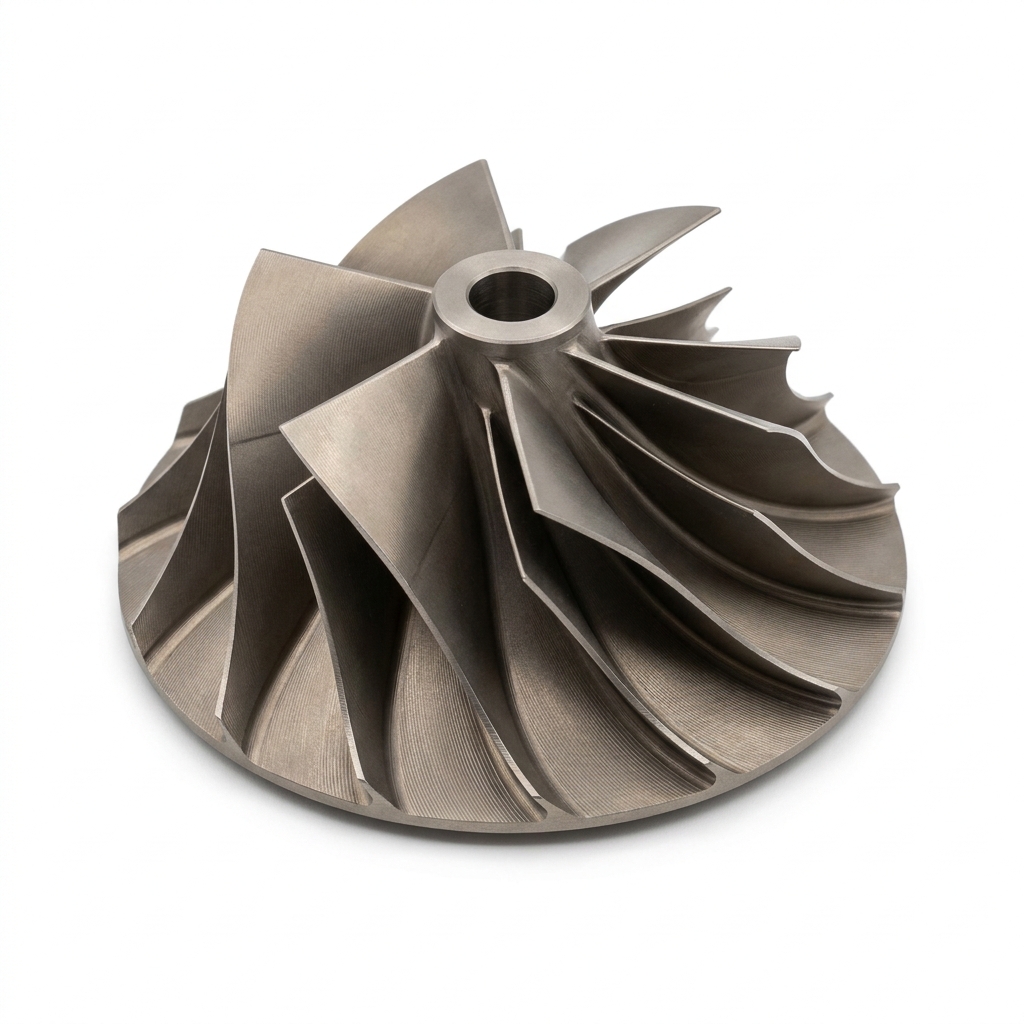
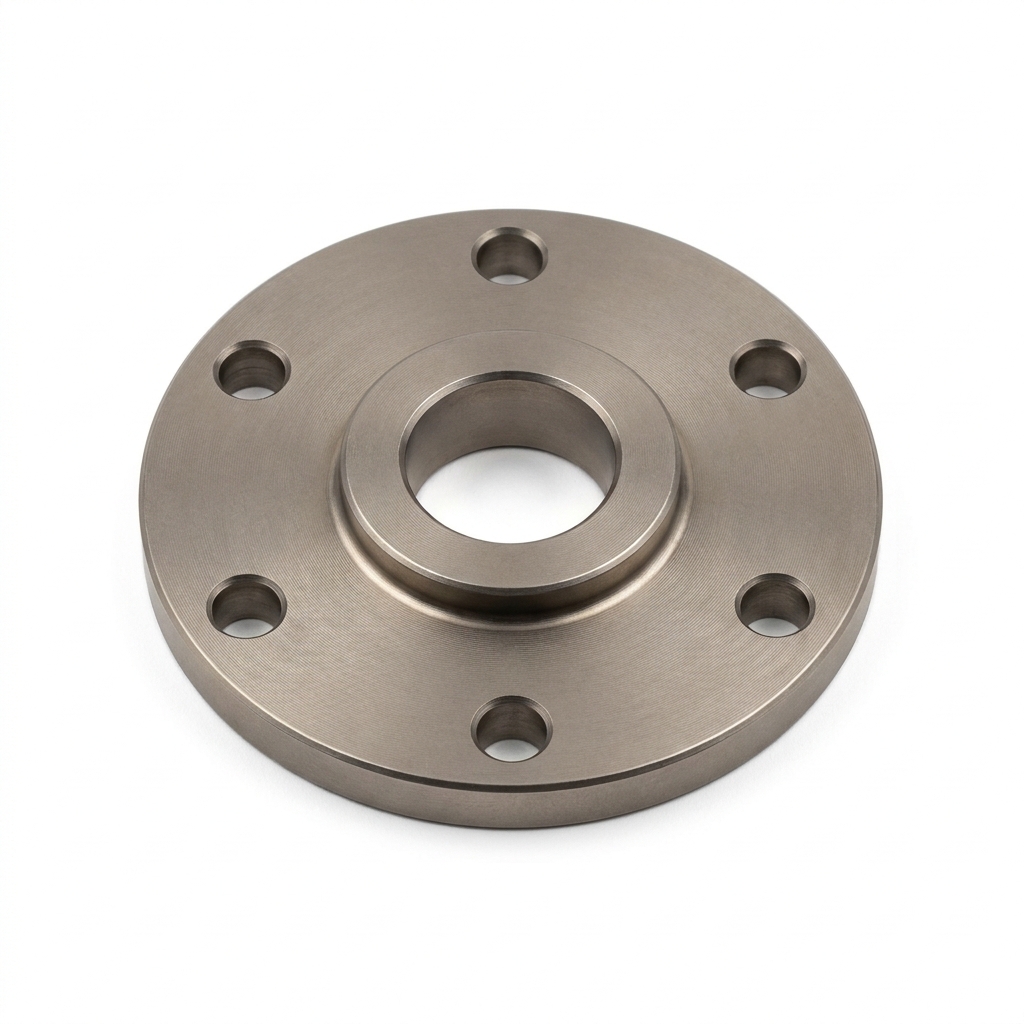
Titanium Alloy TC4 / Ti-6Al-4V
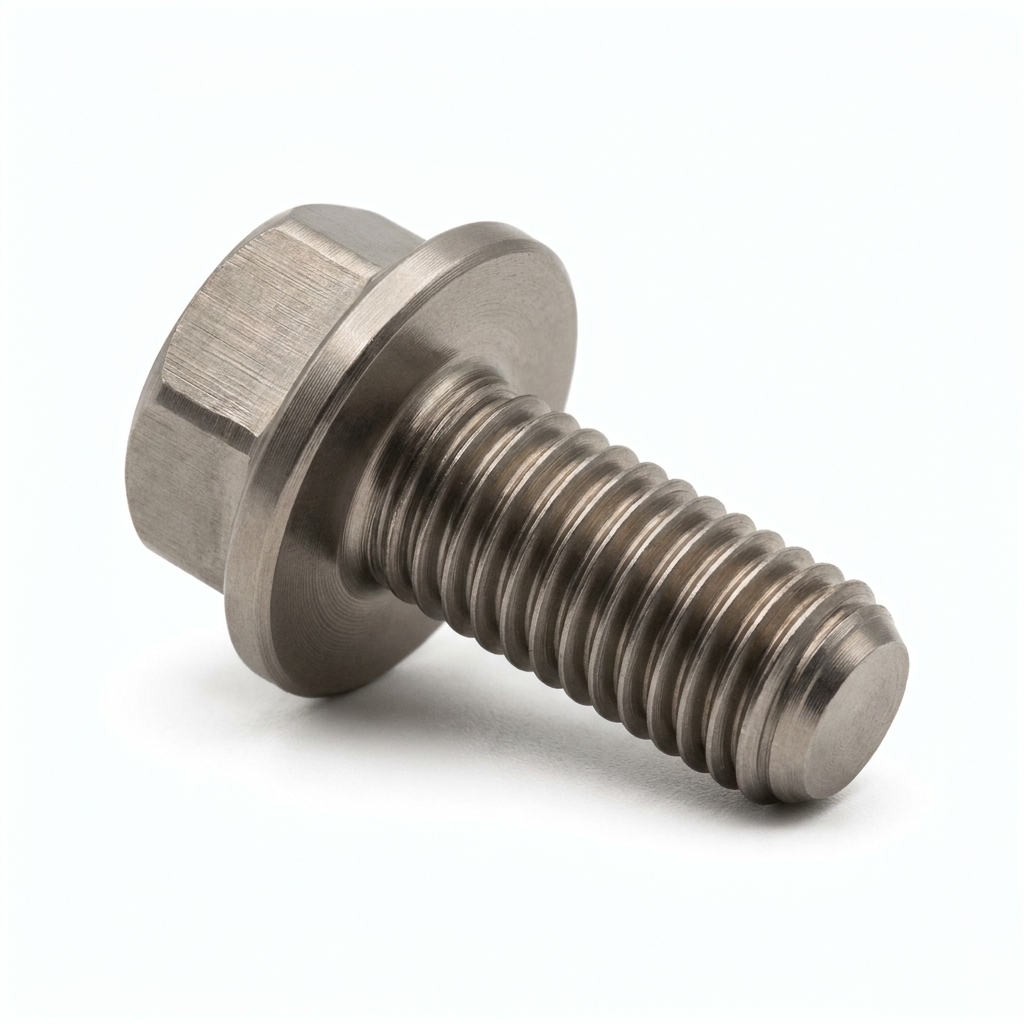
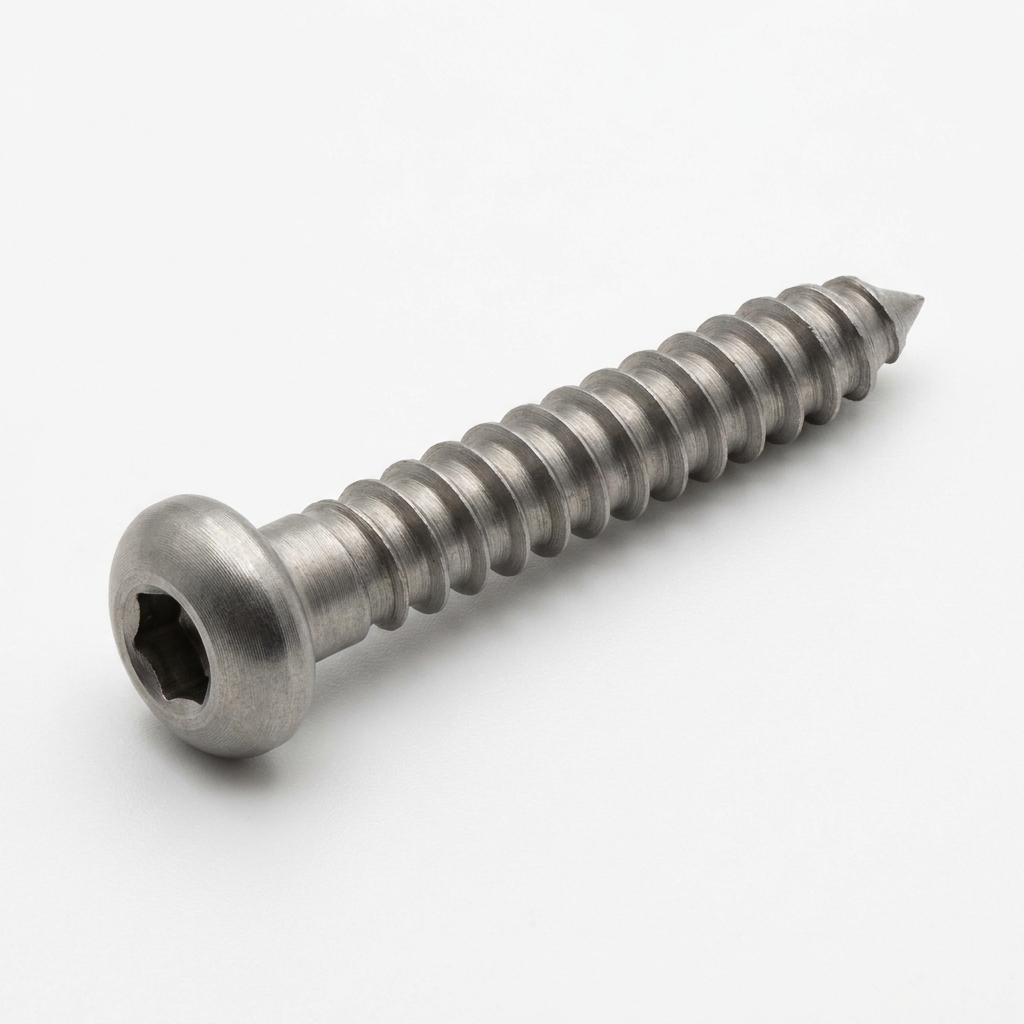
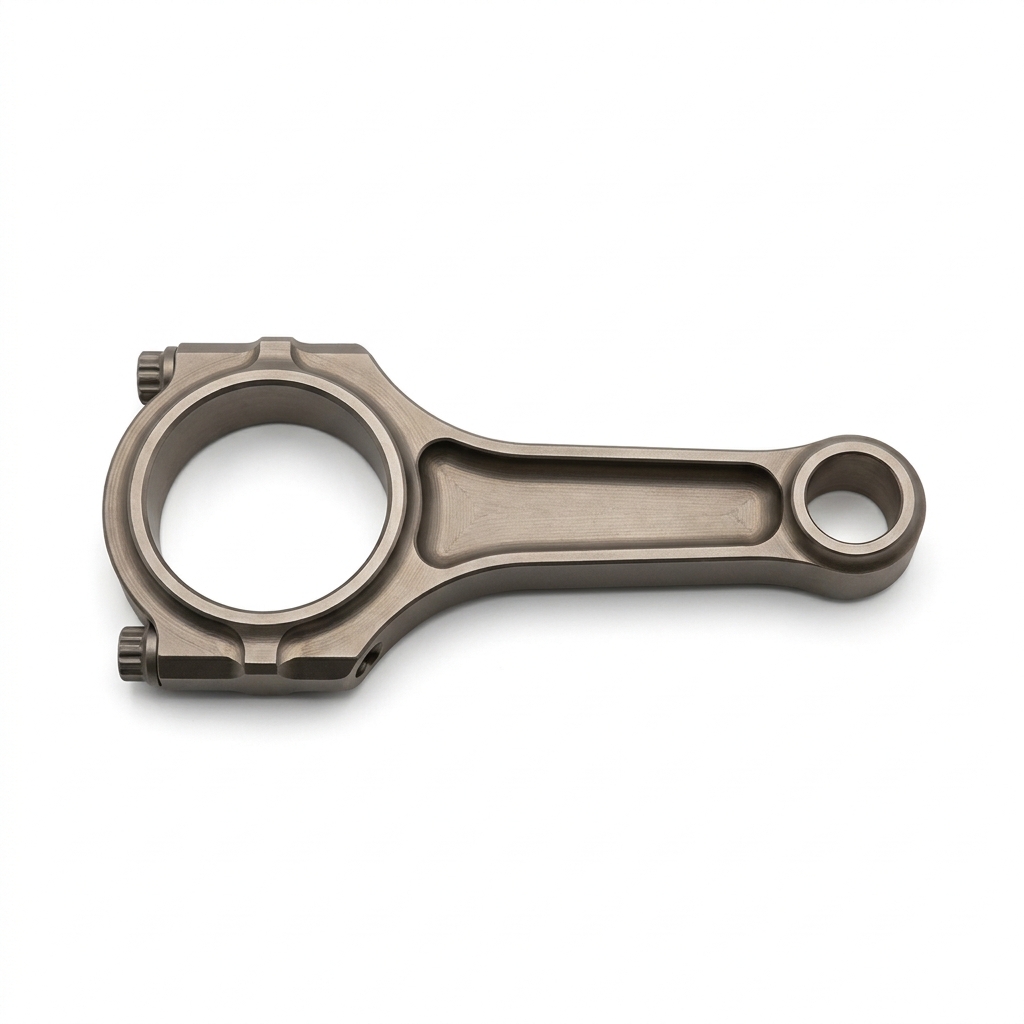
Titanium TC4, commonly known as Ti-6Al-4V, contains approximately 6% aluminum and 4% vanadium, with titanium as the main constituent. It combines high strength, low weight, and excellent corrosion resistance, making it a popular choice for demanding CNC machined parts. Typical applications include aerospace structures, engine components, fasteners, and high-performance precision engineering components.
Advantages and Limitations of Titanium CNC Machining
Titanium offers an exceptional combination of high strength, lightweight performance, and corrosion resistance for demanding CNC machining applications. Understanding its advantages and limitations helps manufacturers select the right titanium grade for aerospace, medical, marine, and precision industrial components.
- Excellent Strength-to-Weight Ratio
Titanium combines high mechanical strength with relatively low density, making it ideal for lightweight aerospace and high-performance components. - Outstanding Corrosion Resistance
Titanium naturally forms a protective oxide layer that provides excellent resistance to corrosion in many marine, chemical, and industrial environments. - High Mechanical Strength
Titanium alloys such as Ti-6Al-4V offer excellent strength and durability for demanding structural and precision engineering applications. - Good Biocompatibility
Suitable titanium grades are widely used in medical devices and implants because of their biocompatibility and corrosion resistance. - Reliable High-Performance Applications
Titanium is widely used in aerospace, automotive, medical, and industrial components requiring durability and long-term performance.
- Higher Material Cost
Titanium is generally more expensive than aluminum and carbon steel, increasing the overall cost of CNC machined components. - Challenging Machinability
Titanium’s low thermal conductivity and tendency to work-harden can accelerate tool wear and require carefully controlled cutting conditions. - High Cutting Temperatures
Heat can concentrate near the cutting edge during machining, making appropriate tooling, coolant, and cutting parameters essential. - Longer Machining Time
Titanium often requires lower material removal rates and specialized machining strategies compared with easier-to-machine metals.
Bring Your Designs to Life with XC Machining
Experience precision engineering with XC Machining. From detailed prototypes to high-volume production, we’re here to turn your concepts into reality. Contact us today to discuss your project needs!
- Expertise Shared Widely
- Market Reach Expanded
- Advanced Technology Integrated
- Collaborative Innovation Opportunities
- All uploads are secure and confidential
Titanium CNC Machining FAQs
1. Why Is Titanium Used for CNC Machining?
Titanium is widely used in CNC machining because of its excellent strength-to-weight ratio, corrosion resistance, and durability. It is ideal for manufacturing precision aerospace components, medical instruments, automotive parts, and high-performance industrial components.
2. Which Titanium Grade Is Best for CNC Machining?
The best titanium grade depends on the application. Grade 1 (TA1) offers excellent corrosion resistance and formability, while Grade 2 (TA2) provides a balance of strength and ductility. Grade 5 (Ti-6Al-4V) is commonly selected for high-strength aerospace and engineering components.
3. Is Titanium Difficult to CNC Machine?
Yes. Titanium is more challenging to machine than aluminum and many steels because of its low thermal conductivity, high cutting temperatures, and tendency to cause rapid tool wear. Specialized cutting tools, optimized machining parameters, and effective cooling help achieve accurate dimensions and quality surface finishes.
4. Can Titanium Be CNC Machined to Tight Tolerances?
Yes. Titanium can be CNC machined to tight tolerances using precision equipment, suitable cutting tools, and controlled machining processes. Achievable tolerances depend on the titanium grade, part geometry, material condition, and machining requirements.
5. What Are the Common Applications of Titanium CNC Machined Parts?
Titanium CNC machined parts are commonly used in aerospace structures, aircraft engine components, medical instruments, marine equipment, automotive systems, and precision industrial assemblies. Its combination of strength, lightweight performance, and corrosion resistance makes it suitable for demanding applications.