CNC Routing Services
XC Machining provides CNC routing for large-format cutting, shaping, and engraving of plastics, wood, composites, and aluminum sheet. Maximum work envelope 2400 × 1200 mm with ±0.127 mm tolerances and 5–7 day lead times.
- All uploads are secure and confidential
Why Should You Choose XC Machining for CNC Routing?
XC Machining provides CNC routing for signage, architectural panels, furniture components, packaging prototypes, enclosures, and display fixtures. Our large-bed CNC routers handle sheet materials up to 2400 × 1200 × 50 mm in ABS, HDPE, acrylic, polycarbonate, MDF, plywood, foam, and aluminum composite (ACM). We route prototypes in quantities from 1 to 50 parts and production runs up to 2,000+ parts per order.
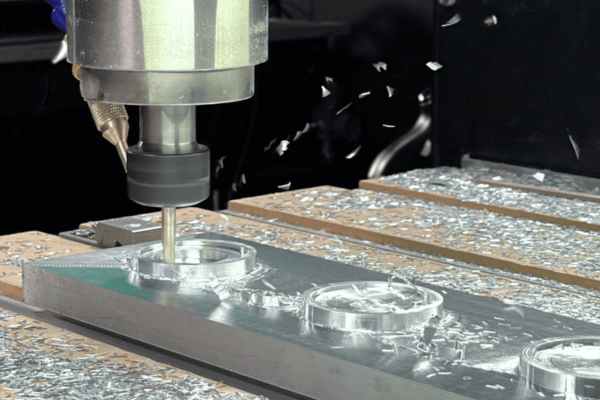
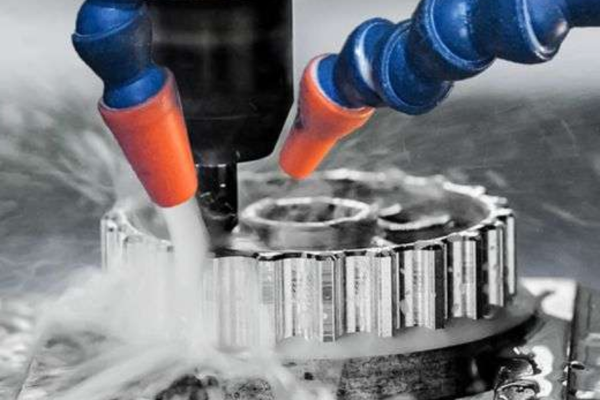
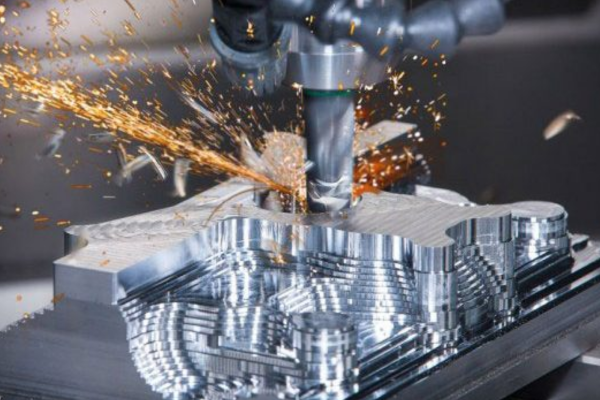
Every CNC routed part is programmed using CAM software that optimizes toolpaths for material type, bit diameter, and feed rate. XC Machining operates gantry-style CNC routers with vacuum hold-down tables for sheet stability and dust extraction systems for clean cuts. We provide DFM feedback on tab placement, corner radii, and nesting layout before production.
We route plastics (ABS, HDPE, UHMW, acrylic, polycarbonate), wood (MDF, Baltic birch plywood), composites (ACM panels, carbon fiber sheet), and soft metals (aluminum, brass) with standard lead times of 5–7 business days.
What Are the Key Applications of CNC Routing?
CNC routing produces flat-stock parts from sheet materials through precise 2D cutting, pocket milling, profiling, and surface engraving. The process handles production volumes from 1 prototype to 2,000+ parts with ±0.127 mm positional accuracy across the full work envelope.
- Signage panels, channel letters, and trade show displays
- Architectural screen panels and interior wall features
- Packaging die boards and corrugated prototypes
- Furniture components, cabinet parts, and joinery
- ABS and acrylic electronics enclosures and covers
- Retail display fixtures and point-of-sale units
- Mold patterns, jigs, and thermoforming templates
Industries using XC Machining CNC routing include signage, architecture, furniture, packaging, consumer electronics, automotive interiors, and prototyping labs requiring precision flat-stock processing in plastics, wood, composites, and aluminum.
What Technologies Power CNC Routing at XC Machining?
XC Machining uses industry-standard CAM software (Mastercam, Fusion 360) to generate optimized toolpaths from your DXF, DWG, or STEP files. Nesting algorithms maximize material utilization — typically 85–92% sheet yield — while maintaining ±0.127 mm cut accuracy.
Our CNC routers operate spindle motors from 12,000 to 24,000 RPM with 3–10 HP power output. Higher RPM enables cleaner cuts in acrylic and polycarbonate with minimal edge melting and Ra 0.8–1.6 μm surface finish.
Servo-driven motion systems on X, Y, and Z axes position the cutting head with ±0.05 mm repeatability. Ball-screw and rack-and-pinion drives maintain consistent feed rates from 1,000 to 15,000 mm/min across the full table.
Integrated dust extraction systems with 2,000+ CFM airflow remove chips and particles during routing. This prevents bit contamination, maintains cut quality on plastics, and keeps the work environment safe and clean per workshop standards.
What Tolerances Does CNC Routing Achieve at XC Machining?
XC Machining CNC routing achieves the tolerances listed below for wood, plastics, composites, and soft metals. Precision varies by material hardness, bit diameter, and part geometry. All tolerances are verified before shipping.
| Description | Specification |
| Precision Tolerances | Achievable tolerances as tight as +/- 0.005 inches (0.127 mm) |
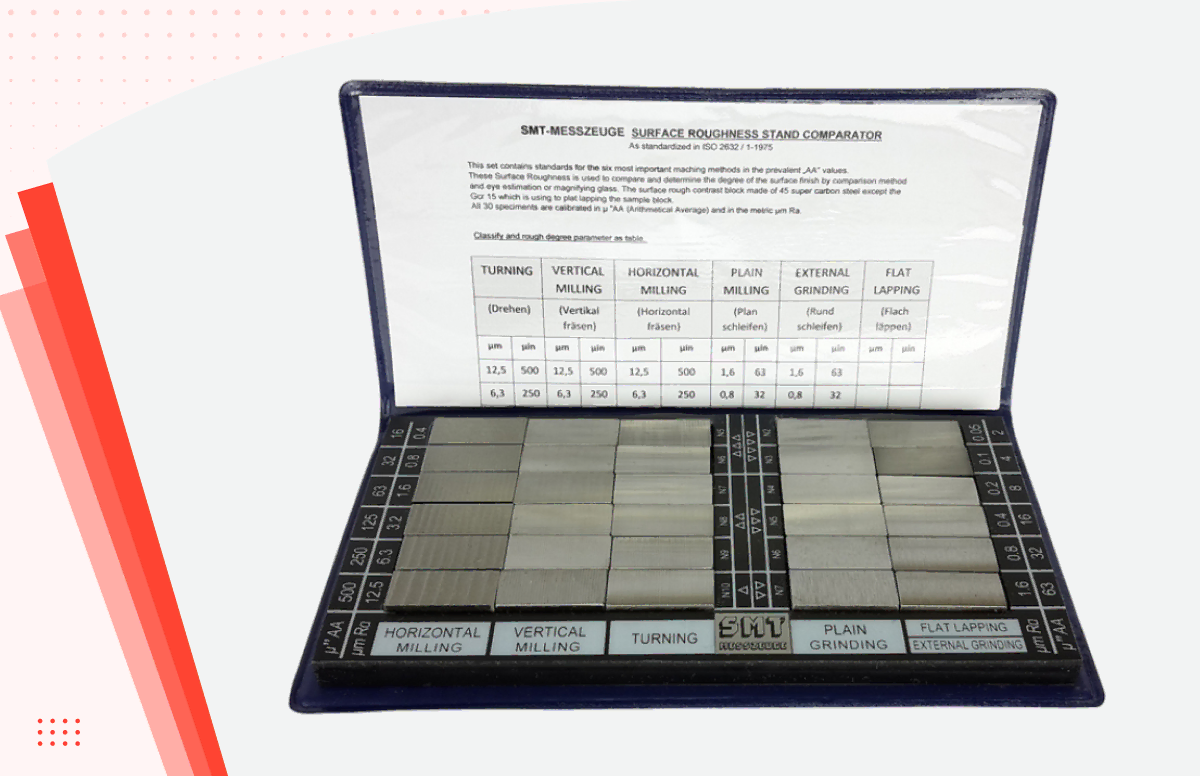
| Surface Finish | Ra 32 µin (0.8 µm) to Ra 63 µin (1.6 µm) |
| Minimum Wall Thickness | 1mm |
| Minimum End Mill Size | 0.5mm |
| Minimum Drill Size | 1mm |
| Maximum Part Size | CNC Routing: 2400×1200×50 mm |
| Minimum Part Size | 20×20×5 mm |
| Production Volume | Prototyping: 1-100 pcs |
| Low Volume: 101-2,000 pcs | |
| High Volume: Above 2,000 pcs | |
| Lead Time | 5-7 business days for most projects. Delivery of simple parts can be as fast as 1 day. |
Why Is XC Machining a Trusted CNC Routing Provider?
XC Machining routes parts for signage companies, furniture manufacturers, packaging producers, and electronics OEMs. Our routing department processes 200+ projects per month with full dimensional inspection and DFM review included on every order.
We route intricate 2D profiles, 3D contours, and engraved surfaces from single prototypes to 2,000+ production parts. Upload your DXF, DWG, or STEP file to receive a routed part quote within 12 hours.
What Large-Format CNC Routing Capabilities Does XC Machining Offer?
XC Machining large-bed CNC routers handle full-sheet processing up to 2400 × 1200 mm in a single setup. We route aluminum composite panels (ACM) for architectural cladding, HDPE sheets for industrial guards, MDF panels for retail fixtures, and acrylic sheets for illuminated signage — all to ±0.127 mm tolerance.
What Quality Standards Does XC Machining Apply to CNC Routing Projects?
Every CNC routing project follows XC Machining’s quality procedures with dimensional verification, edge quality inspection, and material traceability. Our routing department operates large-format gantry routers with vacuum tables, dust extraction, and automated nesting to maximize material yield and part consistency.

Our routing department operates gantry-style CNC routers with work envelopes up to 2400 × 1200 × 50 mm, vacuum hold-down tables for sheet stability, and 12,000–24,000 RPM spindles with automatic tool changers.

CNC routable materials include ABS, HDPE, UHMW, acrylic, polycarbonate, MDF, Baltic birch plywood, foam board, ACM panels (aluminum composite), carbon fiber sheet, aluminum 6061, and brass.

Our engineers review routing files for minimum corner radius (standard 3.175 mm / ⅛"), tab placement strategy, bridge spacing, nesting layout optimization, and material hold-down feasibility. DFM feedback within 12 hours.

CNC routed parts receive sanding (Ra 1.6–3.2 μm), polishing, brushing, painting, anodizing (aluminum only), edge banding (wood/MDF), or clear coating for UV protection and aesthetic finish.
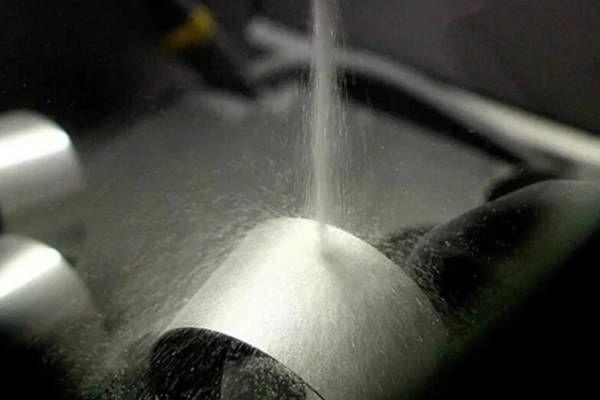
What Surface Finishes Are Available for CNC Routed Parts?
CNC routing is primarily used for softer materials, and the finishes applied enhance the material properties while providing smooth, uniform surfaces.
Sanding removes tool marks and routing burrs from wood, MDF, and plastic parts to Ra 1.6–3.2 μm, preparing surfaces for painting, coating, or lamination.
Polishing achieves Ra 0.4–0.8 μm gloss finish on CNC routed acrylic, polycarbonate, and ABS parts. Flame polishing available for acrylic edge clarity on signage and display components.
Brushing creates a directional satin grain at Ra 0.8–1.6 μm on aluminum routed panels, reducing fingerprint visibility for architectural and display applications.
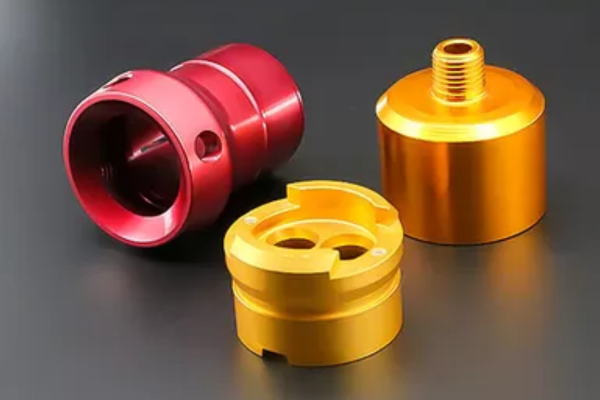
Anodizing (Type II) forms a 5–25 μm oxide layer on CNC routed aluminum panels with custom RAL color options for outdoor signage and architectural cladding.
Electropolishing removes micro-burrs from CNC routed stainless steel and aluminum parts via electrolytic dissolution, achieving Ra 0.2–0.4 μm with enhanced corrosion resistance for food-grade applications.
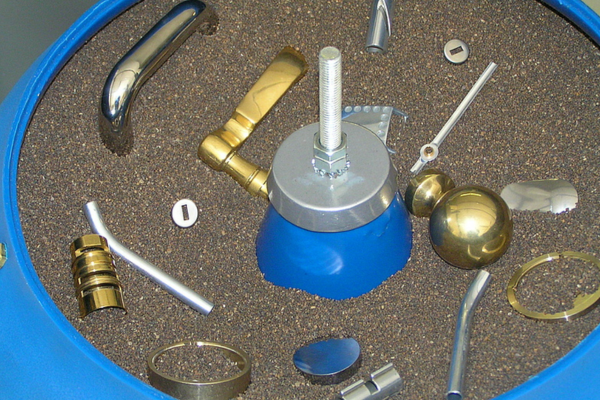
Vibratory finishing deburrs small CNC routed plastic and metal parts in batch, achieving Ra 0.8–1.6 μm uniform edge quality across production volumes for safe handling.
What Materials Can XC Machining CNC Route?
XC Machining CNC routes plastics, wood, composites, and soft metals. Each material below is stocked for standard 5–7 day lead times. Routing parameters (spindle speed, feed rate, bit type) are optimized per material to prevent edge melting, chipping, or delamination.
ABS (Acrylonitrile Butadiene Styrene), HDPE (High-Density Polyethylene), UHMW (Ultra-High Molecular Weight Polyethylene)
ACM Panel (Aluminum Composite Material)
Baltic Birch Plywood, MDF (Medium-Density Fiberboard)
Aluminum, Brass
Our CNC Routing Prototype Manufacturing Capabilities
Provides injection molding for prototypes and custom parts, emphasizing expert support, competitive pricing, and faster production cycles.
Get reliable vacuum casting services for high-quality prototypes and production parts at competitive prices. XinCheng offers highly detailed casting parts with consistent quality.
Uses cutting, bending, and forming techniques to produce precision metal components suited for industrial, commercial, and manufacturing applications.
Specialist Industries
Bring Your Designs to Life with XC Machining
- Expertise Shared Widely
- Market Reach Expanded
- Advanced Technology Integrated
- Collaborative Innovation Opportunities
- All uploads are secure and confidential
CNC Routing Frequently Asked Questions
What Is the Difference Between CNC Routing and CNC Milling?
CNC routing uses high-RPM spindles (12,000–24,000 RPM) on large-bed gantry machines to cut sheet materials — plastics, wood, composites, and aluminum — with tolerances around ±0.127 mm. CNC milling uses lower-RPM, higher-torque spindles (8,000–20,000 RPM) on smaller-envelope VMCs to machine metals and hard plastics with tolerances to ±0.005 mm. Routing processes flat stock at higher feed rates; milling produces precision 3D parts. XC Machining offers both.
What Types of Parts and Designs Can CNC Routing Produce?
CNC routing produces 2D profiles, 3D contoured surfaces, V-carved lettering, pocket cuts, dado joints, and surface engravings. Common routed parts include sign panels, furniture components, cabinet doors, display fixtures, electronics enclosures, packaging die boards, and thermoforming patterns. XC Machining accepts DXF, DWG, and STEP files for all routing projects.
Can CNC Routing Handle Large-Format Sheet Parts?
Yes. XC Machining CNC routers process full sheets up to 2400 × 1200 × 50 mm in a single setup with vacuum hold-down for sheet stability. We route oversized architectural panels, furniture sheet goods, and signage substrates without seaming — maintaining ±0.127 mm accuracy across the entire work surface.
What Accuracy Can CNC Routing Achieve?
XC Machining CNC routing achieves ±0.05 mm to ±0.127 mm tolerance depending on material type, bit diameter, and part geometry. Positional repeatability is ±0.05 mm. We verify dimensions with digital calipers and CMM spot-checks on production runs to maintain consistency across batches.
Which Industries Use CNC Routing Services Most?
Signage and display companies, furniture manufacturers, architectural firms, packaging producers, electronics OEMs, and prototyping labs use CNC routing most frequently. XC Machining serves each with material-specific routing parameters — acrylic for signage, MDF for furniture, ACM for architecture, and ABS for electronics enclosures.