Aluminum Extrusion

“Shaping innovation with strength and versatility.” Aluminum Extrusion transforms aluminum alloys into intricate cross-sectional profiles that are lightweight, strong, and corrosion-resistant. Ideal for diverse applications, our solutions deliver both durability and precision.

What is Aluminum Extrusion ?

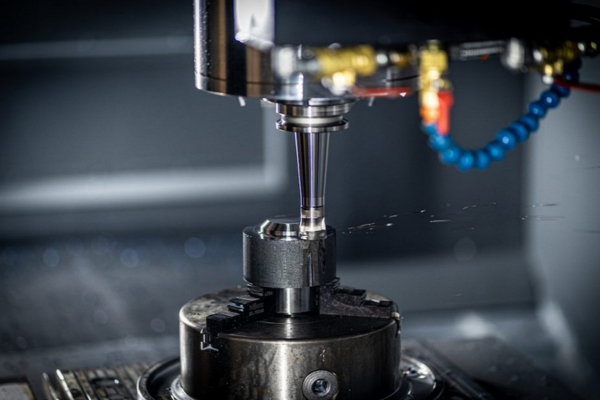
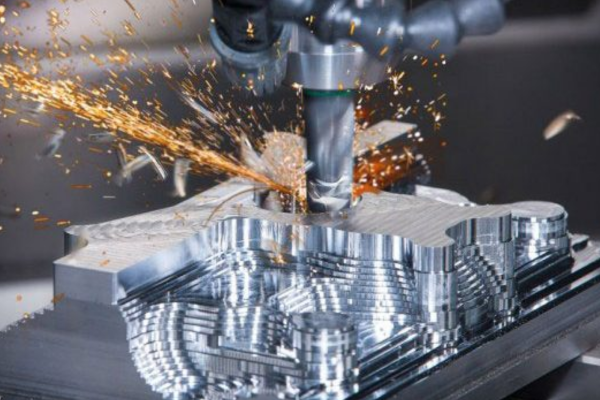
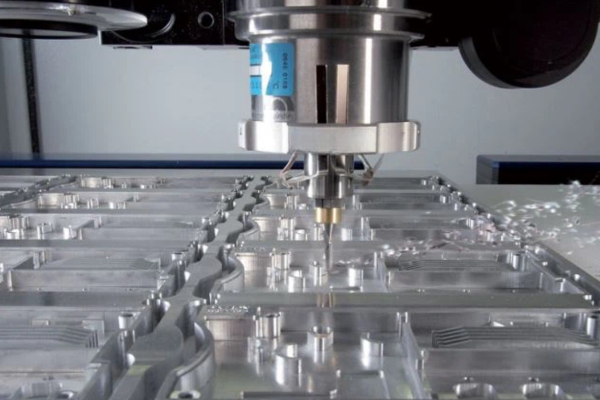
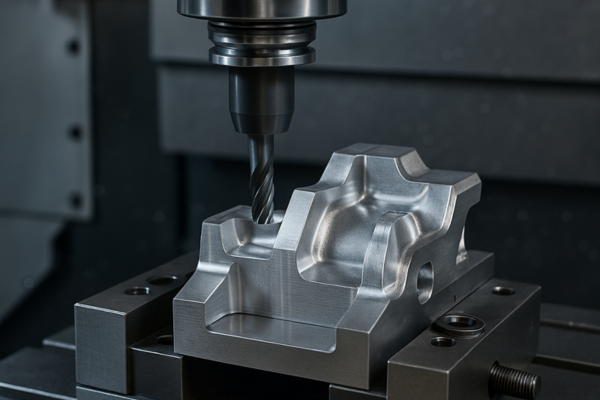
CNC machining is a manufacturing process that is automated and requires cutting tools to shape your design from a plastic or metal stock. XCMachining has the services required to perform CNC precision machining. Custom parts can be made in almost every industry.

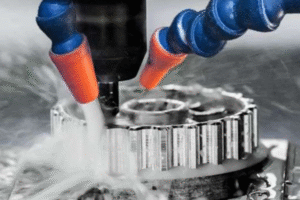
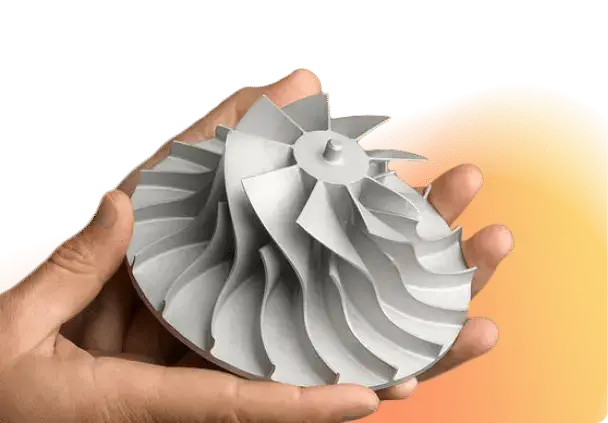
In the realm of CNC machining, we have some specialty equipment that is optimized to run with great efficiency, like our 3, 4, and 5-axis CNC mills, CNC lathes, and CNC routers. These mills and lathes can cut and shape parts with varying degrees of mechanical drama and with little human oversight. Parts are geometrically defined with CAD to ensure seamless, repetitive accuracy.

Applications of Aluminium Extrusion at XC Machining

Aluminium extrusion is an efficient and versatile process that helps creating intricate shapes and profiles applied in many industries. XC Machining produces high quality aluminium extrusions with a wide variety of applications. Since structural elements of the construction industry, and custom components of electronics, our skilled team makes sure that every extrusion is the best in performance and durability.

Limitations in Aluminium Extrusion

Aluminium extrusion will provide a range of benefits, including high accuracy and affordability of the complex shape, but they also have several limitations:

Complexity of Shapes:

As extrusion can be used to form a large variety of shapes, extremely complicated designs with sharp corners or fine details can be hard or expensive to make.

Size Constraints:

The size of the extruded product is determined by the size of the die and the extrusion press. Better equipment can be needed in the case of larger profiles, raising the costs.

Waste of Materials:

In the extrusion process, excess material is usually eliminated, and this may result in wastes especially in the extrusion of complex shapes or when designing custom profiles.

Limited Thickness Choice:

Aluminium extrusion is the most useful in manufacturing homogenous profiles that have the same thickness level. Very thick or thin pieces can either involve further processes or not be viable to extrude.

Aluminium Extrusion with XC Machining

XC Machining specializes in providing aluminium extrusion products of the highest quality to fit within your specifications. We have state-of-the-art equipment that provides accuracy and uniformity in any extrusion enabling us to manufacture complex profiles and shapes to be used in a very varied selection of uses. Whether you require a special length, complex design, or a particular finish, we are prepared to cater to all your extrusion requirements in aluminium.
With a focus on efficiency and cost-effectiveness, we provide fast turnaround times without compromising on quality. From initial design to the final product, XC machining is the best place to get your extrusions of aluminium in the highest quality in terms of performance and durability. Trust us to provide the solutions that would suit your specific project needs.

Tolerances for Aluminum Extrusion

At XC Machining, we specialize in high-precision aluminum extrusion, offering excellent tolerance and consistency for a variety of applications.
DescriptionSpecification
General TolerancesISO 2768-m
Precision TolerancesTolerances as tight as ±0.2 mm, per drawing specs and GD&T annotations
Minimum Wall Thickness0.5mm
Minimum Part Size10mm x 10mm x 1mm
Maximum Part Size2000mm x 1500mm x 500mm
Material Thickness1mm to 15mm
Production VolumePrototyping: 1-100 pcs
 Low Volume: 101-5,000 pcs
 High Volume: Above 5,000 pcs
Lead Time7-10 business days for most projects. Simple parts can be delivered as fast as 3-5 days


Why Choose Our Prototyping Manufacturing Services?

XC Machining develops rapid prototypes and parts through efficient manufacturing design and prototyping services, combining deep manufacturing expertise with advanced equipment. We are a reliable on-demand production company and ensure our products meet exacting tolerance specifications and quality standards.
Strong Manufacturing Capabilities

In our facility, you have a variety of machines for part production, including CNC turning lathes, milling machines, injection molding equipment, state-of-the-art 3D printing technology, and more.

Flexible Material Selection

At XC Machining, we try to ensure your choice is not limited, which is why we offer over 60 materials for you to choose from for your prototypes and products.

24/7 Engineering Support​

In-depth service engineers with the knowledge to address your manufacturing inquiries are available from XC Machining. Our engineers are always on the ground to offer valuable advice.

Choice of Custom Finishes

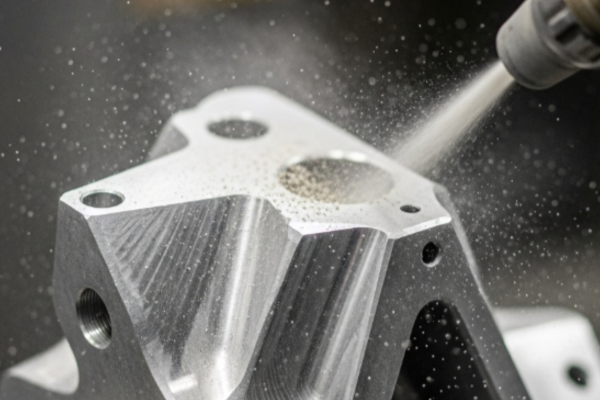
We offer a range of surface treatments and custom finishes on solid metal and plastic parts, including anodizing, spray painting, vapor polishing, sandblasting, silk screening, etc.
Surface Finishes for Aluminum Extrusion

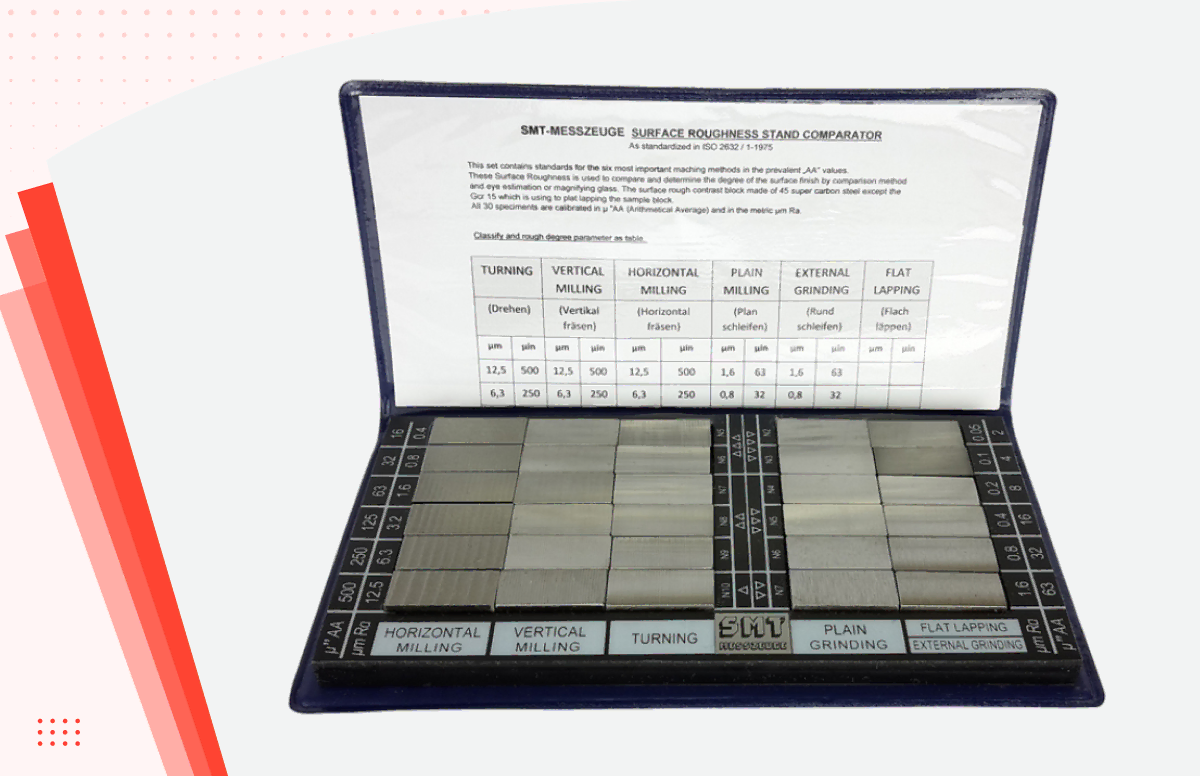
XC Machining specialises in providing surface finishes for aluminum extrusions that improve both the appearance and longevity of your parts, ensuring optimal performance.
Smooth Finish
Aluminum extrusion typically results in a smooth surface finish, ideal for applications requiring minimal finishing or coating.
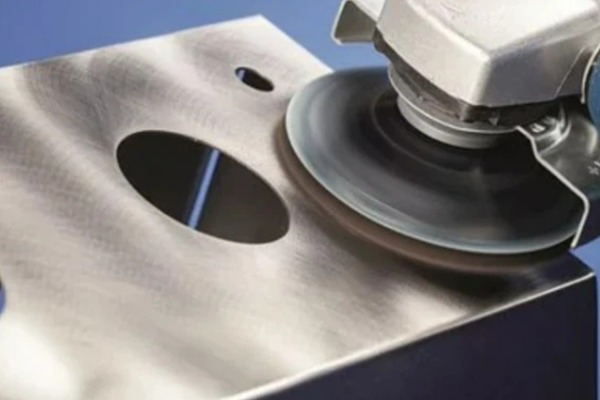
Deburring
Deburring removes sharp edges and imperfections from extruded aluminum, ensuring safety and improved handling of the parts.
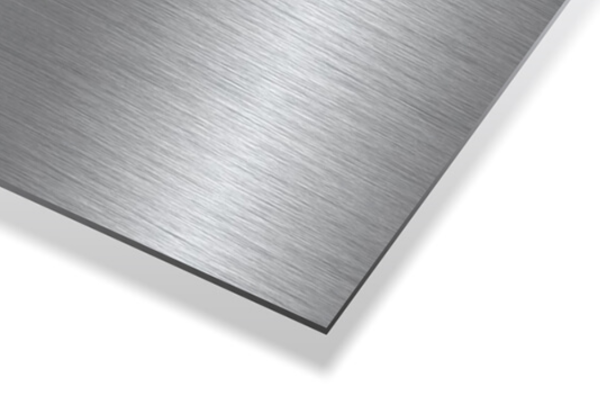
Brushed Finish
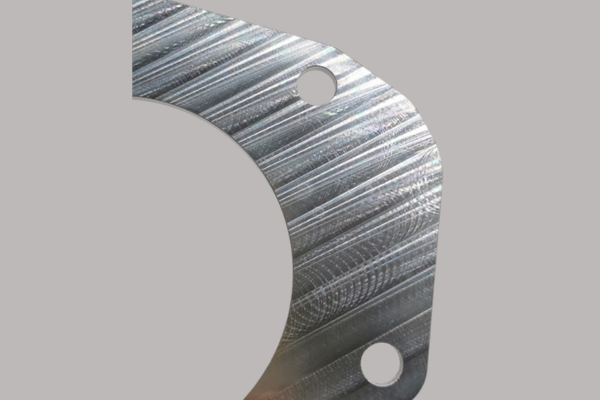
A brushed finish creates a satin-like texture on extruded aluminum, offering an elegant and modern appearance with reduced visible scratches.
Polishing
Polishing provides a high-gloss, reflective surface on extruded aluminum, ideal for decorative applications or parts requiring a smooth and shiny finish.
Anodizing
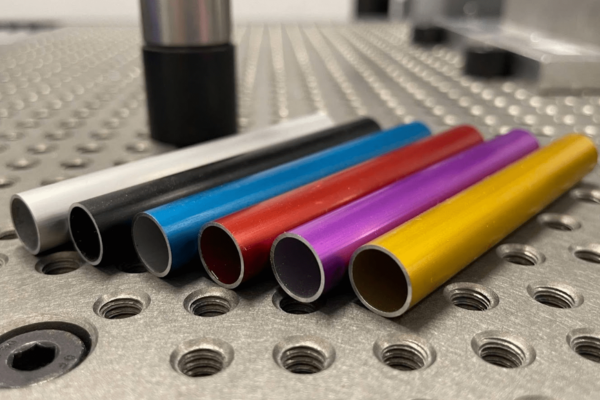
Anodizing enhances corrosion resistance and creates a protective oxide layer on aluminum parts and enables color customization.
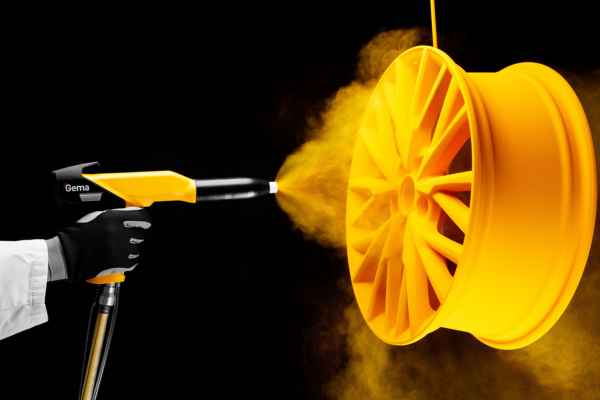
Powder coating
Powder coating provides a durable, weather-resistant finish on extruded aluminum, offering protection against corrosion and UV degradation.

CNC Machining Materials

Our CNC machining services support engineering-grade metals and plastics used for precision milled and turned parts.All materials listed below are supplied in machinable stock suitable for CNC processing.

Metals

Lightweight, corrosion-resistant, and highly machinable for precision and structural parts.

Grades
6061
6061-T6
6082
7075
7075-T6
2024

High electrical and thermal conductivity for conductive components.

Grades
C110
C101

Easy to machine with excellent surface finish for precision parts.

Grades
C360
C260
C280

Hard, wear-resistant material for tooling and high-stress components.

Grades
D2
A2
H13

High strength material for load-bearing and mechanical components.

Grades
1018
1020
1045
4140
EN8
EN19

Corrosion-resistant material for industrial, food, and medical components.

Grades
304
304L
316
316L
303
17-4 PH

Ultra-lightweight metal for weight-critical machined components.

Grades
AZ31
AZ91

High strength-to-weight ratio with excellent corrosion resistance.

Grades
Grade 2
Grade 5

Plastics

Impact-resistant plastic for enclosures and functional components.

Grades
ABS Natural
ABS Black
ABS Antistatic

High impact strength for protective and structural components.

Grades
Clear PC
Black PC

Rigid plastic with excellent optical clarity.

Grades
Clear PMMA
Black PMMA

Low friction and high dimensional stability for precision components.

Grades
POM-C
POM-H

Strong and wear-resistant plastic for mechanical parts.

Grades
PA6
PA66
Glass-Filled PA

Very low friction and high wear resistance for sliding components.

Grades
UHMW Natural

High-performance plastic for extreme temperature and chemical conditions.

Grades
Virgin PEEK
Glass-Filled PEEK
Carbon-Filled PEEK

Lightweight and chemical-resistant plastic for non-structural parts.

Grades
PP Homopolymer

Our Aluminum Extrusion Prototype Manufacturing Capabilities

As a leader in precision manufacturing, we offer a wide range of capabilities that cater to both one-off prototyping and low-volume production. We specialize in delivering geometrically complex and highly cosmetic parts, ensuring the highest quality standards. At XC Machining, we pride ourselves on being the go-to manufacturer for all your Aluminum Extrusion needs, providing reliable and efficient solutions under one roof.
With 3, 4, and 5-axis CNC machining services, we can produce complex prototypes and parts with precise tolerances. More than 60+ materials are available for you to choose from.

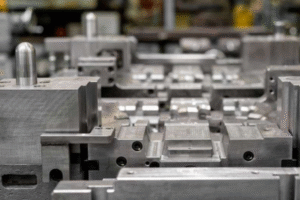
Provides injection molding for prototypes and custom parts, emphasizing expert support, competitive pricing, and faster production cycles.

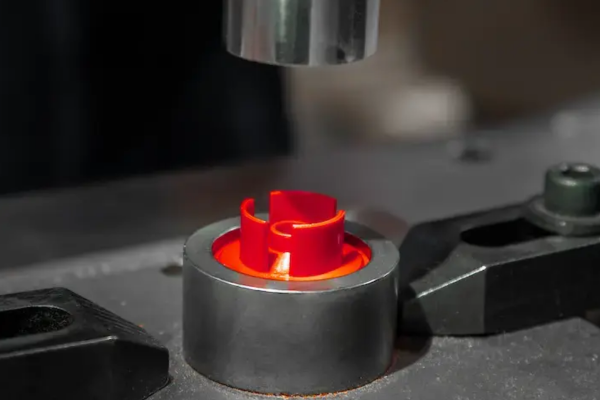
Get reliable vacuum casting services for high-quality prototypes and production parts at competitive prices. XinCheng offers highly detailed casting parts with consistent quality.

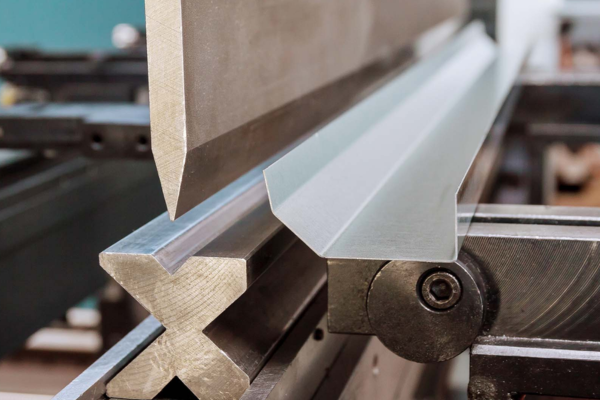
Uses cutting, bending, and forming techniques to produce precision metal components suited for industrial, commercial, and manufacturing applications.

Industry Expertise at XC Machining

Having produced millions of parts, XC Machining holds deep knowledge in numerous applications. We excel particularly in industries requiring precise and intricate component fabrication. Trust us to deliver expertise and quality, no matter the complexity.

Automotive Industry
Semi Conductor

Energy Industry
Industrial Machinery
Electronics

Communications

Robotics

Medical Devices
Get In Touch

Bring Your Designs to Life with XC Machining

Experience precision engineering with XC Machining. From detailed prototypes to high-volume production, we’re here to turn your concepts into reality. Contact us today to discuss your project needs!
Get In Touch With Us!
Prompt response guaranteed within 12 hours

Aluminum Extrusion FAQs

Aluminum extrusion offers advantages over casting and forging, especially for creating parts with long, continuous cross-sections. Unlike casting, which involves pouring molten metal into a mold, extrusion uses a mechanical force to shape the aluminum, leading to fewer material defects and higher precision. While forging offers high strength through compressive forces, aluminum extrusion is more cost-effective and suitable for producing complex profiles with low material waste. Extrusion allows for more intricate designs, faster production speeds, and better control over the material properties, making it a popular choice for a wide range of industries.
Although aluminum is the most common material used for extrusion, other metals such as copper, brass, magnesium, and some steels can also be extruded. Each material offers distinct advantages depending on the desired properties of the final product. For instance, magnesium extrusions are light and often used in aerospace applications, while copper extrusions are prized for their electrical conductivity. However, aluminum is preferred for many applications due to its strength-to-weight ratio, corrosion resistance, and ease of fabrication. Extruding materials other than aluminum typically requires different processing methods and dies to accommodate their unique properties.
Aluminum extrusions provide numerous benefits, including high strength-to-weight ratio, design flexibility, and excellent corrosion resistance. The process allows manufacturers to create parts with complex cross-sectional profiles that are lightweight yet durable, making them ideal for applications in industries like construction, automotive, and electronics. Aluminum extrusions also have low tooling costs, making them an affordable choice for both prototype and high-volume production runs. Moreover, aluminum is highly recyclable, which adds to the material’s environmental benefits, making aluminum extrusion a sustainable manufacturing choice.
The choice of aluminum alloy plays a crucial role in the extrusion process as it directly impacts the material’s strength, ductility, and ability to be formed. Common alloys like 6061 and 6063 are frequently used for their excellent mechanical properties and corrosion resistance. Stronger alloys are used for structural components in the aerospace and automotive industries, while more malleable alloys are chosen for applications that require complex shapes or fine details. The alloy selection also influences how the material reacts during heating, the pressure required during extrusion, and the final surface finish. Therefore, selecting the right alloy is key to optimizing performance and ensuring the desired outcome in the extrusion process.

CNC Manufacturing Resources