
Introduction
Walk into any modern cabinet shop or sign-making business, and there’s a good chance you’ll see a CNC routing machine at work. These computer-controlled tools have become standard equipment because they solve a simple problem—how to cut complex shapes repeatedly without variations between pieces.
CNC routing works by following digital instructions to move a spinning cutting bit through materials like wood, plastic, and foam. What makes it different from older methods is consistency. The first piece looks identical to the hundredth piece. For businesses making anything from furniture components to custom packaging, this reliability matters more than almost anything else.
The technology isn’t particularly new anymore, but it’s gotten more accessible. Smaller shops can now afford what used to require factory-level investment. This guide explains what CNC routing machines actually do and where they fit into modern manufacturing.
Understanding CNC Routing
At its core, CNC routing is about removing material in a controlled way. Think of it like a very precise robot that never gets tired or loses concentration.
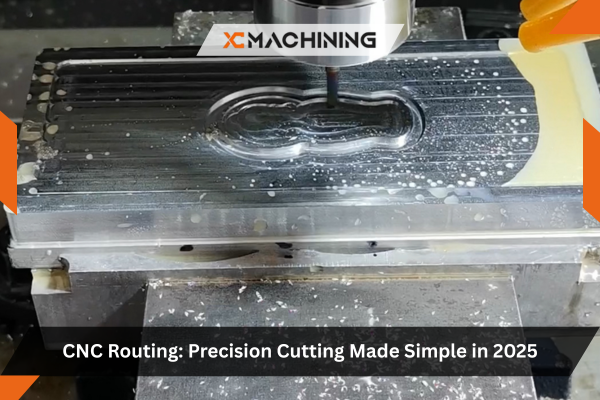
The process starts with a design file—usually something created in CAD software. That file gets converted into G-code, which is just a list of coordinates and commands the machine understands. Once everything’s set up, the CNC routing machine follows those instructions exactly, moving the cutting tool around to carve out the shape.
Core Components of CNC Routing Machines
Every CNC routing machine has the same basic parts, though quality varies quite a bit. The bed is where material sits—better machines use vacuum systems to hold things flat instead of relying on clamps everywhere. The controller is basically the computer brain reading those G-code files and telling motors where to go.
Motors move the cutting tool around. Cheaper machines use stepper motors, which work fine for hobbyist stuff. Professional equipment runs servo motors because they’re more accurate and handle heavier cutting loads. The spindle holds the cutting bit and spins it anywhere from 10,000 to 30,000 RPM depending on what’s being cut.
Some newer machines swap tools automatically, which saves time on complex jobs. Otherwise someone has to stop the machine and manually change bits.
How the Cutting Process Works
Material gets secured to the bed—this step matters more than people think because if something shifts mid-cut, the whole piece gets ruined. The correct bit goes in the spindle, and someone hits start. The machine moves the spinning bit through the material, usually taking multiple shallow passes instead of one deep cut. This approach prevents breaking bits and gives cleaner edges.
Most operations run with someone nearby but not actively controlling anything. The machine does its thing while the operator prepares the next job or cleans up finished pieces.
Materials Compatible with CNC Routing
CNC routing services work with quite a range of materials, though results vary depending on what’s being cut.
Wood and Composite Materials
MDF is probably the most common material for CNC routing because it’s affordable and cuts cleanly. Cabinet shops go through pallets of the stuff. Plywood works well too, especially for structural parts that need strength. Real hardwoods like oak or maple cut fine but require slower speeds—rush it and you get burn marks.
Pine cuts fast since it’s soft, but it also chips easily if the bit isn’t sharp or speeds aren’t dialed in right. Baltic birch plywood has become popular for furniture because it’s stable and looks decent when edges show.
Plastics and Foams
Acrylic sheets are everywhere in retail displays and signage. They cut beautifully on CNC routing machines, though spindle speed needs attention—too fast melts the edges, too slow leaves them rough. Foam is ridiculously easy to cut, which is why packaging companies love it. You can route foam at high speeds without worrying much about tool wear.
HDPE and polycarbonate also get routed regularly, mostly for industrial parts. They need cooling during cutting to prevent edge quality issues.
Soft Metals
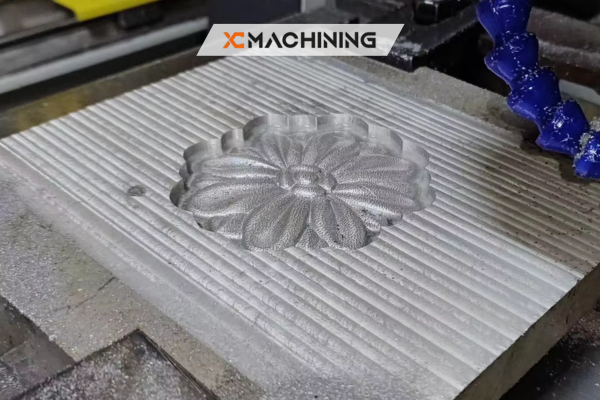
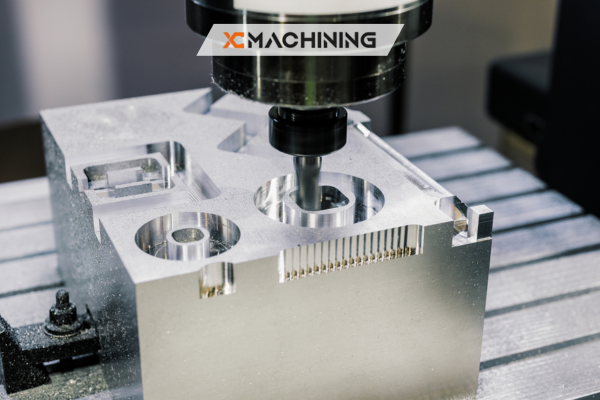
Aluminum shows up in plenty of CNC routing work, particularly for nameplates, brackets, and fixtures. It cuts reasonably well but definitely requires proper speeds, sharp bits, and some lubrication. Brass is easier to machine than aluminum and gets used when appearance matters. Both materials wear out bits faster than wood or plastic, so tool costs run higher.
| Material | Typical Uses | Speed | Edge Quality |
| MDF | Cabinets, signs | Fast | Smooth |
| Plywood | Furniture parts | Medium | Good |
| Acrylic | Displays, covers | Medium | Polished |
| Foam | Packaging | Very Fast | Clean |
| Aluminum | Brackets, plates | Slow | Sharp |
Industries Using CNC Routing Services
CNC routing ended up in more places than originally expected.
Furniture manufacturers were early adopters. Custom cabinet doors that used to take skilled workers hours now come off CNC routing machines in minutes. Production furniture companies run multiple machines simultaneously, cranking out hundreds of identical components daily. The consistency matters because drawers need to fit and doors need to align properly.
Sign companies probably use CNC routing services more than anyone else now. Dimensional letters, carved designs, engraved plaques—most of this work happens on routers. Digital files let shops produce the same sign for different locations without worrying about variations in craftsman skill.
Packaging operations rely on CNC routing for custom foam inserts. Electronics companies ship millions of devices protected by routed foam that fits each product exactly. Medical equipment manufacturers use similar approaches for their sensitive instruments.
Aerospace and automotive sectors use CNC routing machines for composite materials and interior components. They still mill metal parts, but routing handles everything else more economically.
Comparing CNC Routing to Other Methods
Choosing between CNC routing and alternatives depends mostly on what’s being made.
CNC Routing vs CNC Milling
Mills are built for cutting steel and holding tight tolerances—we’re talking 0.001 inches or better. They’re heavy machines with enclosed work areas and cost substantially more. A decent CNC mill starts around $75,000, while CNC routing machines begin closer to $20,000.
The tradeoff is capability. Mills handle hard metals and maintain precision that routers can’t match. But routers cut bigger sheets—most handle full 4×8 plywood easily, while mills max out around 40×20 inches. Routers also run cheaper per hour since they’re lighter machines with less power consumption.
For wood, plastic, and soft metals within 0.005 to 0.010 inches tolerance, CNC routing makes more economic sense. Projects requiring tighter specs or involving steel belong on mills.
When to Choose CNC Routing
Pick CNC routing services when working with sheet materials under three inches thick. Large format cutting heavily favors routers because mills can’t physically accommodate big sheets. Cost differences become dramatic on high-volume wood or plastic work—routing costs maybe 40% of what milling would run for similar parts.
Materials matter more than anything else in this decision. Wood, acrylic, foam, aluminum under half-inch thick—all perfect for routers. Thicker metals, small intricate parts, or anything needing 0.003-inch precision should go to mills instead.
Selecting a CNC Routing Company
Finding the right CNC routing company takes more effort than just getting the lowest quote.
Machine capacity comes first. Standard equipment handles 4×8 sheets, which covers most projects. Larger work needs bigger machines—not every shop has them. Z-axis travel determines how thick materials can be, usually 6 to 12 inches maximum.
Material specialization varies significantly between shops. Some CNC routing companies focus entirely on wood products and have perfected those processes. Others maintain equipment and expertise for plastics, foams, or metals. Matching a shop’s experience to specific material needs prevents expensive trial-and-error on actual projects.
Quality control separates professional operations from hobby-grade services. Established shops measure dimensions on finished parts and keep records. They catch problems before shipping bad parts. Ask what their inspection process looks like—vague answers mean they probably don’t have one.
Turnaround times typically run 3 to 10 business days for normal orders. Rush services exist but add 30 to 50 percent to costs. Planning ahead saves money.
Cost Considerations for CNC Routing
CNC routing pricing includes several components that add up differently depending on project specifics.
Setup charges cover programming the job and running test cuts—usually $50 to $250. Complex designs with multiple tool changes cost more to set up. Repeat orders often skip setup fees entirely since programs already exist.
Machine time gets billed hourly, typically $60 to $120. Simple cutouts run fast. Intricate designs with lots of detail take longer. Materials get marked up 15 to 35 percent above retail pricing to cover handling and account for waste.
Price Examples for Common Projects
A custom wooden sign measuring 24×36 inches runs $100 to $180 including materials and basic edge sanding. Fifty foam packaging inserts at 12×12 inches cost around $400 to $650 total—roughly $8 to $13 per piece.
Cabinet doors show how volume affects pricing dramatically. One custom door costs $40 to $60. Order 100 identical doors and per-unit cost drops to $18 to $25. CNC routing companies can quote accurately once they see actual specifications and quantities.
Optimizing Designs for CNC Routing
Design decisions directly impact costs when using CNC routing services.
Sharp internal corners require tiny bits and slow cutting speeds. Specifying 0.125-inch corner radii instead lets machines use standard bits and run faster—this single change can cut costs 15 to 25 percent on detailed parts.
Excessive fine detail often goes unnoticed but requires precision tooling. Features smaller than 0.0625 inches might not even be visible from normal viewing distance, yet they triple machine time. Simplifying these details saves money without affecting appearance.
Wood grain direction affects edge quality significantly. Orienting long cuts parallel to grain minimizes tear-out and reduces finishing work needed. CNC routing machines can cut any direction, but wood properties remain constant regardless of machine capability.
File preparation prevents delays and errors. CAD files need closed paths, accurate dimensions, and correct units specified. Most CNC routing companies prefer DXF, DWG, or STEP formats. Including notes about critical dimensions or surface finish requirements helps avoid misunderstandings.
Common Applications and Examples
CNC routing solves manufacturing problems across surprisingly diverse situations.
Retail environments use routed components everywhere—display fixtures, shelving systems, branded signage. Consistency matters when outfitting multiple store locations. CNC routing services replicate designs exactly across dozens or hundreds of installations.
Architectural millwork includes decorative panels, custom moldings, and ornamental details. Historic restoration projects particularly benefit since CNC routing machines can reproduce period-appropriate patterns that would cost thousands to hand-carve.
Custom packaging relies heavily on routed foam inserts. Electronics, medical devices, tools, collectibles—anything valuable or fragile ships in custom-cut foam. Precision fits prevent damage during handling and shipping.
Prototype development uses CNC routing for form-fit models and functional testing. Getting test parts in 2 to 5 days beats older prototyping methods that took weeks.
Technology Trends in CNC Routing
CNC routing keeps evolving, mostly around automation and software improvements.
Automatic material loading systems have changed production workflows. Equipment from Biesse and SCM now includes robotic positioning that handles sheets without manual labor. Vacuum hold-down systems eliminate most clamping work. Industry reports from 2024 indicate these features increased overall productivity roughly 40 percent in shops that adopted them.
Software got considerably smarter recently. AI-powered CAM programs analyze part geometry and automatically generate optimal tool paths, select appropriate bits, and calculate cutting speeds. What used to require hours of programming now happens in minutes. This democratizes CNC routing since less skilled operators can produce quality results.
Environmental concerns are driving changes too. Dust collection systems now capture 99 percent of particles instead of the 80 percent older equipment managed. Nesting software optimizes sheet layouts to reduce waste by 20 percent compared to manual layouts. Energy-efficient spindles cut power consumption about 25 percent. CNC routing companies adopting these technologies lower operating costs while meeting increasingly strict regulations.
Conclusion
CNC routing delivers consistent precision for wood, plastics, foam, and soft metals without requiring massive capital investment. The technology fits a specific niche—materials that mills overpower and manual methods can’t handle efficiently. Understanding material compatibility, how design choices affect pricing, and what separates capable providers from marginal ones helps get better results at lower costs. As automation improves and software gets smarter, CNC routing machines keep expanding into new applications where they previously couldn’t compete.
Frequently Asked Questions
What materials work best for CNC routing?
MDF, plywood, acrylic, polyurethane foam, and aluminum deliver excellent results. Wood composites cut cleanly with minimal tear-out. Plastics produce polished edges. Soft metals like aluminum and brass work well with proper speeds and sharp tooling.
How accurate are CNC routing machines?
Standard CNC routing machines maintain 0.005 to 0.010 inches tolerance, which suits most applications. Higher-end equipment with servo motors reaches 0.003 inches when properly calibrated and maintained.
What size parts can be cut?
Most CNC routing services accommodate sheets up to 4×8 feet, though some equipment handles 5×10 or 6×12 materials. Depth capacity typically ranges from 6 to 12 inches depending on machine specifications.
How long does CNC routing take?
Simple parts cut in 15 to 30 minutes. Complex designs requiring multiple tool changes need 2 to 4 hours. Standard lead times including programming and setup run 3 to 10 business days for normal orders.
Can CNC routers cut metal?
CNC routing machines handle aluminum and brass effectively with appropriate tooling and speeds. Steel can be cut in thin sheets but mills work better due to material hardness and the cutting forces required for efficient metal removal.
Citations
- Woodworking Network. (2024). “CNC Technology Adoption in Cabinet Manufacturing.” Industry Report on automation and productivity improvements in woodworking operations.
- Modern Machine Shop. (2024). “Comparing CNC Router and Mill Capabilities.” Technical analysis of equipment specifications and application ranges.
- Biesse Group. (2024). “Automation in CNC Routing Systems.” Product documentation on material handling and robotic integration in industrial routing equipment.
- SME (Society of Manufacturing Engineers). (2025). “Material Selection Guide for CNC Operations.” Engineering reference covering cutting parameters and material properties.
- Manufacturing Engineering Magazine. (2024). “Sustainability Practices in Subtractive Manufacturing.” Research on waste reduction and energy efficiency improvements in CNC operations.



 English
  French
  Spanish
  German