1. Home
  2. »
  3. Service
  4. »
  5. Rapid Prototyping

Rapid Prototyping

“Transforming ideas into reality at lightning speed.”Rapid Prototyping accelerates innovation by creating detailed and functional prototypes for testing designs, materials, and usability. Turn your concepts into tangible results and streamline your product development journey.

Rapid Prototyping
What is Rapid Prototyping

What is Rapid Prototyping?

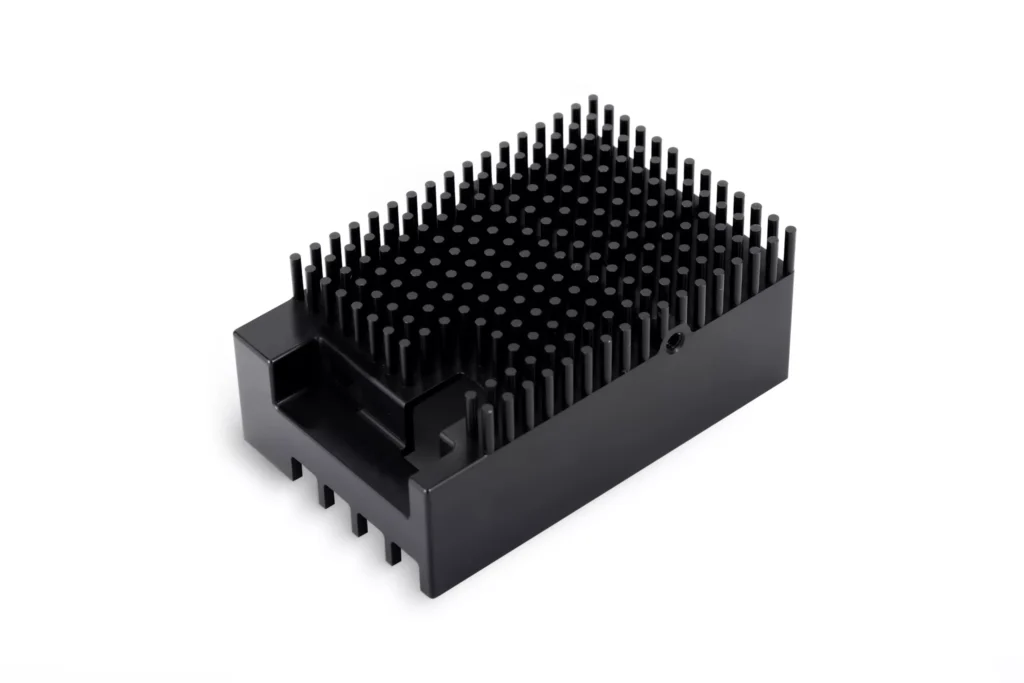
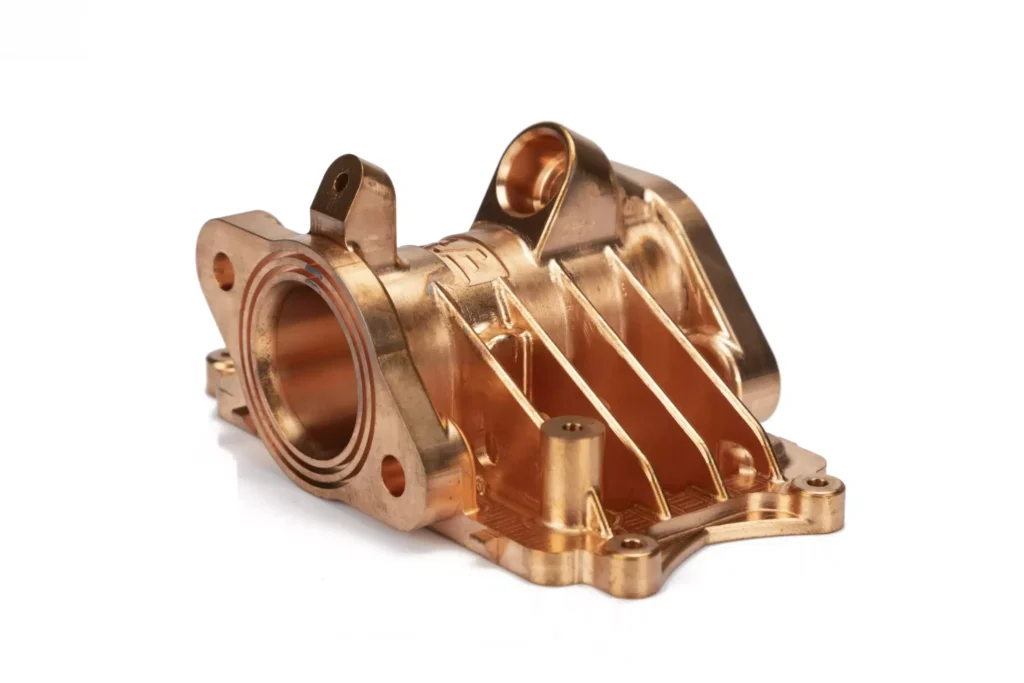
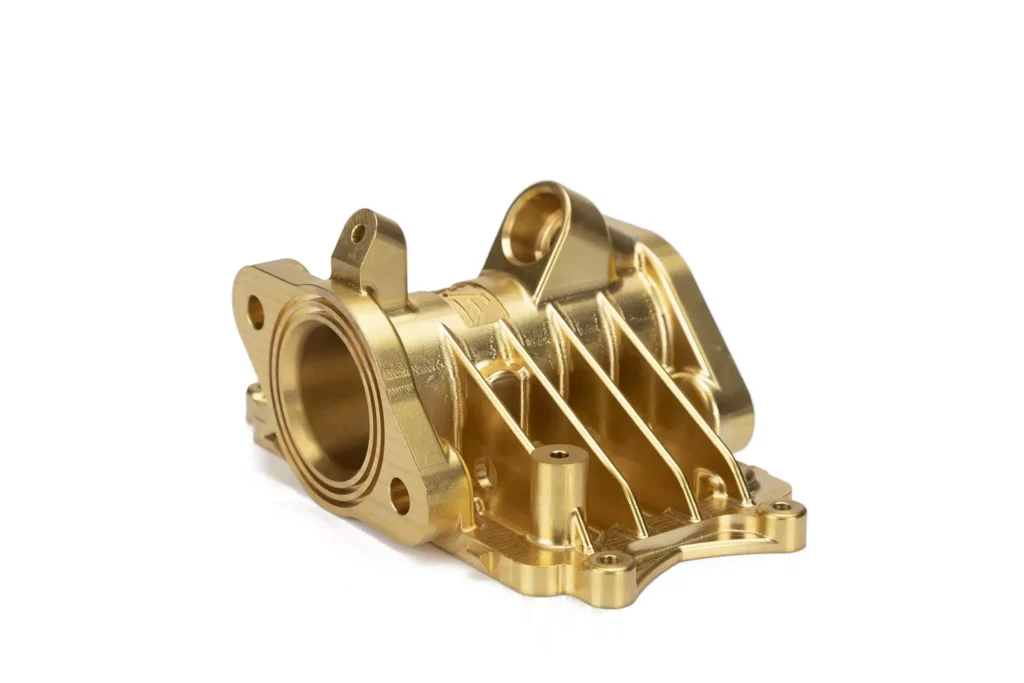
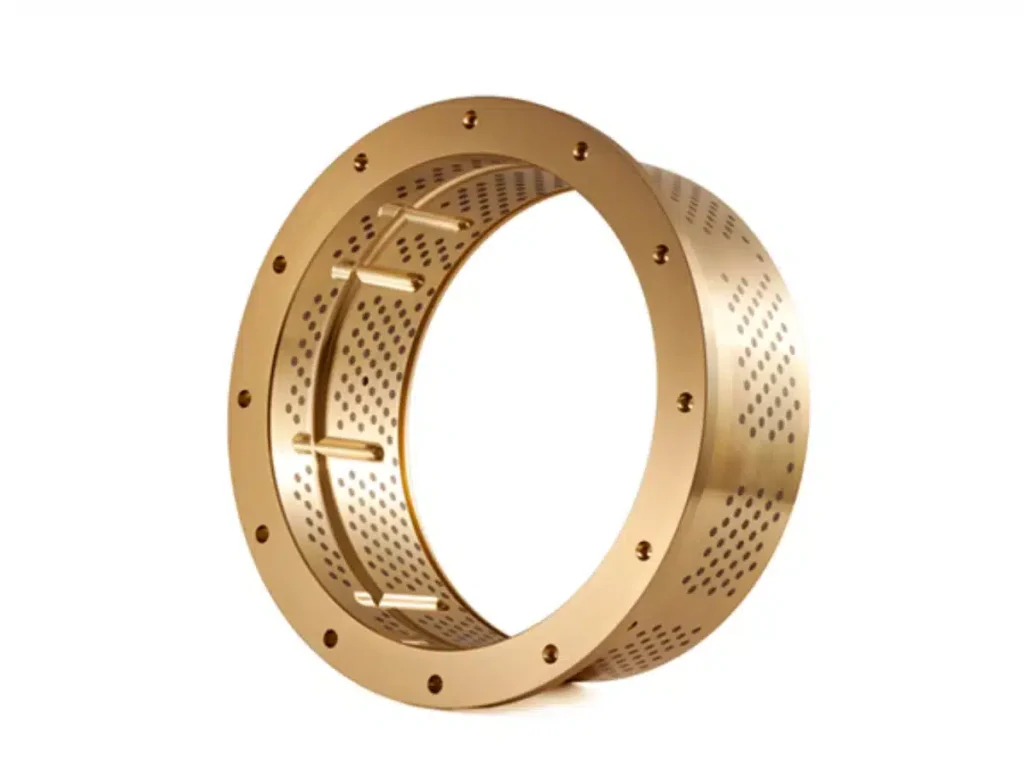
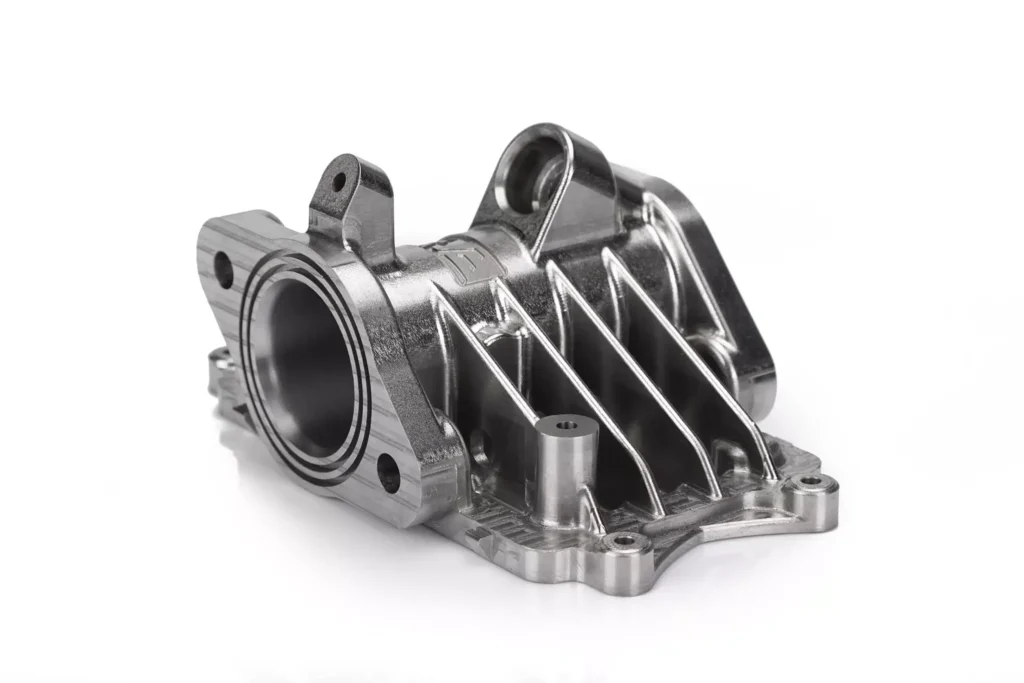
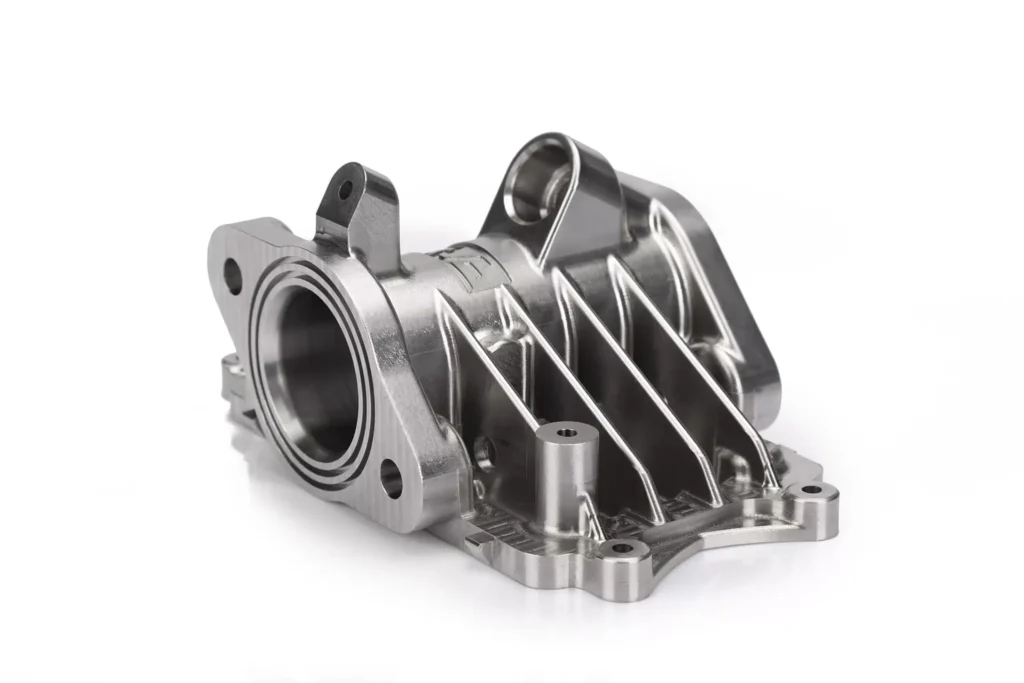
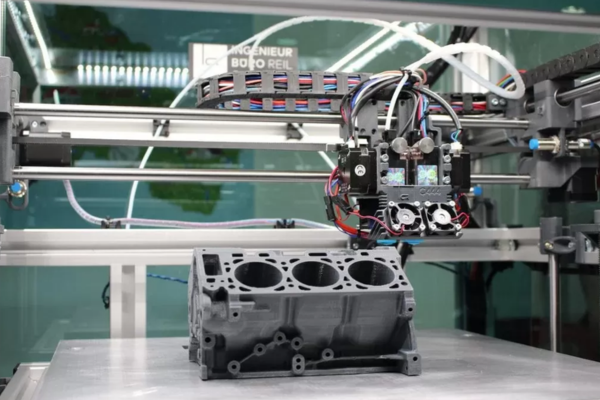
Rapid prototyping is a streamlined process that transforms innovative concepts into functional models with speed and precision. Utilizing advanced technologies like 3D printing, CNC machining, and additive manufacturing, it allows for quick iterations and refinements of product designs. This efficient development approach helps identify and resolve design flaws early, reducing time-to-market, lowering production costs, and enhancing overall product quality.

We’re specialized in rapid prototyping services that empower industries such as automotive, aerospace, electronics, and consumer goods to innovate and bring ideas to life. Our services ensure products meet exact specifications and performance requirements.

Trust us to accelerate your product development journey with precision and reliability.

Reduce Costs with XC Machining's Prototyping Expertise

XC Machining understands that time and cost are very important in product development set up. Our services in rapid prototyping are meant to assist you in the speedy design cycles without increasing the cost of production. Our innovative technology and experience simplify the prototyping process allowing quicker turn around and effective testing of your ideas.


By choosing XC Machining for your prototyping needs, you can reduce delays, eliminate costly mistakes, and bring your ideas to market quicker than ever.  We offer highly accurate prototypes with a minimum amount of waste so that all of your projects are completed to the exact specifications, on time and on budget. We’ll assist you to make your vision come true, in a cheaper and quicker way.

Customization Through Rapid Prototyping

Rapid prototyping is a feature that helps businesses to develop products that are very customized within a short period. Through high manufacturing methods, prototypes can be upgraded to certain design requests, materials, and even features. This flexibility enables companies to experiment, improve and ensure their designs are perfect before mass production and to be confident that the end product will address the needs and expectations of the customers.

Urgent prototyping is also a great benefit in a business that requires products to be customized to meet the needs of the market. Whether the prototyping is designing special parts to fit a machine, a specialty medical device or consumer goods with a tailor made feature then rapid prototyping makes every design phase adaptable to exact requirements. This leads to a quicker innovation cycle, less time to market, and customer satisfaction.

Customization Through Rapid Prototyping

Explore Different Rapid Prototyping Methods

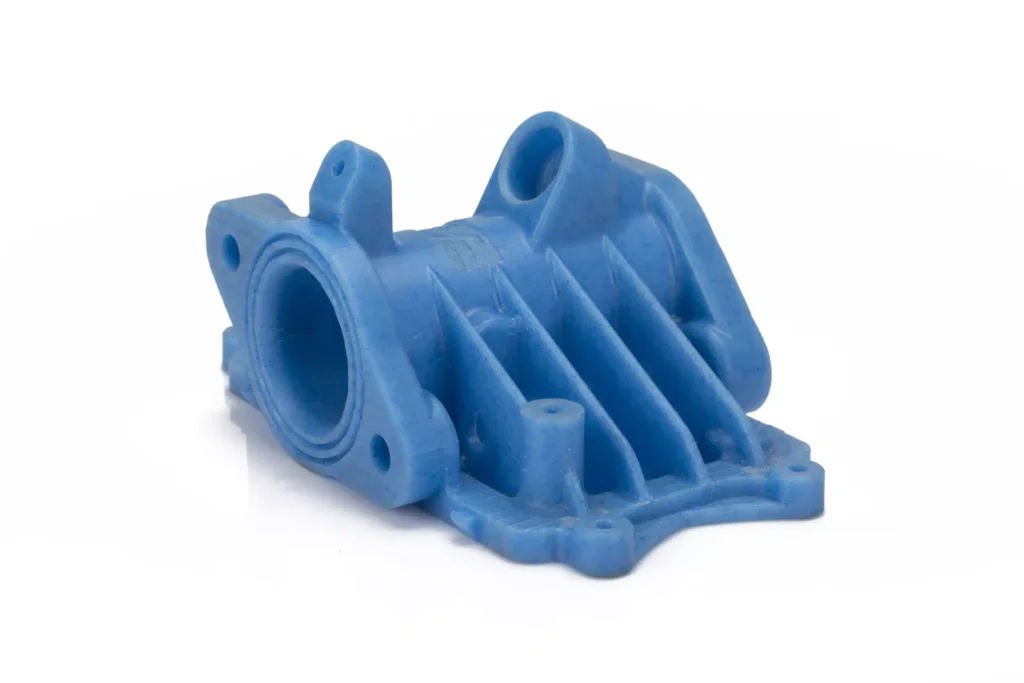
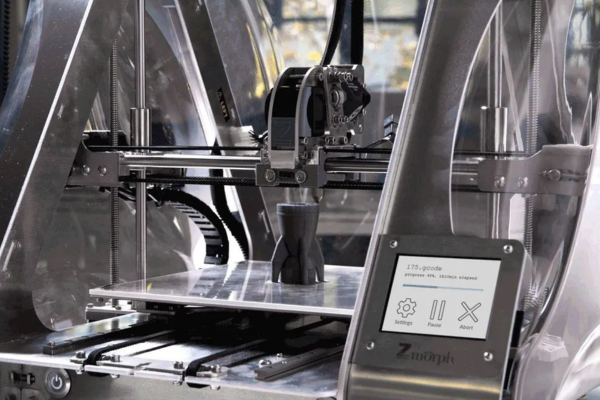
Additive Manufacturing (3D Printing)

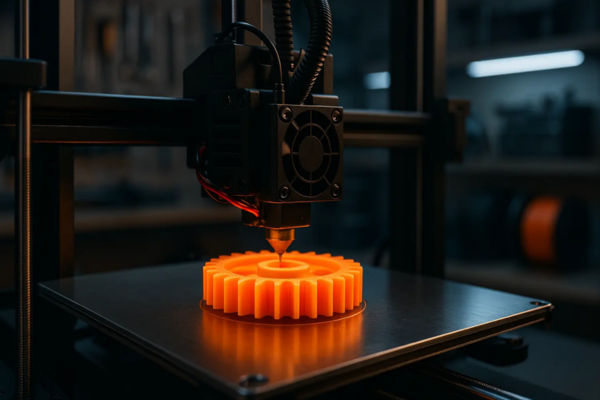
Produces digital models in layers, which are built in multi-layers to provide flexibility and accuracy in design. It is ideal with complicated geometries and different materials such as plastic and metal.

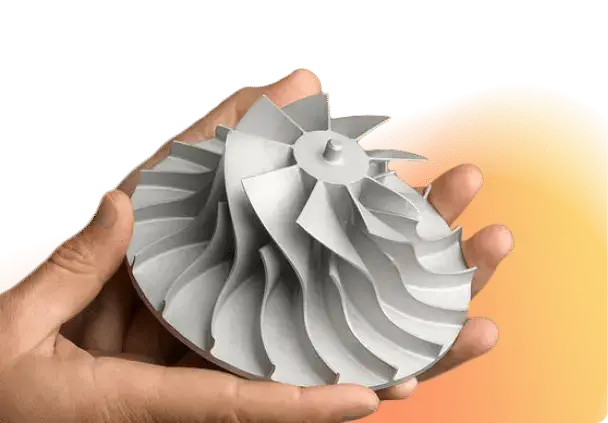
CNC Machining
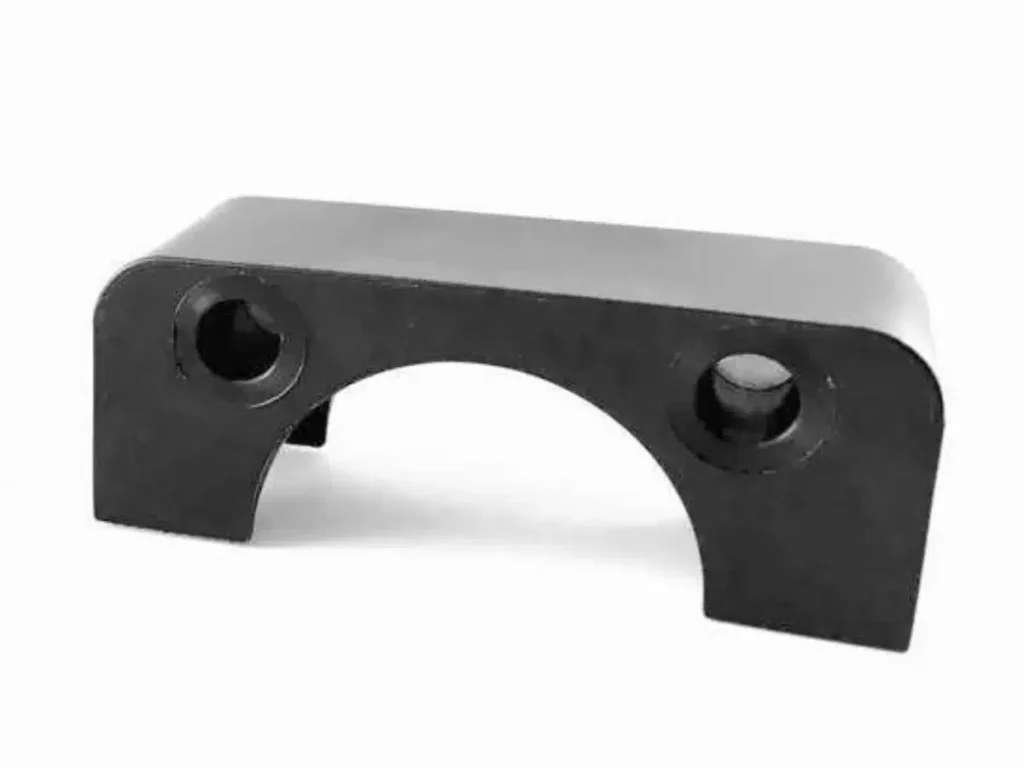
CNC Machining

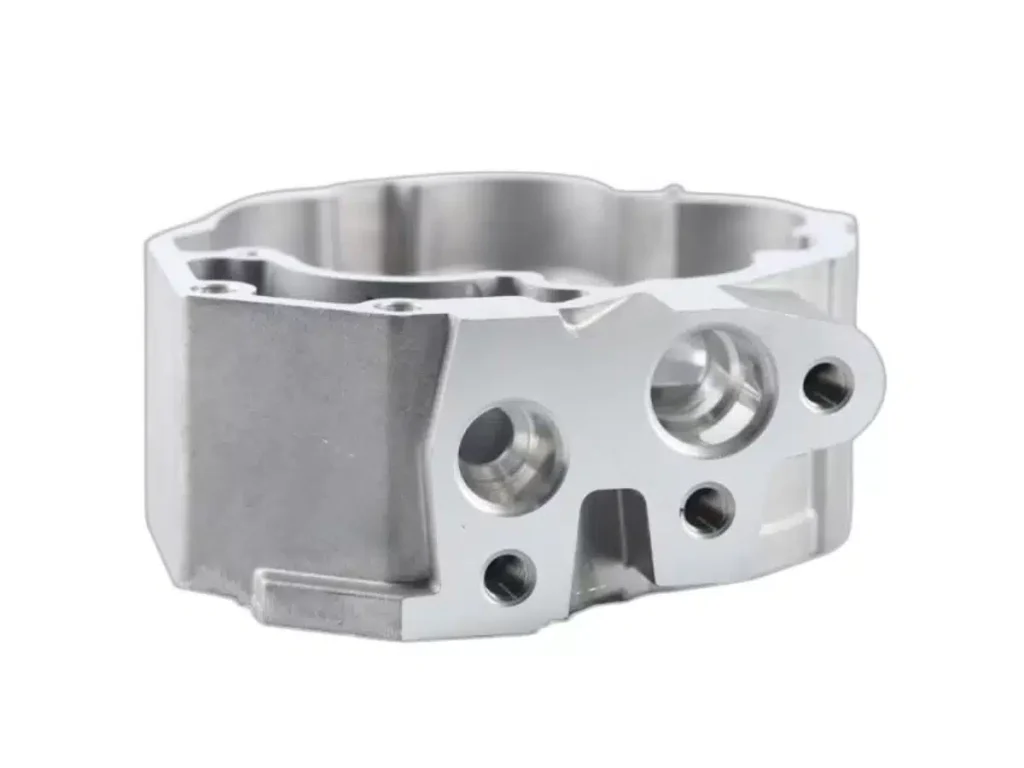
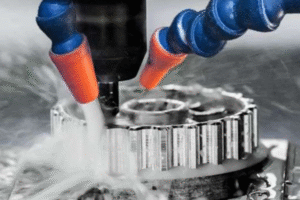
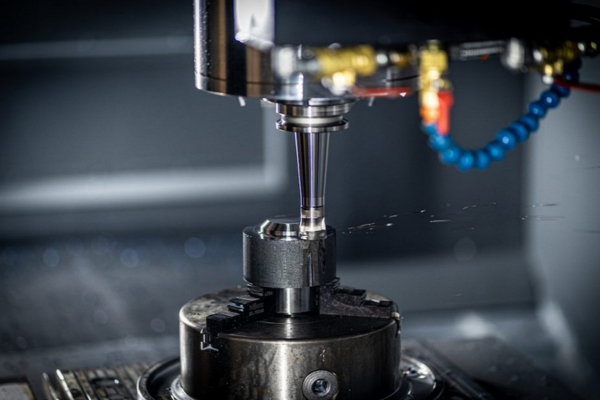
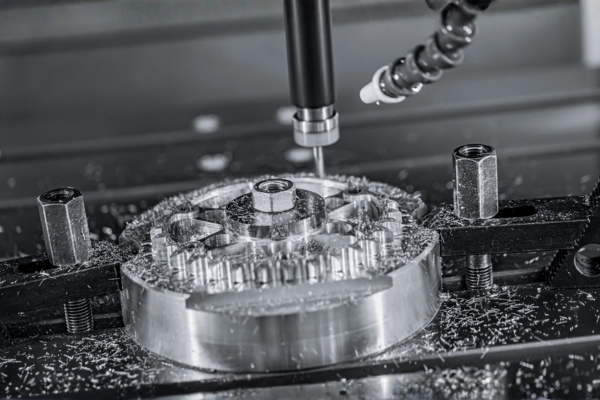
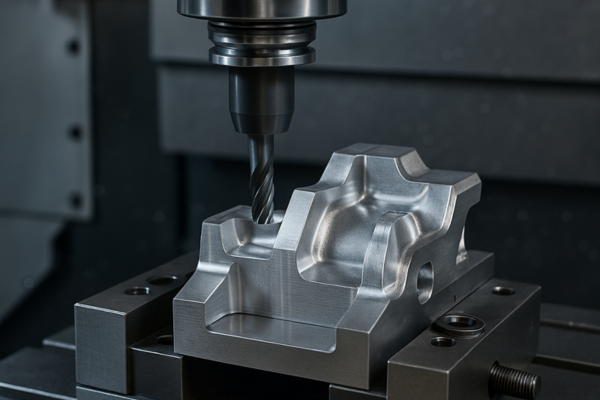
A subtractive technique which involves cutting away material on a solid block to form accurate prototypes, idealized in metals, plastics and tight-tolerance composites.

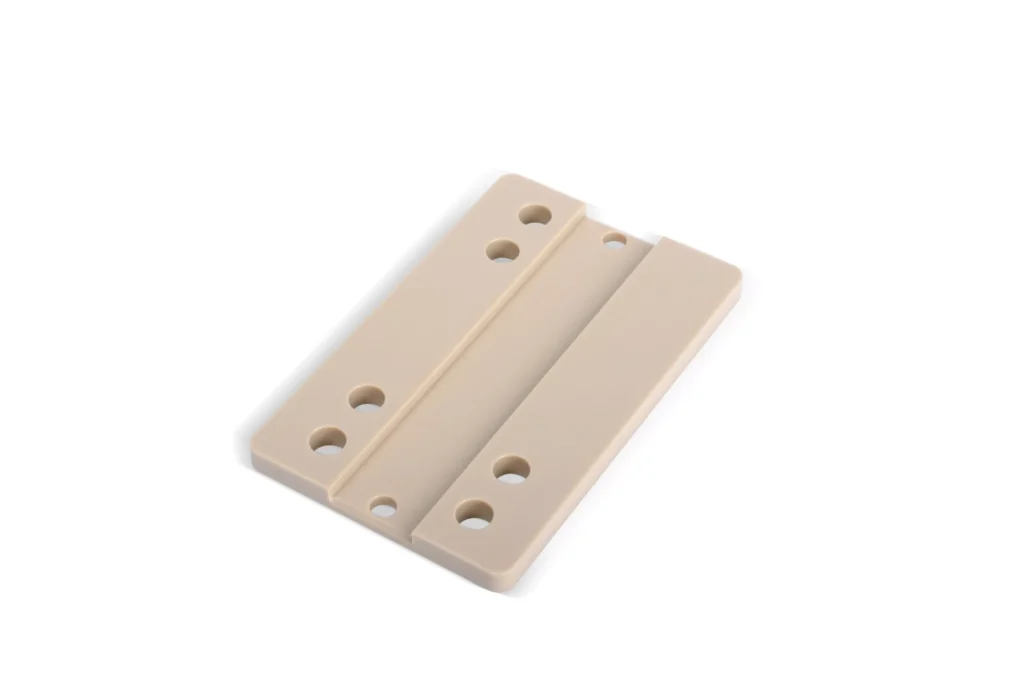
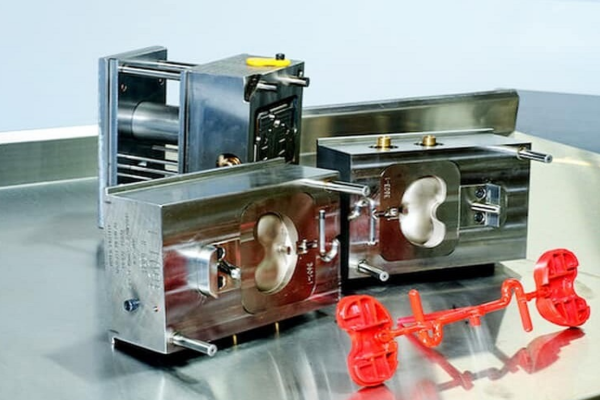
Injection Molding
Injection Molding

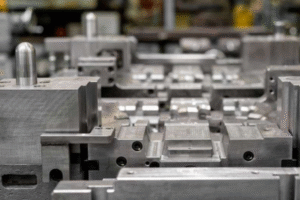
Fills a mold with molten material to form parts, which can be used with the small batch prototyping by initially making the mold, and can then produce parts in large quantities at a low cost.

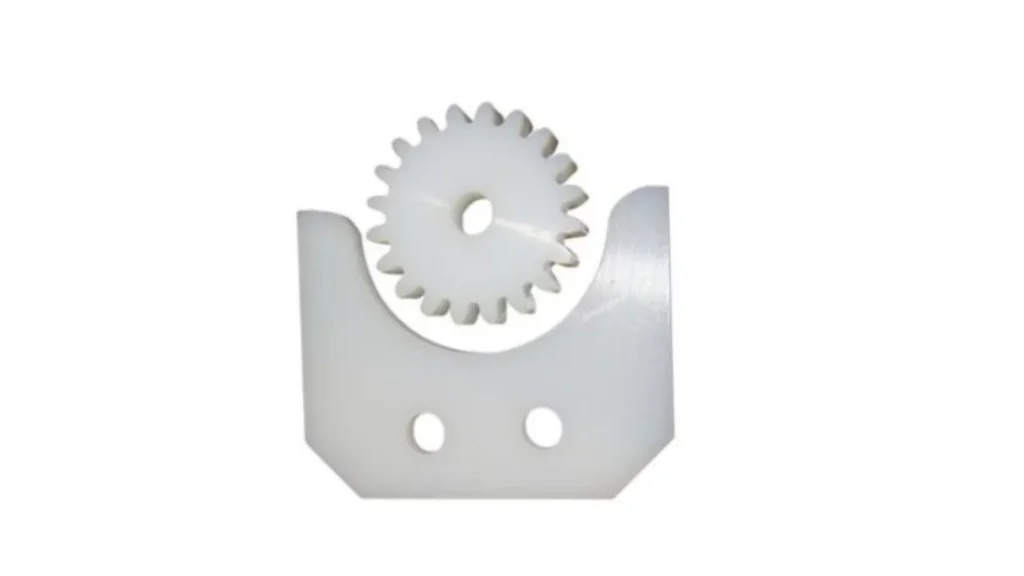
Laminated Object Manufacturing (LOM)

With adhesive-bonded layers of material, a less expensive option to larger models, but with less detail than others.

Stereolithography (SLA)

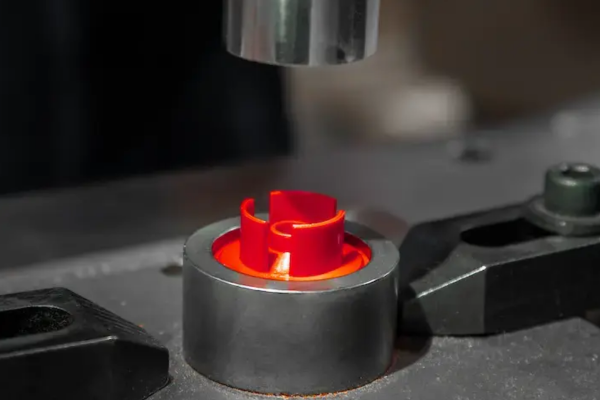
Cures liquid resin with a laser to form fine and smooth prototypes. Best when the geometries and features are fine and detailed.

Why Choose Rapid Prototyping with XC Machining?

Provides rapid prototyping and precision parts using advanced CNC technology, ensuring exceptional quality and precision. Trust Rapid Prototyping to meet your exacting standards.

Strong Manufacturing Capabilities

In our facility, you have a variety of machines for part production, including CNC turning lathes, milling machines, injection molding equipment, state-of-the-art 3D printing technology, and more.

Flexible Material Selection

At XC Machining, we try to ensure your choice is not limited, which is why we offer over 60 materials for you to choose from for your prototypes and products.

24/7 Engineering Support

In-depth service engineers with the knowledge to address your manufacturing inquiries are available from XC Machining. Our engineers are always on the ground to offer valuable advice.

Choice of Custom Finishes

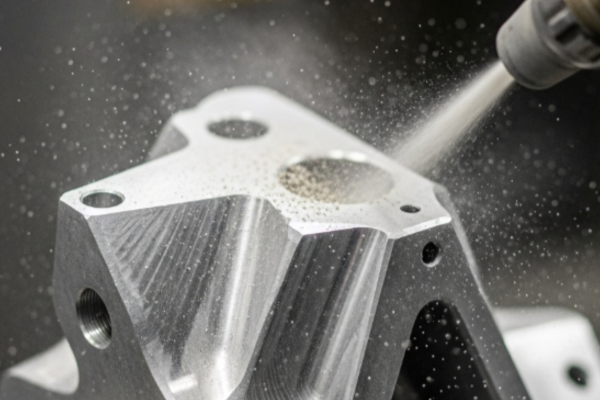
We offer a range of surface treatments and custom finishes on solid metal and plastic parts, including anodizing, spray painting, vapor polishing, sandblasting, silk screening, etc.
Tolerances for Rapid Prototyping

At XC Machining, we offer high-precision rapid prototyping services, ensuring quick turnarounds and accurate prototypes to validate designs and functionalities.

Description Specification
General Tolerances ISO 2768-m
Precision Tolerances Tolerances as tight as ±0.1 mm, per drawing specs and GD&T annotations
Material Thickness Up to 50mm for selected materials
Minimum Wall Thickness 0.5mm
Minimum Part Size 10mm x 10mm x 1mm
Maximum Part Size 500mm x 500mm x 300mm
Production Volume Prototyping: 1-100 pcs
Low Volume: 101-5,000 pcs
High Volume: Above 5,000 pcs
Lead Time 1-5 business days for most projects. Simple parts can be delivered as fast as 1 day

Materials for Rapid Prototyping Parts

Leading companies and engineers rely on XC Machining for rapid iterations and durable, high-quality parts. Whether it’s for prototyping or full-scale production, our wide range of materials ensures we meet the unique requirements of any Rapid Prototyping project with precision and speed.

3D Printing Plastic Materials

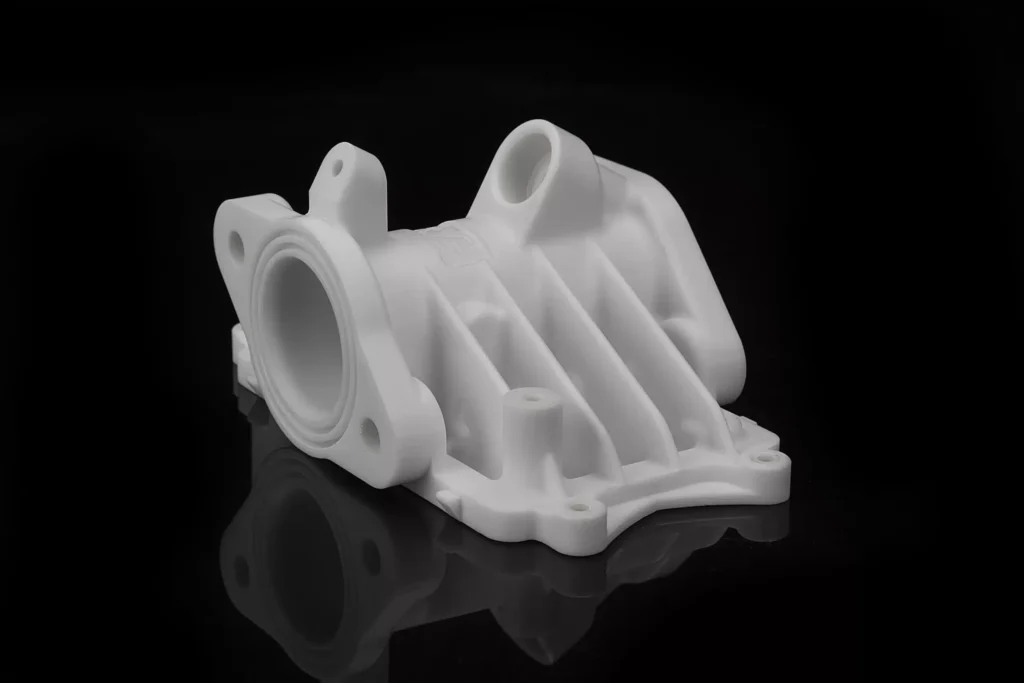
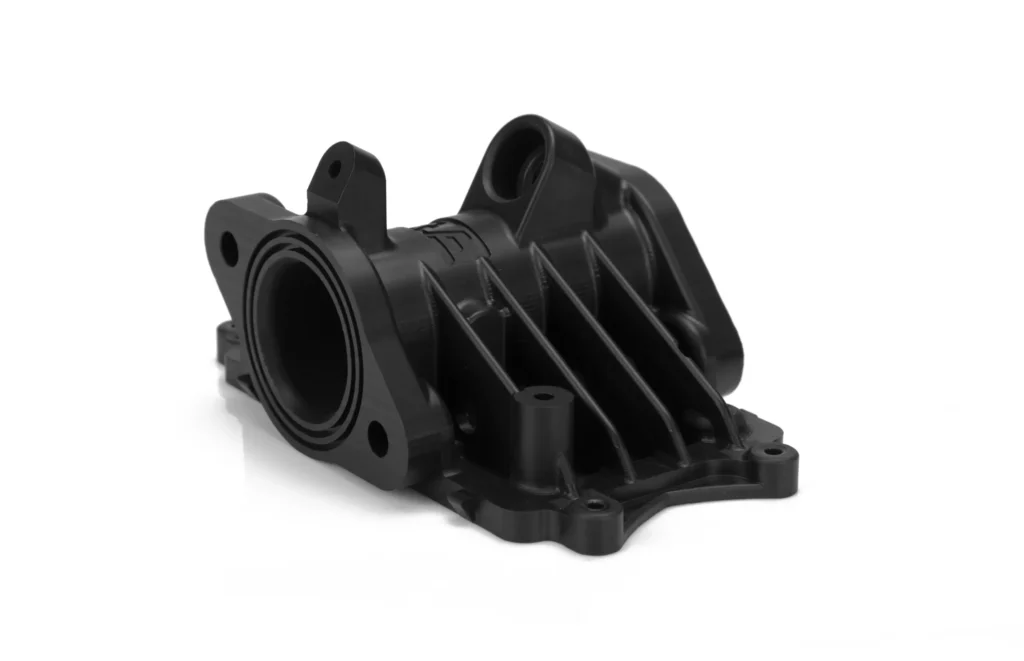
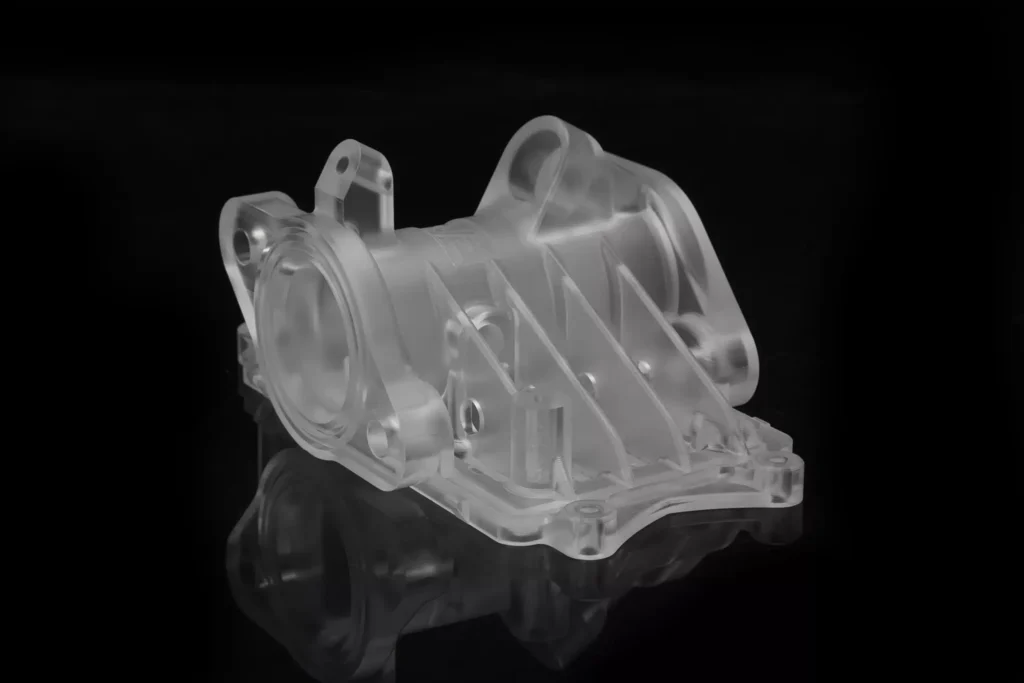
A wide range of 3D printing plastic materials from thermoplastics for functional parts to high detail resins (thermosets) for visual prototypes.

Sheet Metal Materials

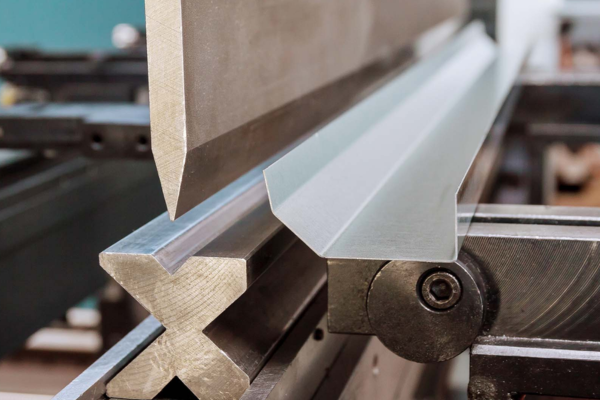
Explore our Sheet Metal Fabrication archive to discover the precision techniques used to transform metal sheets into intricate components.

Alloy

Carbon

Materials for Rapid Prototyping Parts

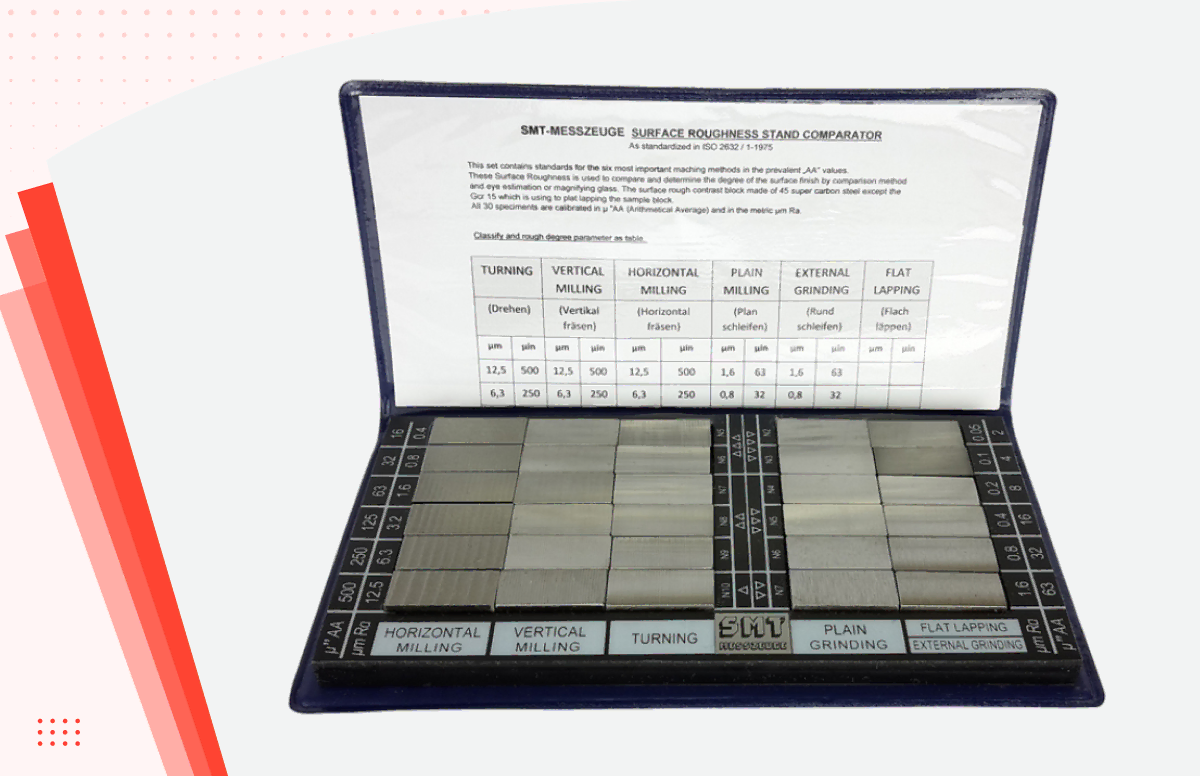
Surface Finishes for Rapid Prototyping

XC Machining offers a variety of surface finishes for rapid prototyping, ensuring that parts meet both functional and aesthetic requirements for testing and evaluation.

Smooth Finish
Smooth Finish

Rapid prototyping typically produces smooth surfaces, ideal for parts that need minimal finishing and are ready for functional testing.

Deburring

Deburring removes sharp edges and rough spots, ensuring that the prototype is safe to handle and that parts fit together as intended.

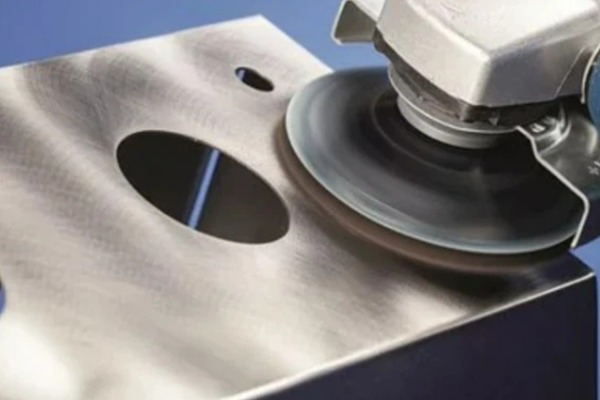
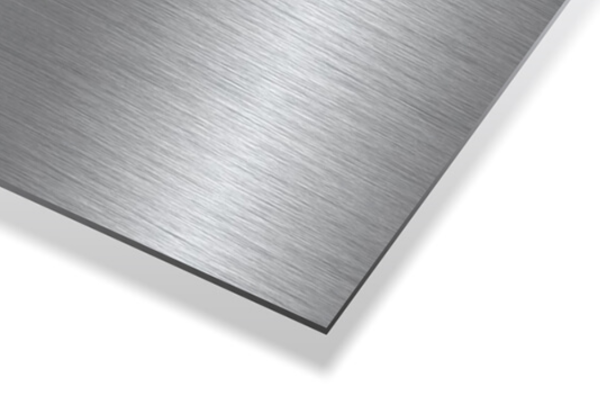
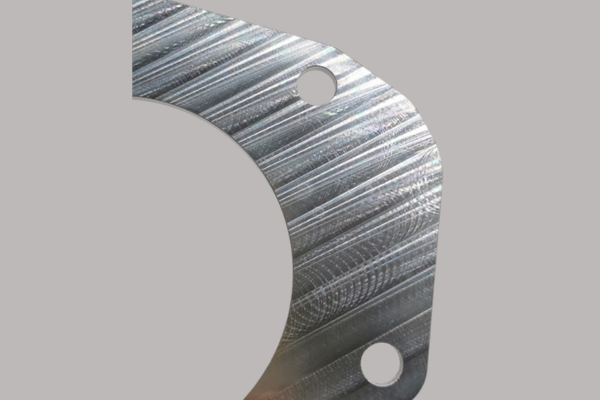
Brushed Finish

A brushed finish adds texture to prototypes, improving the appearance and giving them a sleek, modern, matte finish.

Polishing
Polishing Finish

Polishing provides a high-gloss, mirror-like finish to prototypes, perfect for parts that require both functionality and visual appeal.

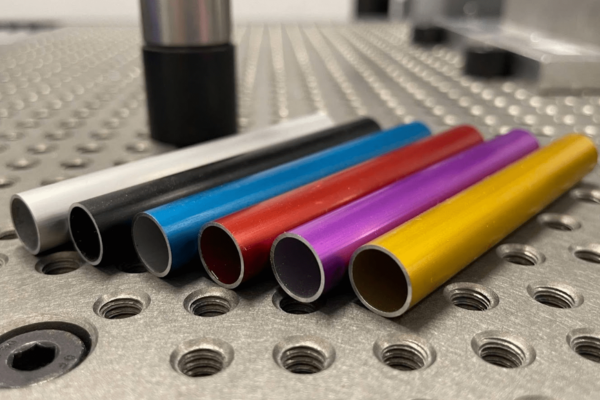
Anodizing
Anodizing Process

Anodizing provides a protective layer on metal prototypes, improving corrosion resistance and offering both matte and glossy finishes, commonly used for aluminum.

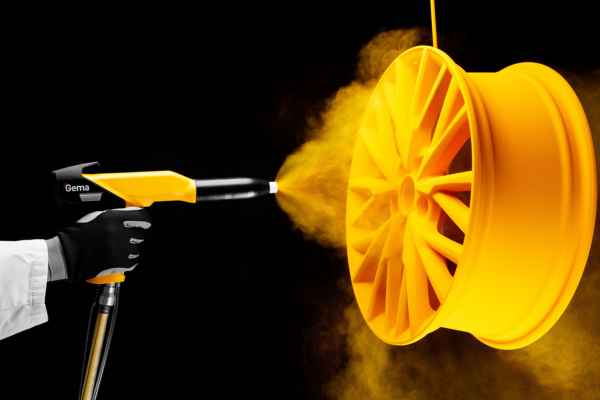
Powder coating

Powder coating offers a durable, weather-resistant finish for prototypes, enhancing their strength and resistance to abrasion and corrosion in various colors.

Specialist industries

XC Machining is a trusted partner for industries demanding complexity, reliability and precision. Our expensive experience in producing millions of high quality components brings unmatched expertise to every project.

Our services cover a diverse range of applications to ensure that we meet the unique needs of each sector with great care.

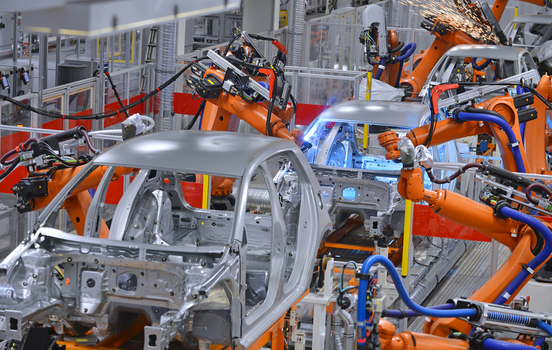
XC Machining supports the automotive industry with cutting-edge CNC machining solutions, enabling the production of complex parts that drive efficiency

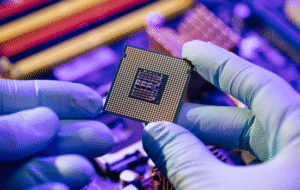
For the semiconductor industry, XC Machining offers CNC machining services that meet the high precision demands necessary for manufacturing components

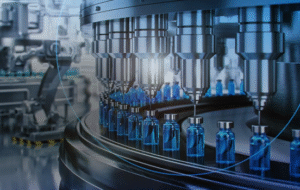
Our CNC machining services are pivotal in the energy sector, where precision and durability are essential. XC Machining supports the

XC Machining is a trusted partner in the industrial machinery sector, offering CNC machining solutions that ensure the robust and

XC Machining delivers precision machining solutions for the electronics industry, producing intricate components that meet the exacting standards required for

XC Machining offers specialized CNC machining services for the communications industry, crafting precision parts that are vital for the infrastructure

Our Rapid Prototyping service capabilities

As a leader in precision manufacturing, we offer a wide range of capabilities that cater to both one-off prototyping and low-volume production. We specialize in delivering geometrically complex and highly cosmetic parts, ensuring the highest quality standards. At XC Machining, we pride ourselves on being the go-to manufacturer for all your Rapid Prototyping needs, providing reliable and efficient solutions under one roof.

Which Technologies Are Used in Rapid Prototyping?

Rapid prototyping depends on a combination of new manufacturing techniques, each appropriate to specialized design requirements, materials and proposed production. Here’s the most widespread technologies consist of:

Additive Manufacturing (3D Printing)

This method builds parts in layers straight through CAD files which make complicated shapes and fast iteration possible.

  • Fused Deposition Modeling (FDM): Parts are printed using melted thermoplastic filament and applied in layer-to-layer manner.
  • Stereolithography (SLA): Virtually identical process to SLS except it uses a UV laser to cure a liquid resin into very detailed and smooth surface parts.
  • Selective Laser Sintering (SLS): Uses a laser to bond blended nylon or different polymers into strong and functional end-use parts.
  • Direct Metal Laser Sintering (DMLS): High powered laser is used to sinter fine metallic powder to create dense and complex metal components.
  • Multi Jet Fusion (MJF): Uses less time to produce and high mechanical strength due to the application of fusing agents and heat to powder polymer.

Subtractive Manufacturing

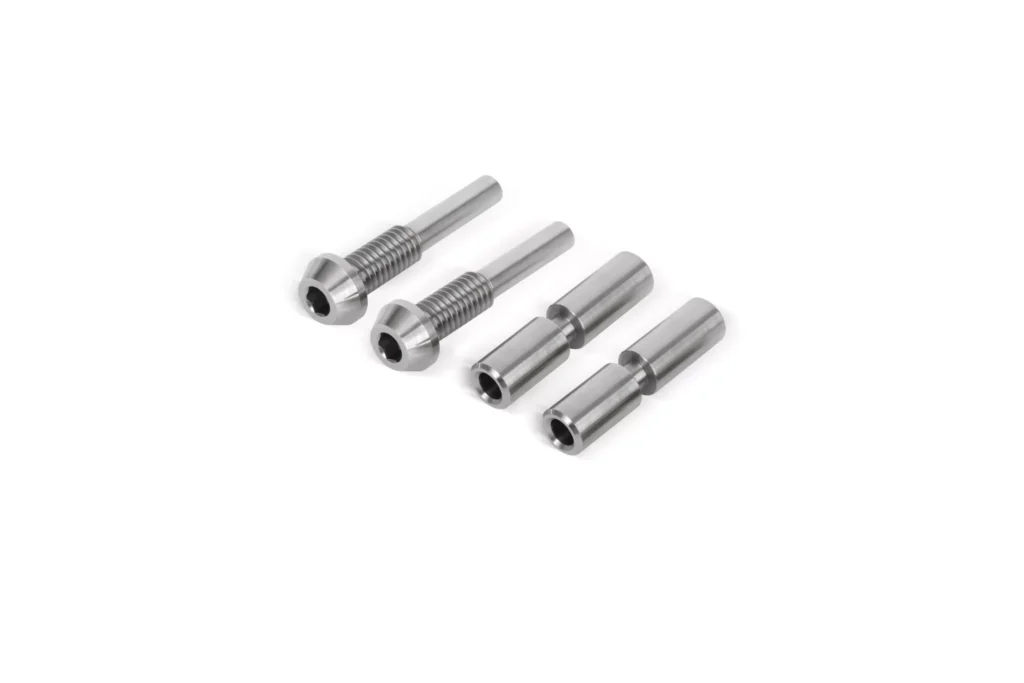
CNC machines work to remove rather than add material to a solid block to produce the required shapes. This process is optimal when high tensile and critical tolerances with parts that can not be achieved with additive methods.

  • CNC Milling: Cutting tools, rotating, are applied to rid a solid block of material, and this method is used to make complex shapes requiring the use of tight clearances.
  • CNC Turning (Lathe): Rotates the workpiece on its axis as the tools that cut it take on the part of it. It is usually applied to cylindrical or symmetrical objects.
  • Drilling Operations: Cuts fine holes / paths, and in many cases is combined with cutting on multi- axis machines.
  • 5 axis CNC Machining: Allows cutting from multiple angles in a single setup, reducing production time and increasing precision.

Molding

Due to the cycle of small batch production processes or parts which need particular materials, the techniques such as urethane casting and short-run injection molding would give quickness and reliability. The latter are usually applied after the design of a prototype is completed but prior to large-scale production.


  • Injection Molding (Short-Run): Injection technique used to inject melted material into a mold to make small quantities of useful parts with superior finish.
  • Compression Molding: Presses material into a mold that is heated, a common compression mold is a rubber or composite prototype.
  • Vacuum Casting: Plems liquid resin into molds by use of vacuum pressure and is used on complex shapes and finer details.
  • Silicone Molding: Is making molds out of silicone rubber, which are flexible, so that complex geometries can be copied, in a detailed way. Usually employed to cast resins, wax, or low-melting-point metals in the development of prototypes.

What Are the Benefits and Drawbacks of Rapid Prototyping?

With cutting-edge manufacturing processes, rapid prototyping has strong benefits as well as its own disadvantages. The realization of both sides assists businesses in determining the appropriate moment to efficiently exploit it.

Here’re some Perks of Rapid Prototyping:

Flexibility

The rapid prototyping enables rapid exploration of a number of design iterations within a relatively short period of time that can aid the designers and engineers. As an example, a product team is able to develop three versions of a component, test them in terms of performance and optimize the most suitable one without making a clean sheet. Such repeated process brings innovation and the chances of failure of launching a product that does not meet the needs of the market is minimised.

Speed

Rapid prototyping is able to reduce development cycles by half or greater, by avoiding costly conventional tooling and long cycle setup costs. In rapid moving industries such as consumer electronics, such velocity may spell the difference between setting or following the pace. 3D printing of a functional prototype only takes 24 hours and not weeks, as it is the case with traditional machining.

Cost Savings

The traditional prototyping techniques usually require unique molds or tooling that may lead to thousands of dollars. These costs are reduced or altogether avoided due to the use of rapid prototyping at early stages of design which saves major investment to tune 30-60 percent of the initial cost. It proves to be particularly useful to start up and small enterprises with limited budgets.

Reduced Waste

Additive manufacturing of a part happens layer after layer, utilizing only the amount of material required per design. This makes it far less wasteful than subtractive manufacturing by producing less scrap thus saving material cost and increasing sustainability. Switching to rapid prototyping back when doing early builds has reported up to 80 percent waste reduction in some companies.

Here’re some Drawbacks of Rapid Prototyping:

Material Limitations

Rapid prototyping can work with an ever-increasing range of plastics, resins, and even metals, but the set is still more limited compared with conventional manufacturing. It can restrict the accuracy of the functional testing because some materials do not reflect the strength, flexibility, or heat resistance of final production-grade materials.

Surface Finish Issues

Layer-by-layer production may produce visible striations or a scratched surface on prototypes, especially on FDM printing. To obtain a polished, market ready surface, extra finishing steps like sanding, coating, or CNC machining may be necessary after which other time and cost may be involved.

Scalability Constraints

Rapid prototyping is ideal with the one off parts or small quantities but not necessarily economical in higher volumes mass production. This would be the case whereby a single prototype could be printed in hours yet thousands of them would confer the advantage of traditional injection molding or casting to produce them speedily and in terms of unit cost effectiveness.

Get in Touch

Bring Your Designs to Life with XC Machining

Experience precision engineering with XC Machining. From detailed prototypes to high-volume production, we’re here to turn your concepts into reality. Contact us today to discuss your project needs!

Get In Touch

Related Articles and Insights

Dive Deeper with Articles and Posts Connected to Your Interests

Frequently Asked Questions

Rapid Prototyping

  • What Is Rapid Prototyping and How Does It Work?

    Rapid prototyping is a fast and cost-effective method of creating physical models of a design directly from CAD data. The process involves creating a 3D model of a part or product using various additive manufacturing methods like 3D printing, CNC machining, or injection molding. These models are then used to test form, fit, and function before mass production begins. Rapid prototyping allows designers and engineers to quickly iterate on their designs, making adjustments as needed before final production. This method is widely used in industries such as automotive, aerospace, consumer electronics, and medical devices. 

  • What Are the Key Benefits of Rapid Prototyping?

    Rapid prototyping offers several significant benefits, including speed, flexibility, and cost-effectiveness. One of the main advantages is the ability to quickly create a physical prototype from a digital design, which allows for faster testing and evaluation. This enables engineers and designers to identify potential issues early in the design process, reducing the risk of costly mistakes in mass production. Rapid prototyping also provides the flexibility to iterate and make changes to the design, helping to refine and improve the final product. Additionally, it helps shorten time-to-market for new products by accelerating the development process. 

  • How Long Does It Take to Create a Rapid Prototype?

    The time required to create a rapid prototype depends on the complexity of the design, the material used, and the manufacturing method selected. In general, rapid prototyping can take anywhere from a few hours to several days. 3D printing, one of the most commonly used methods, can produce prototypes in as little as 24 hours for simple designs, while more complex parts or larger prototypes may take a few days to complete. CNC machining or injection molding may take longer for more detailed or high-volume production prototypes. At XC Machining, we strive to offer fast turnaround times, even for complex parts, to meet your project deadlines. 

  • How Does Rapid Prototyping Save Costs in Product Development?

    Rapid prototyping can significantly reduce costs in product development by allowing designers and engineers to test and validate their designs before committing to large-scale production. By identifying and addressing design flaws early in the process, rapid prototyping helps minimize the need for costly revisions during manufacturing. It also reduces the need for expensive tooling and molds typically required for traditional manufacturing methods. Additionally, rapid prototyping allows for low-volume production, which reduces the cost of producing prototypes and small batches. Overall, it helps streamline the development process, saving both time and money in the long run. 

en_USEnglish
Send Us detail Requirements