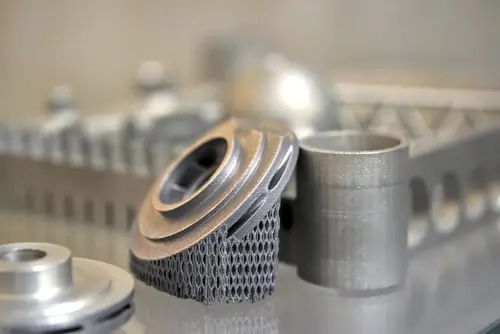
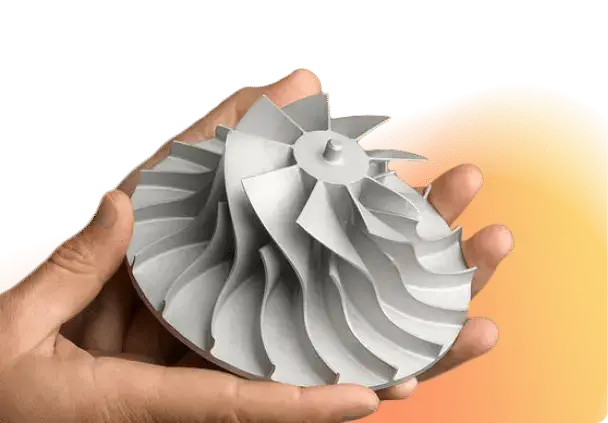
Selective Laser Melting (SLM) Services
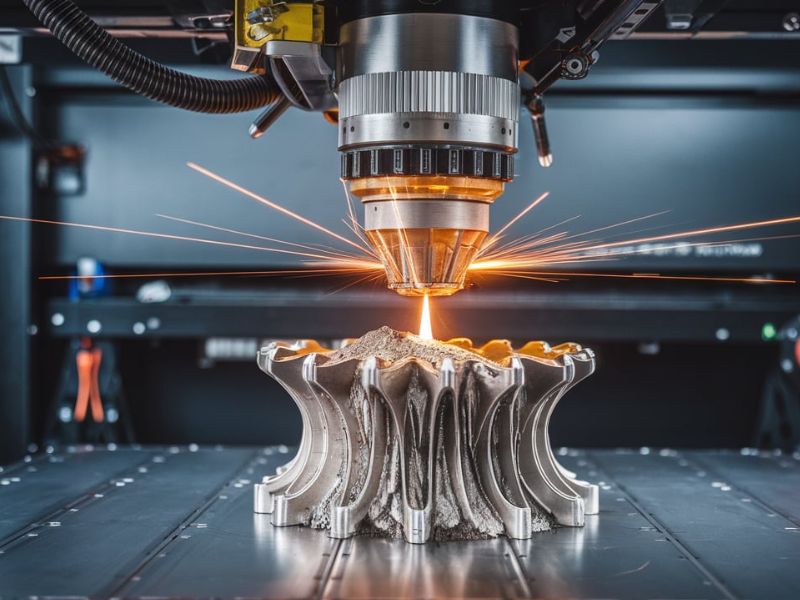
XC Machining Selective Laser Melting (SLM) produces fully dense metal parts (99.5%+ theoretical density) in titanium Ti-6Al-4V, Inconel 718, stainless steel 316L, aluminum AlSi10Mg, cobalt-chrome, and maraging steel with 30–60 μm layer resolution and ±0.1 mm dimensional tolerance.
- All uploads are secure and confidential
What Metal Parts Can SLM 3D Printing Produce?
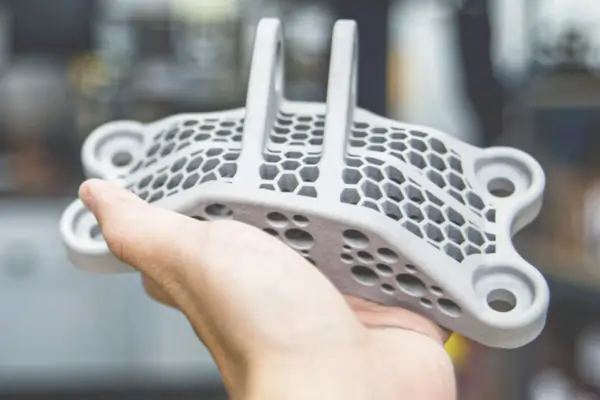
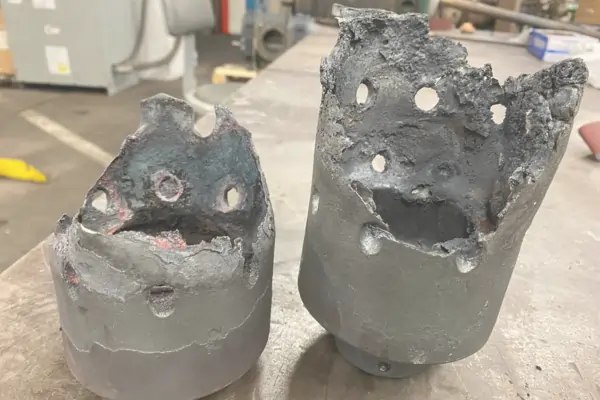
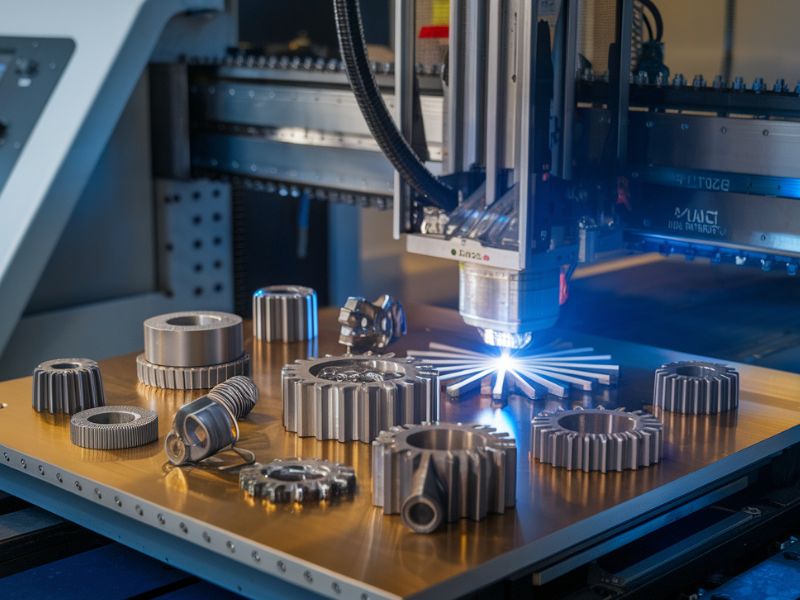
SLM produces functional metal parts with internal channels, lattice structures, conformal cooling passages, consolidated assemblies, and organic topologies that cannot be CNC machined or cast. Common SLM parts include aerospace brackets (Ti-6Al-4V), turbine blade cooling inserts (Inconel 718), medical implants with porous bone-ingrowth surfaces (CoCrMo), conformal cooling mold inserts (maraging steel MS1), and lightweight structural nodes (AlSi10Mg).
How Do You Order SLM Metal 3D Printed Parts from XC Machining?
Upload your STEP or STL file to receive an SLM quote within 12 hours. XC Machining engineers review build orientation, support strategy, and post-processing requirements. Quote includes material cost, print time, support removal, heat treatment, CNC machining (if applicable), and surface finishing — all itemized separately. Parts ship worldwide from Dongguan, China via DHL, FedEx, or UPS.
What Tolerances Does SLM Metal 3D Printing Achieve at XC Machining?
XC Machining holds SLM tolerances per the specifications below. As-printed tolerance depends on alloy type, part geometry, build orientation, and support strategy. Tighter tolerances on critical features are achieved by CNC post-machining.
Parameter | Specification |
General Tolerance | ISO 2768-m (metals) |
Precision Tolerance | ±0.1 mm or ±0.3% (whichever is greater) |
Layer Thickness | 30–60 μm (alloy-dependent) |
Minimum Wall Thickness | 0.4 mm (printable), 0.8 mm recommended |
Minimum Feature Size | 0.5 mm positive, 0.2 mm groove |
Minimum Hole Diameter | 1.5 mm (self-supporting) |
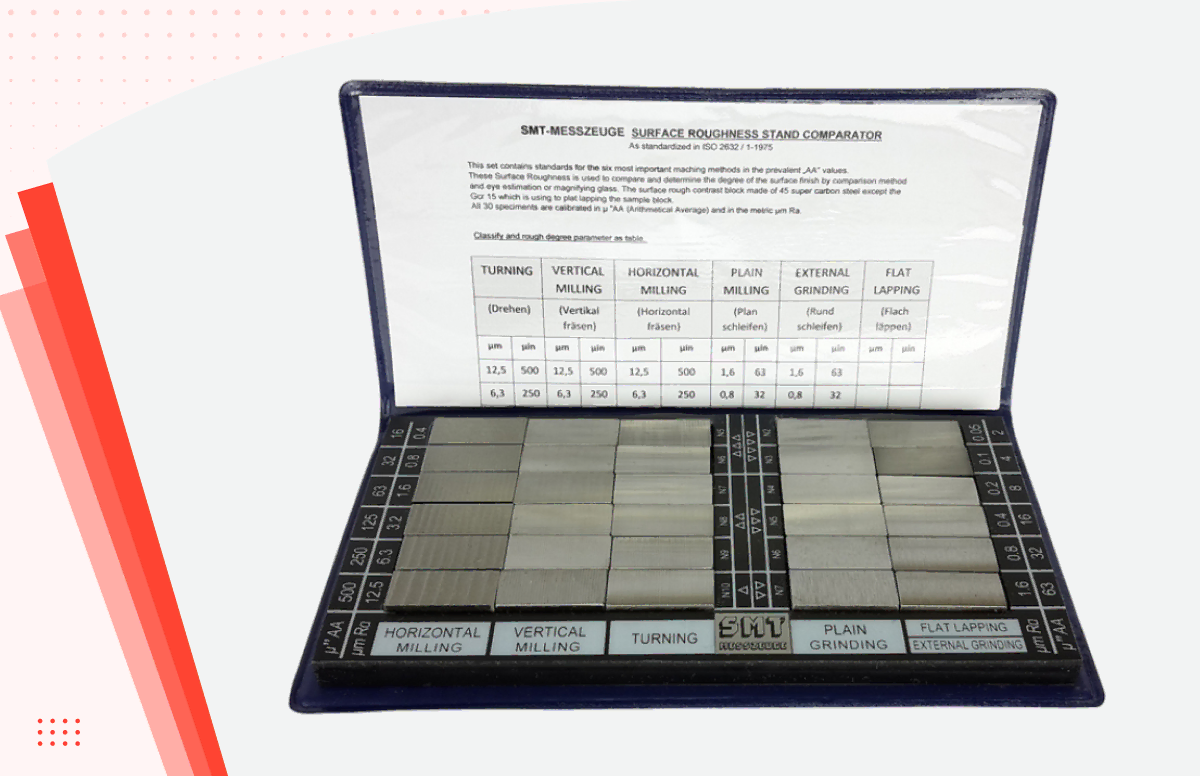
Surface Finish (As-Printed) | Ra 6–15 μm (non-support side), Ra 10–20 μm (support side) |
Surface Finish (Post-Machined) | Ra 0.4–1.6 μm (CNC machined critical surfaces) |
Part Density | 99.5%+ theoretical density (full melt) |
Maximum Build Volume | 280 × 280 × 365 mm (standard); verify 500mm capability |
Minimum Part Size | 5 × 5 × 5 mm |
Production Volume | Prototype: 1–10 pcs; Low Volume: 10–100 pcs; Production: 100–500 pcs per order |
Lead Time | 5–10 business days (includes print + stress relief + support removal + finishing) |
Lead Time (Rush) | 3–5 business days for simple geometries |
Why Should You Choose XC Machining for SLM Metal Printing?
XC Machining SLM integrates metal 3D printing with in-house CNC machining, wire EDM, heat treatment, and surface finishing under one ISO 9001:2015 certified facility. This means printed metal parts receive CNC-machined mounting surfaces, precision bores, and threaded holes without leaving our building — eliminating inter-vendor tolerance mismatch.

XC Machining SLM prints 8 alloy families: aluminum (AlSi10Mg, AlSi12, Scalmalloy), titanium (Ti-6Al-4V, Ti-6Al-4V ELI), stainless steel (316L, 304L, 17-4 PH, 15-5 PH), nickel (Inconel 625, 718, Hastelloy X), tool steel (H13, M300, maraging MS1), cobalt-chrome (CoCrMo, CoCrW), copper alloys, and precious metals (gold, silver, platinum). This is the widest alloy range among competitors.

SLM parts requiring tight-tolerance features (mounting surfaces ±0.02 mm, precision bores, threaded holes M3+) are CNC machined in-house after printing. No second vendor needed. Printed and machined by the same team using the same CAD file.

Our engineers review every SLM file for build orientation, support strategy (minimizing support contact on critical surfaces), overhang angle compliance (>45°), minimum wall thickness (0.8 mm), and depowdering feasibility for internal channels. DFM feedback within 12 hours.

Complete post-processing: stress relief heat treatment (alloy-specific), wire EDM build plate separation, support removal, CNC machining of critical features, bead blasting (Ra 3–6 μm), polishing (Ra 0.4 μm), electropolishing (Ra 0.2 μm), and anodizing (aluminum alloys only).
What Metal Alloys Does XC Machining Print via SLM?
XC Machining SLM prints 8 metal alloy families. Each alloy below includes tensile strength, yield strength, elongation, and density achieved after SLM processing and standard heat treatment. All alloys achieve 99.5%+ theoretical density via full laser melting.
AlSi10Mg, AlSi12, Scalmalloy
Ti-6Al-4V (Grade 5), Ti-6Al-4V ELI (Grade 23)
316L, 304L, 17-4 PH, 15-5 PH
Inconel 625, Inconel 718, Hastelloy X
H13, M300, MS1 (Maraging Steel)
CoCrMo, CoCrW
CoCrMo, CoCrW
Gold, Silver, Platinum (less common; used in jewelry & medical)
What Post-Processing Surface Finishes Are Available for SLM Metal Parts?
XC Machining applies the following surface finishes to SLM metal 3D printed parts. As-printed SLM surfaces have Ra 6–15 μm — post-processing improves surface quality for functional and cosmetic requirements.
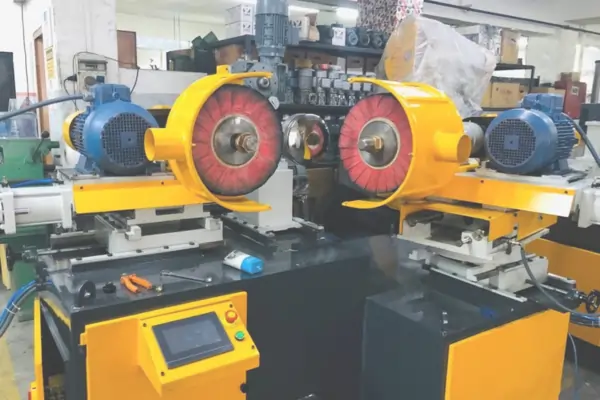
Mechanical polishing reduces SLM surface roughness from Ra 6–15 μm (as-printed) to Ra 0.2–0.8 μm. Mirror polish (Ra ≤0.1 μm) available on titanium, stainless, and CoCr for medical implant and decorative applications.
Glass or ceramic bead blasting creates a uniform matte texture at Ra 3–6 μm on SLM parts, removing partially sintered powder particles and producing a consistent surface for functional and cosmetic applications.
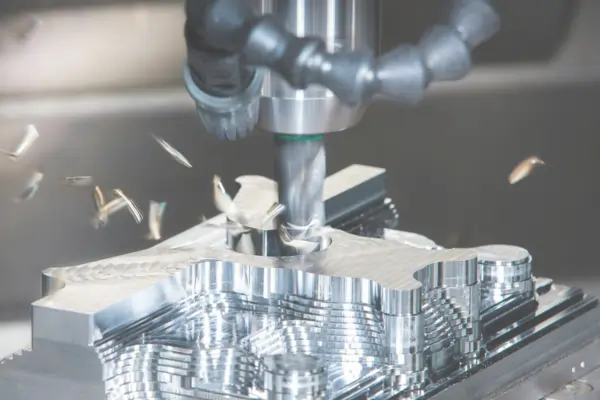
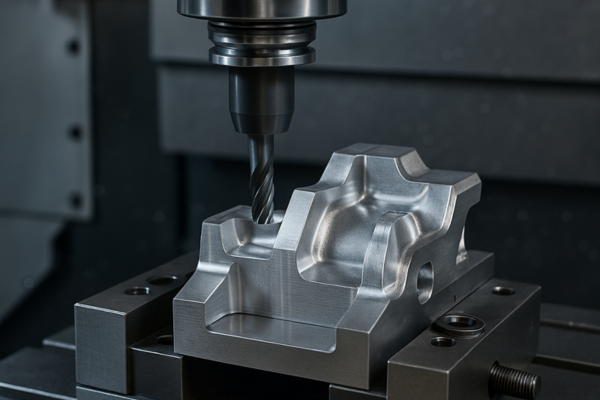
CNC milling or turning of SLM-printed part surfaces achieves Ra 0.4–1.6 μm and ±0.02 mm dimensional accuracy on mounting faces, bores, and thread features. XC Machining performs CNC post-machining in-house — the key advantage of integrated print + machine capability.
Powder coating applies 60–120 μm thermoset polymer layer to SLM steel and aluminum parts. RAL/Pantone color matching. 500–1,000 hr salt spray resistance. Not applicable to titanium (anodize instead) or parts requiring bare metal contact surfaces.
Electropolishing removes 10–25 μm from stainless steel 316L and titanium SLM parts via electrolytic dissolution, achieving Ra 0.1–0.4 μm with enhanced corrosion resistance per ASTM B912. Preferred for medical and food-grade SLM parts.
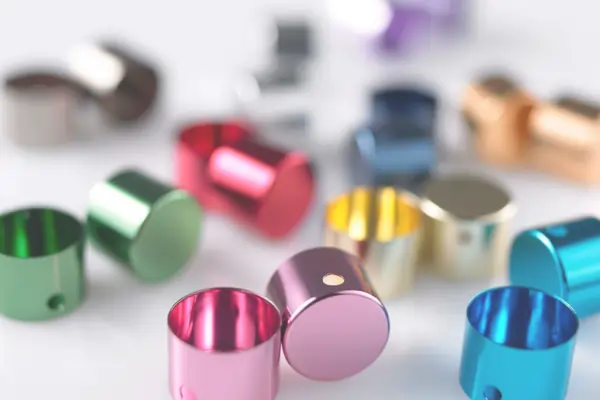
ype II/III anodizing on SLM aluminum AlSi10Mg parts. 5–50 μm oxide layer with custom color options (clear, black, blue, red). Note: SLM AlSi10Mg anodizes with a slightly different tone than wrought 6061 due to silicon content — sample approval recommended before production anodizing.
Our Selective LaserMelting (SLM) Prototype Manufacturing Capabilities
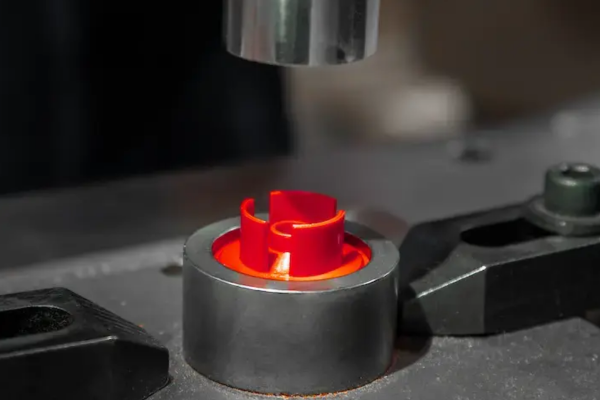
Provides injection molding for prototypes and custom parts, emphasizing expert support, competitive pricing, and faster production cycles.
Get reliable vacuum casting services for high-quality prototypes and production parts at competitive prices. XinCheng offers highly detailed casting parts with consistent quality.
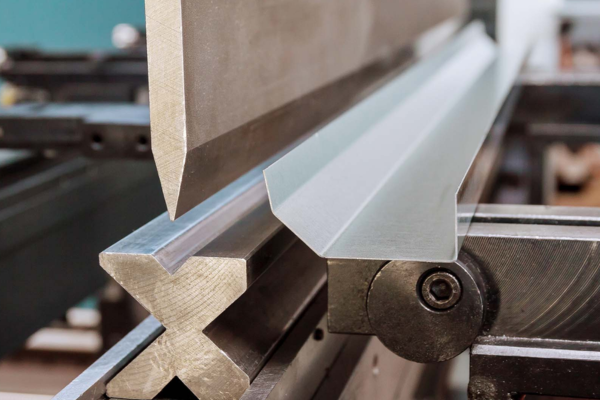
Uses cutting, bending, and forming techniques to produce precision metal components suited for industrial, commercial, and manufacturing applications.
Specialist Industries
Bring Your Designs to Life with XC Machining
- Expertise Shared Widely
- Market Reach Expanded
- Advanced Technology Integrated
- Collaborative Innovation Opportunities
- All uploads are secure and confidential
SLM Metal 3D Printing Frequently Asked Questions
How Does SLM Compare to Other Metal 3D Printing Technologies?
SLM fully melts metal powder to achieve 99.5%+ density — producing parts with mechanical properties equivalent to wrought metal. DMLS partially sinters powder (95–99% density, slightly lower mechanical properties). EBM uses electron beam in vacuum (99.5% density but rougher Ra 20–35 μm surface). SLM offers the best balance of density, surface quality, and alloy range. XC Machining uses SLM for maximum part performance.
What Types of Parts Are Best Suited for SLM?
Best SLM applications: (1) parts with internal channels or conformal cooling passages impossible to CNC machine, (2) lightweight topology-optimized structures (30–50% weight reduction vs solid), (3) consolidated assemblies (10+ parts printed as one), (4) medical implants with porous bone-ingrowth surfaces, (5) low-volume functional metal prototypes (1–100 parts) where CNC machining setup cost is prohibitive. Not suited for: simple prismatic parts better served by CNC machining, or high-volume parts (>500) better served by casting.
Can SLM Be Used for Functional End-Use Parts?
Yes. SLM parts achieve wrought-equivalent mechanical properties: Ti-6Al-4V tensile 1,100 MPa, Inconel 718 tensile 1,240 MPa, 316L tensile 530 MPa with 40% elongation, maraging MS1 tensile 1,100 MPa at 54 HRC hardness. SLM parts fly in aerospace (turbine inserts, satellite brackets), implant in patients (hip and spinal components per ASTM F136), and run in production tooling (conformal cooling inserts reducing injection mold cycle time 40%).
How Does SLM Contribute to Sustainable Manufacturing?
SLM material utilization reaches 95–98% — unmelted powder is sieved and recycled for future builds. By comparison, CNC machining titanium generates 70–90% material waste (buy-to-fly ratio 10:1 to 20:1). SLM also enables part consolidation (reducing assembly from 10+ parts to 1), lightweight topology optimization (30–50% material reduction), and on-demand production (no minimum inventory or tooling storage).
When Should You Choose SLM Metal 3D Printing Over CNC Machining?
Choose SLM when: (1) the geometry has internal channels, lattice structures, or organic shapes impossible to CNC, (2) material waste must be minimized (SLM: 2–5% waste vs CNC: 70–90% on titanium), (3) part consolidation reduces assembly count, or (4) volume is 1–100 parts (no CNC fixture or programming amortization). Choose CNC machining when: tolerances below ±0.05 mm are required, surface finish below Ra 1.6 μm is needed, or volume exceeds 100 parts. XC Machining offers both — engineers can SLM print then CNC finish.
What Post-Processing Does Every SLM Part Require?
Every SLM part requires: (1) stress relief heat treatment (mandatory — prevents cracking and distortion), (2) build plate separation via wire EDM, (3) support structure removal. Optional: CNC machining of mounting faces and bores (±0.02 mm), bead blasting (Ra 3–6 μm), polishing (Ra 0.2–0.8 μm), electropolishing (Ra 0.1–0.4 μm), and anodizing (aluminum only). XC Machining performs all post-processing in-house.