
Brass CNC Machining Service
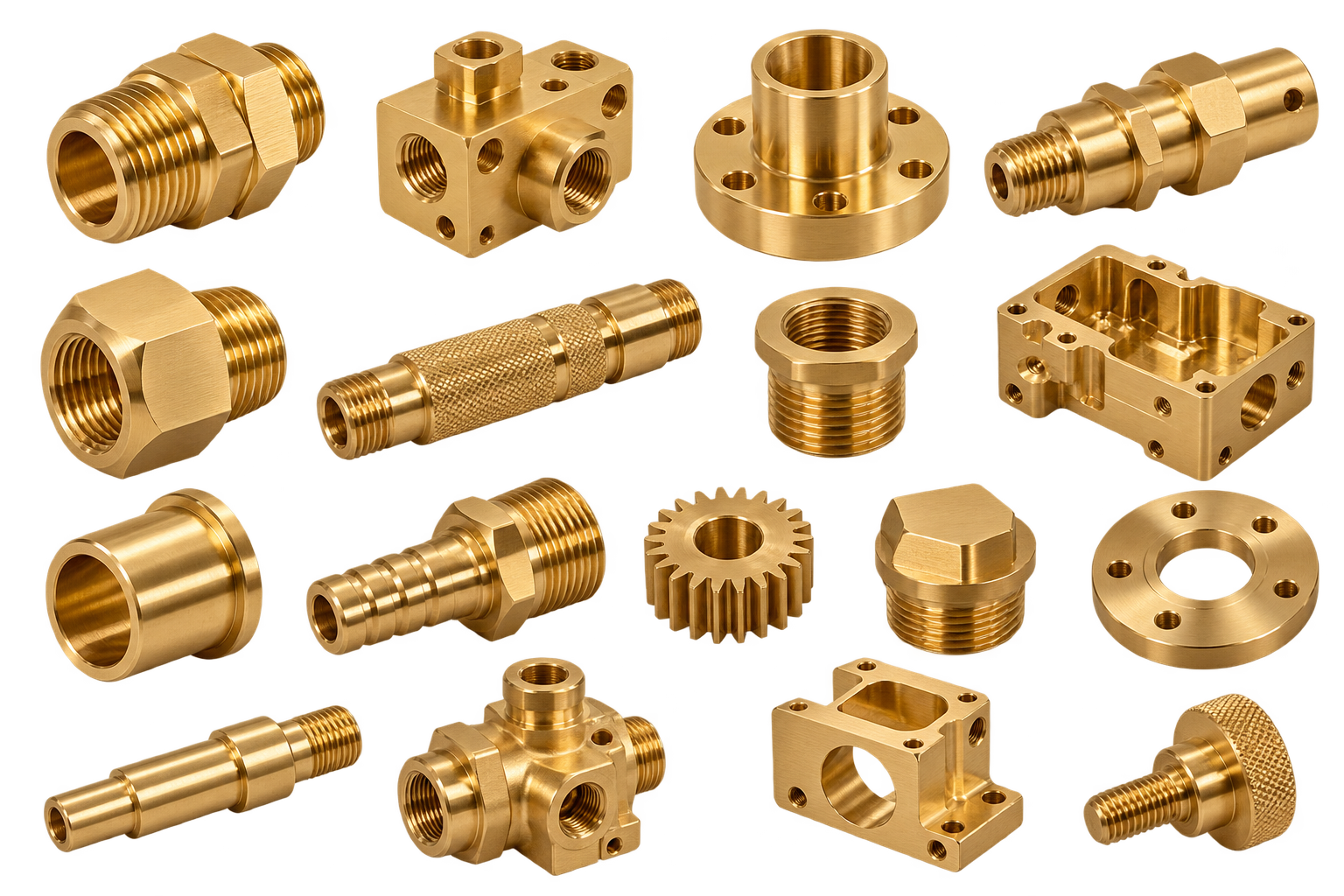
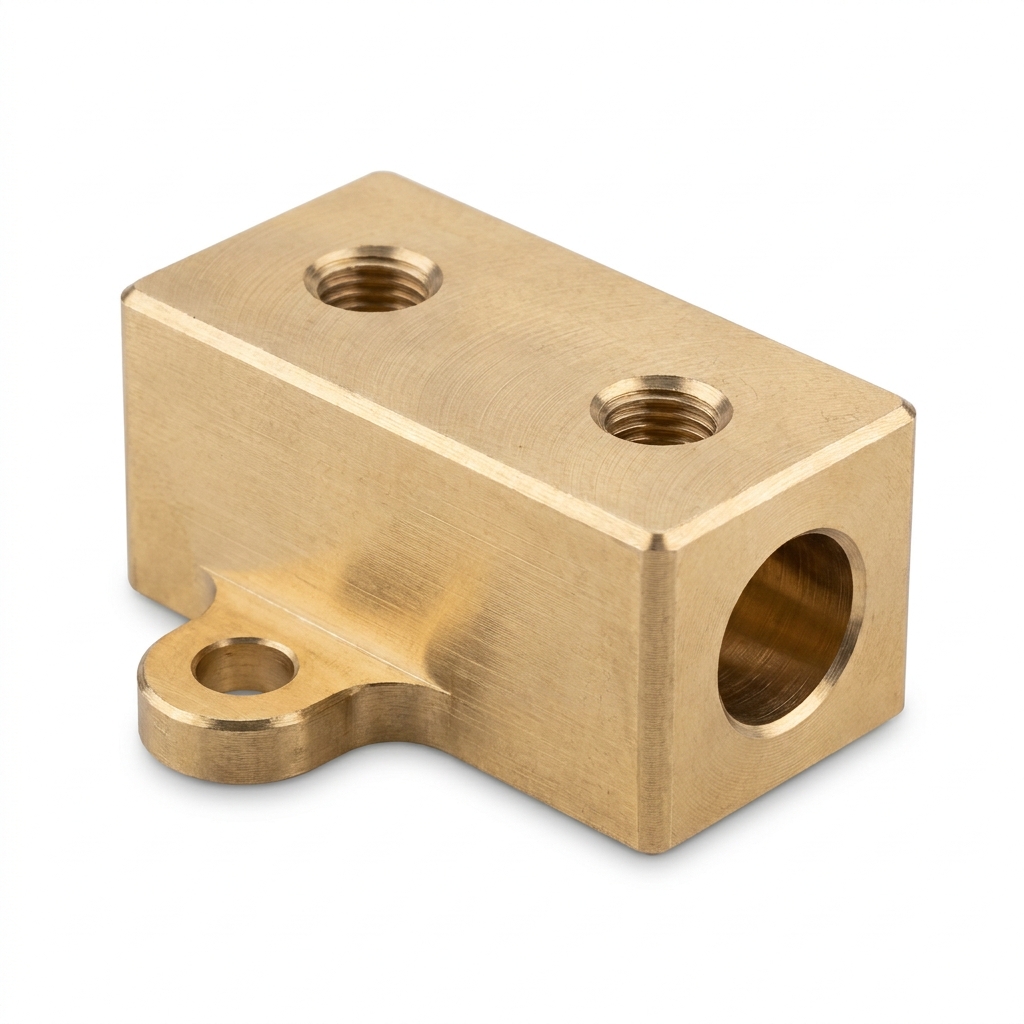
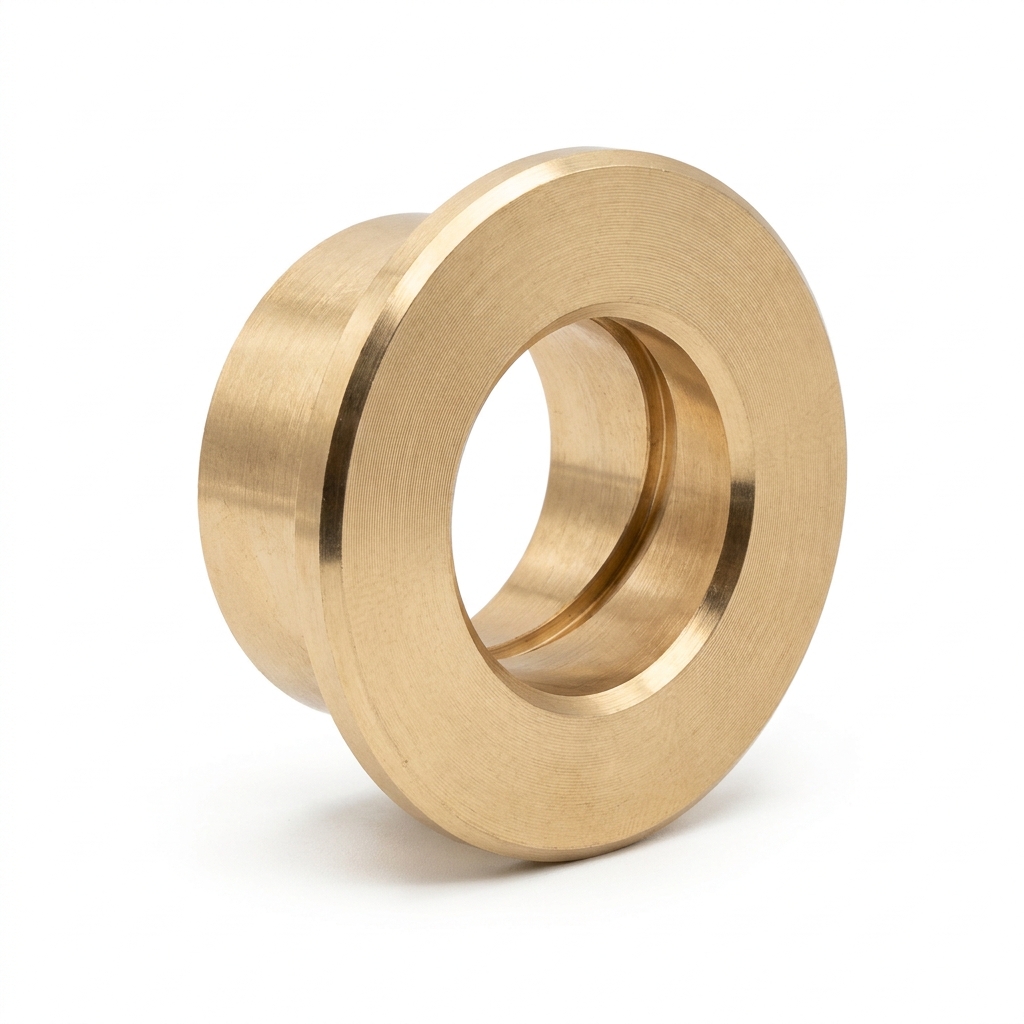
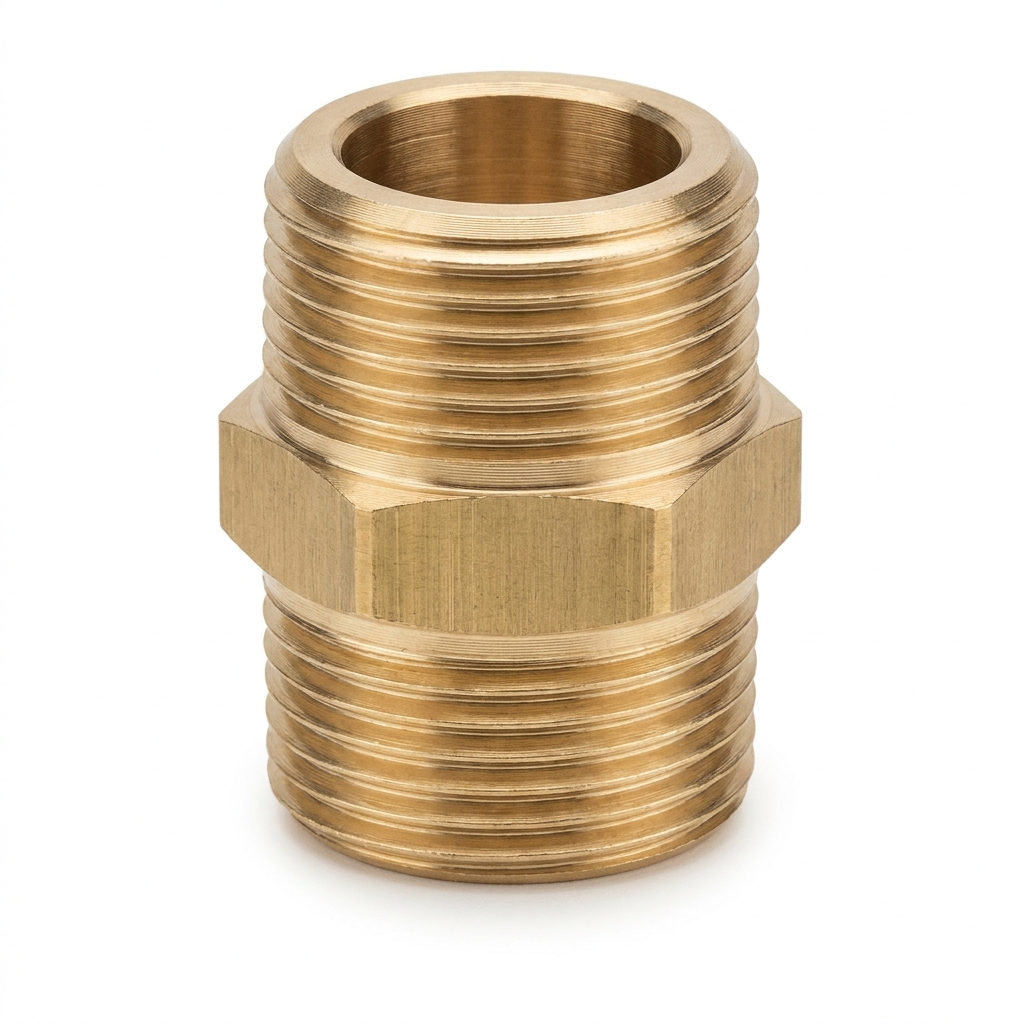
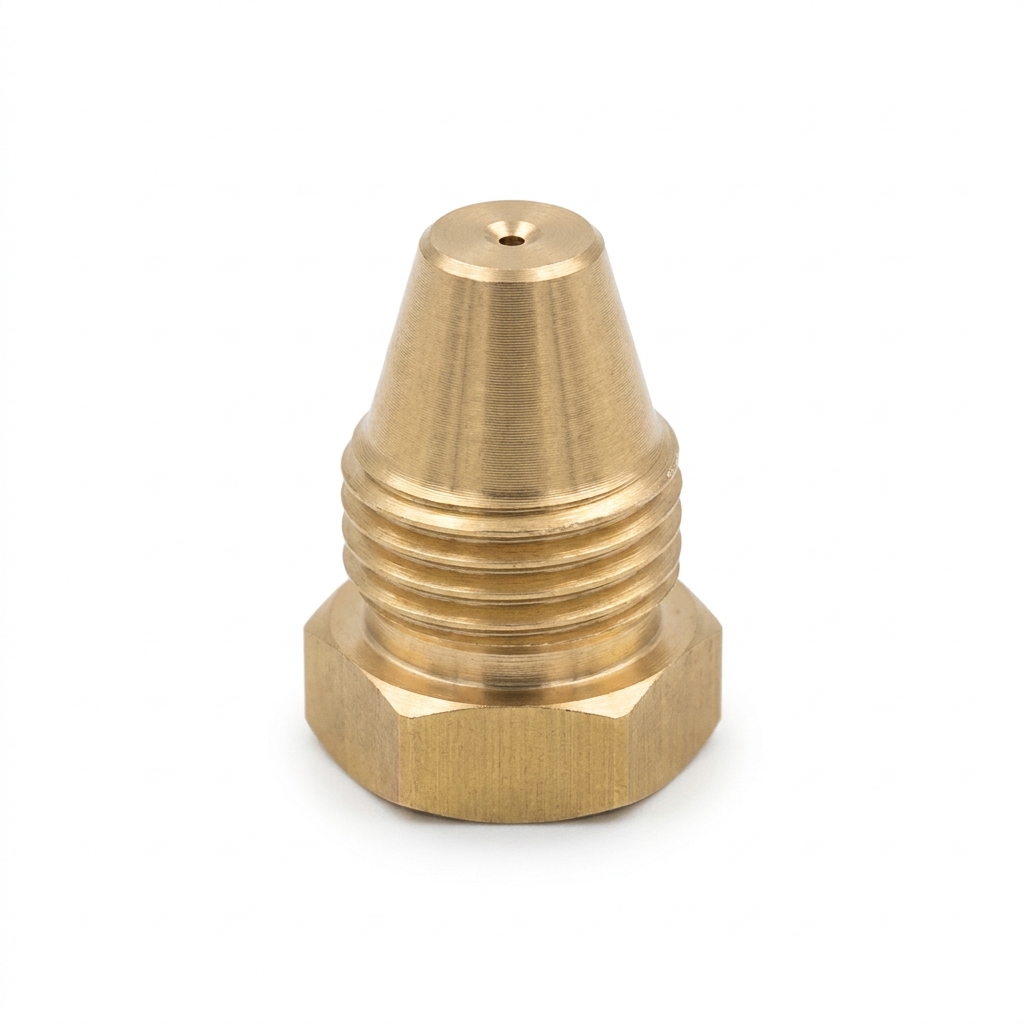
XC Machining provides brass CNC machining for US product teams, from custom prototypes to production parts. Brass cuts cleanly, resists corrosion and keeps a golden finish. That is why electrical, plumbing, valve and industrial teams use it for connectors, threaded fittings, valves and bushings.
Brass in CNC Machining
Brass is a copper-zinc alloy. It has excellent machinability, good corrosion resistance and reliable dimensional performance. It suits intricate parts with precise threads, fine features and smooth surfaces. Electrical terminals, plumbing fittings, valves, connectors, bushings and precision mechanical parts all use it.
Brass grades differ in strength, conductivity, formability and machining performance, so you can match the alloy to the job. Our CNC machining page covers the process, and the materials page lists every other metal and plastic we cut. For pure conductivity, look at copper. For lighter parts, look at aluminum.
| Alloys | Brass C27400, C28000, C36000 |
| Price | Moderate |
| Lead time | Under 10 days |
| Minimum wall thickness | 0.75 mm |
| Tolerance | ±0.125 mm standard, down to ±0.005 mm on tight features |
| Maximum part size | 200 × 80 × 100 cm |
Brass Alloys
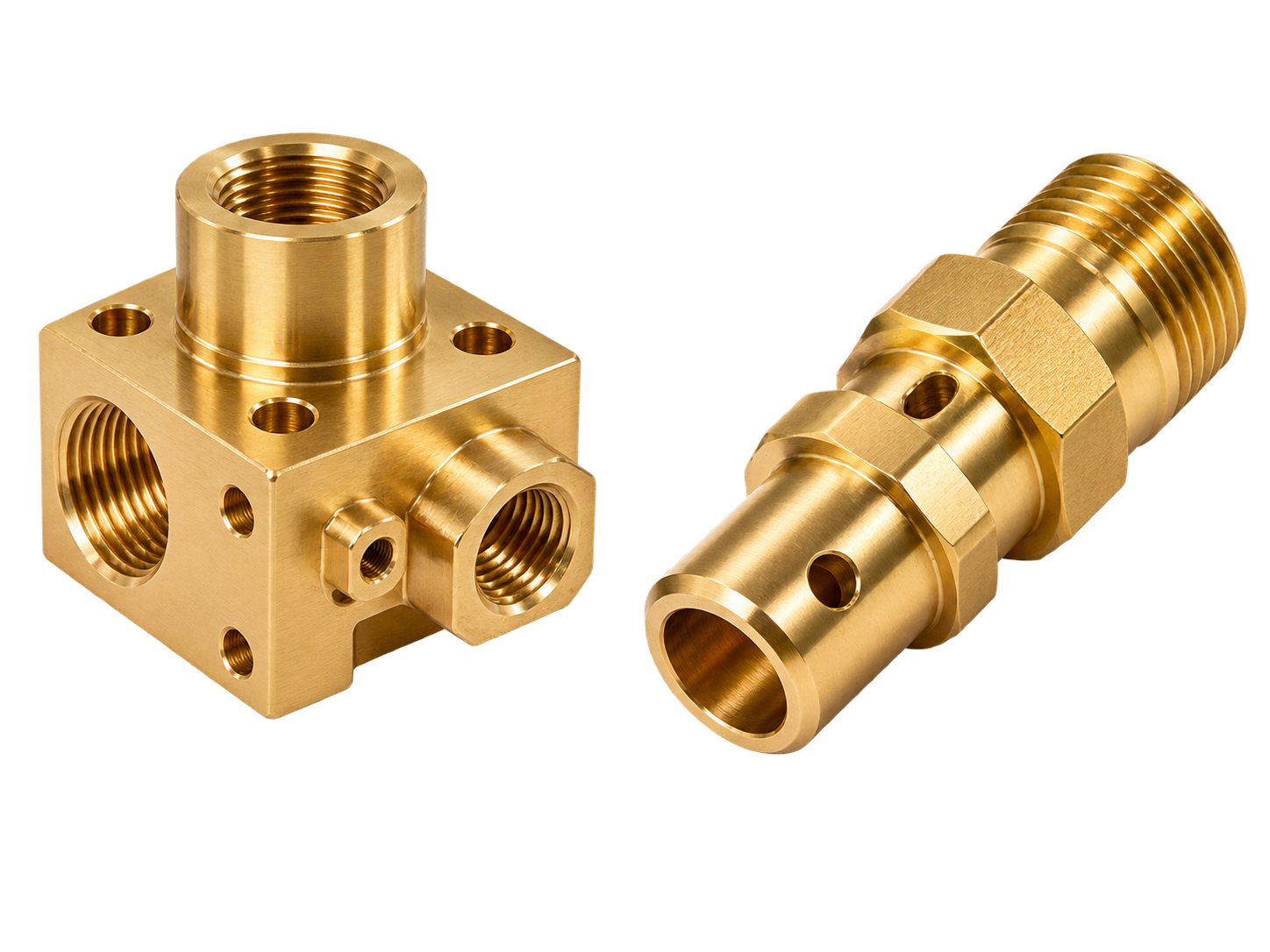
Each card gives the use first and the figures after it. The figures keep the labels on XC’s own table. Units are MPa, Brinell hardness and g/cm³. Ask for the mill certificate of your alloy and temper before you lock a design to them.
Brass C27400 (Yellow Brass)
Brass C27400 is a copper-zinc alloy with good strength, ductility and corrosion resistance. It cold-works well, so it suits parts that need shaping and forming. Decorative hardware, electrical fittings, fasteners and precision parts use it where durability and a golden look matter.
Brass C28000 (Muntz Metal)
Brass C28000, also called Muntz metal, is a high-zinc brass. It offers strength, toughness and corrosion resistance in suitable environments. It hot-works well, which makes it a fit for industrial hardware, architectural fittings and some marine parts that need a durable structure.
Brass C36000 (Free-Cutting Brass)
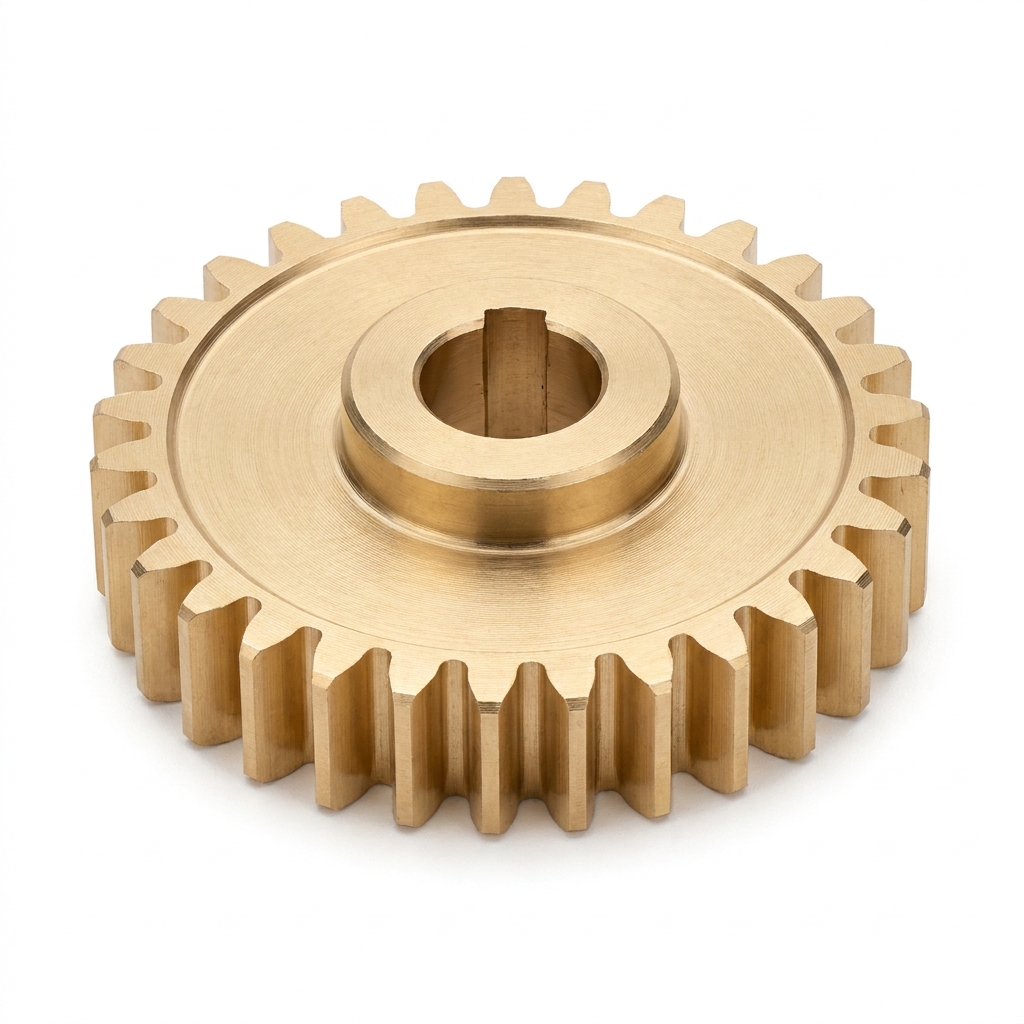
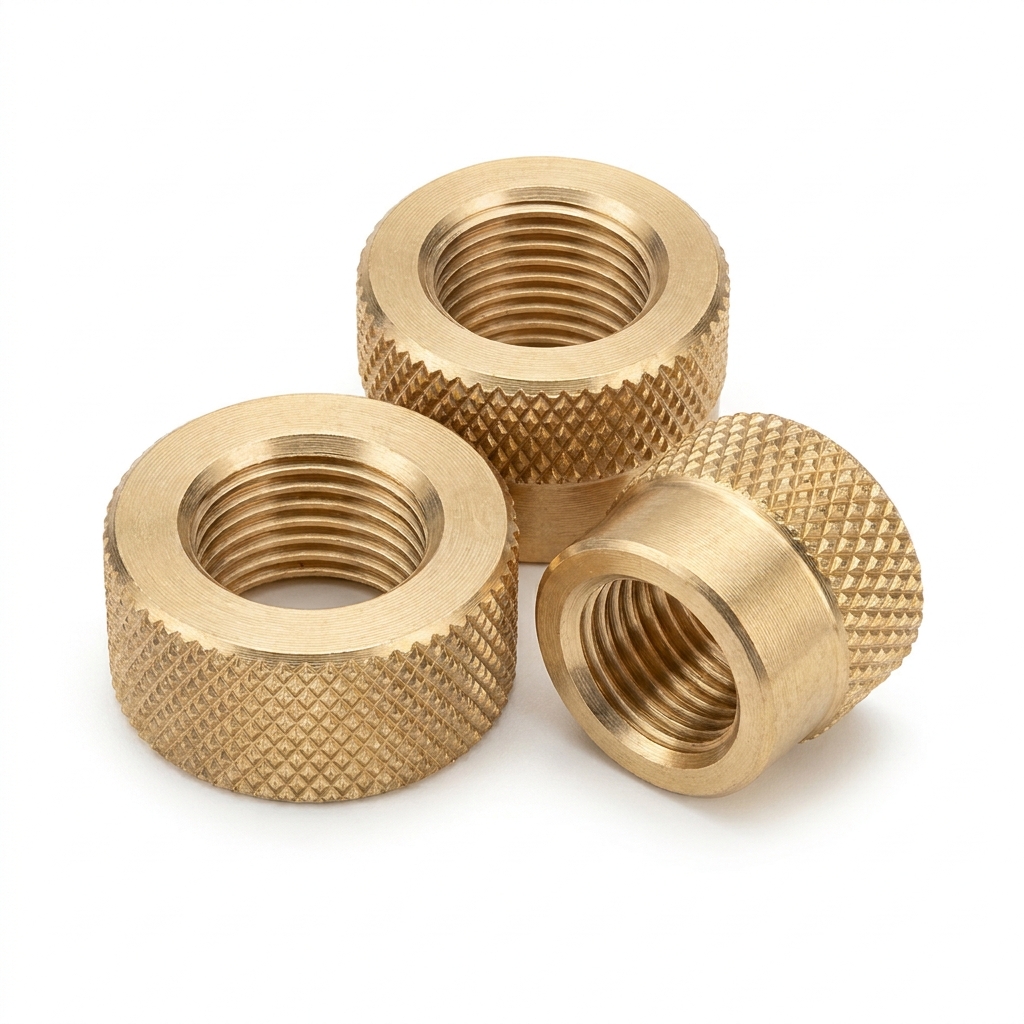
Brass C36000 is one of the most used alloys for precision CNC machining. It cuts very well and breaks chips cleanly. That allows efficient turning, drilling, threading and milling with accurate dimensions and smooth surfaces. Threaded connectors, valve fittings, bushings and fasteners use it.
Advantages and Limitations of Brass
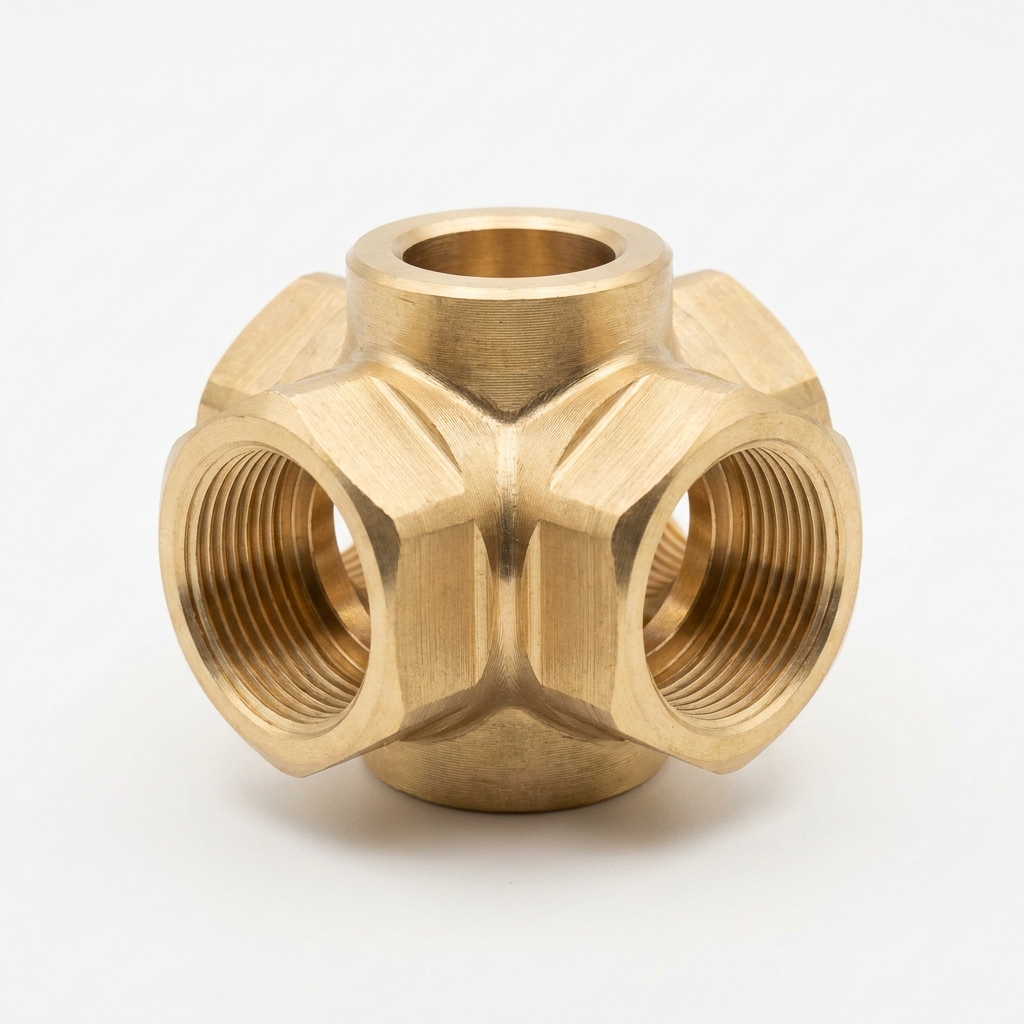
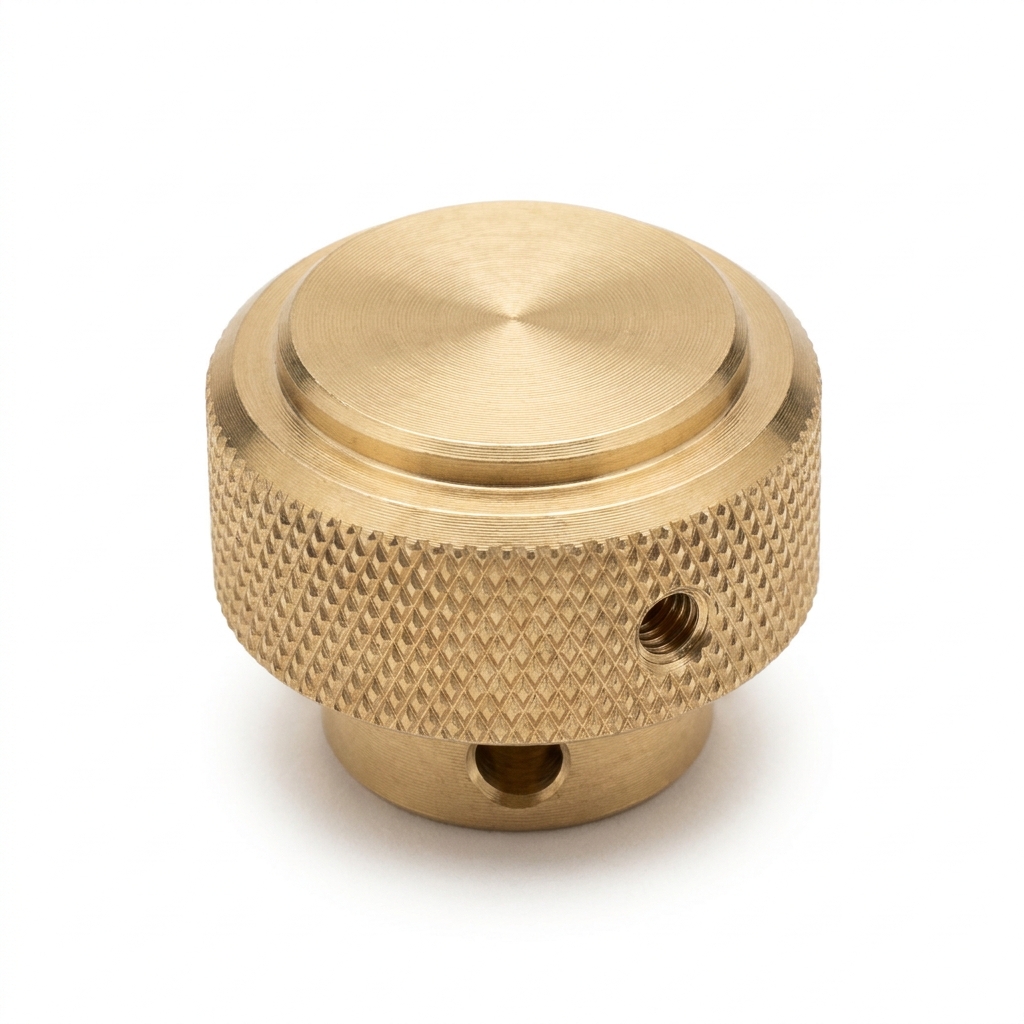
Brass is a popular choice for precision CNC machining because of its machinability, corrosion resistance and appearance. Knowing its pros and cons helps you pick the right alloy for custom and industrial parts.
- Excellent machinability.
Free-cutting grades allow efficient CNC milling, turning and drilling, with precise parts and smooth surfaces. - Good corrosion resistance.
Brass resists corrosion in suitable environments, which suits plumbing fittings, valves and industrial parts. - Attractive surface finish.
Its natural golden color and polished finish suit decorative hardware and visible mechanical parts. - Electrical and thermal conductivity.
Brass conducts well enough for connectors, terminals and parts that need moderate heat transfer. - Versatile industrial uses.
Machined brass parts serve automotive systems, electronics, plumbing equipment and precision mechanical assemblies.
-
Higher material cost.
Brass can cost more than common aluminum and carbon steel grades, which raises material cost on some projects. -
Susceptibility to dezincification.
Some brass alloys lose zinc in aggressive environments. That can reduce strength and shorten service life.
Bring Your Designs to Life with XC Machining
Experience precision engineering with XC Machining. From detailed prototypes to high-volume production, we’re here to turn your concepts into reality. Contact us today to discuss your project needs!
- 50+ CNC machines in-house
- 60+ materials in stock
- 120+ countries shipped
- 15+ DFM engineers on staff
- All uploads are secure and confidential
Brass CNC Machining FAQs
Why is brass a popular material for CNC machining?
Brass cuts cleanly, resists corrosion and holds a bright, attractive finish. These traits make it a strong base for precision fittings, electrical connectors, threaded parts, valves and custom industrial parts. Free-cutting grades run fast on lathes and mills, which keeps cycle times short and surfaces smooth.
Which brass grade is best for precision CNC machining?
Brass C36000 is one of the most popular choices for precision work because it cuts well and breaks chips cleanly. C27400 and C28000 suit jobs that need other mixes of strength, formability and corrosion resistance. If you are unsure, send the drawing and we will suggest an alloy.
What cutting speeds work for CNC machining brass?
Cutting speed depends on the brass alloy, tool material, operation and part shape. Free-machining grades such as C36000 support higher speeds than less machinable brass. Good tool choice and tuned cutting parameters raise productivity and surface quality. Share your drawing and we will set the process around your alloy.
Is brass easier to CNC machine than aluminum?
Free-cutting brass such as C36000 can be easier to machine than some aluminum alloys because it makes short chips and holds dimensions well. The result still depends on the alloy, the cutting tools and the shop conditions. Aluminum stays the lighter and lower cost choice when weight or price matters more.
How can you get better surface finishes when CNC machining brass?
Sharp tools, the right cutting speed, controlled feed rates and stable workholding all improve the surface. A suitable brass grade and tuned parameters also cut burrs and improve accuracy. Polishing from our finishing menu then gives a smooth, consistent golden surface on visible parts and decorative hardware.