
Carbon Steel CNC Machining Service
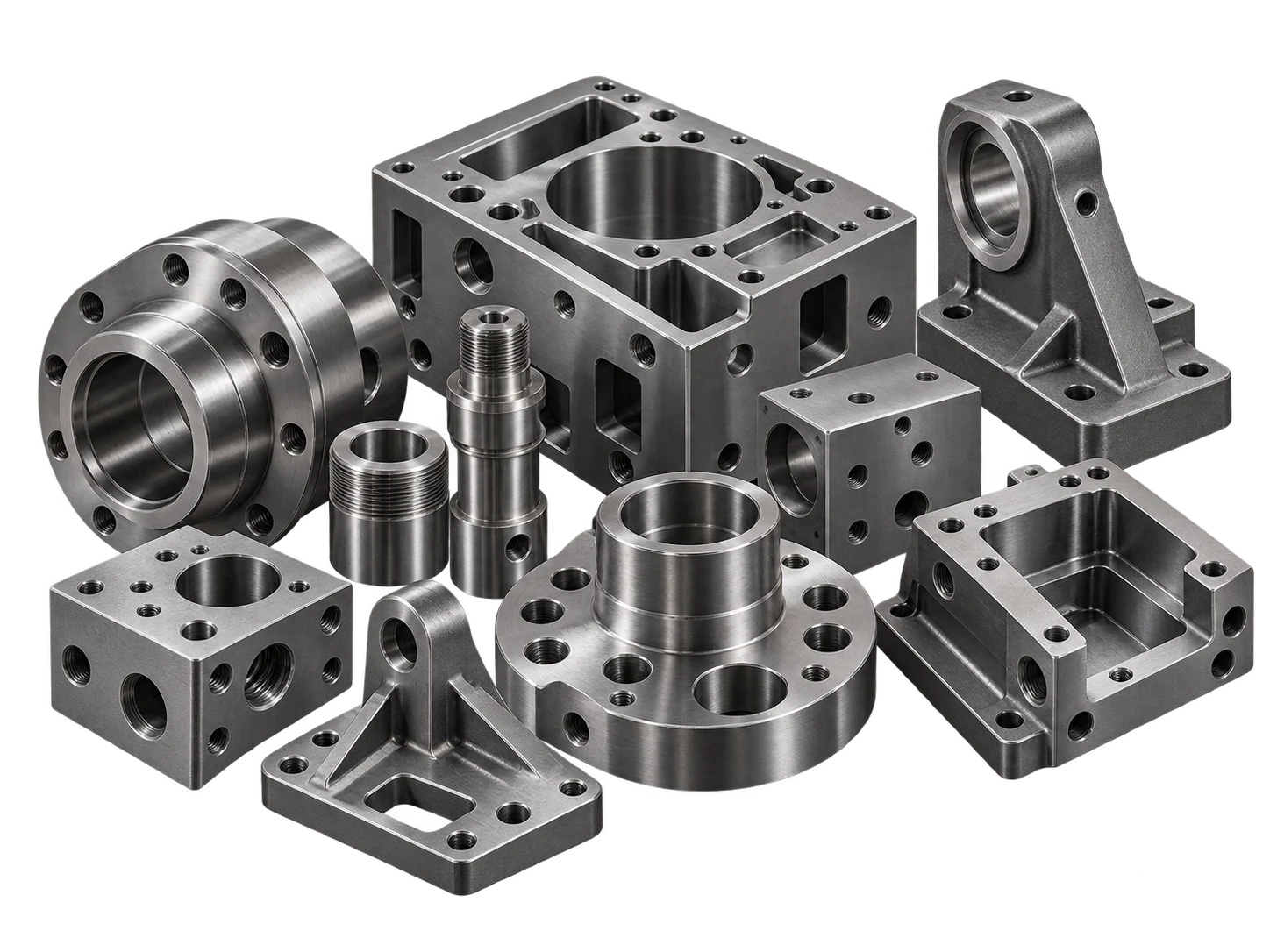
Carbon Steel in CNC Machining
Carbon steel gives you high strength, rigidity, and durability at a relatively low material cost. Low-carbon grades such as 1018 and 1020 machine and weld well, while medium-carbon grades such as 1045 provide higher strength and can be heat treated for demanding mechanical parts.
Unlike stainless steel, carbon steel does not naturally resist corrosion, so exposed components often benefit from black oxide, nickel plating, painting, powder coating, or another protective finish. XC Machining supports carbon steel across CNC milling, turning, drilling, threading, and precision finishing operations. XC currently lists carbon steel among its supported materials and offers finishes including black oxide, electroless nickel plating, brushing, painting, and powder coating.
| Property | Carbon Steel CNC Machining |
|---|---|
| Common Grades | 1018, 1020, 1045, 1215, 12L14, A36 |
| Price | $ |
| Typical Lead Time | 5–10 business days |
| Minimum Wall Thickness | 0.8 mm |
| Standard Tolerance | ±0.125 mm (±0.005 in) |
| Tighter Features | Down to ±0.005 mm where geometry allows |
| Maximum Part Size | Up to 2,000 × 1,500 × 800 mm |
| Typical Finishes | As-machined, black oxide, nickel plating, brushing, painting, powder coating |
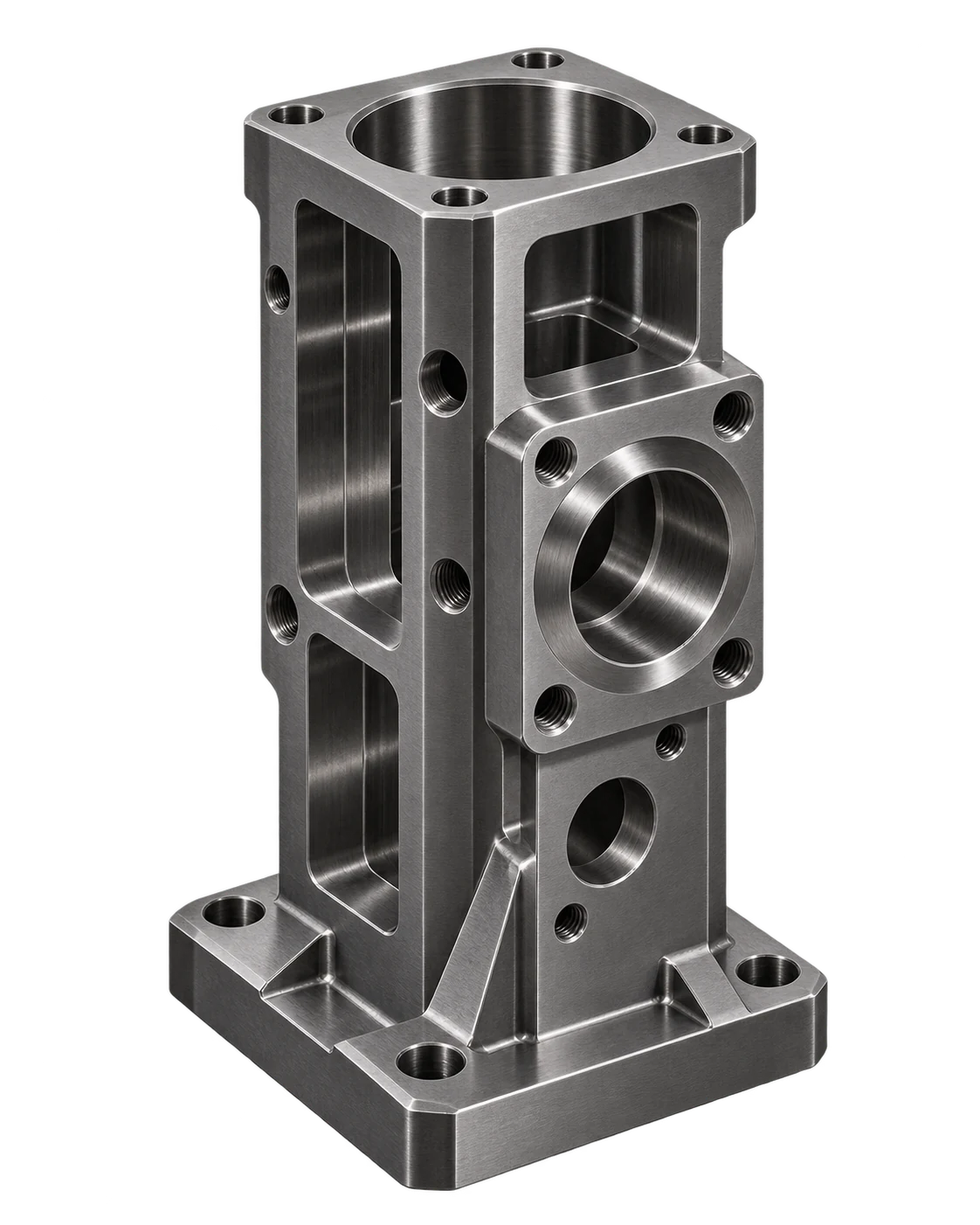
Carbon Steel Grades
1018 Carbon Steel CNC Machining
Our go-to mild steel for general-purpose machined parts. 1018 offers a useful balance of strength, machinability, weldability, and cost. It works especially well for shafts, pins, fixtures, brackets, spacers, and machine components.
1020 Carbon Steel CNC Machining
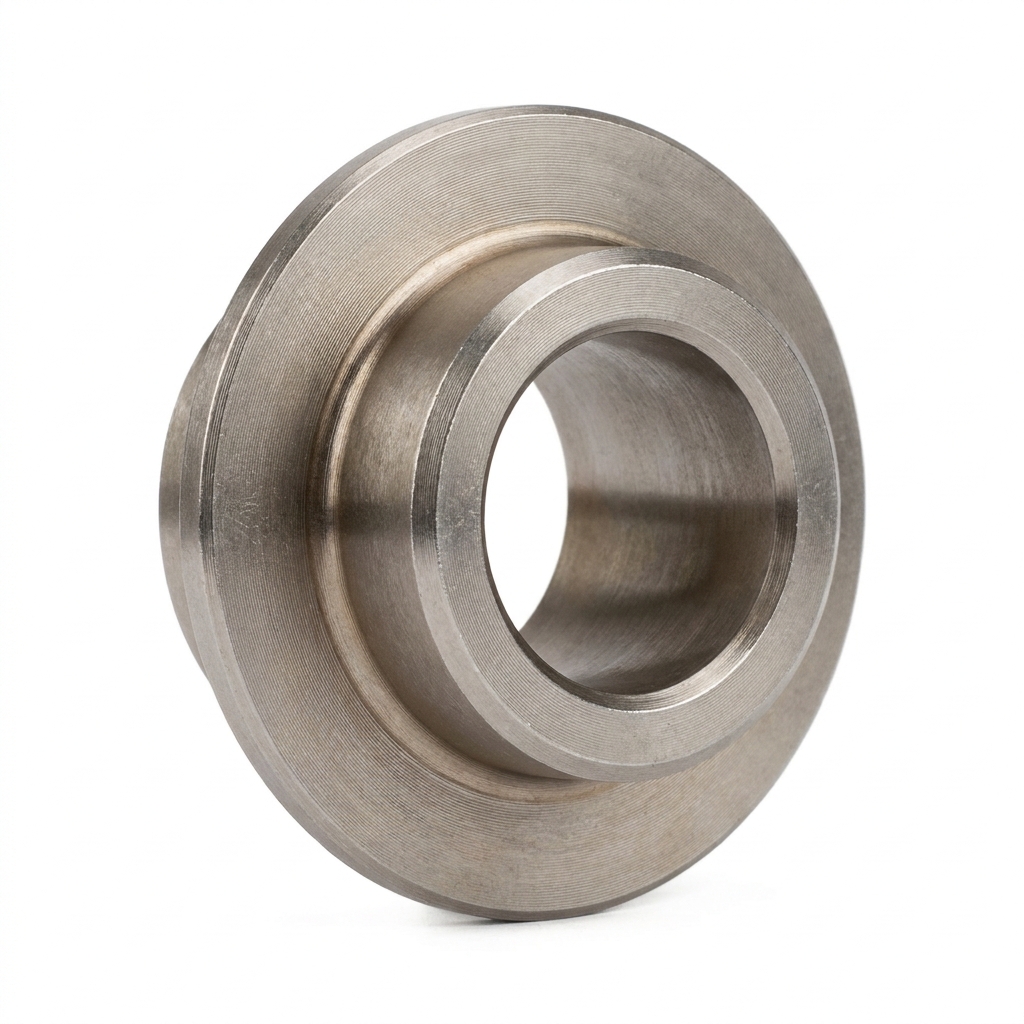
1020 is another versatile low-carbon steel with good forming, welding, and machining characteristics. It is commonly selected for bushings, shafts, mounting components, structural parts, and general machinery where extreme hardness is not required.
1045 Carbon Steel CNC Machining
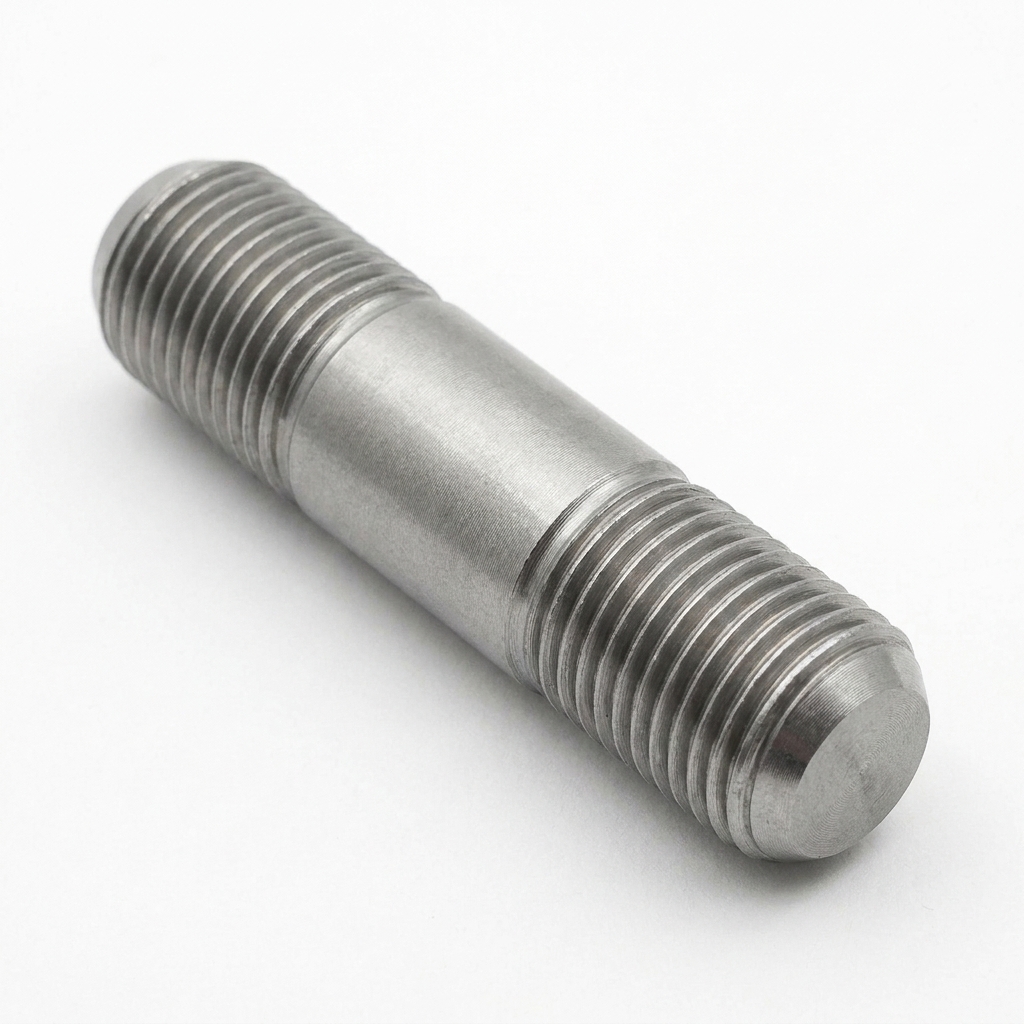
1045 contains more carbon than 1018 and 1020, giving it higher strength and better wear resistance. It is a practical choice for shafts, gears, axles, studs, machine components, and parts that may require flame, induction, or conventional heat treatment.
1215 Carbon Steel CNC Machining
1215 is a free-machining carbon steel designed for fast cutting and good chip control. It is well suited to CNC turning and high-volume production of fittings, bushings, spacers, threaded parts, fasteners, and other small precision components.
12L14 Carbon Steel CNC Machining
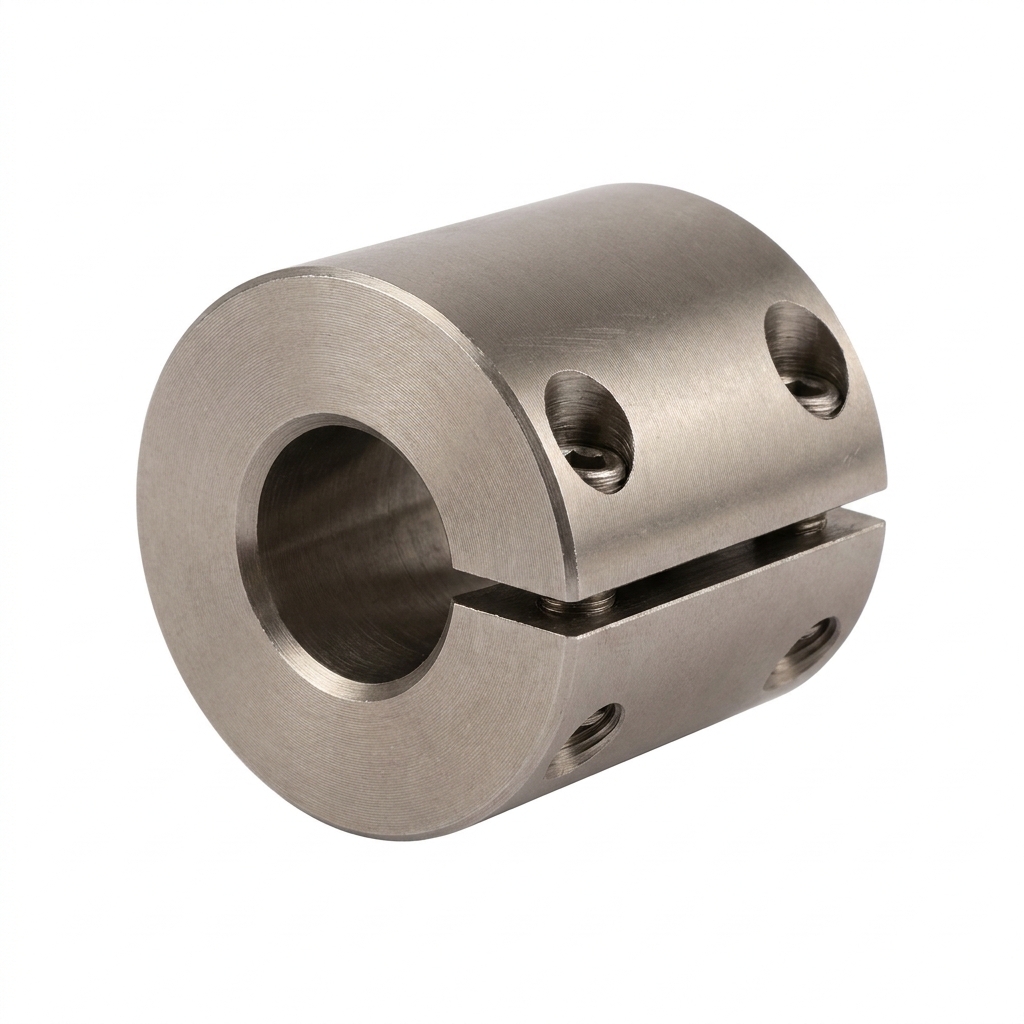
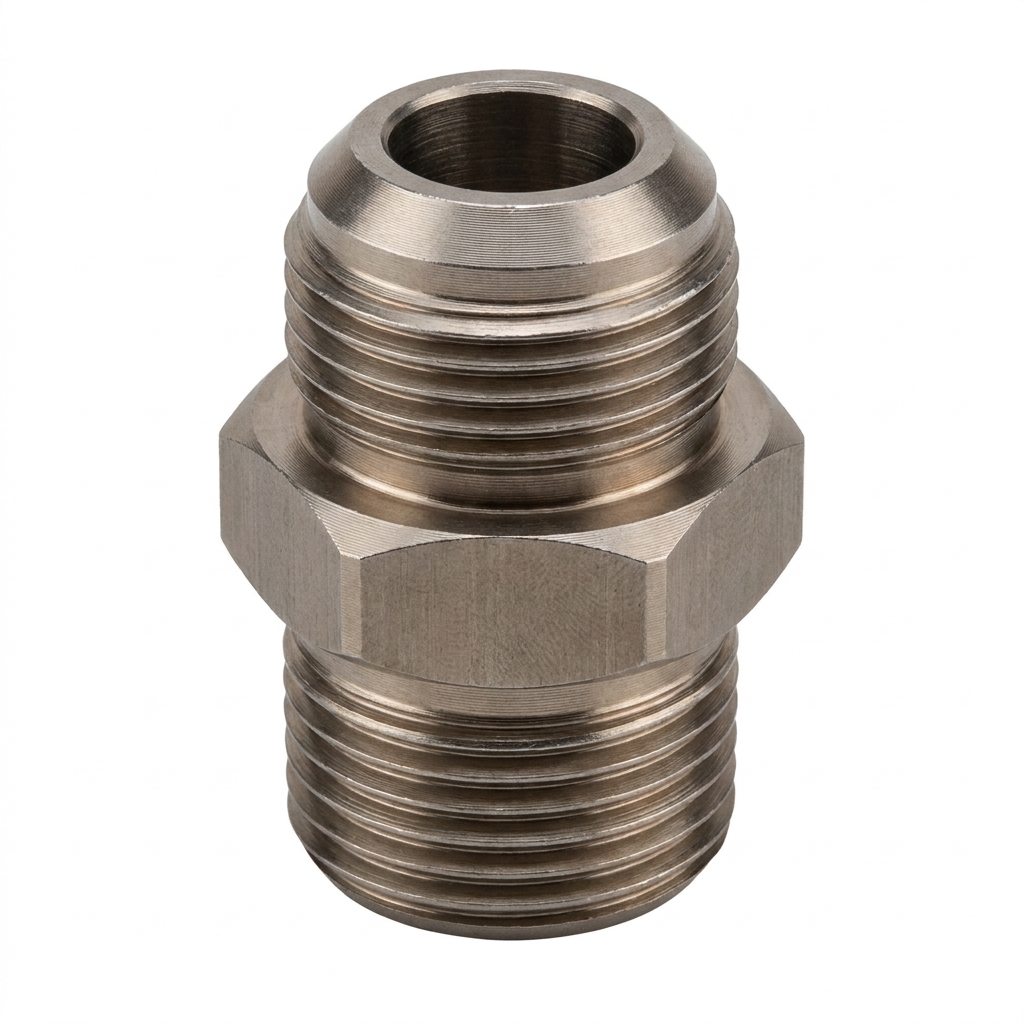
12L14 is one of the easiest steels to machine and is a strong option for high-volume turned components with detailed threads, grooves, and small precision features. Common applications include fittings, bushings, couplings, fasteners, and automatic screw-machine parts.
A36 Carbon Steel CNC Machining
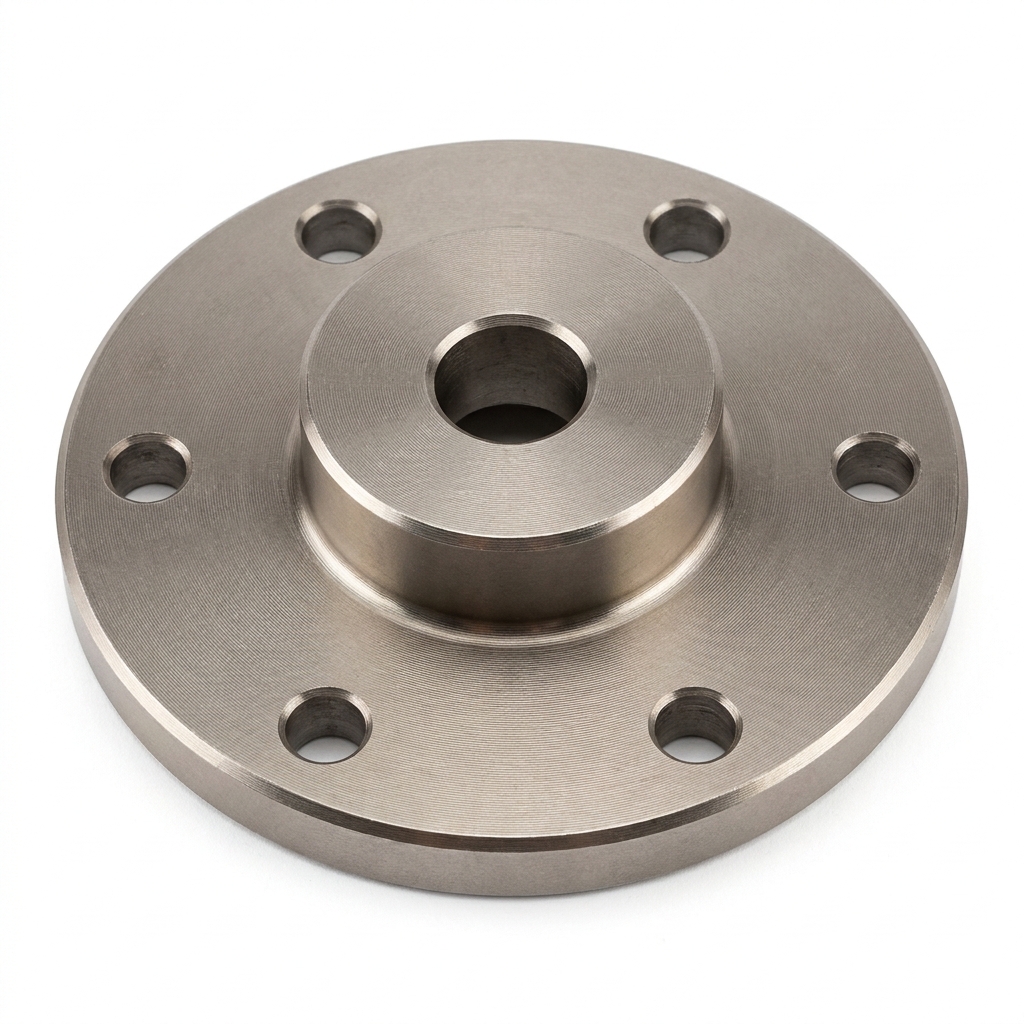
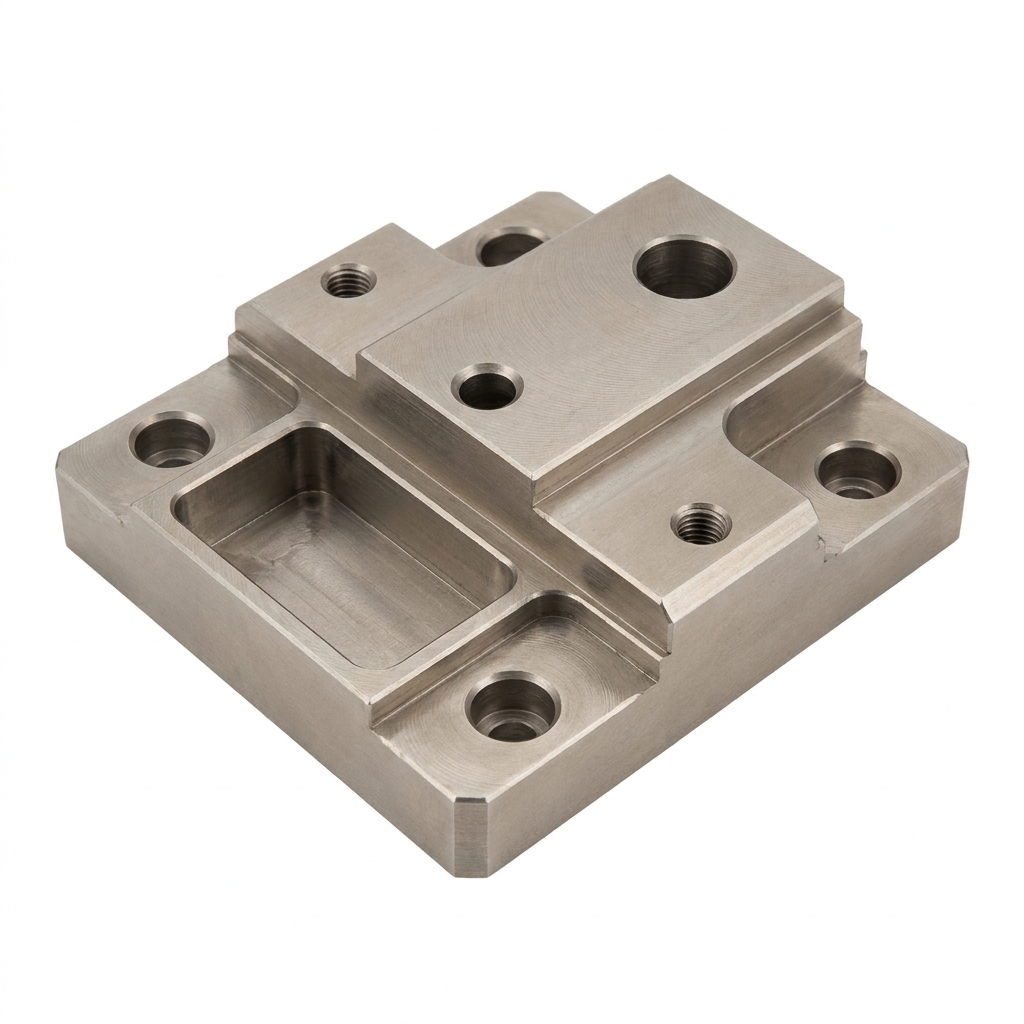
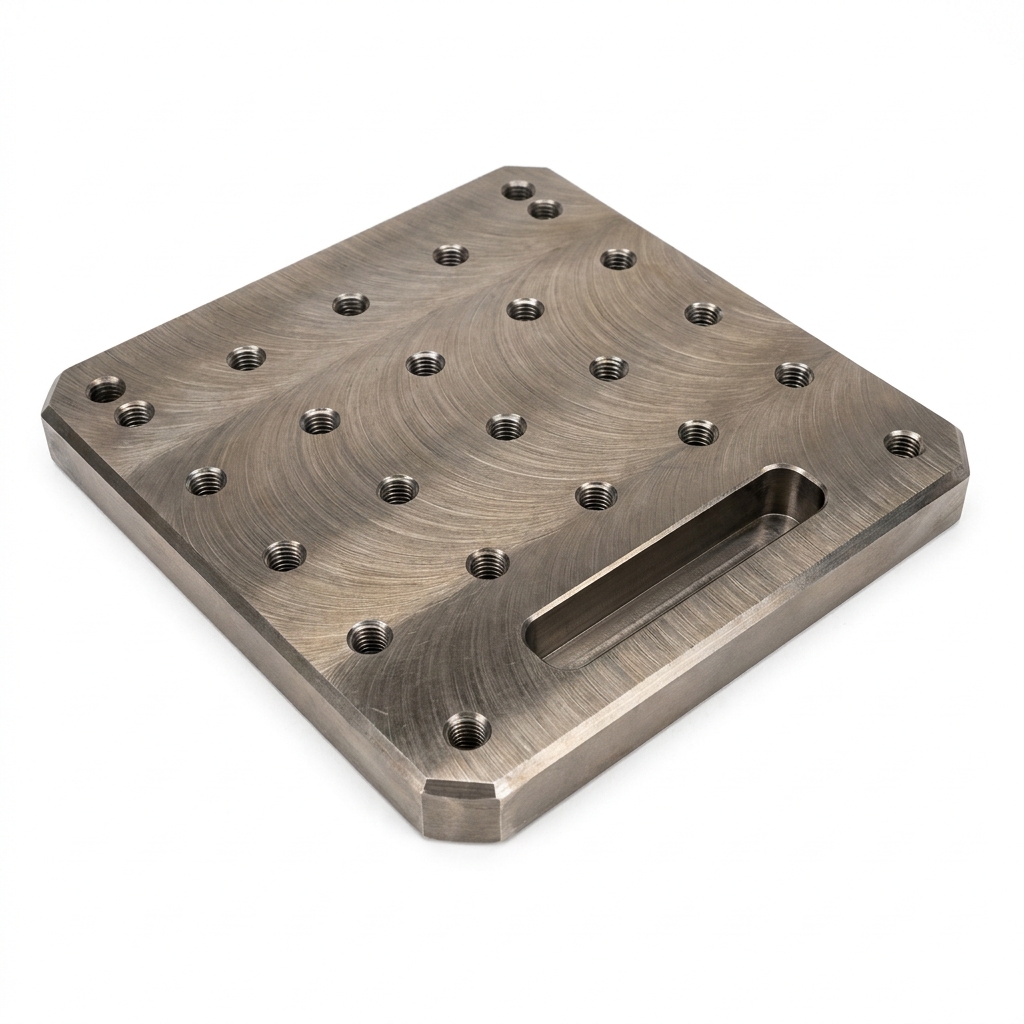
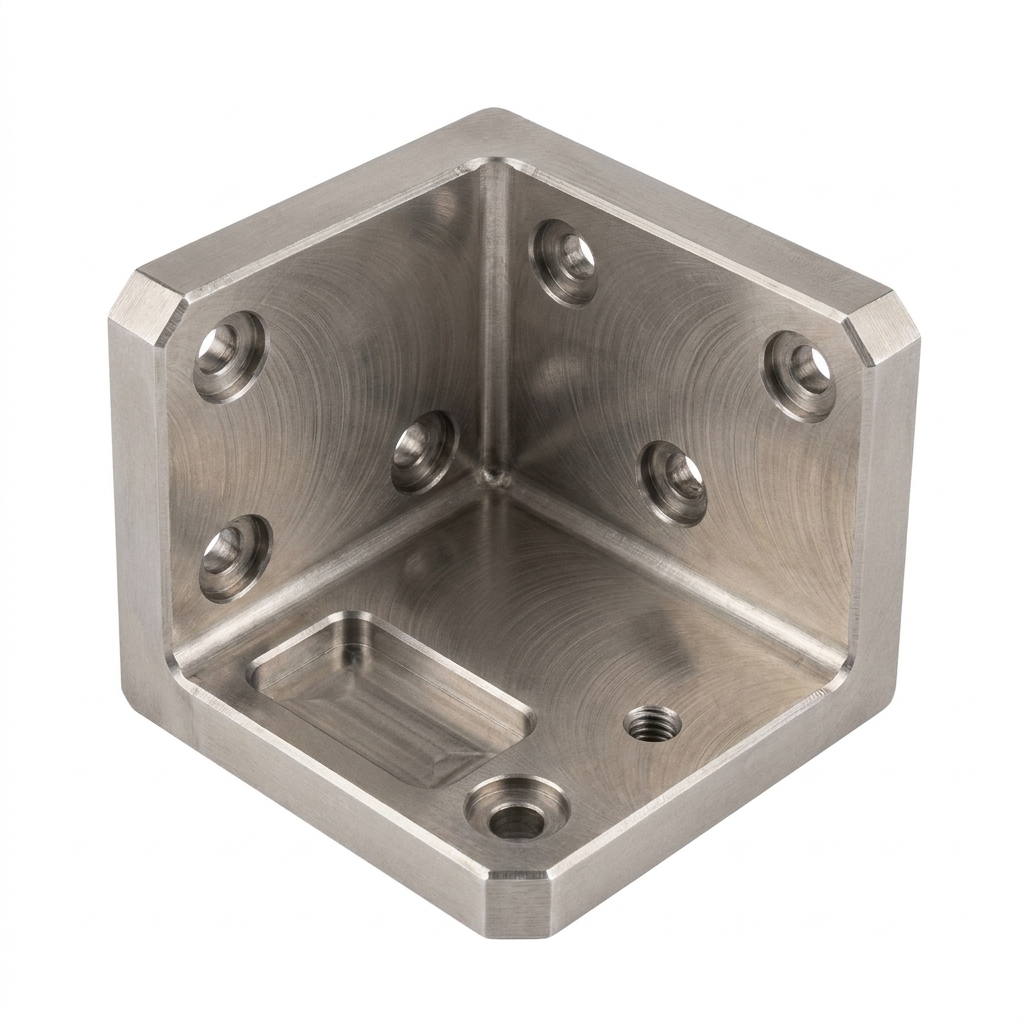
A36 is an economical structural carbon steel commonly supplied as plate, bar, and structural sections. It is a practical choice for large brackets, machine bases, mounting plates, welded fixtures, frames, and general industrial components where cost and weldability matter more than close material-property control.
Advantages and Limitations of Carbon Steel
Carbon steel is a strong, cost-effective choice for many machined parts, but it isn’t the right material for every application. Here’s where it performs well and where it falls short.
- High strength and rigidity — suitable for structural and load-bearing mechanical components.
- Cost effective — generally less expensive than stainless steel and many specialty alloys.
- Good machinability — especially grades such as 1018, 1215, and 12L14.
- Good weldability — low-carbon grades including 1018, 1020, and A36 weld particularly well.
- Heat-treatable options — medium-carbon grades such as 1045 can be hardened for greater strength and wear resistance.
- Widely available — common grades are available in plate, bar, tube, and other stock forms.
- Broad finishing options — black oxide, plating, paint, powder coating, and other treatments can improve appearance and corrosion protection.
- Low natural corrosion resistance — unfinished carbon steel can rust when exposed to moisture.
- Higher weight than aluminum — not ideal when reducing mass is a primary design goal.
- Harder grades increase machining time — higher-carbon or heat-treated materials cause greater tool wear.
- Hot-rolled stock may have scale — A36 and similar materials can require additional facing or finishing.
- Not every grade welds equally well — free-machining steels such as 1215 and 12L14 are usually poor choices for welded structures.
- Heat treatment can affect dimensions — critical features may need finish machining or grinding after hardening.
- 12L14 contains lead — this can restrict its use in regulated or environmentally sensitive applications.
Bring Your Designs to Life with XC Machining
Experience precision engineering with XC Machining. From detailed prototypes to high-volume production, we’re here to turn your concepts into reality. Contact us today to discuss your project needs!
- Expertise Shared Widely
- Market Reach Expanded
- Advanced Technology Integrated
- Collaborative Innovation Opportunities
- All uploads are secure and confidential
Carbon CNC Machining FAQs
1. Why Is Carbon Steel Used for CNC Machining?
Carbon steel is widely used in CNC machining because of its excellent mechanical strength, durability, affordability, and versatility. It is suitable for manufacturing precision shafts, gears, brackets, fasteners, and industrial machinery components that require reliable structural performance.
2. Which Carbon Steel Grade Is Best for CNC Machining?
The best carbon steel grade depends on the application. AISI 1018 offers good machinability and weldability for general-purpose components, while AISI 1045 provides higher strength and wear resistance. AISI 12L14 is commonly selected for high-speed precision machining due to its excellent machinability.
3. Is Carbon Steel Easy to CNC Machine?
Many carbon steel grades offer good CNC machinability, although cutting performance depends on carbon content, hardness, and material condition. Low-carbon and free-machining steels are generally easier to machine, while higher-carbon or hardened grades may require specialized cutting tools and optimized machining parameters.
4. Can Carbon Steel Be CNC Machined to Tight Tolerances?
Yes. Carbon steel can be CNC machined to tight tolerances using precision equipment, suitable cutting tools, and controlled machining processes. Achievable tolerances depend on the steel grade, part geometry, heat treatment, and specific manufacturing requirements.
5. What Are the Common Applications of Carbon Steel CNC Machined Parts?
Carbon steel CNC machined parts are commonly used in automotive systems, industrial machinery, construction equipment, agricultural equipment, and mechanical assemblies. Typical components include shafts, gears, bushings, mounting brackets, fasteners, and custom precision-engineered parts.