SLS 3D Printing Services

XC Machining SLS 3D printing sinters PA12, PA11, PA12-GF, TPU, and PP nylon powder layer-by-layer at 100–150 μm resolution using a CO₂ laser — producing functional parts with ±0.3 mm (or ±0.5%, whichever is larger) dimensional tolerance, no support structures required, and isotropic mechanical properties in all three axes. First parts delivered in 2–5 business days from Dongguan, China. No tooling investment required.

What Is SLS 3D Printing at XC Machining?

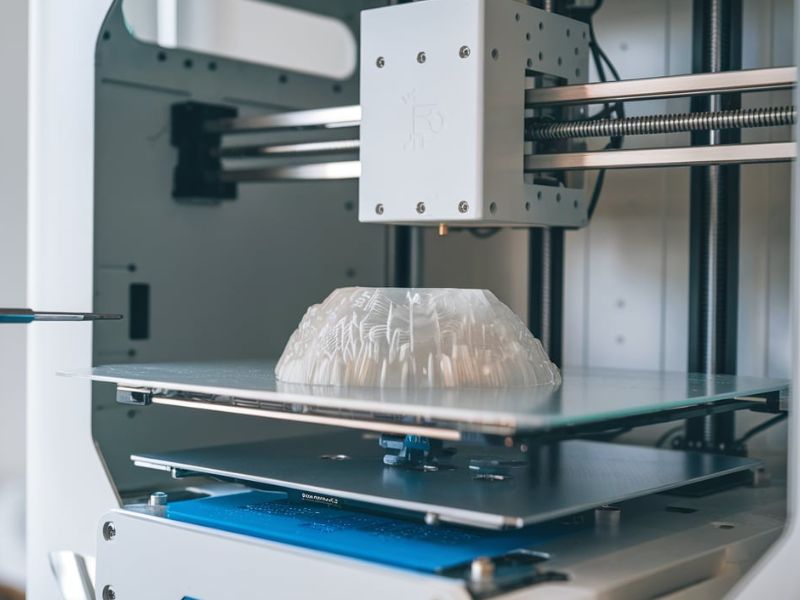
Selective Laser Sintering (SLS) is a powder bed fusion (PBF) additive manufacturing process where a CO₂ laser selectively sinters nylon powder particles layer-by-layer at 100–150 μm per layer into solid parts — building complex geometries without support structures because unsintered powder supports the part throughout the build.

Reliable Selective Laser Sintering Printing Company for Precision Parts

As a trusted Selective Laser Sintering printing company in the USA, XC Machining offers top-tier selective laser printing services for a range of materials. Our SLS technology ensures parts are produced with high dimensional accuracy, exceptional mechanical properties, and excellent surface finishes.

Tolerances for Selective Laser Sintering (SLS)

Selective Laser Sintering (SLS) is an advanced 3D printing technology that uses a laser to sinter powdered material into solid structures, layer by layer. The tolerances achieved in SLS depend on the material used and part complexity.

Specification 
Precision TolerancesAchievable tolerances of ±0.2 mm for most parts, with finer precision possible for smaller geometries.
Layer ResolutionAs fine as 0.1 mm, depending on the material and printer setup.
Minimum Wall Thickness1 mm (depending on material type and part design).
Minimum Feature Size0.5 mm (varies by material).
Maximum Part SizeCan vary, typically up to 600 x 600 x 500 mm, depending on the machine capabilities.
Minimum Part SizeCan be as small as 5 mm x 5 mm, depending on the printer and material.
Production VolumeLow Volume: 1-100 pcs, High Volume: 100-2,000 pcs, Large Volume: 2,000+ pcs (depending on design).
Lead TimeTypically 5-7 business days for most orders, with fast turnaround for simpler designs.


Why Choose XC Machining for SLS 3D Printing Services?

XC Machining SLS 3D printing produces functional nylon parts with ±0.3 mm tolerance, 100–150 μm layer resolution, and no support structures from PA12, PA11, PA12-GF, TPU, and PP powders. Build volume up to 340 × 340 × 600 mm. DFM review within 12 hours. Parts in 2–5 business days from Dongguan, China.

No Support Structures Required

SLS requires no support structures — the unsintered powder surrounding the part during the build acts as the support. This enables internal channels, undercuts, lattice structures, interlocking assemblies, and moving hinges to be printed in a single build without post-removal of support material. No support witness marks, no support removal labor cost, no surface damage from support removal. This is the primary advantage of SLS over SLA and FDM for complex industrial parts.

Dense Nesting for Low Per-Part Cost

Multiple parts — or hundreds of identical production parts — are nested in 3D throughout the full 340 × 340 × 600 mm build volume simultaneously. Dense nesting means the per-part cost decreases significantly with quantity: 50 parts per build cost 60–70% less per unit than 5 parts per build. XC Machining's build layout engineers maximize utilization on every production run to reduce your per-part cost.

Isotropic Mechanical Properties in All Axes

SLS parts exhibit near-isotropic mechanical properties — tensile strength, elongation, and fatigue resistance are consistent in X, Y, and Z directions — because sintering bonds powder particles in all directions equally. PA12 SLS parts achieve 48 MPa tensile strength in both XY and Z orientations. This makes SLS parts suitable for functional end-use applications where FDM parts (anisotropic, weak in Z) would fail under multi-directional load.

DFM Review Within 12 Hours

Upload STL or STEP file. XC Machining engineers return DFM review within 12 hours: minimum wall thickness check (≥ 1.0 mm), internal channel clearance for depowdering (≥ 2.0 mm), trapped volume identification, build orientation recommendation, and material selection guidance (PA12 vs PA11 vs TPU vs PP) for your mechanical, thermal, and chemical requirements.
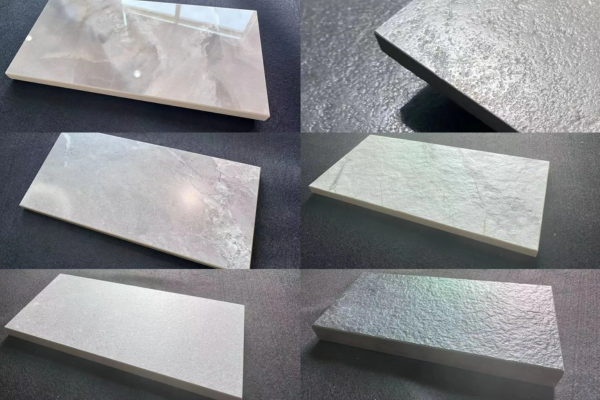
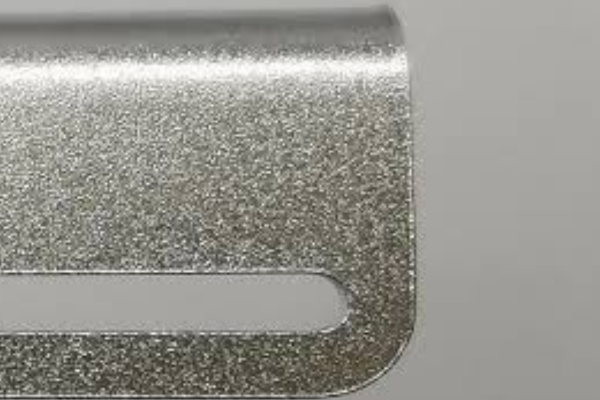
What Surface Finishes Are Available for SLS 3D Printed Parts?

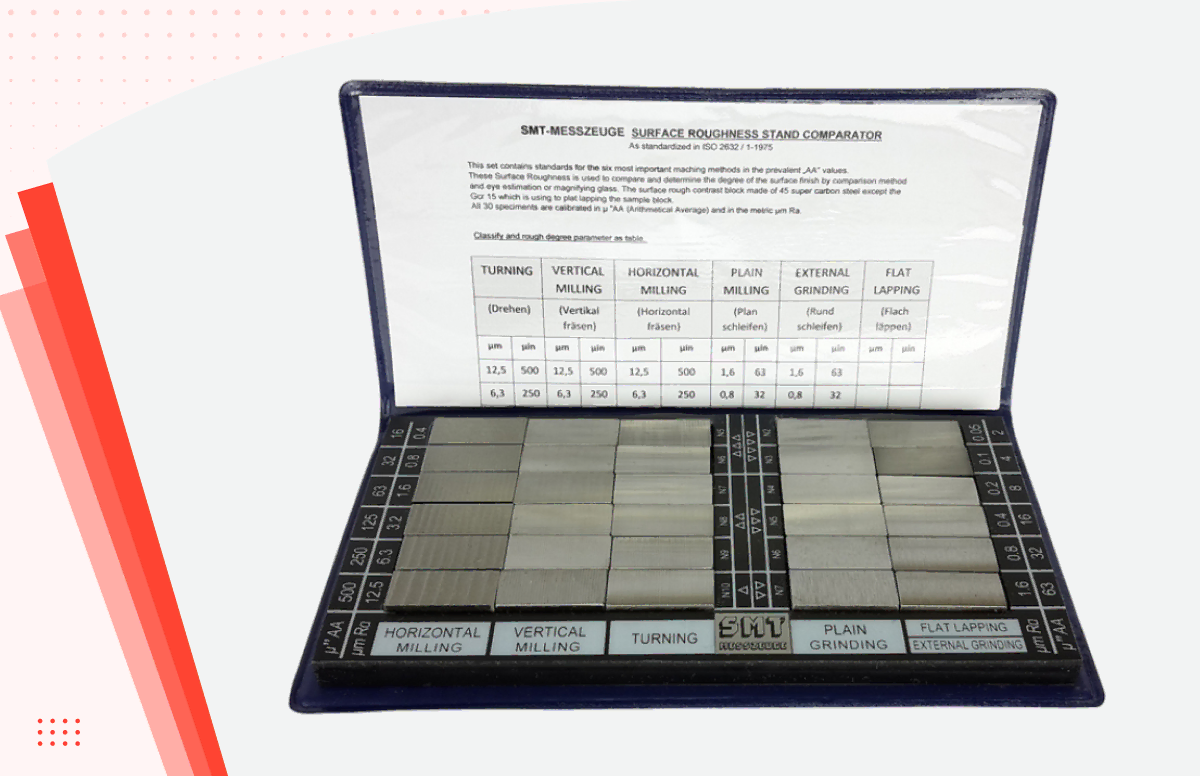
XC Machining SLS parts are available as-printed (Ra 6–12 μm, grainy matte), bead-blasted (Ra 4–8 μm, uniform matte), dyed (Ra 4–8 μm, color penetrates 0.3–0.5 mm), vapor smoothed (Ra 1–2 μm, semi-gloss sealed surface), and painted (RAL/Pantone matched, Ra 1.6–3.2 μm primer+topcoat).

As-Printed (Natural Surface)

SLS parts emerge from the build with a characteristic grainy, matte surface texture from partially sintered powder particles. Surface roughness: Ra 6–12 μm. No secondary finishing applied — suitable for functional prototypes, fit-and-function testing, internal components, and parts where surface aesthetics are secondary to mechanical performance. Color: natural white/grey (PA12) or natural black (PA11 Black, pre-pigmented powder).

Bead Blasting

Glass bead or aluminum oxide blasting removes residual sintered powder granules from the as-printed surface, producing a uniform matte finish. Surface roughness: Ra 4–8 μm. Applied to all XC Machining SLS parts as standard before any other post-processing. Improves surface uniformity and prepares parts for dyeing, painting, or sealing. Slightly reduces dimensional tolerance accuracy on critical features (≤ 0.1 mm media removal).

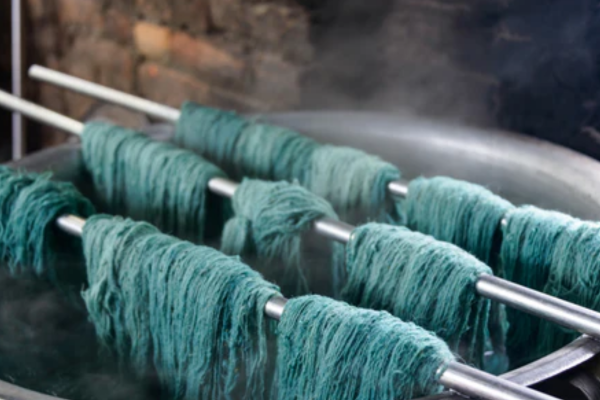
Dyeing

Bead-blasted PA12 White parts are soaked in hot dye solution — black, blue, red, green, yellow available. Dye penetrates 0.3–0.5 mm below the surface — colorfast, not a surface coating that chips or flakes. Surface roughness after dyeing: Ra 4–8 μm (texture unchanged). Used for branded product prototypes, color-coded assemblies, and cosmetic end-use parts. PA12 Black (dyed after printing) vs PA11 Black (pre-pigmented) — XC Machining supplies both.

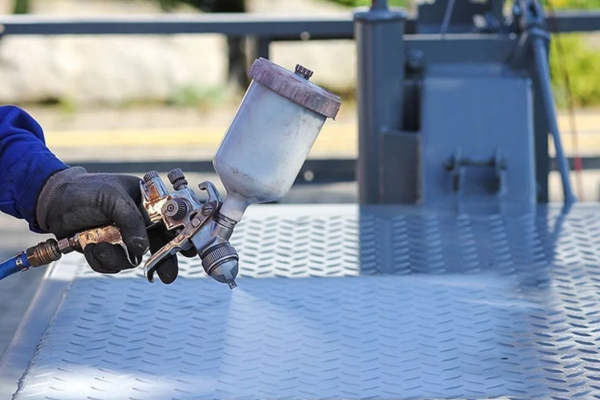
Painting (Primer + Topcoat)

Two-coat spray painting — primer + polyurethane or epoxy topcoat — applied after bead blasting. Surface roughness: Ra 1.6–3.2 μm. RAL and Pantone color matching. Matte, satin, and gloss finishes (gloss: 85+ GU at 60°). Film thickness: 60–120 μm total. UV-resistant clear coat available for outdoor or display parts. Used for presentation models, trade show prototypes, and end-use consumer-facing parts.

Vapor Smoothing

Parts are exposed to a controlled chemical vapor that slightly melts and re-flows the outermost surface, sealing porosity and significantly reducing roughness. Surface roughness after vapor smoothing: Ra 1–2 μm (from Ra 6–12 μm as-printed). Produces a semi-gloss, sealed surface that is water-resistant and improves fatigue resistance by eliminating surface crack initiation sites. Available for PA11 and PA12. Reduces dimensional accuracy by 0.05–0.15 mm on critical features.

Materials for Selective Laser Sintering (SLS) Parts

Leading companies and engineers rely on XC Machining for rapid iterations and durable, high-quality parts. Whether it’s for prototyping or full-scale production, our wide range of materials ensures we meet the unique requirements of any Selective Laser Sintering (SLS) project with precision and speed.

Nylon 12

Durable plastic, PA12, PA 2200

Nylon 12, Glass-filled (GF)

Stiff plastic, PA12 GF, PA 3200 GF

Nylon 11 EX

Ductile plastic, PA11, Rilsan® Invent Natural

Nylon 12, Carbon-Filled (CF)

High-performance plastic, carbon-filled PA12, PA 602-CF, carbonamide

Nylon 12, Aluminum-Filled (AF)

Metallic gray plastic, aluminum-filled PA12, alumide

Nylon 12, Mineral-Filled (HST)

Heat-resistant plastic, mineral fiber-reinforced PA12, PA 620-MF

Nylon 12, Flame Retardant (FR)

Meets FAR 25.853 60-second burn specification, PA 606-FR

Our Selective Laser Sintering (SLS) Prototype Manufacturing Capabilities

As a leader in precision manufacturing, we offer a wide range of capabilities that cater to both one-off prototyping and low-volume production. We specialize in delivering geometrically complex and highly cosmetic parts, ensuring the highest quality standards. At XC Machining, we pride ourselves on being the go-to manufacturer for all your Selective Laser Sintering (SLS) needs, providing reliable and efficient solutions under one roof.
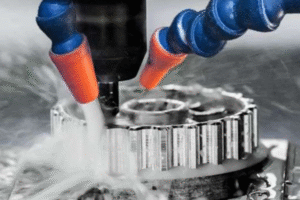
With 3, 4, and 5-axis CNC machining services, we can produce complex prototypes and parts with precise tolerances. More than 60+ materials are available for you to choose from.

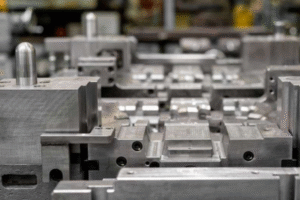
Provides injection molding for prototypes and custom parts, emphasizing expert support, competitive pricing, and faster production cycles.

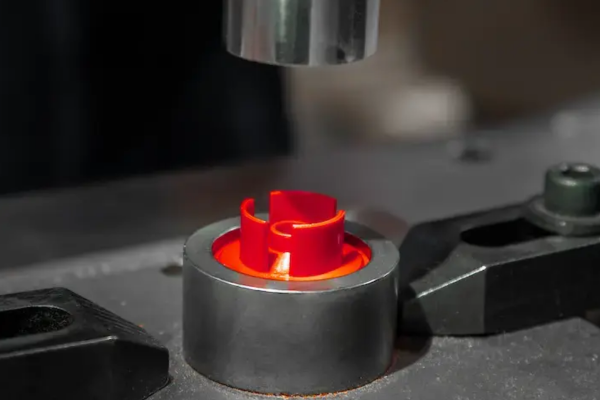
Get reliable vacuum casting services for high-quality prototypes and production parts at competitive prices. XinCheng offers highly detailed casting parts with consistent quality.

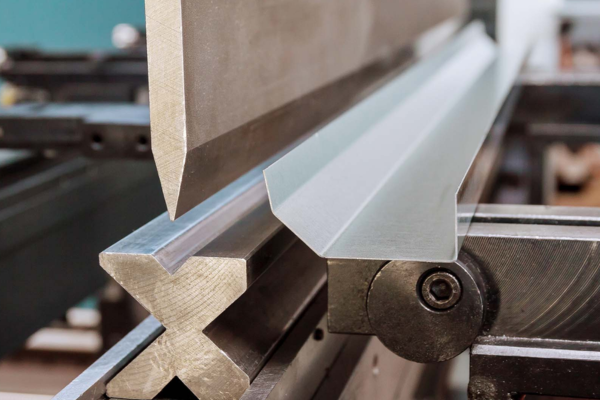
Uses cutting, bending, and forming techniques to produce precision metal components suited for industrial, commercial, and manufacturing applications.

Specialist Industries

XC Machining is a trusted partner for industries demanding complexity, reliability and precision. Our expensive experience in producing millions of high quality components brings unmatched expertise to every project. Our services cover a diverse range of applications to ensure that we meet the unique needs of each sector with great care.
Get In Touch

Bring Your Designs to Life with XC Machining

Experience precision engineering with XC Machining. From detailed prototypes to high-volume production, we’re here to turn your concepts into reality. Contact us today to discuss your project needs!
Get In Touch With Us!
Prompt response guaranteed within 12 hours

Selective Laser Sintering (SLS) FAQs

XC Machining SLS 3D printing achieves ±0.3 mm or ±0.5% of the nominal dimension — whichever is larger. For a 100 mm feature, the tolerance is ±0.5 mm (0.5% governs). For a 20 mm feature, the tolerance is ±0.3 mm (the floor governs). Z-axis (build direction) tolerance is the same: ±0.3 mm or ±0.5%. Tolerance is affected by part geometry — large, flat parts and thin features are most susceptible to warping.

No. SLS requires no support structures. During the build, unsintered powder surrounding the part acts as a natural support in all directions — supporting overhangs, bridges, internal channels, undercuts, and complex geometries without dedicated support material. This eliminates support removal labor, eliminates support witness marks on part surfaces, and allows internal features (channels, cavities, lattices, moving hinges) that SLA and FDM cannot produce without support removal damage.

XC Machining SLS supports: PA12 (Nylon 12 — 48 MPa tensile, 18% elongation, general purpose), PA11 (Nylon 11 — 48 MPa, 40% elongation, bio-based, flexible), PA12-GF (40% glass-filled — 60 MPa, high stiffness for elevated temperature), PA12 Flame Retardant (UL 94 V-0), TPU (flexible, Shore A 80–95, 350% elongation), and PP (polypropylene-like, 22 MPa, chemical resistant, semi-flexible). All materials are sintered in nitrogen atmosphere.

Standard lead time: 2–5 business days for prototype quantities (1–20 parts). 5–10 business days for production batches (50–500+ parts, including build planning and depowdering of fully packed build volumes). Rush delivery: 1–3 business days for simple geometries in PA12 from a pre-scheduled build. DFM review and quote returned within 12 hours of STL or STEP file upload. Shipping from Dongguan, China worldwide.

Both SLS and MJF are powder bed fusion processes using nylon PA12 powder — no support structures, near-isotropic properties, similar tolerances (±0.3 mm). Key differences: MJF uses an inkjet fusing agent + infrared lamp instead of a laser, producing slightly finer surface finish (Ra 4–6 μm vs SLS Ra 6–12 μm) and faster build speeds. SLS offers wider material range (PA11, TPU, PP, FR grades) that MJF does not yet support. XC Machining offers both SLS and MJF — engineers recommend the optimal process during DFM review.

XC Machining’s SLS build volume: 340 × 340 × 600 mm per build. A single part can occupy the full build volume, or hundreds of smaller parts can be nested in 3D throughout the build. Parts larger than 340 × 340 × 600 mm are produced as multi-piece assemblies bonded with structural adhesive or mechanical fasteners. For very large parts exceeding 600 mm in any dimension, FDM large-format printing (914 × 610 × 914 mm) is the recommended alternative.

Choose SLS over injection molding when: (1) quantity is below 500 units — injection mold tooling ($5,000–$50,000) is not cost-justified; (2) part geometry changes are still anticipated — SLS has $0 tooling modification cost; (3) delivery is required in 2–5 days — injection mold tooling takes 25–35 days; (4) part has internal channels, lattices, or undercuts that injection molding cannot produce. Choose injection molding above 1,000 units per year for lower per-part cost and surface finish quality.

CNC Manufacturing Resources