Rapid Prototyping Services
XC Machining provides rapid prototyping for US product teams, from functional prototypes to low-volume parts. CNC machining holds ±0.005 mm, 3D printing ships in 1 to 5 days and vacuum casting makes 15 to 25 parts per mold. Engineers return DFM feedback within 12 hours, under ISO 9001:2015.
- All uploads are secure and confidential
What Is Rapid Prototyping?
Change the Design Between Rounds
Custom CNC machining Services: Machining, Turning, Routing, and More
Rapid Prototyping Methods
| Method | Lead time | Tolerance or output |
|---|---|---|
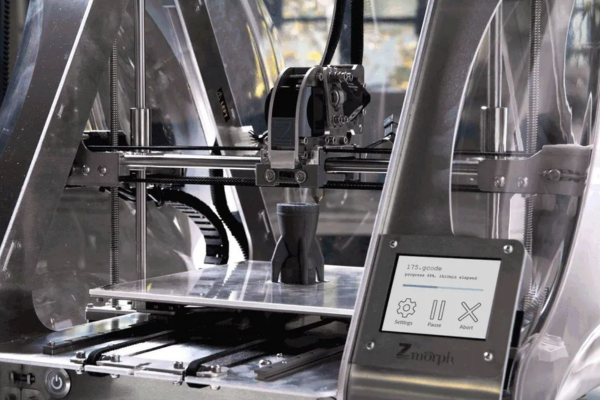
| SLA 3D printing | 1 to 3 business days | ±0.1 mm |
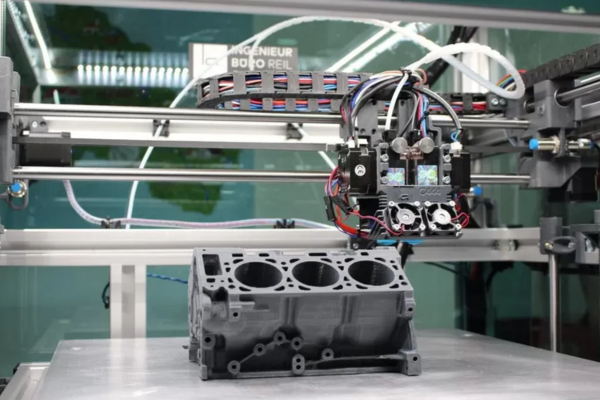
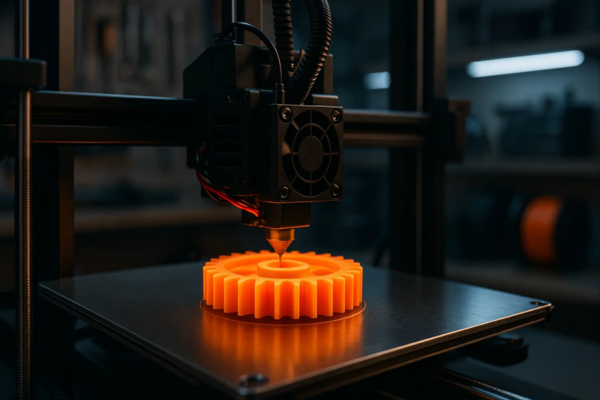
| FDM 3D printing | 1 to 3 business days | ±0.2 to 0.5 mm, or ±0.13 mm industrial |
| SLS 3D printing | 2 to 5 business days | ±0.3 mm or ±0.5% |
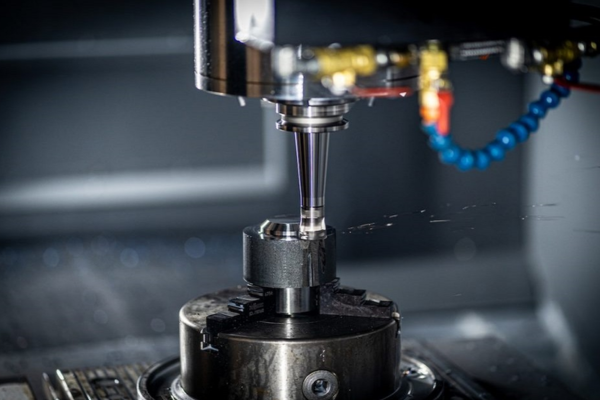
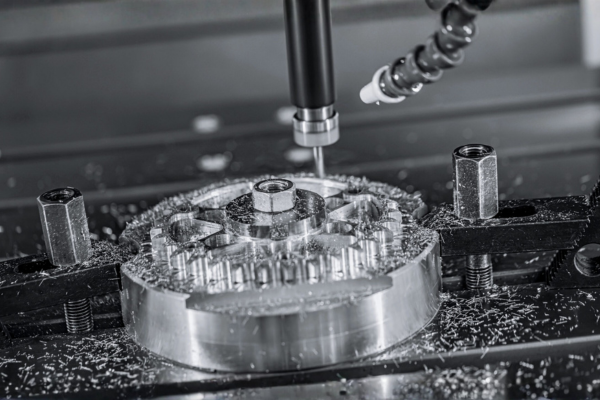
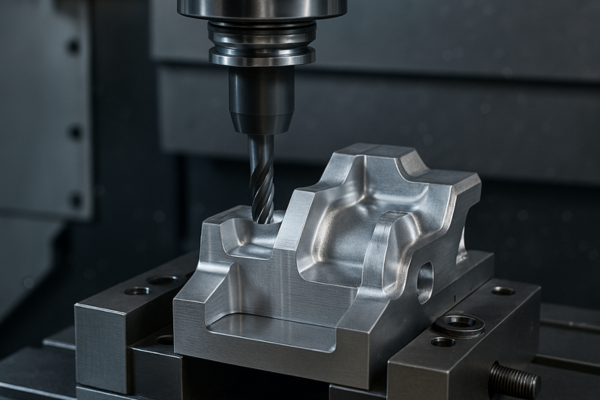
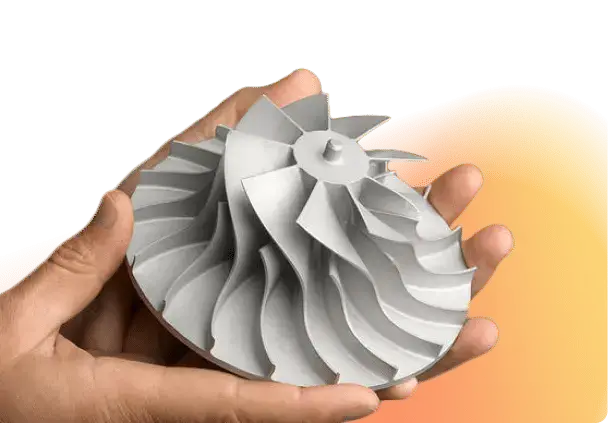
| CNC machining | 3 to 7 business days | ±0.005 mm |
| Vacuum casting | 5 to 7 business days | ±0.15 mm, 15 to 25 parts per mold |
| Sheet metal fabrication | On request | ±0.1 mm, ISO 2768-m |
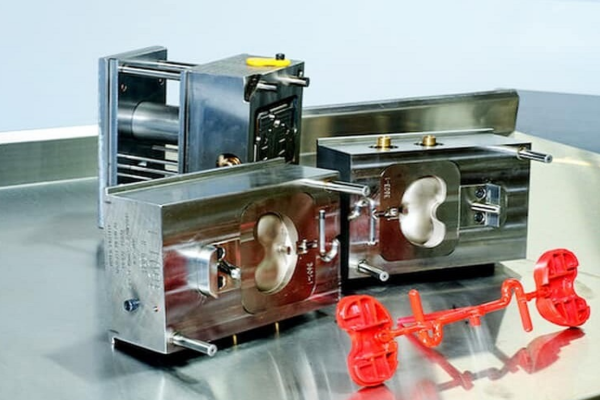
| Injection molding, aluminum tooling | 15 business days | Prototype and small batch parts |
| Injection molding, steel tooling | 25 to 35 business days | Production parts |
CNC Prototype Limits
| Feature | Specification |
|---|---|
| General tolerance standard | ISO 2768-m |
| Tightest tolerance | ±0.001 in. |
| Minimum wall thickness | 0.5 mm |
| Minimum end mill size | 0.5 mm |
| Maximum part size | Milling 4000 × 750 × 660 mm, turning 200 × 500 mm |
| Minimum part size | Milling 5 × 5 × 5 mm, turning 2 × 2 mm |
| Volume bands | Prototype 1 to 100, low volume 101 to 10,000, high volume 10,001 and up |
Why Choose XC for Prototypes?

The plant runs CNC turning lathes, milling machines, injection molding equipment and 3D printers. Parts for one project can move between them.

XC offers 60+ materials for prototypes and products. Your choice is not limited to one process.

Service engineers answer manufacturing questions and give advice on your design. DFM feedback comes back within 12 hours.

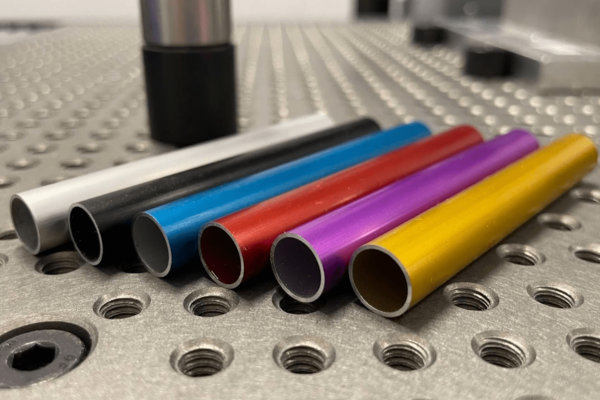
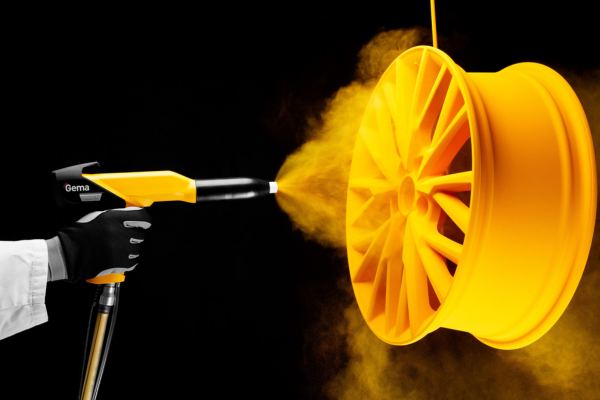
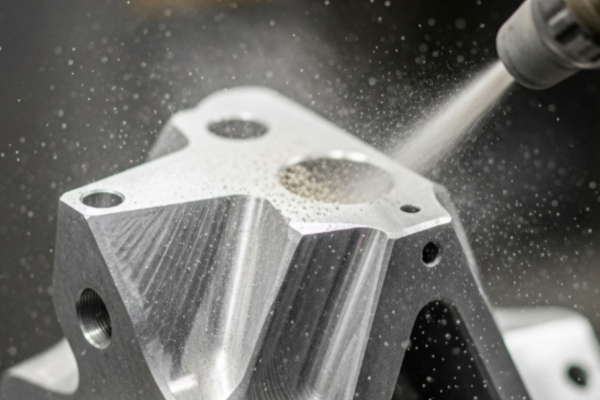
XC applies anodizing, spray painting, vapor polishing, sandblasting and silk screening to metal and plastic parts.
Common Prototype Finishes
Prototype Materials
Lightweight, corrosion-resistant, and highly machinable for precision and structural parts.

Grades
6061
6061-T6
6082
7075
7075-T6
2024
High electrical and thermal conductivity for conductive components.
Grades
C110
C101
Easy to machine with excellent surface finish for precision parts.

Grades
C360
C260
C280
Hard, wear-resistant material for tooling and high-stress components.
Grades
D2
A2
H13
High strength material for load-bearing and mechanical components.
Grades
1018
1020
1045
4140
EN8
EN19
Corrosion-resistant material for industrial, food, and medical components.
Grades
304
304L
316
316L
303
17-4 PH
Ultra-lightweight metal for weight-critical machined components.
Grades
AZ31
AZ91
High strength-to-weight ratio with excellent corrosion resistance.
Grades
Grade 2
Grade 5
Plastics
Impact-resistant plastic for enclosures and functional components.
Grades
ABS Natural
ABS Black
ABS Antistatic
High impact strength for protective and structural components.
Grades
Clear PC
Black PC
Rigid plastic with excellent optical clarity.
Grades
Clear PMMA
Black PMMA
Low friction and high dimensional stability for precision components.
Grades
POM-C
POM-H
Strong and wear-resistant plastic for mechanical parts.
Grades
PA6
PA66
Glass-Filled PA
Very low friction and high wear resistance for sliding components.
Grades
UHMW Natural
High-performance plastic for extreme temperature and chemical conditions.
Grades
Virgin PEEK
Glass-Filled PEEK
Carbon-Filled PEEK
Lightweight and chemical-resistant plastic for non-structural parts.
Grades
PP Homopolymer
Move From Prototype to Production
A program can climb one step at a time without a supplier change. Each step below uses the lead times on this page.
- Concept model. Print it with SLA or FDM in 1 to 3 business days. Check shape, size and fit.
- Fit and function test. Machine it in 3 to 7 days to ±0.005 mm, or sinter it in nylon with SLS in 2 to 5 days.
- Small batch. Cast it in 5 to 7 days from a silicone mold. Each mold makes 15 to 25 parts.
- Bridge tooling. Mold it in 15 business days with aluminum tooling to test the real material.
- Production. Cut steel tooling in 25 to 35 business days, then run high volume production for thousands of parts.
The same engineers carry your files through every step, so the design is not re-quoted from scratch.
Our Rapid Prototyping Prototype Manufacturing Capabilities
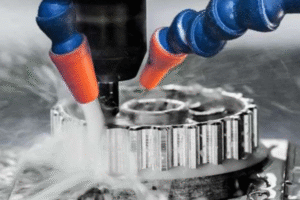
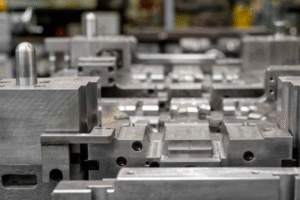
Provides injection molding for prototypes and custom parts, emphasizing expert support, competitive pricing, and faster production cycles.
Get reliable vacuum casting services for high-quality prototypes and production parts at competitive prices. XC Machining offers highly detailed casting parts with consistent quality.
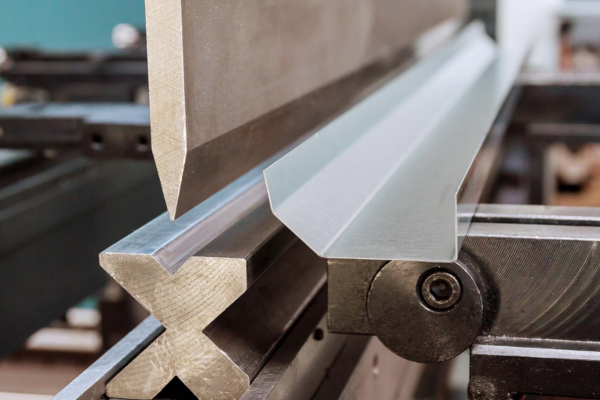
Uses cutting, bending, and forming techniques to produce precision metal components suited for industrial, commercial, and manufacturing applications.
Specialist Industries
Bring Your Designs to Life with XC Machining
Experience precision engineering with XC Machining. From detailed prototypes to high-volume production, we’re here to turn your concepts into reality. Contact us today to discuss your project needs!
- 50+ CNC machines in-house
- 60+ materials in stock
- 120+ countries shipped
- 15+ DFM engineers on staff
- All uploads are secure and confidential
Rapid Prototyping FAQs
What Is Rapid Prototyping?
Rapid prototyping is a group of methods that turn CAD data into physical parts in 1 to 35 business days. They include CNC machining, SLA, SLS and FDM 3D printing, vacuum casting and rapid injection molding. Teams use the parts for design validation, functional testing and investor presentations. The right method depends on the lead time, accuracy and quantity you need.
How Long Does Rapid Prototyping Take at XC Machining?
Lead time depends on the process. SLA and FDM printing ship in 1 to 3 business days, and SLS ships in 2 to 5. CNC machining takes 3 to 7 days and vacuum casting takes 5 to 7. Rapid injection molding takes 15 business days with aluminum tooling and 25 to 35 days with steel tooling.
What Materials Does XC Machining Offer for Rapid Prototyping?
XC stocks 60+ materials. Metals include aluminum 6061-T6 and 7075-T6, stainless 304 and 316L, titanium Grade 5 and tool steel. Plastics include PEEK, POM, ABS, PC and PA12. Vacuum casting uses polyurethane resins, including ABS-like, PP-like, clear PC-like, rubber-like (Shore A 40 to 90) and flame-retardant UL 94 V-0 grades.
What File Formats Does XC Machining Accept for Rapid Prototyping?
XC accepts 3D files in STEP, STP, STL, OBJ, X_T (Parasolid), SAT (ACIS), IGES and SLDPRT (SolidWorks). Send 2D drawings as PDF, DWG or DXF for GD&T callouts, tolerances and surface finish specs. XC signs an NDA on request, and every upload is secure and confidential.
Does XC Machining Provide DFM Analysis for Rapid Prototyping Projects?
Yes. Every quote includes a DFM review, returned within 12 hours of file upload. It covers minimum wall thickness, draft angle, undercuts, tool access, feature size against process resolution and material fit with your chosen finish. You get notes on what to change before any part is made.
How Much Does Rapid Prototyping Cost at XC Machining?
Cost depends on the process. A single SLA or FDM prototype runs $10 to $300. A CNC machined metal prototype runs $50 to $2,000, set by material, complexity and tolerance. Vacuum casting runs $100 to $500 per part plus $150 to $500 for the silicone mold. Aluminum injection tooling runs $2,000 to $15,000, plus $0.50 to $5 per part.
What Is the Difference Between Rapid Prototyping and Production Manufacturing?
Rapid prototyping uses single-cavity tooling, non-hardened materials and manual setups. It makes 1 to 200 parts in days at a higher cost per part. Production uses hardened steel tooling, automated cycles and validated processes for 1,000 to 1,000,000 or more parts at a low cost per part. XC supports both, so you hand off without changing supplier.
Can XC Machining Help Me Choose the Right Prototyping Process?
Yes. Upload a STEP or STL file and DFM engineers recommend a process within 12 hours. They weigh tolerance, material, quantity and budget. A tolerance of ±0.005 mm points to CNC, and ±0.1 mm points to SLA. Under 50 parts points to vacuum casting. Above 200 parts points to injection molding.