
PEEK CNC Machining Service
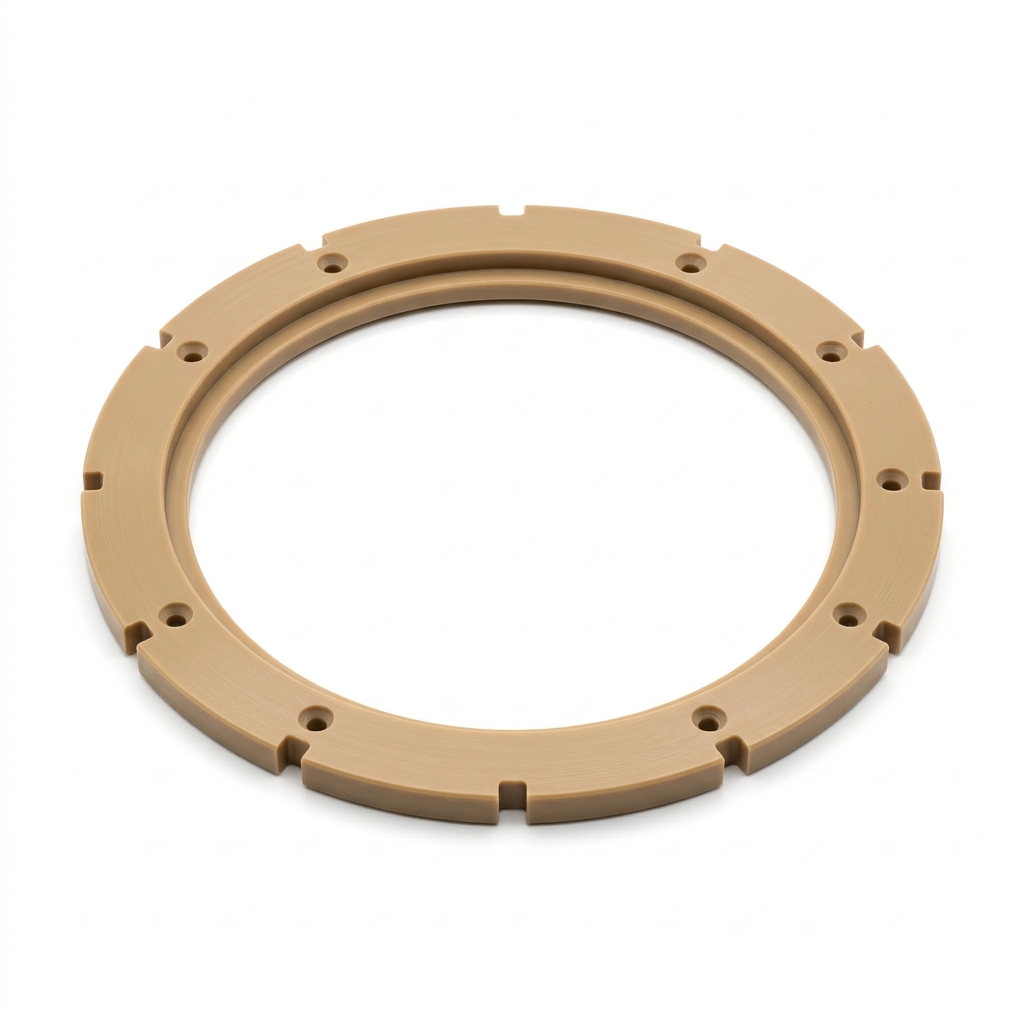
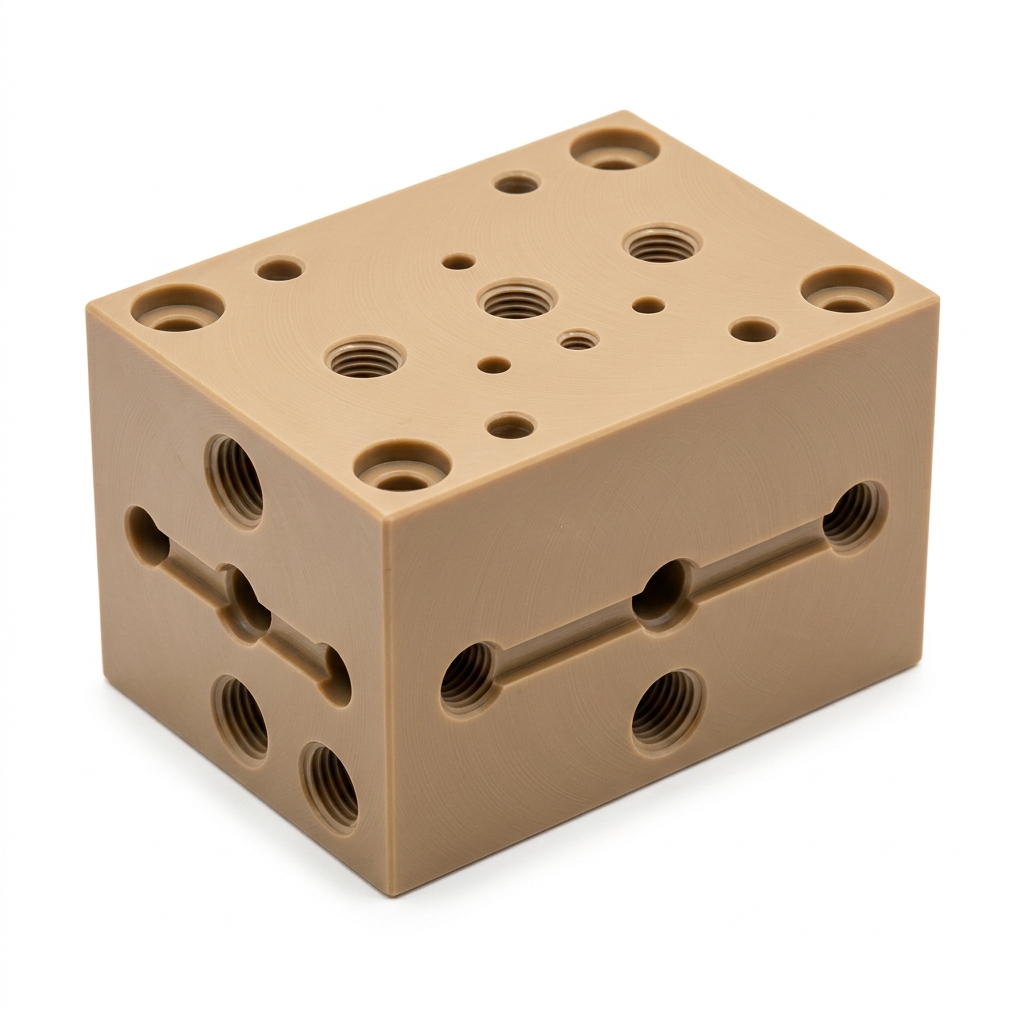
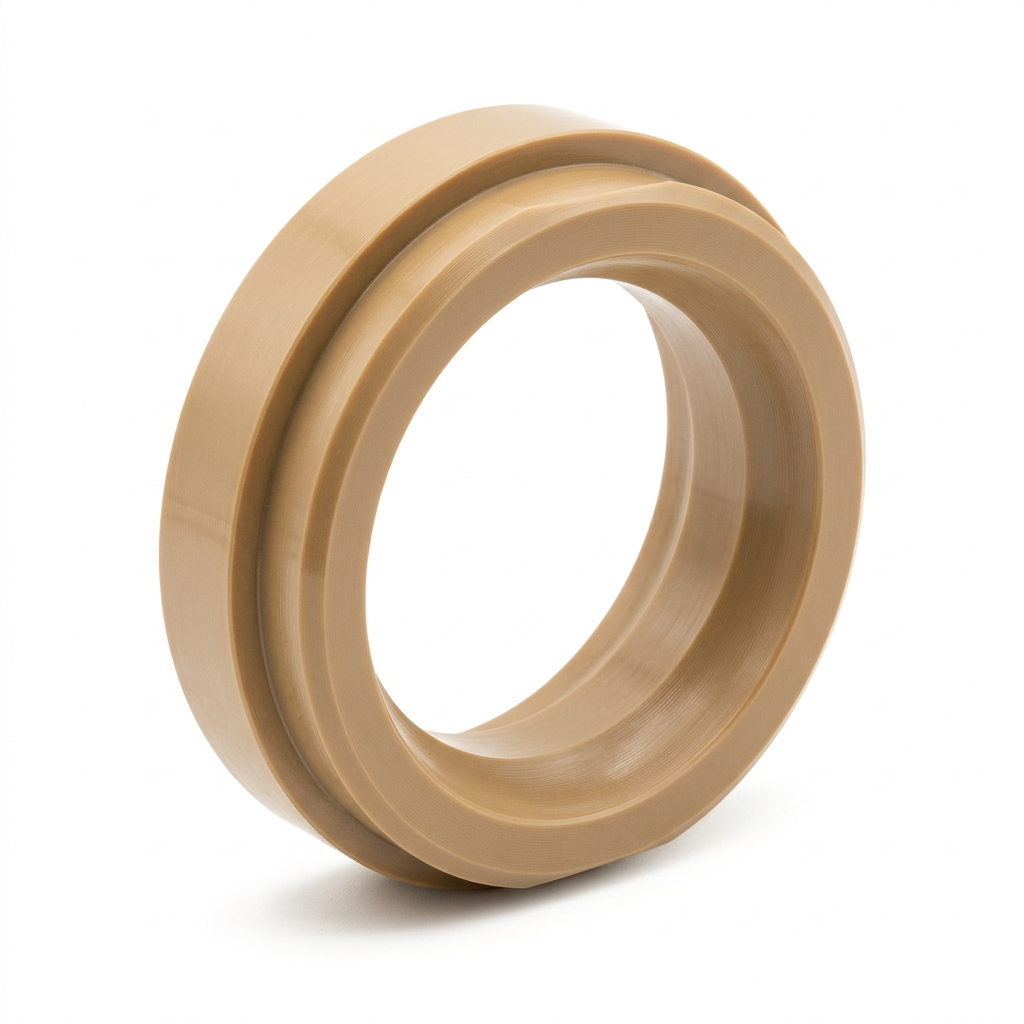
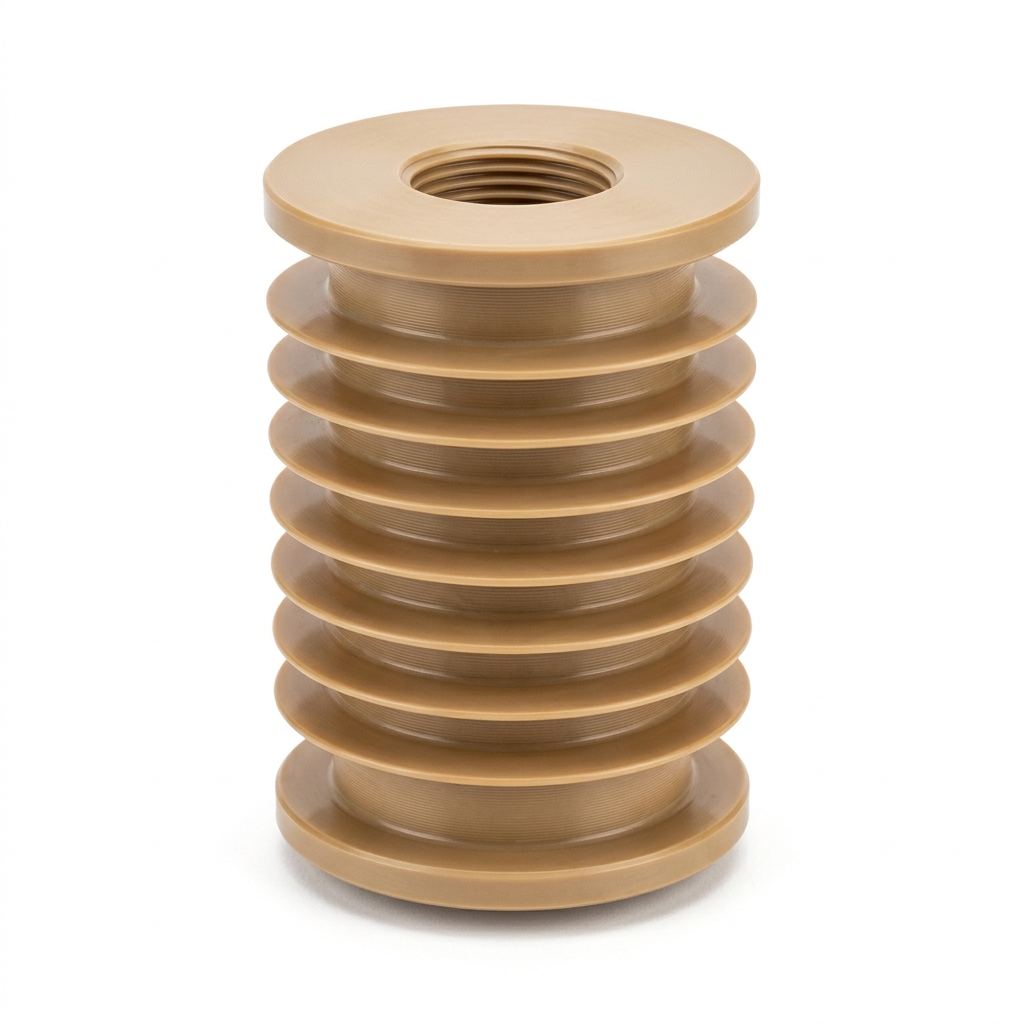
XC Machining provides PEEK CNC machining for US product teams, from custom prototypes to high-performance production parts. PEEK resists heat, chemicals and wear, and it carries load. That is why aerospace, medical, automotive, semiconductor and industrial teams use it where conditions are demanding.
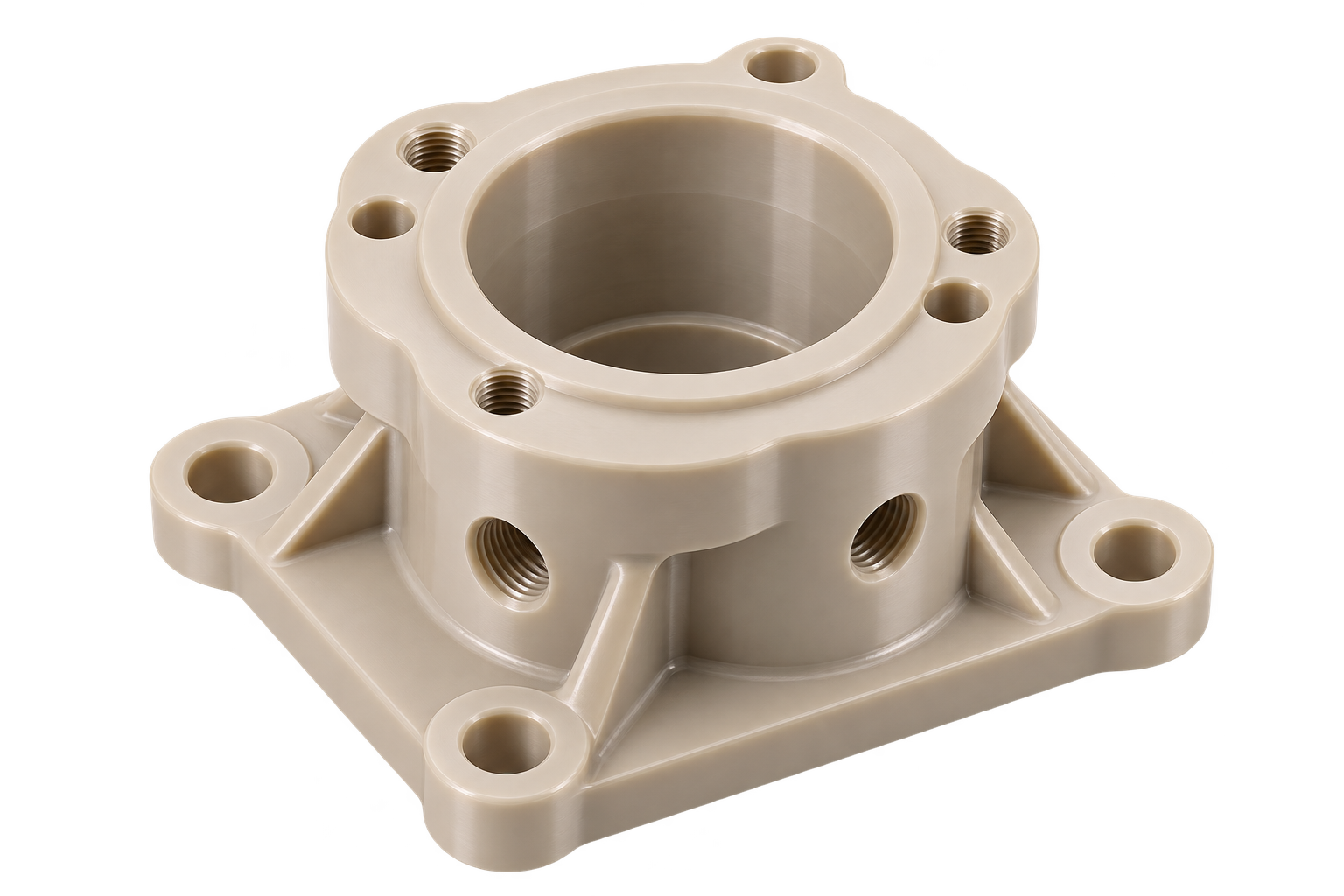
PEEK in CNC Machining
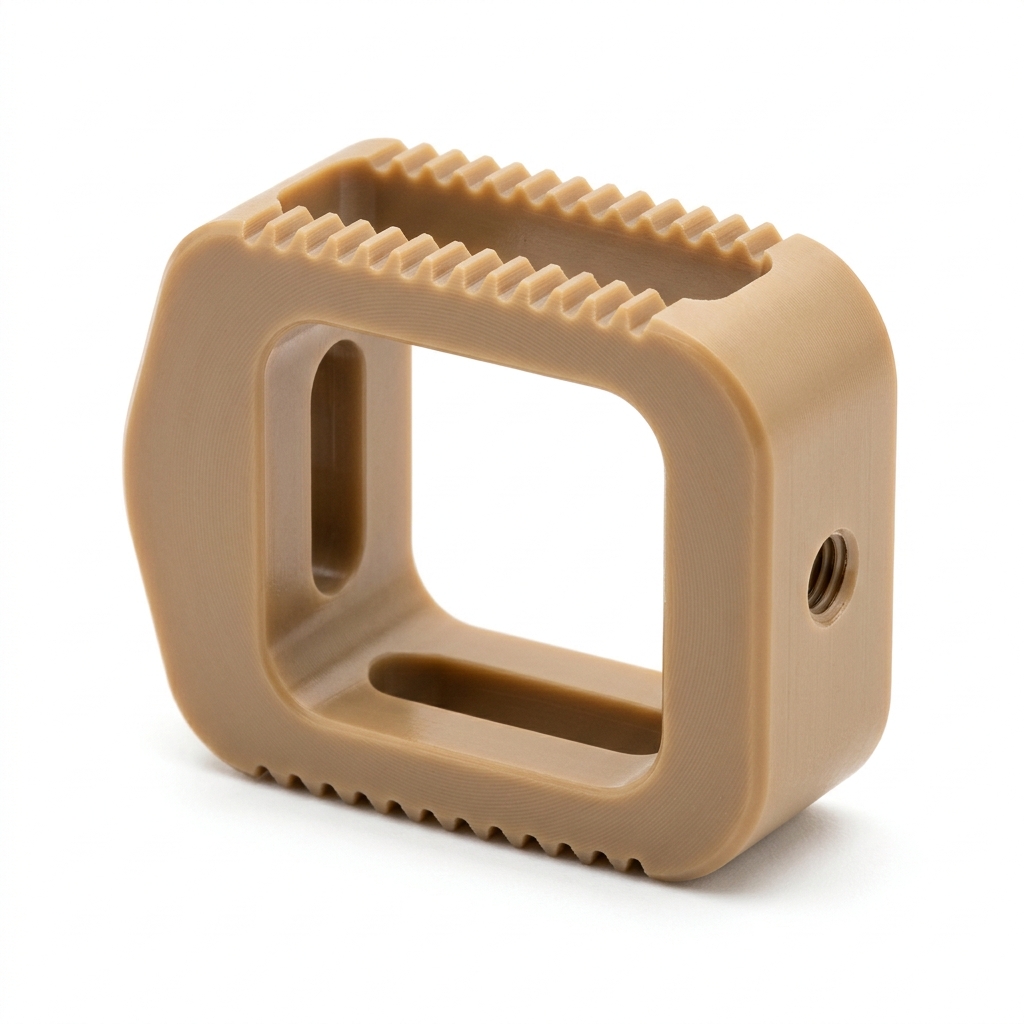
Polyether ether ketone (PEEK) is a high-performance engineering plastic. It is strong, stable in heat and resistant to chemicals and wear. It keeps its strength at high temperatures and is a lighter alternative to metal in some demanding uses.
Our CNC machining page covers the process, and the materials page lists every other metal and plastic we cut. For a lower cost plastic with good wear resistance, look at POM or nylon. For lower friction and chemical inertness, look at PTFE.
| Grades | Unfilled PEEK, Glass-Filled PEEK, Carbon-Filled PEEK, Bearing-Grade PEEK |
| Price | Very high |
| Lead time | Under 10 days |
| Minimum wall thickness | 0.75 mm |
| Tolerance | ±0.125 mm standard, down to ±0.005 mm on tight features |
| Maximum part size | 200 × 80 × 100 cm |
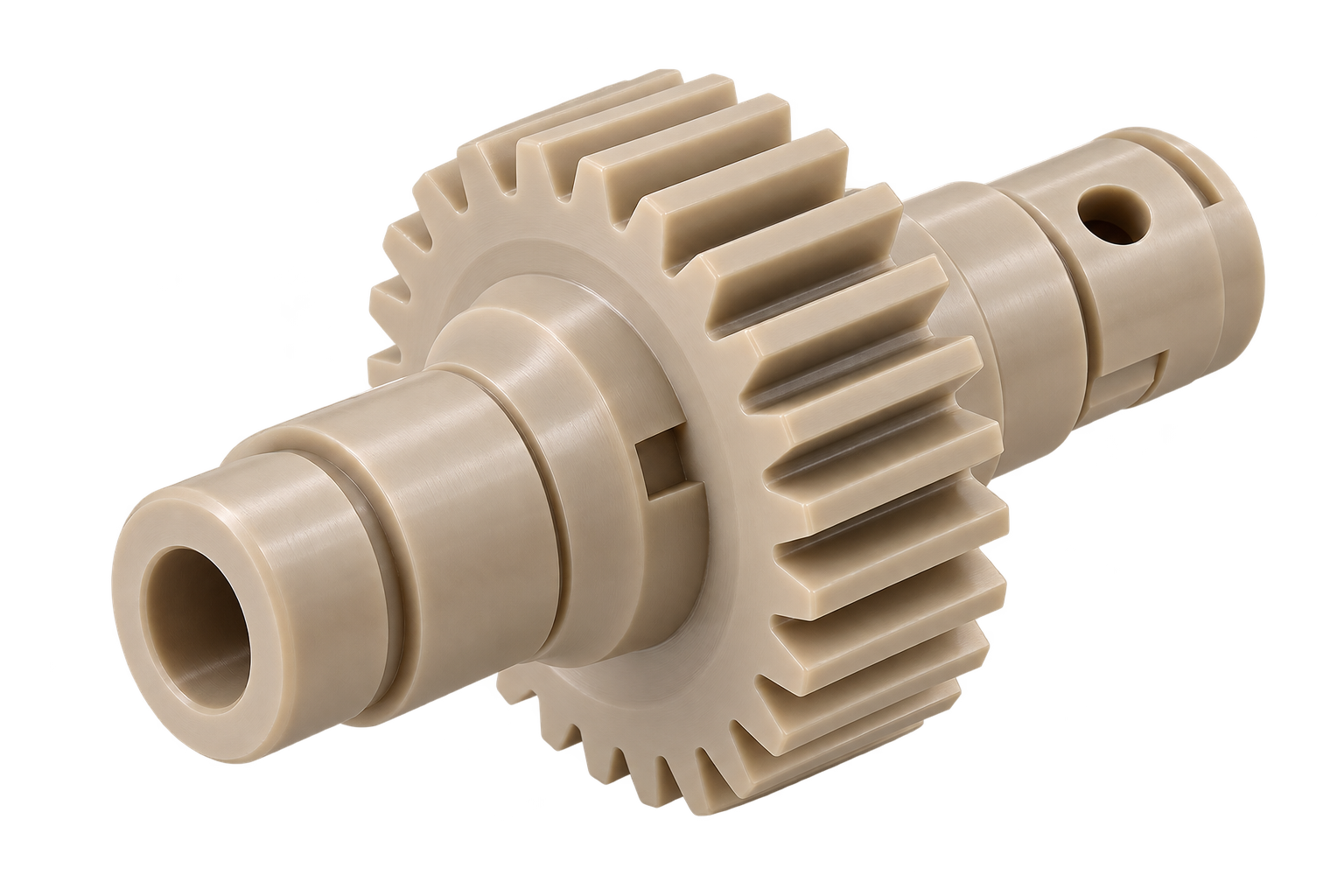
Machined PEEK Properties
Machined PEEK Properties
PEEK stands out for its strength, heat resistance and chemical inertness. This high-performance thermoplastic suits critical parts that need extreme durability.
The figures keep the labels on XC’s own table. Units are MPa and degrees Celsius. Ask for the datasheet of your grade before you lock a design to them.
Glass-Filled PEEK (PEEK GF30)
Glass-filled PEEK holds about 30% glass fiber. The fiber adds stiffness, strength and dimensional stability. Structural brackets, precision housings, valve parts and mechanical parts that need more rigidity and less deformation use it.
Carbon-Filled PEEK (PEEK CF30)
Carbon-filled PEEK holds about 30% carbon fiber. Compared with unfilled PEEK, it adds stiffness, thermal conductivity and dimensional stability. Aerospace components, industrial equipment parts and high-performance structural parts use it.
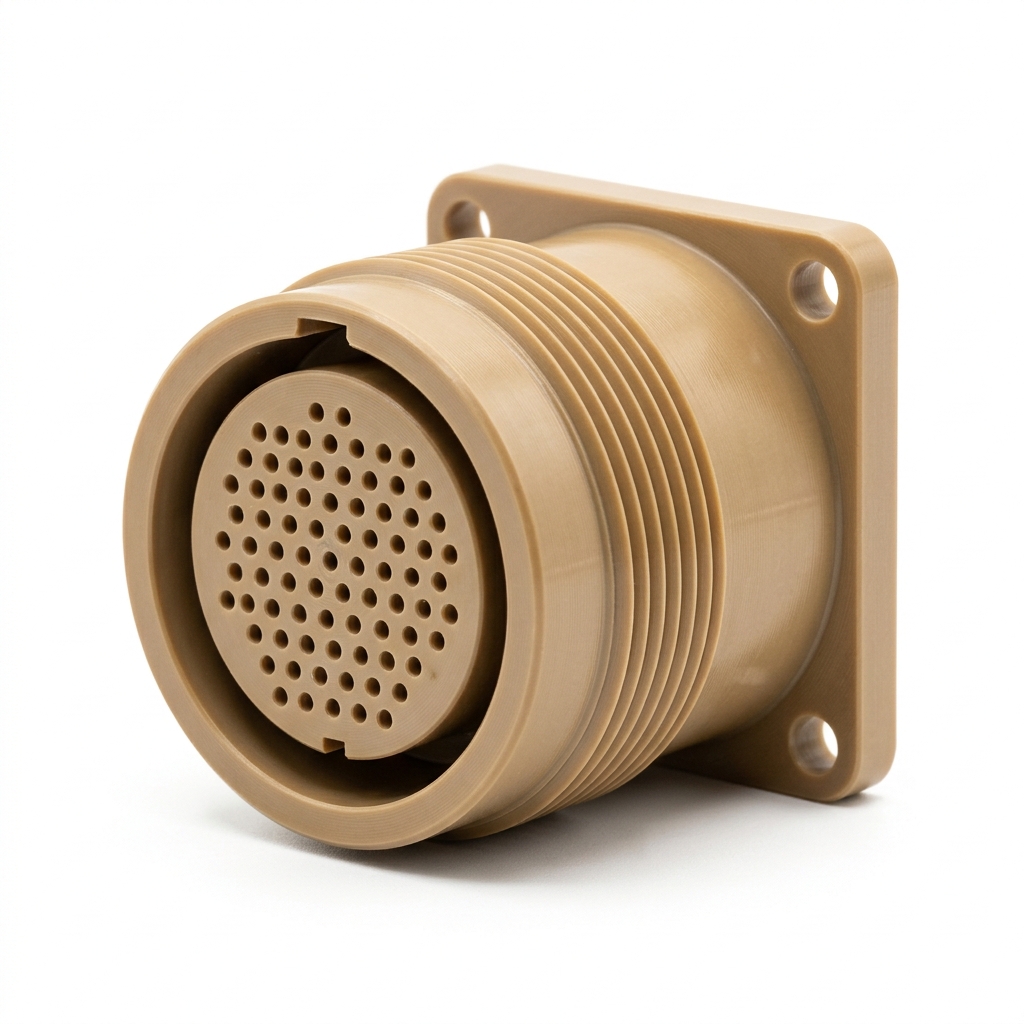
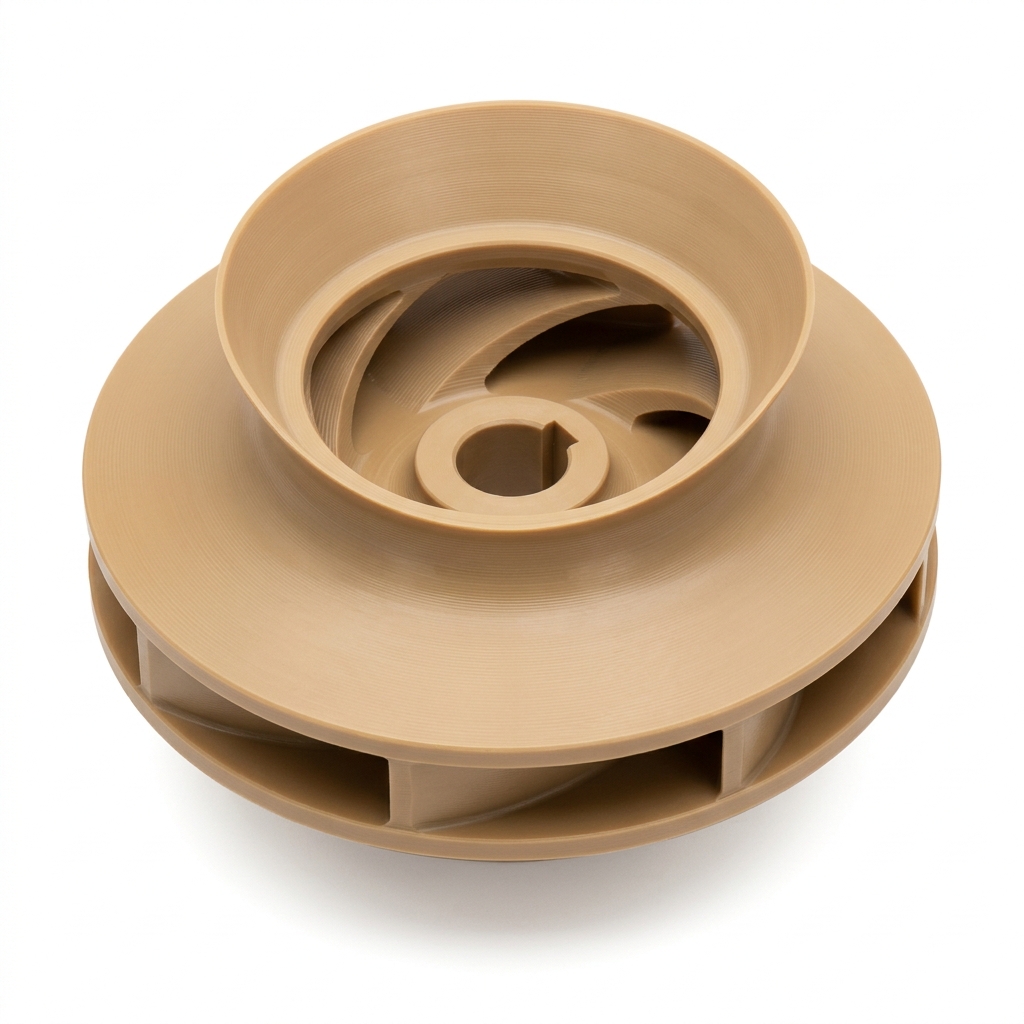
Advantages and Limitations of PEEK
PEEK is widely used in precision CNC machining for its thermal stability, mechanical strength and chemical resistance. Its pros and cons help you pick the right PEEK grade for aerospace, medical, semiconductor and high-performance industrial parts.
- Excellent heat resistance.
PEEK keeps useful mechanical properties at high temperatures, which suits demanding thermal environments. - High mechanical strength.
PEEK offers strength, stiffness and durability for precision structural and mechanical parts. - Outstanding chemical resistance.
PEEK resists a wide range of chemicals, solvents and industrial fluids under suitable operating conditions. - Good wear resistance.
PEEK wears reliably, especially in bearing-grade formulas made for sliding uses. - Excellent dimensional stability.
PEEK has low moisture absorption and good dimensional stability, which supports precision parts and tight-fitting assemblies.
- High material cost.
PEEK costs much more than common engineering plastics such as ABS, nylon and polycarbonate. - Specialized machining needs.
PEEK needs suitable tools, cutting parameters and temperature control to hold consistent accuracy. - Tool wear in reinforced grades.
Glass-filled and carbon-filled PEEK wear tools faster because their fibers are abrasive. - Thermal expansion.
PEEK holds its size well, but temperature changes can still shift part dimensions and tolerances.
Bring Your Designs to Life with XC Machining
Experience precision engineering with XC Machining. From detailed prototypes to high-volume production, we’re here to turn your concepts into reality. Contact us today to discuss your project needs!
- 50+ CNC machines in-house
- 60+ materials in stock
- 120+ countries shipped
- 15+ DFM engineers on staff
- All uploads are secure and confidential
PEEK CNC Machining FAQs
Why is PEEK used for CNC machining?
PEEK resists heat, chemicals and wear, and it keeps its strength and size under load. These traits suit precision parts for aerospace, medical, semiconductor and demanding industrial uses. Parts stay stable where lower cost plastics soften, swell or wear out, which is why teams accept the higher material cost.
Which PEEK grade is best for CNC machining?
The best PEEK grade depends on the job. Unfilled PEEK offers excellent chemical resistance and electrical insulation. Glass-filled PEEK adds stiffness. Carbon-filled PEEK adds rigidity and dimensional stability. Bearing-grade PEEK suits low-friction, wear-resistant parts. If you are unsure, send the drawing and we will suggest a grade.
Is PEEK difficult to CNC machine?
PEEK machines well with suitable tools and tuned parameters. Its high material cost, heat behavior and the abrasive fibers in reinforced grades call for careful planning to hold steady quality. A mistake costs more than it does with common plastics, so share your drawing early and we will plan the process.
Can PEEK be CNC machined to tight tolerances?
Yes. PEEK machines to precise dimensions with controlled processes, stable workholding and suitable cutting tools. Our standard tolerance is ±0.125 mm (±0.005 in). What we can hold depends on the grade, part shape, wall thickness and operating temperature. Mark the critical features on the drawing. We hold ±0.005 mm on tight features where the geometry allows.
What are the common applications of PEEK CNC machined parts?
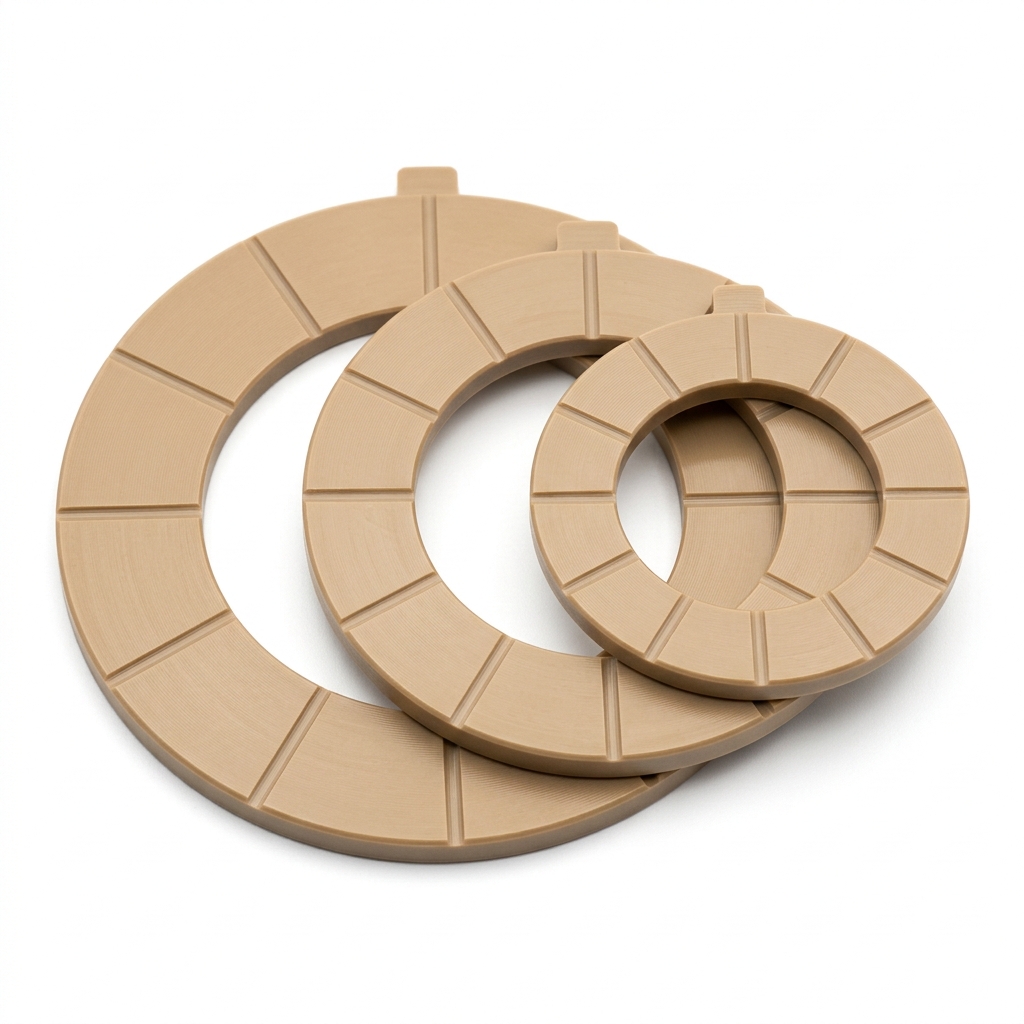
PEEK parts go into aerospace assemblies, medical instruments, semiconductor equipment, automotive systems, chemical processing machinery and industrial components. Typical parts include bushings, bearings, seals, valve seats, electrical insulators and precision mechanical parts. Send a drawing for any of these and we will quote the grade and finish.