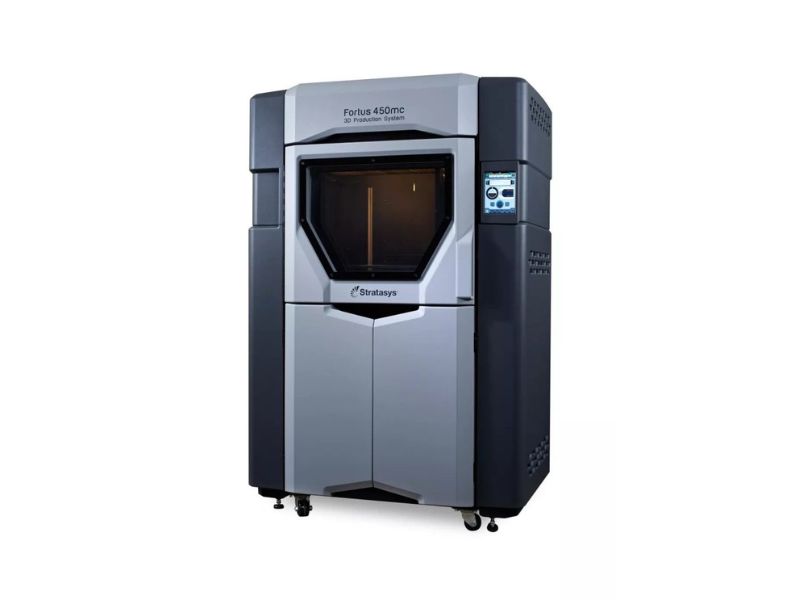
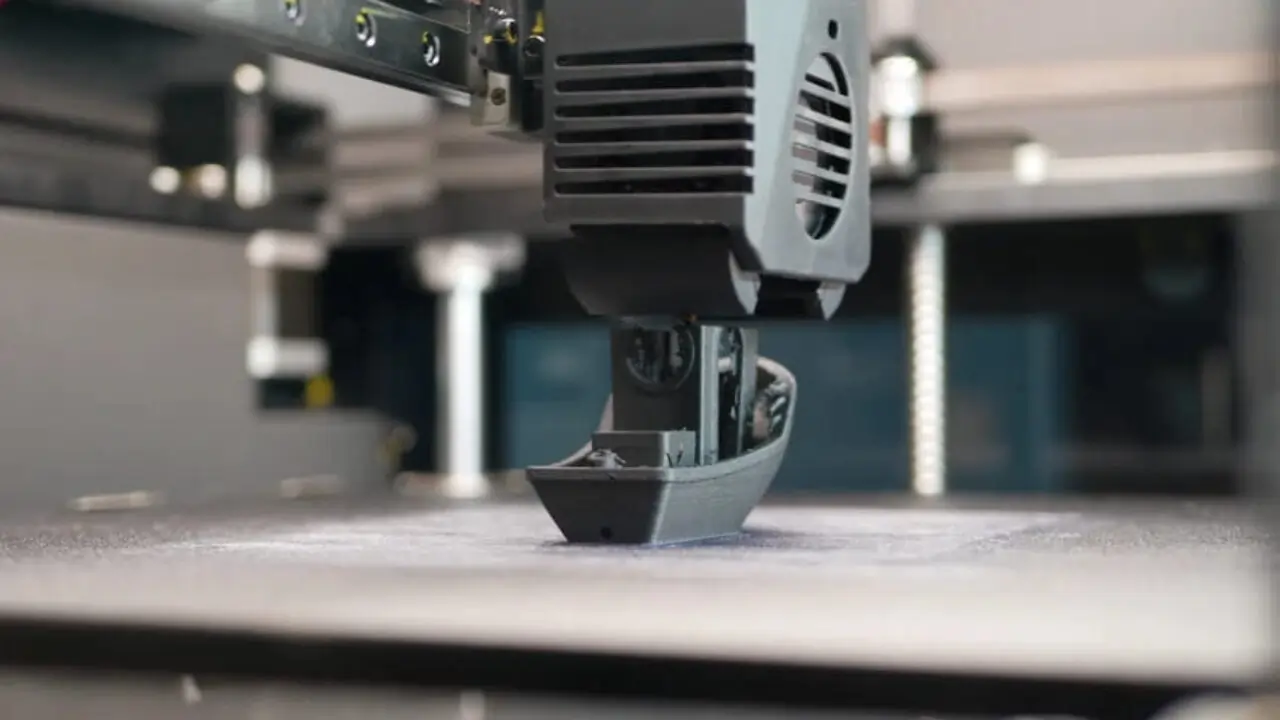
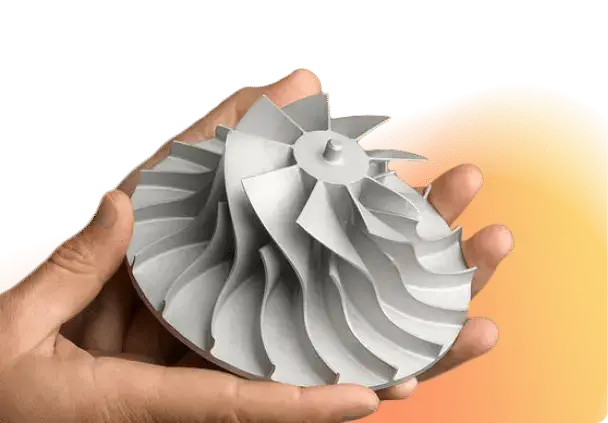
Fused Deposition Modeling (FDM)

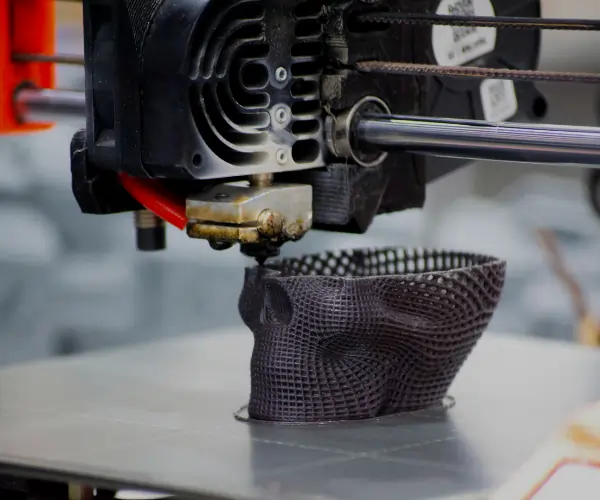
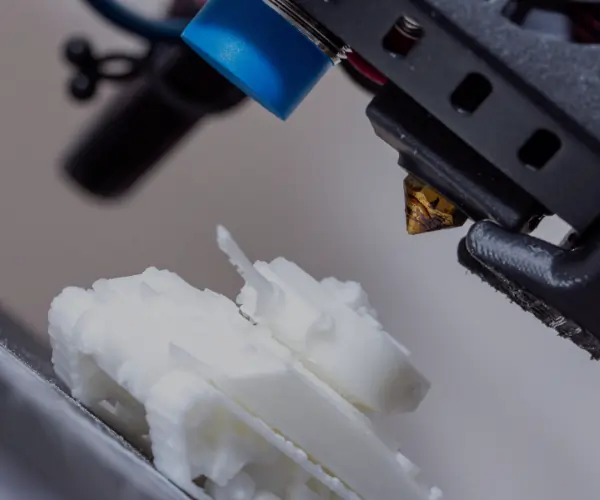
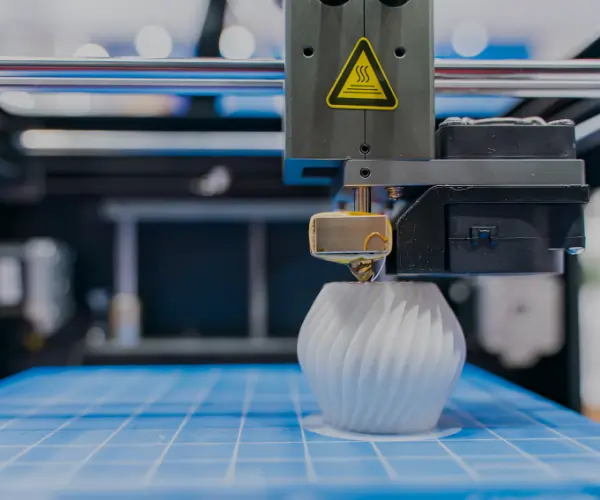
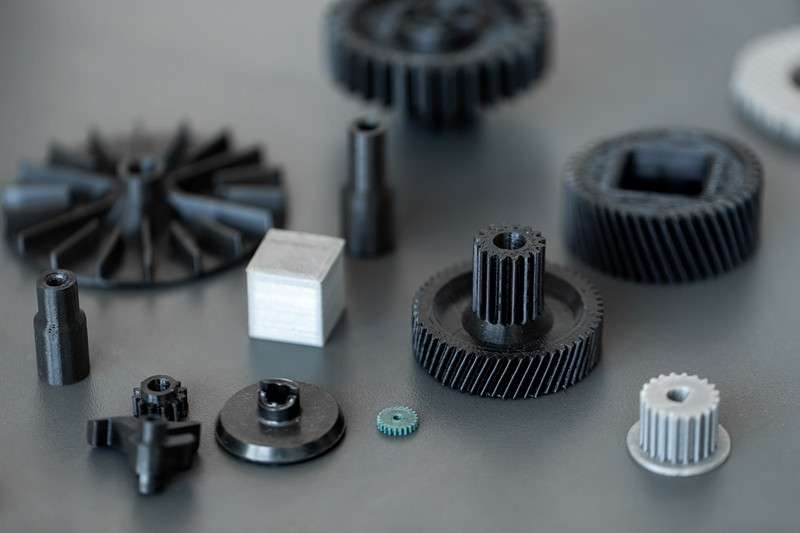
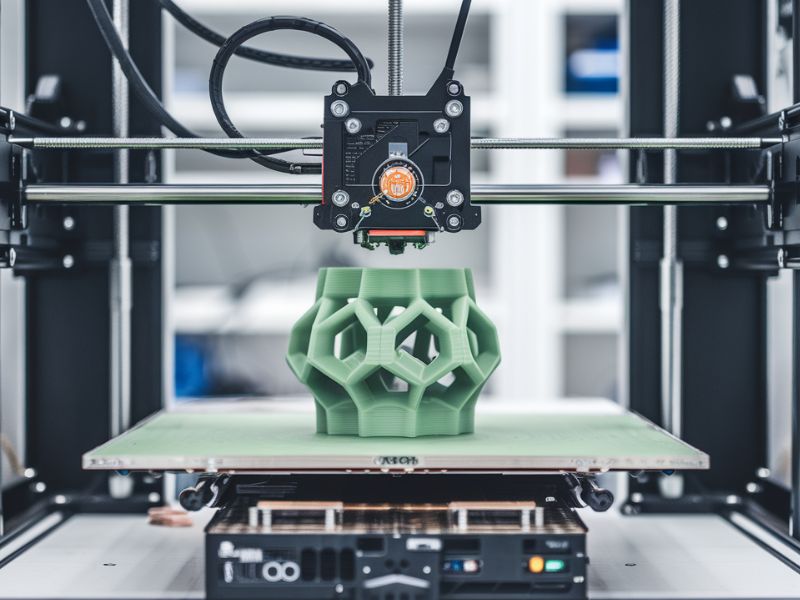
We offer FDM 3D Printing Services that provide cost-effective and durable prototypes and production parts. Using Fused Deposition Modeling (FDM) technology, we deliver high-quality, functional components that meet the needs of industries across the USA. From concept to production, our FDM solutions offer precision, flexibility, and fast turnaround times.

Leading FDM 3D Printing Company

As a trusted FDM 3D printing company, XC Machining provides FDM 3D printing solutions tailored to your specific needs. Whether you’re looking for functional prototypes, low-volume production, or custom parts, we use the latest FDM technology to create strong, precise components, delivering results on time and within budget.

FDM 3D Printing Solutions for High-Performance Parts

When you need reliable and durable parts, XC Machining offers the best FDM 3D printing services in the USA. Our Fused Deposition Modeling 3D printing services allow for quick production of high-performance, custom parts using a wide range of materials.

Tolerances for Fused Deposition Modeling (FDM)

At XC Machining, we offer Fused Deposition Modeling (FDM) 3D printing services that are perfect for rapid prototyping and functional parts production.
DescriptionSpecification
General TolerancesMetals: ISO 2768-m
 Plastics: ISO 2768-c
Precision TolerancesTolerances as tight as ±0.2 mm, per drawing specs and GD&T annotations
Minimum Wall Thickness0.8mm
Minimum Layer Thickness0.1mm
Minimum Part Size20mm x 20mm x 1mm
Maximum Part Size300mm x 300mm x 400mm
Production VolumePrototyping: 1-100 pcs
 Low Volume: 101-5,000 pcs
 High Volume: Above 5,000 pcs
Lead Time3-5 business days for most projects. Simple parts can be delivered as fast as 1-2 days


Why Choose Our Prototyping Manufacturing Services?

XC Machining develops rapid prototypes and parts through efficient manufacturing design and prototyping services, combining deep manufacturing expertise with advanced equipment. We are a reliable on-demand production company and ensure our products meet exacting tolerance specifications and quality standards.
Strong Manufacturing Capabilities

In our facility, you have a variety of machines for part production, including CNC turning lathes, milling machines, injection molding equipment, state-of-the-art 3D printing technology, and more.

Flexible Material Selection

At XC Machining, we try to ensure your choice is not limited, which is why we offer over 60 materials for you to choose from for your prototypes and products.

24/7 Engineering Support​

In-depth service engineers with the knowledge to address your manufacturing inquiries are available from XC Machining. Our engineers are always on the ground to offer valuable advice.

Choice of Custom Finishes

We offer a range of surface treatments and custom finishes on solid metal and plastic parts, including anodizing, spray painting, vapor polishing, sandblasting, silk screening, etc.

Surface Finishes for Fused Deposition Modeling (FDM)

XC Machining offers a range of surface finishes for FDM parts to enhance their functionality, durability, and aesthetic appeal.
Polishing
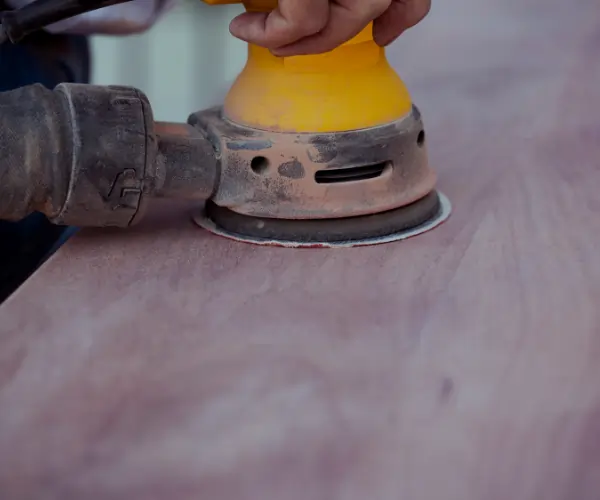
Polishing removes rough surface layers and enhances the smoothness of FDM parts, making them visually appealing.
Bead Blasting
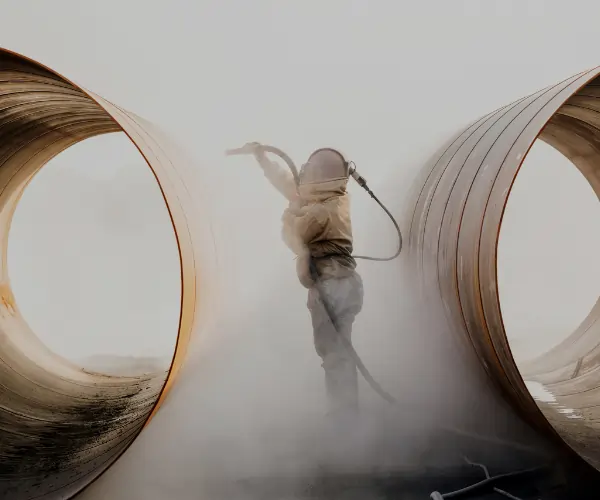
Bead blasting applies a fine, matte finish to the surface of FDM parts, improving texture and appearance, while also reducing visible print lines.
Vapor Smoothing
Vapor smoothing uses a chemical vapor to smooth the surface of FDM prints, giving the parts a glossy, shiny finish.
Painting

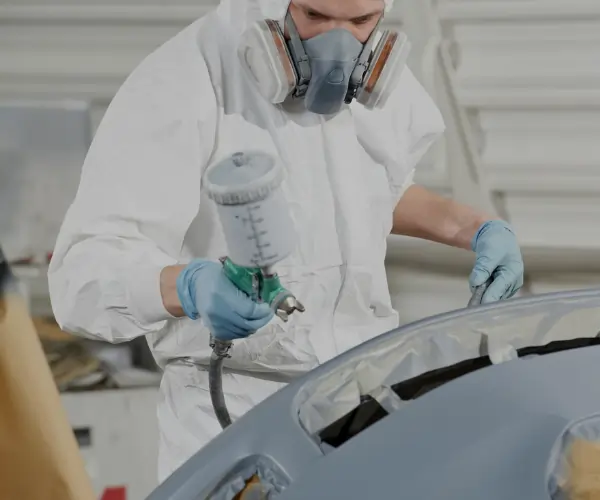
FDM parts can be painted with a variety of colors, improving their aesthetic appeal and adding a custom look to parts.

 
Textured
Textured finishes add a unique, patterned texture to FDM parts, improving grip and enhancing the visual appeal of the printed product.
Heat Treatment
Heat treatment can be used to improve the mechanical properties of FDM parts, especially for parts requiring strength and resistance to heat.

Materials for Fused Deposition Modeling (FDM) Parts

Leading companies and engineers rely on XC Machining for rapid iterations and durable, high-quality parts. Whether it’s for prototyping or full-scale production, our wide range of materials ensures we meet the unique requirements of any Fused Deposition Modeling (FDM) project with precision and speed.
ABS-M30

Black, Blue, Dark Grey, Ivory, Red, White.

ABS-ESD7

6061, 7075, Black (electrostatic dissipative properties)

ABSi

Translucent Natural, Translucent Amber, Translucent Red

ASA

Black, Dark Blue, Dark Gray, Light Gray, Green, Ivory, Orange, Red, White, Yellow

Nylon 12

Black

PC-ABS

Black

PC

White

PC-ISO

Translucent Natural, White

Prototyping PLA

Black, Blue, Red, White

ULTEM 9085

Black, Tan

ULTEM 1010

Amber (Natural)

Our Fused Deposition Modeling (FDM) Prototype Manufacturing Capabilities

As a leader in precision manufacturing, we offer a wide range of capabilities that cater to both one-off prototyping and low-volume production. We specialize in delivering geometrically complex and highly cosmetic parts, ensuring the highest quality standards. At XC Machining, we pride ourselves on being the go-to manufacturer for all your Fused Deposition Modeling (FDM) needs, providing reliable and efficient solutions under one roof.
With 3, 4, and 5-axis CNC machining services, we can produce complex prototypes and parts with precise tolerances. More than 60+ materials are available for you to choose from.

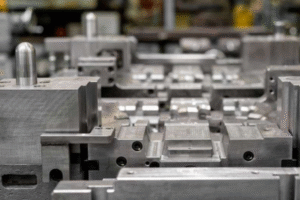
Provides injection molding for prototypes and custom parts, emphasizing expert support, competitive pricing, and faster production cycles.

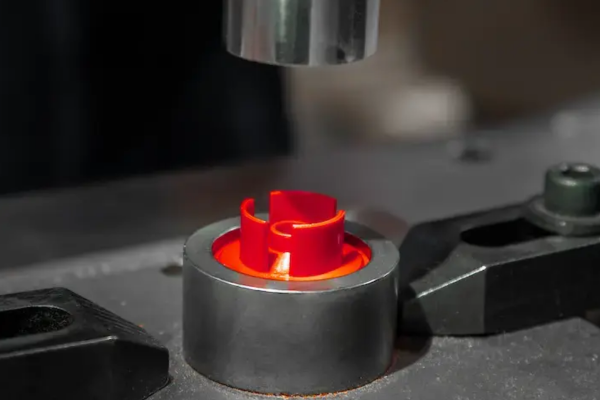
Get reliable vacuum casting services for high-quality prototypes and production parts at competitive prices. XinCheng offers highly detailed casting parts with consistent quality.

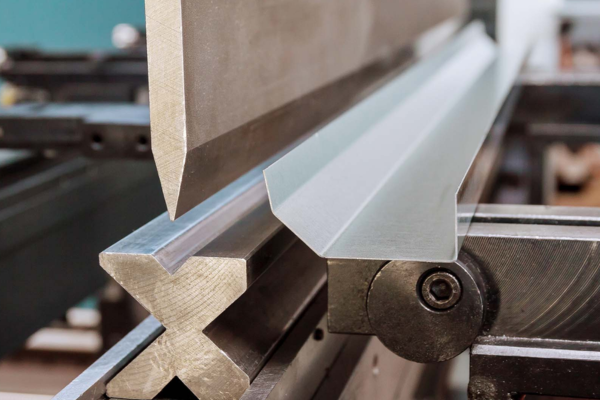
Uses cutting, bending, and forming techniques to produce precision metal components suited for industrial, commercial, and manufacturing applications.

Specialist Industries

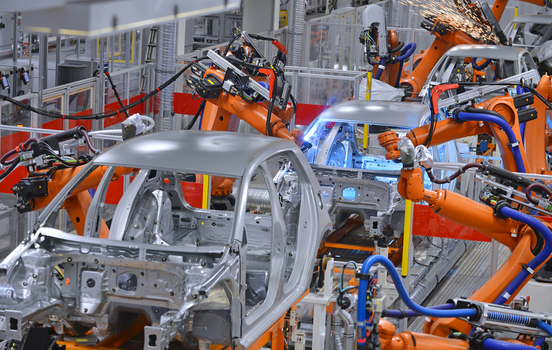
XC Machining is a trusted partner for industries demanding complexity, reliability and precision. Our expensive experience in producing millions of high quality components brings unmatched expertise to every project. Our services cover a diverse range of applications to ensure that we meet the unique needs of each sector with great care.
Get In Touch

Bring Your Designs to Life with XC Machining

Experience precision engineering with XC Machining. From detailed prototypes to high-volume production, we’re here to turn your concepts into reality. Contact us today to discuss your project needs!
Get In Touch With Us!
Prompt response guaranteed within 12 hours

Fused Deposition Modeling (FDM) FAQs

Fused Deposition Modeling (FDM) is widely used for rapid prototyping, functional testing, and low-volume production. The technology is ideal for creating both prototypes and end-use parts, especially for industries such as automotive, aerospace, medical, and consumer goods. FDM is commonly used to create prototypes to test form, fit, and function, allowing engineers to validate designs before moving to mass production. In addition to prototyping, FDM is also suitable for producing functional parts such as jigs, fixtures, tooling, and custom components that need to be produced in small batches or on-demand.
FDM is one of the most popular and cost-effective 3D printing technologies, especially for prototyping and low-volume production. Unlike Selective Laser Sintering (SLS) or Stereolithography (SLA), which use lasers or light to solidify material, FDM uses a heated extrusion nozzle to melt thermoplastic filament and build parts layer by layer. While SLA and SLS typically offer higher resolution and smoother surface finishes, FDM is more versatile in terms of material selection and is usually more affordable, making it suitable for a wide range of applications. FDM also tends to have more limitations in terms of surface smoothness and dimensional accuracy when compared to SLM (Selective Laser Melting), which is better suited for high-performance metal parts.
FDM offers several distinct advantages over traditional manufacturing methods, particularly in terms of design flexibility, cost-effectiveness, and speed. One of the key benefits of FDM is its ability to create complex geometries without the need for expensive tooling or molds, which is a significant advantage over methods like injection molding and CNC machining. This ability to produce intricate designs quickly and affordably is especially beneficial for prototyping and small-batch production. FDM also allows for the use of multiple thermoplastic materials that can be chosen based on specific application requirements, such as strength, flexibility, and heat resistance.
FDM parts are made from thermoplastic materials that offer a high degree of strength and durability when printed properly. The strength of FDM parts can be influenced by factors such as material choice, layer adhesion, and part orientation during printing. Materials like ABS, Nylon, and PETG are often used for their excellent mechanical properties, including high impact resistance, flexibility, and tensile strength. The layer-by-layer construction process in FDM can lead to anisotropic properties, meaning that parts may be stronger in one direction than another. To optimize strength, parts should be printed with their layers aligned in a direction that maximizes load-bearing properties.
While FDM is a versatile and widely used 3D printing technology, it does have some limitations. One of the main drawbacks is its resolution and surface finish. FDM parts typically have visible layer lines, especially if they are printed with a thicker layer height or using low-quality materials. This can affect the appearance and smoothness of the final part, requiring post-processing to improve the finish. Additionally, FDM parts tend to have lower dimensional accuracy compared to methods like Stereolithography (SLA) or Selective Laser Melting (SLM), making it less suitable for applications where tight tolerances are crucial. The strength of FDM parts can also be affected by the anisotropic nature of the printing process. Parts may be weaker along the layer lines compared to the print direction, which could impact their performance in certain load-bearing applications.

CNC Manufacturing Resources