5-Axis CNC Machining Services

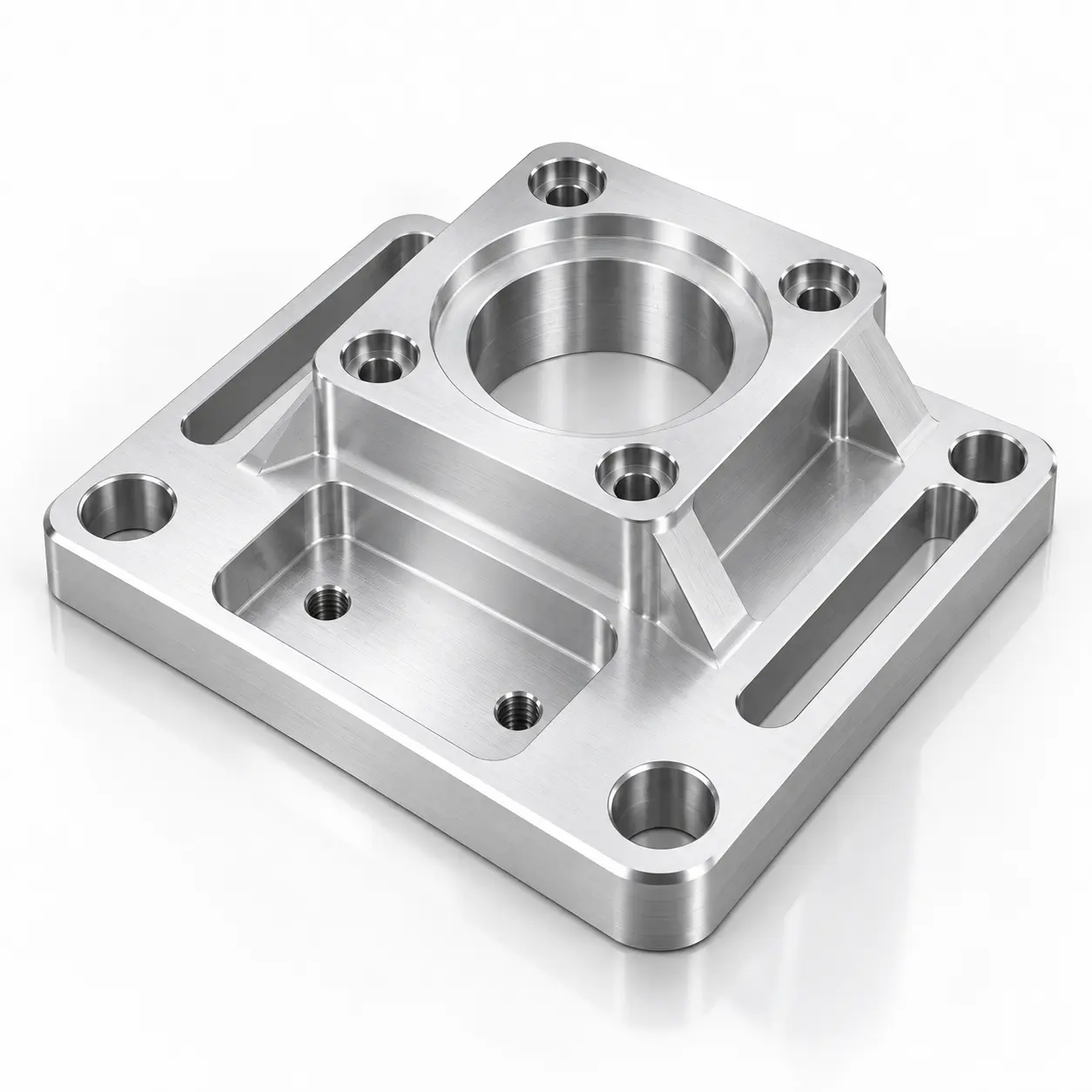
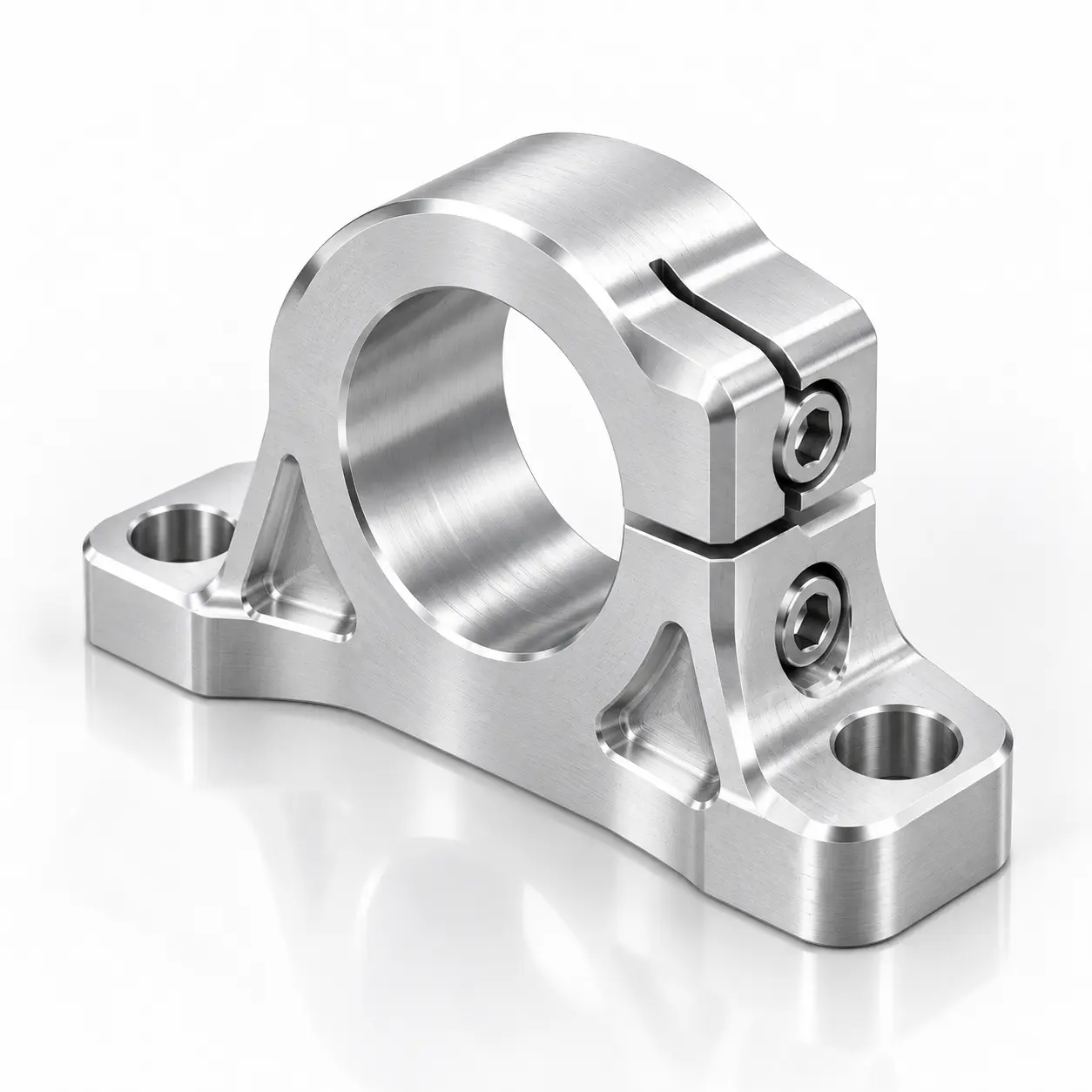
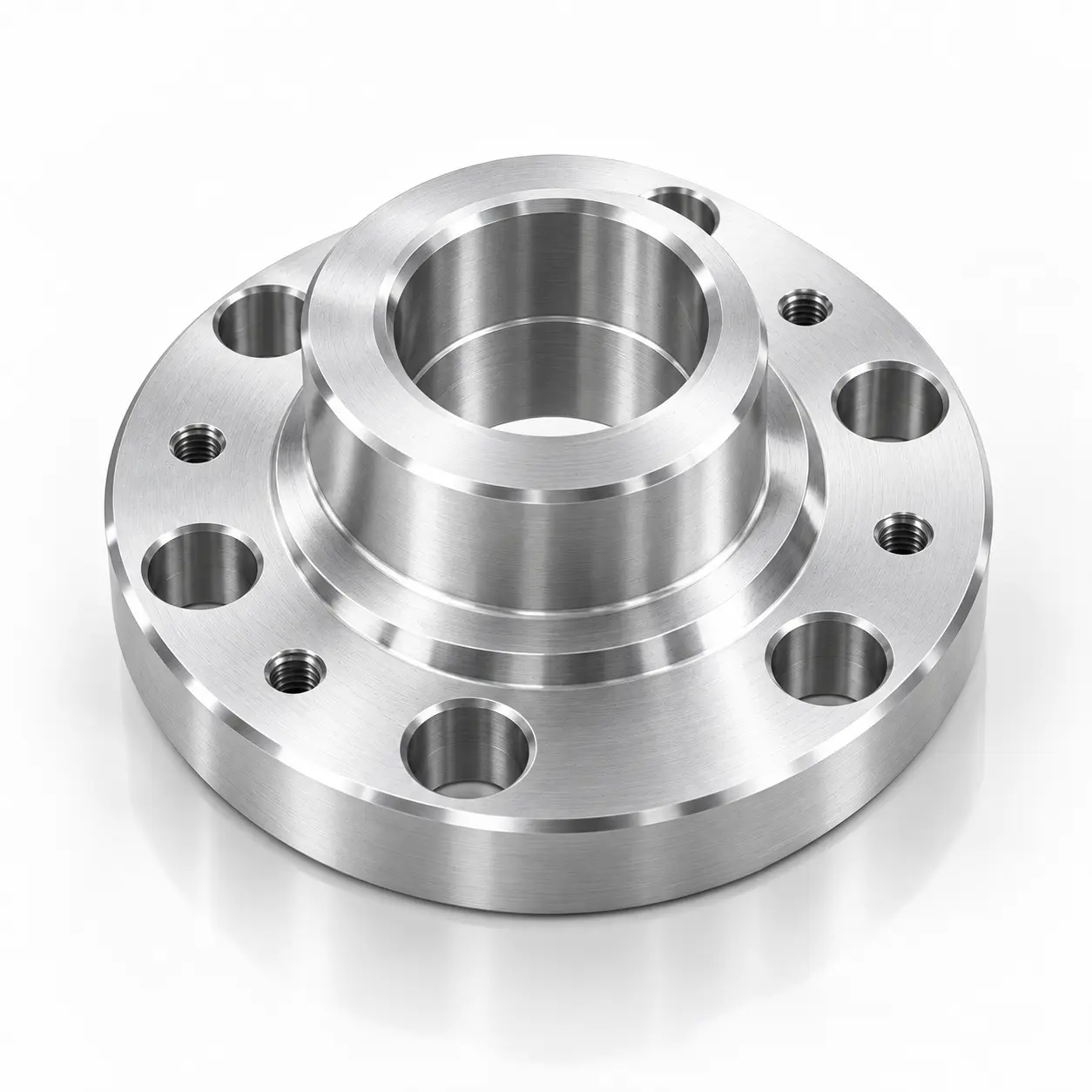
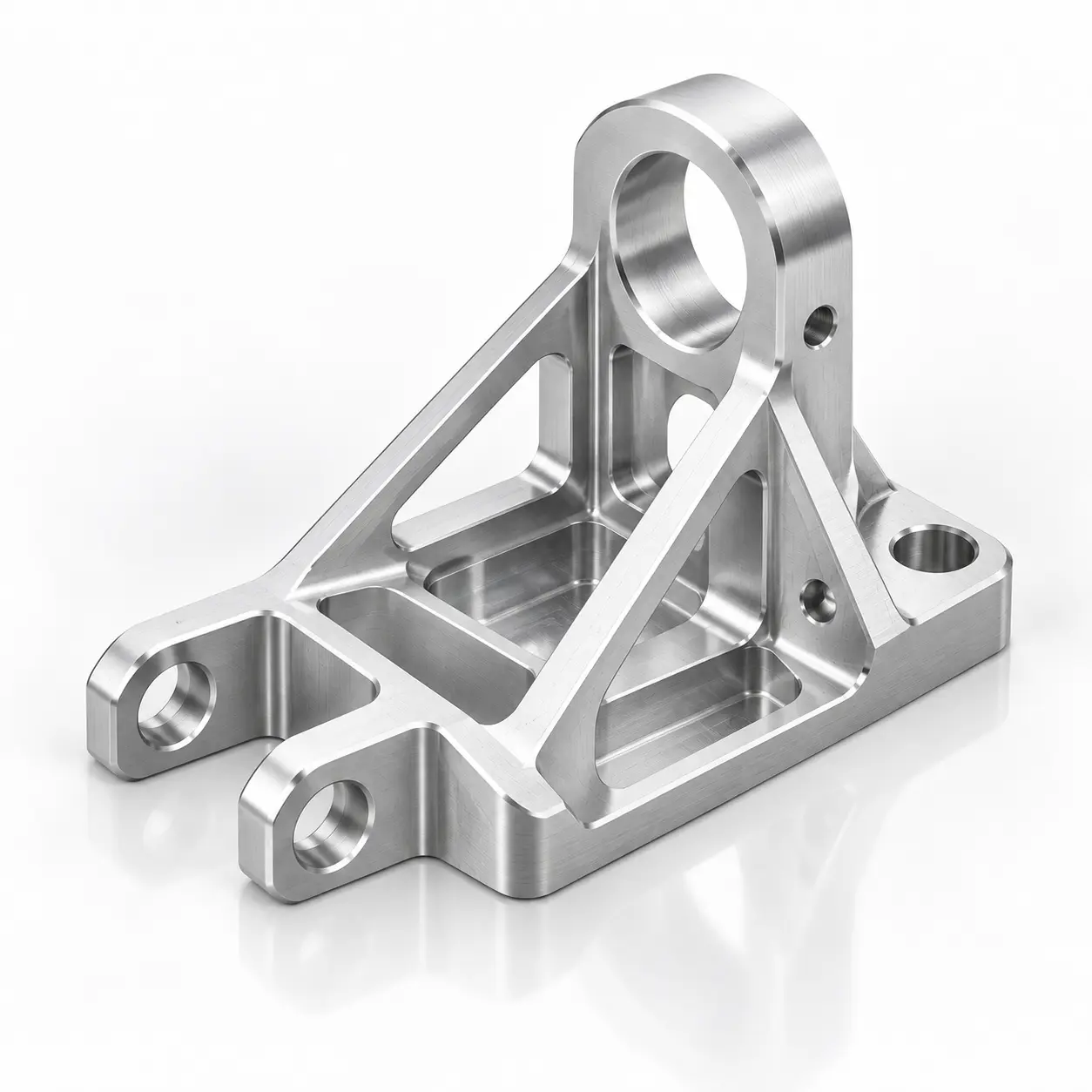
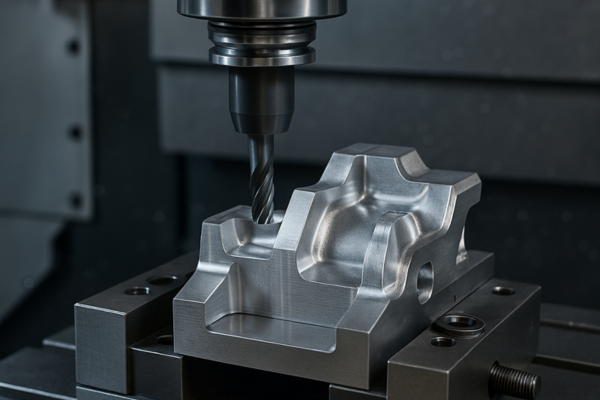
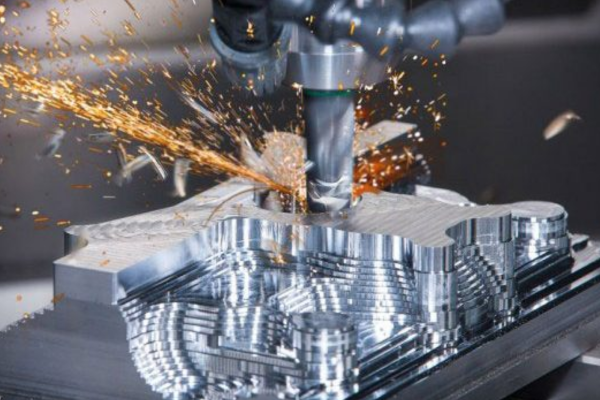
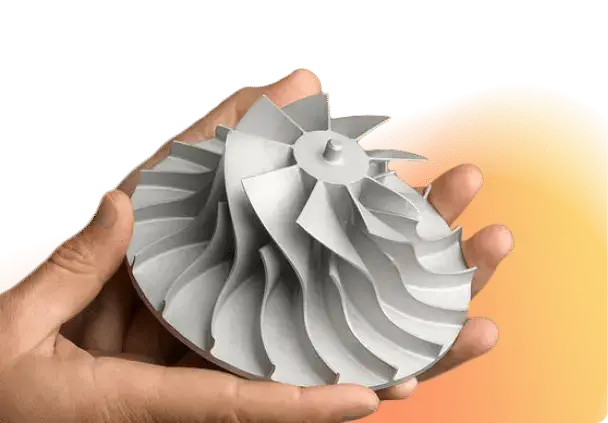
XC Machining provides 5-axis simultaneous CNC machining for parts requiring complex contoured surfaces, undercuts, compound angles, and multi-face features in a single setup. We machine turbine blades, impellers, aerospace structural components, medical implants, and precision housings in 60+ metals and plastics with tolerances to ±0.0127 mm.

How Does 5-Axis CNC Machining Achieve Superior Accuracy?

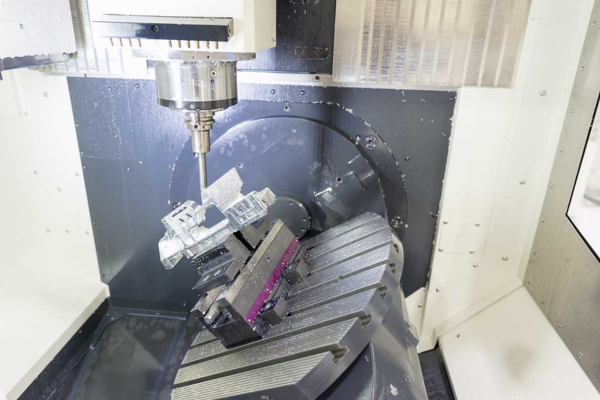
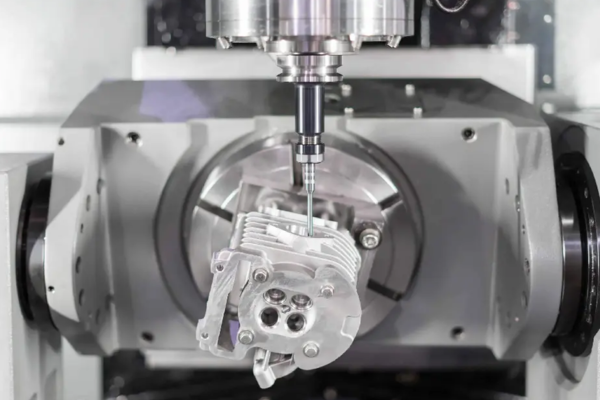
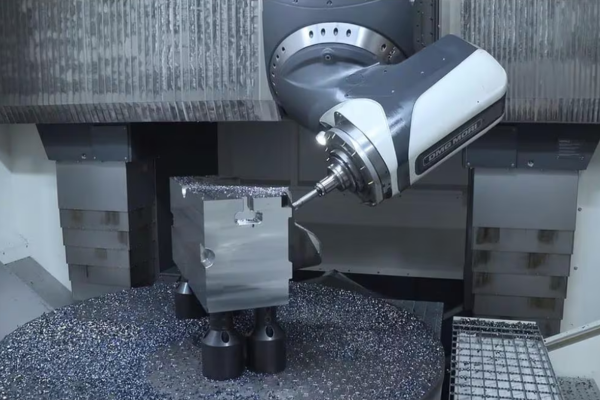
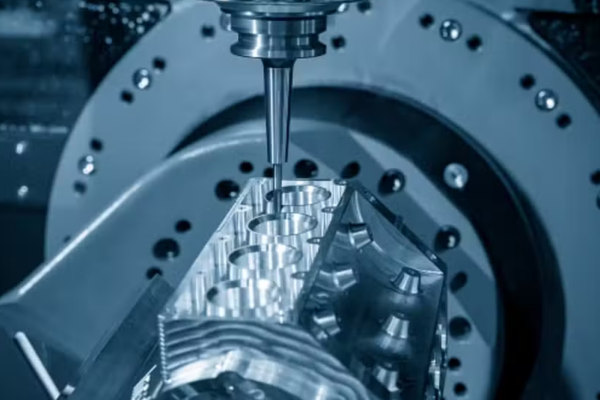
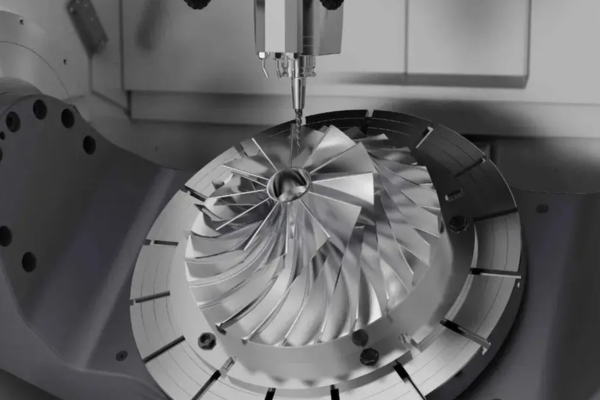
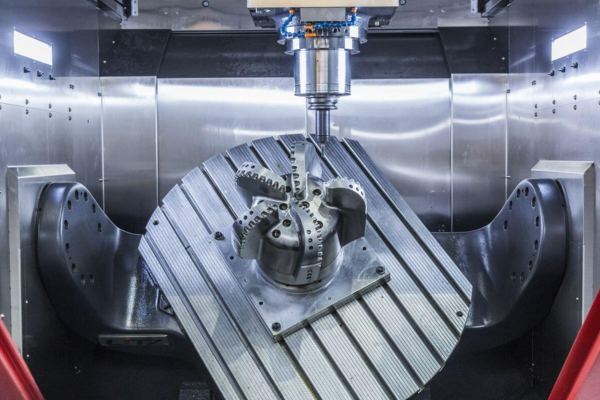
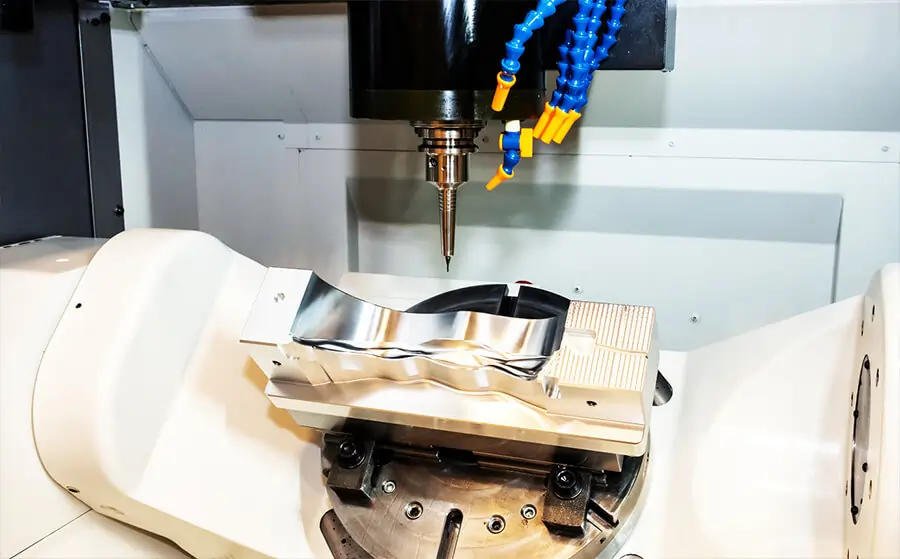
Five-axis CNC machining positions the cutting tool at any angle relative to the workpiece using three linear axes (X, Y, Z) plus two rotational axes (A and B). Unlike 3-axis machining, which requires multiple setups and re-fixturing to access different part faces, 5-axis machines reach all surfaces in a single clamping. This eliminates re-fixturing alignment errors, reduces cumulative tolerance stack-up by 40–60%, and achieves ±0.0127 mm dimensional accuracy on multi-surface parts.

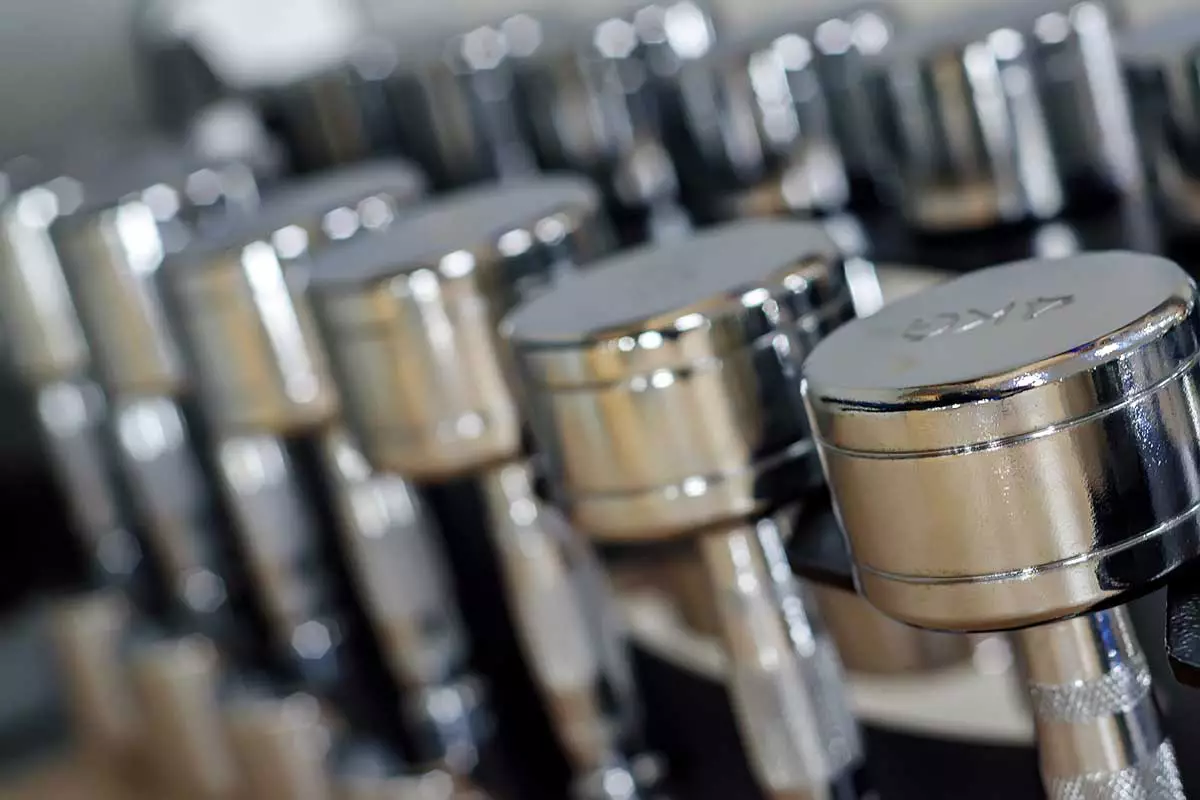
Five-axis machining also improves surface finish quality. The machine maintains optimal tool orientation throughout the cutting path, keeping the tool engaged at its most effective cutting angle. Shorter tool overhangs reduce vibration and chatter, producing Ra 0.4–0.8 μm surface finishes directly off the machine — often eliminating the need for secondary polishing operations.

These combined accuracy and surface finish advantages make 5-axis CNC machining the preferred process for aerospace turbine components, medical implants, and other parts where dimensional precision and surface quality are non-negotiable.

What Is 5-Axis CNC Machining and How Does It Differ?

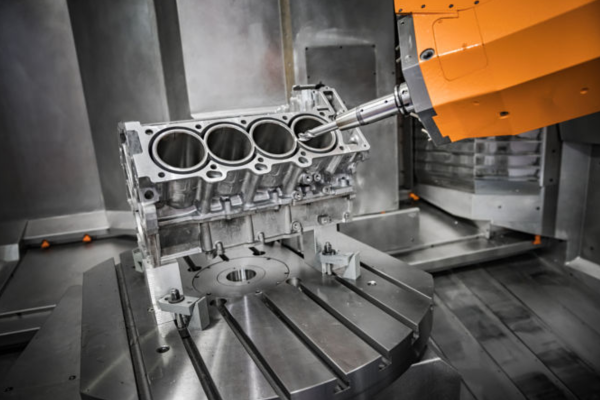
Five-axis CNC machining adds two rotational axes (typically A and B) to the standard three linear axes (X, Y, Z) of conventional CNC milling. This gives the cutting tool access to five sides of the workpiece without re-fixturing, enabling complex part geometries in a single setup.

XC Machining distinguishes between two 5-axis approaches: simultaneous 5-axis machining, where all five axes move continuously during the cut for contoured surfaces like turbine blades and impellers, and 3+2 positioning (also called indexed 5-axis), where the two rotational axes lock at fixed angles while the three linear axes perform the cutting for prismatic multi-face parts like housings and manifolds. Both approaches reduce total machining time by 40–60% compared to multiple 3-axis setups.

Aerospace, medical device, automotive, robotics, and semiconductor engineers use XC Machining’s 5-axis capability for titanium, Inconel, cobalt-chrome, aluminum, and PEEK parts requiring complex contoured surfaces and tight tolerances.

How Does 5-Axis CNC Machining Work at XC Machining?

Multi-Axis Movement

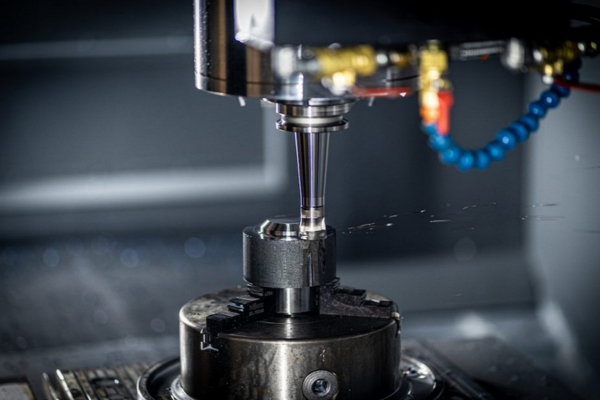
Five-axis machines move along X, Y, Z linear axes plus A (tilt) and B (rotation) rotational axes simultaneously. The cutting tool reaches any angle on the workpiece surface without re-fixturing, enabling full 5-side access.

Single-Setup Machining

The workpiece is clamped once. All five sides are machined in a single setup — eliminating re-fixturing, reducing setup time by 60–80%, and removing cumulative alignment errors that degrade tolerance in multi-setup 3-axis work.

CAM-Driven Toolpath Control

CAM software (Mastercam, NX, hyperMILL) generates collision-free 5-axis toolpaths with optimized lead/tilt angles. Toolpath simulation verifies every movement before machining to prevent crashes and ensure smooth surface-following motion.

Real-Time Coordination

The CNC controller coordinates all five axes in real time at feed rates up to 15,000 mm/min, maintaining consistent chip load and cutting force for vibration-free machining at Ra 0.4 μm surface finish.

What Tolerances Does 5-Axis CNC Machining Achieve at XC Machining?

XC Machining holds 5-axis CNC tolerances per the specifications below. Five-axis machining achieves tighter tolerances than 3-axis due to single-setup accuracy and reduced cumulative positioning error.

DescriptionSpecification
Precision TolerancesAchievable tolerances as tight as +/- 0.0005 inches (0.0127 mm)
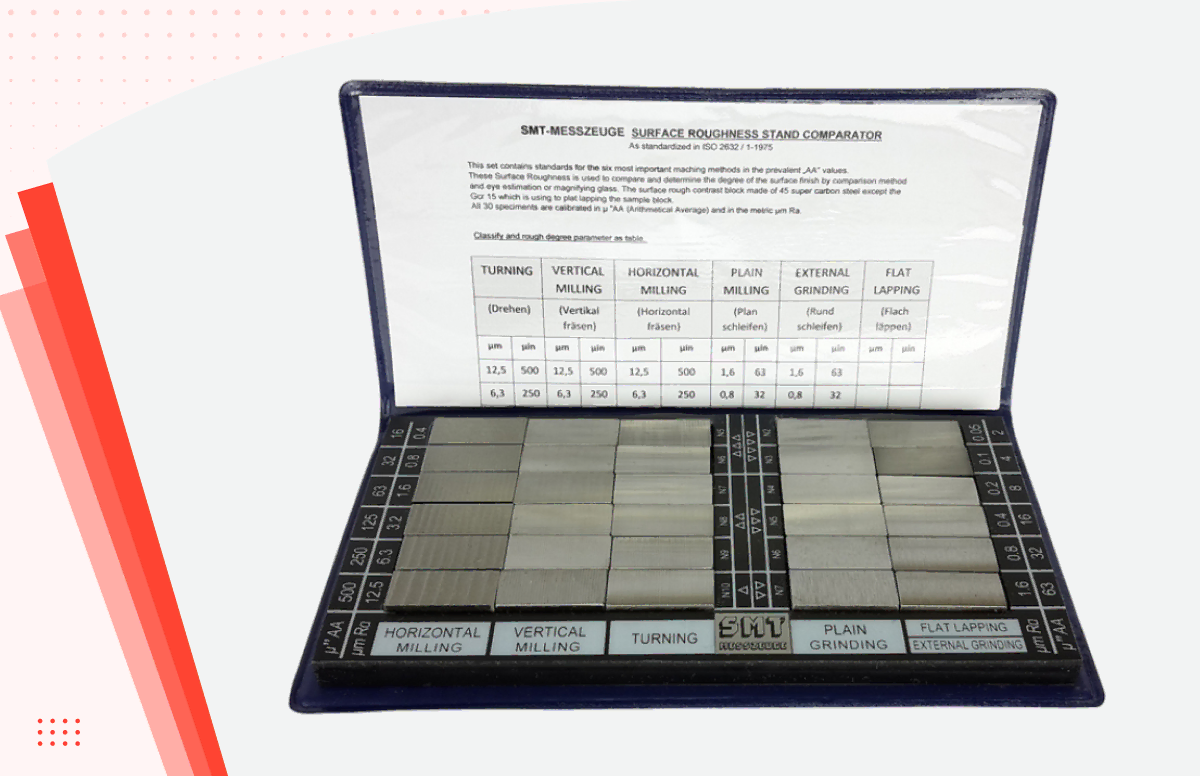
Surface FinishRa 16 µin (0.4 µm) to Ra 32 µin (0.8 µm)
Minimum Wall Thickness0.3mm
Minimum End Mill Size0.1mm
Minimum Drill Size0.4mm
Maximum Part SizeCNC Milling: 2000×1500×1000 mm
Minimum Part Size5×5×5 mm
Production VolumePrototyping: 1-100 pcs
 Low Volume: 101-2,000 pcs
 High Volume: Above 2,000 pcs

What Technologies Power 5-Axis CNC Machining at XC Machining?

 XC Machining 5-axis CNC machines integrate seven core technologies that work together to deliver ±0.0127 mm accuracy, Ra 0.4 μm surface finish, and collision-free machining of complex multi-surface parts.

Why Choose XC Machining for 5-Axis CNC Complex Parts?

XC Machining provides 5-axis CNC machining services for parts with intricate angles, contoured surfaces, undercuts, and multi-face features. Single-setup 5-axis machining reduces total cycle time by 40–60% versus multiple 3-axis setups while maintaining ±0.0127 mm accuracy on all machined features.

How Fast Can XC Machining Deliver 5-Axis CNC Prototypes?

XC Machining delivers 5-axis CNC prototypes in 5–7 business days in aluminum, titanium, Inconel, PEEK, and 55+ additional materials. Five-axis prototyping produces functional test parts with the exact contoured surfaces, undercuts, and compound angles of the final design — eliminating the geometry compromises required by 3-axis prototyping. Production runs of 100 to 5,000+ 5-axis parts complete in 10–20 business days with full dimensional inspection.

What Quality and Equipment Does XC Machining Provide for 5-Axis CNC?

Every 5-axis CNC project at XC Machining follows ISO 9001:2015 certified quality procedures with in-process CMM verification, surface roughness measurement, and toolpath simulation before first cut. Our 5-axis department maintains ±0.0127 mm accuracy with full dimensional reporting on every part.

5-Axis Machine Fleet

Our 5-axis department operates simultaneous 5-axis machining centers and 3+2 indexed machines with Fanuc/Siemens controllers, 12,000–30,000 RPM spindles, HSK tool interfaces, and work envelopes up to 2000 × 1500 × 1000 mm for large aerospace and industrial parts.

5-Axis Material Capability

5-axis machinable materials include aluminum 6061/7075, titanium Grade 5, Inconel 625/718, Hastelloy, cobalt-chrome, stainless steel 304/316/17-4 PH, carbon steel 4140, tool steel D2/H13, brass, copper, PEEK, Delrin, and Nylon.

5-Axis DFM Engineering

Our 5-axis engineers review CAD files for tool access angles, minimum internal corner radii, undercut depth feasibility, thin wall deflection risk, and fixturing strategy. We recommend simultaneous 5-axis vs 3+2 indexed approach per part geometry. DFM feedback within 12 hours.

5-Axis Surface Finishes

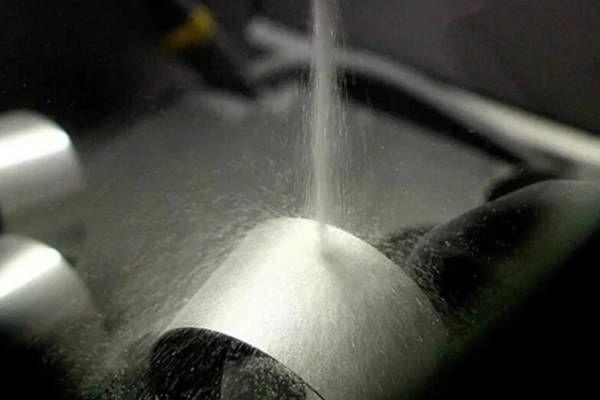
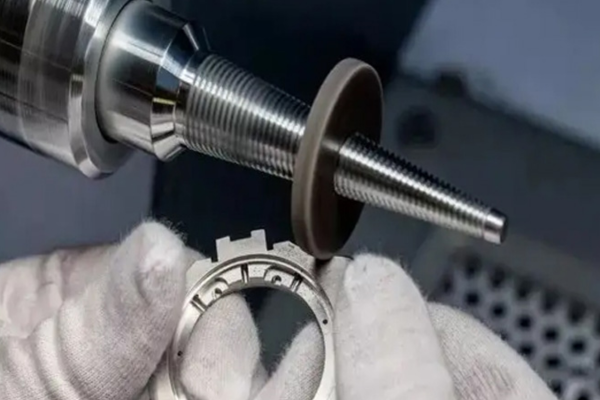
5-axis machined parts achieve Ra 0.4 μm directly off the machine. Additional finishes include anodizing (Type II/III), electropolishing, bead blasting, polishing to Ra 0.05 μm, and powder coating for corrosion protection.
What Surface Finishes Are Available for 5-Axis Machined Parts?

XC Machining applies the following finishes to 5-axis CNC machined parts for corrosion resistance, wear protection, cosmetic appearance, and functional surface compliance.

Sanding

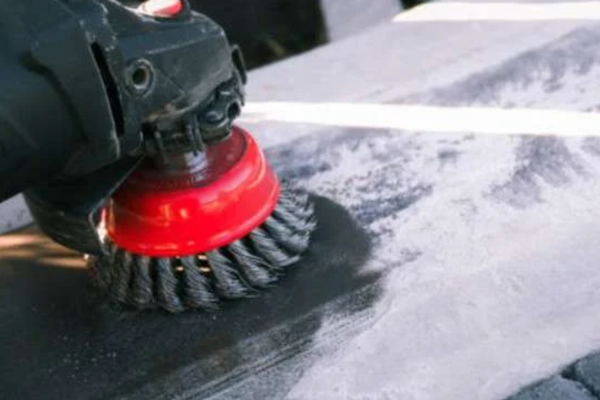
Sanding removes residual tool marks from 5-axis contoured surfaces to Ra 0.8–1.6 μm, preparing complex geometries for anodizing, painting, or electropolishing.

Polishing

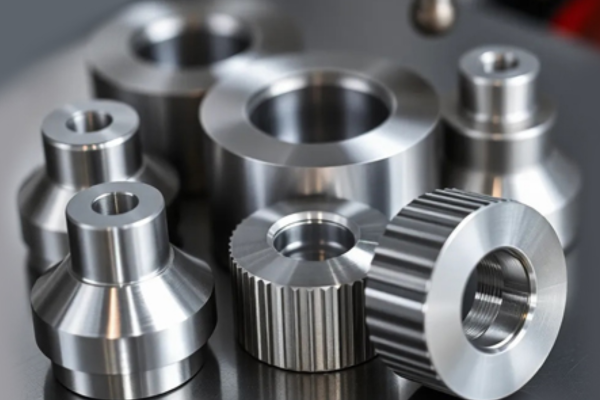
Polishing achieves Ra 0.05–0.4 μm mirror finish on 5-axis machined titanium, aluminum, and stainless steel parts for aerospace, medical implant, and optical applications.

Electropolishing

Electropolishing removes 10–25 μm from stainless steel and titanium 5-axis parts via electrolytic dissolution, achieving Ra 0.1–0.4 μm with enhanced corrosion resistance per ASTM B912.

Brushing

Brushing creates a directional satin grain at Ra 0.4–0.8 μm on aluminum and stainless steel 5-axis parts, reducing glare for instrument panels and enclosures.

Anodizing

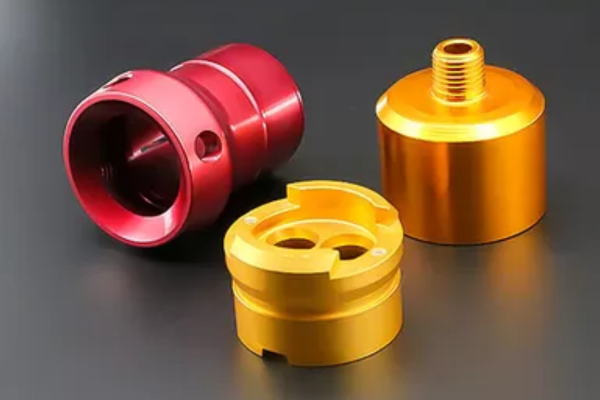
Anodizing (Type II standard, Type III hard-coat to 80 μm) protects 5-axis machined aluminum aerospace and medical parts with Rockwell hardness up to 70 and custom RAL color options.

Vibratory Finishing

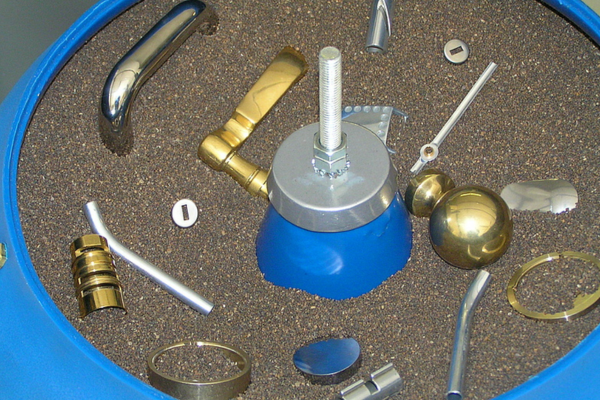
 Vibratory finishing deburrs complex 5-axis machined parts in batch, achieving Ra 0.4–0.8 μm uniform edge quality on production quantities for safe handling and assembly.

What Materials Can Be 5-Axis CNC Machined at XC Machining?

XC Machining 5-axis machines standard metals, engineering plastics, and exotic high-temperature alloys. Five-axis capability is essential for difficult-to-machine materials like Inconel and titanium where reduced tool overhang and optimized cutting angles prevent tool deflection and extend tool life.

Aluminum

6061, 7075, 2024, 5052

Stainless Steel

303, 304, 316, 17-4 PH

Carbon Steel

1018, 1045, 4140, 12L14

Titanium

Grade 2, Grade 5 (Ti-6Al-4V)

Brass

C360 (Free-Cutting Brass), C464 (Naval Brass)

Tool Steel

A2, D2, O1, H13

Copper

C110 (Electrolytic Tough Pitch Copper)

Plastics

ABS, Nylon (PA), PEEK, Delrin (Acetal), PTFE, UHMW

Exotic Alloys

Inconel 625, Inconel 718, Hastelloy, Monel
Our 5-Axis CNC Machining Services Prototype Manufacturing Capabilities

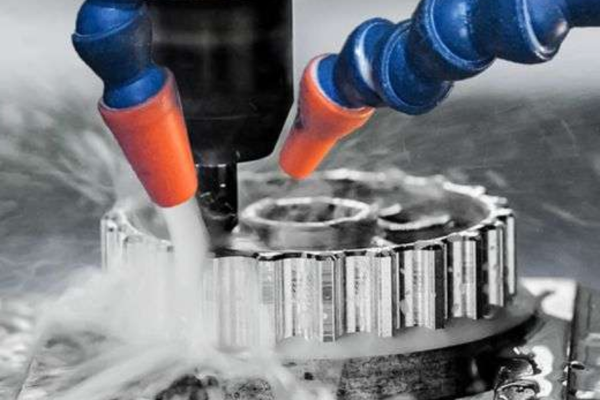
As a leader in precision manufacturing, we offer a wide range of capabilities that cater to both one-off prototyping and low-volume production. We specialize in delivering geometrically complex and highly cosmetic parts, ensuring the highest quality standards. At XC Machining, we pride ourselves on being the go-to manufacturer for all your 5-Axis CNC Machining Services needs, providing reliable and efficient solutions under one roof.
With 3, 4, and 5-axis CNC machining services, we can produce complex prototypes and parts with precise tolerances. More than 60+ materials are available for you to choose from.

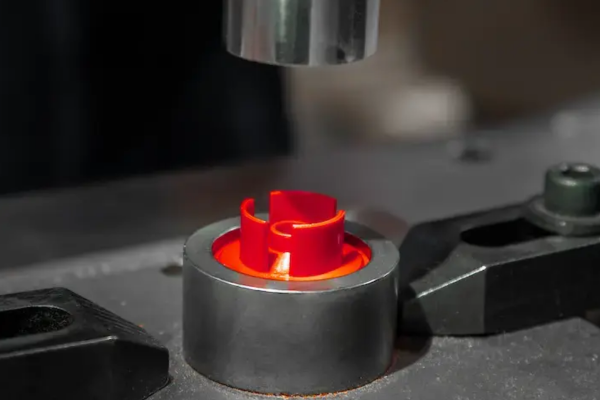
Provides injection molding for prototypes and custom parts, emphasizing expert support, competitive pricing, and faster production cycles.

Get reliable vacuum casting services for high-quality prototypes and production parts at competitive prices. XinCheng offers highly detailed casting parts with consistent quality.

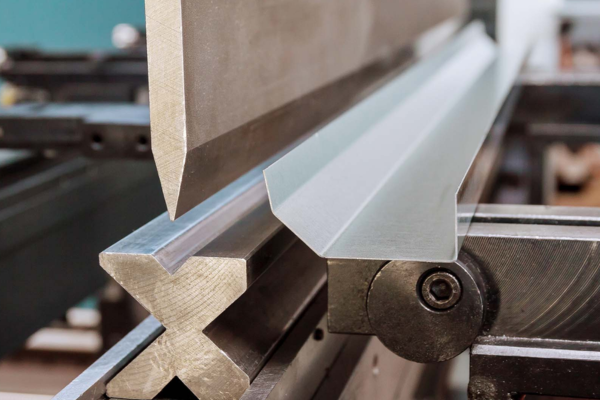
Uses cutting, bending, and forming techniques to produce precision metal components suited for industrial, commercial, and manufacturing applications.

Specialist Industries

XC Machining is a trusted partner for industries demanding complexity, reliability and precision. Our expensive experience in producing millions of high quality components brings unmatched expertise to every project. Our services cover a diverse range of applications to ensure that we meet the unique needs of each sector with great care.
Get In Touch

Bring Your Designs to Life with XC Machining

Experience precision engineering with XC Machining. From detailed prototypes to high-volume production, we’re here to turn your concepts into reality. Contact us today to discuss your project needs!
Get In Touch With Us!
Prompt response guaranteed within 12 hours

5-Axis CNC Machining Frequently Asked Questions

Five-axis CNC machining cost depends on material (titanium and Inconel cost more than aluminum), part complexity (number of simultaneous axes required), tolerance requirements (tighter tolerances increase inspection time), and quantity. XC Machining provides project-based quotes rather than hourly rates — upload your CAD file to receive a line-item quote with material, machining, finishing, and shipping costs broken out separately. While 5-axis hourly rates are higher than 3-axis, the reduced setup count and cycle time often make 5-axis more cost-effective per part.

Choose 5-axis when: (1) the part has contoured surfaces requiring simultaneous multi-axis tool motion (turbine blades, impellers), (2) five or more faces need machining (housings, manifolds), (3) undercuts or compound angles prevent 3-axis tool access, (4) tolerance requirements below ±0.025 mm demand single-setup accuracy, or (5) reducing total setups from 4–6 to 1 improves cost per part. XC Machining recommends 5-axis vs 3-axis during DFM review.

Three-axis CNC machines move the cutting tool along X, Y, and Z linear axes — ideal for prismatic parts with pockets, slots, and flat surfaces. Parts requiring access to more than 3 faces need multiple setups. Five-axis machines add A (tilt) and B (rotation) axes, enabling the tool to reach any surface angle in a single clamping. This reduces setup count from 4–6 to 1, eliminates re-fixturing error, and achieves ±0.0127 mm versus ±0.025 mm typical on 3-axis multi-setup work. XC Machining offers both 3-axis and 5-axis CNC services.

Five-axis CNC machining simultaneously controls three linear axes (X, Y, Z) and two rotational axes (A and B) to position the cutting tool at any angle relative to the workpiece. This produces complex contoured surfaces, undercuts, and compound-angle features in a single setup. XC Machining uses both simultaneous 5-axis (continuous motion for sculptured surfaces) and 3+2 indexed positioning (rotary axes lock at fixed angles for multi-face prismatic parts).

Step 1: The CAM software generates 5-axis toolpaths from your STEP/IGES file with collision checking. Step 2: The G-code is loaded into the Fanuc/Siemens CNC controller. Step 3: The workpiece is clamped once. Step 4: The controller simultaneously coordinates X, Y, Z, A, and B axes at feed rates up to 15,000 mm/min. Step 5: In-process measurement verifies critical dimensions. Result: a finished part with all features machined in one setup.

XC Machining 5-axis CNC achieves ±0.0127 mm (±0.0005 inches) on critical dimensions per our tolerance table specifications. Achievable tolerance depends on material (aluminum is more stable than titanium), feature size, and part geometry. All 5-axis parts are inspected on CMM to GD&T (Geometric Dimensioning & Tolerancing) standards with full dimensional reports. Tighter tolerances to ±0.005 mm are achievable on specific features upon request.

CNC Manufacturing Resources