Insert Molding Services

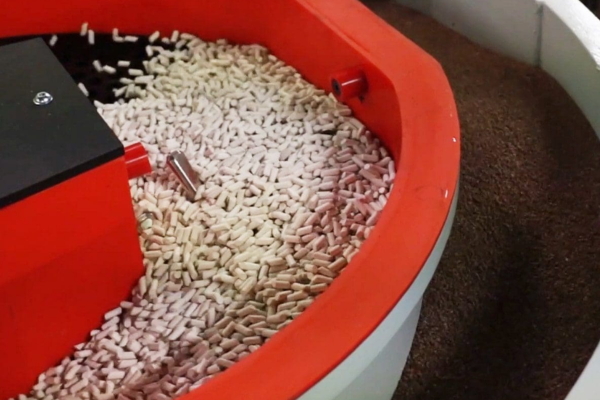
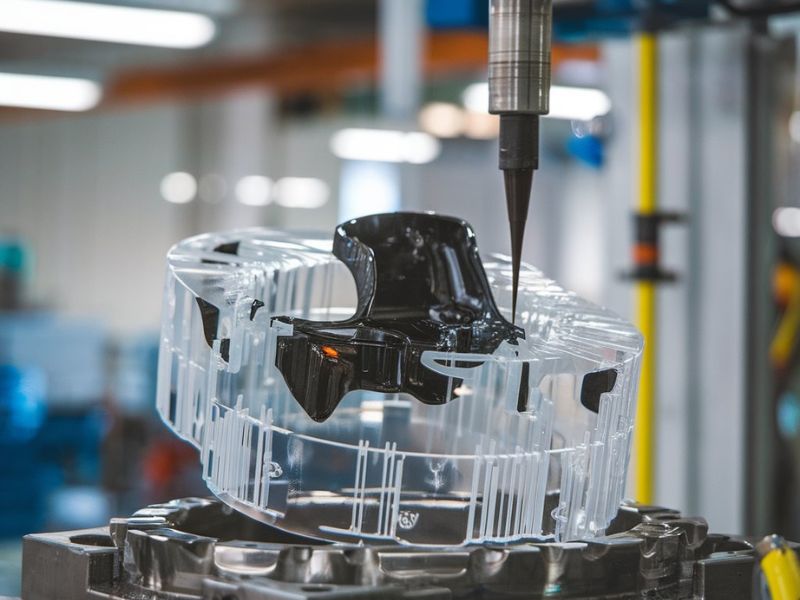
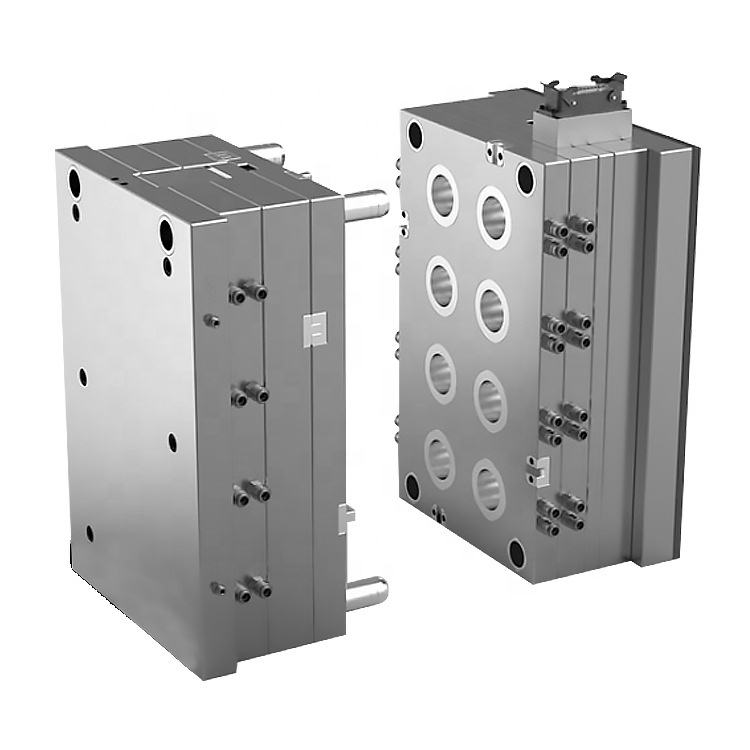
XC Machining insert molding encapsulates threaded brass inserts, stainless steel pins, copper electrical contacts, aluminum bushings, and magnets directly inside injection molded plastic. We achieve ±0.020 mm insert positional accuracy using vertical injection presses from 55 to 500 tons with on-press insert verification before every shot.

Custom-Overmolding-Solutions-for-a-Range-of-Applications.jpg

Why Choose XC Machining as Your Insert Molding Partner?

 XC Machining provides insert molding for automotive wire harness connectors, medical device housings with embedded contacts, consumer electronics with threaded fastening points, and industrial sensor enclosures with sealed terminals. We manufacture metal inserts in-house via CNC turning and stamping, then load them into vertical injection molds using manual placement or robotic pick-and-place.

What Production Volumes Does XC Machining Handle for Insert Molding?

XC Machining produces insert molded parts from 50 prototype units to 500,000+ annual production volumes. Vertical injection presses from 55 to 500 tons run single-cavity prototype molds through 64-cavity production molds. Aluminum prototype tooling ships in 15 days; P20/H13 steel production tooling ships in 25–35 days.

Cycle times range from 20 to 90 seconds per shot. Multi-cavity molds (2–64 cavities) multiply output per cycle. For a 4-cavity mold at 45-second cycle, daily output reaches 7,600+ parts on a single press.

What Quality and Capability Does XC Machining Provide for Insert Molding?

XC Machining is vertically integrated for insert molding: we CNC machine your metal inserts, design and fabricate the injection mold, load inserts on vertical presses with vision-verified placement, and mold the finished assembly — all under one ISO 9001:2015 certified facility. No other insert molding step leaves our building.

CNC-Machined Inserts In-House

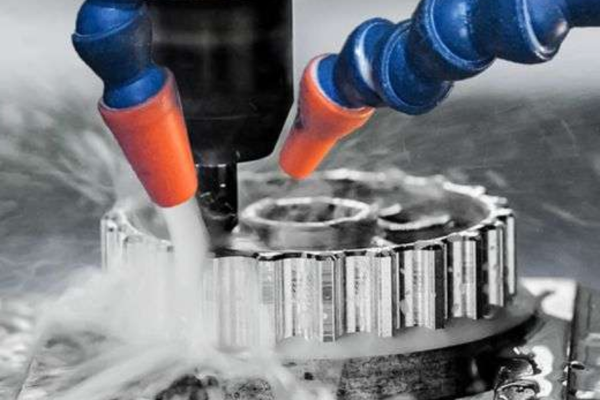
We CNC turn and stamp your metal inserts on-site — threaded brass inserts (M2–M12), stainless steel dowel pins, copper bus bar terminals, and aluminum standoffs. Insert surface preparation includes diamond knurling (0.5–1.0 mm pitch), cross-hatch texturing, and circumferential grooves for maximum pull-out resistance. Customer-supplied inserts also accepted with incoming dimensional inspection.

40+ Insert Molding Resins

Insert moldable resins: ABS (general purpose), PC (impact/transparent), PC/ABS (balanced), Nylon 6/66 glass-filled (structural), PBT (electrical), POM (low friction), PP (cost-effective), PPS (high temp), PEEK (extreme performance), TPU/TPE (flexible zones). Selection depends on insert material thermal compatibility — brass and steel inserts tolerate high-temp resins; aluminum inserts require lower melt-temperature plastics.

Insert Molding DFM Review

Our mold engineers review every insert molding design for: insert-to-wall clearance (minimum 0.5 mm plastic around all insert surfaces), draft angle around encapsulated inserts (minimum 1° for demolding), resin flow path to completely fill around inserts without voids or weld lines, knurl pattern optimization for pull-out resistance, gate location relative to insert position to prevent insert shift during injection, and coefficient of thermal expansion (CTE) mismatch between insert metal and surrounding plastic. Free DFM report within 12 hours.

Insert Molding Surface Finishes

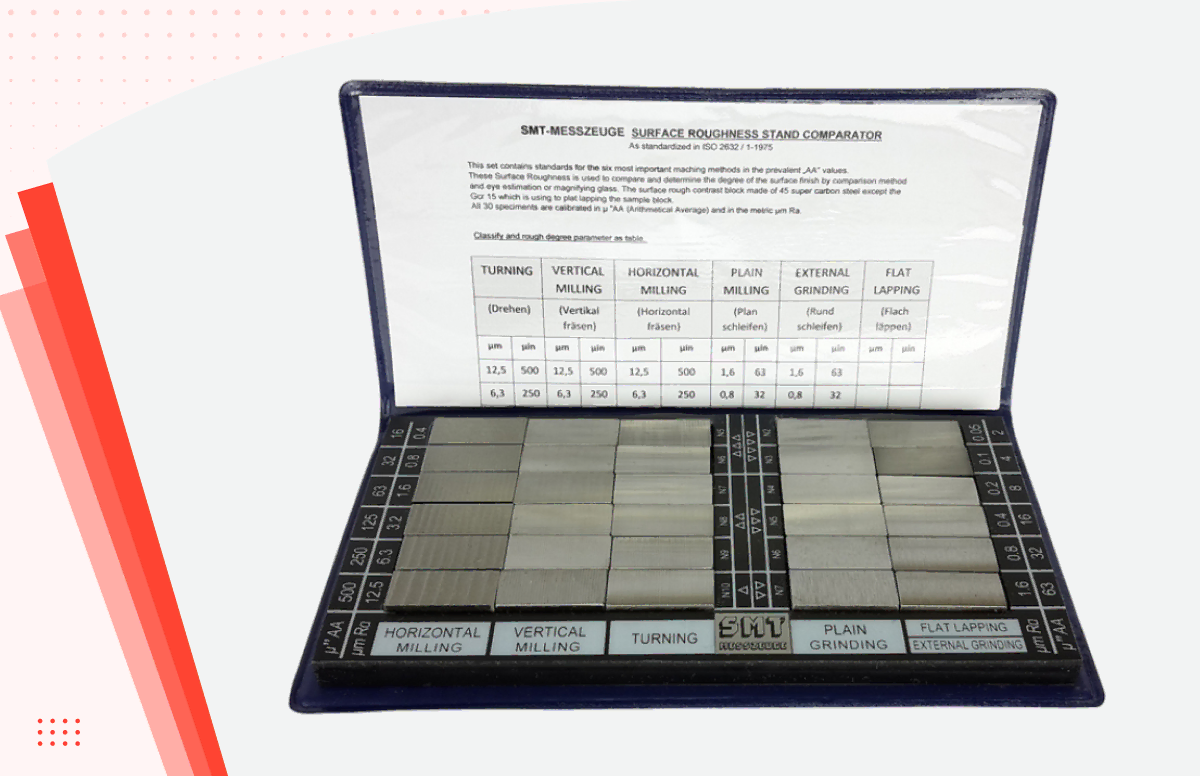
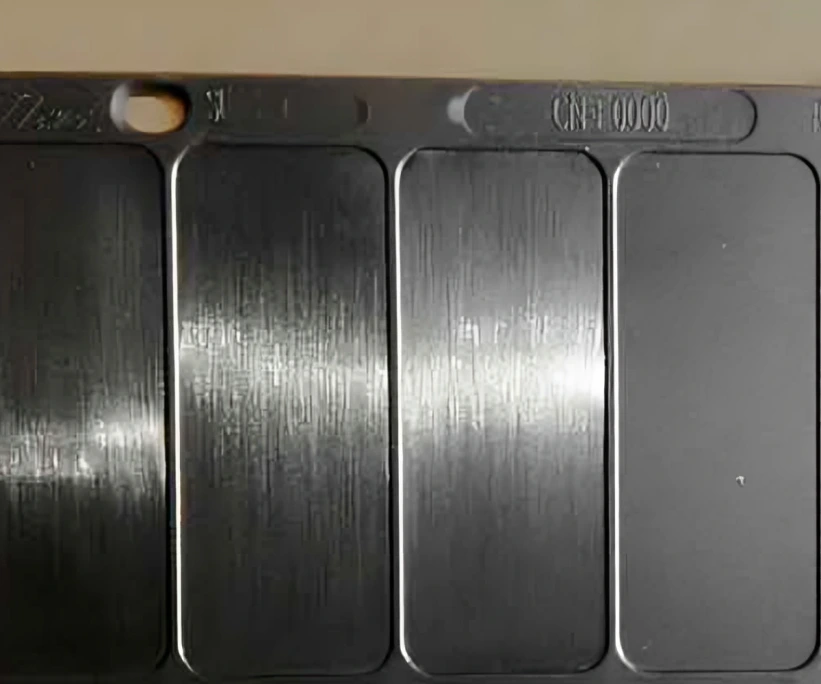
Mold cavity finishes per SPI standard: A-1 mirror polish (Ra 0.012 μm) for transparent housings showing visible inserts, B-1 to B-3 semi-gloss (Ra 0.05–0.1 μm) for functional parts, C-1 to C-3 stone finish (Ra 0.35–1.0 μm) for industrial components, and D-1 to D-3 textured (Ra 0.8–3.2 μm) with Mold-Tech or VDI patterns for grip surfaces.
What Tolerances Does Insert Molding Achieve at XC Machining?

Molded Part DimensionsStandard Tolerance (mm)Tight Tolerance (mm)
Hole Diameter (non-critical)±0.100±0.025
Insert Location (to edge)±0.100±0.050
Insert Concentricity±0.050±0.025
Flatness of Insert Seating Area±0.050±0.025
Insert Positional Accuracy±0.050±0.020
Wall Thickness (nominal)±0.100±0.050
Shaft or Boss Diameter±0.100±0.050
Mold Parting Line Flash±0.050±0.025

What Materials Are Used in Insert Molding at XC Machining?

Insert molding combines a metal or pre-formed insert component with a thermoplastic or engineering resin in a single molding cycle. The table below lists compatible plastic resins and metal insert materials. Resin selection depends on operating temperature, chemical resistance, and mechanical bond strength with the insert material.

Thermoplastics

ABS, PC, PC-ABS, Nylon PA6/PA66, PBT, POM, PE, PP, PVC, TPE/TPU.

  • ABS — consumer electronics housings, automotive interior panels
  • PC — transparent medical device housings, LED light covers
  • Nylon PA66 (glass-filled) — structural automotive connectors, high-load brackets
  • PBT — electrical connectors, sensor housings
  • POM (Delrin) — gear assemblies with metal shaft inserts, low-friction mechanisms

Metal Inserts

  • Brass (C360, C260) — most common insert material; excellent machinability and corrosion resistance for threaded inserts, press-fit pins, and electrical contacts
  • Stainless Steel (304, 316) — for inserts requiring higher strength and corrosion resistance in medical, food-grade, and outdoor applications
  • Carbon Steel (1018, 1045) — cost-effective inserts for structural applications where corrosion resistance is not critical
  • Aluminum (6061, 7075, 2024) — lightweight inserts; less common due to thermal expansion mismatch with most resins
  • Copper (C110) — for inserts requiring excellent electrical or thermal conductivity in electronic assemblies

What Surface Finishes Are Available for Insert Molded Parts?

XC Machining applies the following mold cavity and post-molding surface finishes to insert molded parts. Finish selection depends on cosmetic requirements, grip needs, and insert visibility in the final assembly.

As-Molded Finish

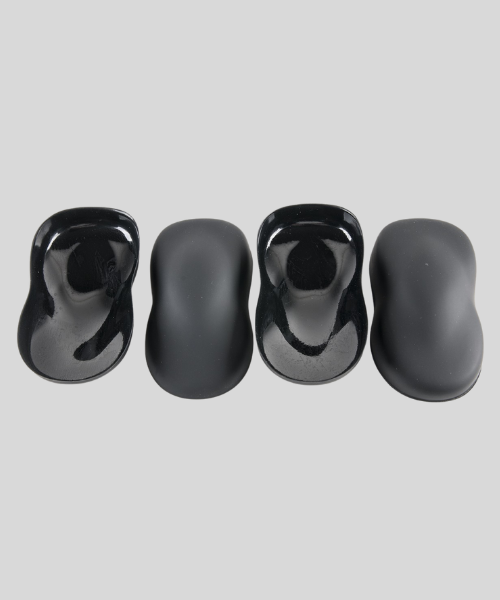
Parts eject directly from the mold with SPI B-1 to B-3 surface quality (Ra 0.05–0.1 μm). As-molded finish is the most cost-effective option when cosmetic appearance is not critical and dimensional accuracy is the primary requirement.

Textured Mold Finish (VDI or Mold-Tech)

Mold-Tech or VDI textures (Ra 0.8–12.5 μm) are etched into the mold cavity steel, producing leather grain, geometric stipple, or wood-grain patterns directly on the molded part. Textures improve grip, hide sink marks near inserts, and reduce fingerprint visibility.

Matte Finish (SPI C1–C3)

SPI C-1 to C-3 matte finish (Ra 0.35–1.0 μm) is created by stone-polishing the mold cavity. Produces a uniform non-reflective surface on insert molded parts — commonly specified for industrial equipment panels and medical device housings.

Polished Finish (SPI A1–A3)

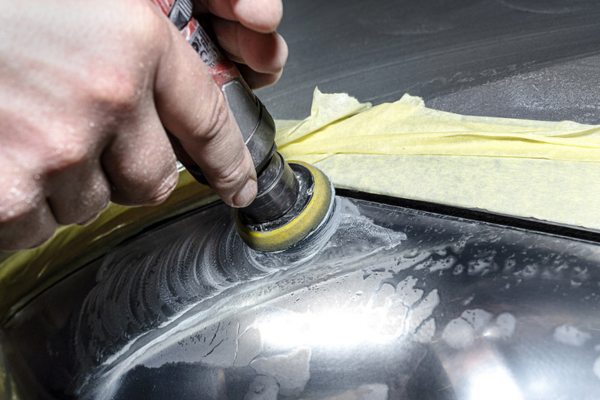
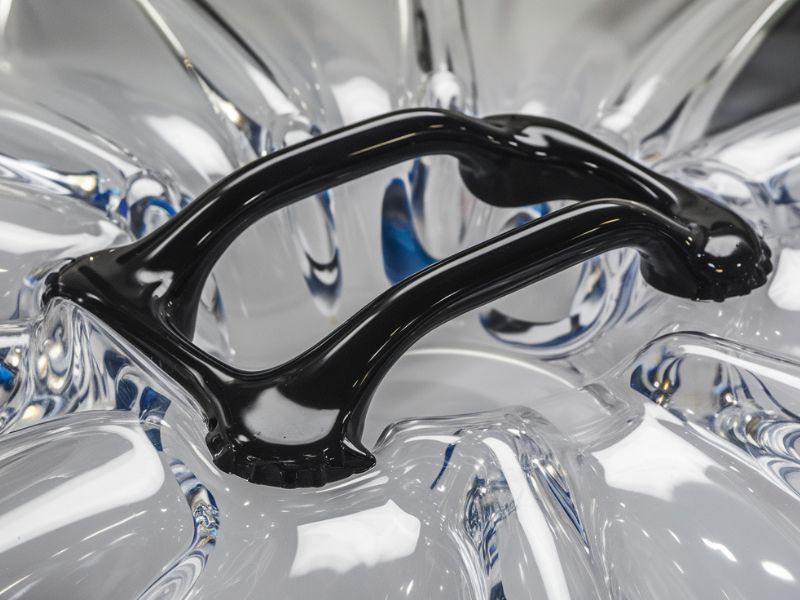
 SPI A-1 to A-3 diamond-polished mold cavities produce mirror-finish insert molded parts at Ra 0.012–0.025 μm. Used for optical components, cosmetic consumer electronics, and transparent housings where insert visibility through the plastic is a design feature.

Bead Blasting

Glass bead blasting applied post-molding creates a uniform satin matte texture at Ra 1.6–3.2 μm. Commonly used on insert molded connectors and enclosures where a consistent non-glossy appearance is required across the full part surface.

Overmold Transition Blending

Transition blending smooths the visible boundary between the metal insert and surrounding plastic at the mold parting line. Techniques include gate placement optimization, mold venting adjustment, and post-mold buffing to achieve a flush insert-to-plastic transition with no visible seam or flash.

Specialist Industries

XC Machining is a trusted partner for industries demanding complexity, reliability and precision. Our expensive experience in producing millions of high quality components brings unmatched expertise to every project. Our services cover a diverse range of applications to ensure that we meet the unique needs of each sector with great care.

Our Insert Molding Prototype Manufacturing Capabilities

As a leader in precision manufacturing, we offer a wide range of capabilities that cater to both one-off prototyping and low-volume production. We specialize in delivering geometrically complex and highly cosmetic parts, ensuring the highest quality standards. At XC Machining, we pride ourselves on being the go-to manufacturer for all your Insert Molding needs, providing reliable and efficient solutions under one roof.
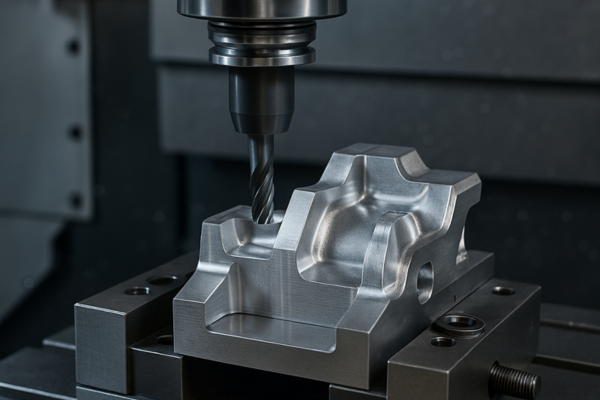
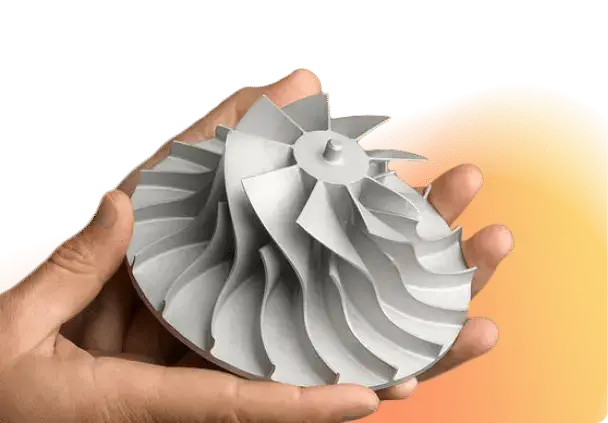
With 3, 4, and 5-axis CNC machining services, we can produce complex prototypes and parts with precise tolerances. More than 60+ materials are available for you to choose from.

Provides injection molding for prototypes and custom parts, emphasizing expert support, competitive pricing, and faster production cycles.

Get reliable vacuum casting services for high-quality prototypes and production parts at competitive prices. XinCheng offers highly detailed casting parts with consistent quality.

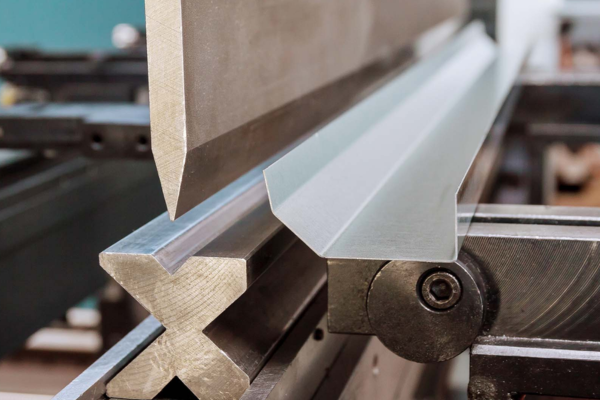
Uses cutting, bending, and forming techniques to produce precision metal components suited for industrial, commercial, and manufacturing applications.

Get In Touch

Bring Your Designs to Life with XC Machining

Experience precision engineering with XC Machining. From detailed prototypes to high-volume production, we’re here to turn your concepts into reality. Contact us today to discuss your project needs!
Get In Touch With Us!
Prompt response guaranteed within 12 hours

Insert Molding Frequently Asked Questions

Choose insert molding when:

(1) your design requires metal components permanently bonded inside plastic — threaded inserts, electrical contacts, bushings, or pins,

(2) secondary assembly operations (press-fitting, gluing, ultrasonic insertion) add cost or reduce reliability,

(3) pull-out strength or torque resistance requirements exceed what post-mold insert installation can achieve, or

(4) high-volume production justifies mold tooling investment. Insert molding is common in automotive connectors, medical devices, and consumer electronics.

 Insert molding reduces cost three ways:

(1) eliminates secondary assembly labor — no press-fitting, gluing, or manual insert installation after molding,

(2) reduces part count by integrating metal and plastic into a single component, and

(3) increases production speed with 20–90 second cycle times versus multi-step assembly taking 2–5 minutes per part. Cost savings typically range from 20–40% compared to molding + post-assembly for volumes above 5,000 parts.

Insert molded parts are stronger than post-assembled equivalents because the plastic forms a mechanical bond and full surface contact with the metal insert during injection. Knurled brass inserts in glass-filled Nylon achieve pull-out forces of 200–500 N and torque-out resistance of 2–8 N·m depending on insert diameter and knurl pattern. This exceeds the performance of ultrasonically installed or press-fit inserts by 30–50%.

Yes. XC Machining insert molds copper, brass, and phosphor bronze electrical contacts, terminals, and bus bars directly into plastic housings. Common applications include automotive wire harness connectors (with 4–64 pin counts), PCB header connectors, sensor housings with molded-in terminals, and industrial switchgear components. Electrical continuity testing is performed on every insert molded electrical component.

XC Machining inspects insert molded parts for:

(1) insert positional accuracy with CMM (±0.020 mm),

(2) pull-out force testing per customer specification,

(3) torque-out testing for threaded inserts,

(4) visual inspection for flash, sink marks, and insert exposure at 100% for critical applications,

(5) electrical continuity testing for molded-in contacts, and

(6) dimensional verification against CAD with full inspection reports. First-article inspection reports (FAIR) provided on production orders.

Insert molding places a pre-formed metal insert (threaded brass, steel pin, copper contact) into an open mold cavity, then injects plastic around it — the result is a metal-in-plastic assembly. Overmolding bonds a soft plastic (TPE, TPU, LSR) over a rigid plastic substrate — the result is a plastic-on-plastic multi-material part. Insert molding is for structural metal integration; overmolding is for soft-touch grip and sealing. XC Machining offers both services.

XC Machining manufactures custom metal inserts in-house via CNC turning, CNC milling, and metal stamping. We produce threaded inserts (M2–M12), dowel pins, electrical terminals, bushings, and custom-geometry inserts per your drawing. We also accept customer-supplied inserts — each incoming batch receives dimensional inspection before loading into the mold to verify compatibility with the mold cavity.

CNC Manufacturing Resources