Home - Medical CNC

Medical CNC Machining Services

XC Machining provides medical CNC machining for US device makers, surgical instrument companies and orthopedic developers. We machine surgical instruments, implant components, dental abutments and diagnostic housings in titanium Grade 5, stainless steel 316L, cobalt-chrome, PEEK and UHMWPE. Tolerances reach ±0.0127 mm (±0.0005 in), with surface finishes from Ra 0.2 μm.

Medical CNC - XC Machining

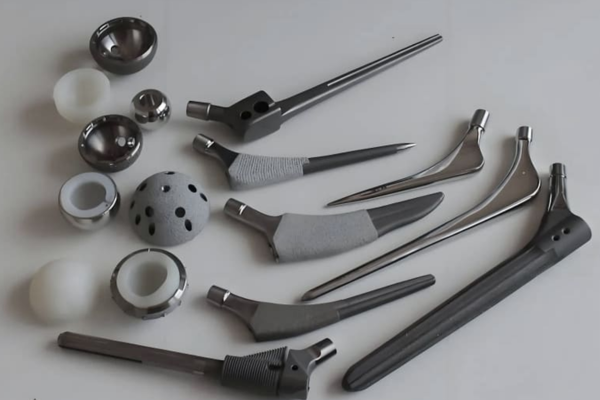
Medical Parts XC Machines: Instruments, Implants, Housings

XC Machining machines medical components in titanium, 316L stainless steel, cobalt-chrome, PEEK, Delrin and UHMWPE. Every medical project follows ISO 9001:2015 procedures, with full material traceability and batch inspection documents. Our medical device manufacturing page covers the wider sector.

Core part groups include:

Why Medical Teams Choose XC for CNC Machining

Medical CNC machining at XC Machining gives device OEMs, instrument makers and implant developers four advantages. They are fast prototypes, repeatable batches, one quality system for every process and complex shapes in hard biocompatible alloys.

Medical CNC - XC Machining
Fast Prototypes and Production Delivery

Medical CNC prototypes ship in 3 to 5 business days for design verification testing (DVT) samples. Production batches of 100 to 5,000 parts finish in 10 to 15 business days. We plan each medical job around your testing and submission dates.

Batch-to-Batch Consistency

We hold ±0.005 mm part-to-part consistency across runs of 100 to 10,000 medical parts. Our machines follow documented calibration schedules traceable to NIST standards. Every production batch gets CMM inspection with a process capability (Cpk) of 1.33 or higher.

Medical CNC - XC Machining
Full-Service Medical Manufacturing

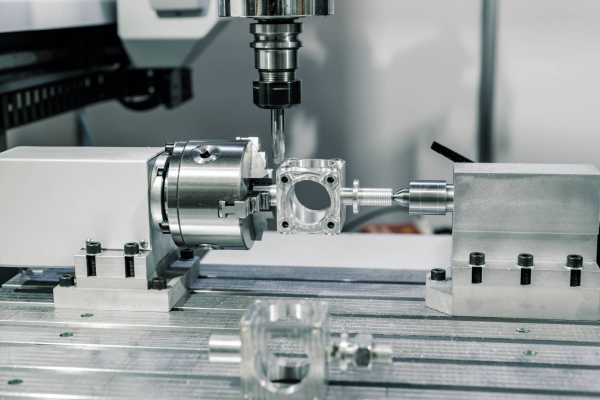
We run 5 axis CNC milling, Swiss CNC turning, wire EDM, CNC lathe machining, medical injection molding and metal 3D printing under one quality system. Post-machining covers passivation per ASTM A967, electropolishing, bead blasting and laser marking for UDI (unique device identification) labels.

Complex Geometries in Hard Alloys

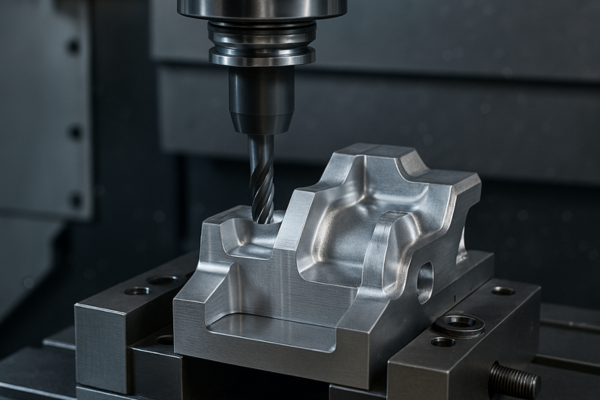
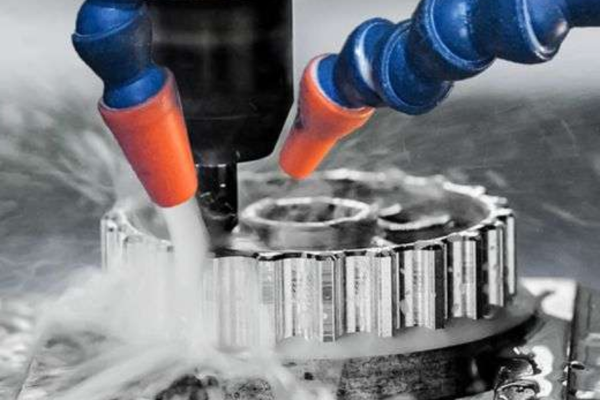
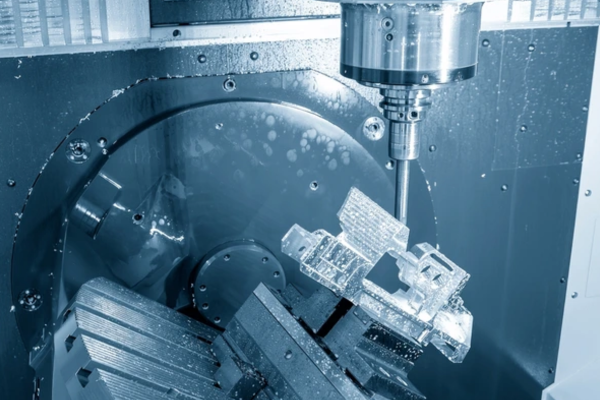
Five axis simultaneous machining cuts contoured implant surfaces, bone plate profiles, undercut screw pockets and multi-angle drill guide channels in a single setup. One setup removes re-fixturing error and keeps ±0.0127 mm on patient-contact features. Read more on our 5 axis CNC machining page.

Design Tips for Medical CNC Parts

A few drawing choices decide cost, finish and lead time on medical parts. Our DFM engineer checks these points before we quote.

FeatureTipWhy it matters
Wall thicknessKeep walls at 0.3 mm (0.012 in) or thickerOur minimum wall. Thinner walls flex under the tool
Small featuresKeep slots wide enough for a 0.2 mm end mill and use drill sizes of 0.6 mm or largerMicro tools break easily and cut slowly
Patient-contact surfacesMark which surfaces need Ra 0.2 to 0.8 μmFinish steps add cost, so apply them only where the part needs them
SterilizationState the method: autoclave (134°C), EtO or gammaThe method guides material and finish choices
Material gradeUse implant-grade metals only on patient-contact partsWe use mild steel and tool steel on jigs, fixtures and tooling only
Internal featuresShow tool access to deep pockets and channelsFeatures the tool cannot reach are flagged in DFM
Part sizeMilled parts to 2000 x 1000 x 500 mm. Turned parts to 150 x 300 mm. Swiss parts from 0.5 to 32 mm diameterLarger parts need a different process
UDI markingShow the laser mark location on the drawingThe mark needs a flat, finished area

Want a second opinion before you release a drawing? Send it for a free DFM review, and an engineer replies within 12 hours.

Medical CNC Tolerances and Part Size Limits

Medical parts need tighter tolerances than standard CNC work. XC Machining holds the tolerances below, and our CMM inspection supports ±0.0127 mm on critical dimensions.

FeatureSpecification
MetalsISO 2768-m
PlasticsISO 2768-c
Precision toleranceAs tight as ±0.0127 mm (±0.0005 in), or as your drawing requires
Surface finishRa 0.8 μm (Ra 32 μin) as standard. Ra 0.2 to 0.8 μm on patient-contact surfaces
Minimum wall thickness0.3 mm (0.012 in)
Minimum end mill size0.2 mm (0.008 in)
Minimum drill size0.6 mm (0.024 in)
Maximum part sizeMilling 2000 x 1000 x 500 mm (79 x 39 x 20 in). Turning 150 x 300 mm (5.9 x 11.8 in)
Minimum part sizeMilling 5 x 5 x 5 mm (0.2 in cube). Turning 1 x 1 mm (0.04 in)
Swiss turning diameter0.5 to 32 mm (0.02 to 1.26 in)
Production volumePrototype 1 to 100 parts
Lead timePrototypes 3 to 5 business days. Production batches 10 to 15 business days
Medical CNC - XC Machining

Four CNC Technologies for Medical Parts

XC Machining uses four CNC technologies for medical work. Each one fits specific part shapes, materials and tolerance needs.

How We Customize CNC Parts for Medical Devices

XC Machining makes custom medical components from your CAD geometry, material specification and functional needs. Our engineers review each design for four points. They are minimum wall thickness (0.3 mm), biocompatible material choice (titanium, 316L, CoCr, PEEK), sterilization compatibility (autoclave, EtO, gamma) and surface finish. Patient-contact surfaces target Ra 0.2 to 0.8 μm.

Medical CNC - XC Machining

Medical CNC Prototypes in 3 to 5 Days

XC Machining delivers medical CNC prototypes in 3 to 5 business days for DVT samples. We make 1 to 50 functional prototypes in production-grade titanium, PEEK or 316L stainless steel. The samples match your final material, so you can test fit, form and function before you commit to production.

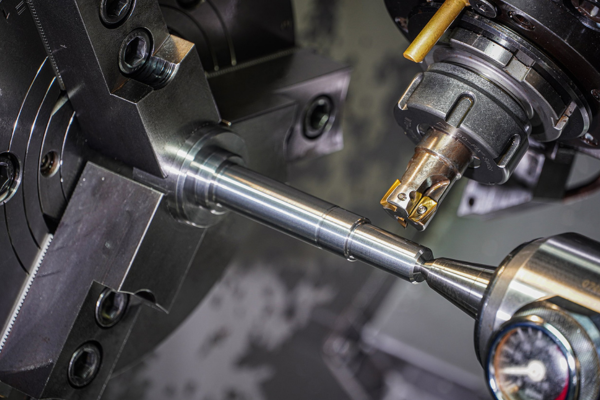
Surgical instrument machining uses 5 axis CNC mills and Swiss CNC lathes. They produce forceps handles, retractor arms, cannulas, trocar tips and drill guide sleeves in 17-4 PH stainless steel, titanium Grade 5 and PEEK. Our rapid prototyping service covers other prototype routes.

Medical Quality, Equipment and DFM Support

Every medical project follows ISO 9001:2015 procedures. That includes in-process CMM checks, surface roughness measurement against your Ra spec and 100 percent visual inspection under magnification. Medical shipments include dimensional reports, material certificates with heat lot traceability and certificates of conformance (CoC).

Medical CNC - XC Machining
Medical CNC Equipment

Our medical machining department runs 5 axis simultaneous CNC mills and wire EDM machines. It also runs Swiss-type lathes with 0.5 to 32 mm capacity and CNC turning centers with live tooling. All follow documented calibration schedules traceable to NIST standards.

Medical CNC - XC Machining
Biocompatible Material Range

We machine titanium Grade 2 and Grade 5 (Ti-6Al-4V), stainless steel 316L and 17-4 PH, cobalt-chrome (CoCr), PEEK, UHMWPE, Delrin and medical-grade polycarbonate. Material certificates and mill test reports come with every order.

Medical CNC - XC Machining
Medical DFM Engineering

Our engineers review medical designs for wall thickness (minimum 0.3 mm) and tool access. They also check sterilization compatibility (autoclave at 134°C, EtO and gamma), finish targets and material alternatives. DFM feedback arrives within 12 hours.

Medical CNC - XC Machining
Medical Surface Finishing

Finishes include passivation per ASTM A967 for stainless steel and electropolishing to Ra 0.1 to 0.4 μm. We also offer bead blasting, mirror polishing to Ra 0.05 μm and laser marking for UDI labels. Our surface finishing page lists every option.
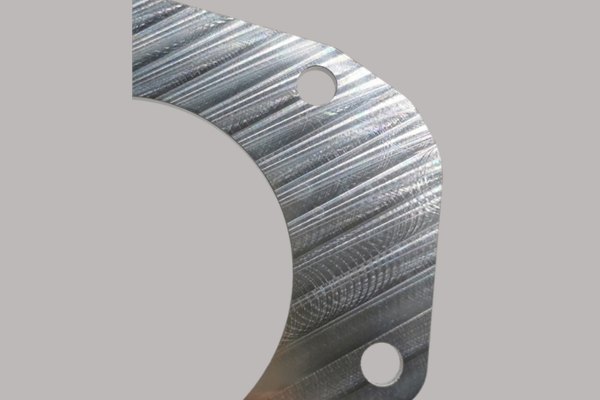
Surface Finishes for Medical CNC Parts

We apply these finishes to medical CNC parts for corrosion resistance, cleanability and smooth patient-contact surfaces. Biocompatibility testing of the finished device stays with the device owner. We supply the material certificates and process records for that file.

Medical CNC - XC Machining
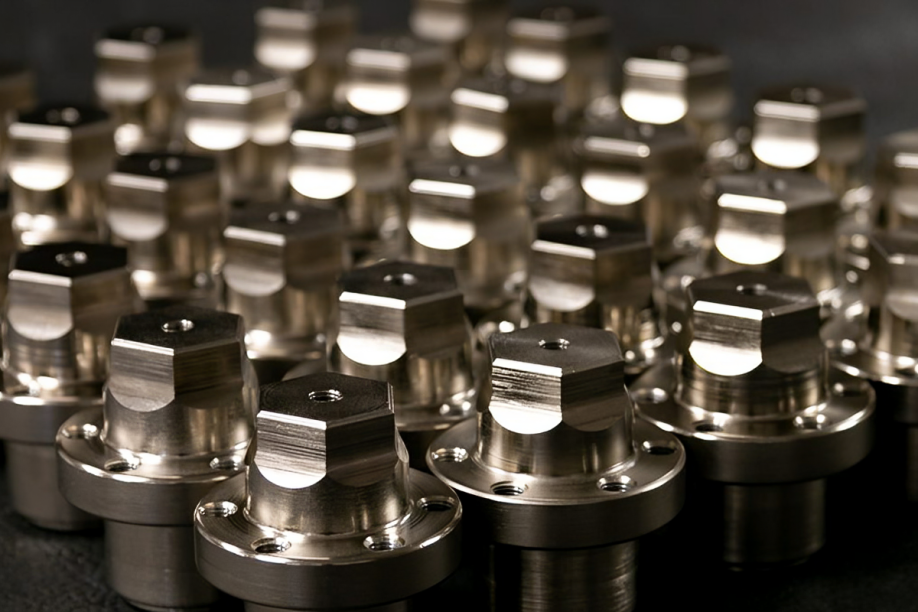
As machined

As machined (Ra 0.8 μm) is the lowest cost option, for hidden or non-contact surfaces.

Medical CNC - XC Machining
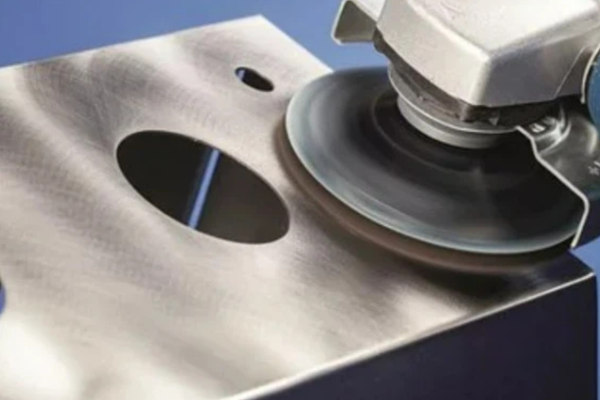
Sanding

Sanding (Ra 0.8 to 1.6 μm) removes tool marks and prepares implant and instrument parts for electropolishing or passivation before final sterilization.

Medical CNC - XC Machining
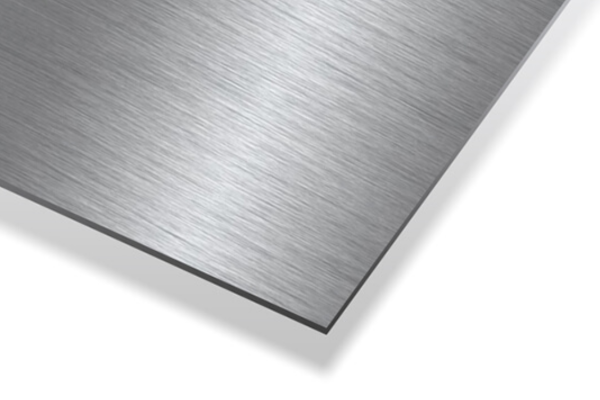
Brushing

Brushing (Ra 0.4 to 0.8 μm) is a directional satin texture on stainless steel instruments that cuts glare under operating room lights and improves wet grip.

Medical CNC - XC Machining
Electropolishing

Electropolishing (Ra 0.1 to 0.4 μm) removes 10 to 25 μm from stainless steel and titanium by electrolytic dissolution, per ASTM B912. It improves corrosion resistance.

Medical CNC - XC Machining
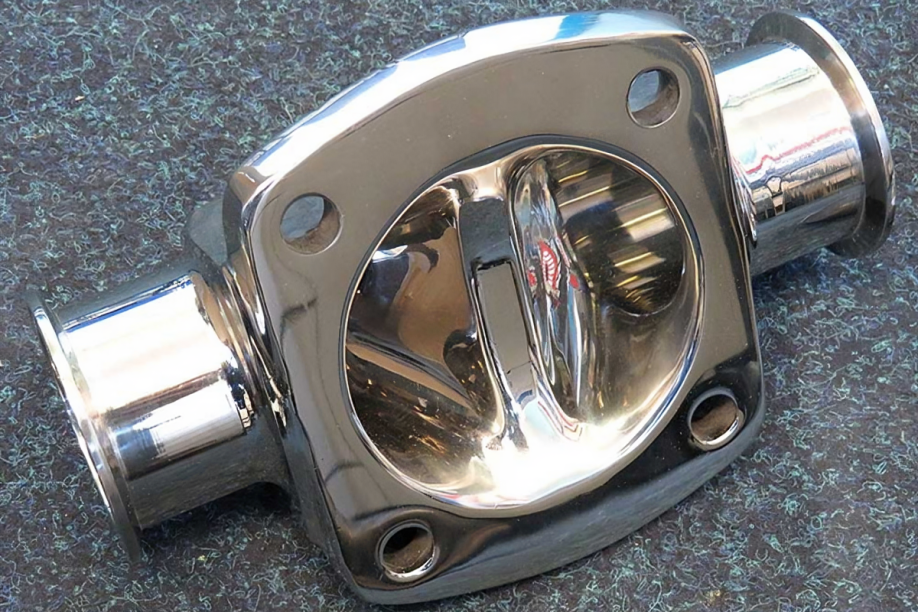
Mirror polishing

Mirror polishing (Ra 0.05 to 0.2 μm) is a smooth finish on titanium and cobalt-chrome implant surfaces.

Medical CNC - XC Machining
Passivation

Passivation cleans stainless steel to improve corrosion resistance, per ASTM A967.

Medical CNC - XC Machining
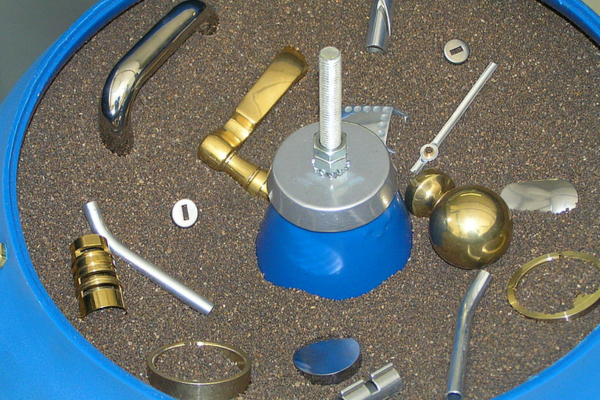
Vibratory finishing

Vibratory finishing (Ra 0.4 to 0.8 μm) deburrs batches of small parts such as bone screws, pins, dental abutments and suture anchors. Edges come out rounded.

Medical CNC - XC Machining
Sand blasting

Sand blasting is an even matte texture that hides tool marks and prepares the surface for coating.

Medical CNC - XC Machining
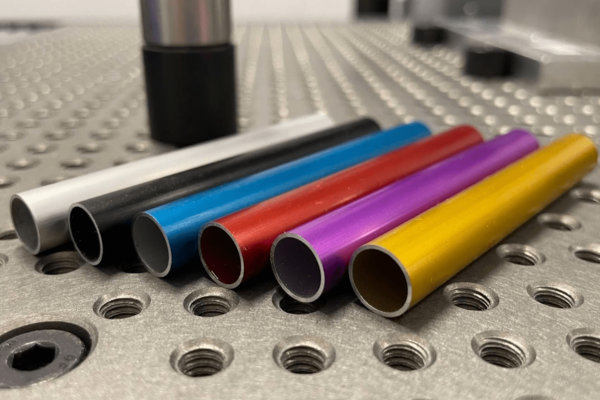
Type III hard anodizing

Type III hard anodizing builds a 25 to 80 μm oxide layer on aluminum device housings and instrument handles. Color coding helps identify surgical sets and sterile trays.

Medical CNC - XC Machining
Powder coating

Powder coating is a durable color coat on suitable metal equipment parts.

Medical CNC - XC Machining
Electroplating

Electroplating is nickel, chrome, zinc or gold on equipment parts for corrosion resistance and wear.

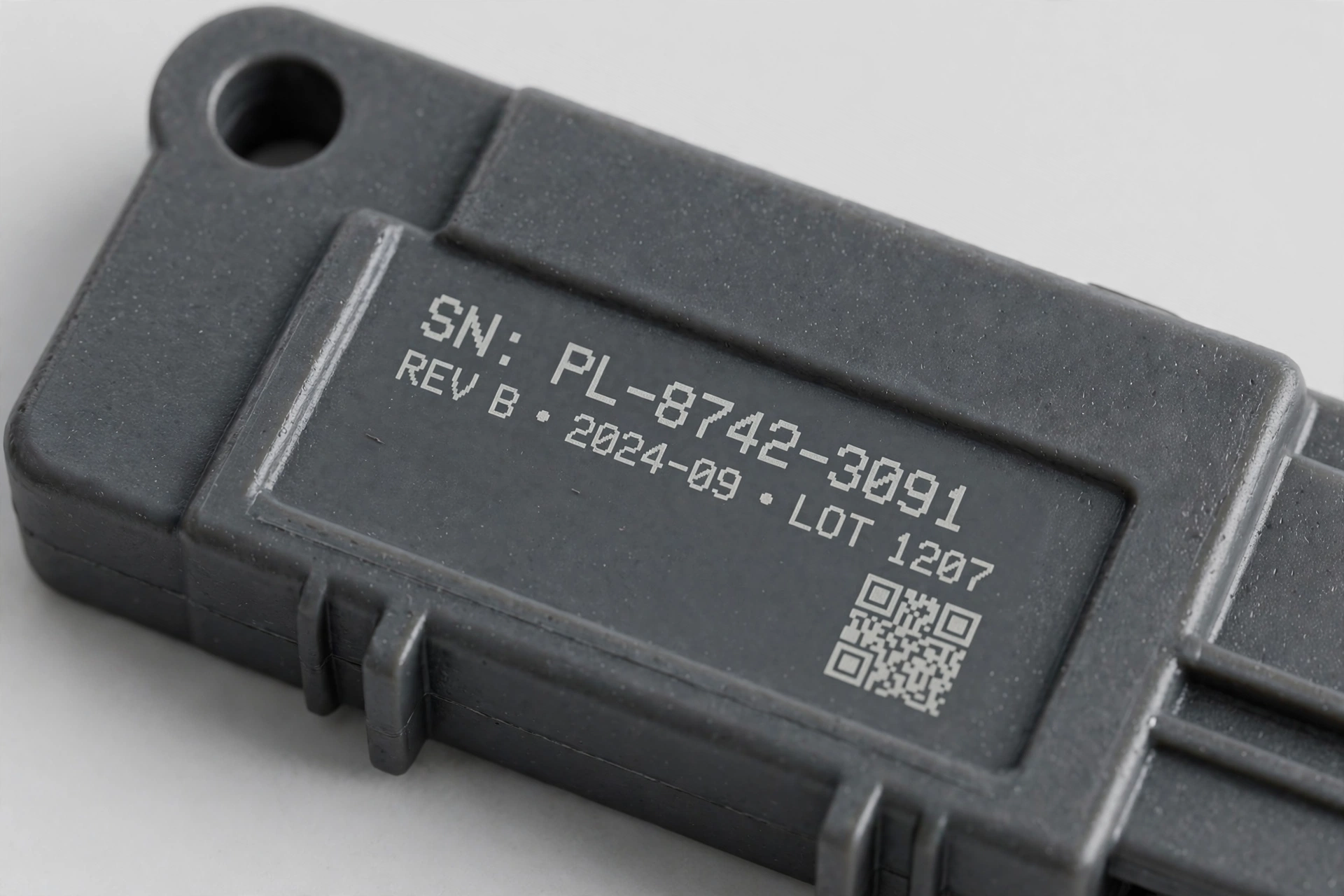
Dark gray plastic part with a laser-engraved serial number and QR code
Laser marking

Laser marking is permanent marks for UDI labels and part identification.

Materials for Medical CNC Machining

XC Machining machines 60+ metals and engineering plastics for medical equipment and devices. Pick the material by strength, corrosion resistance, cleanability, sterilization method and use. The table lists the 12 material families on our material pages. Two more medical materials, cobalt-chrome and UHMWPE, follow the table.

MaterialCommon gradesYield (MPa)Tensile (MPa)
Aluminum6061-T6, 7075-T6, 2024-T3, 5052-H32, 6082-T6190 to 505230 to 570
Carbon Steel1018, 1045, 1060, 12L14, 1095200 to 900350 to 1,100
Stainless Steel303, 304, 316, 316L, 17-4 PH170 to 1,170485 to 1,310
TitaniumGrade 2, Grade 5 (Ti-6Al-4V), Grade 23 (Ti-6Al-4V ELI)170 to 900240 to 1,000
BrassC36000, C26000, C28000, C4640075 to 450300 to 600
CopperC10100, C10200, C11000, C1450050 to 350200 to 400
ABSGeneral purpose, impact modified, flame retardant30 to 5035 to 55
Nylon (PA)PA6, PA66, PA12, glass filled nylon45 to 8550 to 90
Polycarbonate (PC)General purpose, optical, flame retardant55 to 7055 to 75
POM (Delrin)POM-C, POM-H, Delrin 150, Delrin 50055 to 7560 to 80
PEEKUnfilled, GF30, CF30, bearing grade85 to 11090 to 110
PTFE (Teflon)Virgin, glass filled, carbon filled, bronze filledVaries by formulation20 to 35
Medical CNC - XC Machining
Aluminum Medical CNC Machining

Aluminum is light, resists corrosion and machines quickly. It suits medical equipment housings, diagnostic device frames, instrument handles and precision fixtures. We use 6061, 7075 and 2024 for precision medical parts.

Grades: 6061-T6, 7075-T6, 2024-T3, 5052-H32, 6082-T6

Strength: yield 190 to 505 MPa, tensile 230 to 570 MPa. Color: Silver.

Design note: Type III hard anodizing adds a wear layer and color coding for instrument sets.

Color:
Silver
Yield Strength (MPa)
190–505 MPa
Tensile Yield (MPa)
230–570 MPa
Common Grades
6061-T6, 7075-T6, 2024-T3, 5052-H32, 6082-T6
Medical CNC - XC Machining
Carbon Steel Medical CNC Machining

Carbon steel gives strength and toughness at a low cost. We use mild steel 1018 and 1045 for non-patient-contact parts only: medical jigs, test fixtures, manufacturing tooling and equipment mounting brackets. Tool steel D2, O1 and H13 goes into medical injection mold inserts, stamping dies and instrument forming tools, never into patient-contact parts.

Grades: 1018, 1045, 1060, 12L14, 1095

Strength: yield 200 to 900 MPa, tensile 350 to 1,100 MPa. Color: Metallic gray.

Design note: Bare steel rusts, so plan a plating or coating where cleaning or moisture matters.

Color:
Metallic gray
Yield Strength (MPa)
200–900 MPa
Tensile Yield (MPa)
350–1,100 MPa
Common Grades
1018, 1045, 1060, 12L14, 1095
Medical CNC - XC Machining
Stainless Steel Medical CNC Machining

Stainless steel resists corrosion and keeps its strength through repeated cleaning and sterilization when the grade and process are right. We use 316L for implant-contact parts (ASTM F138), 17-4 PH for instrument handles and 304 for device housings. Our stainless steel CNC machining page covers the grades.

Grades: 303, 304, 316, 316L, 17-4 PH

Strength: yield 170 to 1,170 MPa, tensile 485 to 1,310 MPa. Color: Silver gray.

Design note: Stainless is passivated per ASTM A967 after machining, and it cuts slower than aluminum.

Color:
Silver gray
Yield Strength (MPa)
170–1,170 MPa
Tensile Yield (MPa)
485–1,310 MPa
Common Grades
303, 304, 316, 316L, 17-4 PH
Medical CNC - XC Machining
Titanium Medical CNC Machining

Titanium combines high strength to weight with corrosion resistance and biocompatibility in the right grades. It suits orthopedic implants, dental abutments, spinal fixation hardware and reusable surgical instruments. Our titanium CNC machining page has more detail.

Grades: Grade 2, Grade 5 (Ti-6Al-4V), Grade 23 (Ti-6Al-4V ELI)

Strength: yield 170 to 900 MPa, tensile 240 to 1,000 MPa. Color: Silver gray.

Design note: Titanium wears tools quickly, so cost per part runs above steel and aluminum.

Color:
Silver gray
Yield Strength (MPa)
170–900 MPa
Tensile Yield (MPa)
240–1,000 MPa
Common Grades
Grade 2, Grade 5 (Ti-6Al-4V), Grade 23 (Ti-6Al-4V ELI)
Medical CNC - XC Machining
Brass Medical CNC Machining

Brass machines freely, resists corrosion and conducts electricity. We use brass C360 and C464 for medical fluid connectors, valve bodies and instrument mechanism parts. Laboratory equipment uses it for connectors, threaded parts and fittings.

Grades: C36000, C26000, C28000, C46400

Strength: yield 75 to 450 MPa, tensile 300 to 600 MPa. Color: Golden yellow.

Design note: Brass is softer than steel, so it is a poor fit for high load parts.

Color:
Golden yellow
Yield Strength (MPa)
75–450 MPa
Tensile Yield (MPa)
300–600 MPa
Common Grades
C36000, C26000, C28000, C46400
Medical CNC - XC Machining
Copper Medical CNC Machining

Copper conducts heat and electricity very well. It suits electrical contacts in diagnostic equipment, conductive terminals and thermal management parts in imaging devices.

Grades: C10100, C10200, C11000, C14500

Strength: yield 50 to 350 MPa, tensile 200 to 400 MPa. Color: Reddish brown.

Design note: Copper is soft and burrs easily, so we deburr every edge.

Color:
Reddish brown
Yield Strength (MPa)
50–350 MPa
Tensile Yield (MPa)
200–400 MPa
Common Grades
C10100, C10200, C11000, C14500
Medical CNC - XC Machining
ABS Medical CNC Machining

ABS is tough, light and low cost, with good impact resistance. It suits diagnostic equipment housings, instrument covers, prototypes and non-implantable device parts.

Grades: General purpose, impact modified, flame retardant

Strength: yield 30 to 50 MPa, tensile 35 to 55 MPa. Color: Black, white, natural.

Design note: ABS softens at lower temperatures than nylon, POM or PEEK.

Color:
Black, white, natural
Yield Strength (MPa)
30–50 MPa
Tensile Yield (MPa)
35–55 MPa
Common Grades
General purpose, impact modified, flame retardant
Medical CNC - XC Machining
Nylon (PA) Medical CNC Machining

Nylon resists wear and gives smooth motion in bushings, rollers and guide parts.

Grades: PA6, PA66, PA12, glass filled nylon

Strength: yield 45 to 85 MPa, tensile 50 to 90 MPa. Color: Natural white, black.

Design note: Nylon absorbs moisture, so tell us the service conditions when tolerances are tight.

Color:
Natural white, black
Yield Strength (MPa)
45–85 MPa
Tensile Yield (MPa)
50–90 MPa
Common Grades
PA6, PA66, PA12, glass filled nylon
Medical CNC - XC Machining
Polycarbonate Medical CNC Machining

Polycarbonate resists impact and some grades are clear. It suits protective shields, covers and housings.

Grades: General purpose, optical, flame retardant

Strength: yield 55 to 70 MPa, tensile 55 to 75 MPa. Color: Transparent, white, black.

Design note: Clear polycarbonate parts need polishing to stay transparent.

Color:
Transparent, white, black
Yield Strength (MPa)
55–70 MPa
Tensile Yield (MPa)
55–75 MPa
Common Grades
General purpose, optical, flame retardant
Medical CNC - XC Machining
POM (Delrin) Medical CNC Machining

POM (Delrin) holds its size, runs with low friction and resists wear. It suits gears, bushings, sliding parts and instrument mechanisms.

Grades: POM-C, POM-H, Delrin 150, Delrin 500

Strength: yield 55 to 75 MPa, tensile 60 to 80 MPa. Color: Natural white, black.

Design note: POM holds tight tolerances more easily than nylon.

Color:
Natural white, black
Yield Strength (MPa)
55–75 MPa
Tensile Yield (MPa)
60–80 MPa
Common Grades
POM-C, POM-H, Delrin 150, Delrin 500
Medical CNC - XC Machining
PEEK Medical CNC Machining

PEEK is a high performance plastic with strong heat resistance, chemical stability and strength. Medical-grade PEEK suits surgical instrument parts, sterilizable equipment parts and specialized devices, after validation for the application.

Grades: Unfilled, GF30, CF30, bearing grade

Strength: yield 85 to 110 MPa, tensile 90 to 110 MPa. Color: Natural beige, black.

Design note: PEEK costs far more than other plastics, so use it where heat or chemicals rule the others out.

Color:
Natural beige, black
Yield Strength (MPa)
85–110 MPa
Tensile Yield (MPa)
90–110 MPa
Common Grades
Unfilled, GF30, CF30, bearing grade
Medical CNC - XC Machining
PTFE (Teflon) Medical CNC Machining

PTFE resists chemicals and has extremely low friction. It suits seals, gaskets, valve seats, insulating parts and sliding components in laboratory and diagnostic equipment.

Grades: Virgin, glass filled, carbon filled, bronze filled

Strength: yield varies by formulation and test method, tensile 20 to 35 MPa. Color: White, black.

Design note: PTFE is soft and creeps under load, so tight tolerances are hard to hold.

Color:
White, black
Yield Strength (MPa)
Varies by formulation
Tensile Yield (MPa)
20–35 MPa
Common Grades
Virgin, glass filled, carbon filled, bronze filled

What Materials Does XC Machining Use for Medical CNC?

XC Machining CNC machines biocompatible metals and medical-grade plastics for surgical instruments, implants, device housings, and laboratory components. Each material below includes applicable biocompatibility standards, typical medical applications, and machining characteristics. Material certifications with heat lot traceability and mill test reports are provided with every medical order.

Aluminum

Aluminum is light, resists corrosion and machines quickly. It suits medical equipment housings, diagnostic device frames, instrument handles and precision fixtures. We use 6061, 7075 and 2024 for precision medical parts.

Stainless Steel

Stainless steel resists corrosion and keeps its strength through repeated cleaning and sterilization when the grade and process are right. We use 316L for implant-contact parts (ASTM F138), 17-4 PH for instrument handles and 304 for device housings.

Mild Steel

We use mild steel 1018 and 1045 for non-patient-contact parts only: medical jigs, test fixtures, manufacturing tooling and equipment mounting brackets.

Tool Steel

Tool steel D2, O1 and H13 goes into medical injection mold inserts, stamping dies and instrument forming tools, never into patient-contact parts.

Brass

Brass machines freely, resists corrosion and conducts electricity. We use brass C360 and C464 for medical fluid connectors, valve bodies and instrument mechanism parts. Laboratory equipment uses it for connectors, threaded parts and fittings.

Copper

Copper conducts heat and electricity very well. It suits electrical contacts in diagnostic equipment, conductive terminals and thermal management parts in imaging devices.

Titanium

Titanium combines high strength to weight with corrosion resistance and biocompatibility in the right grades. It suits orthopedic implants, dental abutments, spinal fixation hardware and reusable surgical instruments.

Cobalt-Chrome

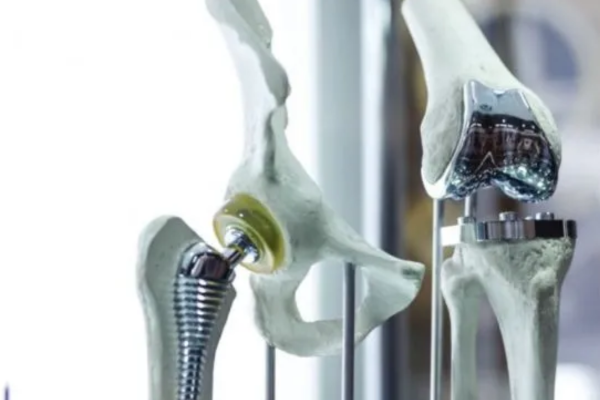
Cobalt-chrome is a hard, wear-resistant alloy used for implant bearing surfaces. We machine CoCr to ASTM F75 for knee, hip and dental parts.

UHMWPE

UHMWPE (ultra-high molecular weight polyethylene) is a tough, low friction plastic used in prosthetic joint liners and sockets.

Medical CNC - XC Machining

Our Medical CNC Prototype Manufacturing Capabilities

As a leader in precision manufacturing, we offer a wide range of capabilities that cater to both one-off prototyping and low-volume production. We specialize in delivering geometrically complex and highly cosmetic parts, ensuring the highest quality standards. At XC Machining, we pride ourselves on being the go-to manufacturer for all your Medical CNC needs, providing reliable and efficient solutions under one roof.
With 3, 4, and 5-axis CNC machining services, we can produce complex prototypes and parts with precise tolerances. More than 60+ materials are available for you to choose from.

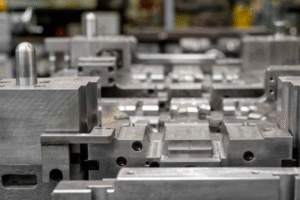
Provides injection molding for prototypes and custom parts, emphasizing expert support, competitive pricing, and faster production cycles.

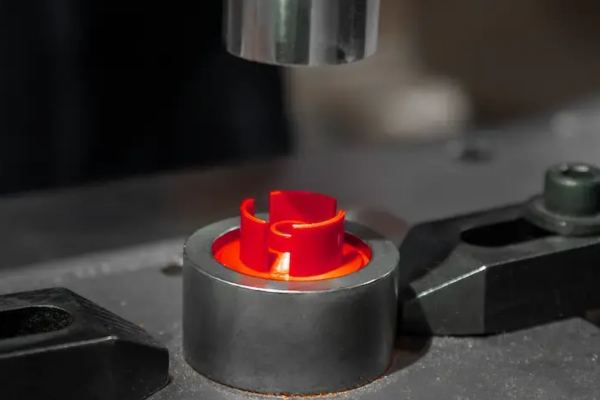
Get reliable vacuum casting services for high-quality prototypes and production parts at competitive prices. XC Machining offers highly detailed casting parts with consistent quality.

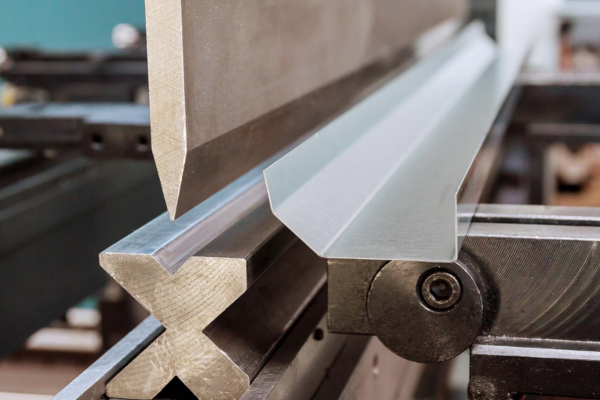
Uses cutting, bending, and forming techniques to produce precision metal components suited for industrial, commercial, and manufacturing applications.

Specialist Industries

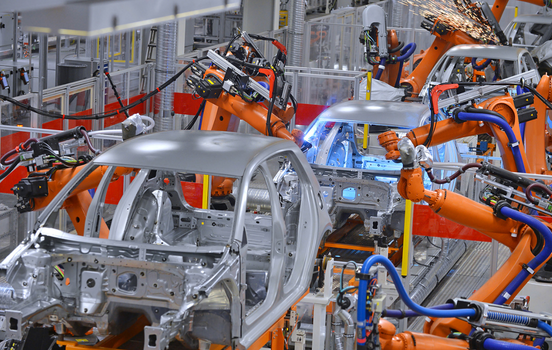
XC Machining is a trusted partner for industries demanding complexity, reliability and precision. Our extensive experience in producing millions of high quality components brings unmatched expertise to every project. Our services cover a diverse range of applications to ensure that we meet the unique needs of each sector with great care.
Get In Touch

Bring Your Designs to Life with XC Machining

Experience precision engineering with XC Machining. From detailed prototypes to high-volume production, we’re here to turn your concepts into reality. Contact us today to discuss your project needs!

Get In Touch With Us!
Prompt response guaranteed within 12 hours

Medical CNC Machining FAQs

Choose CNC machining when you need tolerances tighter than ±0.05 mm, a biocompatible metal or plastic, or a shape that molding cannot make. It also fits volumes below 10,000 units and jobs that need material certificates with full traceability. Typical parts include surgical instruments, bone fixation hardware, dental implant parts, spinal cages and diagnostic housings.

You upload a STEP or IGES file. Our engineers send DFM feedback within 12 hours. We program the toolpaths, machine the part with in-process CMM checks and apply your finish, such as passivation or electropolishing. Each order ships with a dimensional report, a material certificate with heat lot number and a certificate of conformance. Total lead time is 5 to 15 business days.

Yes. Our 5 axis machines cut contoured femoral condyle surfaces, tibial tray profiles and multi-angle pedicle screw channels. They also cut undercut dental abutments. Materials include titanium Grade 5, cobalt-chrome (ASTM F75) and PEEK. A single setup removes re-fixturing and holds ±0.0127 mm across the contact surfaces, which limits stacked positioning error.

Medical devices fall under ISO 13485 and FDA 21 CFR Part 820. Part 820 is now the Quality Management System Regulation, and it incorporates ISO 13485. ISO 10993 covers biocompatibility. XC Machining is ISO 9001:2015 certified and works to documented procedures with traceability, CMM records and certificates of conformance. Tell us your requirements before you quote, and we will confirm which documents we can supply.

Medical shipments include a dimensional inspection report, a material certificate with heat lot traceability and a certificate of conformance. Material certificates and mill test reports come with every order. CMM records are kept for production batches. Ask for any extra documents, such as first article reports, when you request your quote.

We machine titanium Grade 2 and Grade 5, stainless steel 316L and 17-4 PH, cobalt-chrome, PEEK, UHMWPE, Delrin and medical-grade polycarbonate. Implant-contact parts use biocompatible grades such as 316L, titanium and CoCr. Mild steel and tool steel go into jigs, fixtures and tooling only. Tell our engineer the application, and we will suggest a grade.

Material, machine time, part complexity, tolerance, finish and quantity set the price. Titanium and cobalt-chrome cut slower than aluminum or 316L. Thin walls, micro features and tight tolerances add setups and CMM time. Electropolishing, passivation and laser marking add separate steps. Larger batches spread setup cost across more parts, so the cost per part falls.

CNC Manufacturing Resources