CNC Routing Services for Custom Sheet Parts
XC Machining provides CNC routing services for businesses and product teams across the USA. We cut, shape and engrave sheet parts up to 2400 x 1200 mm (94 x 47 in) in plastics, wood, composites and aluminum. Tolerances reach ±0.127 mm (±0.005 in), and most projects ship in 5 to 7 business days.
- All uploads are secure and confidential
Why Choose XC for Large-Format CNC Routing
Our custom CNC routing covers signage, architectural panels, furniture parts, packaging prototypes, enclosures and display fixtures. Our large-bed routers cut sheet up to 2400 x 1200 x 50 mm (94 x 47 x 2 in). Materials include ABS, HDPE, acrylic, polycarbonate, MDF, plywood, foam and aluminum composite (ACM). We route prototypes from 1 part and production runs of 2,000+ parts per order. For metal parts that need tighter tolerances, our CNC machining services take over.
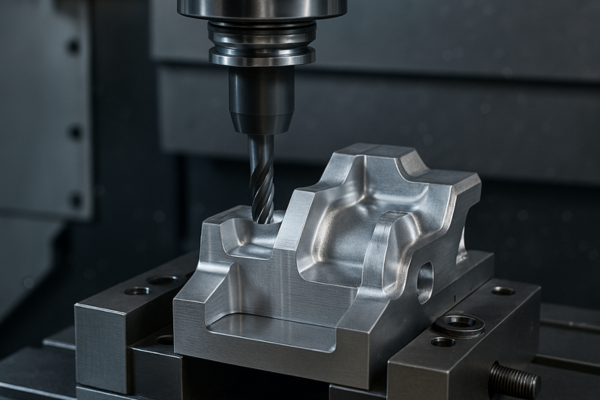
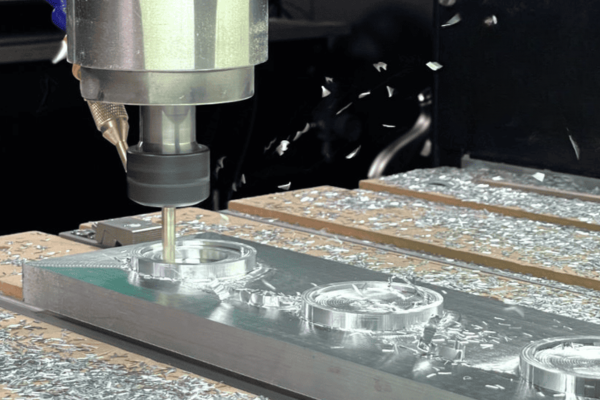
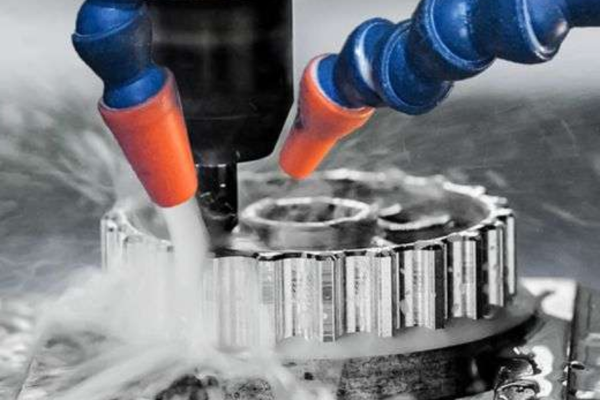
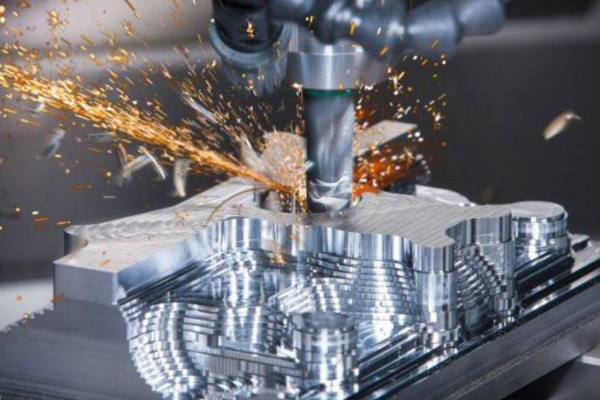
CAM software programs every part. It sets the toolpath for the material, bit diameter and feed rate. Our gantry-style routers hold each sheet flat on a vacuum hold-down table, and dust extraction pulls chips away for clean cuts. Before production, an engineer reviews tab placement, corner radii and nesting layout and sends DFM feedback.
Standard lead time is 5 to 7 business days, and simple parts can ship in 1 day.
We route plastics (ABS, HDPE, UHMW, acrylic, polycarbonate), wood (MDF, Baltic birch plywood), composites (ACM panels, carbon fiber sheet), and soft metals (aluminum, brass) with standard lead times of 5–7 business days.
CNC Routed Parts We Make: Signs, Panels and Fixtures
CNC routing makes flat parts from sheet stock through 2D cutting, pocket milling, profiling and engraving. Volumes run from one prototype through rapid prototyping to 2,000+ parts, and positional accuracy holds at ±0.127 mm across the full work envelope. Typical CNC routed parts include:
- Signage panels, channel letters and trade show displays
- Architectural screen panels and interior wall features
- Packaging die boards and corrugated prototypes
- Furniture components, cabinet parts and joinery
- ABS and acrylic electronics enclosures and covers
- Retail display fixtures and point-of-sale units
- Mold patterns, jigs and thermoforming templates
Signage, architecture, furniture, packaging, consumer electronics, automotive interiors and prototyping labs use our routing most. For die cut packaging, see our custom die cutting service.
CAM Software, Spindles and Motion Systems
Four systems decide cut quality on a CNC router.
We use industry-standard CAM software (Mastercam and Fusion 360) to build optimized toolpaths from your DXF, DWG or STEP files. Nesting packs parts onto the sheet to save material. Typical sheet yield is 85 to 92 percent, and cut accuracy stays at ±0.127 mm.
Our routers run spindle motors from 12,000 to 24,000 RPM with 3 to 10 HP of power. Higher RPM gives cleaner cuts in acrylic and polycarbonate, with little edge melting and a surface finish of Ra 0.8 to 1.6 μm.
Servo-driven motion on the X, Y and Z axes positions the cutting head with ±0.05 mm repeatability. Ball-screw and rack-and-pinion drives keep feed rates steady from 1,000 to 15,000 mm/min across the full table.
Dust extraction with 2,000+ CFM of airflow removes chips and particles during routing. That keeps bits clean, protects cut quality on plastics and keeps the shop floor safe.
Design Tips for CNC Routed Parts
A few drawing choices decide cost, edge quality and lead time on routed parts. Our DFM engineer checks these points before we quote.
| Feature | Tip | Why it matters |
|---|---|---|
| Inside corners | Use a corner radius of 3.175 mm (1/8 in) or larger | A round bit cannot cut a sharp inside corner, and 3.175 mm is our standard minimum radius |
| Tabs and bridges | Let us place tabs and set bridge spacing | Tabs hold parts in the sheet so they do not shift when the cut finishes. They leave a small mark to sand off |
| Nesting | Send the quantity and sheet size you prefer | Tight nesting uses less material per part |
| Wall thickness | Keep walls at 1 mm (0.04 in) or thicker | Thinner walls break or flex under the bit |
| Small features | Keep slots wide enough for a 0.5 mm end mill and use drill sizes of 1 mm or larger | Small bits break easily and cut slowly |
| Small parts | Keep parts at 20 x 20 x 5 mm (0.8 x 0.8 x 0.2 in) or larger | Our minimum part size. Very small parts are hard to hold on a vacuum table |
| Visible edges | Tell us which edges show on acrylic | We can flame polish acrylic edges for clarity |
| Size | Stay within 2400 x 1200 x 50 mm (94 x 47 x 2 in) | Larger parts need seams or a different process |
Want a second opinion before you release a file? Send it for a free DFM review, and an engineer replies within 12 hours.
CNC Routing Tolerances and Part Size Limits
XC Machining routes wood, plastics, composites and soft metals to the tolerances below. Precision varies with material hardness, bit diameter and part geometry, and we verify tolerances before parts ship. For tighter tolerances on metal, CNC milling reaches ±0.005 mm.
| Feature | Specification |
|---|---|
| Standard tolerance | As tight as ±0.127 mm (±0.005 in) |
| Accuracy range | ±0.05 to ±0.127 mm, by material, bit diameter and geometry |
| Positional repeatability | ±0.05 mm |
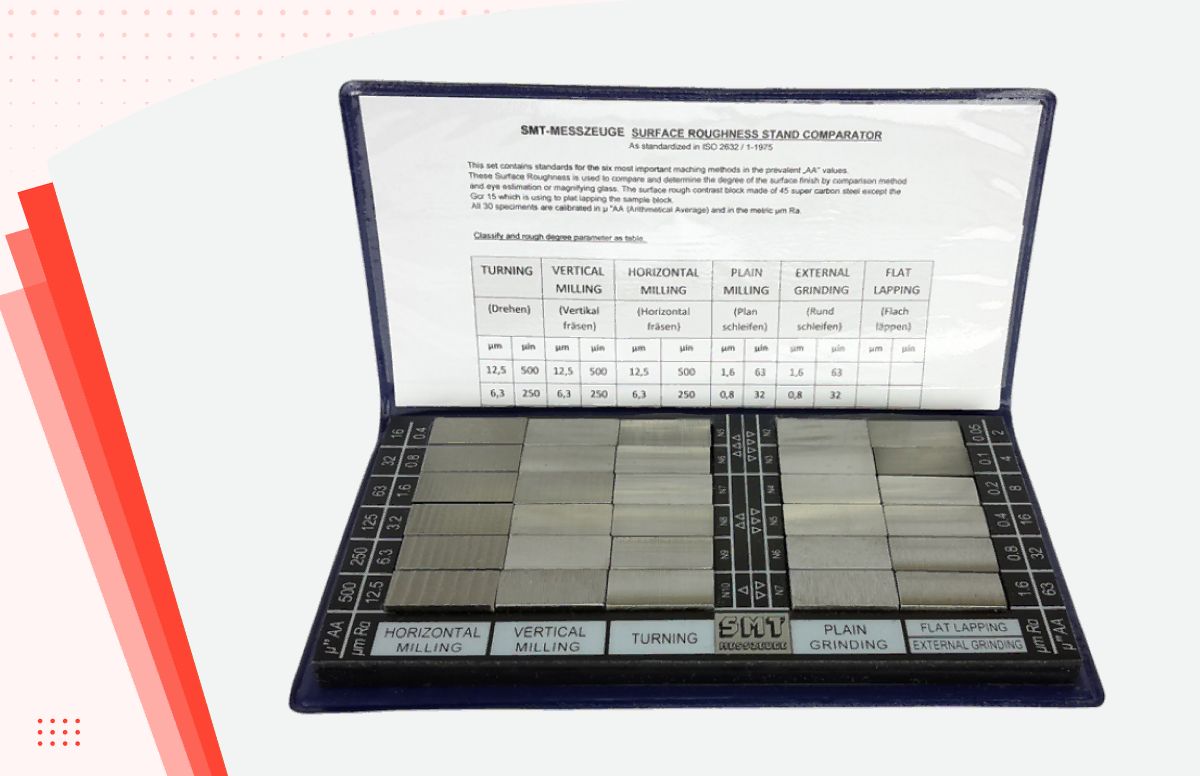
| Surface finish | Ra 0.8 to 1.6 μm (Ra 32 to 63 μin) |
| Minimum wall thickness | 1 mm (0.04 in) |
| Minimum end mill size | 0.5 mm (0.02 in) |
| Minimum drill size | 1 mm (0.04 in) |
| Maximum part size | 2400 x 1200 x 50 mm (94 x 47 x 2 in) |
| Minimum part size | 20 x 20 x 5 mm (0.8 x 0.8 x 0.2 in) |
| Production volume | Prototype 1 to 100. Low volume 101 to 2,000. High volume above 2,000 |
| Lead time | 5 to 7 business days for most projects. Simple parts as fast as 1 day |
Who Uses XC for CNC Routing
XC Machining provides CNC routing services for signage companies, furniture makers, packaging producers and electronics OEMs. Our routing department handles 200+ projects a month, and every order includes dimensional inspection and a DFM review.
We route 2D profiles, 3D contours and engraved surfaces, from single prototypes to 2,000+ production parts. Upload your DXF, DWG or STEP file, and we reply with a quote within 12 hours.
Full-Sheet Routing Up to 2400 x 1200 mm
Our large-bed routers cut a full sheet in a single setup. We route aluminum composite panels (ACM) for architectural cladding, HDPE sheet for industrial guards, MDF panels for retail fixtures and acrylic sheet for illuminated signage. Every one holds ±0.127 mm.
Routing Quality, Router Fleet and DFM Support
Every routing project follows XC Machining’s quality procedures: dimensional verification, edge quality inspection and material traceability. We check dimensions with digital calipers, and production runs add CMM spot checks. XC Machining runs under an ISO 9001:2015 certified quality system.

Our gantry-style routers have work envelopes up to 2400 x 1200 x 50 mm and vacuum hold-down tables for sheet stability. Spindles run at 12,000 to 24,000 RPM with automatic tool changers. Automated nesting maximizes material yield and part consistency.

We route ABS, HDPE, UHMW, acrylic, polycarbonate, MDF, Baltic birch plywood, foam board, ACM panels, carbon fiber sheet, aluminum 6061 and brass.

Our engineers review routing files for minimum corner radius (standard 3.175 mm), tab placement, bridge spacing, nesting layout and hold-down feasibility. Feedback arrives within 12 hours.

Routed parts can be sanded (Ra 1.6 to 3.2 μm), polished, brushed, painted or clear coated for UV protection. Aluminum parts can be anodized, and wood and MDF parts can be edge banded.
Surface Finishes for CNC Routed Parts
CNC routing works mostly on softer materials. The right finish protects the material and gives a smooth, even surface. Our surface finishing page has the full list.
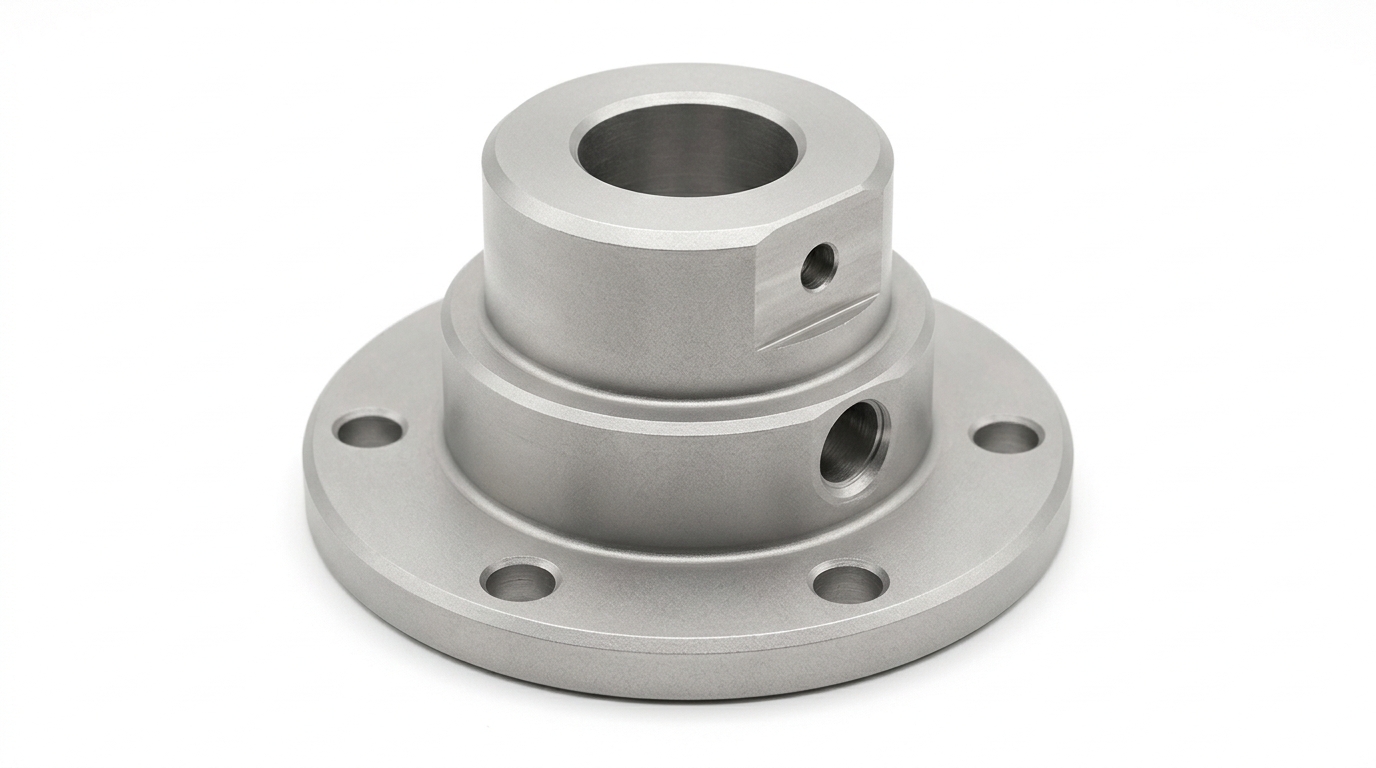
As routed (Ra 0.8 to 1.6 μm) is the fastest and lowest cost option, with light tool lines on the edge.
Sanding (Ra 1.6 to 3.2 μm) removes tool marks and burrs from wood, MDF and plastic and prepares the surface for paint, coating or lamination.
Polishing (Ra 0.4 to 0.8 μm) is a gloss finish on routed acrylic, polycarbonate and ABS. Flame polishing clears acrylic edges on signs and displays.
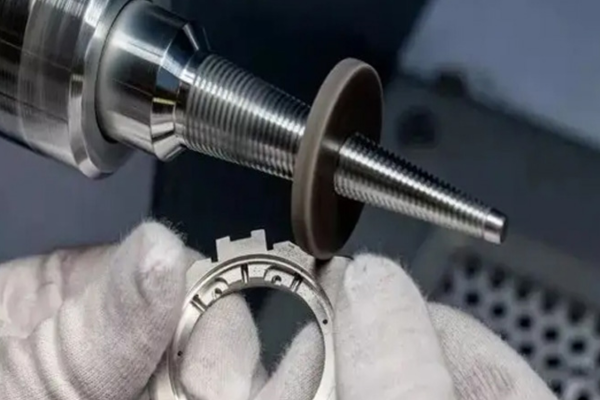
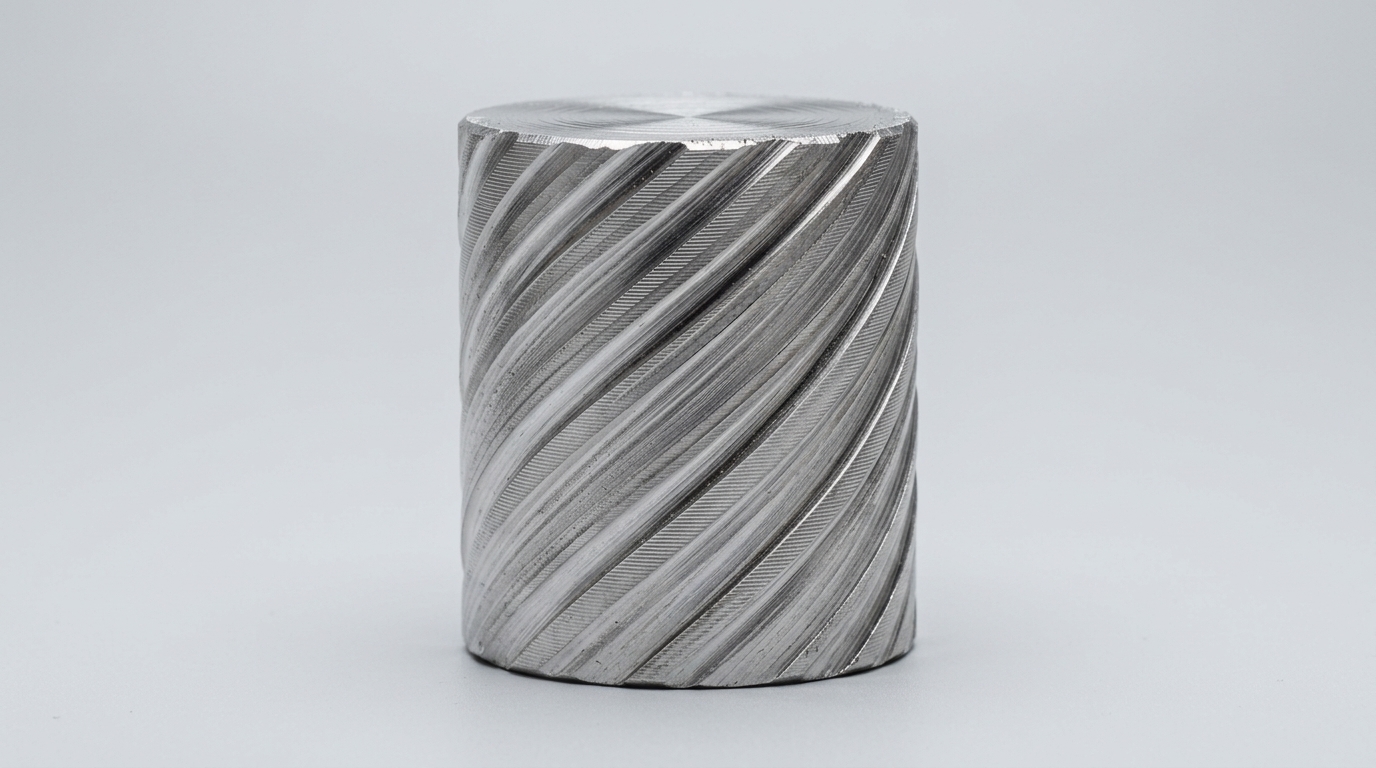
Brushing (Ra 0.8 to 1.6 μm) is a directional satin texture on aluminum panels that hides fingerprints.
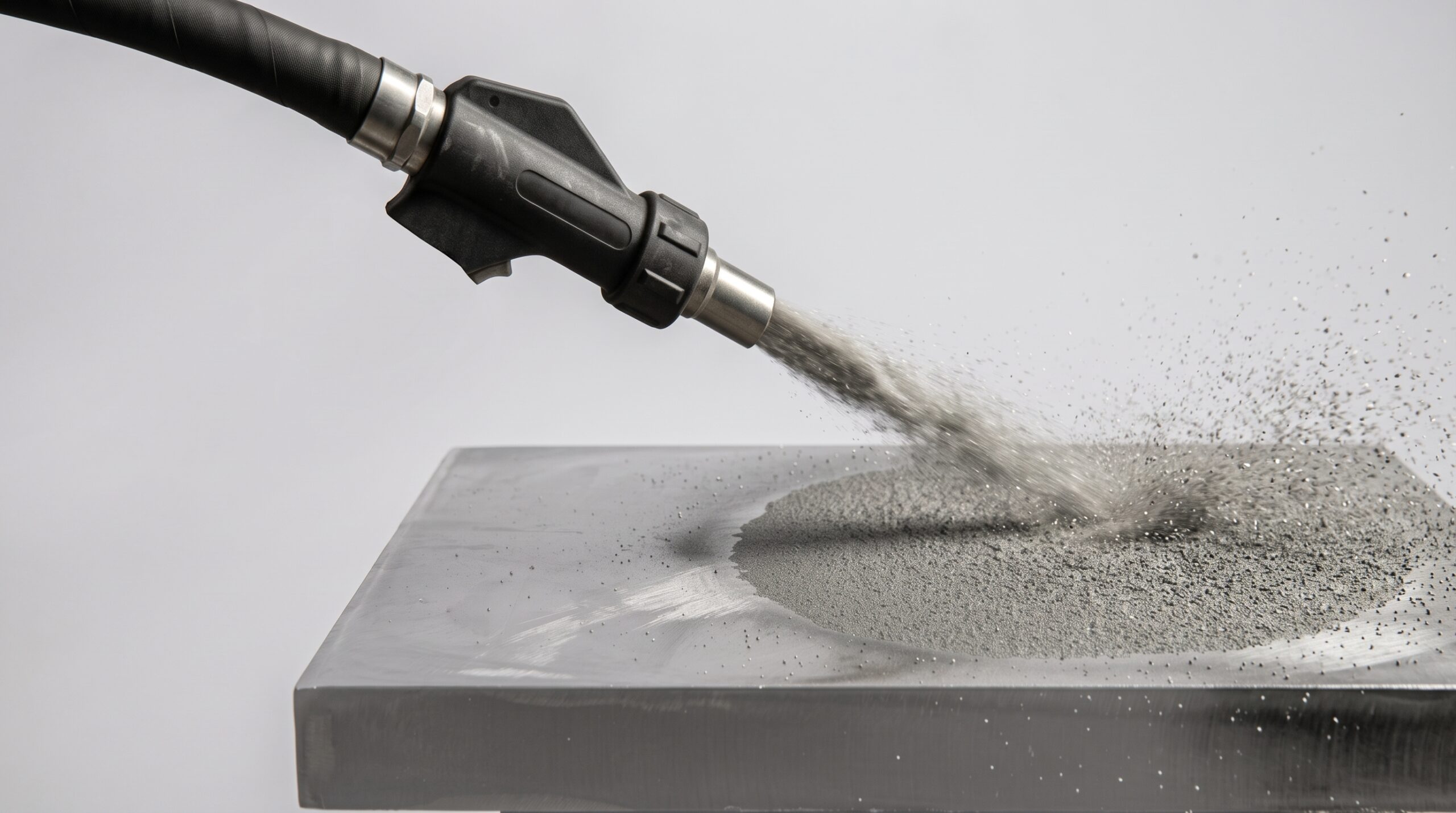
Sand blasting is an even matte texture that hides tool marks and prepares the surface for coating.
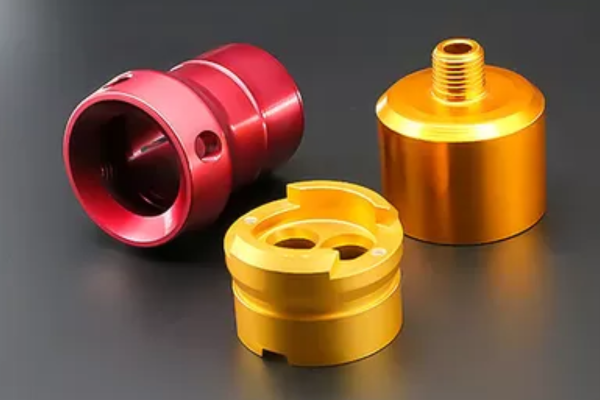
Anodizing (Type II) forms a 5 to 25 μm oxide layer on routed aluminum, with custom RAL color options for outdoor signs and cladding.
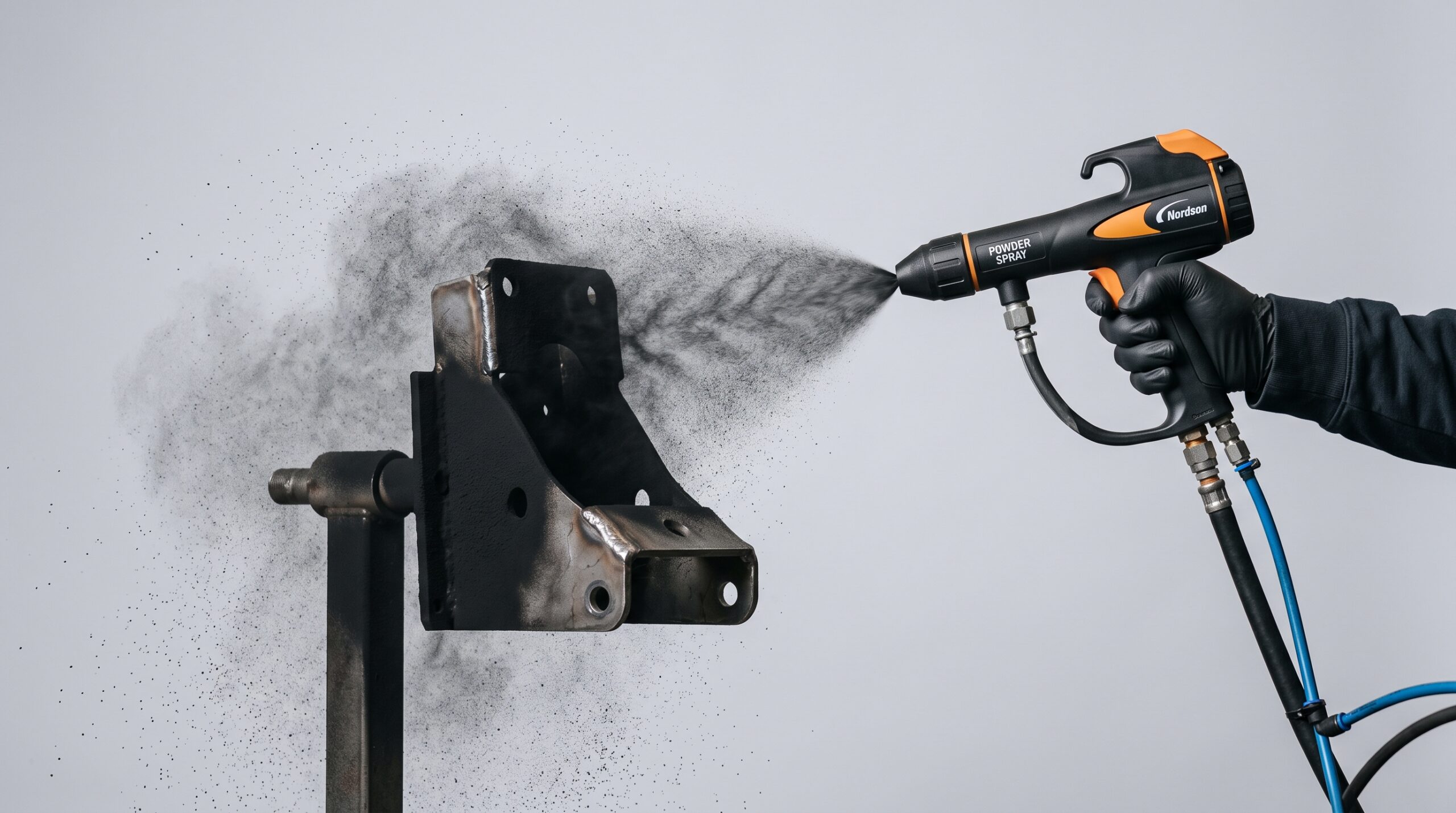
Powder coating is a durable color coat on suitable metal parts.
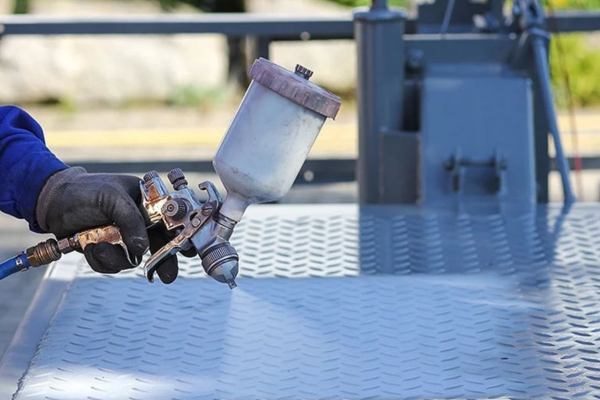
Painting and clear coating is color or UV protection for plastic, wood and MDF parts.
Edge banding is a finished edge on wood and MDF parts.
Electroplating is nickel, chrome, zinc or gold on metal parts for corrosion resistance and wear.
Electropolishing (Ra 0.2 to 0.4 μm) removes micro-burrs from stainless steel and aluminum with electrolytic dissolution.
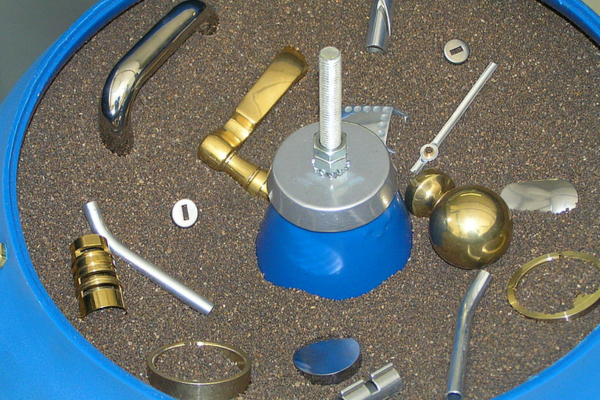
Vibratory finishing (Ra 0.8 to 1.6 μm) deburrs small plastic and metal parts in batches for safe handling.
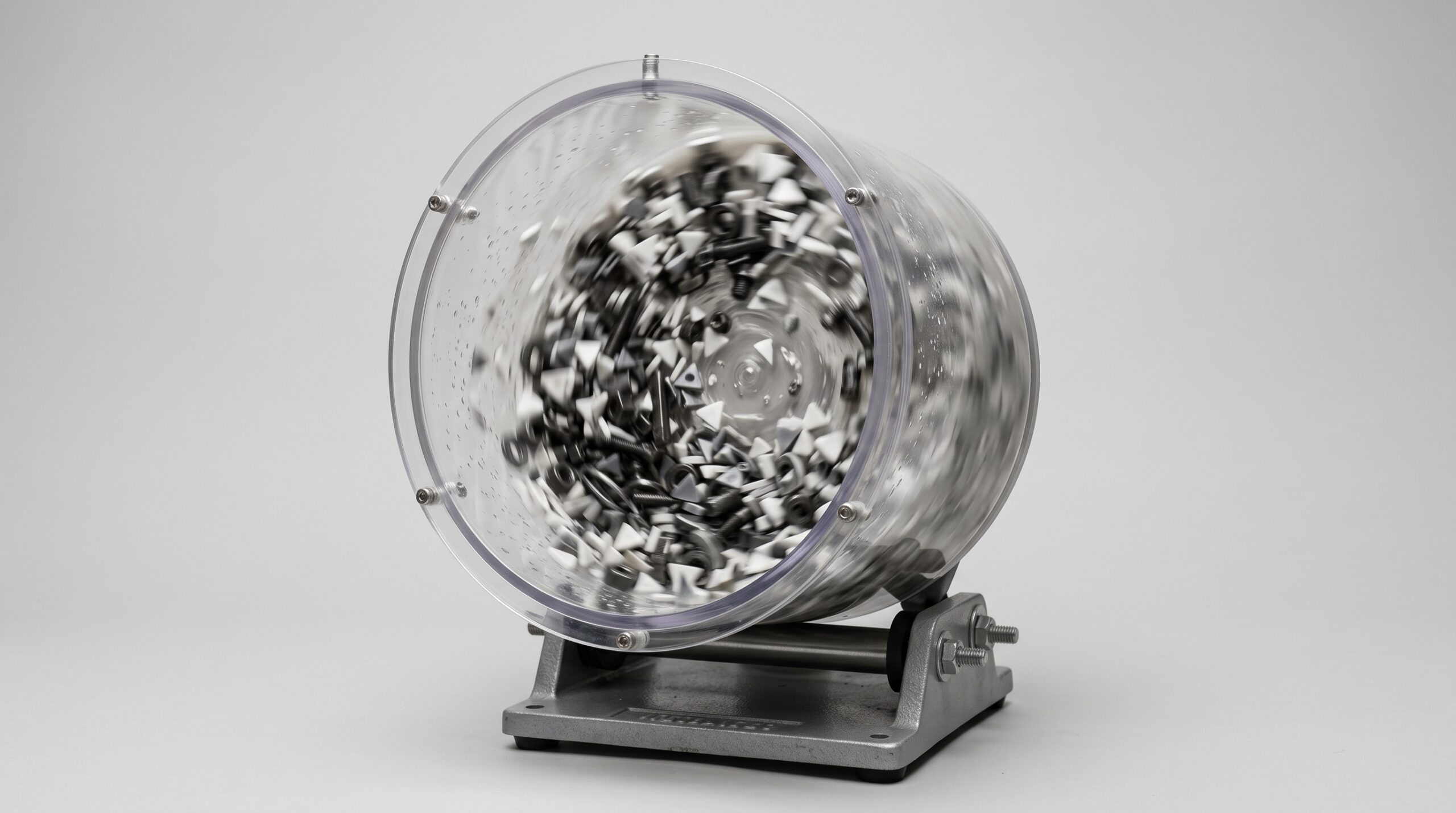
Tumbling deburrs small parts in a batch.
Materials for CNC Routing
XC Machining routes plastics, wood, composites and soft metals. The table lists the 12 material families on our material pages. The first six blocks cover the materials we route most. Steel, stainless steel, titanium and copper plate need rigid metal-cutting machines, so we cut those on our CNC milling machines.
| Material | Common grades | Yield (MPa) | Tensile (MPa) |
|---|---|---|---|
| Aluminum | 6061-T6, 7075-T6, 2024-T3, 5052-H32, 6082-T6 | 190 to 505 | 230 to 570 |
| Carbon Steel | 1018, 1045, 1060, 12L14, 1095 | 200 to 900 | 350 to 1,100 |
| Stainless Steel | 303, 304, 316, 316L, 17-4 PH | 170 to 1,170 | 485 to 1,310 |
| Titanium | Grade 2, Grade 5 (Ti-6Al-4V), Grade 23 (Ti-6Al-4V ELI) | 170 to 900 | 240 to 1,000 |
| Brass | C36000, C26000, C28000, C46400 | 75 to 450 | 300 to 600 |
| Copper | C10100, C10200, C11000, C14500 | 50 to 350 | 200 to 400 |
| ABS | General purpose, impact modified, flame retardant | 30 to 50 | 35 to 55 |
| Nylon (PA) | PA6, PA66, PA12, glass filled nylon | 45 to 85 | 50 to 90 |
| Polycarbonate (PC) | General purpose, optical, flame retardant | 55 to 70 | 55 to 75 |
| POM (Delrin) | POM-C, POM-H, Delrin 150, Delrin 500 | 55 to 75 | 60 to 80 |
| PEEK | Unfilled, GF30, CF30, bearing grade | 85 to 110 | 90 to 110 |
| PTFE (Teflon) | Virgin, glass filled, carbon filled, bronze filled | Varies by formulation | 20 to 35 |


Aluminum is light, resists corrosion and cuts well. It suits routed panels, mounting plates, brackets, enclosures and custom profiles for aerospace, automotive and industrial use. Our aluminum CNC machining page covers thicker, high precision aluminum parts.
Grades: 6061-T6, 7075-T6, 2024-T3, 5052-H32, 6082-T6. XC lists aluminum 6061 as a routed grade.
Strength: yield 190 to 505 MPa, tensile 230 to 570 MPa. Color: Silver.
Design note: thick or tight tolerance aluminum parts belong on a mill, where tolerances reach ±0.005 mm.


Carbon steel suits industrial plates, mounting brackets, equipment panels and structural parts. Steel plate needs a rigid metal-cutting machine and suitable tooling, not a lightweight router, so we cut it by CNC milling.
Grades: 1018, 1045, 1060, 12L14, 1095.
Strength: yield 200 to 900 MPa, tensile 350 to 1,100 MPa. Color: Metallic gray.


Stainless steel suits industrial plates, mounting brackets, equipment panels and structural parts. Steel plate needs a rigid metal-cutting machine and suitable tooling, not a lightweight router, so we cut it by CNC milling.
Grades: 303, 304, 316, 316L, 17-4 PH.
Strength: yield 170 to 1,170 MPa, tensile 485 to 1,310 MPa. Color: Silver gray.


Titanium combines corrosion resistance with high strength to weight for aerospace and industrial parts. Titanium plate needs metal-capable CNC equipment, suitable tooling and carefully controlled cutting settings, so we cut it by CNC milling.
Grades: Grade 2, Grade 5 (Ti-6Al-4V), Grade 23 (Ti-6Al-4V ELI).
Strength: yield 170 to 900 MPa, tensile 240 to 1,000 MPa. Color: Silver gray.


Brass offers good machinability, corrosion resistance and a golden color. It suits routed decorative panels, custom plates, electrical components and precision profiles.
Grades: C36000, C26000, C28000, C46400.
Strength: yield 75 to 450 MPa, tensile 300 to 600 MPa. Color: Golden yellow.
Design note: brass is softer than steel, so it is a poor fit for high load parts.


Copper conducts heat and electricity very well. It suits routed conductive plates, busbars, electrical panels and heat transfer parts. Routing copper needs the right tooling and cutting settings to keep the edge clean.
Grades: C10100, C10200, C11000, C14500.
Strength: yield 50 to 350 MPa, tensile 200 to 400 MPa. Color: Reddish brown.
Design note: copper is soft and burrs easily, so we deburr every edge.


ABS is a tough, light and low cost plastic with good impact resistance. It suits routed prototype panels, electronic enclosures, custom covers, fixtures and functional plastic parts.
Grades: General purpose, impact modified, flame retardant.
Strength: yield 30 to 50 MPa, tensile 35 to 55 MPa. Color: Black, white, natural.
Design note: it softens at lower temperatures than nylon, POM or PEEK, so check service heat.


Nylon resists wear and keeps moving parts smooth. It suits routed wear plates, guide rails, sliding components, machine guards and mechanical profiles that need durability.
Grades: PA6, PA66, PA12, glass filled nylon.
Strength: yield 45 to 85 MPa, tensile 50 to 90 MPa. Color: Natural white, black.
Design note: it absorbs moisture and its size shifts slightly, so tell us the service conditions when tolerances are tight.


Polycarbonate offers high impact resistance and stable dimensions, and some grades are clear. It suits routed protective panels, machine guards, transparent covers and electronic enclosures.
Grades: General purpose, optical, flame retardant.
Strength: yield 55 to 70 MPa, tensile 55 to 75 MPa. Color: Transparent, white, black.
Design note: clear parts need polishing to stay transparent, and the surface scratches easily.


POM holds its size, runs with low friction and resists wear. It suits routed guide plates, sliding rails, precision panels, machine fixtures and mechanical parts.
Grades: POM-C, POM-H, Delrin 150, Delrin 500.
Strength: yield 55 to 75 MPa, tensile 60 to 80 MPa. Color: Natural white, black.
Design note: it holds tight tolerances more easily than nylon because it takes up less moisture.


PEEK is a high performance plastic with strong heat resistance, chemical stability and strength. It suits routed insulating plates, precision fixtures, wear-resistant parts and specialized aerospace and industrial parts.
Grades: Unfilled, GF30, CF30, bearing grade.
Strength: yield 85 to 110 MPa, tensile 90 to 110 MPa. Color: Natural beige, black.
Design note: PEEK costs far more than other plastics, so use it where heat or chemicals rule the others out.


PTFE resists chemicals and has extremely low friction. It suits routed gasket sheets, sealing plates, insulating panels, sliding surfaces and chemical-resistant parts.
Grades: Virgin, glass filled, carbon filled, bronze filled.
Strength: yield varies by formulation and test method, tensile 20 to 35 MPa. Color: White, black.
Design note: PTFE is soft and creeps under load, so tight tolerances are hard to hold.
Stocked Materials for 5 to 7 Day Routing
Routing settings (spindle speed, feed rate and bit type) are tuned for each material to prevent edge melting, chipping and delamination. These materials are stocked for standard 5 to 7 day lead times.
| Family | Materials | Typical use |
|---|---|---|
| Plastic | ABS, HDPE, UHMW. Also acrylic and polycarbonate | HDPE for industrial guards, acrylic for illuminated signs, ABS for enclosures |
| Composite | ACM panel (aluminum composite material). Also carbon fiber sheet | Architectural cladding |
| Wood | Baltic birch plywood, MDF (medium-density fiberboard) | Furniture and retail fixtures |
| Metal | Aluminum, brass | Panels, plates and decorative parts |
| Foam | Foam board | Models and packaging prototypes |
Our materials page lists all 60+ options across XC’s services.
ABS (Acrylonitrile Butadiene Styrene), HDPE (High-Density Polyethylene), UHMW (Ultra-High Molecular Weight Polyethylene)
ACM Panel (Aluminum Composite Material)
Baltic Birch Plywood, MDF (Medium-Density Fiberboard)
Aluminum, Brass
Our CNC Routing Prototype Manufacturing Capabilities
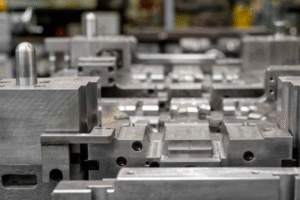
Provides injection molding for prototypes and custom parts, emphasizing expert support, competitive pricing, and faster production cycles.
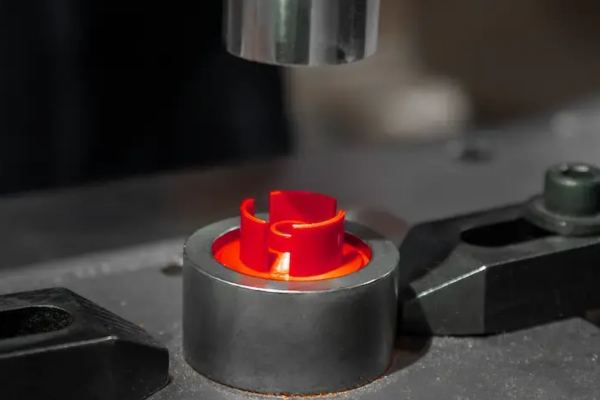
Get reliable vacuum casting services for high-quality prototypes and production parts at competitive prices. XC Machining offers highly detailed casting parts with consistent quality.
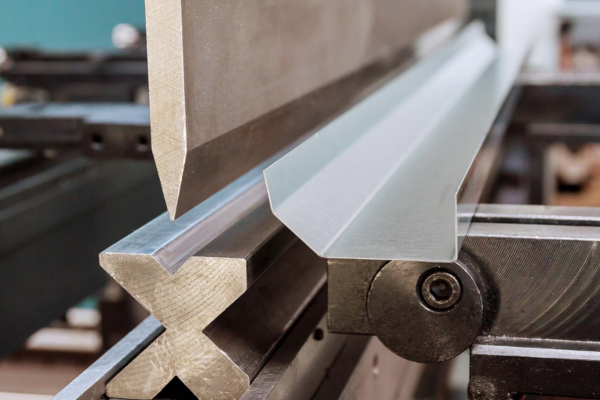
Uses cutting, bending, and forming techniques to produce precision metal components suited for industrial, commercial, and manufacturing applications.
Specialist Industries
Bring Your Designs to Life with XC Machining
Experience precision engineering with XC Machining. From detailed prototypes to high-volume production, we’re here to turn your concepts into reality. Contact us today to discuss your project needs!
- Expertise Shared Widely
- Market Reach Expanded
- Advanced Technology Integrated
- Collaborative Innovation Opportunities
- All uploads are secure and confidential
CNC Routing Services FAQs
What is the difference between CNC routing and CNC milling?
CNC routing uses fast spindles, 12,000 to 24,000 RPM, on large gantry machines. It cuts sheet in plastics, wood, composites and aluminum to about ±0.127 mm. CNC milling uses slower, higher torque spindles, 8,000 to 20,000 RPM, to cut metals and hard plastics to ±0.005 mm. Routing suits flat stock. Our CNC milling suits precision 3D parts.
What parts and designs can CNC routing produce?
CNC routing makes 2D profiles, 3D contoured surfaces, V-carved lettering, pockets, dado joints and engraved surfaces. Common routed parts include sign panels, furniture components, cabinet doors, display fixtures, electronics enclosures, packaging die boards and thermoforming patterns. XC Machining accepts DXF, DWG and STEP files for every routing project, and an engineer checks the file before we quote.
Can CNC routing handle large-format sheet parts?
Yes. XC Machining routers cut full sheets up to 2400 x 1200 x 50 mm (94 x 47 x 2 in) in one setup. Vacuum hold-down keeps the sheet flat. We route oversized architectural panels, furniture sheet goods and signage substrates without seams, and we hold ±0.127 mm across the whole work surface.
What accuracy can CNC routing achieve?
Routing tolerances run from ±0.05 mm to ±0.127 mm (±0.002 to ±0.005 in), depending on material, bit diameter and part geometry. Positional repeatability is ±0.05 mm. We check dimensions with digital calipers and add CMM spot checks on production runs. Parts that need tighter tolerances go to CNC milling.
Which industries use CNC routing most?
Signage and display companies, furniture makers, architects, packaging producers, electronics makers and prototyping labs use CNC routing most. XC Machining sets routing parameters for each material: acrylic for signage, MDF for furniture, ACM for architecture and ABS for electronics enclosures. Each job gets the same DFM review and dimensional inspection.
What affects the price of CNC routed parts?
Material, sheet size, part count, cut time and finish set the price. Thick or hard materials cut slower. Tight nesting lowers material waste per part. Small inside corners and fine details add machine time. Painting and edge banding add separate steps. Larger orders spread setup and programming cost across more parts, so the cost per part falls.
What file formats and lead times apply to CNC routing?
Upload DXF, DWG or STEP files. A DXF or DWG suits flat 2D profiles, and STEP suits 3D contours. Most projects ship in 5 to 7 business days, and simple parts can ship in 1 day. Finishes such as painting or anodizing add time. Your quote gives the ship date and arrives within 12 hours.