CNC Milling Services for Custom Parts
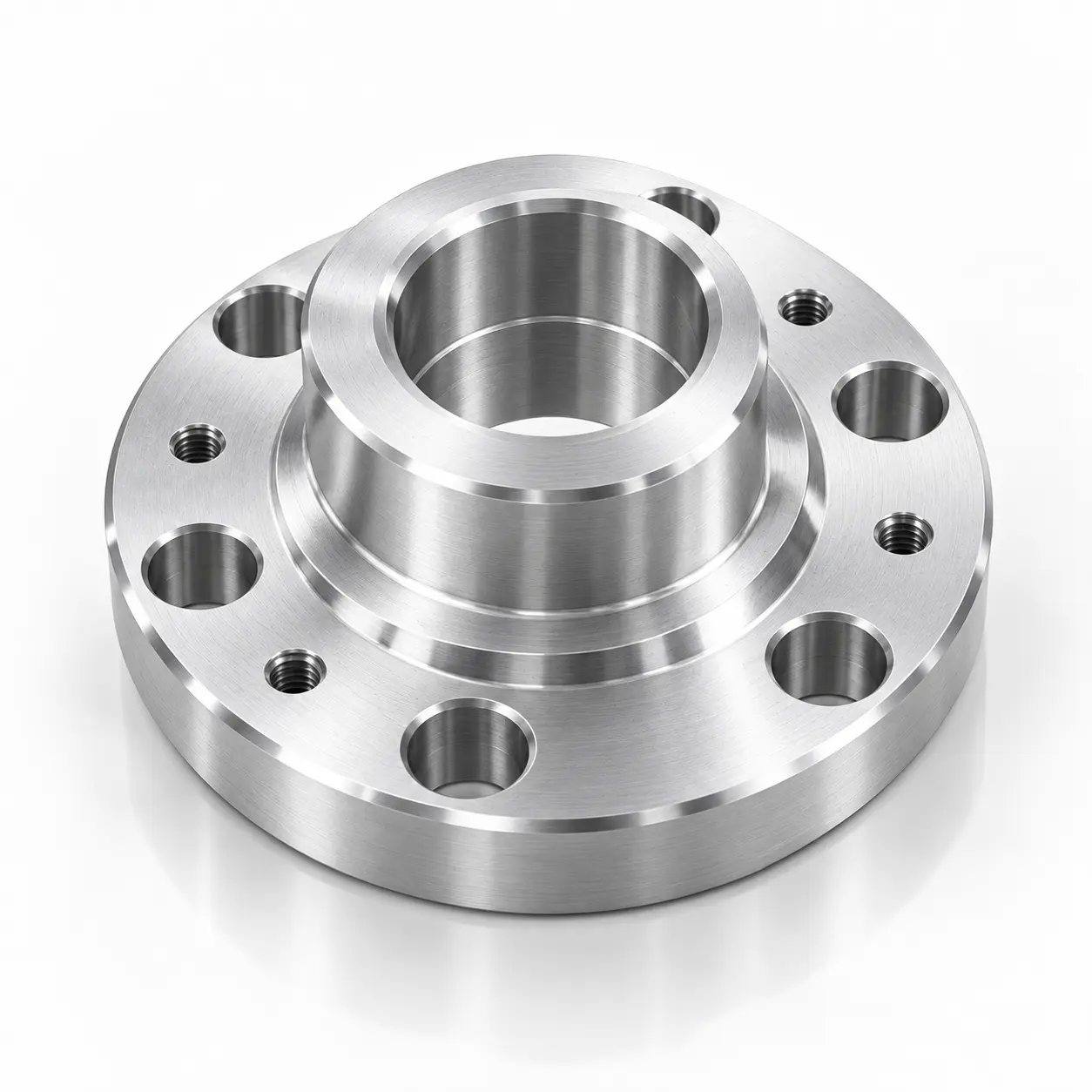
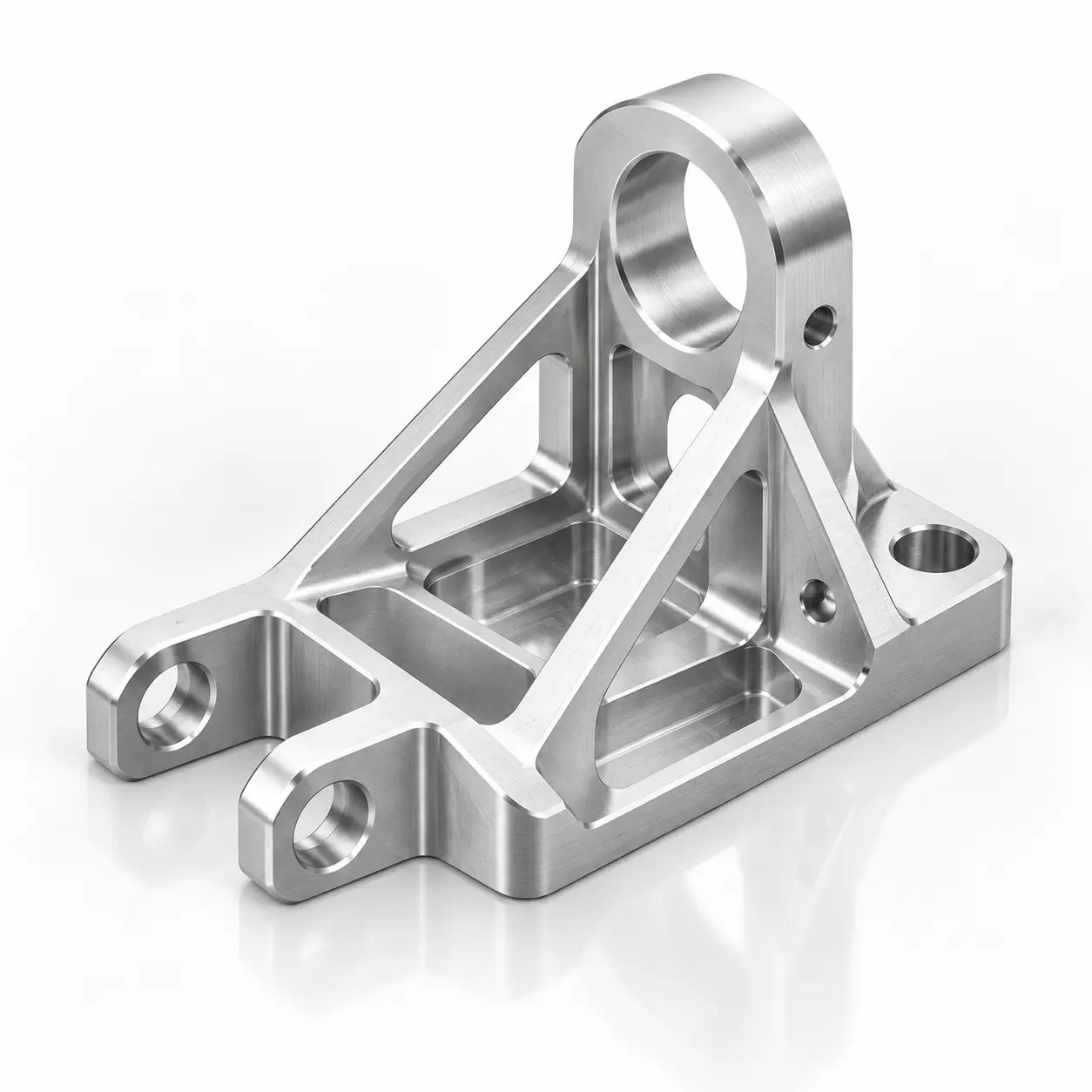
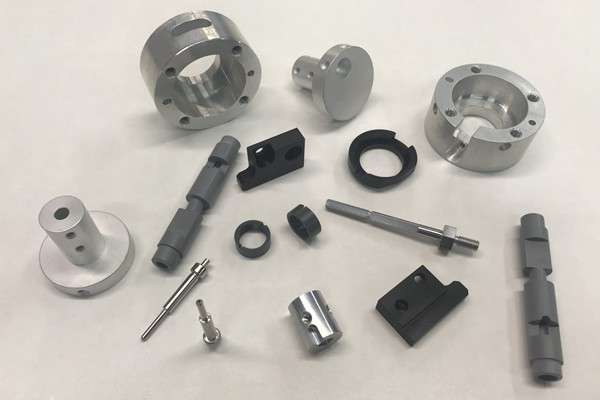
XC Machining provides CNC milling services for engineers and product teams across the USA. We mill custom parts on 3, 4 and 5 axis machines in aluminum, steel, titanium, brass and engineering plastics. Prototypes ship in 3 to 7 days, and production runs reach 10,000+ parts. Tolerances go as tight as ±0.005 mm (±0.0002 in).
- All uploads are secure and confidential
How CNC Milling Cuts a Part from Solid Stock
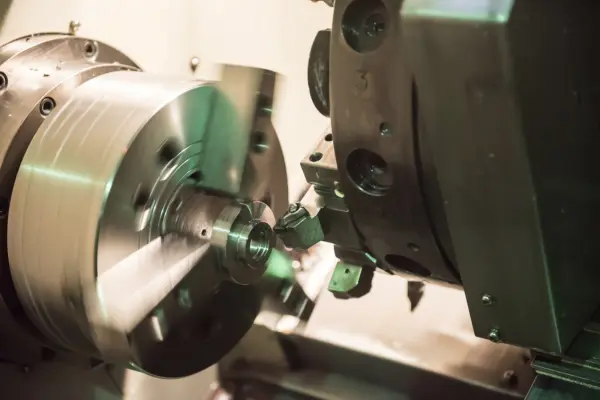
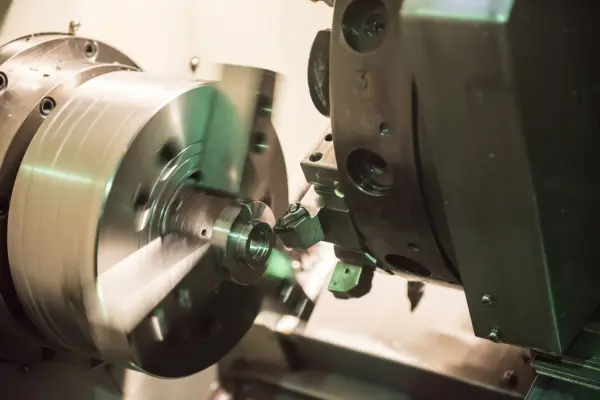
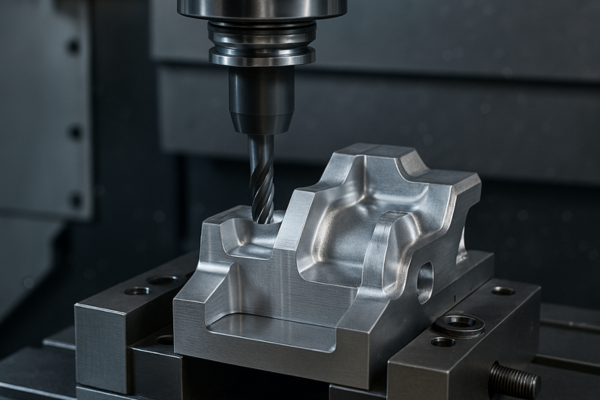
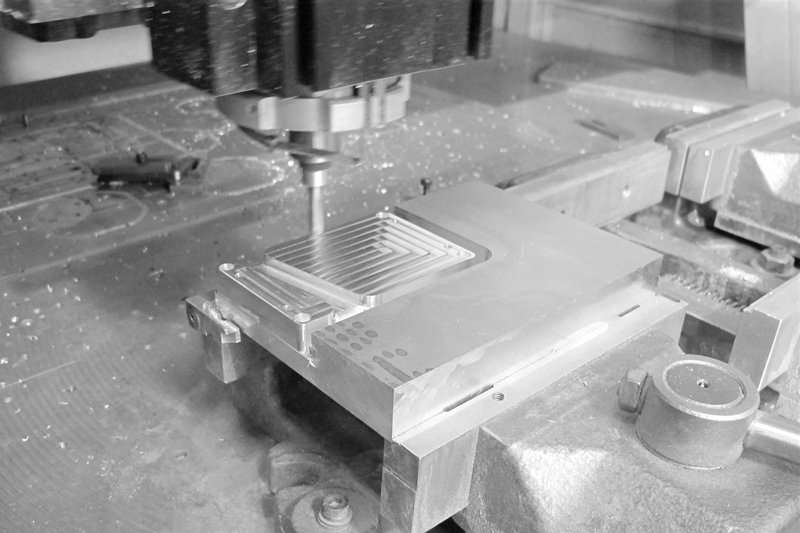
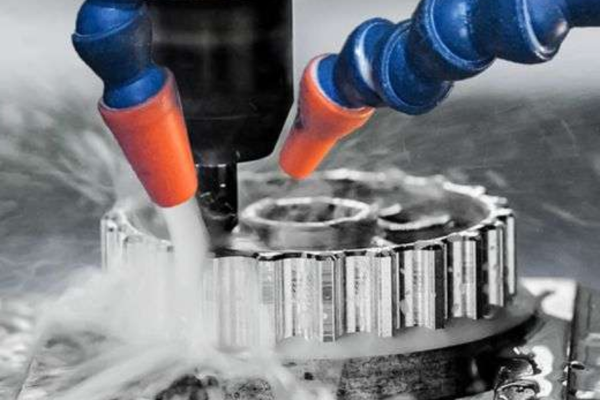
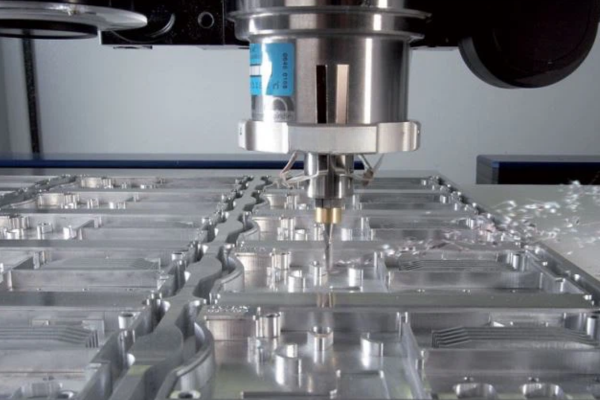
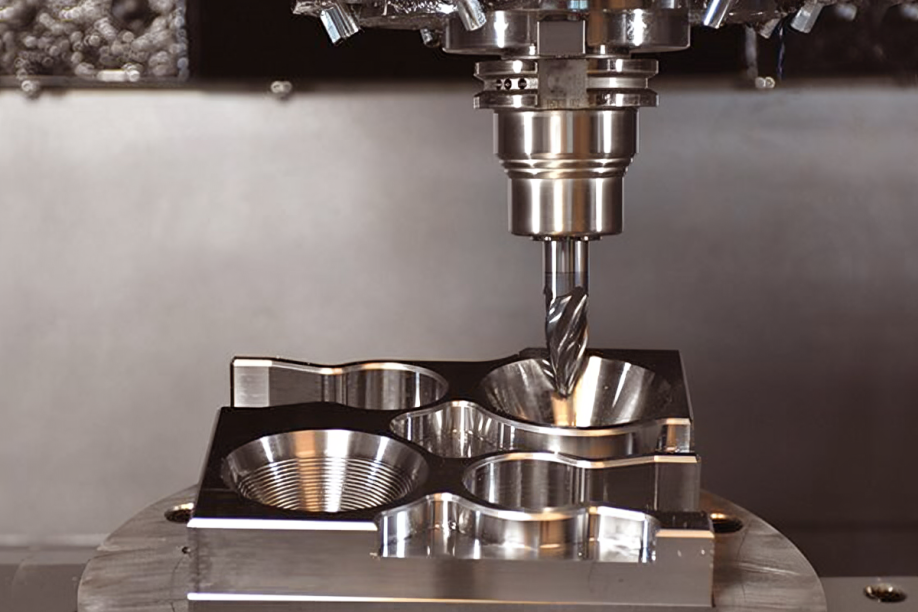
CNC milling is a subtractive process. Spinning multi-point cutting tools remove material from a solid block of metal or plastic until the part matches your CAD file. The tool moves along the X (left to right), Y (front to back) and Z (up and down) axes under computer numerical control. Each pass removes a thin layer, so the finished geometry stays within the tolerance on your drawing.
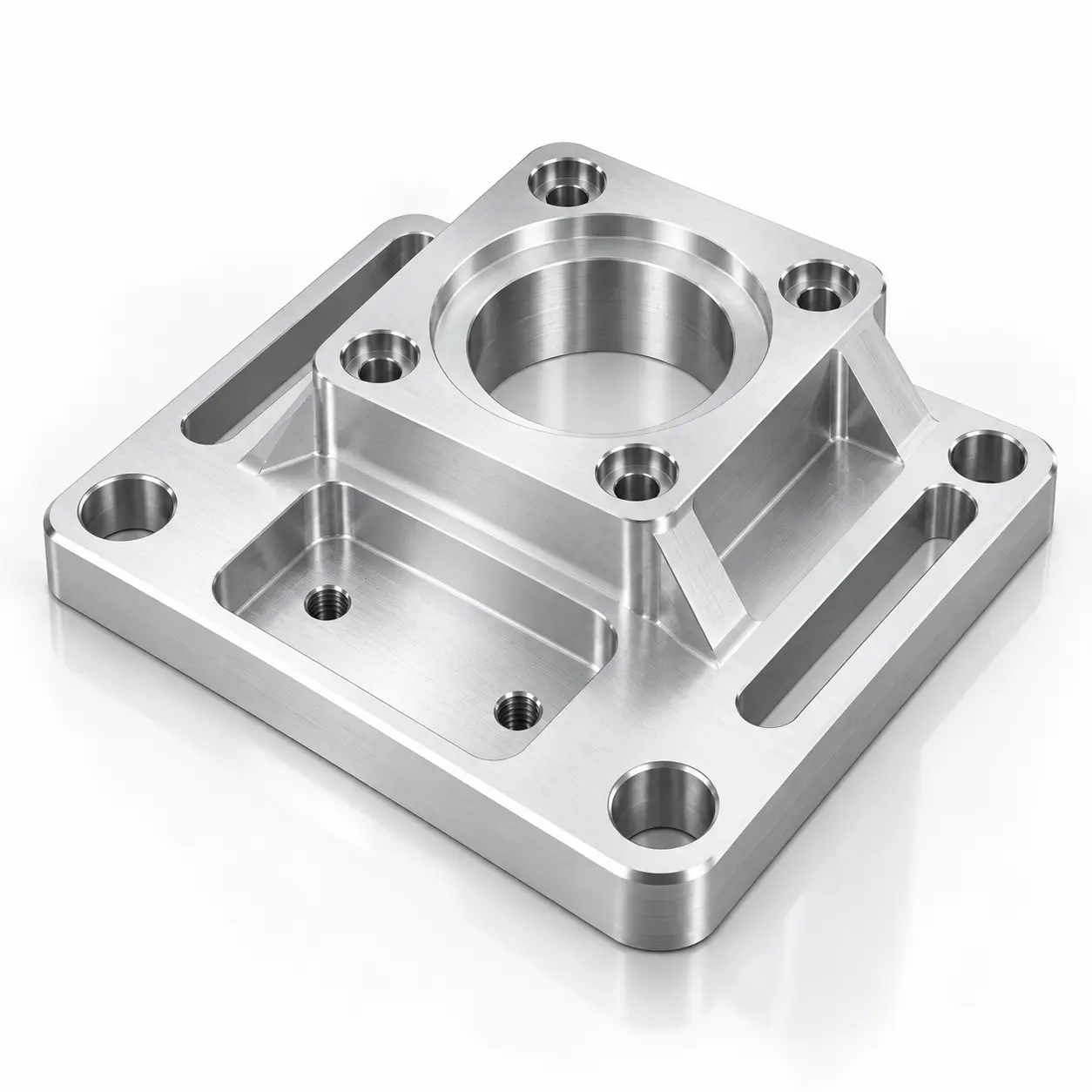
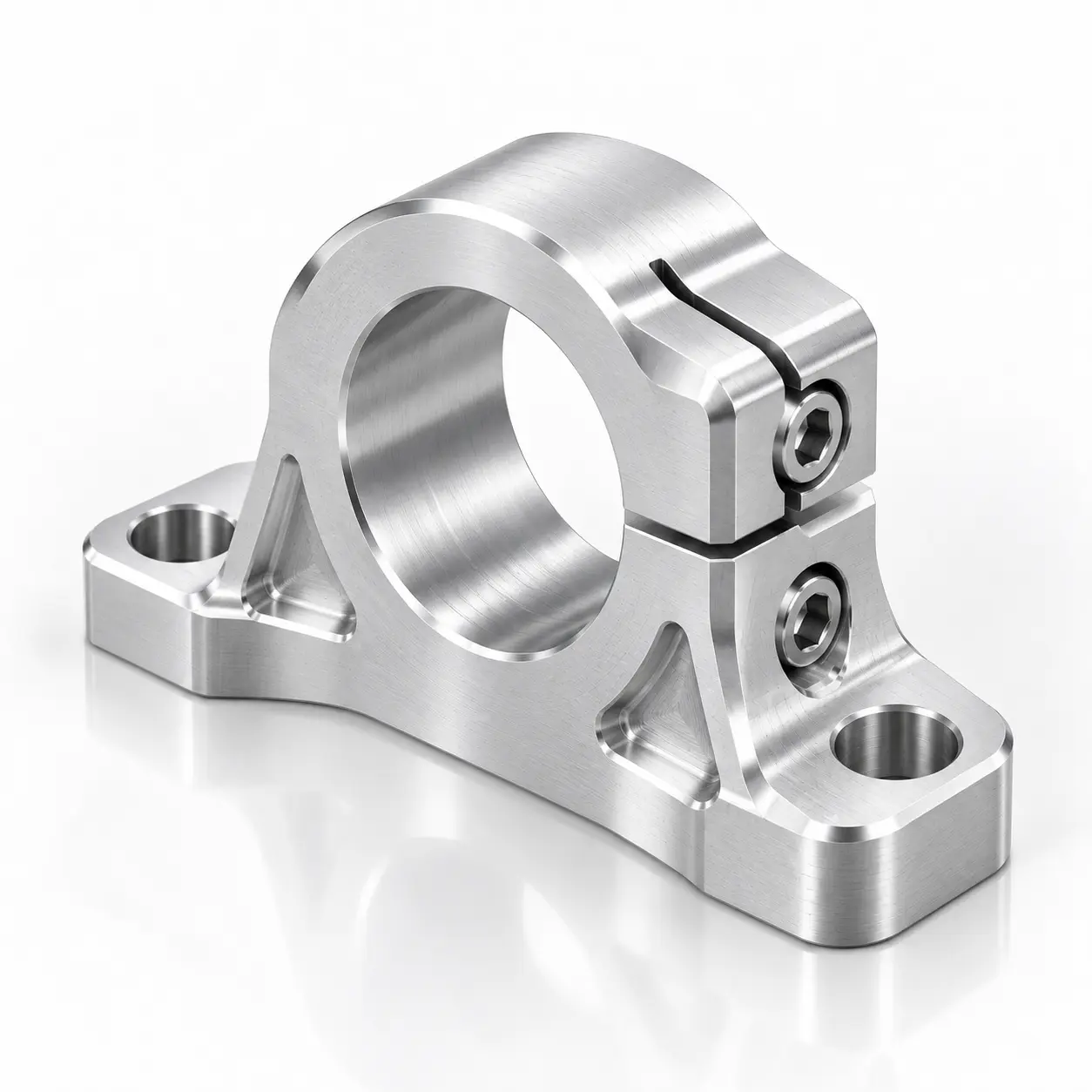
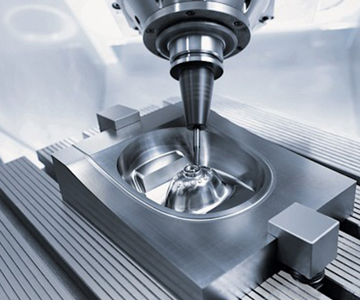
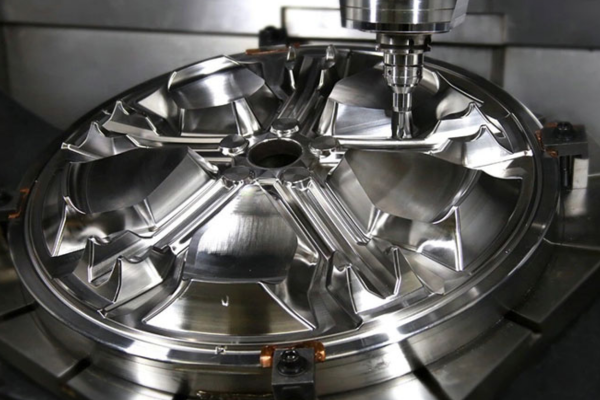
CNC milling makes complex 3D parts in metals such as aluminum, steel, titanium and brass. It also cuts engineering plastics such as PEEK, Delrin, Nylon and ABS, and composites. A 5 axis mill adds two rotating axes, A and B. That lets it cut curved surfaces, undercuts and compound angles in one setup, where a 3 axis machine would need several.
XC Machining runs 3 axis vertical machining centers, 4 axis horizontal machining centers and 5 axis simultaneous milling systems. We use them for custom CNC milling, from single prototypes to 10,000+ pieces. Our CNC machining services page covers the full range of processes.
3 Axis vs 4 Axis vs 5 Axis Milling
The number of axes decides how many sides of a part one setup can reach. More axes mean fewer setups and tighter accuracy on complex shapes, but a higher machine rate. Pick the lowest axis count that can cut your part. 3 axis CNC milling costs least, and 4 axis CNC milling suits parts with features on several sides.
| Machine | What it adds | Best for |
| 3 axis vertical machining center | Movement along X, Y and Z | Prismatic parts with pockets, slots and flat surfaces |
| 4 axis horizontal machining center | An A axis that rotates the part | Indexing a part to cut several sides without re-fixturing |
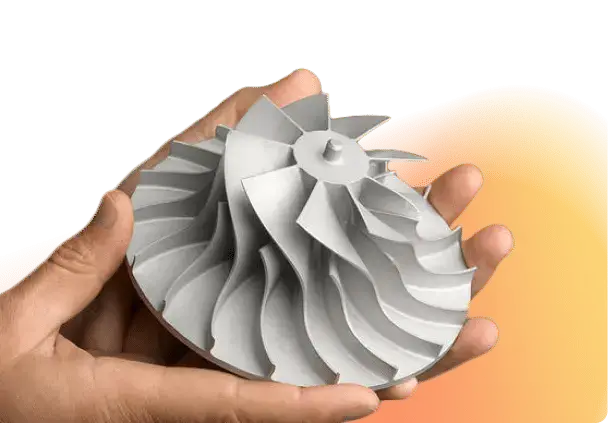
| 5 axis simultaneous mill | A and B rotation while cutting | Turbine blades, impellers and medical implants in one setup, ±0.01 mm |
Our post on 3 axis vs 5 axis CNC machining compares cost and capability in more detail. If your part has deep undercuts or compound angles, see our 5 axis CNC machining service.
CNC Milling Lead Times: 3 to 7 Days
Our CNC milling services deliver rapid CNC milled parts in 3 to 7 business days for prototypes. Production batches of up to 10,000 parts take 7 to 14 days. Our milling department runs two shifts a day on 3, 4 and 5 axis machines to meet tight deadlines for aerospace, medical and electronics projects.
Every rapid milling order gets in-process CMM inspection and a first article dimensional check before batch production starts. We mill aluminum 6061 and 7075, stainless steel 304 and 316, and titanium Grade 5. We also mill brass C360, PEEK, Delrin and Nylon to the tolerance on your drawing. All milling runs under our ISO 9001:2015 certified quality system with full traceability. SPC (statistical process control) tracks key dimensions during the run, so drift is caught before it reaches the part.
All rapid CNC milling projects are completed under ISO 9001:2015 certified quality management systems with full traceability.
Where CNC Milling Fits: Tooling, Prototypes and Production
CNC milling serves three main jobs at XC Machining: rapid tooling, rapid prototyping and end-use part production.
We mill aluminum and steel tooling inserts, jigs, fixtures and mold bases in 5 to 10 business days. Milled tooling holds ±0.01 mm for injection mold inserts, thermoforming tools and fixture plates, which shortens your time to market.
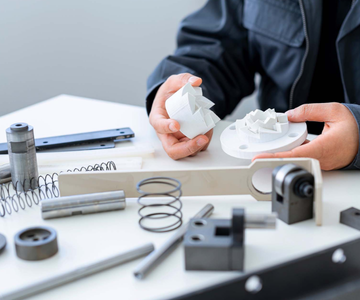
Milled prototypes in aluminum, steel or engineering plastics ship within 3 to 7 business days of your CAD upload. They use production materials, so you can test fit, form and function. A 3D printed prototype typically uses a non-production resin instead. See our rapid prototyping service for the other options.
We mill end-use parts in quantities from 100 to 10,000+ per order. Production runs use dedicated machine setups and statistical process control (SPC) to keep tolerances steady across the batch, with full lot traceability. For larger volumes, our high volume production service takes over.
CNC Milling Tolerances by Part Type
These are the tolerances XC Machining holds for standard and high-precision milling. Tolerance varies with part size, material hardness and geometry. Every tolerance is inspected and documented.
| CNC Milling Service | Tolerance |
| Standard CNC Milling | ±0.005″ (±0.127 mm) |
| High-Precision CNC Milling | ±0.001″ (±0.025 mm) |
| CNC Milling for Small Parts | ±0.002″ (±0.051 mm) |
| CNC Milling for Large Parts | ±0.010″ (±0.254 mm) |
| CNC Milling with Threading | ±0.005″ (±0.127 mm) for external threads |
For precision milling we can hold ±0.005 mm (±0.0002 in) on critical features when the drawing calls for it. Tighter tolerances add machine and inspection time, so apply them only where the part needs them. Part sizes start at 5 x 5 x 5 mm (0.2 in cube). They reach 4000 x 1500 x 600 mm (157 x 59 x 24 in).
Aluminum CNC Milling
XC Machining mills aluminum 6061-T6, 7075-T6, 2024-T3, 5052 and 6063-T5 for aerospace, automotive, medical and electronics parts. Surface finish runs from Ra 0.8 μm (polished) to Ra 3.2 μm (as machined), and the surface is ready for anodizing. Our 3 axis and 5 axis mills handle aluminum parts from 5 x 5 x 5 mm up to 4000 x 1500 x 600 mm.
We also stock aluminum 7050-T7451 and MIC-6 cast plate. Our aluminum CNC machining guide explains how to choose a grade. For load bearing parts, 7075-T6 is the strongest common alloy we mill.
Stainless Steel CNC Milling
XC Machining mills stainless steel 304, 316, 410, 420 and 17-4 PH for parts that need corrosion resistance and high strength. Stainless needs slower cutting speeds and rigid fixturing than aluminum. Our machines use high-torque spindles and carbide coated tooling to hold ±0.01 mm. We make stainless milled parts for medical instruments, food processing equipment and marine hardware.
Milling Quality, Machines and DFM Support
Every milling project follows ISO 9001:2015 procedures with in-process CMM checks, surface roughness testing and first article inspection. Our milling department holds ±0.005 mm repeatability across runs of 1 to 10,000+ parts.

Our shop runs 3 axis vertical machining centers, 4 axis horizontal machining centers and 5 axis simultaneous mills. Each machine has an automatic tool changer that holds 20 to 60 tools, so production runs without stops.

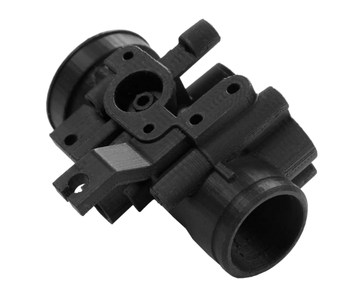
We mill aluminum 6061, 7075 and 2024 and stainless steel 304, 316 and 17-4 PH. We also mill titanium Grade 2 and 5, brass, copper, PEEK, Delrin, Nylon, ABS and polycarbonate.

Our milling engineers check your CAD file for tool access, corner radii (standard 1 mm), wall thickness (minimum 0.5 mm) and undercut feasibility before quoting. You get feedback within 12 hours.

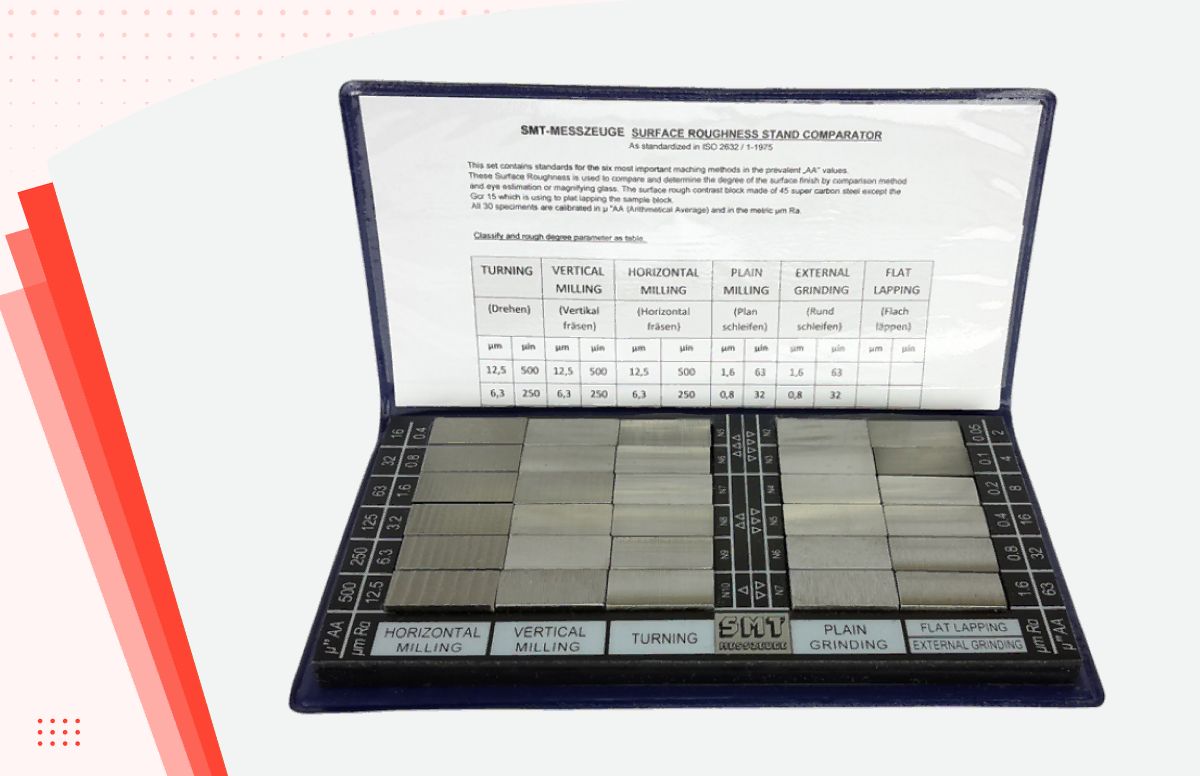
Milled parts can be left as machined (Ra 3.2 μm). They can also be bead blasted, brushed, anodized (Type II or III), powder coated or electroplated. Mirror polishing reaches Ra 0.4 μm.
Surface Finishes for CNC Milled Parts
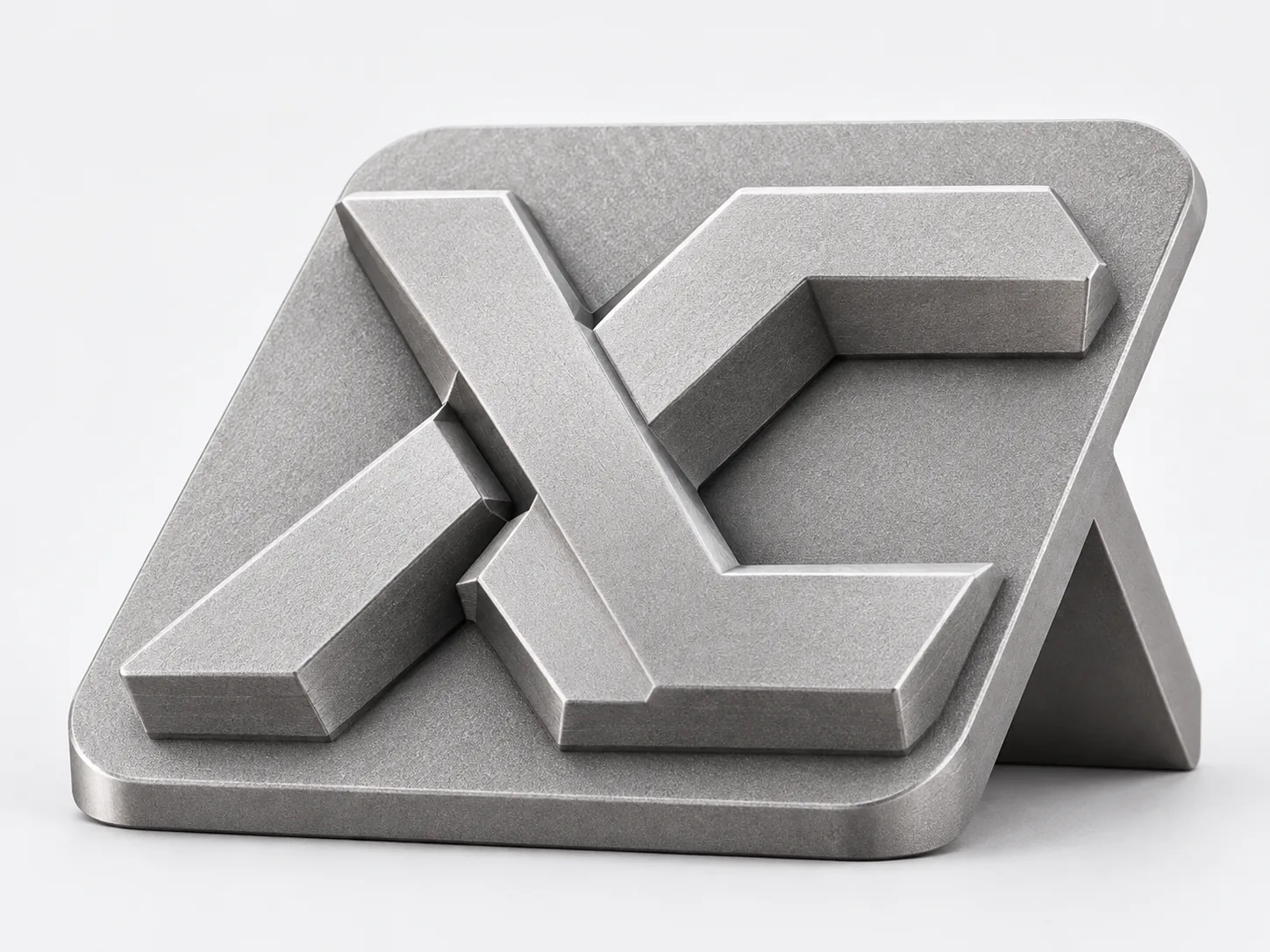
The right finish depends on the material, part shape and job of the part. XC Machining specifies each finish by roughness (Ra), material fit and purpose, such as corrosion resistance or wear protection. Our surface finishing page has the full list.
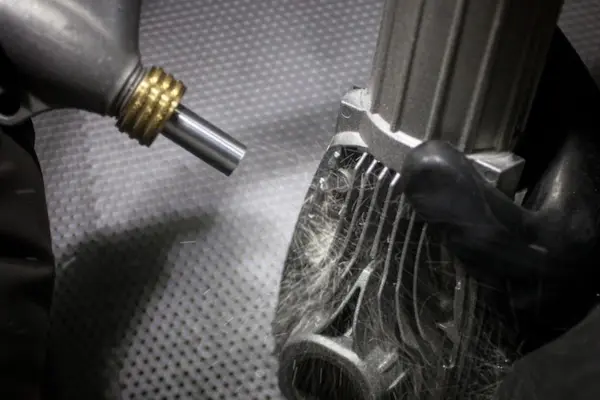
Sand blasting gives an even matte texture, hides tool marks and prepares the surface for coating.
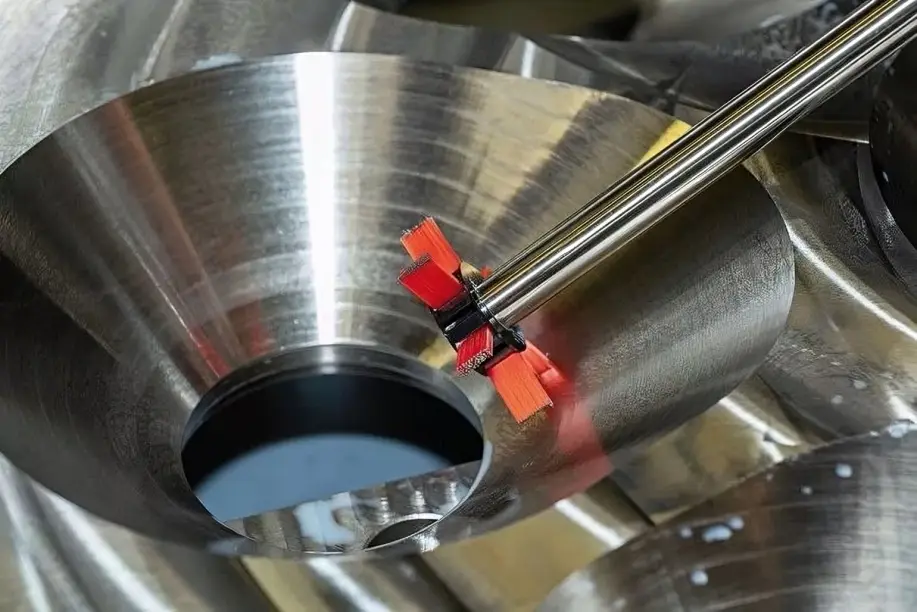
Sanding (Ra 1.6 to 3.2 μm) removes tool marks and burrs before painting, coating or anodizing.
Brushing (Ra 0.8 to 1.6 μm) adds a directional satin grain to aluminum and stainless steel housings, panels and brackets.
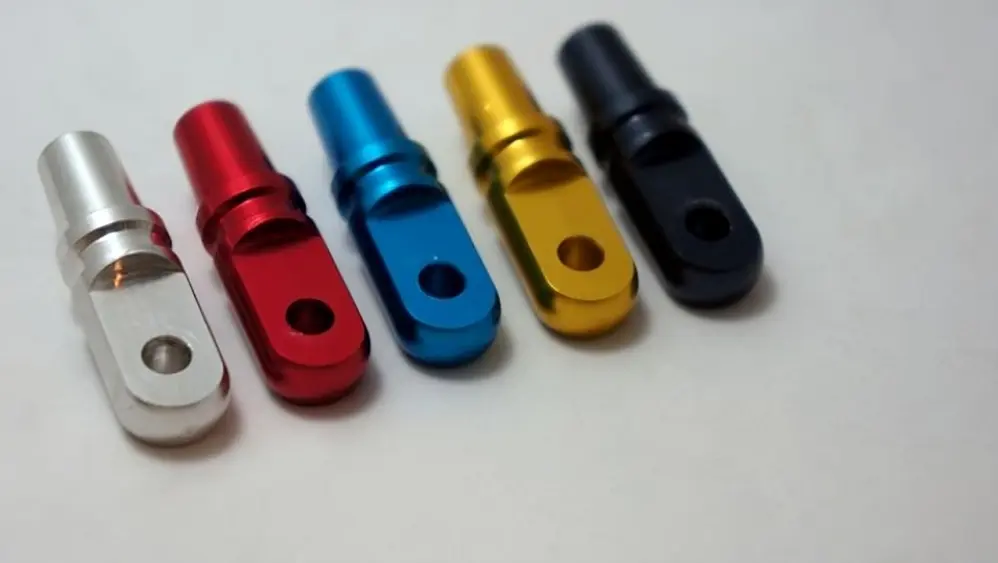
Anodizing forms a protective oxide layer on milled aluminum, with color options.
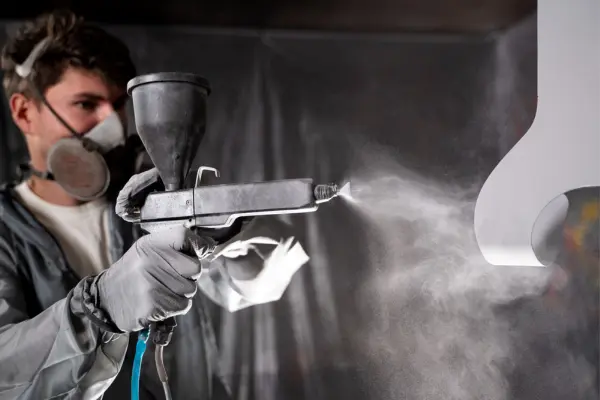
Powder coating adds a durable color coat for corrosion and weather protection.
Polishing (to Ra 0.4 μm) smooths accessible surfaces to a satin or mirror look.
Electropolishing (Ra 0.1 to 0.4 μm) dissolves a thin surface layer from stainless steel parts with electrolytic current and improves corrosion resistance.
Chemical polishing (Ra 0.4 to 0.8 μm) smooths internal channels and cavities that mechanical polishing cannot reach, on aluminum and copper.
Vibratory finishing (Ra 0.8 to 1.6 μm) tumbles parts with ceramic or plastic media to deburr edges and give an even texture across a batch.
Thermal spraying (50 to 500 μm) deposits ceramic or metallic coatings for hardness up to 70 HRC and high temperature wear resistance.
Electroplating deposits nickel, chrome, zinc or gold for corrosion resistance, conductivity and wear.
Passivation cleans stainless steel surfaces to improve corrosion resistance.
Materials for CNC Milling
XC Machining mills 60+ metals, engineering plastics and composites. Each material is chosen for strength, machinability, corrosion resistance and use. The table lists the 12 families customers request most.
| Material | Common grades | Yield (MPa) | Tensile (MPa) |
| Aluminum | 6061-T6, 7075-T6, 2024-T3, 5052-H32, 6082-T6 | 190 to 505 | 230 to 570 |
| Carbon Steel | 1018, 1045, 1060, 12L14, 1095 | 200 to 900 | 350 to 1,100 |
| Stainless Steel | 303, 304, 316, 316L, 17-4 PH | 170 to 1,170 | 485 to 1,310 |
| Titanium | Grade 2, Grade 5 (Ti-6Al-4V), Grade 23 (Ti-6Al-4V ELI) | 170 to 900 | 240 to 1,000 |
| Brass | C36000, C26000, C28000, C46400 | 75 to 450 | 300 to 600 |
| Copper | C10100, C10200, C11000, C14500 | 50 to 350 | 200 to 400 |
| ABS | General purpose, impact modified, flame retardant | 30 to 50 | 35 to 55 |
| Nylon (PA) | PA6, PA66, PA12, glass filled nylon | 45 to 85 | 50 to 90 |
| Polycarbonate (PC) | General purpose, optical, flame retardant | 55 to 70 | 55 to 75 |
| POM (Delrin) | POM-C, POM-H, Delrin 150, Delrin 500 | 55 to 75 | 60 to 80 |
| PEEK | Unfilled, GF30, CF30, bearing grade | 85 to 110 | 90 to 110 |
| PTFE (Teflon) | Virgin, glass filled, carbon filled, bronze filled | Varies by formulation | 20 to 35 |


Aluminum is light, resists corrosion and mills easily. It suits CNC milled housings, brackets, enclosures and precision components for aerospace, automotive and industrial use.
Design note: chips clear fast, so aluminum gives the shortest cycle times of any metal we mill.


Carbon steel offers strength, toughness and low cost. It suits CNC milled machine parts, mounting brackets, tooling and structural components for automotive and industrial work.
Design note: bare steel rusts, so plan a plating or powder coat for damp service.


Stainless steel resists corrosion and keeps its strength. It suits CNC milled medical equipment parts, food processing machinery, marine fittings and precision industrial components.
Design note: it cuts slower than aluminum and needs rigid fixturing, which adds machine time.


Titanium combines high strength to weight with corrosion resistance and high temperature performance. It suits CNC milled aerospace, medical and high performance industrial parts.
Design note: it wears tools quickly, so cost per part runs above aluminum and steel.


Brass mills cleanly, resists corrosion and conducts electricity. It suits CNC milled valve bodies, electrical connectors, mounting plates, precision fittings and decorative mechanical parts.
Design note: it is softer than steel, so avoid it for high load parts.


Copper conducts heat and electricity very well. It suits CNC milled heat sinks, busbars, electrical contacts and conductive plates.
Design note: copper is soft and burrs easily, so we deburr every edge.


ABS is a tough, light and low cost plastic with good impact resistance. It suits CNC milled prototypes, electronic housings, fixtures, enclosures and functional parts.
Design note: it softens at lower temperatures than nylon, POM or PEEK, so check service heat.


Nylon resists wear and keeps moving parts quiet and smooth. It suits CNC milled gears, bushings, bearing components, rollers and precision mechanical parts.
Design note: it absorbs moisture and its size shifts slightly, so tell us the service conditions when tolerances are tight.


Polycarbonate offers high impact resistance and stable dimensions, and optical grades are clear. It suits CNC milled machine guards, protective covers, electronic housings and durable precision parts.
Design note: clear parts need polishing to stay transparent, and the surface scratches easily.


POM holds its size, runs with low friction and resists wear. It suits CNC milled gears, bearing blocks, bushings, sliding components and mechanical parts that need steady performance.
Design note: it holds tight tolerances more easily than nylon because it takes up less moisture.


PEEK is a high performance plastic with strong heat resistance, chemical stability and strength. It suits CNC milled aerospace components, medical equipment parts, precision fixtures and demanding industrial parts.
Design note: PEEK costs far more than other plastics, so use it where heat or chemicals rule the others out.


PTFE resists chemicals and has extremely low friction. It suits CNC milled seals, gaskets, valve seats, insulating plates and sliding parts in chemical and industrial equipment.
Design note: PTFE is soft and creeps under load, so tight tolerances are hard to hold.
Stocked in House
These materials are stocked for standard 3 to 7 day lead times. Non-standard alloys and specialty plastics are available on request with 5 to 10 days for material purchase.
Our materials page lists all 60+ options.
5052, 6061-T6, 6063-T5, 7075-T6, 2024-T3, 7050-T7451, MIC-6
ABS, acetal (Delrin), acrylic, G-10 Garolite, Nylon 6/6, PEEK, polycarbonate, PTFE (Teflon)
Brass C360, brass 260, C932 bearing bronze
Copper C110, copper 101
Our CNC Milling Services Prototype Manufacturing Capabilities
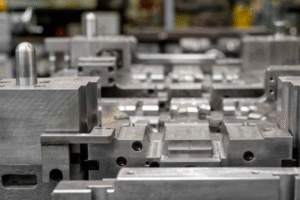
Provides injection molding for prototypes and custom parts, emphasizing expert support, competitive pricing, and faster production cycles.
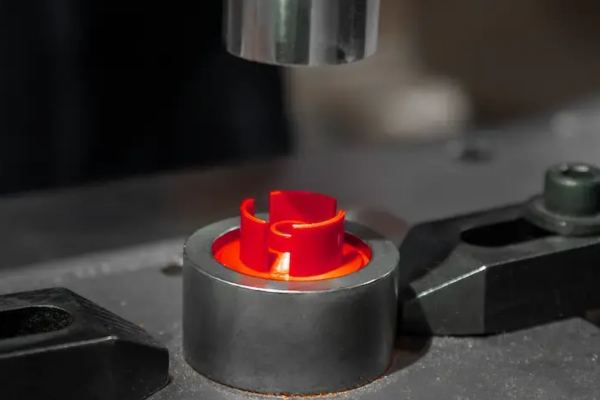
Get reliable vacuum casting services for high-quality prototypes and production parts at competitive prices. XC Machining offers highly detailed casting parts with consistent quality.
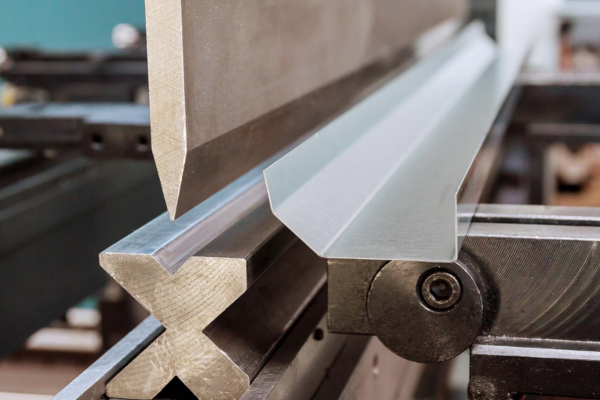
Uses cutting, bending, and forming techniques to produce precision metal components suited for industrial, commercial, and manufacturing applications.
Specialist Industries
Bring Your Designs to Life with XC Machining
Experience precision engineering with XC Machining. From detailed prototypes to high-volume production, we’re here to turn your concepts into reality. Contact us today to discuss your project needs!
- Expertise Shared Widely
- Market Reach Expanded
- Advanced Technology Integrated
- Collaborative Innovation Opportunities
- All uploads are secure and confidential
CNC Milling Services FAQs
What is tool offset in CNC milling?
Tool offset is the programmed adjustment that accounts for each cutting tool’s length and diameter. The length offset (H value) sets the tool tip at the correct Z depth. The diameter offset (D value) shifts the cutter path by the tool radius. Accurate offsets prevent over-cutting. We check every tool offset on a tool presetter before each milling run.
What is the difference between CNC milling and CNC routing?
Milling uses fast spindles, 8,000 to 20,000 RPM, with multi-point tools. It cuts metals and hard plastics to ±0.005 mm. Routing runs at higher feed rates over larger tables, up to 2400 x 1200 mm, and cuts sheet stock such as aluminum, acrylic and foam. Milling makes precision 3D parts, and our CNC routing service handles flat panels.
What is the difference between CNC milling and CNC turning?
In milling, the tool rotates and the part stays clamped, which suits parts with pockets, slots and contours. In turning, the part spins and a single point tool cuts it, which suits shafts, pins and bushings. Parts with round and flat features need both, and we offer CNC turning services in the same shop.
What are XC Machining's CNC milling capabilities?
Maximum part size is 4000 x 1500 x 600 mm and minimum is 5 x 5 x 5 mm. Tolerances reach ±0.01 mm on 5 axis work and ±0.005 mm on standard precision features. We mill 60+ materials, with lead times from 3 days for simple parts to 14 days for complex ones. Post-milling services include anodizing, powder coating, electroplating, heat treatment and CMM inspection reports.
What CNC milling machines does XC Machining operate?
We run three classes of mills. 3 axis vertical machining centers cut prismatic parts along X, Y and Z. 4 axis machines add an A axis so one setup reaches several sides without re-fixturing. 5 axis simultaneous mills add A and B rotation for contoured surfaces, such as impellers and implants, in one setup with ±0.01 mm accuracy.
What affects the price of CNC milled parts?
Material, machine time, part complexity, tolerance and quantity set the price. Titanium and stainless cut slower than aluminum, which raises machine time. Deep pockets, thin walls and tight tolerances add setups and inspection. Finishes add a separate step. Larger orders spread setup cost across more parts, so the cost per part falls.
How do I choose a surface finish for a milled part?
Start with the job of the part. Leave it as machined (Ra 3.2 μm) for hidden or internal parts, where cost matters most. Choose bead blasting or brushing for a clean look, anodizing for aluminum that needs corrosion resistance, and plating or powder coating for steel. Tell our engineer your use, and we will recommend a finish.